
Reviewed · MOSHI & KILIMANJARO TOURS
7 Days Highlight of Tanzania Mid-Range Standard
The great strength of this seven-day private safari is its range. You move from elephant country in Tarangire to the open plains of the Serengeti, then down into the wildlife-packed Ngorongoro Crater. It covers the classic northern Tanzania route without turning the whole trip into a single-park visit.
I like the chance to spend several days in the Serengeti, where repeated game drives give you more than one hurried look at the big cats. I also like the small human touch at the hippo picnic areas, especially Retima and Ngoitokitok, where lunch comes with wildlife nearby.
The main drawback is time on the road. Several days run for about 10 hours, and the route is ambitious. I would also confirm the final route before paying, since the overview mentions Lake Eyasi and the Hadzabe people, while the detailed schedule ends at Ngorongoro Crater and includes Lake Manyara instead.
Key points at a glance
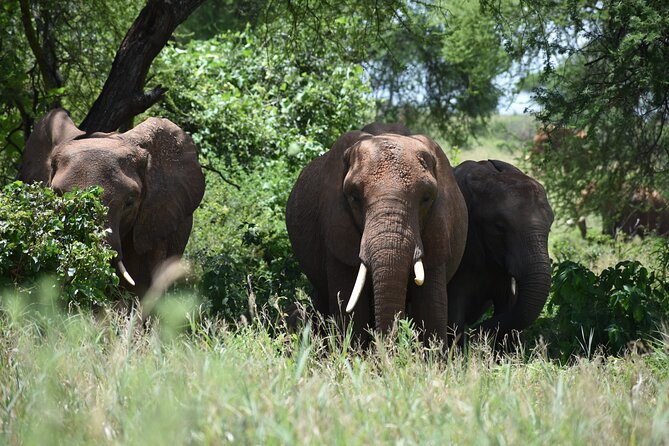
- Tarangire begins the safari with elephants: The park is known for Tanzania’s largest elephant population and strong dry-season sightings along the Tarangire River.
- Two full Serengeti days bring better odds: The schedule gives you time in central Serengeti and then moves north toward the Mara River.
- The Mara River is seasonal drama, not a guarantee: Wildebeest crossings may occur from June through August, depending on rainfall, but no crossing can be promised.
- Private transport keeps the pace flexible: Only your own group takes part, so you can discuss stops and viewing time with your guide.
- Ngorongoro offers compact, rewarding game viewing: The crater floor is open, full of animals, and one of the strongest places on this route for a Big Five search.
- Guide quality matters greatly: Baraka, George Mollel, Hoza, Nestor, Linus, and Steven are among the guides praised in past safari feedback, though your assigned guide may differ.
Why this route works for a first Tanzania safari
If you have one week and want the essential northern circuit, this plan makes sense. You see four important wildlife areas, each with a different character, rather than spending all seven days in one reserve.
Tarangire gives you giant baobabs, elephants, and a less crowded start. Lake Manyara adds forest, birds, monkeys, hot springs, and the possibility of tree-climbing lions. The Serengeti supplies the huge skies and predator sightings most people picture when they think of an African safari. Ngorongoro then finishes the trip with dense animal viewing in a remarkable volcanic setting.
I especially like the two-day Serengeti focus. One afternoon is rarely enough to understand a park this large. Here, you have a central Serengeti game drive, a northern route toward the Mara River, a morning beside the river, and another game drive before leaving for Ngorongoro.
Still, this is not a leisurely holiday. You spend many hours in a safari vehicle, often with a picnic lunch rather than a long midday break. The route is designed for variety and wildlife coverage, not for sleeping late or lingering at one camp.
More week long trips in Moshi & Kilimanjaro:
- Kilimanjaro climb by Lemosho Route (7-day)
★ 5.0 · 651 reviews - Kilimanjaro climb, Machame Route (7-day)
★ 5.0 · 262 reviews - Climbing Kilimanjaro through 7 days Machame Route
★ 5.0 · 151 reviews
Day 1: Tarangire and its elephant country
You leave Arusha after breakfast with a picnic lunch and head toward Tarangire National Park. The drive passes through Rift Valley scenery before you enter one of northern Tanzania’s best parks for elephants.
Tarangire is described as the least visited reserve on this route, which can make it a pleasant opening act. Its animal numbers can be especially strong in the dry season, when wildlife gathers around the Tarangire River. Look for elephants, buffalo, giraffes, zebras, and several antelope species.
The park’s appeal is not only the number of animals. The river gives the day a clear wildlife rhythm, while the large trees and open country create good viewing conditions. You may find Tarangire feels more relaxed than the Serengeti, though sightings are never guaranteed.
The accommodation listed for this night is Tortilis Tented Camp, located near the park edge. Its position is useful because elephants may move out of the park through the surrounding corridor. That does not mean elephants will appear at your tent, but it puts you in a setting where wildlife movement is part of the area’s character.
This is a long day of about 10 hours, including the drive and game viewing. I would wear light layers, keep binoculars and sun protection close by, and expect the picnic lunch to be taken during the day rather than at a formal dining table.
Day 2: Lake Manyara’s forests, birds, and lions
After breakfast, you return to Tarangire for more game viewing until around midday. Then you travel to Lake Manyara National Park for an afternoon in a much smaller but varied park.
Manyara changes the mood completely. Instead of Tarangire’s river-centered dry-country feel, you find underground-water forests, acacia woodland, grassland, swamps, marshes, and hot springs. That mix gives you a good chance to notice smaller details, not just large mammals.
More than 400 bird species have been recorded here, including flamingos and migratory water birds. Monkeys and forest birds add movement and sound, while the acacia areas are linked with Manyara’s famous tree-climbing lions.
The park can be a strong choice for anyone who enjoys birdlife as much as the Big Five. It also gives you a useful contrast before the broad plains of the Serengeti. The drawback is again the schedule: about 10 hours, with a morning in Tarangire followed by a transfer and game viewing at Manyara. You will see a lot, but the pace is brisk.
The supplied route does not clearly name the night’s accommodation. Ask for the confirmed camp or lodge list before departure, particularly if room style and location matter to you.
Day 3: Entering the Serengeti
After breakfast, you drive to Serengeti National Park, stopping for a picnic lunch after arrival before continuing with a game drive. This is the day when the scenery opens up and the scale of the park becomes part of the experience.
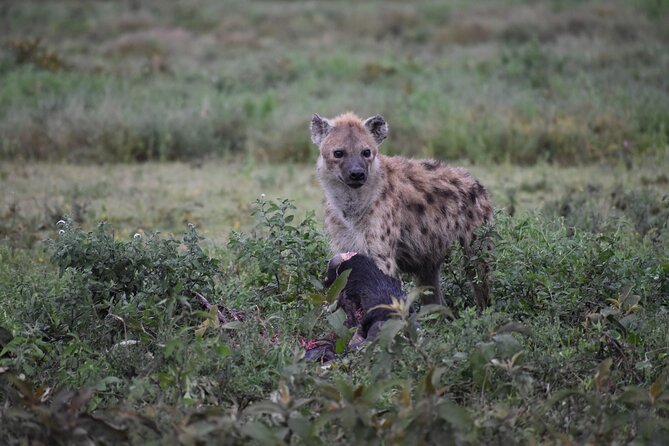
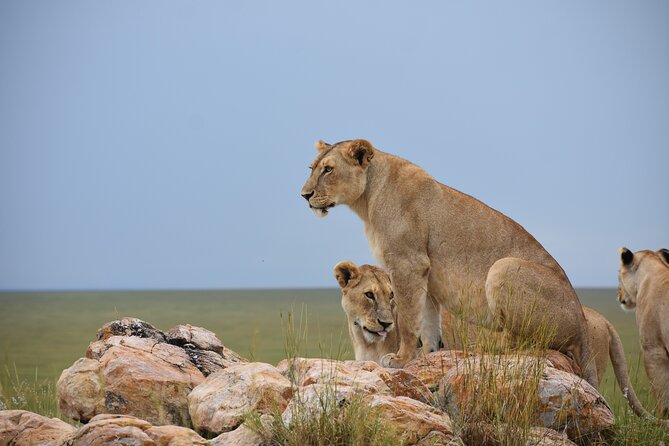
Central Serengeti is known for year-round game viewing, with strong chances of seeing lions, leopards, and cheetahs. You may also encounter hyenas, jackals, elephants, giraffes, hippos, buffalo, and many other species.
The value of this day comes from the late-afternoon drive. Animals often become more active as the heat eases, and the low sun can give the plains a softer look. Your guide’s ability to read tracks, watch animal behavior, and communicate with other drivers can make a major difference.
The night is scheduled at Serengeti Heritage Tented Camp. A tented camp gives you a closer connection to the setting than a conventional city hotel, while still fitting the mid-range standard promised by the tour. Confirm whether the camp location changes with the season, since location can affect drive times and the type of wildlife nearby.
You have another 10-hour day, so this is where the physical rhythm of the safari becomes clear. The reward is a proper first taste of Serengeti wildlife rather than a quick drive-through.
A few more Moshi & Kilimanjaro days to compare
- Safari Serengeti And Ngorongoro
★ 5.0 · 288 reviews - Kilimanjaro Climbing Lemosho Route 8 Days.
★ 5.0 · 186 reviews - Climbing Kilimanjaro – Machame Route
★ 5.0 · 170 reviews - Kilimanjaro climb, Lemosho Route (8-day)
★ 5.0 · 148 reviews
Day 4: The Mara River and Retima Hippo Pool
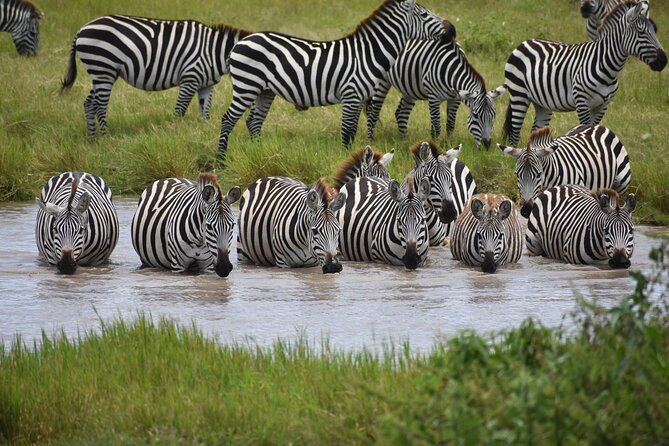
The fourth day shifts north toward the Mara River. The route is built around one of Africa’s most dramatic wildlife events, the movement of wildebeest and zebras across fast water while crocodiles and waiting predators create danger on both sides.
Timing matters. River crossings can begin as early as June or as late as August, depending on rainfall. If you travel outside that period, you may still see large herds and predators, but you should not book this trip expecting a crossing as a sure thing.
Even during crossing season, nature sets the schedule. You might wait with no action, see herds gather and turn back, or catch a brief and chaotic crossing. That uncertainty is part of the spectacle, but it is also why a responsible operator should never promise one.
The day includes about seven hours of game viewing and a stop at Retima Hippo Pool. This is a welcome change of pace, letting you eat while hippos remain nearby. The setting gives you a close look at one of Africa’s most impressive animals, though your guide will manage the distance and safety arrangements.
A northern Serengeti day is valuable because it adds a different habitat and a seasonal purpose to the safari. It also means more driving from central areas, so you should be comfortable with rougher roads and a full day in the vehicle.
Day 5: An early Mara River game drive
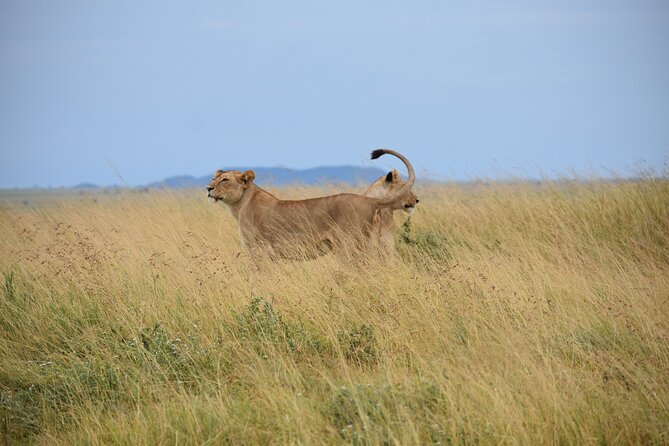
You rise early for another drive along the Mara River. An early start can improve your chances of seeing animals before the day becomes hot, and it gives you a second opportunity to find herds, predators, and river wildlife.
The suggested sightings include lions, cheetahs, leopards, elephants, giraffes, warthogs, hippos, and possibly the endangered black rhino. No list of animals is a promise, but the range shows why the Mara area deserves more than a single pass.
This is also a good day to let your guide work at a slower viewing pace when something interesting appears. Several past safari experiences connected with this operator singled out guides such as Baraka, George Mollel, Hoza, Nestor, Linus, and Steven for strong wildlife spotting, safe driving, patience, humor, and care with planning. Ask if you can request a guide, but understand that availability may decide the assignment.
The day lasts about eight hours and ends back at camp for dinner and the night. Compared with the previous day, that leaves a little more breathing room, though the early start may make the evening feel short.
Day 6: Leaving the plains for Ngorongoro
After an early breakfast, you take another Serengeti game drive while heading toward Ngorongoro Crater. This is your last major chance on the schedule to search for the Big Five in the open Serengeti.
The phrase Big Five refers to lion, elephant, buffalo, rhino, and leopard. Seeing all five is never assured, and the black rhino is particularly difficult, but the route gives you several habitats and repeated chances rather than one short outing.
As you leave the Serengeti, the view changes again. You reach the crater rim and get a first look at the streams, grasslands, and animals below. The rim stop is more than a photo opportunity. It prepares you for the next day, when you descend into the caldera.
The night is at a selected mid-range partner lodge, with a restaurant and comfortable rooms. Since the exact property is not named, ask where you will stay and whether the price includes the specific accommodation category you expect. Six breakfasts, six dinners, and seven lunches are included overall, but the schedule should be checked against your final lodging plan.
This is another 10-hour day, with game viewing and a long transfer. It is necessary to connect the two parks, but you should not expect a relaxed hotel afternoon.
Day 7: Ngorongoro Crater from rim to floor
The final day starts very early. You travel through the Ngorongoro Conservation Area and descend 610 meters to the crater floor, which covers about 265 square kilometers.
The crater is compact compared with the Serengeti, and its open terrain can make animal viewing easier. It supports around 25,000 large mammals, including wildebeest, zebras, and black rhinos. You may also search for lions, elephants, buffalo, and leopards during the day.
What I like here is the sense of a natural enclosure without fences. The crater walls contain a remarkable range of habitats, while streams and grasslands support animals through the year. The setting can feel very different from the endless Serengeti, even though the wildlife list overlaps.
You stop for a picnic on the crater floor, then visit the Ngoitokitok Picnic Area, where hippos are within walking distance. This is a memorable lunch setting, but it is not a place for casual wandering. Follow your guide’s instructions closely around wildlife.
The final day lasts about seven hours. That makes it shorter than several earlier days, but the early start and steep descent still make it a full outing.
What the $4,465 price includes
At $4,465 per person, this is a major purchase. The value depends on how many people are in your private group, the quality of the vehicle and guide, and the standard of the tented camps and lodges.
The stated inclusions are:
- All national park fees
- Private transportation
- All fees and taxes
- Six dinners
- Seven lunches
- Six breakfasts
Private transport is important here. You are not placed with strangers, and your group can discuss how long to stay at a sighting or when to move on. It also gives the trip a more personal feel than a large coach-style package.
The price does not include visa fees, tips, travel insurance, or personal items. I would also ask for written confirmation of every accommodation, the airport or hotel pickup details, and the exact Lake Eyasi question before booking.
Who will get the most from this safari
This trip suits you if you want a broad first look at Tanzania and care more about wildlife coverage than slow mornings. It is particularly strong for people who want elephants in Tarangire, big cats in the Serengeti, a chance at the Mara River, and a final Big Five search in Ngorongoro.
It also fits couples, families, or friends who value a private vehicle. The tour is private, and only your group takes part. Most people can participate, and pickup is offered.
I would think twice if you dislike long drives, early breakfasts, picnic meals, or changing camps. You should also be realistic about seasonal wildlife. A river crossing, leopard sighting, or black rhino is possible, not guaranteed.
The guide is central to the experience. Past feedback repeatedly praised named guides for safe driving, clear communication, flexible plans, humor, and sharp wildlife spotting. If you have a preference for Baraka, George Mollel, Hoza, Nestor, Linus, or Steven, ask about availability before you commit.
Practical booking advice before you pay
The largest point to clarify is the route. The opening description refers to Lake Eyasi and the home of the Hadzabe people, but the detailed seven-day plan lists Lake Manyara and ends at Ngorongoro Crater. Those are different experiences, so ask the operator to confirm the exact day-by-day program.
Also request the accommodation names. Tortilis Tented Camp and Serengeti Heritage Tented Camp are specified, but the other nights are described more generally as selected mid-range partner lodges. The answer will help you judge if the price matches your expectations.
Pickup is offered, a mobile ticket is available, and booking confirmation is provided at the time of purchase. Free cancellation applies if you cancel at least 24 hours before the local start time. Within 24 hours, no refund is provided.
Should you book the 7 Days Highlight of Tanzania?
I would book this safari if you want the classic northern Tanzania route in a private vehicle and accept a demanding schedule. The strongest features are the two Serengeti-focused days, the Tarangire elephant country, and the final crater descent.
I would not book it without first confirming the Lake Eyasi versus Lake Manyara issue, the exact camps, and the guide assignment. At $4,465, those details matter. With the route and lodging clearly confirmed, this is a strong choice for a first safari that aims to deliver variety, big cats, elephants, hippos, and a serious Big Five search in seven days.
FAQ
How long does the Tanzania safari last?
The experience lasts approximately seven days.
Where does the safari begin?
The itinerary begins in Arusha, Tanzania, after breakfast on the first day.
Which national parks are included?
The detailed schedule includes Tarangire National Park, Lake Manyara National Park, Serengeti National Park, and Ngorongoro Crater.
Is this a private tour?
Yes. Only your own group takes part in the private tour or activity.
Are meals included?
Yes. The package includes six breakfasts, seven lunches, and six dinners.
Are park fees included in the price?
Yes. All national park fees, fees, and taxes are included.
Can I cancel for a full refund?
Yes, if you cancel at least 24 hours before the experience start time. Cancellations made within 24 hours are not refunded.
Newly listed around Moshi & Kilimanjaro
- Climb Mount Kilimanjaro: 7 Days Machame Route★ 5.0 · 3 reviews
- 6 Days Mount Kilimanjaro Climbing via Rongai Route★ 5.0 · 3 reviews
- Explore 1 day Ngorongoro Crater Budget Group Safari from Arusha★ 5.0 · 3 reviews
- Mt. Kilimanjaro Day Hiking★ 5.0 · 3 reviews
- Chemka (Kikuletwa) Hot Springs, Tanzania★ 5.0 · 3 reviews
- Guided City tour of Moshi★ 4.3 · 3 reviews
- 8 Day Tanzania Family Safari★ 5.0 · 3 reviews
- Rongai Route 7 Days★ 5.0 · 3 reviews
Moshi & Kilimanjaro Tours, compared.
Browse the lists this tour appears in