
Reviewed · KILIMANJARO CLIMBS
7-Day Mountain Climbing in Machame Route
Mount Kilimanjaro’s Machame Route gives you a full mountain story in seven days: thick rainforest, open moorland, volcanic rock, high alpine desert, and a hard midnight push to the summit. You do not need technical climbing experience, but you do need steady fitness, patience, and the ability to keep moving when the air gets thin.
I like the route’s changing scenery and the fact that it is a private trip, so your group can set its own rhythm with the guide. I also like the practical support from porters and a cook, plus hot meals each day. The main drawback is the summit night: five to six hours in darkness to Stella Point, followed by another demanding hour toward the top. This is a serious trek, not a casual walk with a nice view.
Key points to know before booking
- Seven days on the Machame Route: You move from rainforest at 1,811 meters to a summit listed at 5,985 meters.
- A strong variety of habitats: Expect blue colobus monkeys and birds in the forest, then moorland, semi-desert, and alpine desert higher up.
- A midnight summit attempt: You leave Barafu Camp around midnight and aim for sunrise near the summit.
- Private group format: Only your own group takes part, with pickup offered from Arusha.
- Porters, cook, and guides included in the experience: They carry luggage, prepare meals, and support the climb.
- Budget $2,700 per person: Park fees and listed meals are included, but tips are not.
What the $2,700 price buys you
At $2,700 per person, this is not a cheap mountain holiday. It is also more than a simple park visit, since your fee covers seven days of guided trekking, park fees, breakfast for seven days, lunch for seven days, and dinner for six days. Porters and a cook are part of the mountain team, and transport is arranged from the gate back to accommodation in Moshi or Arusha.
That price matters because Kilimanjaro is a managed national park, and the trek requires staff, food, camp equipment, and permits. You are paying for an organized mountain operation rather than finding your own way up. The private format can also be valuable if you want the group size and walking pace to suit your party.
Still, check the details before paying. Tips are not included, and the supplied information does not list equipment rental, sleeping bags, travel insurance, drinks, or airport transfers. One account connected with the operator describes access to trekking poles, sleeping bags, sleeping pads, warm clothing, and other gear, but you should confirm exactly what is included in your booking.
The biggest value is the support system. You can focus on walking, eating, resting, and watching your breathing while the mountain crew handles luggage and camp meals. Just remember that a lower price is not worth much if the package leaves you short of warm clothing or essential equipment.
More Kilimanjaro routes:
- 8-Day Small-group Lemosho Kilimanjaro Summit Trekking
★ 5.0 · 186 reviews - 7-Day Machame Kilimanjaro Summit Tour from Arusha
★ 5.0 · 125 reviews - Private Full Day Hiking Experience to Marangu Route
★ 5.0 · 61 reviews
Day 1: rainforest from 1,811 to 3,021 meters
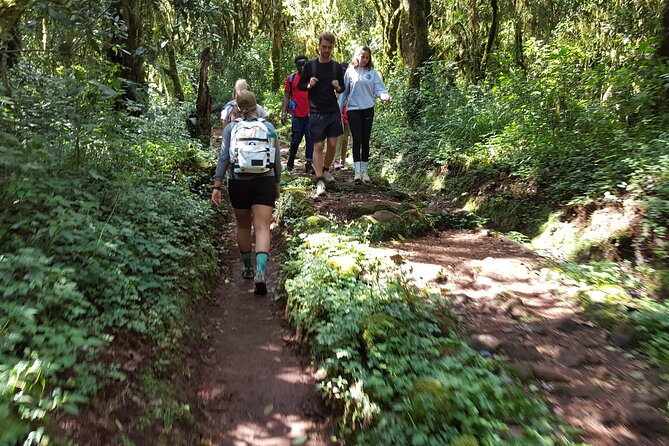
Your day begins with pickup at about 7:30 a.m. from Arusha, followed by the drive to Kilimanjaro National Park. After the required park formalities, you start walking through the thick rainforest on Kilimanjaro’s lower slopes.
Plan on five to six hours of hiking. The forest is more than a warm-up. It gives you your first taste of wet ground, roots, changing weather, and the steady uphill rhythm you will need for the week. Blue colobus monkeys and many bird species may appear among the trees, though wildlife sightings are never guaranteed.
Machame Camp is listed at about 3,021 meters, after a gain of roughly 1,210 meters. You finish in the rainforest zone, with breakfast, lunch, and dinner provided. The cook and porters wait at camp, and a hot bath is mentioned as part of the evening setup.
This first day can feel long because you have traveled from Arusha and then started climbing. Do not waste energy trying to race ahead. A slow pace now helps you arrive at camp with enough strength for the higher sections.
Day 2: the forest gives way to Shira moorland
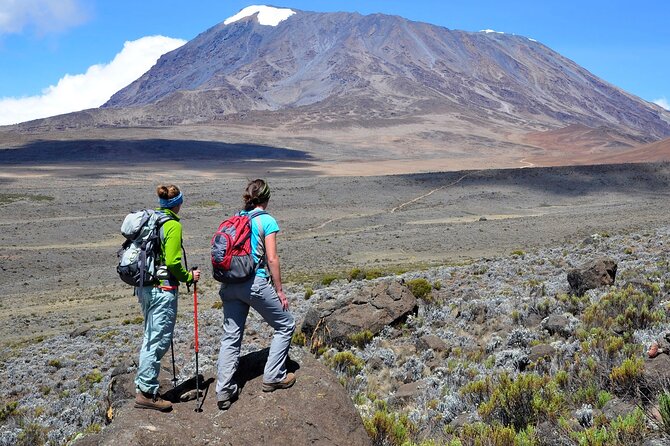
Day two is shorter, with about four to five hours of walking from 3,021 to 3,839 meters. The rainforest fades into open moorland, and the change is one of the pleasures of the Machame Route. You get broader views, less tree cover, and a clearer sense that you are moving into high country.
Shira Camp gives you time to rest in the afternoon and look toward Kibo Glacier. The elevation gain is about 818 meters, enough to make the altitude noticeable even on a shorter day. Keep drinking water and resist the temptation to treat the early ease as proof that the rest of the climb will be simple.
Your meals remain included, and you sleep at Shira Camp. The practical advantage of this schedule is that you are not forced into a huge walking day immediately after the rainforest. The possible downside is that the climb is already high by the second night, so a good fitness base alone does not guarantee that altitude will feel easy.
Day 3: volcanic rock and a confusing camp detail
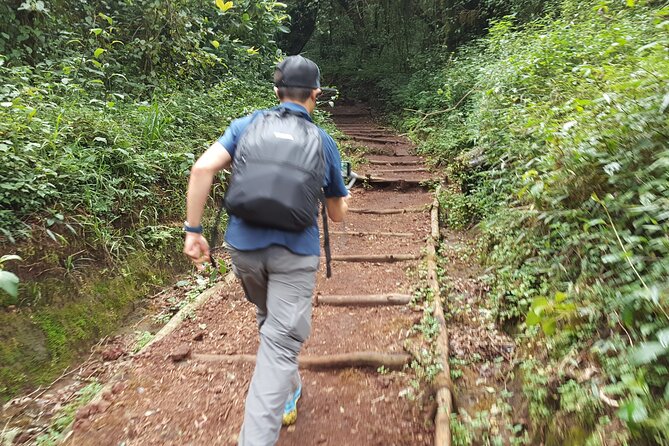
Day three is described as a five to six-hour hike through semi-desert. The route includes a 300-foot volcanic rock formation that provides the first intimidating challenge of the day, followed by a gradual descent toward Barranco Camp.
Barranco is presented as one of the most beautiful camps on Kilimanjaro, and the route’s shape explains why. You gain only about 147 meters overall, from 3,839 to 3,986 meters, but you spend much of the day moving up and down. This is an important acclimatization pattern: you reach a higher point, then sleep at a slightly lower elevation.
There is one detail you should clarify before booking. The written schedule describes Barranco Camp at about 4,500 meters, yet the accommodation line for this day says Shira Camp, and the listed elevation is 3,986 meters. Those figures do not fully agree. Ask the operator to confirm the actual camp, elevation, and walking route for day three.
That is not a minor detail. Camp altitude affects how you sleep, how hard the next morning feels, and how you pack for the evening. The route description clearly intends a move toward Barranco, but get the final plan in writing.
More week long trips in Arusha:
- Tanzania Classic – 7 Days
★ 5.0 · 1,151 reviews - 7-Day Premium Luxury Tanzania Safari All-Inclusive
★ 5.0 · 426 reviews - Group Safari 7 Days in Tanzania’s Main Parks
★ 5.0 · 240 reviews - 7 Days Tanganyika Wilderness Safari
★ 5.0 · 159 reviews
Day 4: the Barranco Wall and Karanga Valley
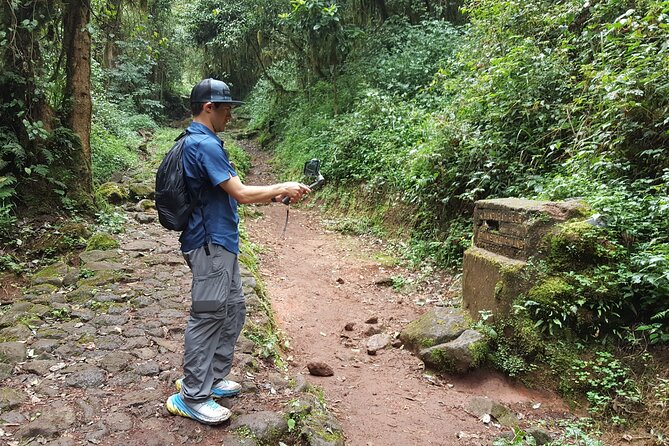
Day four brings the most recognizable hands-on section of the route: Barranco Wall. The description calls it a taste of old-school rock climbing, but you should not read that as a technical climbing expedition. It is a rocky mountain scramble that demands care, balance, and confidence.
From Barranco Camp, you continue toward Karanga Valley. The listed elevation gain is small, just 48 meters from 3,986 to 4,034 meters, but this is not an easy day simply because the numbers look modest. The route crosses rough ground, and the Barranco Wall can be tiring after three previous days of walking.
You stop for lunch in the Karanga area and spend the night at Karanga Camp in the alpine desert. Vegetation is sparse, the air is thin, and the setting feels far removed from day one’s forest. I like this section because it gives you a real sense of mountain travel without requiring specialized climbing skills.
Wear shoes with good grip and keep your hands free where possible. Your guide will set the pace, and you should follow instructions rather than trying to pass or hurry. The best approach is steady and deliberate, with no need to make the wall into a personal contest.
Day 5: Barafu Camp and the quiet before summit night
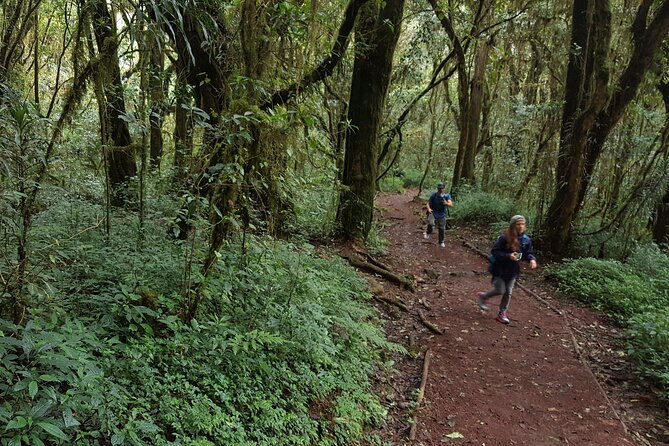
Day five takes you from Karanga Camp to Barafu Camp, rising from about 4,034 to 4,662 meters. The walk lasts roughly three to four hours, and the route completes the South Circuit, giving you views of the summit from different angles.
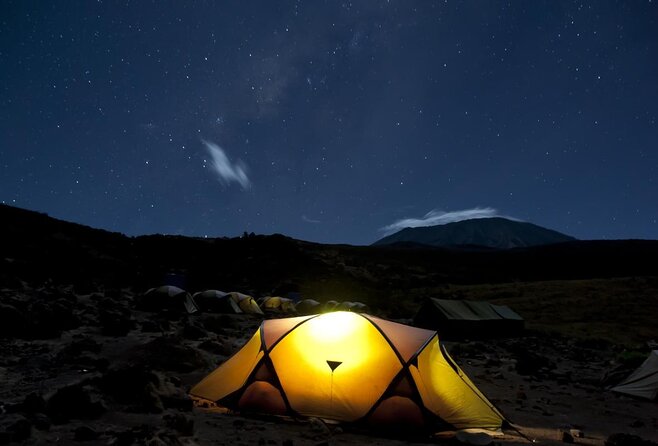
Barafu is the launch point for summit night. After breakfast and the short climb, you have time to rest, prepare your clothing, drink water, and organize the small items you will need in the dark. Dinner is scheduled early, and the night’s start is around midnight.
This day is short on paper but important in practice. You need to save energy, not fill the afternoon with unnecessary activity. The cold, high camp and anticipation can make rest difficult, so prepare your headlamp, layers, snacks, water, and gloves before trying to sleep.
The itinerary lists breakfast, lunch, and dinner at Barafu Camp. It also says that tea and a light meal will be served before the summit attempt. Confirm what food and water containers you should bring yourself, since the supplied information does not specify every piece of personal equipment.
Day 6: the midnight climb to the roof of Africa
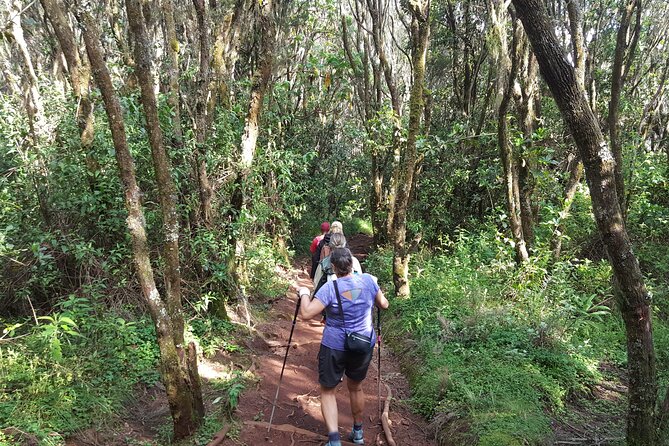
Summit day is the toughest part of the trip. Guides wake you around midnight with tea and a light meal, then you begin hiking in darkness for five to six hours toward Stella Point.
The effort is slow and repetitive. You climb by headlamp over rough ground, often taking small steps to preserve energy. The goal is to reach Stella Point a few hours before sunrise, then continue for about another hour toward the summit.
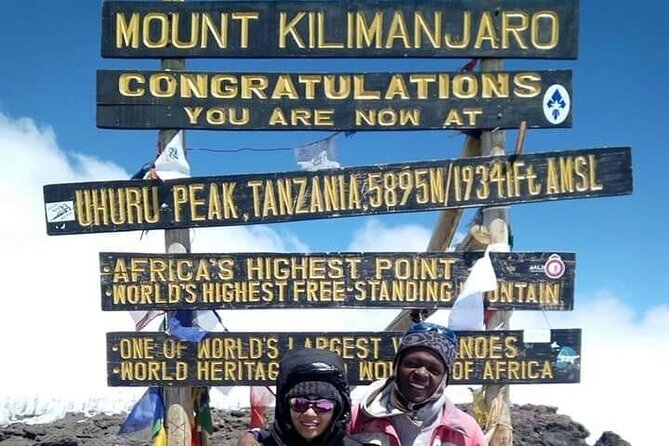
The summit elevation is listed as 5,985 meters in the supplied schedule. From there, you can watch the sunrise and take in wide views across Africa before beginning the descent. The moment is likely to feel earned, not handed to you. Even people with good fitness may find the thin air and accumulated fatigue difficult.
After photographs and congratulations, you descend to Barafu Camp for lunch and a celebration. Then you continue downward toward Mweka Camp, although the supplied day six description is cut off before giving the full accommodation and elevation details. Ask the operator to confirm where you sleep that night and how many hours of walking are planned after Barafu.
This is the day to keep expectations sensible. Summit success is never automatic. Your guide’s judgment matters, and you need to tell the crew if you feel unwell. Determination helps, but it should not mean ignoring serious symptoms.
Day 7: rainforest descent to Mweka Gate
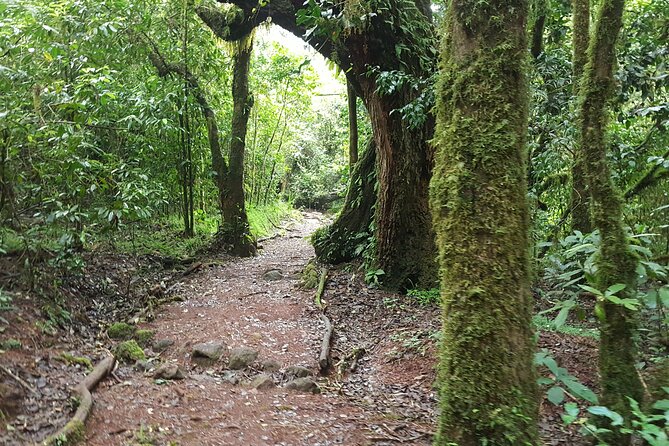
The final day is about three to four hours of hiking from roughly 3,106 to 1,633 meters. You descend through rainforest toward Mweka Gate, where the mountain team celebrates the completed climb.
The descent is easier on your lungs but can be hard on tired knees and legs. Poles, if supplied, are useful here. At Mweka Gate, you complete the exit process, say goodbye to the guides, porters, and cook, and continue by vehicle to accommodation in Moshi or Arusha.
The schedule lists breakfast and lunch for this day, with accommodation at Forest Hill Carnival Hotel. It is worth confirming whether that hotel stay is included in your $2,700 price or simply describes the planned accommodation. The included section does not clearly state hotel nights beyond the mountain camp arrangement.
A final meal and celebration can be a pleasant close, but remember that tips are recommended and not included. Bring cash in the currency requested by the operator, and ask how the crew prefers tips to be shared.
Scenery, food, and the mountain crew
The route’s greatest strength is its variety. You begin with forest wildlife and birdlife, move through moorland with views toward Kibo Glacier, cross semi-desert terrain, negotiate the Barranco Wall, and spend summit night in a cold alpine setting.
Food is another practical part of the experience. Breakfast, lunch, and dinner are listed for the first five days, with breakfast and lunch on the final descent day. A cook travels with the group, which means you are not relying on whatever food happens to be available at a distant camp.
The human support is central. Porters carry luggage, guides lead the walking, and the cook keeps meals moving. Guide names associated with the operator include John and Ellie, though you should confirm your assigned crew before departure.
Several positive accounts connected with this climb focus on good laughs, well-planned walking, strong scenery, and the feeling of learning along the way. That matches the trip’s design: it is demanding, but it is also a social experience built around shared meals, long walks, and a common goal.
Who should book this climb
This trek suits you if you have moderate physical fitness, enjoy walking for several hours on consecutive days, and want a private mountain experience rather than a large group departure. It also suits first-time high-altitude trekkers who want guides and porters, provided they understand that no guide can remove the physical challenge.
You should think carefully before booking if you dislike cold nights, basic mountain camps, rough terrain, or early starts. The phrase easier to climb than other mountains should not be mistaken for easy. The summit day alone can last many hours, and the route reaches very high altitude.
The seven-day schedule gives you a clear progression, but the altitude gain is still substantial. Ask about the day three camp discrepancy, the missing day six details, equipment, hotel nights, water, and the exact summit elevation used by the operator. Good questions before departure make for fewer surprises on the mountain.
Pickup is offered, and the listed start time is 7:30 a.m. The tour is private, but the supplied information does not give a maximum group size. Ask how many people will be in your party and how many porters and guides will support you.
Should you book the Machame Route?
I would recommend this climb if you want a demanding but organized Kilimanjaro trek with strong scenery, a private format, and a full seven-day schedule. The mix of rainforest, moorland, volcanic rock, Barranco Wall, and summit sunrise gives you far more than a simple uphill walk.
The $2,700 cost can be fair for the park fees, meals, porters, cook, guides, and transport support, but only after you confirm what equipment and hotel accommodation are covered. I would also ask for a corrected day-by-day plan, especially for day three and the incomplete day six section.
Book it if you are ready to train, pack properly, walk slowly, and accept that summit success depends on conditions and your health. Skip it if you want a relaxed sightseeing holiday. Kilimanjaro rewards patience, but it asks for real effort first.
Free cancellation is available if you cancel at least 24 hours before the start time. Changes made inside that period are not accepted, and poor weather may lead to a different date or a full refund.
FAQ
Where does the climb begin?
The experience begins with pickup offered from Arusha. The listed start time is 7:30 a.m., followed by travel to Kilimanjaro National Park.
How long is the Machame Route trek?
The trek lasts approximately seven days.
Is this a private tour?
Yes. Only your own group participates in the private tour or activity.
What fitness level is required?
A moderate physical fitness level is required. You should be prepared for several hours of hiking on most days and a long summit attempt at night.
Are park fees included?
Yes. Park fees are included in the stated tour inclusions.
Are meals included?
Breakfast is included for seven days, lunch for seven days, and dinner for six days.
Are tips included?
No. Tips are not included, and tipping the guides, porters, and cook is recommended.
What happens on summit day?
You are woken around midnight for tea and a light meal, then hike for five to six hours toward Stella Point. From there, the final section to the summit takes about one additional hour.
Where does the trek finish?
The mountain trek finishes at Mweka Gate. A driver then takes you to accommodation in Moshi or Arusha.
Can I cancel for a full refund?
Yes, if you cancel at least 24 hours before the experience start time. If poor weather causes the operator to cancel, you are offered another date or a full refund.
Newly listed around Arusha
- 5-Day Private Safari Tour in Tanzania’s Wildlife★ 5.0 · 3 reviews
- 3 Days private safari Tarangire ,Ngorongroro crater &Manyara★ 5.0 · 3 reviews
- 3 Day Sharing Safari – Manyara, Ngorongoro Crater and Tarangire National Parks★ 5.0 · 3 reviews
- Tarangire National Park Day Trip★ 5.0 · 3 reviews
- 2 Days Tarangire and Ngorongoro Crater Tour★ 5.0 · 3 reviews
- 6 -Day Tarangire, Manyara, Serengeti & Ngorongoro★ 5.0 · 3 reviews
- 5 Days Group Camping Safari★ 4.7 · 3 reviews
- 4 Days Tanzania Safari★ 4.5 · 3 reviews
Kilimanjaro Climbs, compared.








Browse the lists this tour appears in