
Reviewed · SERENGETI & NGORONGORO SAFARIS
6 Days Tarangire,Serengeti, Ngorongoro & Manyara Mid-range Camping Safari Tour
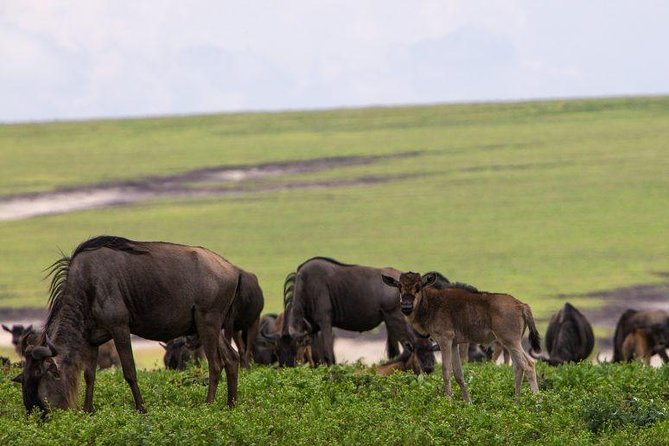
The real strength of this safari is time. You get three full days around the Serengeti, rather than racing through it for a single game drive. That gives you a better shot at lions, cheetahs, elephants, buffalo, giraffes, and the moving herds of the Great Migration.
I like the mix of habitats, from Tarangire’s baobabs and elephant herds to the volcanic bowl of Ngorongoro Crater. I also like the small-group format, with a maximum of six people listed, plus meals, park fees, and drinking water included. The trade-off is simple: several days involve roughly six hours of driving, and camping requires more tolerance for basic conditions than a lodge-based safari.
Key points to know before booking
- Three Serengeti days give you more time to search for big cats and follow changing wildlife activity.
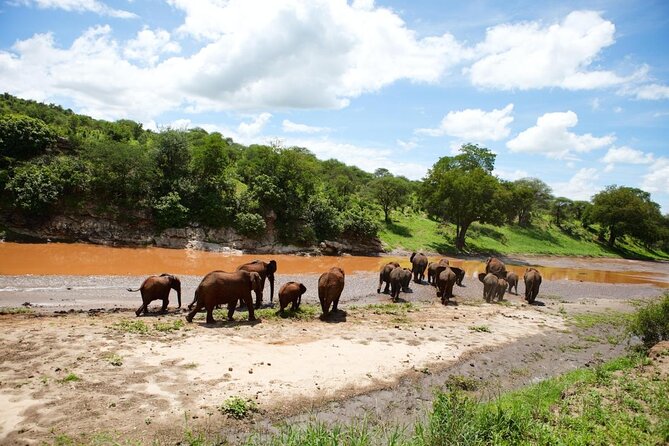
- Tarangire is the elephant specialist, with large herds, baobab trees, and sweet Amarula fruit that elephants enjoy.
- Ngorongoro Crater packs wildlife into one dramatic setting, including the possibility of seeing the Big Five.
- Lake Manyara adds a different final note, with birds, elephants, giraffes, baboons, and its famous tree-climbing lions.
- Meals, water, park fees, and a safari guide are included, helping keep the trip budget easier to manage.
- A maximum group size of six should make the vehicle more comfortable, though you should confirm the final group size when booking.
Why three Serengeti days matter
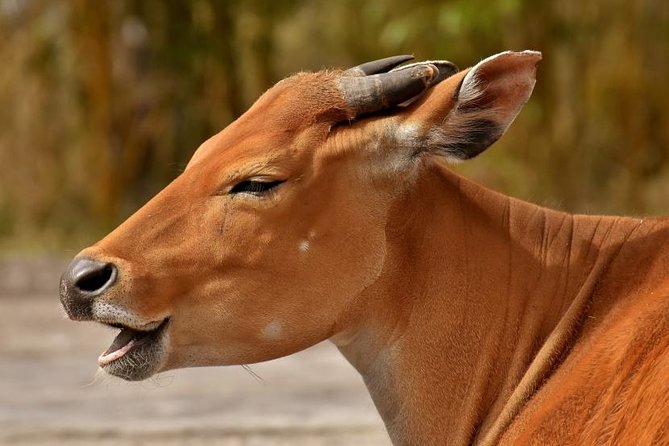
Many northern Tanzania safaris include the Serengeti, but only give you a short taste of it. This trip puts the park at the center of the schedule, with Days 2, 3, and 4 devoted to Serengeti game drives.
That is valuable because wildlife does not perform on a timetable. A lion may be resting in tall grass when you pass, then move into view later. A cheetah may be several miles away from the morning sighting. Three days give your guide more chances to read the terrain, follow fresh activity, and place you in a good position without making the whole trip depend on one lucky drive.
The Central Serengeti is particularly appealing for big-cat searches. Lions, cheetahs, leopards, and hyenas are all possible, while buffalo, elephant, giraffe, eland, topi, kongoni, impala, and Grant’s gazelle provide plenty to watch between predator sightings.
The Great Migration is another major draw. About two million wildebeest move through the wider Serengeti ecosystem, accompanied by large numbers of zebra and other antelope. The exact location changes during the year, so this safari should not be sold as a guarantee of a river crossing or a particular migration scene. It does give you several days in the right broad region for a serious search.
The driving is part of the experience and part of the cost. Open savannah, wildlife, and changing scenery make long transfers worthwhile, but you should expect tired legs and dusty clothes by the end of a full day. If you prefer short drives and long afternoons at camp, a lodge safari focused on one park may suit you better.
More Safaris in Arusha
- Balloon Safari & Bush Breakfast in Serengeti – Miracle Experience
★ 5.0 · 1,646 reviews - 4 Days Group Camping Safari
★ 5.0 · 1,101 reviews - 5 Days Group Camping Safari
★ 5.0 · 730 reviews
Day 1: elephants and baobabs in Tarangire
The first park is Tarangire, a strong opening act for a northern Tanzania safari. It is known for its high elephant density and its distinctive baobab trees. The park also has a good range of large animals, including lions, leopards, elephants, and buffalo.
The elephant viewing is the main reason to be here. Herds can sometimes number up to 300, creating the kind of sight that makes a vehicle stop without much debate. The animals move among the trees, cross open ground, and gather around food and water sources. You may also see giraffe, antelope, zebra, and other species during the drive.
The Amarula tree detail adds a nice bit of local character. Elephants enjoy the sweet fruit, so keep an eye on their feeding behavior around these trees. It is a small natural-history detail, but it helps you understand why the park feels different from the Serengeti.
Tarangire’s baobabs give the first day a strong visual identity. Their thick trunks and unusual branches make excellent photographs, especially when an elephant passes nearby. The park is not just a warm-up stop. It has its own character and can produce some of the best elephant sightings of the trip.
The day includes about six hours in Tarangire, followed by camping inside the national park. The provided plan does not give detailed camp facilities, so confirm what is supplied at your chosen campsite if sleeping arrangements matter to you. Dinner is included, and the camp setting puts you close to the sounds and atmosphere of the park.
Day 2: the long road into the Serengeti
Day 2 takes you from Tarangire toward Serengeti National Park. The drive is described as long but scenic, and that distinction matters. You are not simply losing a day to a highway transfer. You are moving into one of Tanzania’s most famous wildlife areas, with the scenery changing as the journey continues.
Once inside the Serengeti, the scale becomes the main event. The park is associated with broad open plains, large herds, and some of Africa’s best-known predator scenes. Lions and hyenas are possible at any time, while cheetahs and leopards require more patience and sharp eyes.
The six-hour park program gives your guide room to stop for animals instead of treating the Serengeti as a quick pass-through. The best moments may be small: a herd of buffalo changing direction, giraffes silhouetted against the open plain, or a group of impala suddenly staring toward unseen danger.
You will camp in or around the Serengeti according to the operating plan. Dinner, breakfast, lunch, and drinking water are included across the tour, which reduces the need to organize food on the road. Special dietary needs can be requested, but you should make those needs clear before departure.
Days 3 and 4: patient game drives in the central Serengeti
The middle of the trip is built around repeated Serengeti game drives. This is the part that rewards patience. Instead of ticking off one animal and moving on, you can spend time watching how animals behave and how the guide responds to changing conditions.
The Serengeti supports large buffalo herds, smaller groups of elephants, giraffes, and many hoofed animals. Eland, topi, kongoni, impala, and Grant’s gazelle may all appear. These species matter because they support the predator population and make the plains interesting even when a big cat is not immediately visible.
The guide is important here. Names connected with the operation include Assad, Macha, Hassan, Joseph, and David. Past accounts of the safari specifically praise guides for their animal knowledge, careful driving, family-like care, and ability to find strong viewing positions. You cannot assume you will receive a particular guide unless the company confirms it, but it is worth asking who will lead your departure.
A good safari guide does more than point at animals. You want someone who explains behavior, knows the park roads, spots distant movement, and listens to what you hope to see. Hassan is associated with especially strong positioning around animals, while Macha is noted for warm personal service. Assad is described as both a reliable driver and a strong source of information. Ask about your assigned guide before you travel, particularly if language or wildlife expertise is important to you.
Three Serengeti days also help balance luck. You may have one quiet drive and another filled with action. You may find a lion pride in a good position one morning, then spend the afternoon watching elephants and giraffes. That variety is more realistic, and more satisfying, than expecting every drive to deliver a dramatic predator scene.
Expect early starts, dusty roads, and long periods in the vehicle. The provided schedule labels each stop at about six hours, but actual days can feel longer once driving between parks and camp is included. Bring a hat, sun protection, comfortable clothes, and a camera battery plan. These are practical details, but they make a real difference when you are outside for much of the day.
More Serengeti and Ngorongoro itineraries:
- 3 Days Serengeti & Ngorongoro Group Camping Safari
★ 5.0 · 574 reviews - 5-Day Highlights mid-Range Crater, Serengeti, Tarangire
★ 5.0 · 296 reviews - 3-Day Classic Serengeti Safari
★ 5.0 · 263 reviews - Private 6-Day Tarangire Manyara Crater and Serengeti with Mid-Range Lodges
★ 5.0 · 238 reviews
Day 5: the volcanic bowl of Ngorongoro
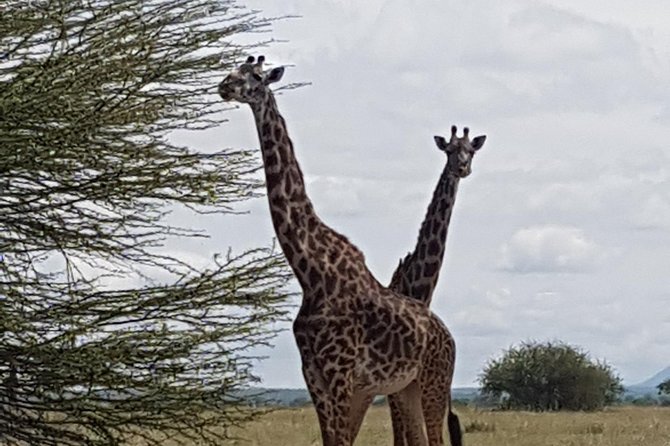
Ngorongoro Crater changes the rhythm of the safari. After the open Serengeti, you enter a contained volcanic setting where grassland, forest, swamps, a river, and a soda lake support a high concentration of wildlife.
The crater is described as the world’s largest unbroken caldera. Its size and enclosed form make it one of Tanzania’s most memorable natural sights, even before you begin looking for animals. From the rim, the view gives you an immediate sense of the crater’s scale. Down below, the variety of habitats creates the possibility of seeing several species in a relatively compact area.
This is one of the strongest places on the route for a Big Five search. Lions, elephants, buffalo, leopards, and black rhino may all be seen, though no safari can promise every species. The black rhino is especially important because it is endangered and can be difficult to find. Keep expectations realistic, and let the sighting be a bonus rather than a guarantee.
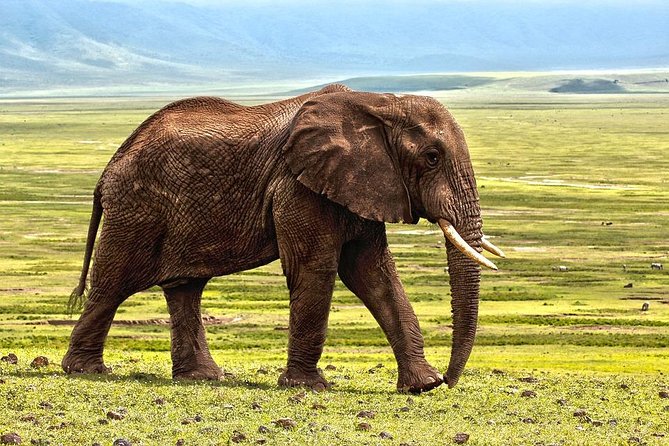
Ngorongoro’s elephants are also noted for their large size and impressive tusks. Flamingos may gather around the soda lake, while wildebeest, hyenas, cheetahs, and other plains animals use the crater floor. The mix of habitats means this is not simply another grassland game drive.
The schedule gives about six hours at Ngorongoro and includes park admission. You are due to reach the area in time for a sundowner, adding a quieter pause after the wildlife search. Confirm the exact overnight location, since the information provided describes the arrival but does not spell out the camp facilities.
Day 6: birds and tree-climbing lions at Lake Manyara
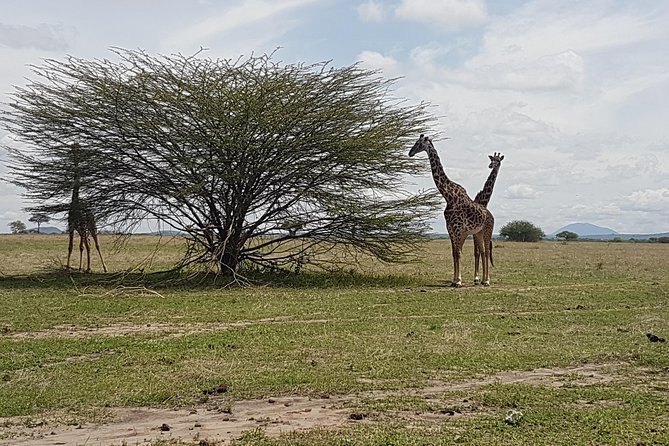
Lake Manyara National Park gives the final day a different feel. It is known for birdlife, elephants, giraffes, buffaloes, zebra, wildebeest, impala, waterbuck, warthog, dik-dik, and klipspringer. Large baboon troops are also expected in the park.
The headline sight is the tree-climbing lion. These lions are famous for resting in branches, though a sighting is never guaranteed. Look up as well as across the ground. The broken forest and escarpment provide a different setting from the wide Serengeti plains, and the lake can create strong photographs with giraffes or buffalo in the foreground.
Manyara is also a good place to slow down and notice smaller animals. Dik-dik can be shy and easy to miss, while klipspringer may appear along the escarpment. Leopards are present in the forest and escarpment areas, but they are naturally elusive.
Optional activities such as a bike tour or boat excursion are mentioned, but the details, availability, and extra cost are not provided. Treat these as possible add-ons, not guaranteed parts of the six-day package. The listed day is centered on a game drive of about six hours.
The activity ends back at the meeting point. Pickup is offered, and the stated start time is 7:00 am. Confirm your exact pickup place with Travel Africa Safari Agency, especially if you are staying outside central Arusha or arranging airport transport.
Camping, meals, and what the price really means
The published price is shown as $0, so it should not be treated as a genuine final fare. Ask for a current written quote before paying or comparing this safari with another operator. A useful comparison should include the vehicle, park fees, camping arrangements, food, water, guide, and any transfers.
The package includes all fees and taxes, a professional guide, drinking water, five dinners, six lunches, and six breakfasts. Special dietary requirements can be requested. Travel insurance, visas, international flights, personal expenses, and tips for the driver-guide and safari cook are not included.
That inclusion list gives the trip solid potential value, particularly because park charges in Tanzania can add a large amount to a safari budget. The real unknown is the camping standard. The information does not specify tent type, bedding, toilets, showers, or whether a cook travels with the group, although it refers to tipping a safari cook. Ask those questions directly.
The listed maximum is six people. That is a good size for sharing a safari vehicle, since fewer passengers usually make it easier to find a window seat and hear the guide. One account connected with the operation describes a group of seven, so confirm the maximum for your specific departure rather than relying only on the general listing.
The guide can speak English, Spanish, and French. That is useful for mixed-language groups and for anyone who wants more than basic English explanations. Confirm the language of your assigned guide before booking.
Who will get the most from this safari
I would recommend this route to you if big cats and the Serengeti are your main goals, but you also want elephants, crater scenery, and a final park with a different habitat. The three-night Serengeti focus is the strongest feature for anyone willing to spend long hours watching and waiting.
It also suits first-time safari visitors who want the classic northern Tanzania circuit in one trip. Tarangire gives you elephants and baobabs, Ngorongoro provides the dramatic crater setting, and Manyara adds birds, baboons, and the chance of tree-climbing lions.
This is less suitable if you want luxury lodging, short transfers, or a carefully paced wellness holiday. The route covers a lot of ground in six days. Camping can keep costs down and bring you closer to the setting, but it asks you to accept simpler conditions.
The operation’s praised guides include Assad, Macha, Hassan, Joseph, and David, with particular emphasis on animal spotting, safe driving, and personal service. Ask if one of these guides is available, but judge the booking by the confirmed itinerary and camping details rather than by a guide name alone.
Should you book the six-day route?
Book it if you want a classic, wildlife-heavy northern Tanzania safari and value three full days in the Serengeti over a relaxed lodge schedule. The route has a good spread of habitats, strong chances for elephants and big cats, and a sensible inclusion list.
Before committing, get the actual price, confirm the group size, ask exactly where you camp, and verify the final guide and pickup plan. If the quote is fair and you are comfortable with long drives and basic camping, this is a well-focused way to see four major parks in six days. Cancellation is free up to 24 hours before the 7:00 am start time; cancellations within 24 hours are not refunded.
FAQ
Where does the safari start?
The safari starts in Arusha, Tanzania, at 7:00 am. Pickup is offered, and the activity ends back at the meeting point.
How long is the tour?
The safari lasts approximately six days.
Which national parks are included?
The route includes Tarangire National Park, Serengeti National Park, Ngorongoro Crater, and Lake Manyara National Park.
What meals are included?
The package includes five dinners, six lunches, and six breakfasts. Other dietary requirements can be requested.
Is drinking water included?
Yes. Drinking water is included in the tour.
What is not included?
Personal expenses, travel insurance, visas, international flights, and tips for the driver-guide and safari cook are not included.
More six day trips in Arusha
- Tanzania Wildlife Encounters – 6 Days
★ 5.0 · 277 reviews - 6 Days Private Budget Safari
★ 5.0 · 163 reviews - Tanzania Enticing Explorations – 6 Days
★ 5.0 · 106 reviews - 6 days Tanzania budget safari
★ 5.0 · 65 reviews
More camping safaris in Arusha
- 2 Days Tarangire and Ngorongoro Group Camping Safari
★ 5.0 · 146 reviews - 6 Days Tanzania Budget Camping Safari
★ 5.0 · 145 reviews - 3 Day Serengeti National Park & Ngorongoro Crater Camping Safari
★ 5.0 · 142 reviews - 3 Days Tarangire, Ngorongoro & Lake Manyara Group Camping Safari
★ 5.0 · 102 reviews
Newly listed around Arusha
- 5-Day Private Safari Tour in Tanzania’s Wildlife★ 5.0 · 3 reviews
- 3 Days private safari Tarangire ,Ngorongroro crater &Manyara★ 5.0 · 3 reviews
- 3 Day Sharing Safari – Manyara, Ngorongoro Crater and Tarangire National Parks★ 5.0 · 3 reviews
- Tarangire National Park Day Trip★ 5.0 · 3 reviews
- 2 Days Tarangire and Ngorongoro Crater Tour★ 5.0 · 3 reviews
- 6 -Day Tarangire, Manyara, Serengeti & Ngorongoro★ 5.0 · 3 reviews
- 5 Days Group Camping Safari★ 4.7 · 3 reviews
- 4 Days Tanzania Safari★ 4.5 · 3 reviews
Serengeti & Ngorongoro Safaris, compared.


Balloon Safari & Bush Breakfast in Serengeti – Miracle Experience
Read our review →




Private 6-Day Tarangire Manyara Crater and Serengeti with Mid-Range Lodges
Read our review →
5 Days Camping Tarangire, Serengeti & Ngorongoro crater & Visiting Maasai
Read our review →Browse the lists this tour appears in