
Reviewed · STONE TOWN TOURS
Zanzibar: Stone Town History Walking Tour with a Local Guide
Stone Town’s best stories are found on foot, where a carved door, crowded market lane, or weathered palace wall can say more than a quick photo stop. This three-hour private walk brings you to major sights such as the Old Fort, House of Wonders, Forodhani Gardens, and the former East Africa Slave Market. I especially like the small private-group format and the chance to set your own pace with guides such as Isaac and Abdi. You also get water and the former slave market admission for just $12. The main drawback is that the tour’s historical detail can depend heavily on your guide, so it may feel light for visitors seeking a thorough account of slavery, the 1960 revolution, and modern Zanzibar.
Key points at a glance
- Three hours on foot: Explore Stone Town’s lanes, markets, landmarks, food areas, and craft stalls without spending the day on a tour bus.
- Private group format: Your guide can adjust the pace, answer questions, and allow time for photos or shopping.
- Major sights included: See the Old Fort, House of Wonders, Forodhani Gardens, markets, and the former East Africa Slave Market.
- Guides with several language options: Tours are offered in English, French, German, Italian, and Spanish.
- Good low-cost value: At $12 per person, the tour includes guiding, bottled water, and admission to the former East Africa Slave Market.
- Uneven streets require care: Wear proper walking shoes and modest clothing, and be realistic about the demands of narrow historic lanes.
Walking into Stone Town’s old quarter
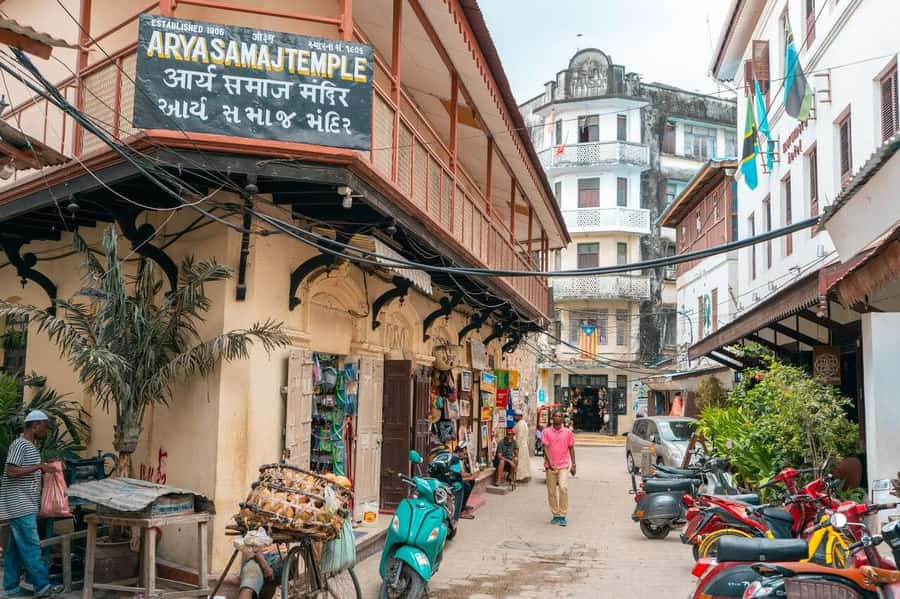
Stone Town is best understood slowly. Its streets are narrow, irregular, and full of small details that are easy to miss if you only visit by car. A guide helps you connect the pieces: Swahili architecture, old trading routes, palace buildings, markets, religious customs, and the island’s changing political story.
I like that this experience begins with the city itself rather than with a single indoor attraction. You walk, stop, look up, and ask questions. That approach suits photographers and first-time visitors who want to get their bearings while also learning why Stone Town looks and feels different from a modern beach resort.
The tour lasts three hours, which is long enough to cover the central sights without turning into an exhausting full-day march. You can start from one of the stated Stone Town pickup points, and hotel pickup can be arranged on request. If pickup is included for your booking, be ready at the lobby or main entrance 10 minutes early.
More History Tours in Zanzibar
- Zanzibar: Stone Town Historical Cultural Walking Guided Tour
★ 4.5 · 179 reviews - Stone Town Historical Walking Tour
★ 5.0 · 143 reviews - Stone Town’s Hidden History: Private Guided Walking Tour
★ 4.6 · 94 reviews
The Old Fort and Stone Town’s landmark core
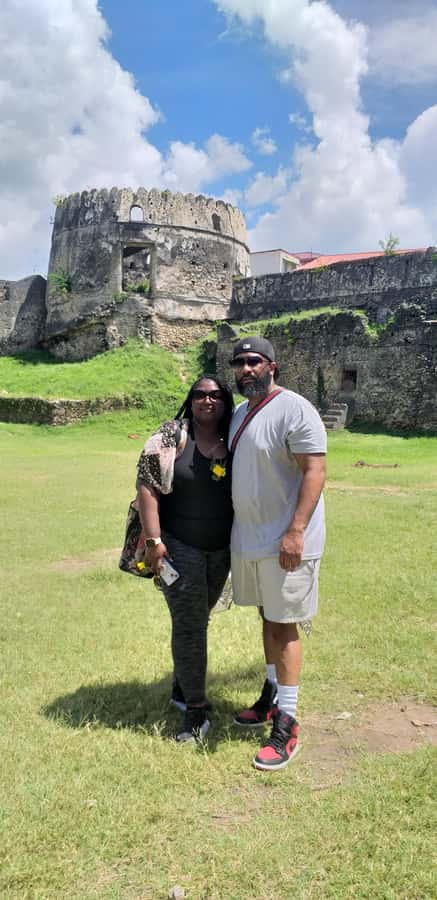
The Old Fort is one of the natural anchors of a Stone Town walk. It gives you a sense of the city’s defensive past and provides a useful reference point as you move between the waterfront, markets, and older lanes.
You should expect a guided visit rather than a long museum-style stop. The value here lies in hearing how the fort fits into the wider story of Zanzibar and in seeing the contrast between heavy stone walls and the busy streets around them. It is also an easy place to pause for photographs.
The House of Wonders adds another layer. Its name points to the importance once attached to the building and its formal role in the city. From the outside, you can study the scale, setting, and architectural features while your guide explains the building’s place among Stone Town’s palaces and public landmarks.
One practical point: the city’s major buildings are packed into a small area, but the walking between them is not always simple. You may move through narrow passages, uneven paving, and streets where it is hard to walk side by side. Good shoes matter more here than stylish shoes.
Markets, craft stalls, and everyday Stone Town

The market portion gives the tour its strongest local feel. Instead of viewing Zanzibar as a collection of grand old buildings, you see how people shop, work, sell food, and make a living in the same historic center.
The walk includes a food market visit and an arts and crafts market visit. These stops are useful if you want to shop, but you should not treat them as a guaranteed shopping session. The pace and time available may vary, especially if you stop for photos or ask your guide to explain local products and customs.
I like the private format here. A large group can make a market visit awkward, while a small party can stop without blocking a lane. You can also tell the guide if you want more time to browse or if you would rather keep moving toward the historic sights.
Use ordinary market manners. Ask before taking close-up photographs of people, keep your belongings secure, and remember that shopping is optional. The tour is not built around buying souvenirs, so you can enjoy the colors, sounds, and street scenes without feeling pressured to spend more.
The former East Africa Slave Market

Admission to the former East Africa Slave Market is included, making this one of the more important stops in the three-hour route. It gives the tour a serious historical focus and helps place Zanzibar’s trade and wealth in a wider, more troubling context.
This is not a stop to rush through. I would allow yourself time to listen carefully and ask questions. The subject is difficult, and the site deserves more than a quick photograph. If slavery and the trade routes are central to your interest in Stone Town, tell your guide at the start so the discussion can receive proper attention.
There is a useful caution here. The quality and depth of the historical explanation may vary with the guide and with what you ask. One visitor who took the German-language tour found the account too brief, especially regarding the slave trade, the 1960 revolution and its aftermath, and Zanzibar’s present-day economic role. That does not make the stop unhelpful, but it does mean that visitors seeking a detailed political history should ask direct questions rather than assume every topic will be covered automatically.
The included entry improves the price value. You are not paying $12 simply for a stroll past exterior walls. You receive guiding, water, and admission to a site that many visitors would reasonably want to see.
More Walking Tours in Zanzibar
- Stone Town Private Walking Tour
★ 5.0 · 371 reviews - Zanzibar: 3 Hours Private Stone Town walking Tour with Guide
★ 4.6 · 301 reviews - Stonetown: Food Markets and Street Food Walking Tour
★ 4.7 · 151 reviews - Zanzibar Stone Town Walking Tour
★ 5.0 · 145 reviews
Forodhani Gardens and the waterfront pause
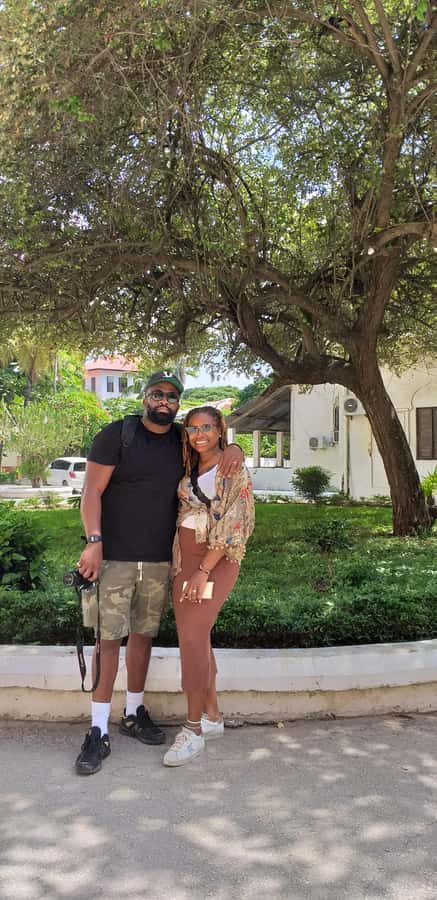
Forodhani Gardens gives the walk a change of mood. After narrow lanes and old stone buildings, the open waterfront area offers room to pause, take pictures, and watch the city’s public life unfold.
The tour description allows time for a break, photography, and free time. That flexibility is useful because three hours can feel short if every stop is tightly timed. A pause at Forodhani Gardens helps you absorb the setting instead of racing from one landmark to the next.
You may also hear about local food traditions here, especially because the route includes a food market visit. Food purchases are not listed as included, so bring money if you want to buy something. Keep expectations sensible: this is a sightseeing walk with food-market access, not a dedicated tasting tour.
For photographers, this part of the route offers a different set of pictures from the alleys. Look for broad waterfront views, people moving through the public space, old facades, and the changing light on stone. Ask the guide where you can stop safely without getting in the way of others.
Swahili architecture in the narrow lanes

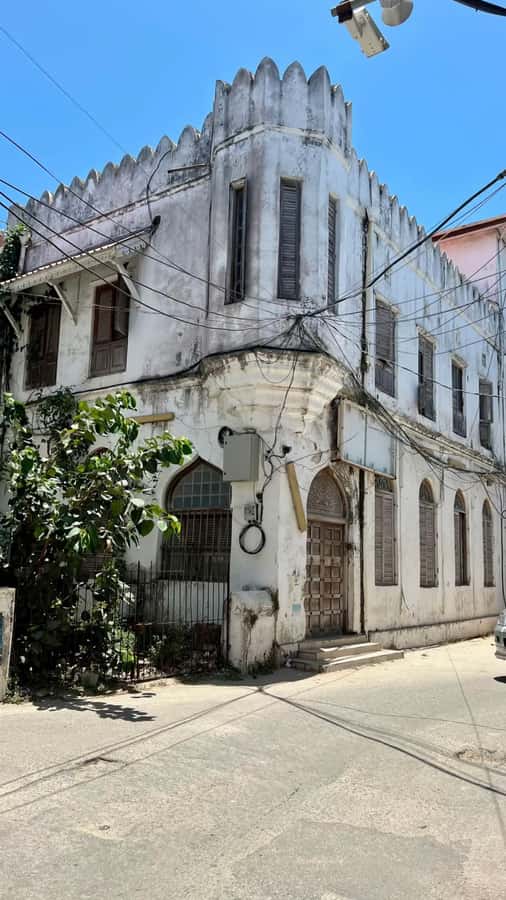
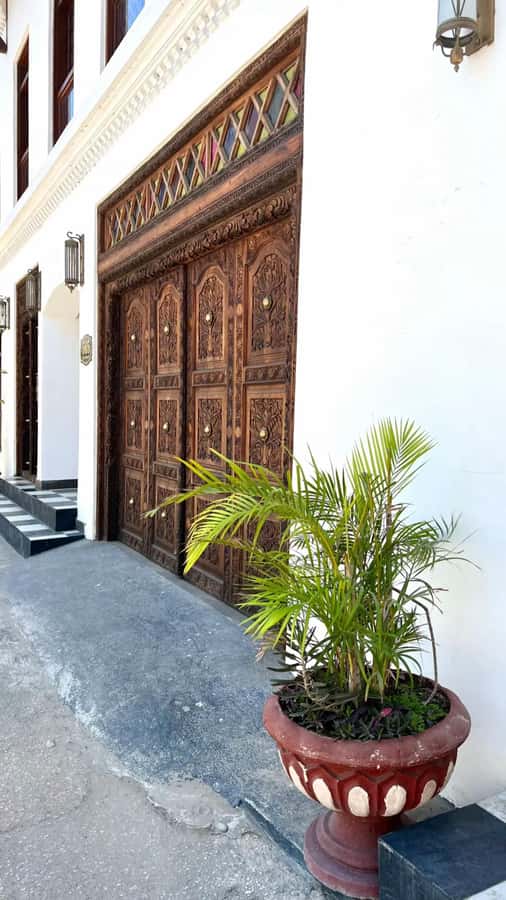
Stone Town’s architecture is one of the tour’s strongest subjects. You may notice carved doors, balconies, old walls, and details that are easy to miss when walking alone. A guide can point out features and explain how local building traditions reflect the city’s place along Indian Ocean trading routes.
One guide, Abdi, was especially praised for explaining Stone Town and its past while drawing attention to the markets and architecture. Another guide, also called Isaac in the booking details, was described as adapting well to personal interests and making time for conversation. Those details matter because a walking tour depends less on equipment and more on the person leading it.
You should still set your expectations correctly. This is not advertised as a specialist architecture tour, and the route may favor a broad introduction over technical detail. If you care most about building design, tell the guide early. Point to the doors, windows, balconies, or stonework that catch your eye and ask for more explanation.
The photography opportunities are plentiful, but Stone Town is a working neighborhood, not a stage set. Take photos with care, dress respectfully, and avoid blocking doorways or narrow passages while composing a picture.
A private pace, with room for questions
The private-group arrangement is one of the clearest advantages. You are not locked into the rhythm of a large party, and your guide can adjust the pace for breaks, pictures, shopping, or questions.
That flexibility helped one guest enjoy a slower pace, pleasant conversation, and stops in comfortable places to rest. For me, this is especially useful in Zanzibar’s heat. A three-hour walk can be manageable when you pause regularly, but it becomes tiring if you try to cover every lane without a break.
The guides can lead in English, French, German, Italian, or Spanish. If language matters to you, confirm your preferred language when booking. The German-language experience appears to have been clear in speech but not as detailed as one visitor wanted, so the language match alone does not guarantee a history-heavy tour.
Ask for the kind of experience you want. You can request more architecture, more local customs, more political history, more market time, or more photo stops. Since this is private, those requests have a better chance of shaping the walk than they would on a fixed group outing.
What the $12 price really covers
At $12 per person, this is an unusually inexpensive way to spend three hours in central Stone Town. You receive a guide, bottled water, and admission to the former East Africa Slave Market. For a first orientation to the city, that is solid value.
The price is strongest if you want a broad introduction rather than a specialist tour. You get the main landmarks, markets, cultural context, and time on foot in one compact outing. You also avoid paying separately for the former slave market entry.
There are extra costs to remember. Entry to the Freddie Mercury Museum is not included and costs about $8 per person. Personal expenses, including food and crafts, are also extra. Hotel transfer may be offered on request, so check that point if you are staying outside the stated Stone Town pickup area.
I would not book this solely because it is cheap. The real value comes from the private guide and the chance to shape the pace. If you ask questions and take advantage of the local perspective, the low price works in your favor. If you want a fully developed lecture on every major period in Zanzibar’s past, you may need to supplement the walk with another museum visit or your own reading.
Who should book this Stone Town walk?

This tour suits first-time visitors who want to understand Stone Town before exploring it on their own. It also fits culture lovers, photographers, couples, families with older children, and anyone who prefers a private guide to a fixed large group.
I would recommend it to you if you want:
- A short introduction to Stone Town’s main sights
- Plenty of walking and photo opportunities
- A guide who can adjust the pace
- Market access and local cultural context
- A low-cost way to include the former East Africa Slave Market
- A choice of several guiding languages
It is less suitable if you have serious back problems, since the route uses uneven, narrow streets. The activity information also lists people with altitude sickness as unsuitable, although altitude is not the main challenge in the description. The practical concern here is the walking surface, heat, and length of time on your feet.
The tour is described as wheelchair accessible, but you should still discuss your needs before booking. Historic lanes can be tight and uneven, so accessibility on paper may not mean every part of the route feels equally easy.
Practical tips for a better three hours
Wear comfortable walking shoes with a firm sole. Sandals may be fine for some people, but uneven streets are easier in shoes that protect your feet and give you good footing.
Dress modestly. Zanzibar has strong Muslim cultural traditions, and respectful clothing helps you feel more at ease in markets, residential lanes, and historic religious settings. Avoid loose clothing, which is specifically listed as not allowed, and bring a sun hat and sunglasses.
Carry a camera, but keep it ready rather than constantly raised. The best moments may be small architectural details or a quick view down an alley. Ask before photographing people, especially in markets.
Bring a little extra money if you want food, crafts, or the Freddie Mercury Museum. The museum is an optional addition and costs about $8 per person. Personal purchases are not covered by the tour price.
Drink the bottled water provided, and use the breaks. A guide who sets a sensible pace can make the walk far more comfortable. If you need frequent stops, say so at the beginning rather than waiting until you are worn out.
Cancellation is flexible: you can cancel up to 24 hours in advance for a full refund, and the reserve-now, pay-later option lets you keep your plans open. Check the starting time when you book, since availability determines the departure schedule.
Should you book it?
Book this Stone Town History Walking Tour if you want an affordable, private introduction to Zanzibar’s old city, especially if markets, architecture, photography, and local conversation appeal to you. The former East Africa Slave Market admission and the chance to visit the Old Fort, House of Wonders, and Forodhani Gardens make the $12 price easy to justify.
I would book it with one clear plan: tell your guide what you want to learn. Guides such as Abdi and Isaac can make the walk personal, but the historical depth may vary. Ask specifically about the slave trade, the 1960 revolution, the port, and modern Zanzibar if those subjects matter to you.
Skip it if you dislike walking on uneven streets or want a tightly researched specialist history lecture. For most first-time visitors, though, this is a practical way to meet Stone Town on foot, see its key places, and leave with a better sense of how the city’s architecture, markets, and culture fit together.
FAQ
How long does the Stone Town walking tour last?
The tour lasts three hours, with time for walking, guided visits, photographs, breaks, free time, shopping, and market visits.
Where does the tour start and finish?
The stated pickup and drop-off locations are in Zanzibar’s Stone Town area. Hotel lobby or main entrance pickup is included when arranged, and you should be ready 10 minutes before the scheduled pickup.
Is the tour private?
Yes. The activity is offered for a private group, allowing the guide to adjust the pace and respond to your interests.
Which languages are available?
Guiding is available in English, French, German, Italian, and Spanish.
Is admission to the former East Africa Slave Market included?
Yes. Admission to the former East Africa Slave Market is included in the tour price.
Is the Freddie Mercury Museum included?
No. Entry to the Freddie Mercury Museum is optional and costs approximately $8 per person.
What should I bring and wear?
Bring comfortable shoes, sunglasses, a sun hat, comfortable clothing, and a camera. Wear modest clothing and expect uneven, narrow streets during the walk.
More Stone Town walks
- Zanzibar: Stone Town, Spice Tour, Prison Island with Lunch
★ 4.4 · 1,219 reviews - Zanzibar: Prison Island, Stone Town, & Spice Farm Tour
★ 4.5 · 579 reviews - Zanzibar; Prison Island, Nakupenda, StoneTown Tour with BBQ
★ 4.3 · 457 reviews - Zanzibar: Stone Town, Spice tour & Prison Island with Lunch
★ 4.6 · 453 reviews
Newly listed around Zanzibar
- Prison Island, Sea Turtles, Rock Restaurant & Relax in Beach★ 4.6 · 3 reviews
- Zanzibar: Nungwi/Kendwa Beach Sunset Dhow Cruise with Fruits★ 3.4 · 3 reviews
- Starfish Beach; The Rock; Kuza Cave; Paje Beach; Salaam Cave Tour★ 4.5 · 3 reviews
- Zanzibar: Half-Day Spice Farm Tour,the flavours of Zanzibar★ 4.7 · 3 reviews
- Joazani forest & Spice farm with lunch★ 5.0 · 3 reviews
- Nakupenda Island Snorkeling Sea trip & Lunch W/Transfer -Zanzibar★ 4.0 · 3 reviews
- Zanzibar:Jozani forest, Spice farm with Swahili Cuisine clas★ 4.2 · 3 reviews
- Mnemba Island Snorkeling and Dolphin tour★ 5.0 · 3 reviews
Stone Town Tours, compared.






Full-Day Private Stone Town +Spice Farm and Prison Island Tour
Read our review →
Browse the lists this tour appears in