
Reviewed · STONE TOWN TOURS
Zanzibar: Stone Town City Tour and Spice Farm with Lunch
Stone Town’s narrow lanes and spice farms tell two very different Zanzibar stories: one shaped by trade, faith, and colonial power, the other by cloves, cinnamon, coconuts, and family farming. I like the mix of Arab, Persian, Indian, African, and European influences in the old city, and I like that the farm visit lets you touch and taste spices rather than simply hear their names. The fresh coconut and jackfruit tasting add a nice local touch.
The main caution is timing. A late pickup or long drive from Nungwi can turn this into a very long day, and the $32 price does not include the $10-per-person cash entrance fee for the slave market and spice farm. Pickup from outside Stone Town may also cost extra, so confirm the total before booking.
Key points to know before you go
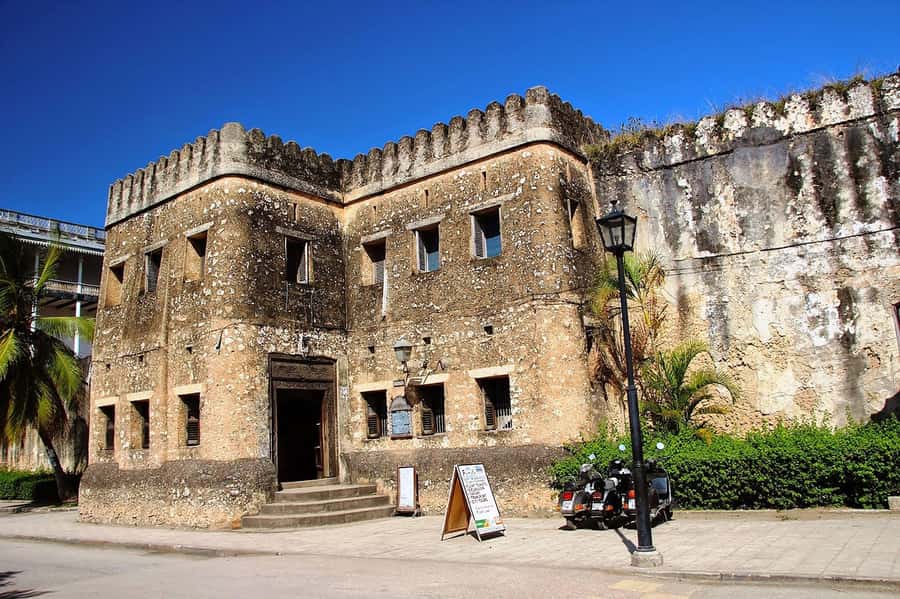
- Stone Town covers major landmarks in one walking tour: You visit the Old Slave Market site, Anglican Church, City Market, Palace Museum, House of Wonders, Old Fort, Tippu Tip’s House, Freddie Mercury’s House, Peace Memorial, and Natural History Museum.
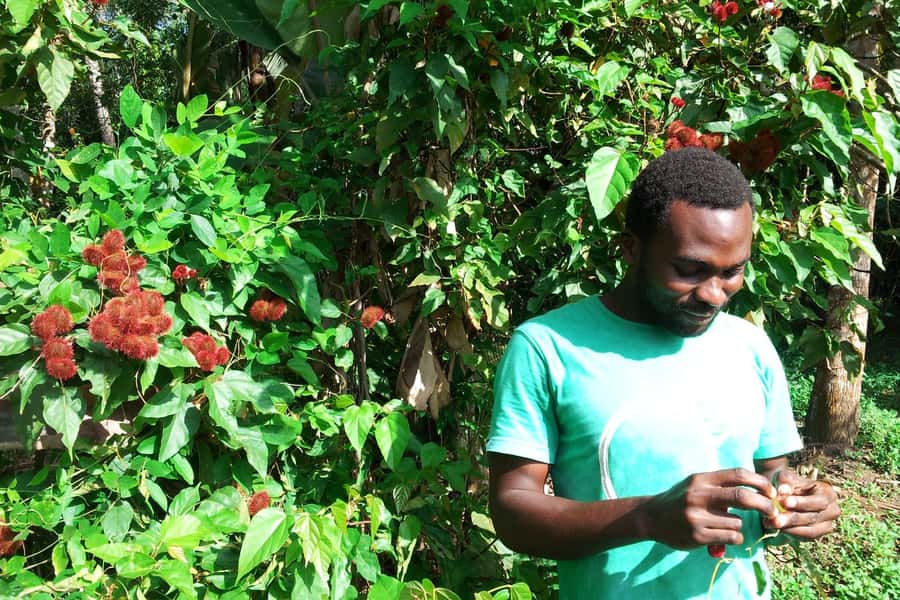
- The spice farm is hands-on: You can smell and taste cloves, nutmeg, cinnamon, and black pepper directly from the plants.
- Lunch comes after local farm activities: You may help harvest cassava leaves, make coconut milk, and watch a climber pick young coconuts.
- Cash is essential: The $10-per-person entrance charge is paid on the spot, and the farm shop accepts cash only.
- Pickup needs careful checking: Hotel collection is available if selected, but transport from outside Stone Town may cost extra and has caused timing problems.
- Guide quality can shape the day: Capuchino received especially warm praise for patience, kindness, and answering questions.
Two Zanzibar worlds in one day
This tour links Stone Town with the countryside around Zanzibar’s spice farms. That gives you a useful contrast. In the city, you see grand buildings, tight lanes, market trade, and painful reminders of the slave trade. At the farm, the pace changes to plants, food, and practical work.
The price is $32 per person, which is appealing for a private tour with a guide, lunch, water, and visits to both areas. It can be good value if the schedule runs properly. But the headline price is not the whole cost. Add $10 per person in cash for the slave market and spice farm entrance, and confirm any extra transport charge if you are staying outside Stone Town.
The experience is listed as private, but the day may still involve picking up another couple or coordinating several hotel collections. That matters because Zanzibar roads can make a half-day outing feel much longer. One reported itinerary began well after the scheduled pickup and finished after 8 p.m. near Nungwi. I would treat the timing as something to confirm, not a minor detail.
More Stone Town walks:
- Zanzibar: Stone Town, Spice Tour, Prison Island with Lunch
★ 4.4 · 1,219 reviews - Zanzibar: Prison Island, Stone Town, & Spice Farm Tour
★ 4.5 · 579 reviews - Zanzibar; Prison Island, Nakupenda, StoneTown Tour with BBQ
★ 4.3 · 457 reviews
Walking through Stone Town’s layered past
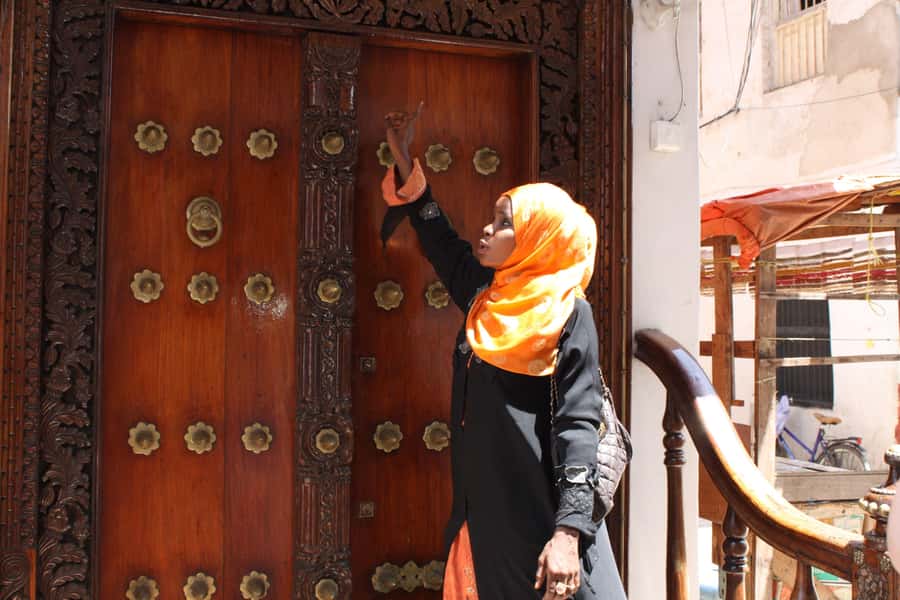
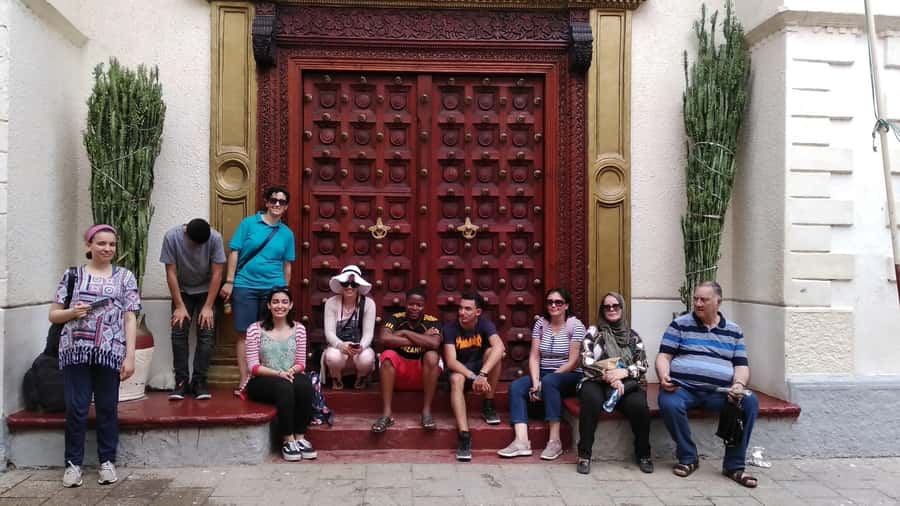
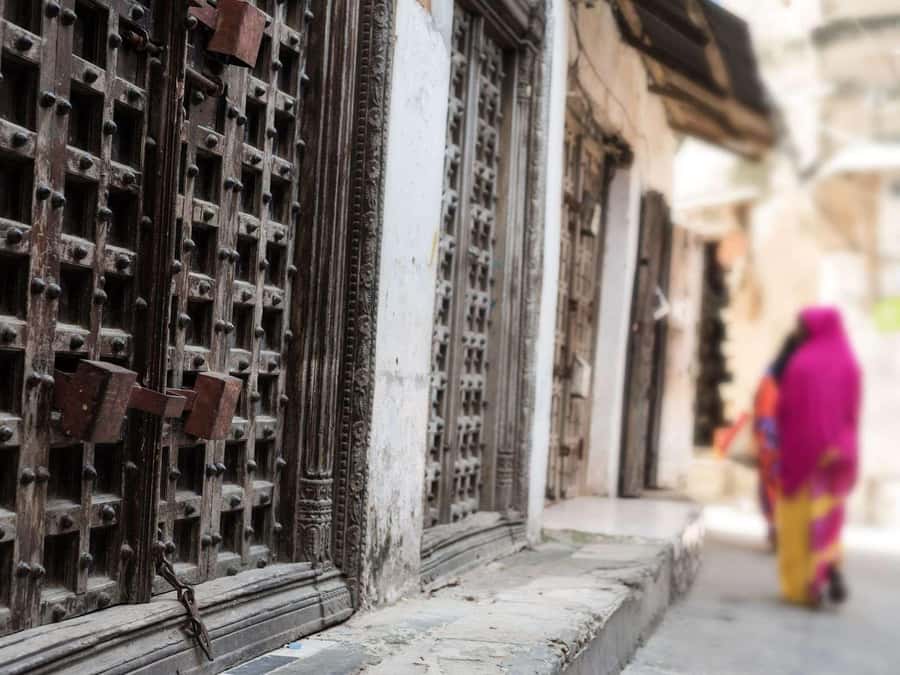
Stone Town earned UNESCO World Heritage status in 2000, and you can see why within a few minutes of walking. Its 19th-century buildings combine Swahili design with Arab, Persian, Indian, and European elements. Carved doors, balconies, narrow alleys, and old trading buildings give the town a strong sense of place.
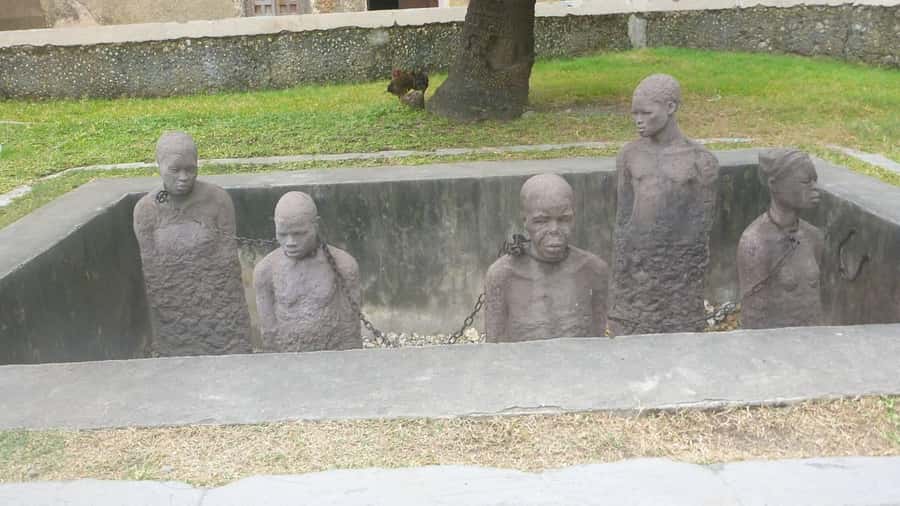
The tour begins at the former slave market and the Anglican Church. This is the most serious part of the day. The site connects Zanzibar to the East African slave trade, while the church reflects the later effort to oppose and replace that trade. It is not simply a photo stop. Give yourself time to listen and look closely.
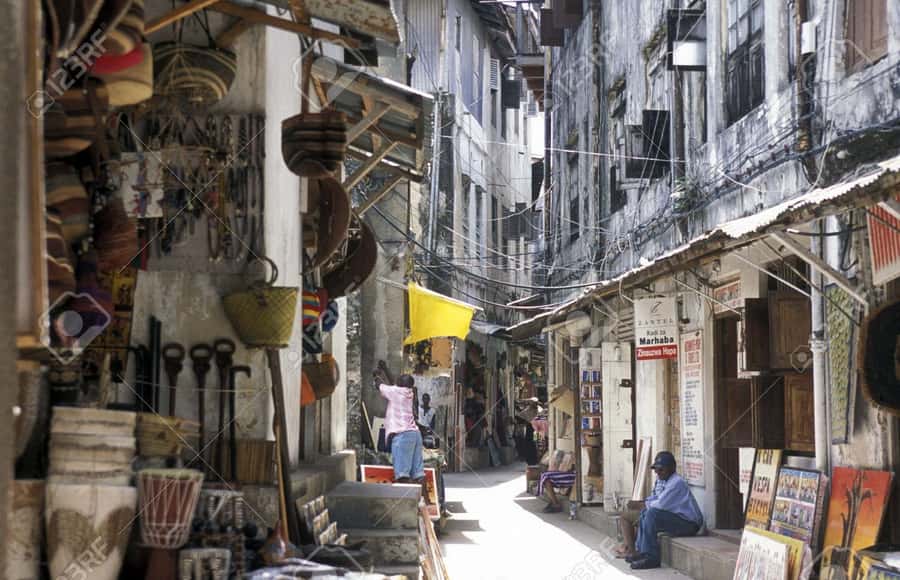
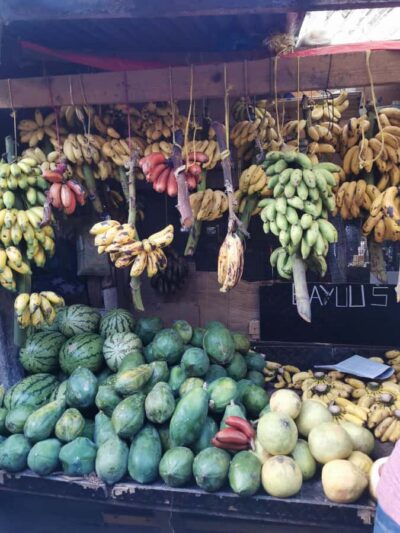
From there, you walk to the City Market. This is where the city feels most immediate. Produce fills the stalls, goods change hands, and the fish auction gives you a look at local commerce in action. The market is not arranged for sightseeing, so expect noise, movement, and a less polished setting than a museum.
You may see locals buying and selling everyday food rather than a display prepared for visitors. That is part of the value. Keep your belongings close, follow your guide, and wear comfortable clothes and shoes. The old lanes are best experienced on foot, but they are not built for a smooth, wide promenade.
Palace Museum, House of Wonders, and the Old Fort
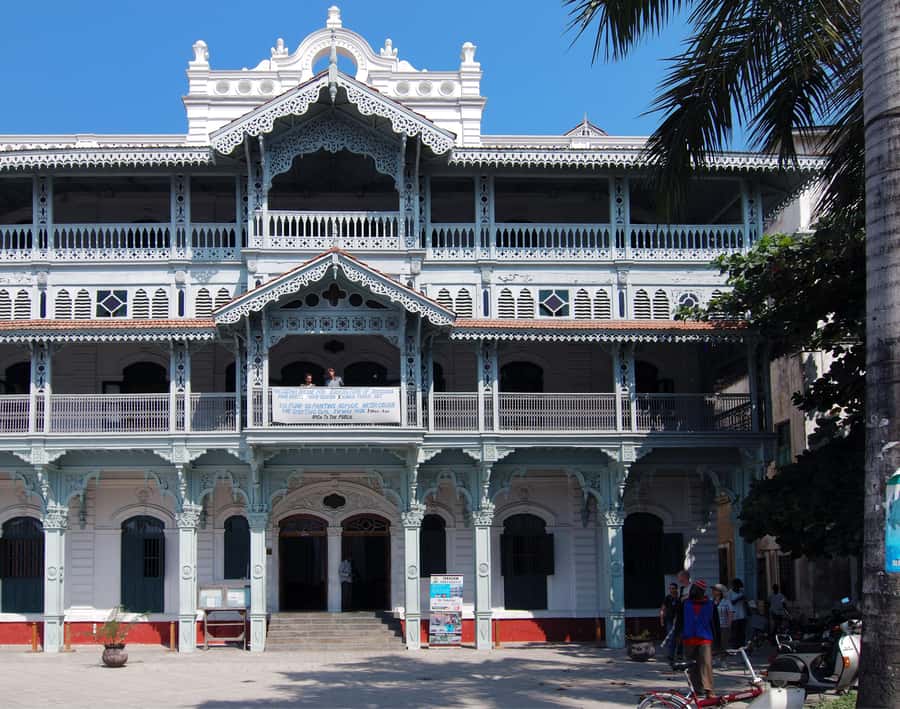
After the market, the sightseeing portion covers several of Stone Town’s best-known buildings. The Palace Museum introduces the world of Zanzibar’s former sultans. Its appeal comes from the connection between the building, the ruling families, and the island’s position in Indian Ocean trade.
The House of Wonders, also called Bait-al-ajab, is described as the largest and tallest building in Stone Town. Its size gives you a useful sense of the ambition of the sultanate. Do not expect every stop to receive the same amount of time. A city tour like this works best as an overview, with your guide connecting the sites rather than providing a long museum visit at each one.
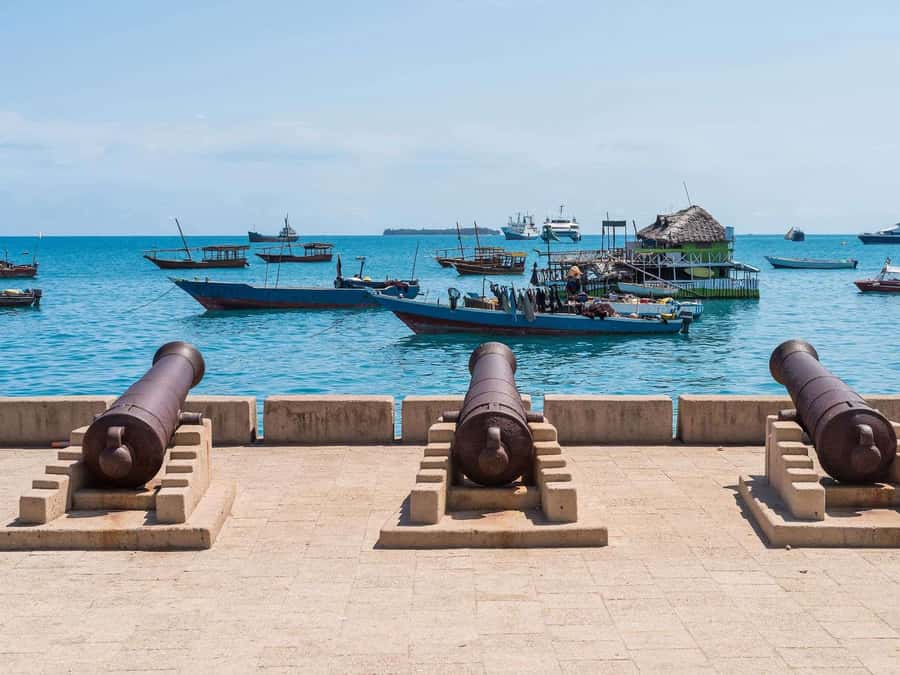
The Old Fort is another key stop. Built as a defensive structure, it now forms part of Stone Town’s public sightseeing circuit. Its heavy walls contrast with the delicate carved doors and residential buildings nearby. Tippu Tip’s House adds another historical connection, while Freddie Mercury’s House links Stone Town to one of the world’s best-known musicians.
The Peace Memorial and Natural History Museum round out the route. These stops broaden the story beyond palaces and forts. I like that the itinerary includes them, although the number of landmarks means you should think of the city section as a brisk introduction rather than a detailed study of each building.
What the market and landmarks mean for you
The Stone Town portion suits you if you want context, not just attractive streets. You get a look at religious buildings, royal sites, colonial-era traces, trade, and modern local life in one compact route.
It may be less suitable if you want long, unhurried time inside museums or plenty of time for independent shopping. The spice farm still has to fit into the same day, so the guide must keep the route moving.
Guide quality matters here. Capuchino was praised for being patient, kind, and willing to answer questions throughout the day. That is the sort of guide you want in Stone Town, where the names and buildings can blur together without clear explanations. Language options are English, French, German, and Italian, but confirm the language and guide before departure. One serious complaint involved a promised French-speaking guide who did not arrive, followed by confusion over who would lead the tour.
More spice farm mornings:
- Zanzibar: Stone Town, Spice tour & Prison Island with Lunch
★ 4.6 · 453 reviews - Full-Day Private Stone Town +Spice Farm and Prison Island Tour
★ 4.5 · 216 reviews - Spice Tour + Stone Town Tour + Prison Island
★ 4.5 · 130 reviews - Zanzibar: Spice Tour & Stone Town Walking Tour
★ 4.8 · 115 reviews
From cloves to coconut milk at the spice farm
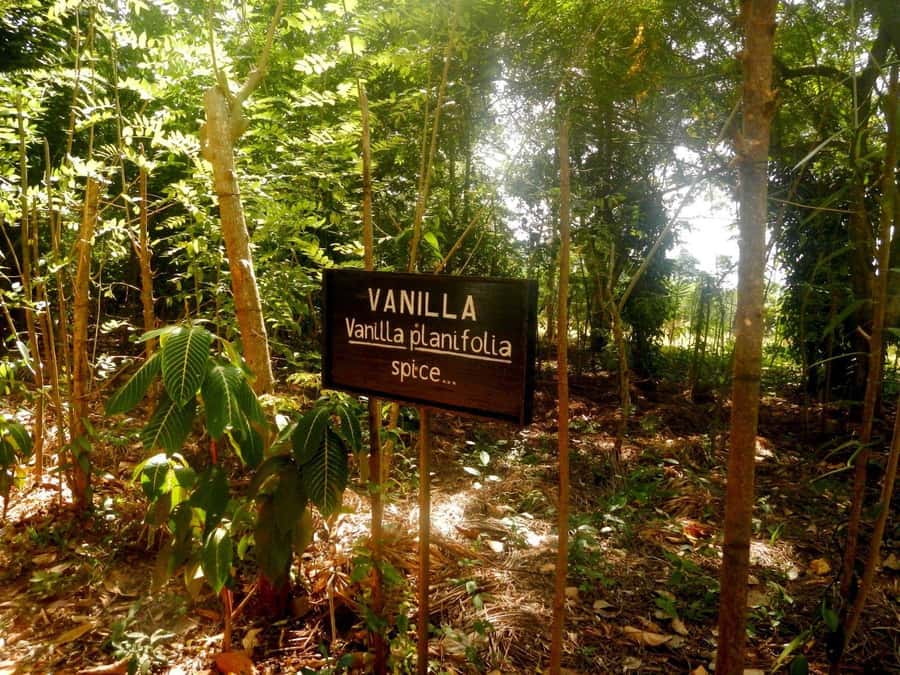
The second half visits an organic spice farm, one of Zanzibar’s signature experiences. The islands, together with Tanzania’s Mafia Island, are known as the Spice Islands because of crops such as cloves, nutmeg, cinnamon, and black pepper.
The farm visit is more enjoyable when you treat it as a sensory lesson. You can touch leaves, smell bark and seeds, and taste fresh plant products. Spices that seem ordinary in a kitchen become easier to understand when you see the plant they come from.
The guide explains how the crops are grown and how people use them in cooking and traditional medicine. The exact length of each explanation may vary, but the practical format gives the visit more life than reading labels on a board. If you already know a great deal about spices, some parts may feel basic.
You also get to take part in several farm activities. You may help with a cassava leaf harvest and learn how coconut milk is made. These are small tasks, but they show how ingredients move from plant to meal. A coconut tree climber picks young coconuts for you to try, which is one of the day’s most memorable food moments.
Jackfruit is another highlight. It is described as the largest fruit in the world, and tasting it fresh is a better introduction than seeing it cut and packaged in a shop. The farm experience is strongest when you take advantage of these tastes and textures instead of treating the stop as a quick spice purchase.
Lunch and the farm shop
Lunch at a local restaurant on the farm is included. The food gives you another chance to connect the morning’s plants with the table, especially after the cassava and coconut activities. The supplied information does not specify the menu, so tell the operator about any dietary needs before the tour rather than assuming a particular dish will be available.
The farm shop sells spices, but bring cash if you want to buy anything. It is easy to forget this because water and lunch are included, yet the shop is cash only. The same applies to the entrance charge, which is paid on the spot.
You may also be asked to support the farm or give tips. Tipping is your choice, not a condition of enjoying the tour. Some people appreciate buying directly from the farm, while others may find repeated requests uncomfortable. Decide in advance how much you want to spend, and keep small notes handy.
The real cost and the transport question
At $32 per person, this is priced as an accessible way to combine two major Zanzibar attractions. You receive a professional guide, water, lunch, the Stone Town visit, and the spice farm visit. For someone with limited time, combining both can save the effort of arranging separate outings.
The extra charges deserve attention. The slave market and spice farm entrance fee is $10 per person in cash. Transport from outside Stone Town is extra, and one report put a requested pickup cost at about $20 more per person. That figure may depend on the hotel and arrangement, so ask for the complete door-to-door price.
Pickup and drop-off are included only if you select that option. You must provide your hotel name and room number so the pickup time can be sent to you. I would also confirm the actual pickup window by message before the day begins.
The biggest value risk is not the entrance fee. It is lost time. A late start, a confused hotel collection, or a long return drive can reduce the city visit to a few hours. One account described only four hours of touring after a 35-minute delay. If you stay in Nungwi or another area far from Stone Town, ask how much time you will actually spend walking in the city and at the farm.
Who will enjoy this Zanzibar tour
I would recommend this day to a first-time visitor who wants a broad introduction to Stone Town and the island’s spice trade. It also suits you if you enjoy food tastings, markets, short walks, and seeing how common ingredients are grown and prepared.
Families may like the coconut, jackfruit, and farm activities, although the former slave market requires a thoughtful approach with children. Food lovers will get more from the spice farm than from a standard city walk. The market is useful for anyone who wants to see ordinary commerce rather than only restored landmarks.
I would be more cautious if you dislike sales pressure, need exact timing, or want a relaxed museum-focused day. The tour covers many places, and the day can become tiring if you are collected from far away. It is also not the best choice if you expect every guide to provide the same language service without confirming it first.
The overall rating is 3.7 out of 5 from 33 ratings, which fits the mixed picture. The strongest praise centers on friendly, patient guiding, especially from Capuchino, and on reliable transport when the arrangements work. The weakest experiences involve delays, shortened tours, unclear extra fees, and pressure to tip or buy.
Should you book the Stone Town and spice farm tour?
Book it if you want a low-cost introduction to Zanzibar’s old city and farming traditions, and you are willing to confirm the practical details first. The combination of the former slave market, City Market, Old Fort, Palace Museum, fresh coconut, jackfruit, and spice tasting gives you plenty of variety for one day.
Before paying, confirm the guide’s language, pickup location, full transport price, $10 entrance fee, and expected return time. If those details are clear and the schedule suits you, the tour can offer good value. If you are staying far from Stone Town or want a slow, highly detailed visit, arrange a shorter private city tour and a separate farm visit instead.
FAQ
What is included in the Zanzibar Stone Town and spice farm tour?
The tour includes a professional guide, water, a Stone Town visit, a spice farm visit, and lunch at a local restaurant. Hotel pickup and drop-off are included only if you select that option.
How much does the tour cost?
The listed price is $32 per person. The slave market and spice farm entrance fee costs an additional $10 per person, paid in cash on the spot.
Is hotel pickup included?
Hotel pickup and drop-off are included if you select the pickup option. Transfers from outside Stone Town may cost extra.
What should I bring?
Bring comfortable clothes and cash. Cash is needed for the $10-per-person entrance fee and for purchases at the spice farm shop.
Which languages are available?
The tour is available in English, French, German, and Italian. Confirm your requested language and guide before the tour.
What landmarks are visited in Stone Town?
Stops include the former slave market and Anglican Church, City Market, Palace Museum, House of Wonders, Old Fort, Tippu Tip’s House, Freddie Mercury’s House, Peace Memorial, and Natural History Museum.
What happens at the spice farm?
You can smell and taste spices such as cloves, nutmeg, cinnamon, and black pepper. Activities may include harvesting cassava leaves, making coconut milk, tasting fresh coconuts and jackfruit, and learning how spices are used in food and medicine.
Can I cancel or pay later?
You can reserve and pay later, with no payment required today. Cancellation is available up to 24 hours in advance for a full refund.
More farm visits in Zanzibar
- Zanzibar: Stone Town & Spice Farm Tour with Lunch
★ 4.5 · 97 reviews - Zanzibar:Stone Town & Spice Farm Private Tour Lunch Included
★ 4.2 · 94 reviews - Zanzibar full day Jozani forest + Spice farm and stone town
★ 4.7 · 90 reviews - Zanzibar: Spice Farm & Stone Town Tour with Lunch
★ 4.5 · 80 reviews
More lunch stops in Zanzibar
- Zanzibar: Prison Island and Nakupenda Boat Trip with Lunch
★ 4.1 · 882 reviews - Mnemba Island: Dolphin Swim & Snorkeling with Optional Lunch
★ 4.3 · 591 reviews - Zanzibar: Prison Island & Nakupenda Boat Tour with BBQ Lunch
★ 4.4 · 554 reviews - Zanzibar: Safari Blue Lagoon Trip with Snorkeling and Lunch
★ 4.5 · 336 reviews
Newly listed around Zanzibar
- Zanzibar: Nungwi/Kendwa Beach Sunset Dhow Cruise with Fruits★ 3.4 · 3 reviews
- Prison Island, Sea Turtles, Rock Restaurant & Relax in Beach★ 4.6 · 3 reviews
- Starfish Beach; The Rock; Kuza Cave; Paje Beach; Salaam Cave Tour★ 4.5 · 3 reviews
- Zanzibar: Half-Day Spice Farm Tour,the flavours of Zanzibar★ 4.7 · 3 reviews
- Joazani forest & Spice farm with lunch★ 5.0 · 3 reviews
- Nakupenda Island Snorkeling Sea trip & Lunch W/Transfer -Zanzibar★ 4.0 · 3 reviews
- Mnemba Island Snorkeling and Dolphin tour★ 5.0 · 3 reviews
- Zanzibar:Jozani forest, Spice farm with Swahili Cuisine clas★ 4.2 · 3 reviews
Stone Town Tours, compared.




Full-Day Private Stone Town +Spice Farm and Prison Island Tour
Read our review →
Browse the lists this tour appears in