
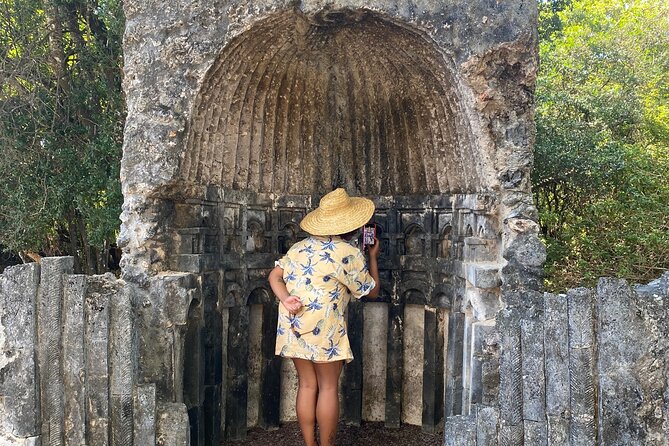
Reviewed · DAR ES SALAAM TOURS
Private Tour in Historical Dar es Salaam with Lunch
Dar es Salaam comes into focus through its markets, old churches, coastal trade, art studios, and everyday street life. This private tour packs those pieces into one long day, moving from German colonial buildings and the National Museum to Kariakoo Market, a fish auction area, carved wood, and Tingatinga paintings.
I like the wide mix of places and the freedom of a private vehicle. You can see how the city’s Swahili, Islamic, Christian, African, German, and modern influences overlap, then stop for lunch without being tied to a large group. Guide Ben is praised for his storytelling and warm manner. The main caution is the schedule: fourteen possible stops in about seven hours leaves little room for traffic, long museum visits, or a slow market wander.
Key points at a glance
- Fourteen possible sights in one day: The route covers museums, markets, churches, art centers, a university, a mall, monuments, and the coast.
- Private touring with Ben: Your group travels alone, allowing more room for questions and adjustments.
- Markets are the liveliest part: Kivukoni Fish Market and Kariakoo Market show the city at work, not just behind museum glass.
- Lunch and basic comforts are included: You receive lunch, bottled water, soda, an air-conditioned vehicle, onboard WiFi, and entrance fees.
- The art stops offer useful souvenirs: Mwenge Woodcarvers Market and the Tingatinga Arts Cooperative Society connect you with local makers and painters.
- Traffic and vehicle condition matter: One account describes a broken air conditioner and a long wait caused by a missed meeting time, so confirm pickup details carefully.
Why this tour gives you a useful first look at Dar es Salaam
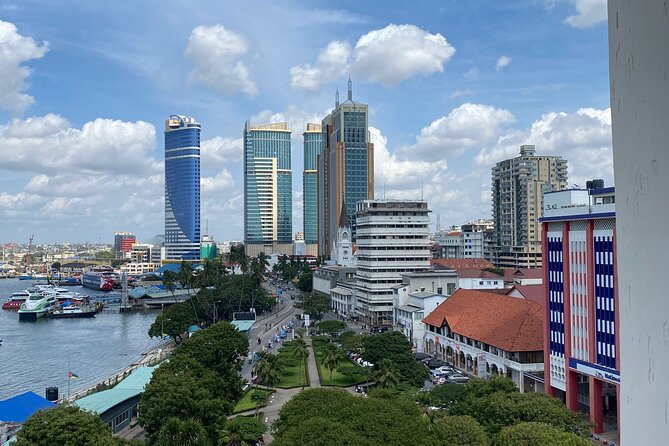
The strength here is range. Many city tours lean heavily toward colonial buildings or shopping, but this one tries to show Dar es Salaam as a working port, a center of faith, a university city, an art market, and a place of ordinary commerce.
You begin with built heritage, then move into food and trade. Later, you see national collections, traditional homes, contemporary craft, religious buildings, and a modern mall. That variety helps you understand the city beyond its best-known postcard views.
The private format is important. With only your own group, you can ask Ben to spend more time at a museum or shorten a shopping stop. The route still appears ambitious, and traffic can be slow, but a private vehicle gives you more control than a fixed coach excursion.
The cost is $145 per person. That is not a budget street tour, but it includes lunch, drinks, water, transport, WiFi, taxes, and admission fees. The value improves when you are traveling with several people, since the experience is private rather than shared with strangers. For a solo visitor, the price is harder to justify unless you place a high value on convenience and a personal guide.
More lunch stops in Dar es Salaam:
- Dar es Salaam: Mikumi National Park Day Trip with Lunch
★ 4.5 · 4 reviews - Zanzibar: Stone Town, Spice Tour, Prison Island with Lunch
★ 4.4 · 1,219 reviews - Zanzibar: Prison Island and Nakupenda Boat Trip with Lunch
★ 4.1 · 882 reviews
Old Boma starts the day with colonial-era architecture
Old Boma gives you a compact introduction to Dar es Salaam’s built past. The German colonial-era structure now houses the Dar es Salaam Centre for Architectural Heritage, known as DARCH, with displays about architecture, urban growth, and cultural change.
Allow about 30 minutes. That is enough for a guided look at the building and its exhibits, but not enough for a slow study of every display. I would pay close attention to how the city’s buildings reflect different periods and uses. This stop works best as a primer for the rest of the day.
The preserved structure is also a welcome change from a tour made entirely of markets. If architecture interests you, ask Ben to explain how Dar es Salaam developed as a port city and how its older buildings fit into the present-day center.
Kivukoni Fish Market shows the city’s coastal economy
At Kivukoni Fish Market, the tour shifts from formal heritage to daily work. Fishermen bring in their catch, vendors clean and prepare seafood, and buyers negotiate over fish, prawns, octopus, and other items.
The visit lasts about 30 minutes, so expect a quick look rather than a long food tour. You will encounter sea smells, wet floors, noise, bargaining, and close activity around the stalls. This is one of the most direct ways to see Dar es Salaam as an Indian Ocean port.
Bring comfortable shoes and keep your belongings secure in crowded areas. The market may feel more intense than the museum stops, but that is part of its value. You are seeing food move from the water into the city’s kitchens.
The National Museum connects fossils, culture, and independence
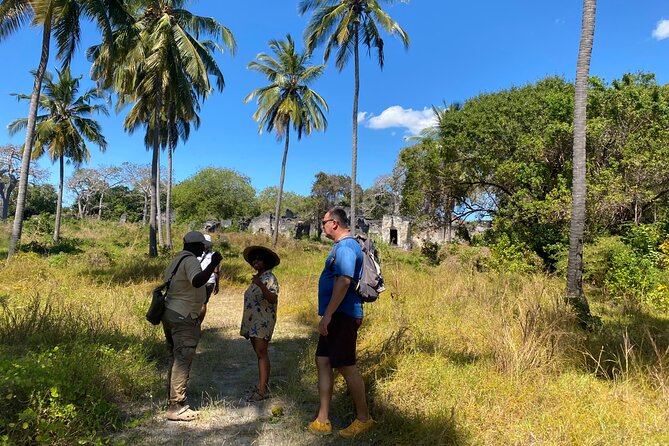
The National Museum receives about an hour, making it one of the more substantial stops. Its collections cover fossil discoveries from Olduvai Gorge, ethnographic material, colonial-era objects, independence, art, and Tanzania’s natural story.
This is the place where the tour widens beyond Dar es Salaam. Olduvai Gorge is tied to major discoveries in human origins, while the cultural displays show the many communities and traditions that make up Tanzania.
An hour should give you a good orientation, especially with Ben explaining what matters. If you want to read every label, the packed schedule may feel rushed. Still, this is a worthwhile stop for anyone who wants context before visiting other parts of the country.
More History Tours in Dar es Salaam:
- Dar es Salaam History and Architectural Tours
★ 5.0 · 36 reviews - Bagamoyo Historical Tour – Everyday
★ 5.0 · 13 reviews - Bagamoyo Historical Tour – Everyday
★ 4.4 · 8 reviews - Day Trip To Bagamoyo From Dar Es Salaam ..historical town
★ 4.5 · 3 reviews
Village Museum puts traditional homes in the open air
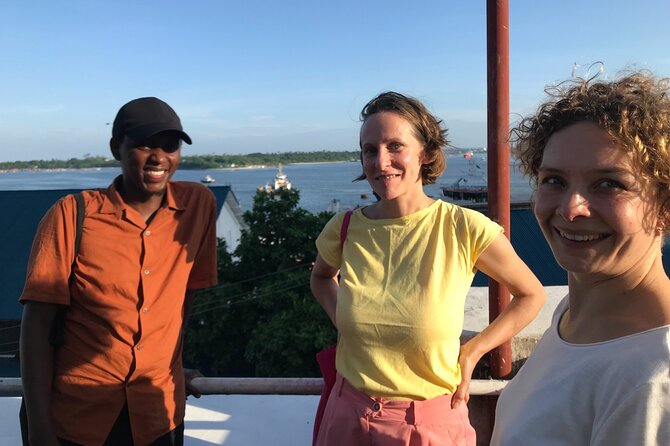
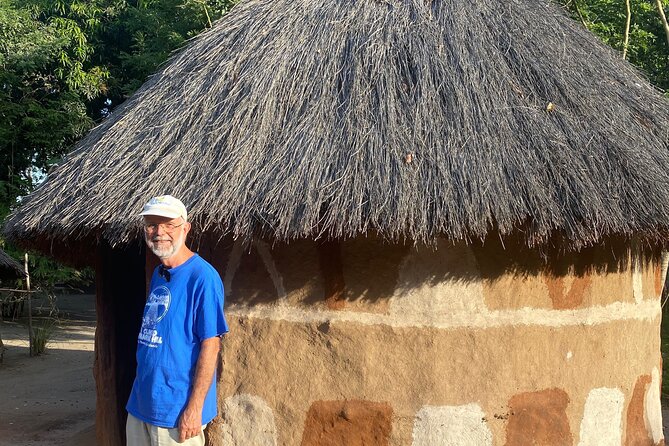
The Village Museum gives you a visual look at homes from different Tanzanian ethnic groups. Each house shows distinct building methods, layouts, and decorative details, with cultural objects helping explain rural life.
You may also see demonstrations of crafts, music, and dance. The value is clear: instead of only hearing about Tanzania’s cultural variety, you can compare the structures themselves.
Plan on roughly one hour. This is a good place to ask questions about how homes were used and what materials were common in different regions. It is also one of the tour’s more approachable stops for families and first-time visitors.
Keep in mind that the museum presents selected examples of tradition rather than the whole of contemporary Tanzania. Pairing it with Kariakoo Market and Mlimani City Mall helps you see both older customs and modern urban life.
Mwenge Woodcarvers Market is best for shopping with a plan
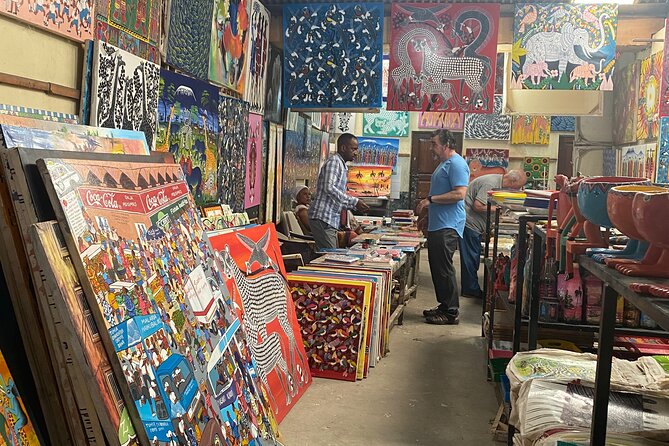
Mwenge Woodcarvers Market is full of carved wooden animals, figures, ornaments, and larger decorative works. You can watch artisans work and look for a souvenir with a clear connection to Tanzanian craft.
The scheduled 30 minutes goes quickly. If you enjoy browsing or want to compare pieces, ask whether this stop can be extended by trimming another shopping visit. The market can also be a place where bargaining is expected, so decide what you want to spend before you begin.
I like this stop because it adds the human hand to the itinerary. You are not simply looking at finished objects in a museum. You may see the making process and speak with sellers about the work.
Tingatinga art brings color and local stories
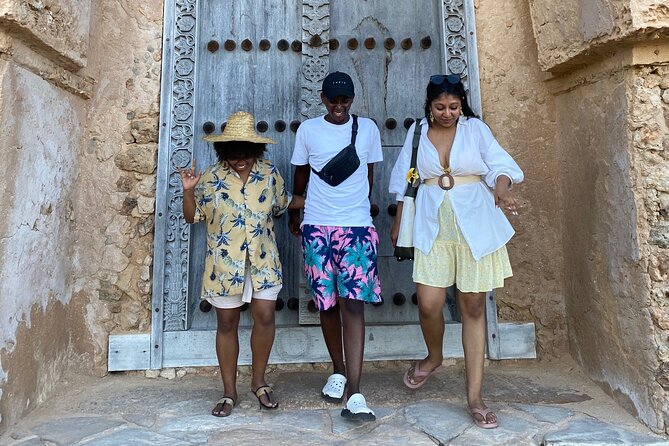
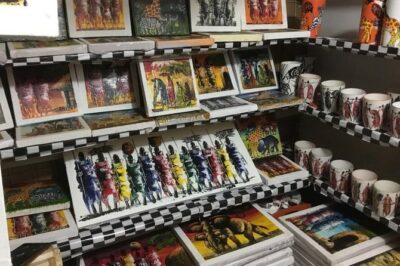
The Tingatinga Arts Cooperative Society offers a different kind of craft experience. The paintings are known for bright colors and scenes of wildlife, daily life, and imaginative subjects.
You can watch artists work and buy original pieces. A guide can help explain how this Tanzanian art style developed, which gives more meaning to a painting than a quick purchase from a hotel shop.
Half an hour is enough to see the main collection, but art buyers may want more time. If you plan to take a painting home, think about packing space and transport before purchasing. This stop is especially good for you if you want a souvenir that is light, visual, and tied to a local art tradition.
Azania Front and St. Joseph’s show two sides of city faith
Azania Front Lutheran Church is a German colonial-period church with Gothic features, stained glass, a quiet interior, and gardens. It offers a calmer pause after the markets and craft stops.
You may be able to attend a service or concert, although that is not guaranteed. Dress and behave respectfully, since this remains an active religious site. The planned 30 minutes should cover the main architectural details.
St. Joseph’s Cathedral provides a Catholic counterpart. Its stained glass, religious artwork, ornate decoration, and peaceful interior reflect another major strand of Dar es Salaam’s religious life.
Seeing both churches is useful because it prevents the colonial story from being reduced to government buildings alone. These places also show how architecture and worship shaped the city. Again, keep the visit quiet and follow any local instructions.
Kariakoo Market is the city at full speed
Kariakoo Market is likely to be the most demanding stop. Stalls sell produce, spices, clothing, household goods, and local items, while buyers and sellers move through tight trading spaces.
The official visit is about 30 minutes, which gives you a taste but not a full market exploration. You can look at displays, observe bargaining, and get a feel for the scale of local commerce. Do not expect a leisurely photography session.
This is where a private guide helps. Ben can help you understand what you are seeing and keep the visit focused. Hold your phone and wallet securely, stay close to your group, and accept that the market may be crowded and noisy.
For me, Kariakoo is more valuable than a polished shopping center because it shows how people actually buy and sell. It may also be the point where the packed itinerary feels most obvious.
Monuments, university life, and modern shopping fill out the picture
The Askari Monument is a short city-center stop. Its bronze soldier statue commemorates soldiers of the British colonial forces, and its location makes it useful for discussing the city’s public memory and colonial legacy.
The University of Dar es Salaam offers another side of national life. You may see faculties, research centers, libraries, classrooms, laboratories, and sports facilities. The campus represents Tanzania’s higher education system, though 30 minutes is enough only for a general look unless a public lecture or cultural event happens to be scheduled.
Mlimani City Mall is the most modern stop on the route. It has local and international brands, a supermarket, restaurants, a food court, a cinema, and entertainment facilities.
Some people may find the mall less distinctive than the markets or museums. I see its value as a contrast. After seeing traditional homes, fish sellers, and independent artists, you get a quick view of the consumer city that Dar es Salaam is becoming.
Coco Beach and Ngazija Mosque add coast and Islamic heritage
Coco Beach brings you to the Indian Ocean. It is a popular sandy stretch with swimming, water sports, boat rides, food, drinks, and vendors selling snacks or souvenirs.
The timing is not specified for this stop, so treat it as a possible route addition rather than assume a long beach break. If you want time to swim or sit by the water, confirm the plan before the day begins. A short photo stop will feel very different from an actual beach visit.
Ngazija Mosque adds Swahili and Islamic influence to the tour. Its architecture may include carved details, Arabic calligraphy, and a quiet prayer hall. Since it is a religious site, respectful clothing and conduct are essential.
These two stops help explain Dar es Salaam’s position on the coast. The city is not only a business center with colonial buildings. It is also tied to ocean trade, Islamic practice, Swahili culture, and beach life.
Lunch, transport, and the practical side of the day
Lunch is included, along with soda and bottled water. The details of the meal and restaurant are not specified, so you should not book this expecting a particular menu or dining style. Alcohol is not included.
Transport is by air-conditioned vehicle with WiFi onboard. That sounds ideal for a seven-hour city circuit, especially in warm weather. But one serious complaint describes a vehicle with broken air conditioning, so I would confirm that the vehicle is operating properly before departure.
Pickup is offered, and the tour can accommodate most participants. Near public transportation is also noted, though the experience itself is built around private vehicle travel. Since the route covers much of the city, traffic will affect the day.
Be precise about your pickup time and location. A reported disagreement involved a missed 9:00 a.m. meeting and a long wait, with the guide saying he had arranged port access. The useful lesson is simple: confirm the exact meeting point, port entry rules, and arrival time in writing.
Is seven hours enough for fourteen stops?
Not really, if you want more than a sample at every location. The core itinerary alone includes several one-hour stops plus many 30-minute visits, and Dar es Salaam traffic can add delays.
I would think of this as a highlights circuit. You will see many important places, but you may not have time to linger at every market, read every museum panel, or shop carefully at both art markets.
Ask Ben at the start which stops matter most to you. If you care about culture and archaeology, protect time for the National Museum and Village Museum. If your priority is daily life, favor Kivukoni and Kariakoo. If you want art, give more time to Tingatinga and Mwenge.
The private format makes this adjustment possible. That flexibility is one of the main reasons to choose this tour over a standard city route.
Who should book this Dar es Salaam experience?
You should consider it if you have one day in Dar es Salaam and want an organized introduction rather than arranging separate taxis, museum visits, and markets yourself. It suits first-time visitors, cruise passengers, families, and anyone who likes history, architecture, religion, shopping, and local commerce in one package.
It is also a good match for you if you enjoy asking questions. Ben receives strong praise for his storytelling, kindness, and command of the city’s past and culture. The guide is a major part of the experience, so the private arrangement gives you more direct contact than a large group tour.
You may prefer a slower, narrower tour if you dislike busy markets or want extended time at each museum. The $145 price is fair when you use the included transport, meals, drinks, admission, and personal guiding, but less compelling if you skip half the stops or mainly want a beach afternoon.
Should you book it?
Book this tour if your goal is to get a broad, guided introduction to Dar es Salaam in one day. Its best features are the private format, Ben’s engaging explanations, the mix of working markets and cultural sites, and the practical inclusions.
Before paying, confirm the pickup point, start time, vehicle air conditioning, and which of the optional coastal or mosque stops will actually fit. Go in expecting snapshots rather than long visits. If that tradeoff suits you, this is a useful city orientation with far more substance than a simple drive past the sights.
FAQ
How long does the private Dar es Salaam tour last?
The tour lasts about seven hours.
Is pickup available?
Yes. Pickup is offered, and the tour information also notes that the experience is near public transportation.
Is this a shared group tour?
No. This is a private activity, and only your group participates.
What is included in the price?
Lunch, soda, bottled water, an air-conditioned vehicle, onboard WiFi, all fees, and taxes are included.
Is alcohol included?
No. Alcoholic beverages are not included.
Can I cancel for a full refund?
Yes. You can cancel at least 24 hours before the experience start time for a full refund. Cancellations or changes made within 24 hours are not refunded or accepted.
What happens if bad weather cancels the tour?
If poor weather causes cancellation, you will be offered a different date or a full refund.
Newly listed around Dar es Salaam
- Mikumi Np Mid Range Tour 3 Days★ 5.0 · 3 reviews
- Private Mikumi Adventure★ 4.5 · 3 reviews
- Ruaha National Park And Mikumi National Park Budget Safari 6 Days 5 Nights★ 5.0 · 3 reviews
- 3 Days 2 Nights Private Safari Tour in Mikumi★ 5.0 · 3 reviews
- Day Trip To Bagamoyo From Dar Es Salaam ..historical town★ 4.5 · 3 reviews
- Dar es Salaam City tour and Beach Leisure – 9 hours★ 5.0 · 3 reviews
- Mikumi National Park Day Trip by Train From Dar Es Salaam★ 5.0 · 4 reviews
- 3-Day at Dar es Salaam To Selous GR (Nyerere NP) Game, Boat & Walking Safari★ 5.0 · 4 reviews
Dar es Salaam Tours, compared.


Private Full-Day Trip to Mikumi National Park from Dar es Salaam
Read our review →Browse the lists this tour appears in