
Reviewed · DAR ES SALAAM TOURS
Dar es Salaam City tour and Beach Leisure – 9 hours
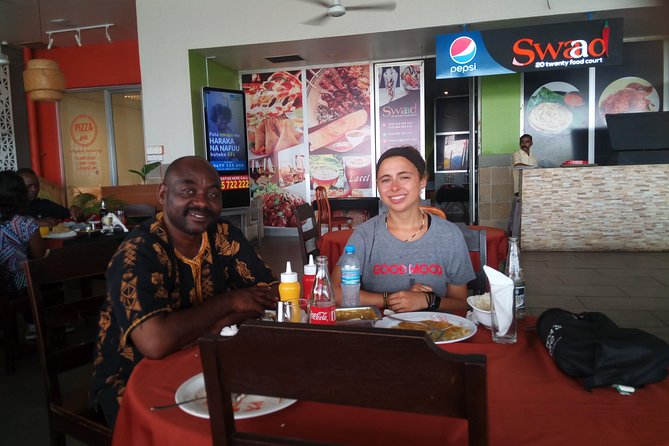
Dar es Salaam comes into focus through its contrasts: an old Sultan’s building, a fish market, busy Kariakoo, quiet churches, craft shops, and museums that explain Tanzania’s past. This private city tour gives you a full day with guide Aloys E Malekela, rather than leaving you to piece the city together on your own.
I like the door-to-door transport and the chance to see many different sides of Dar in one outing. I also like that lunch is included, since a long city tour is better when you are not stopping to sort out food. The main thing to check is the beach element: despite the title, the supplied schedule does not name a specific beach stop or set aside clear beach time.
Key points to know before booking
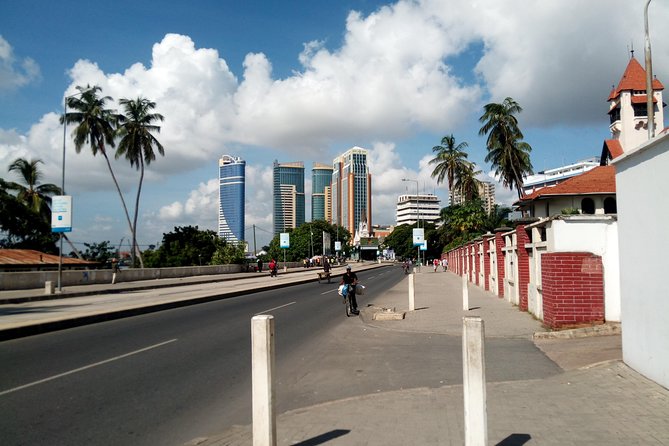
- Private guide Aloys E Malekela: You tour with your own group, making it easier to ask questions and adjust the pace.
- A broad Dar es Salaam circuit: The day covers museums, markets, religious buildings, monuments, historic sites, and shopping areas.
- Hotel, airport, and cruise transfers: Pickup and return arrangements are available, which can be useful for a short stay or port call.
- Lunch is included: The tour includes lunch or dinner, though you should confirm which meal applies to your departure time.
- Walking shoes matter: You will be moving through markets and several city sights, so comfortable footwear is a sensible choice.
- Beach time needs clarification: Ask exactly where the leisure portion takes place, since no named beach appears in the listed stops.
Getting your bearings in Dar es Salaam
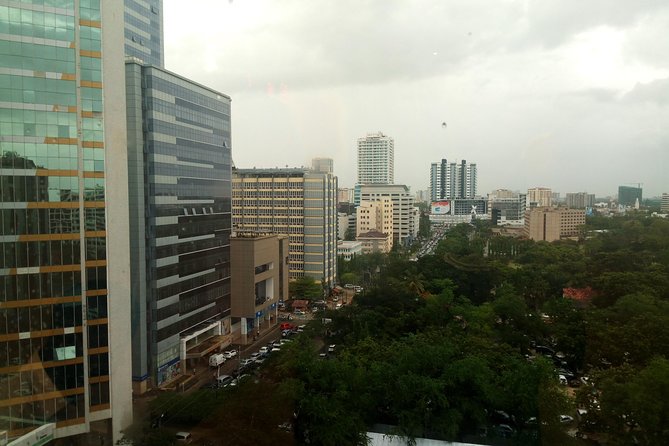
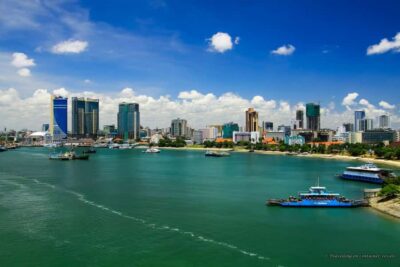
Dar es Salaam is Tanzania’s main commercial city and a natural starting point for understanding the country before heading to the coast, islands, or safari areas. This tour is built for a first look rather than a slow study of one neighborhood.
The value comes from the range. In one day, you can see national collections, a working fish market, colonial-era religious buildings, a traditional-culture museum, central shopping districts, and places tied to the city’s early history. That mix helps you understand Dar as a living city, not just a stopover before Zanzibar.
The vehicle is air-conditioned and private. That matters in a large city where moving between scattered sights can take time. You are not expected to find each place by taxi or work out the best order yourself, and your group can ask Aloys to explain what you are seeing along the way.
The advertised length is about seven to nine hours, with the detailed schedule giving nine hours. That is a serious day out. You should expect a mix of driving, short visits, walking, shopping, and a meal, rather than nine hours spent at one attraction.
A few more Dar es Salaam days to compare
- Dar es Salaam: City Tour
★ 4.7 · 159 reviews - Dar es Salaam City Center: Walking Tour
★ 4.8 · 102 reviews - Dar es Salaam City Tour – Everyday
★ 5.0 · 64 reviews
Starting with the National Museum
The National Museum of Tanzania is one of the strongest early stops for putting the rest of the day in context. A museum visit gives you background before you encounter the city’s markets, buildings, and historic sites.
You can expect the guide to help connect what you see in the museum with Tanzania’s wider story. That makes this stop more useful than simply taking photographs outside. If you prefer a slow museum visit, tell Aloys early, because the schedule contains many stops and the day has a lot of ground to cover.
The museum is also a practical choice for a first-time visit. Dar can feel spread out, and a clear introduction at the start helps you recognize the difference between the city’s national story and its everyday commercial life.
Seeing Dar through its fish market
The Fish Market of Dar es Salaam gives you a more immediate sense of the city. This is a working place, not a polished cultural display, so you should be ready for activity, strong smells, wet surfaces, and a less controlled setting.
That is part of its value. A market shows how the city functions day by day, from the trade in seafood to the people buying and selling it. The stop is likely to be more sensory than formal, and it may not suit anyone looking for a quiet or tidy attraction.
Wear shoes that can handle walking and keep your belongings close in crowded areas. The tour information does not promise a market tasting or a particular buying activity, so think of this as a guided look at local commerce rather than a food tour.
Sultan Majjid Building and early Dar es Salaam
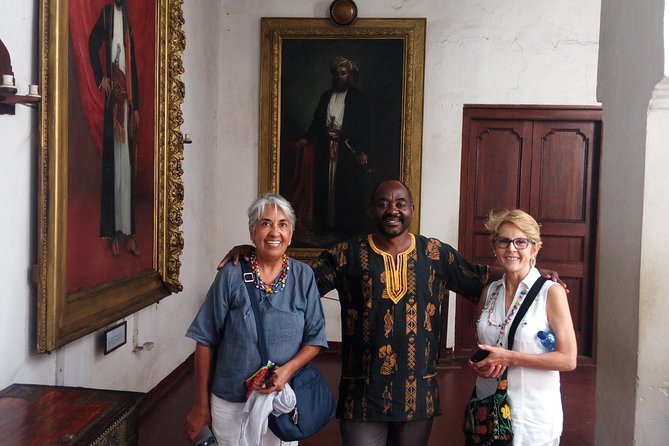
The Sultan Majjid Building is linked with the early development of Dar es Salaam and dates to 1862. The tour explains the city’s name as meaning a heaven of peace, tied to Sultan Majjid. This is a useful stop for seeing how the city’s coastal and Islamic influences fit into its past.
Buildings like this can be easy to pass without context. With Aloys explaining the setting, you get more than a quick exterior view. You can ask how the building relates to the city’s early growth, the Sultan, and the surrounding district.
The Missionaries of Africa Building adds another layer. Along with Azania Front Church and Saint Joseph Cathedral, it points to the religious and international forces that helped shape central Dar es Salaam.
You should not expect every building to offer a long interior visit. The supplied information names these as places of interest, but it does not specify opening arrangements, interior access, or how much time you will spend at each one. The real strength is the sequence: several sites together create a clearer picture than any one building alone.
A change of scene while you are in Dar es Salaam:
- MIKUMI NATIONAL PARK – 3 Days
★ 4.5 · 63 reviews - 2 nights 3 days safari to mikumi national park
★ 5.0 · 62 reviews - 2 Days 1 Night Mikumi National Park from Dar es salaam
★ 5.0 · 60 reviews - The Best/Top Rated Cultural City Tour in Dar es Salaam
★ 5.0 · 57 reviews
Azania Front Church and Saint Joseph Cathedral
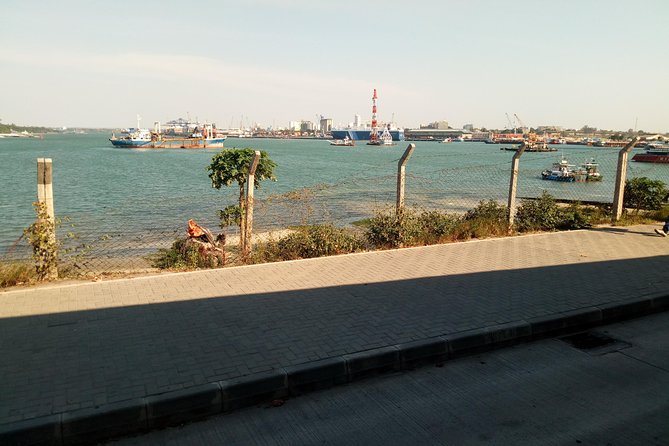
The two churches give the tour a chance to show Dar’s Christian heritage alongside its Islamic and commercial history. Azania Front Church and Saint Joseph Cathedral are both central landmarks, and their architecture adds a change of pace after the markets and museum.
I like having religious buildings included because they reveal how many cultural threads meet in the city. You may get the most from these stops by listening to Aloys explain their place in Dar rather than treating them as quick photo points.
Dress respectfully for any religious site. The tour details do not promise a service visit or guaranteed interior access, so ask your guide what is possible on the day. A church may be active or closed for a private function, and the schedule may need to remain flexible.
Askari Monument and the city center
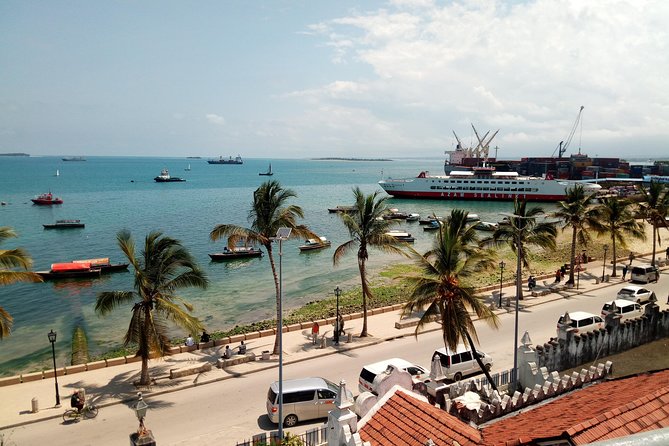
The Askari Monument is another short but important stop. Monuments can look simple until you know what they represent, and this one gives the city center a public historical marker.
This is where the guide’s role matters. A private tour allows you to ask for the background instead of moving on with only a name and a photograph. Aloys is described as professional and helpful, and one clear advantage of booking with him is the direct contact that comes with a private day.
Do not assume every stop will be a long guided visit. With more than a dozen places listed, some locations will naturally be brief. If a particular building or monument matters most to you, say so at the start and ask whether more time can be given there.
Kariakoo Market: the busiest part of the day
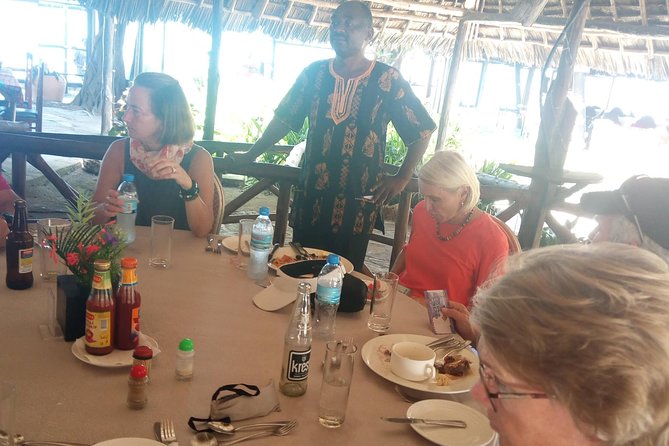
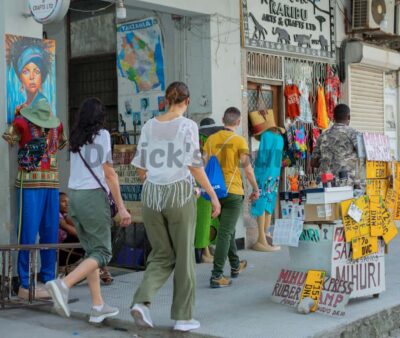
Kariakoo Market is likely to be one of the most energetic parts of the tour. It is a major shopping area where you can see the practical side of Dar, with people buying goods, comparing prices, and moving through the city’s commercial center.
The market is useful for understanding daily life, but it is not a calm browsing experience. Crowds, traffic, noise, and tight walking areas may be part of the visit. This is another reason to wear walking shoes and keep valuables secure.
You may want to buy something here, but the tour also includes a separate Kitenge shopping tour and a stop at Mwenge Curio Shops. If shopping is important to you, ask Aloys how much time is planned at each place and whether he can help explain local prices or materials.
Village Museum and Kunduchi history
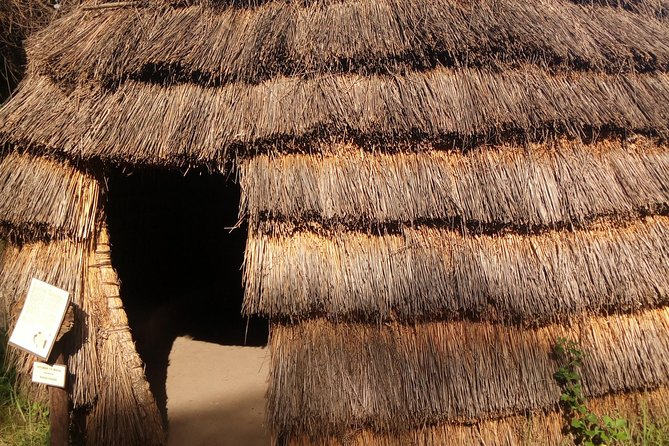
The Village Museum offers a different kind of cultural visit. It presents traditional Tanzanian homes and ways of life, giving you a chance to compare rural architectural traditions with the modern city outside.
This stop works well after the National Museum because the two offer different forms of context. The National Museum gives a national overview, while the Village Museum can make traditional life more visible and concrete.
The schedule also names the Kunduchi Site and Kunduchi Historical Site. Because both entries appear separately but no precise descriptions or timings are supplied, you should ask Aloys how they are handled on the day. They may be treated as related historical points, and the amount of time available may depend on traffic and the rest of the schedule.
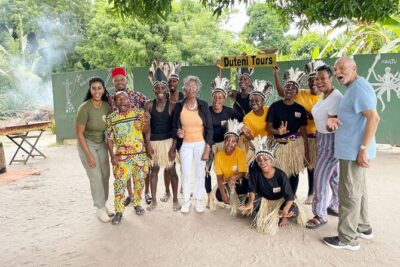
A tribal dance is also mentioned as part of one visitor’s day. It is best to treat this as a possible feature, not a guaranteed performance, since the formal tour details do not promise it. If this matters to you, ask before booking.
Mwenge Curio Shops and Kitenge shopping
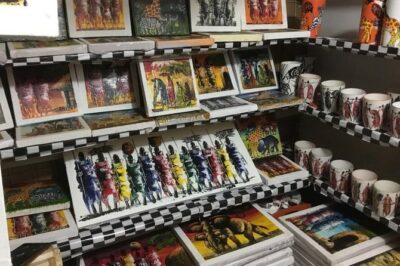
Mwenge Curio Shops are aimed at people who want Tanzanian crafts and souvenirs. The separate Kitenge shopping tour adds a more specific focus on colorful printed cloth and local shopping.
This is a good place to leave room in your budget, but the $250 tour price does not include purchases. You will need to judge quality, compare prices, and decide how much luggage space you have. A private guide can make shopping less confusing, though the tour description does not state that bargaining assistance or a purchase allowance is included.
I would keep shopping flexible. If you have a short port call, you may prefer a quick look rather than a long buying session. If you are staying in Dar for several days, you may value the chance to return to a shop or market later, but this day itself is designed to give you a broad first look.
Lunch, transport, and the $250 price
The price is $250 per person. That is not a budget city walk, but it includes private transportation, all listed fees and taxes, and lunch or dinner. Transfers can also be arranged from your hotel, the airport, or a cruise ship, which adds value if you have limited time or do not want to organize transport in Dar yourself.
The strongest value is convenience. You are paying for a private vehicle, a guide, a planned route, and a full day of orientation. For two people, the total cost is higher than joining a group, but you gain privacy and more control over questions and pacing.
The price is harder to judge if you want a beach day above all else. The title includes beach leisure, but the named schedule focuses on city sights, markets, museums, churches, historic buildings, and shopping. No beach name, swimming time, or beach facilities are given. Ask for a clear description of the beach portion before paying, especially if that is the main reason you are considering the tour.
Beer and wine are not included. The meal is listed as lunch or dinner, so confirm which one applies to your pickup time. Other personal purchases, such as crafts or kitenge fabric, should also be treated as extra.
Who will get the most from this private tour
I would choose this tour if you have one open day in Dar es Salaam and want a wide introduction without arranging several separate taxis and guides. It also suits cruise passengers who need pickup and return to the ship, provided the timing is confirmed in advance.
It is a good match for first-time visitors who want history, culture, shopping, and ordinary city life in one day. The private format is useful for couples, families, and small groups who prefer to ask questions freely.
You may want something else if your priority is a quiet beach stay, a specialist architecture tour, or a long museum visit. The schedule is packed, and the many stops mean you will probably see each place in a focused way rather than spending hours at one attraction.
The tour is also not ideal for anyone who dislikes markets or walking. The fish market and Kariakoo can be active and crowded, and several stops involve moving between a vehicle and city sights. Most travelers can participate according to the tour information, but you should still tell the provider about any needs before the day begins.
Practical advice for making the day work
Wear comfortable walking shoes, especially because the day includes markets, shopping areas, and several stops where you may be on foot. Carry only what you need and keep valuables secure in busy public places.
Confirm your pickup point and return point before departure. The tour starts in Dar es Salaam and ends back at the meeting point, while transfers may be available from a hotel, airport, or cruise ship. If you are catching a flight or returning to a ship, give the provider your exact departure time and leave a proper buffer.
Ask three questions before booking:
- Which beach will be visited, and how much time is reserved there?
- Is the included meal lunch or dinner for my start time?
- How long is planned for the stops that matter most to me?
Those answers will tell you whether the tour is really a city-and-beach day for your needs or mainly a city sightseeing circuit with shopping.
Should you book the Dar es Salaam city tour?
Book it if you want a private, full-day introduction to Dar es Salaam, especially with hotel, airport, or cruise pickup. Aloys E Malekela is the named guide, and the private format gives you a direct way to ask about Tanzania’s past, markets, buildings, and customs.
The tour earns its price through transport, lunch, a personal guide, and a wide route. Its main weakness is not the city coverage, which is extensive, but the unclear beach component. If the beach is essential, get the exact plan in writing first.
Free cancellation is available when you cancel at least 24 hours before the start time. Changes or cancellations inside that window are not accepted for a refund.
FAQ
How long does the Dar es Salaam city tour last?
The experience lasts about seven to nine hours, with the detailed schedule showing nine hours.
Is transportation included?
Yes. Private transportation is included, and transfers may be available from your hotel, the airport, or a cruise ship.
Is this a private tour?
Yes. Only your group participates in the activity.
Is lunch included?
Yes. The inclusions list lunch or dinner. Confirm which meal applies to your chosen start time.
Which places are visited?
The named points include the National Museum of Tanzania, Dar es Salaam Fish Market, Missionaries of Africa Building, Sultan Majjid Building, Kunduchi Site, Kariakoo Market, Village Museum, Mwenge Curio Shops, Azania Front Church, Saint Joseph Cathedral, Askari Monument, Kunduchi Historical Site, and a Kitenge shopping tour.
Can I cancel for a full refund?
Yes, if you cancel at least 24 hours before the experience start time. Cancellations or changes made less than 24 hours before the start time are not accepted for a refund.
Newly listed around Dar es Salaam
- Mikumi Np Mid Range Tour 3 Days★ 5.0 · 3 reviews
- Private Mikumi Adventure★ 4.5 · 3 reviews
- Ruaha National Park And Mikumi National Park Budget Safari 6 Days 5 Nights★ 5.0 · 3 reviews
- 3 Days 2 Nights Private Safari Tour in Mikumi★ 5.0 · 3 reviews
- Day Trip To Bagamoyo From Dar Es Salaam ..historical town★ 4.5 · 3 reviews
- Mikumi National Park Day Trip by Train From Dar Es Salaam★ 5.0 · 4 reviews
- 3-Day at Dar es Salaam To Selous GR (Nyerere NP) Game, Boat & Walking Safari★ 5.0 · 4 reviews
- Daressalaam city sightseeing private tour★ 4.5 · 4 reviews
Dar es Salaam Tours, compared.


Private Full-Day Trip to Mikumi National Park from Dar es Salaam
Read our review →Browse the lists this tour appears in