Reviewed · MOSHI & KILIMANJARO TOURS
Moshi: Town tour and Local Markets tour
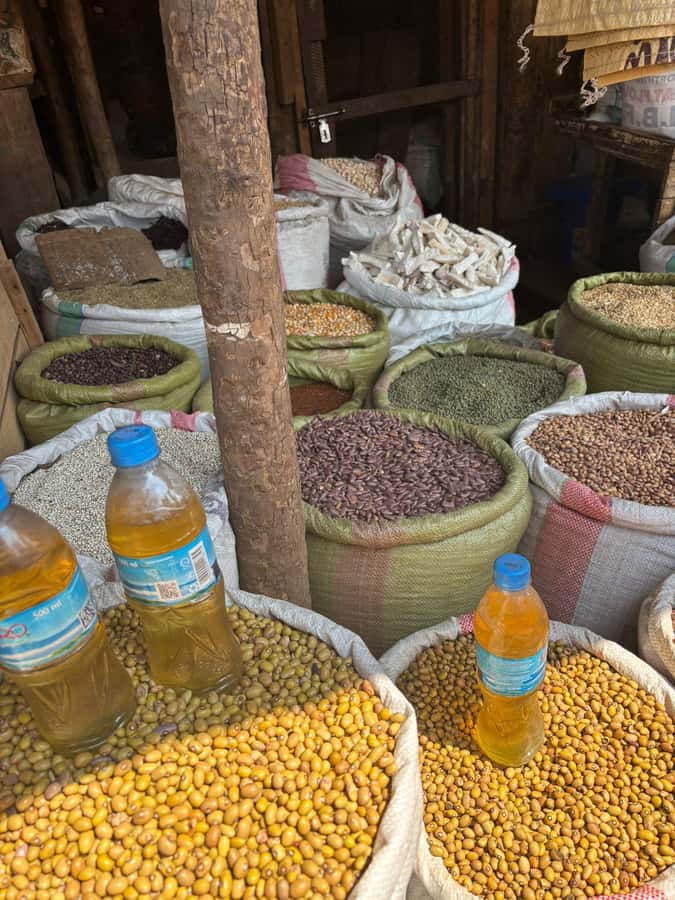
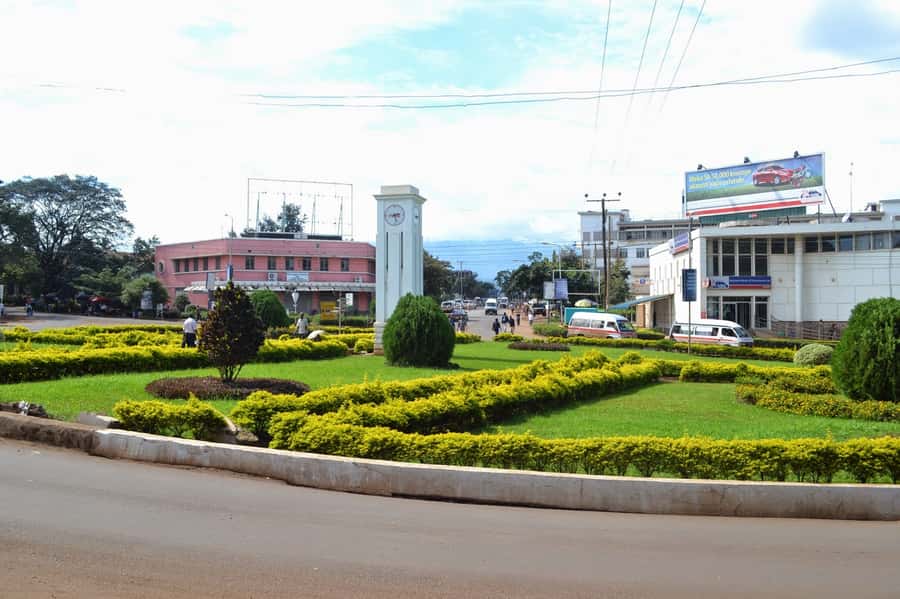
Moshi’s markets are the heart of this experience. You move from bananas and fish to spices, clothing, banking, buses, coffee, and crafts, seeing how ordinary business works in northern Tanzania. I especially like the fruit tasting and the chance to compare three different markets instead of stopping at one. The visit to the railway station adds useful history and a fine place for photos of Mount Kilimanjaro.
I also like the practical help from Isaac, known as Zac, who speaks clear English and adjusts the outing to your needs. He has helped people find a pharmacy, exchange money, collect Kilimanjaro gear, and reach a restaurant or supermarket. The main consideration is pace: three hours covers a lot, so the market stops are introductions rather than long, slow shopping sessions.
What makes this Moshi tour worth your morning
- Three different markets: Compare Manyema, Mbuyuni, and the Central Market, each with its own goods and purpose.
- Local fruit tasting: Try several fruits while learning what is sold and how food markets work.
- Railway and Kilimanjaro views: Begin at Moshi’s train station with photos, local history, and a possible mountain panorama.
- Everyday economics: Learn about SIM banking, local banks, bus-station trade, and the role of markets in daily life.
- Coffee and tea break: Stop at Coffee Union Cafe for a 20-minute pause in the middle of the walk.
- Socially minded shopping: Blue Zebra Art sells crafts made largely by disabled people and offers tanzanite, a gemstone found only in Tanzania.
Moshi in three hours, not three tourist stops
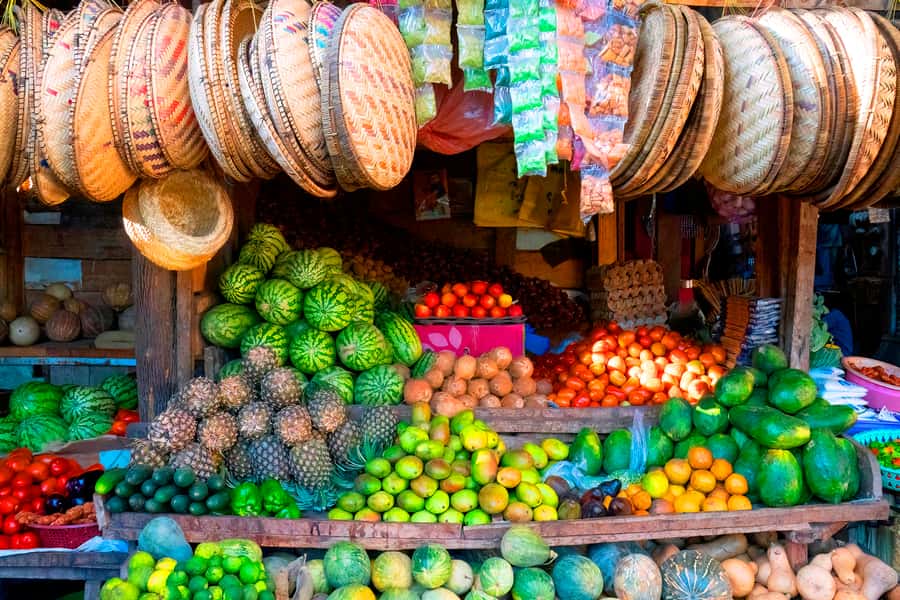
This is a town tour with a useful difference. You are not simply driven past Moshi’s sights while a guide recites dates. You walk through places where people buy food, sell clothing, send money, catch buses, and earn a living.
At $25 per person, the price is strong for a three-hour outing that includes pickup and drop-off in Moshi Urban, transport between sections, a live English-speaking guide, and bottled water. Food and drinks are extra, though fruit tasting is part of the planned experience. If you want a private or small-group introduction before a Kilimanjaro climb, this offers more local contact than a standard sightseeing drive.
I would not book it expecting a formal museum tour or a polished cultural show. Markets can be crowded, noisy, and visually intense. You will see ordinary commerce, not a set piece arranged for visitors. That is the value, but it also means you should wear comfortable shoes and clothes, keep an open mind, and allow the guide to explain what you are seeing.
A few more Moshi & Kilimanjaro days to compare
- Kilimanjaro climb by Lemosho Route (7-day)
★ 5.0 · 651 reviews - Safari Serengeti And Ngorongoro
★ 5.0 · 288 reviews - Kilimanjaro climb, Machame Route (7-day)
★ 5.0 · 262 reviews
Starting at Moshi Railway Station
The tour begins with pickup at your lodging in Moshi Urban. From there, Isaac takes you to the train station for roughly 25 minutes of photos, sightseeing, and a guided look at the railway’s role in the town.
The station gives the tour a sensible opening. Before you enter the markets, you get a little context for Moshi as a transport and trading center. You can also look for views of Mount Kilimanjaro, with the important caveat that mountain visibility depends on the weather and the day’s conditions.
One particularly memorable possibility is an arriving train. The timing will not always work out, but a train arriving from Dar es Salaam can make this first stop feel wonderfully connected to the wider country. The railway also provides an easy way to start with photographs before moving into the more active market areas.
This stop is short, so do not expect a full railway museum visit. Its purpose is to set the scene, explain the local history, and give you a first view of Moshi before the walking begins.
Manyema Market and the first look at local trade
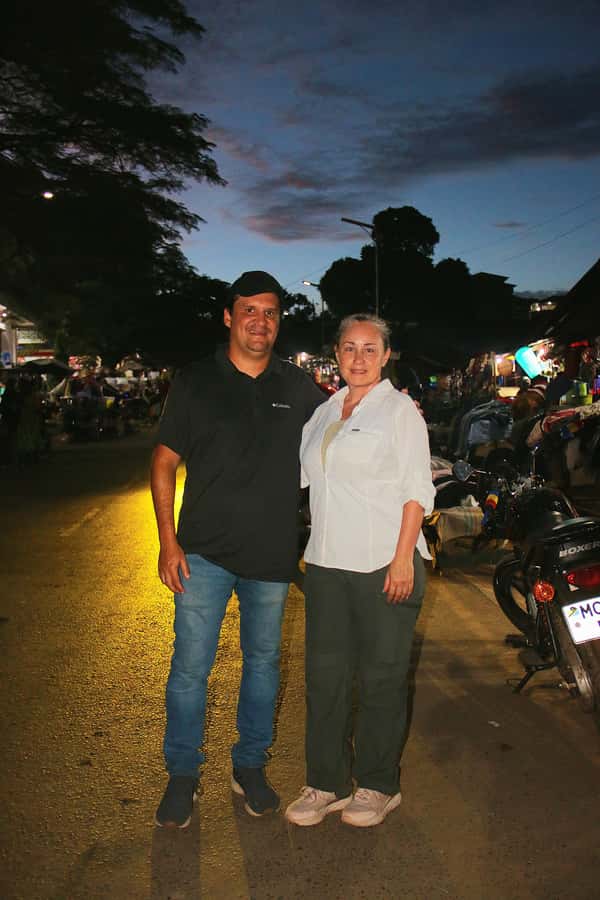
Manyema Market is scheduled for about 25 minutes. It is a food-market visit with time for walking, photographs, and explanations from Isaac.
Here you begin to see how produce moves through the local economy. The focus is not only on what is for sale, but also on the activity around it: who sells, who buys, how products are arranged, and why a market matters beyond the transaction itself.
The stop can be especially useful if you are new to East African markets. Isaac can help you understand what you are looking at instead of leaving you to guess. You might see foods that are familiar in appearance but new to you, along with produce you have never encountered at home.
This is also one of the places where fruit tasting fits naturally. You can sample several fruits and ask questions about their flavor, use, and place in everyday meals. Bring curiosity rather than a long shopping list. The tasting is meant to add context to the walk, not replace a full meal.
Mbuyuni Market: bananas, fish, spices, and clothing
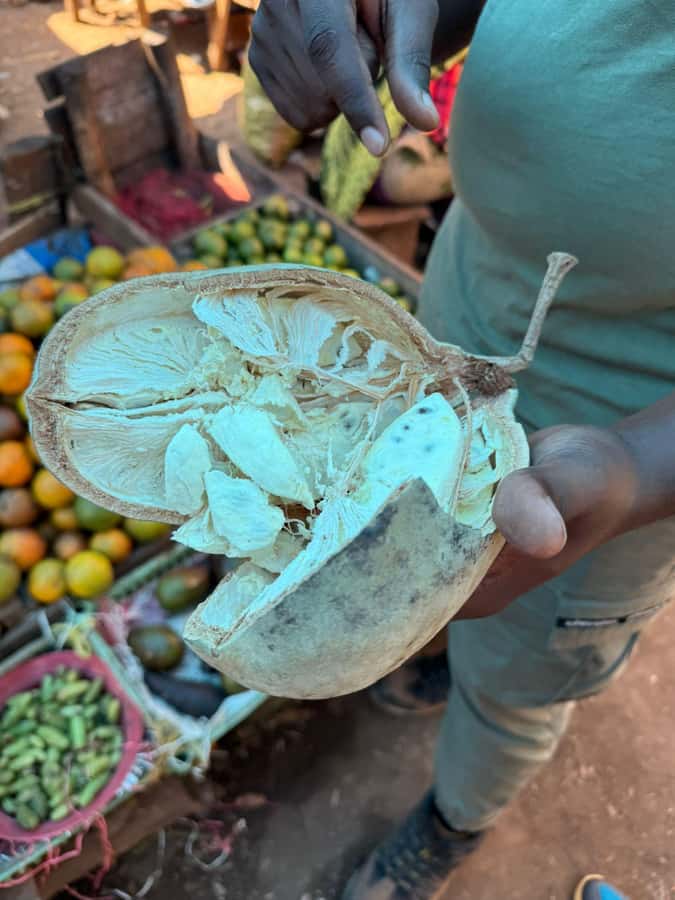
The next stop is Mbuyuni Market, also planned for about 25 minutes. This is the more detailed market section, with visits to banana, fish, spice, and clothing areas, along with a look at a local dispensary and other businesses.
The variety makes Mbuyuni one of the tour’s strongest sections. Bananas show you the importance of everyday produce. The fish market brings a different set of sights and smells. The spice area gives you a chance to ask about ingredients used in Tanzanian cooking, while the clothing market shifts the focus from food to household needs and personal trade.
Isaac also explains the local economy here. That matters because markets are not just shopping areas. They are places where family income, supply chains, food access, and social contact meet. With a guide beside you, you can ask questions politely and avoid treating the market like a backdrop for photographs.
The dispensary is another useful detail. It gives you a glimpse of a service that sits beside the market economy, though the itinerary does not promise a medical tour or a long visit inside. The stop is best viewed as a short look at how different types of daily business share the same town space.
A change of scene while you are in Moshi & Kilimanjaro:
- Kilimanjaro Climbing Lemosho Route 8 Days.
★ 5.0 · 186 reviews - Climbing Kilimanjaro – Machame Route
★ 5.0 · 170 reviews - Climbing Kilimanjaro through 7 days Machame Route
★ 5.0 · 151 reviews - Kilimanjaro climb, Lemosho Route (8-day)
★ 5.0 · 148 reviews
Central Market and the business of moving money
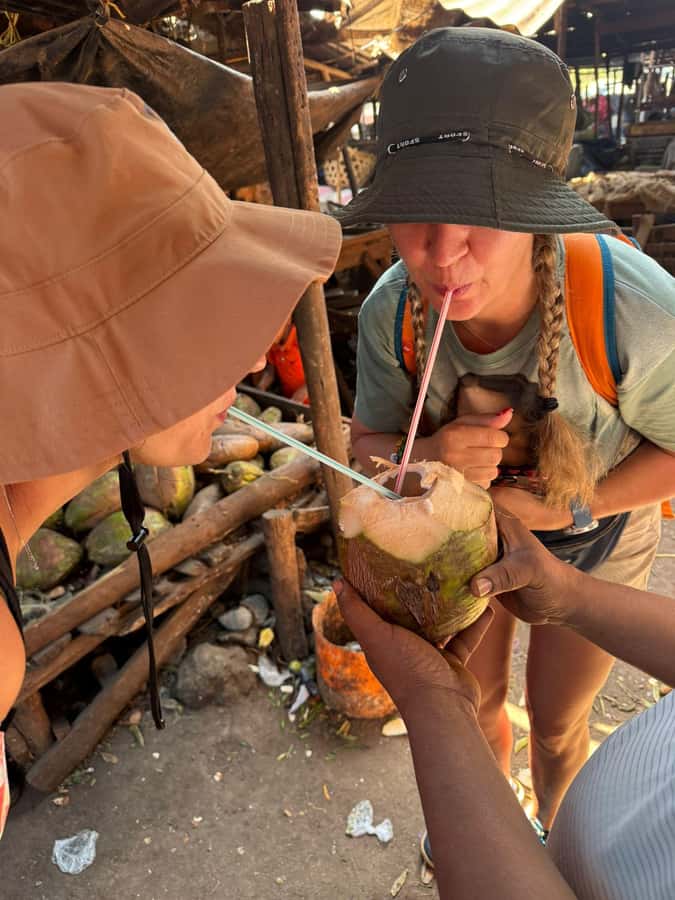
The Central Market follows Mbuyuni and gives you another 25 minutes of walking and guided sightseeing. Isaac explains how it differs from the first market, with particular attention to the food market and the way goods are sold.
That comparison is important. If you only visit one market, it is easy to assume every market in town works the same way. Seeing three locations lets you notice differences in layout, products, customers, and purpose. You gain a better sense of Moshi as a working town rather than a single tourist center.
Along the way, Isaac points out local banks and explains SIM banking in Tanzania. This may be one of the most useful parts for anyone trying to understand daily life. Mobile money and SIM-based banking affect how people pay, send funds, and conduct small business. It is a practical subject, and it connects the market stalls to the wider financial system.
You should not expect a banking workshop. The explanation is part of the walk, and the amount of detail can be shaped by your questions. Still, this is exactly the sort of small local subject that can make a town visit more meaningful.
A 20-minute pause at Coffee Union Cafe
After the market walking, you stop at Coffee Union Cafe for about 20 minutes. Coffee and tea are the focus, and the break gives you time to sit down and reset.
This pause is well placed. Three markets in a short period can be a lot to take in, especially if you are adjusting to Moshi’s heat, noise, and constant movement. You can use the cafe stop to ask Isaac follow-up questions or talk through what you have seen.
The tour description identifies it as one of the best coffee and tea cafes in Moshi, but your purchase is not included in the $25 price. Plan to pay separately for any drink or food. That is a small extra cost, and it gives you a chance to choose what you actually want rather than paying for a fixed meal.
Coffee Union Cafe also broadens the tour beyond markets. You see how locals and visitors use a cafe as a meeting place, and you get a calmer setting before the final two stops.
Moshi Bus Stand and the town’s transport trade
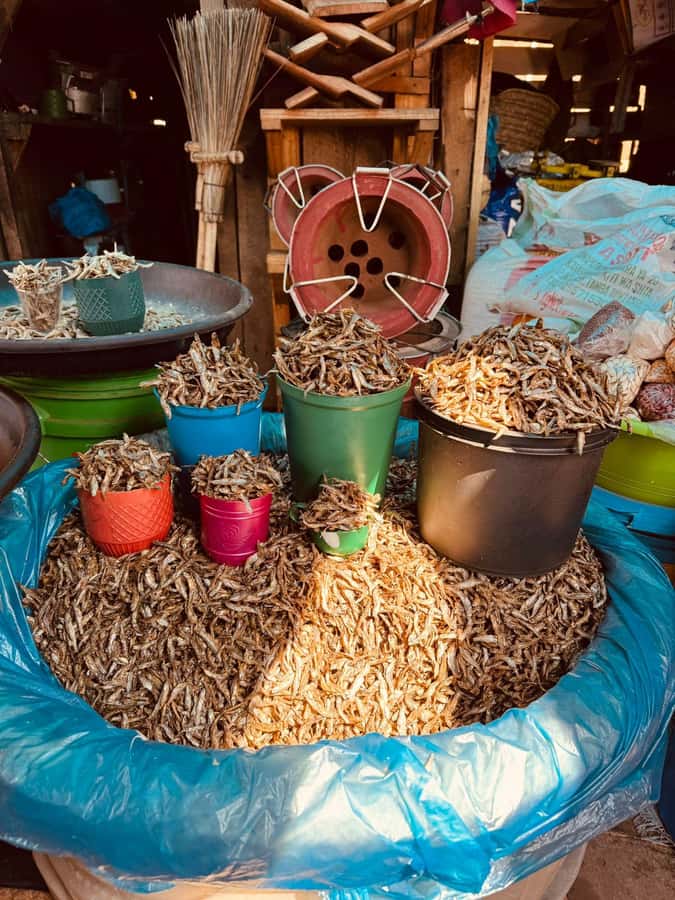
The bus stand is a shorter stop, about 15 minutes. You walk through the area, take photographs, and learn how people conduct business around public transport.
This is not a long station visit, but it adds another piece to the town’s economy. Buses bring people and goods together, and the surrounding businesses depend on that steady movement. Isaac can explain what is happening so the bus stand feels less confusing and more legible.
The short timing is appropriate. A bus station is active and functional, not a monument with a clear viewing platform. You will likely get the most from it by listening, looking around, and asking focused questions. If you are interested in local transport, tell Isaac early so he can give this section the attention you want.
Blue Zebra Art, tanzanite, and responsible souvenirs
The last scheduled stop is Blue Zebra Art, Tanzanite, and Souvenir Shop, with about 20 minutes for browsing and shopping.
This shop has a social purpose. Much of the merchandise is made by disabled people, and part of the revenue supports community work, including schooling for orphans and help for people in need. That gives your souvenir purchase a clearer connection to local livelihoods than buying a generic item at an anonymous retail counter.
You can look at Tanzanian arts and crafts, and you can also see tanzanite. The gemstone is found only in Tanzania, which makes it a special purchase for someone seeking a small, locally connected memento. Take your time, ask questions, and buy only if you genuinely want something. Shopping is optional.
A practical caution is worth adding: the available information does not specify gem certification, pricing standards, or return terms. If you are considering an expensive tanzanite purchase, ask for documentation and compare prices before committing. For most people, a modest craft item may be the simpler choice.
What Isaac adds to the experience
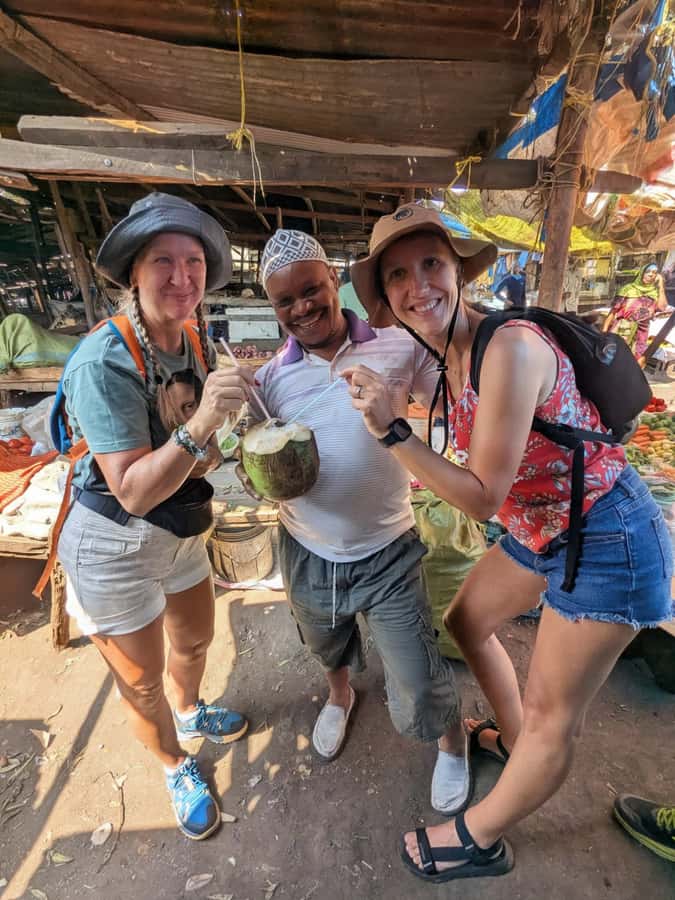
Isaac is the named guide, and some people call him Zac. His role is a major part of the tour’s appeal. He offers explanations in English, keeps communication clear before pickup, and is described as flexible with timing and personal requests.
That flexibility can be useful in real travel situations. He has adjusted start times for an airport departure, stopped at a pharmacy, helped with money exchange, taken people to a supermarket or restaurant, and assisted with collecting Kilimanjaro equipment. Those extras are not guaranteed parts of the advertised route, so you should request them in advance rather than assume they are included.
The tour also appears well suited to solo visitors. A single woman described feeling safe and comfortable with Isaac in an unfamiliar setting. Safety is personal and no guide can remove every normal city precaution, but a local escort can make market walking much easier if you are not comfortable going alone.
Isaac’s strong English matters here. Market tours depend on explanation. Without clear communication, you may see plenty but understand little. His ability to discuss history, food, banking, and current local life helps turn a walk into a lesson.
Timing, comfort, and what to bring
The official duration is three hours, with stops adding up to the planned route. In practice, the pace may shift if you ask more questions, spend longer at a market, or add a practical errand. One account describes Isaac spending much longer with a group, but you should treat that as a personal adjustment rather than a promise.
Hotel pickup and drop-off in Moshi Urban are included. Bottled water is provided, while food and drinks are not. Fruit tasting is included as part of the market experience, but the cafe purchase is separate.
Wear comfortable shoes. You will walk through several markets and town areas, and comfortable clothing will help in warm, active surroundings. Keep your belongings secure, ask before photographing people, and carry some flexibility in your schedule. The tour is most enjoyable when you can stop to look and listen instead of rushing from one point to the next.
Free cancellation is available up to 24 hours before the start for a full refund. You can also reserve now and pay later, which is useful if your Kilimanjaro or safari plans are still shifting.
Who should book this Moshi town tour?
I would recommend it most strongly if you are staying in Moshi before or after a Kilimanjaro climb and want to understand the town beyond hotels and trekking shops. It is also a good fit if you enjoy food, markets, photography, and practical cultural information.
Solo visitors may appreciate having a guide for the first market walk. Couples and small groups can shape the conversation around their interests, and families with older children may find the fruit tasting, buses, money systems, and market goods more engaging than a formal historical talk.
This is less suitable if you dislike crowds, smells, walking, or unscripted street scenes. It may also feel quick if your main aim is serious shopping. The three-hour format gives you a broad introduction, not a full day to bargain, eat, and browse at leisure.
At $25 per person, I see good value in the combination of transport, local guidance, market access, and practical help. The price is especially fair for a first visit to Moshi, when a few hours with someone who knows the town can save time and reduce uncertainty.
Should you book it?
Book this tour if you want Moshi explained from the ground up, through its food stalls, banks, buses, cafes, railway, and craft shops. The strongest parts are the comparison of three markets, the fruit tasting, the SIM-banking lesson, and Isaac’s willingness to tailor the outing.
Skip it if you want a quiet scenic tour or a major-attraction checklist. But if your idea of a good morning is learning how a town actually works, this is a smart, fairly priced introduction. Ask about any extra stops before pickup, wear good shoes, and leave room for the tour to unfold at a human pace.
FAQ
Where does the Moshi town and markets tour take place?
The tour takes place in Moshi Urban, in the Kilimanjaro region of Tanzania. It includes the train station, Manyema Market, Mbuyuni Market, the Central Market, Coffee Union Cafe, Moshi Bus Stand, and Blue Zebra Art.
How long does the tour last?
The advertised duration is three hours. The scheduled stops range from 15 to 25 minutes, with a 20-minute break at Coffee Union Cafe.
What is the price?
The price is $25 per person.
Is hotel pickup included?
Yes. Hotel pickup and drop-off are included for locations in Moshi Urban.
What language does the guide speak?
The live tour guide speaks English. The named guide is Isaac, also known as Zac.
What will I see at Mbuyuni Market?
You will visit the banana, fish, spice, and clothing markets. The route also includes a look at a local dispensary and other nearby businesses.
Is food included?
Food and drinks are not included. However, the experience includes sampling several local fruits. Drinks or food purchased at Coffee Union Cafe cost extra.
Can I buy souvenirs during the tour?
Yes. The final stop is Blue Zebra Art, Tanzanite, and Souvenir Shop, where you can browse and buy arts, crafts, souvenirs, and tanzanite if you choose.
What should I bring?
Bring comfortable shoes and comfortable clothes. Bottled water is provided.
Can I cancel the booking?
Yes. You can cancel up to 24 hours in advance for a full refund. You can also reserve now and pay later.
Newly listed around Moshi & Kilimanjaro
- Climb Mount Kilimanjaro: 7 Days Machame Route★ 5.0 · 3 reviews
- 6 Days Mount Kilimanjaro Climbing via Rongai Route★ 5.0 · 3 reviews
- Explore 1 day Ngorongoro Crater Budget Group Safari from Arusha★ 5.0 · 3 reviews
- Mt. Kilimanjaro Day Hiking★ 5.0 · 3 reviews
- Chemka (Kikuletwa) Hot Springs, Tanzania★ 5.0 · 3 reviews
- Guided City tour of Moshi★ 4.3 · 3 reviews
- 8 Day Tanzania Family Safari★ 5.0 · 3 reviews
- Serengeti Safari with Sirikwa Travel★ 5.0 · 3 reviews
Moshi & Kilimanjaro Tours, compared.