
Reviewed · MAASAI VILLAGE VISITS
Maasai Boma Cultural Experience (maasai village tour)
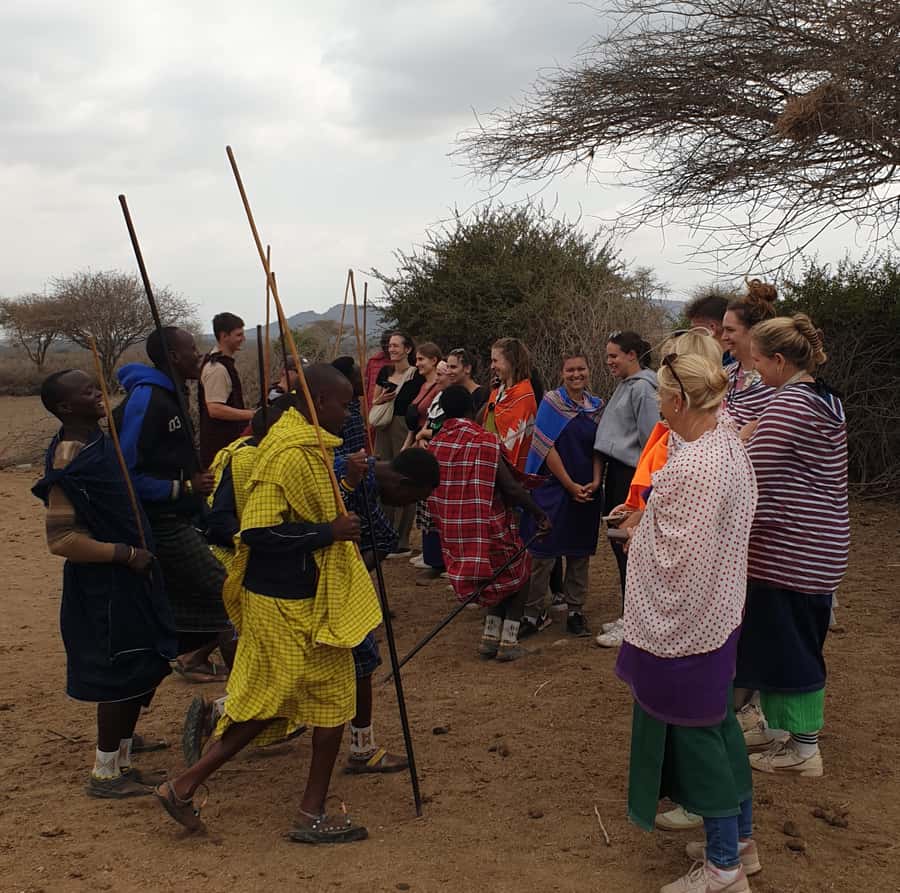
The most memorable part of this day is the welcome at the Maasai boma, where women greet you with singing before you learn about family life, food, work, clothing, and customs. You may wear a shuka and Maasai jewellery, then watch the men perform adumu, the famous jumping dance.
I like the chance to see practical tasks such as making fire, milking cows, fetching water, and checking beehives. I also like that the price includes transport, food, drinks, guide fees, and entrance costs, so you are not adding up small charges all day. The main consideration is timing: the full outing is advertised at 7 to 10 hours, but one booking finished two to three hours earlier than expected.
Key points to know before booking
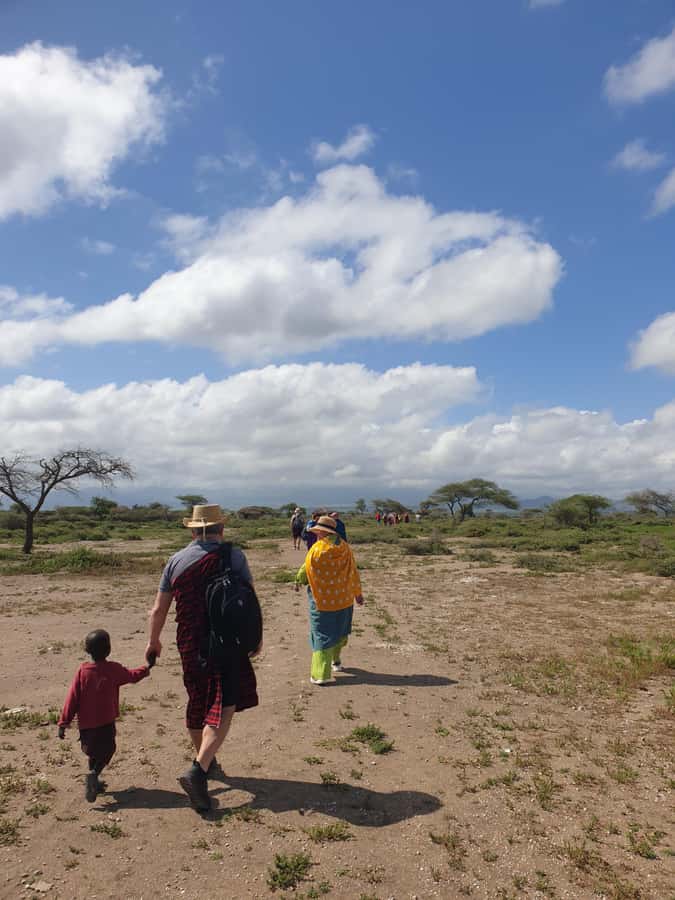
- The welcome is personal: Maasai women greet you with songs, and you may be dressed in a shuka and traditional jewellery.
- Daily work is part of the visit: You may learn how people make fire, milk cattle, collect water, and tend beehives.
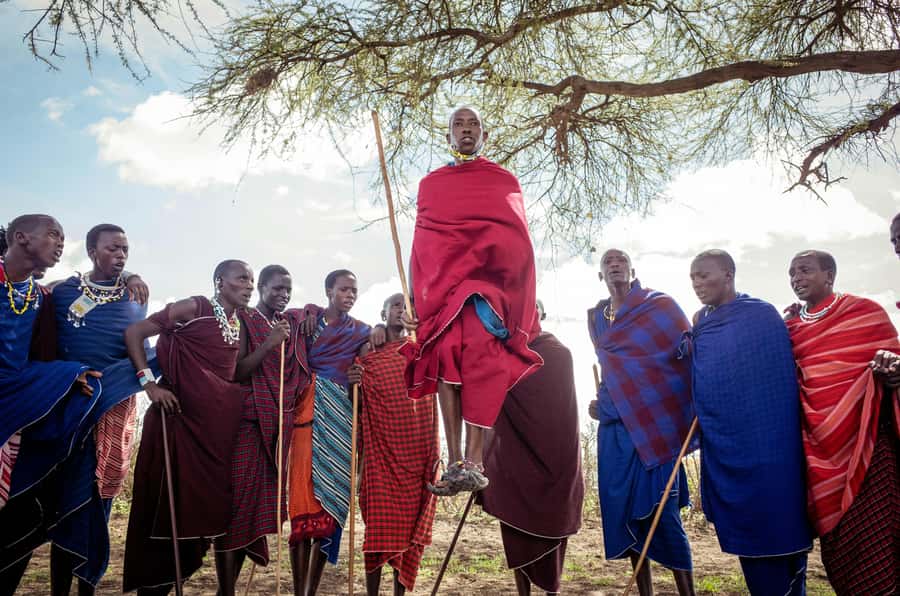
- Adumu is participatory: Maasai men perform the jumping dance, and you can join if you want to.
- Lunch is included: The meal is served at the boma, with food and drinks covered in the price.
- Transport covers two towns: Pickup and drop-off are available in Arusha or Moshi.
- Guide quality matters: Guides including Johnson and Arthur have been praised for clear English, punctuality, helpful explanations, and easy conversation.
Meeting Maasai life at a working boma
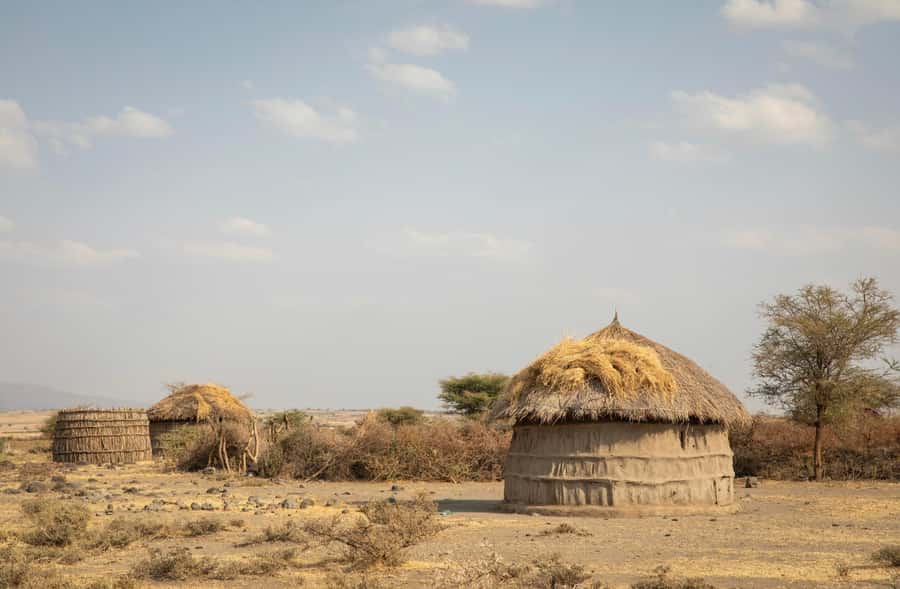
A boma is a compound where several Maasai families live together. This setting gives the visit a useful focus: you are not only watching a dance or taking photographs, but also seeing how communal life is organized and how everyday jobs shape the day.
Your guide helps explain the setting and introduces you to different parts of Maasai life. You can ask about history, food, habits, family routines, and work. That open question-and-answer time is one of the strongest reasons to book this experience. A cultural visit is far more useful when you can ask why something is done, rather than simply watch a short show and leave.
The Maasai are widely known in Tanzania for preserving many cultural traditions. That does not mean every boma is untouched by modern life, and you should not expect a museum exhibit or a staged version of the past. Instead, you get a guided introduction to selected customs and daily activities in a real community setting.
The experience also gives you a chance to think about the difference between cultural presentation and cultural life. Singing, clothing, jewellery, and adumu are engaging parts of the welcome, but they are presented alongside practical work and conversation. I find that combination more useful than a performance alone.
More Maasai village visits:
- 5 Days Camping Tarangire, Serengeti & Ngorongoro crater & Visiting Maasai
★ 5.0 · 229 reviews - Maasai village visit, Materuni waterfalls & coffee experience
★ 4.5 · 95 reviews - 7-Day Private Tanzania Safari with Sunset Walking on the Crater Rim and Maasai
★ 5.0 · 40 reviews
The welcome: songs, clothing, and a quick change of pace
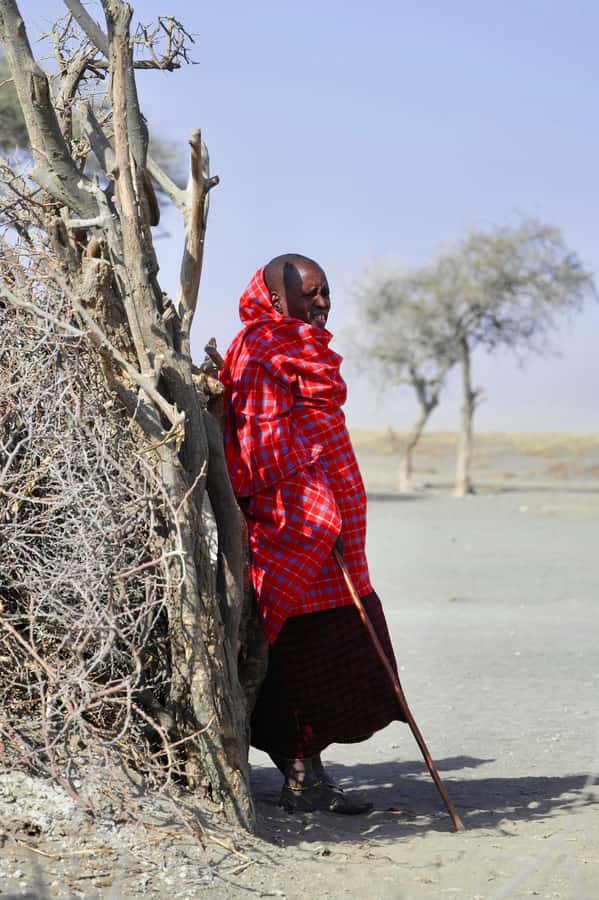
On arrival, Maasai women welcome you with songs. You may be offered a shuka, the brightly colored cloth commonly associated with Maasai clothing, along with jewellery worn for the visit.
This opening is lively and social. It also gives you a simple way to take part without needing special preparation. If you feel shy about dressing up or joining in, you can observe first and follow the lead of the people hosting you.
The welcome can make the visit feel ceremonial, so it is worth staying respectful and asking before taking close-up photographs. The supplied information does not promise a particular photography policy, so use basic courtesy and let your guide help with introductions.
One helpful feature of this tour is the English-speaking guide. Johnson and Arthur are two guides associated with particularly strong feedback for being punctual, friendly, clear, and willing to answer questions. Good communication matters here because small cultural details can otherwise be lost.
Practical lessons: fire, cattle, water, and beehives
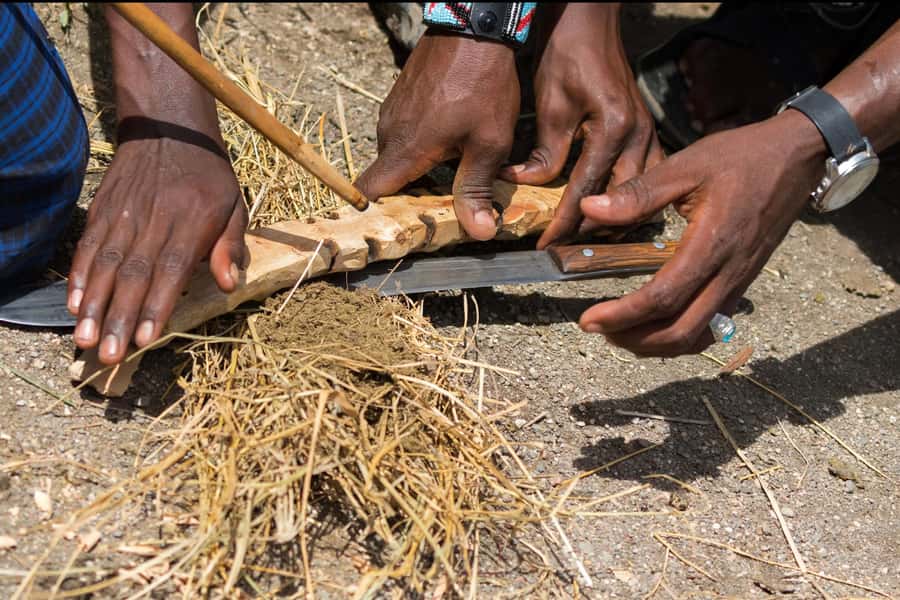
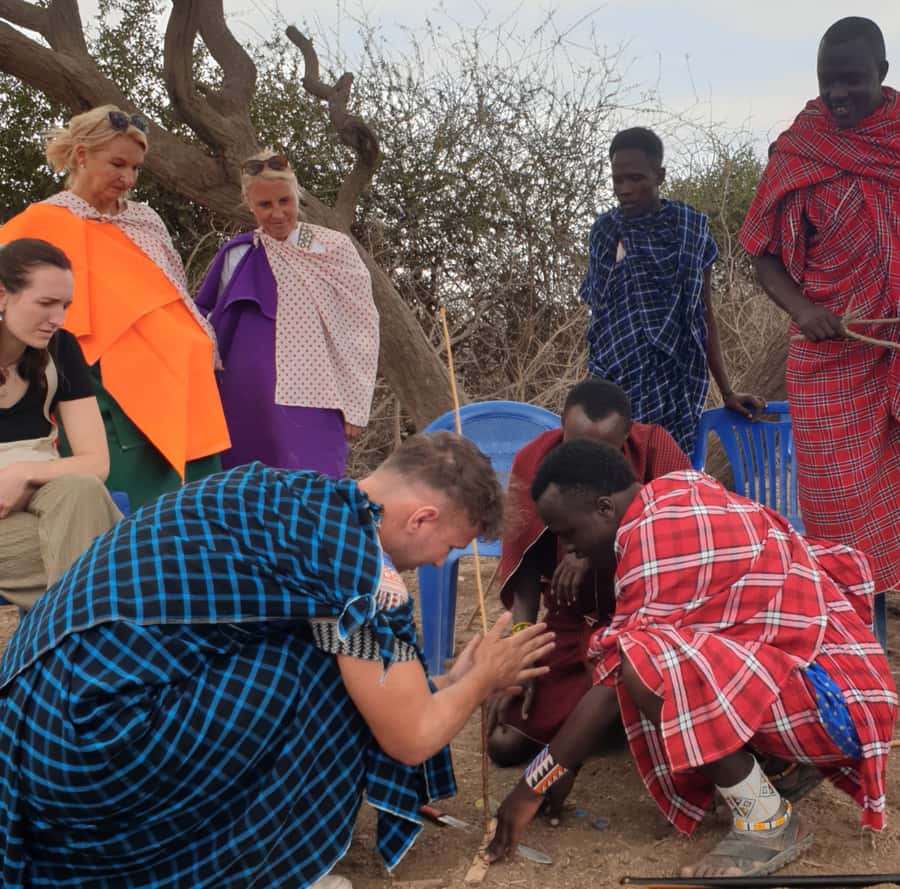
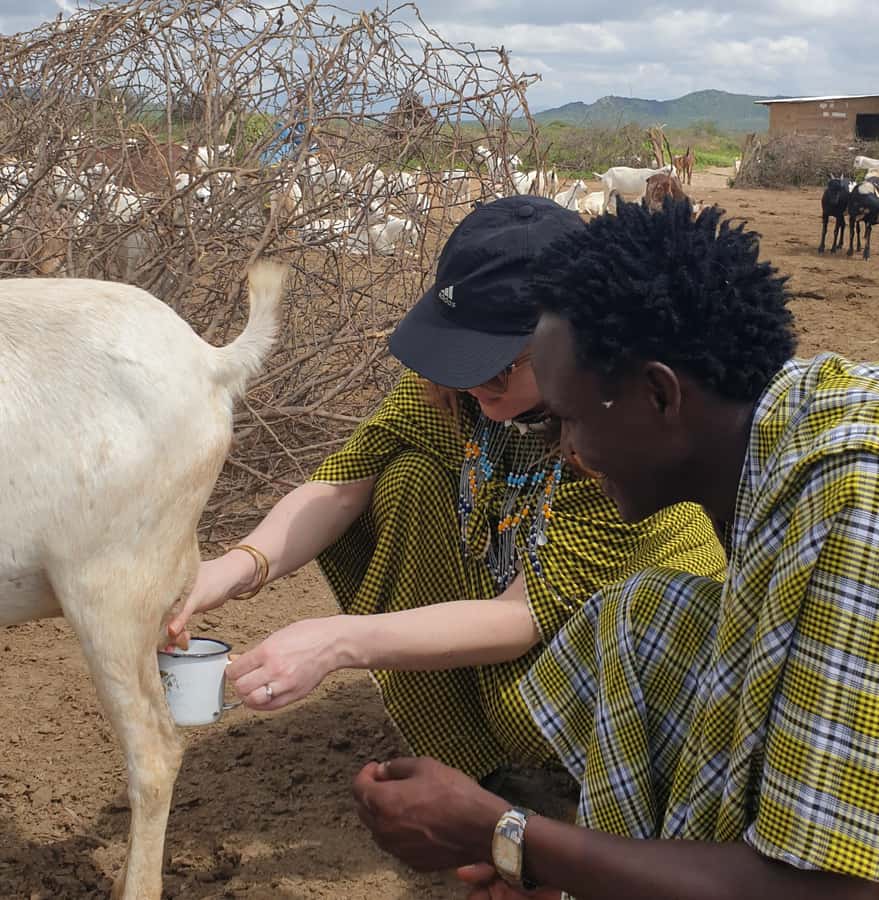
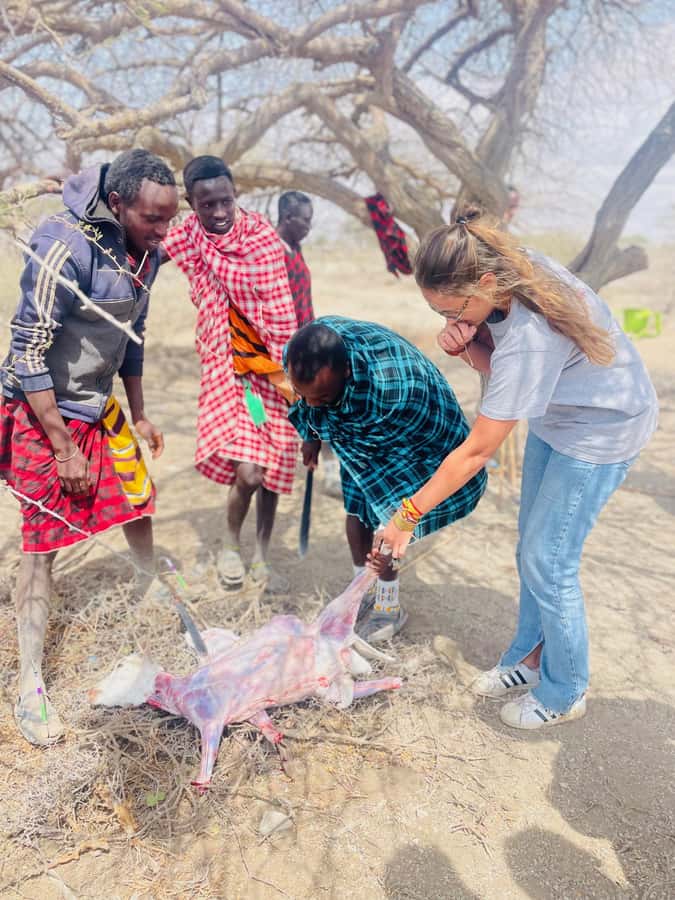
The compound tour focuses on work rather than just sightseeing. Activities may include making fire, milking cows, fetching water, and checking the progress of beehives.
Each task gives you a different view of daily life. Making fire shows the skill and patience involved in a basic household job. Milking cattle connects food, family routines, and livestock. Fetching water makes you consider the effort behind something many visitors normally get from a tap. Beehives add another detail to the visit, showing that work at the boma can include more than cattle and household chores.
These activities are not presented as a long technical course. The listed guided portion is about 3.5 hours, while the overall outing takes 7 to 10 hours once pickup, travel, the visit, lunch, and return are included. You should think of the day as a full cultural excursion with a substantial visit at its center.
The exact mix of activities can vary. The description says they may include these tasks, so you should not assume every one will happen during your visit. If a particular activity matters to you, ask the guide at the start.
Joining the adumu jumping dance
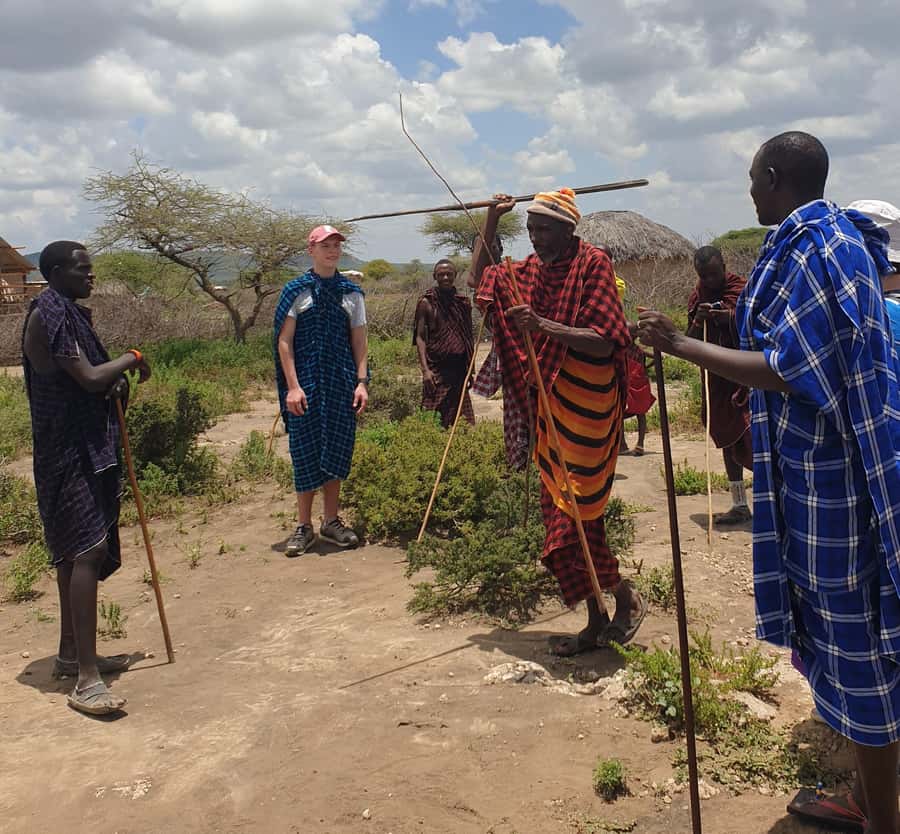
The Maasai men perform adumu, a jumping dance often associated with young men displaying strength. You are welcome to participate, though you can also watch.
This is likely to be the most theatrical part of the day. It is also the moment when the visit can become either engaging or uncomfortable, depending on your expectations. You do not need to treat it as a contest. Joining briefly, copying the movement, or simply observing are all reasonable choices.
I like that participation is offered rather than presented as a requirement. The dance gives you a direct connection with the people hosting you, but the real value comes from the explanation around it. Ask your guide about the role of the dance and how it fits into Maasai tradition.
The performance is unusual if you have never seen it before, and its energy makes a strong contrast with the slower practical lessons. Keep your attention on the people rather than treating the dance as a photo prop. A respectful attitude will make the exchange better for everyone.
A few more Arusha days to compare
- Balloon Safari & Bush Breakfast in Serengeti – Miracle Experience
★ 5.0 · 1,646 reviews - Tanzania Classic – 7 Days
★ 5.0 · 1,151 reviews - 4 Days Group Camping Safari
★ 5.0 · 1,101 reviews - 5 Days Group Camping Safari
★ 5.0 · 730 reviews
Lunch at the boma
The tour ends with lunch at the boma, and food and drinks are included. One detailed account described the lunch as a generous, enjoyable meal, while another described a lunch package as tasty.
That is good news for a long day. You are not expected to arrange a separate meal between the visit and the return drive. Still, the exact menu is not specified, so do not book this activity expecting a particular dish or dietary plan.
Lunch also gives you time to slow down after the walking tour and activities. It can be one of the best moments to continue a conversation with your guide or ask a final question about Maasai customs.
Because the meal is part of the cultural visit, approach it with the same flexibility you would bring to the rest of the day. The value is in having food provided in the setting, not in choosing from a large restaurant menu.
Getting there from Arusha or Moshi
You can arrange pickup and drop-off in either Arusha or Moshi. That makes the experience practical for people staying in either town, especially if you are adding it before or after a safari or Kilimanjaro trip.
The full day lasts 7 to 10 hours, with starting times dependent on availability. The visit itself is listed as 3.5 hours and includes a guided tour, walking, lunch, and a class-style activity. The difference between the visit length and the total duration is mainly the transport and the rest of the day around it.
Build some flexibility into your schedule. One booking reported that the day ended two to three hours earlier than the stated duration, while another found that the timing matched the planned schedule. That variation may be useful if you have evening plans, but it also means you should not rely on the full ten hours as a fixed timetable.
Pickup and drop-off are included, along with guide fees and other fees. Before booking, check that your accommodation is in the Arusha or Moshi pickup area and confirm the starting time.
What the $90 price really covers
At $90 per person, this is not simply a short village stop. You are paying for a full-day outing that includes transport, a guide, food, drinks, and all listed fees.
That package gives the price reasonable value, particularly if you would otherwise need to arrange a private transfer, hire a local guide, pay for lunch, and organize a cultural visit separately. It also reduces the hassle of carrying cash for several small expenses.
The value is strongest if you want a structured introduction rather than an independent visit. You have an English-speaking guide to explain what you are seeing, help with questions, and manage the day. Several experiences associated with this operator received praise for punctual pickup, comfortable travel, friendly service, and clear communication.
A private group is available, which may make the cost worthwhile for couples, families, or small groups that want more control over questions and pace. The information provided does not state the private-group surcharge, so check that before deciding.
If you are mainly looking for a short photo stop, $90 may feel high. If you want transport from town, a guided cultural exchange, activities, lunch, and a return ride, the package is easier to justify.
How the guides shape the experience
A guide can make or break a cultural visit. Here, the guide is not only handling transport. He or she helps explain the day, translates questions into useful conversation, and gives context for the activities.
Johnson is specifically praised for being on time, friendly, competent, and clear about what would happen next. Arthur is also noted as a friendly guide who helped make the experience easy and informative. Strong English skills were highlighted, which is important when you want to ask about sensitive or unfamiliar subjects.
You should use that access. Ask about the meaning of the clothing, how work is divided, the role of cattle, the purpose of the dance, or how families use the boma. The more specific your questions, the more you are likely to get from the visit.
The driver and guide may also point out wildlife or scenery during the journey. One outing included early giraffe sightings, and another included views of Kilimanjaro during a walk toward a water source. These details are not guaranteed, but they show that the drive and surroundings can add interest beyond the boma itself.
Who will enjoy this day most
This experience suits you if you want direct contact with a local community and prefer learning through conversation and simple activities. Families, first-time visitors to Tanzania, and people with a strong interest in culture should find plenty to hold their attention.
It also works well if you have already planned safari time and want a different view of Tanzania. You will not be spending the day searching for animals. Instead, you will focus on people, customs, work, food, and the structure of a shared compound.
The tour may be less suitable if you dislike group participation, staged elements, or a long day with transport. The singing, clothing, and adumu dance are central parts of the welcome, and some visitors may find the jumping dance unfamiliar or outside their comfort zone.
It is also not the best choice if you need a precisely timed program. The stated duration is broad, and at least one day ended well before the maximum time. Keep your evening open if possible.
Practical questions to ask before you go
Wear clothing and shoes that allow you to walk comfortably around the compound. The activity includes a guided walk and practical demonstrations, though the supplied details do not specify the terrain or distance.
Bring curiosity more than a long checklist. The listed activities may change, and the strength of the visit comes from conversation and contact with the people hosting you.
Ask about any food needs before the day begins. Lunch and drinks are included, but the menu and dietary arrangements are not described.
You can cancel up to 24 hours before the activity for a full refund, and you can reserve now while paying later. Those options are useful if your Arusha or Moshi plans are still changing.
Should you book this Maasai boma experience?
I would book this if you want a well-organized, full-day introduction to Maasai culture with transport and meals handled for you. The strongest features are the chance to discuss daily life directly, the practical demonstrations, the optional adumu participation, and the guides’ reported punctuality and clear English.
I would pause if you need a fixed end time or want a completely unstructured encounter. The welcome and dance are prepared parts of the visit, and the overall timing can vary.
For most people staying in Arusha or Moshi, the $90 price is fair for a private or well-supported day that includes the major costs. Confirm your pickup, ask which activities are planned, and keep your schedule flexible. If those points suit you, this is a thoughtful way to add human connection to a Tanzania trip.
FAQ
Where does the Maasai boma experience take place?
The experience takes place in Tanzania’s Arusha Region. Pickup and drop-off are available in Arusha or Moshi.
How long does the activity last?
The full experience is advertised as lasting 7 to 10 hours. The guided visit at the boma is listed as about 3.5 hours, with the remaining time covering transport and the rest of the day.
What language does the guide speak?
The live tour guide speaks English.
Is lunch included?
Yes. Food and drinks are included, and lunch is served at the boma before the return to town.
Can I take part in the adumu dance?
Yes. You are welcome to join the Maasai men during the adumu jumping dance, though participation is optional.
Is the tour private?
A private group option is available. The booking information does not state the private-group price or the size of standard groups, so confirm those details before booking.
Newly listed around Arusha
- 5-Day Private Safari Tour in Tanzania’s Wildlife★ 5.0 · 3 reviews
- 3 Days private safari Tarangire ,Ngorongroro crater &Manyara★ 5.0 · 3 reviews
- 3 Day Sharing Safari – Manyara, Ngorongoro Crater and Tarangire National Parks★ 5.0 · 3 reviews
- Tarangire National Park Day Trip★ 5.0 · 3 reviews
- 6 -Day Tarangire, Manyara, Serengeti & Ngorongoro★ 5.0 · 3 reviews
- 2 Days Tarangire and Ngorongoro Crater Tour★ 5.0 · 3 reviews
- 5 Days Group Camping Safari★ 4.7 · 3 reviews
- 7-Day Mt. Kilimanjaro Hiking: Machame Route★ 5.0 · 3 reviews
Maasai Village Visits, compared.

5 Days Camping Tarangire, Serengeti & Ngorongoro crater & Visiting Maasai
Read our review →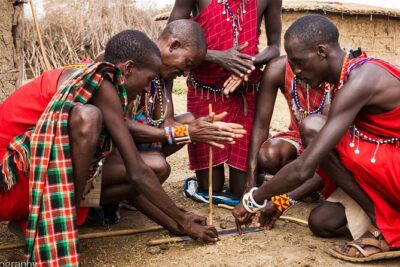
Maasai village visit, Materuni waterfalls & coffee experience
Read our review →5 Days Camping Tarangire, Serengeti & Ngorongoro crater & Visiting Maasai
Read our review →
7-Day Private Tanzania Safari with Sunset Walking on the Crater Rim and Maasai
Read our review →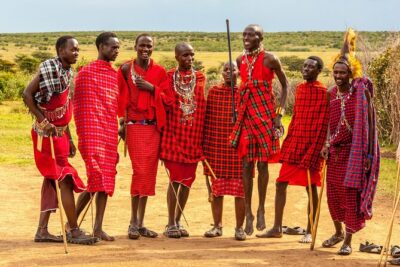
Maasai village visit and Chemka hot-springs with hot lunch.
Read our review →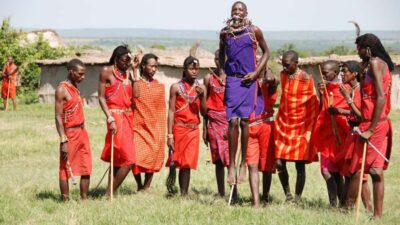
Kilimanjaro: Maasai Village Visit, Waterfalls, & Coffee Tour
Read our review →Browse the lists this tour appears in