
Reviewed · MOSHI & KILIMANJARO TOURS
From Moshi or Arusha: Serval Wildlife Sanctuary Trip
African lions, Masai giraffes, bat-eared foxes, and monkeys are not animals you usually meet at arm’s length. At Serval Wildlife Sanctuary, you get a supervised hour to feed, pet, and photograph selected animals, while the animals can choose if they want to take part. I like the close contact and the sanctuary’s focus on animal comfort. I also like that pickup, drop-off, a driver-guide, and drinks are included.
The main drawback is cost. The advertised price is $90 per person, but the $120 park entry fee is extra, making the known total $210 per person before any other personal spending. The five-hour schedule is also short, so this works best as a focused wildlife outing rather than a full safari day.
Key points at a glance
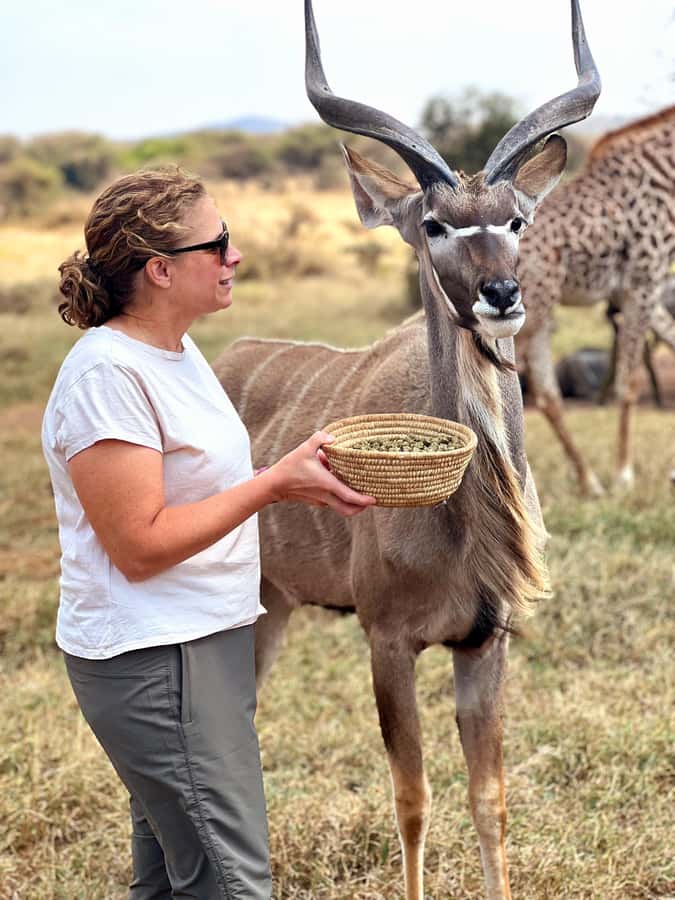
- One hour of supervised animal contact: Feed, pet, and photograph selected animals during the guided sanctuary visit.
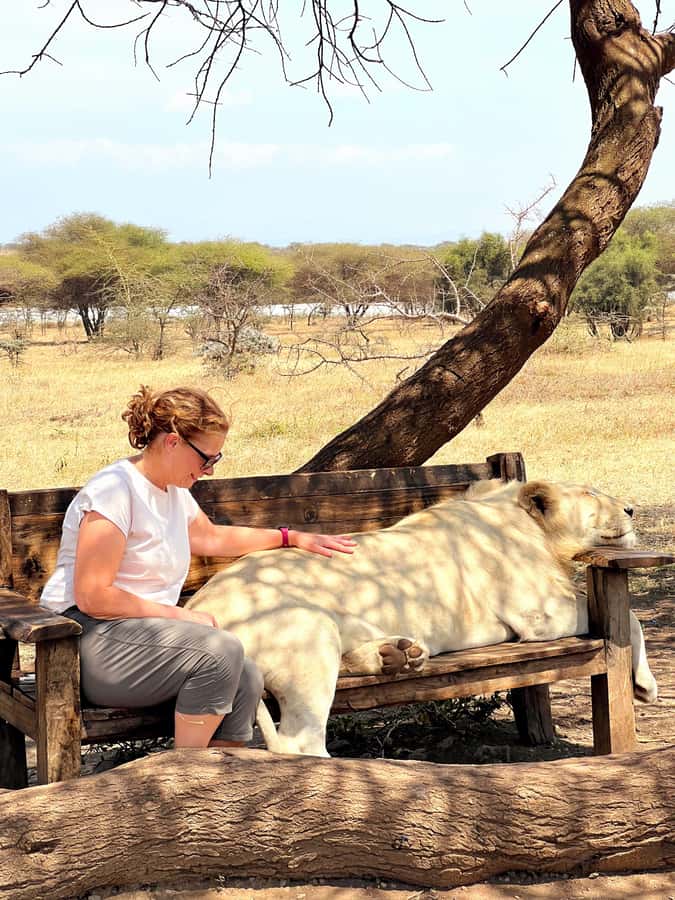
- A varied animal lineup: Look for African lions, Masai giraffes, bat-eared foxes, elands, ostriches, bat-eared foxes, and monkeys.
- Animals set the pace: Keepers allow animals to decide when they want to approach and interact.
- Easy transport from two bases: Pickup and drop-off are available in either Moshi or Arusha.
- A short Kilimanjaro-area outing: The full experience lasts five hours, including a transfer listed at about 1.5 hours.
- Budget carefully: The $90 tour price does not include the separate $120 park entry charge.
Meeting the animals at Serval Wildlife Sanctuary
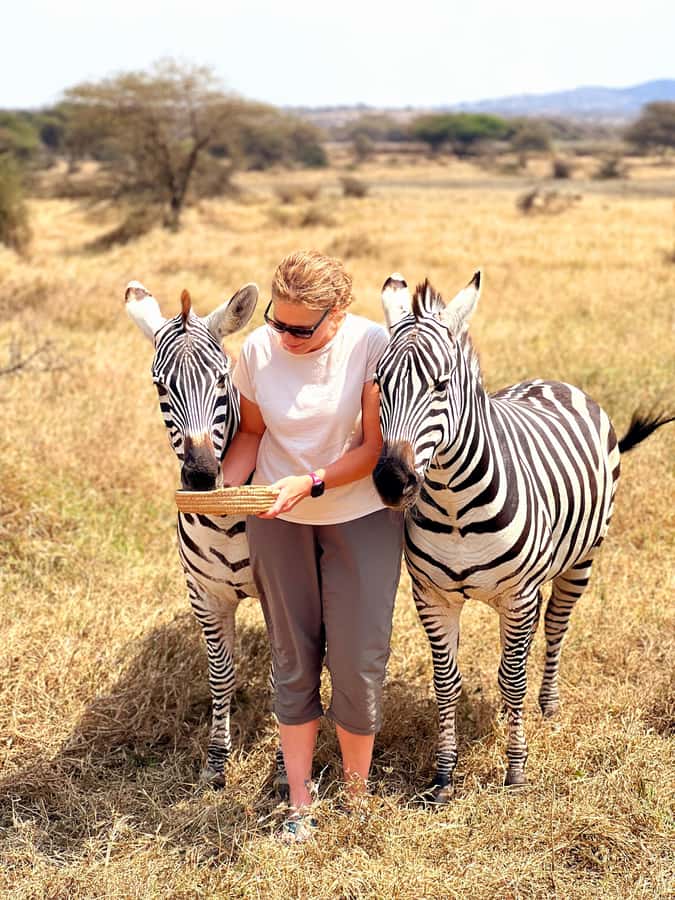
The main reason to book this outing is simple: you get closer to wildlife than you normally would on a standard viewing drive. The visit is built around direct contact, with time to feed, pet, and photograph animals under the watch of trained keepers.
That makes Serval different from a conventional national park visit. In a park, you generally watch animals from a vehicle and keep your distance. Here, the focus is on a controlled encounter. You may be close enough to study the texture of a giraffe’s coat, watch an ostrich move around you, or frame a photograph with a monkey nearby.
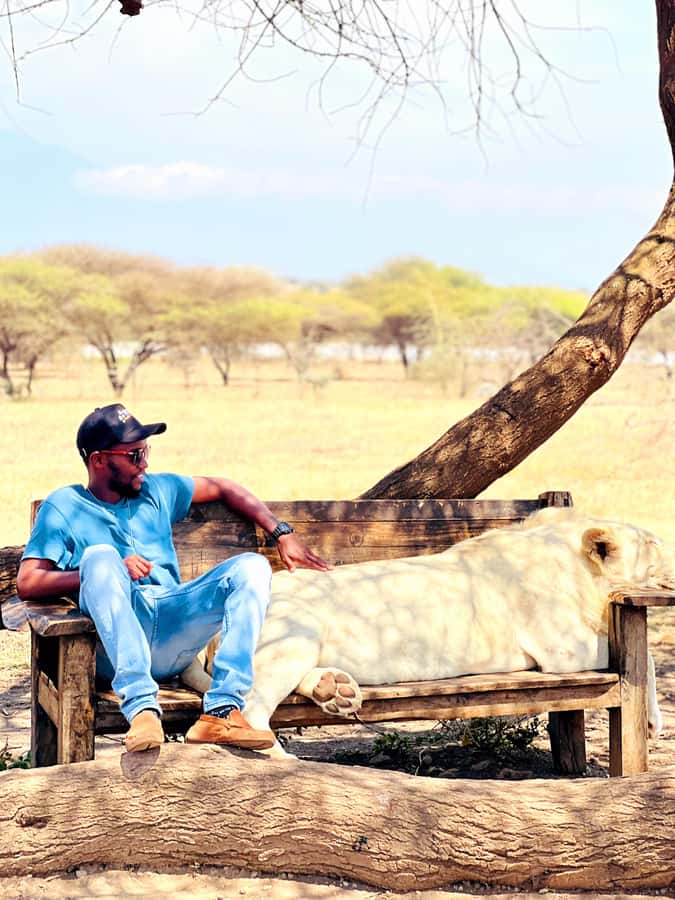
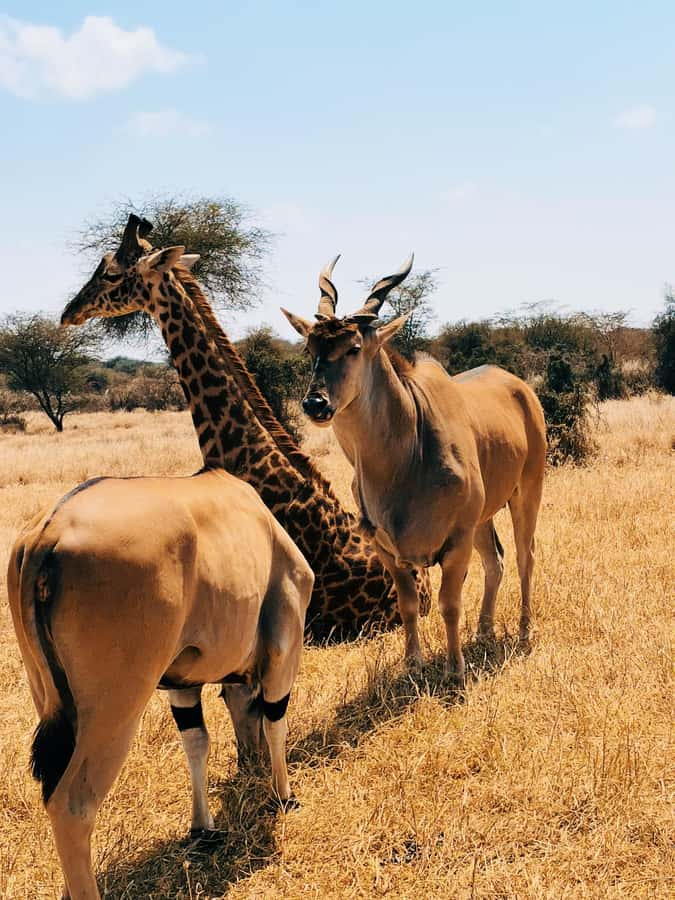
The animal list gives the visit plenty of variety. African lions bring the obvious sense of excitement, while Masai giraffes offer a calmer and more approachable meeting. Bat-eared foxes, elands, ostriches, and monkeys add different shapes, colors, and behavior to the hour.
You should keep your expectations sensible. This is not a promise that every animal will approach you on command. The sanctuary’s policy lets the animals choose when they want to interact. That may mean some encounters feel very close, while others are brief or viewed from a respectful distance.
I consider that a good rule. It makes the experience less like a staged photo line and more like a carefully managed meeting between people and animals. You still get the chance for memorable pictures, but you are asked to follow the keeper’s instructions and respect the animal’s space.
More Wildlife Tours in Moshi
- 7 Days Mid Range Tanzania Wildlife Safari
★ 5.0 · 31 reviews - Wildlife Safari Tanzania
★ 5.0 · 19 reviews - Moshi: Serval Wildlife Tour with food and drinks
★ 3.2 · 11 reviews
Why the animal-choice policy matters
The most important detail here is easy to miss: animals are not forced to interact. If an animal feels comfortable approaching, the keeper can guide the encounter. If it does not, you are expected to give it room.
That changes how you should think about the experience. You are not buying a guaranteed hug, feeding moment, or perfect photograph with every species. You are paying for access to a supervised setting where the animals’ welfare comes first.
The keepers are present throughout the encounters. Their role is practical, not decorative. They help control feeding, explain how to approach the animals, and make sure both you and the animals remain safe.
Follow their directions closely. Do not reach out before being told it is appropriate, crowd an animal for a photograph, or try to stretch a short interaction into a longer one. A calm approach usually gives you a better chance of seeing natural behavior.
This setup is especially useful for families and first-time wildlife visitors. Children can experience animals at close range, but they still need to listen carefully and remain beside the adults in their group. The sanctuary’s controlled setting provides a clear structure for the visit.
The one-hour guided visit
The itinerary allows about one hour at Kilimanjaro for the guided sanctuary visit. That hour is the heart of the outing, so you should expect it to move at a steady pace.
You may begin with an introduction to the sanctuary’s rules and the animals available for interaction. From there, the keeper-led encounters can include feeding, petting, and photography. The exact order and length of each meeting can vary because the animals decide whether they want to participate.
This is where the experience’s strongest appeal lies. You are not simply looking at signs or passing through a viewing area. You are given a chance to take part, with the keeper helping you understand how to behave around each species.
The range of animals also means the visit is not dependent on one single highlight. If a giraffe is less interested in visitors at a particular moment, you may still have time with other animals. If a monkey is active, that can add energy to the stop. If the lions are resting, the quieter species may offer the better encounter.
Photography is clearly part of the appeal. You can take pictures with the animals, but good photographs depend on patience and cooperation. Bring your attention as well as your camera. The best moment may be a simple glance, a feeding gesture, or an animal choosing to come closer.
Getting there from Moshi or Arusha
You can begin the trip in either Moshi or Arusha, with drop-off available in either town. That gives you useful flexibility if you are staying in one of the two main bases around Kilimanjaro.
The itinerary lists a transfer of about 1.5 hours. Since the total duration is five hours, this is a compact outing rather than a full-day expedition. The transfer takes a meaningful portion of the schedule, but it also makes the sanctuary possible without arranging your own vehicle.
Pickup and drop-off are included. A driver-guide handles the journey and provides drinks, which removes some of the small practical chores that can make a short excursion harder to arrange.
The guide language is English. No guide names are provided, so you should not book this expecting a particular person. The driver-guide’s main value is getting you to the sanctuary and helping the day run smoothly, while the sanctuary keepers handle the animal encounters.
If your time in Tanzania is limited, the five-hour format can fit neatly between other plans. If you want a long safari with hours of wildlife viewing, this is not a substitute. It is a targeted outing built around close contact.
More Wildlife Tours in Moshi & Kilimanjaro:
- 6 Days Essence of Tanzania Wildlife Safari
★ 5.0 · 8 reviews - 4 Days Wildlife Tanzania Adventure
★ 5.0 · 6 reviews - 7 Days Cultural and Wildlife Safari
★ 5.0 · 5 reviews - Tanzania Wildlife Encounters – 6 Days
★ 5.0 · 277 reviews
Understanding the $210 known cost
The listed tour price is $90 per person. That covers the organized trip, but it does not cover the $120 per-person park entry fee. Your known total is therefore $210 per person.
That is the figure I would use when comparing this outing with other activities. Looking only at the $90 headline price makes the trip seem much cheaper than it is. The entry charge is larger than the tour itself, so it changes the value calculation.
For $210, you are paying for transport from Moshi or Arusha, a driver-guide, drinks, the sanctuary visit, and supervised access to animals. The experience can be worthwhile if close interaction is your main goal. It is less compelling if you mainly want a broad wildlife drive or a longer amount of time in the park.
Families should calculate the full cost before booking, since the entry charge applies per person. The same is true for anyone comparing this with a standard sightseeing trip. The attraction here is not duration. It is the special access during the one-hour animal encounter.
One useful point is that you can reserve now and pay later, keeping your plans flexible. Cancellation is allowed up to 24 hours in advance for a full refund. Starting times should be checked for your chosen date, since the activity does not provide one fixed departure time.
What the experience is like for families
Children are likely to find the close animal contact exciting, especially the chance to feed animals and take photographs beside them. The range of species gives the visit enough variety to hold attention during a short stop.
The setting also gives adults a clearer way to manage the experience than a loose wildlife encounter would. Trained keepers supervise the contact, and the animals can move away when they do not want to participate.
Still, this is not a place for careless excitement. Children should be prepared before arrival to stay calm, wait for instructions, and avoid touching an animal unless the keeper allows it. That is particularly important when large animals or active monkeys are nearby.
I would choose this for a family that values an unusual photograph and a direct introduction to wildlife. I would not choose it for a child who expects every animal to perform on cue. The sanctuary’s animal-first rules mean that patience is part of the experience.
How it compares with a regular safari
A standard safari gives you a wider sense of place and a chance to observe animals behaving on their own terms. Serval offers closer contact but within a managed sanctuary setting.
You will not spend the day covering a large park or searching for many species across open country. Instead, you spend a concentrated hour near animals selected for supervised interaction. The result is more personal, but less expansive.
That difference helps clarify who should book. If you have already taken a safari and want a different kind of wildlife encounter, Serval adds something new. If this is your only wildlife activity in Tanzania, it can provide memorable contact, but it will not show you the full scale of a safari.
I also like the sanctuary’s approach because it avoids promising constant activity. The animals are allowed to make choices, and the keepers protect that freedom. You should see this as a respectful meeting, not a guaranteed photo opportunity with every animal listed.
Practical advice for making the most of the hour
Listen closely during the opening instructions. The keepers know how each encounter should work, and their advice matters more than getting a quick photograph.
Keep your camera ready, but do not let it take over the visit. If you spend the entire hour checking a screen, you can miss the animal’s behavior that makes the meeting special.
Allow room for an animal to move away. The sanctuary’s policy depends on giving animals control over contact, and your restraint helps keep the atmosphere calm.
Plan your budget around $210 per person, not $90. This is the single most important booking detail, particularly if you are organizing a family outing or several activities around Moshi and Arusha.
Finally, leave room in your expectations. Some encounters may be active and close, while others may be shorter. That variation is not a flaw in the format. It is the result of letting the animals decide when they feel comfortable.
Should you book the Serval Wildlife Sanctuary trip?
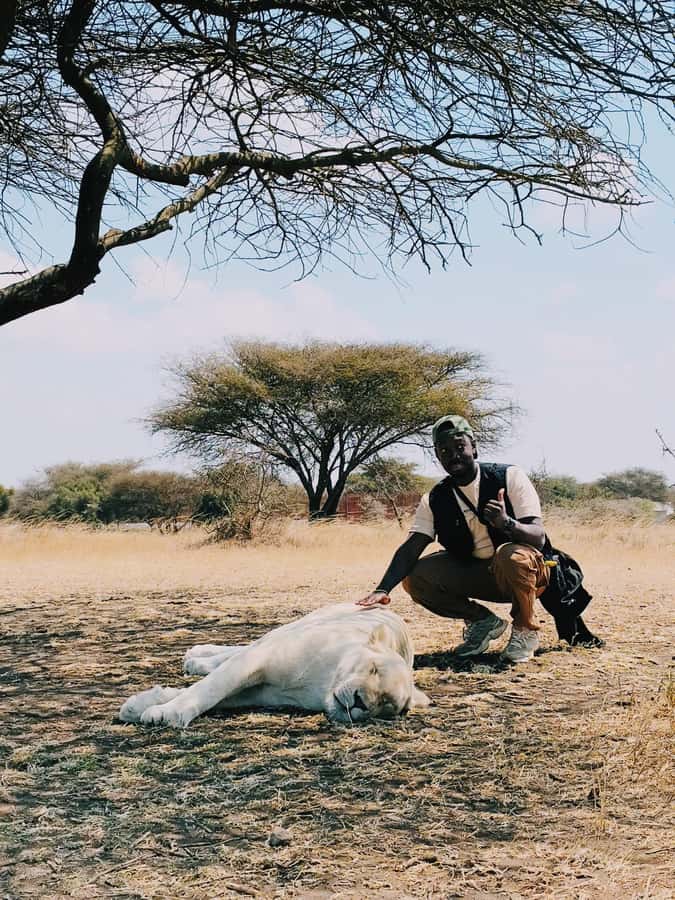
Book this trip if you want a short, organized outing centered on feeding, petting, and photographing animals at close range. It suits families, first-time wildlife visitors, and anyone staying in Moshi or Arusha who wants something different from a vehicle-based safari.
The strongest reasons to go are the varied animal lineup, the supervised access, and the sanctuary’s rule that animals can choose when to interact. Those details make the experience feel more considerate than a forced animal encounter.
Think twice if you are mainly looking for a long safari, broad park views, or the lowest-cost wildlife activity. The extra $120 park entry fee is significant, and the one-hour guided visit is brief.
My practical verdict: book it for close contact, not for safari scale. If you accept the full $210 cost and respect the animals’ pace, this can be a memorable Kilimanjaro-area outing.
FAQ
Where does the Serval Wildlife Sanctuary trip start?
Pickup is available in Moshi or Arusha. Drop-off is also available in either Moshi or Arusha.
How long does the experience last?
The activity lasts five hours. The itinerary includes a transfer listed at about 1.5 hours and a one-hour guided visit at Kilimanjaro.
Which animals can I see and interact with?
The stated animal list includes African lions, Masai giraffes, bat-eared foxes, elands, ostriches, and monkeys. The experience includes opportunities to feed, pet, and photograph animals under supervision.
Is the park entry fee included in the $90 price?
No. The $120 per-person park entry fee is not included, so the known combined cost is $210 per person.
Is an English-speaking guide provided?
Yes. The activity includes a live English-speaking guide, and a driver-guide is included with the transport.
Can I cancel or pay later?
You can cancel up to 24 hours in advance for a full refund. You can also reserve now and pay later.
Newly listed around Moshi & Kilimanjaro
- Climb Mount Kilimanjaro: 7 Days Machame Route★ 5.0 · 3 reviews
- 6 Days Mount Kilimanjaro Climbing via Rongai Route★ 5.0 · 3 reviews
- Explore 1 day Ngorongoro Crater Budget Group Safari from Arusha★ 5.0 · 3 reviews
- Mt. Kilimanjaro Day Hiking★ 5.0 · 3 reviews
- Chemka (Kikuletwa) Hot Springs, Tanzania★ 5.0 · 3 reviews
- Guided City tour of Moshi★ 4.3 · 3 reviews
- 8 Day Tanzania Family Safari★ 5.0 · 3 reviews
- Serengeti Safari with Sirikwa Travel★ 5.0 · 3 reviews
Moshi & Kilimanjaro Tours, compared.

Browse the lists this tour appears in