
Reviewed · SERENGETI & NGORONGORO SAFARIS
Arusha: Serengeti and Ngorongoro Multi-Day Camping Safari
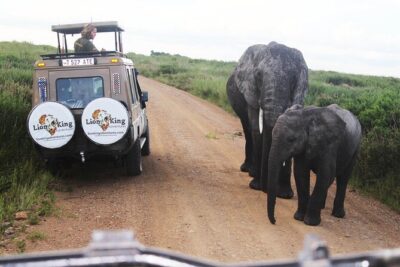
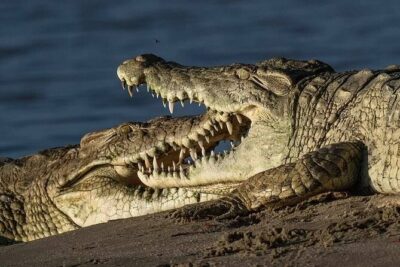
The big draw here is simple: you get three nights in the bush, with two full safari areas in one trip. The Serengeti gives you wide plains, long game drives, and a chance at lions, cheetahs, elephants, buffalo, crocodiles, and the great wildebeest migration. Ngorongoro Crater then packs a remarkable amount of wildlife into one compact place.
I like the small group of six clients, since everyone gets a window seat in the pop-up-roof 4×4. I also like the practical setup: sleeping bags, bottled water, park fees, meals, hotel transfers, and an English-speaking guide are included. Guides and cooks have included Ali, Thomas, Julius, Christian, and Musa, with especially warm praise for the cooking.
The tradeoff is the amount of time spent on the road. The Serengeti is huge, and some drives can run six or seven hours between meals and wildlife sightings. Camping is basic, too, with cold water and simple toilets at the Serengeti camp. You need a taste for adventure, not a lodge holiday.
Key points before you book
- Six clients per safari vehicle: You receive a guaranteed window seat and a better view through the pop-up roof.
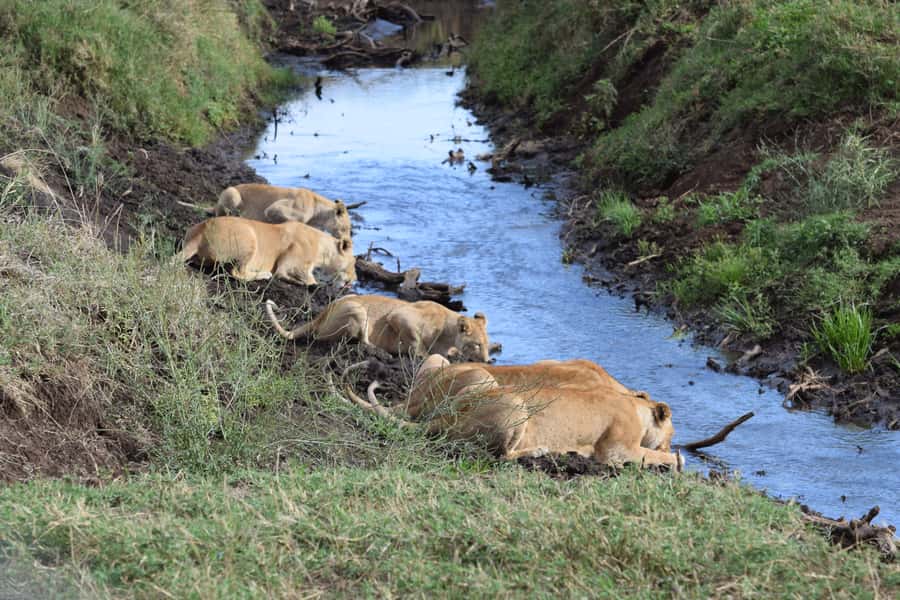
- Two very different wildlife areas: The Serengeti offers open plains and long searches, while Ngorongoro Crater often gives you denser wildlife viewing.
- Three tent nights included: Sleeping bags, meals, entrance fees, bottled water, and Arusha hotel transfers are covered.
- A chef travels with the group: Christian and Musa have been praised for tasty local meals and good organization.
- Long driving days are part of the deal: The Serengeti can feel quiet and repetitive between animal sightings.
- Olduvai Gorge costs extra: You can add the museum visit on the drive toward Ngorongoro for an additional fee.
What $950 buys you on this Tanzania safari
At $950 per person, this four-day safari is not a cheap day trip, but it covers many costly parts of a northern Tanzania safari. You get park entrance fees, three nights of tent accommodation, sleeping bags, meals, bottled water, a guide, and transport from and back to your hotel in Arusha.
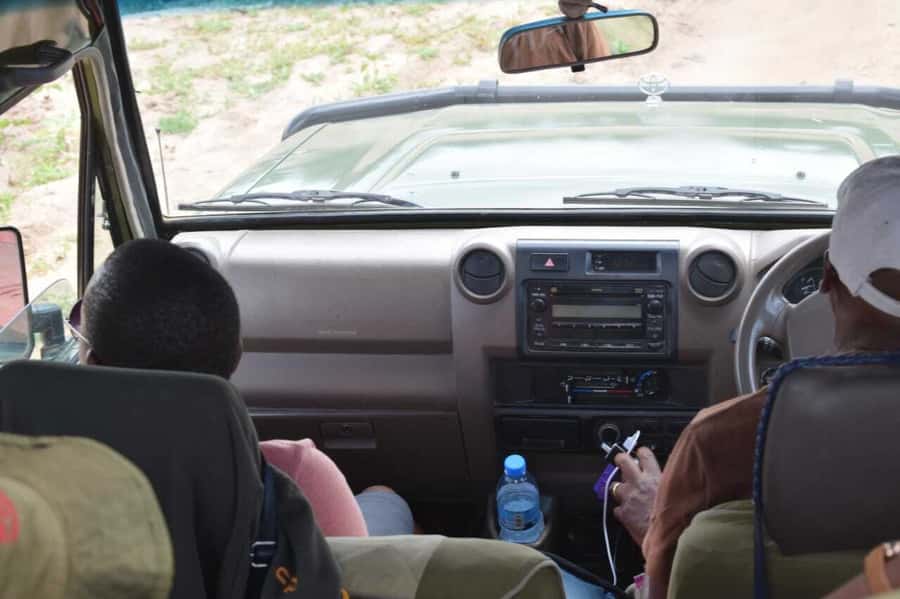
The price also includes a proper 4×4 safari vehicle with a pop-up roof. That matters. You can stand or sit beneath the raised roof for game viewing, and the guaranteed window seat keeps you from fighting for a view when a lion or elephant appears.
The value depends on your expectations. If you want a private vehicle, polished lodges, and short transfers, this is not the right format. If you want to reach both the Serengeti and Ngorongoro without arranging park fees, meals, transport, camping equipment, and a cook yourself, the package makes practical sense.
It is a shared safari, with six clients, a driver-guide, and a chef. That keeps the cost lower than a private trip, though it also means less control over stops, meal timing, and the daily pace. The vehicle size is small enough to feel manageable, but you still share decisions with the rest of the group.
More Safaris in Arusha
- Balloon Safari & Bush Breakfast in Serengeti – Miracle Experience
★ 5.0 · 1,646 reviews - 4 Days Group Camping Safari
★ 5.0 · 1,101 reviews - 5 Days Group Camping Safari
★ 5.0 · 730 reviews
Day 1: Arusha to the Serengeti
Pickup takes place in the morning from your hotel in Arusha. Pickup from a private residence within Arusha is also available if you provide the address when booking. Airport pickup is possible the day before the safari for an extra cost, followed by transport into Arusha.
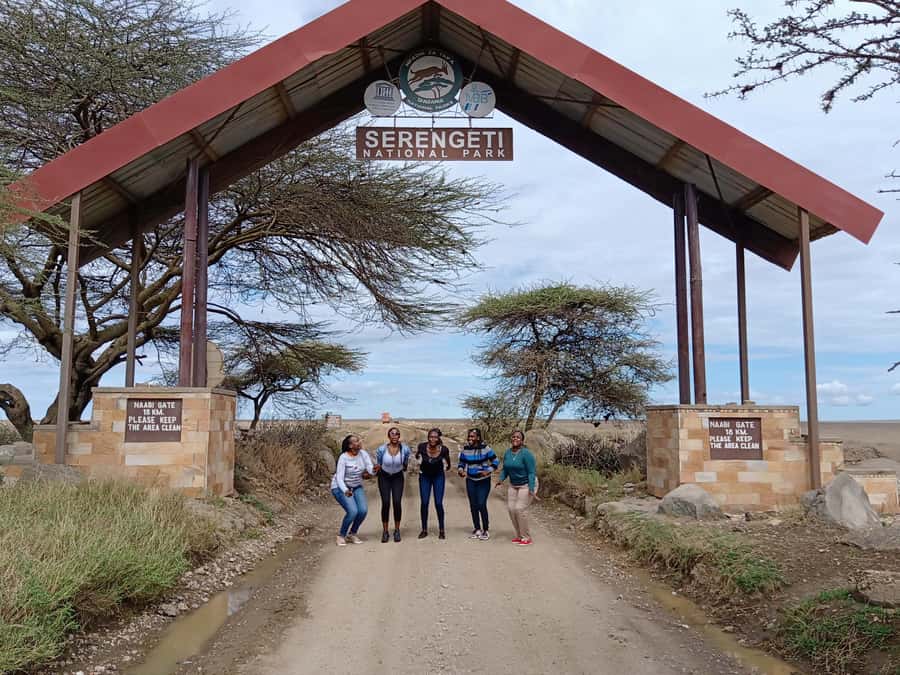
The first day is largely about reaching the Serengeti. You receive a packed lunch, and the drive includes scenic views before the game drive begins on the way to camp. This is not a quick transfer with a wildlife stop or two. It is a full travel day, so settle in for hours in the vehicle.
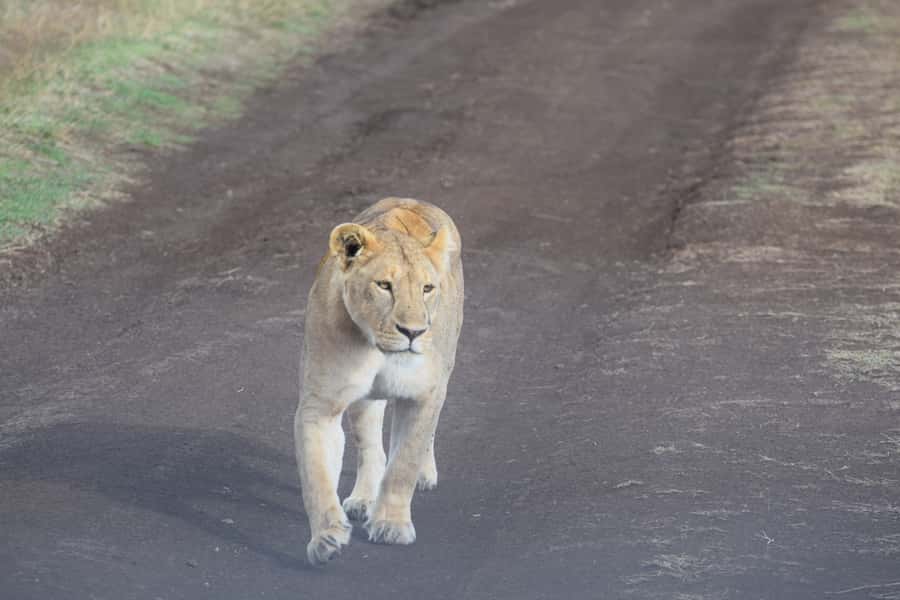
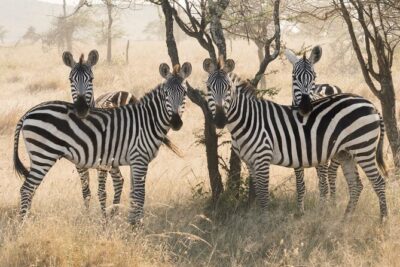
The reward is the first sight of the Serengeti plains. The name means endless plains, and the scale explains why. The park is known for large herds and a long list of animals, including lions, leopards, elephants, cheetahs, buffalo, zebras, wildebeest, eland, wild dogs, gazelles, crocodiles, and many bird species.
Your guide will begin reading the area for animal activity as the vehicle approaches camp. You might see wildlife on the route, but the first day is not a guarantee of constant sightings. The park is enormous, and animals do not arrange themselves beside the road for your arrival.
Dinner is served at camp, followed by your first night in a tent. Sleeping bags are provided. Expect a basic camping experience rather than a hotel room with canvas walls. That is part of the appeal, but it also means you should be comfortable with simple facilities.
Day 2: A full day across the Serengeti
The second day gives you the best chance to enjoy the Serengeti at a slower pace. After breakfast, you take morning and afternoon game drives, with time to search for herds, birds, hyenas, and big cats.
This is the day when the safari format makes the most sense. You are not simply driving from one park to another. Your guide can spend more time looking across the plains, checking areas where animals gather, and explaining what you see as the vehicle moves.
The annual migration of wildebeest and zebra is a major reason people come here. The timing and location of the herds change, so you should treat migration sightings as a possibility rather than a fixed appointment. The same applies to leopards and other elusive animals. One person received four of the Big Five but missed the leopard, while another group was fortunate enough to see all five.
I appreciate that the day includes both morning and afternoon drives. Light changes, animal behavior changes, and you get two good periods for viewing rather than one long push. The schedule also allows you to see the park’s birdlife, including migrant birds from Eurasia, as well as flamingos, vultures, geese, and storks in the right settings.
Lunch and dinner are served at the campsite. One useful warning: a past itinerary left the group without food for six to seven hours between breakfast and lunch. Ask your chef or guide about carrying extra snacks, since small packaged snacks are not listed among the inclusions.
The Serengeti can be thrilling, but it can also be monotonous. You may cover many kilometers with long stretches of open grassland and no major sighting. That is not poor planning by itself. It reflects the size of the park and the nature of a wildlife search. Still, you should know that this safari includes patient scanning, long drives, and periods when very little happens.
Day 3: Leaving the Serengeti for Ngorongoro
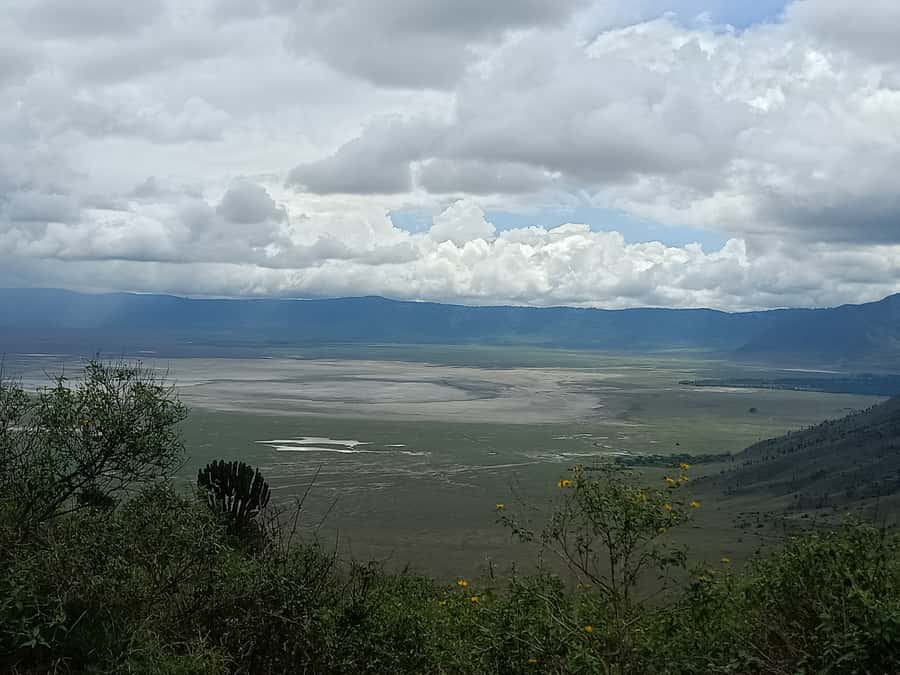
After breakfast, you check out and continue toward Ngorongoro Crater. The route includes another game drive, so the transfer is still part safari, not just road travel.
This is also the day for the optional Olduvai Gorge visit. The museum costs extra, so decide in advance if archaeology interests you. The stop can add context to the region, but it is not included in the $950 price.
You spend the night at Ngorongoro A Campsite. The change of setting is useful. The Serengeti is broad and demanding, while the next day centers on the crater floor, where wildlife is often easier to find within a smaller area.
Camping conditions remain basic. One direct account described the Serengeti camp toilets as poorly maintained, with cold water. You should pack with that in mind. This trip provides tents and sleeping bags, but it does not promise hot showers or lodge-style facilities.
The food is a brighter part of the arrangement. Christian and Musa have been praised for cooking delicious local meals, and one group described the organization as comfortable for a camping trip. A traveling chef is a real advantage after a long day in the vehicle. You are not left to prepare dinner after hours of driving.
More Serengeti and Ngorongoro itineraries:
- 3 Days Serengeti & Ngorongoro Group Camping Safari
★ 5.0 · 574 reviews - 5-Day Highlights mid-Range Crater, Serengeti, Tarangire
★ 5.0 · 296 reviews - 3-Day Classic Serengeti Safari
★ 5.0 · 263 reviews - Private 6-Day Tarangire Manyara Crater and Serengeti with Mid-Range Lodges
★ 5.0 · 238 reviews
Day 4: Wildlife on the Ngorongoro Crater floor
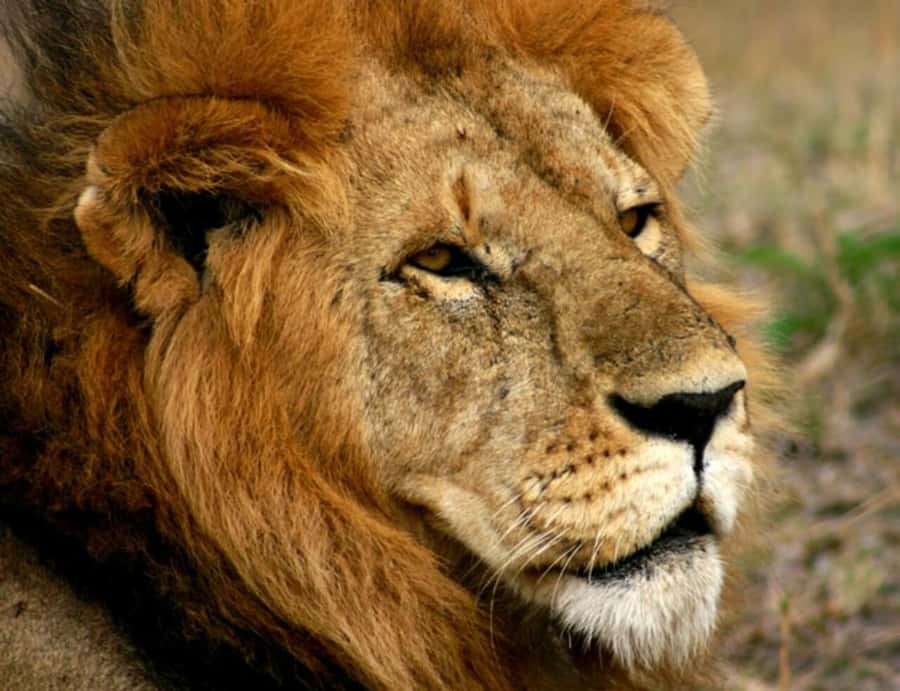
The final morning begins early with breakfast and a descent into Ngorongoro Crater. The early start is sensible because the crater floor is the focus of the day, and you want as much game-viewing time as possible before the climb back out.
Ngorongoro is different from the Serengeti in a way you will notice quickly. The crater is a contained area, and wildlife can feel more concentrated. That does not guarantee every animal, but it often makes the search less spread out than on the open Serengeti plains.
Soda Lake is a stop for flamingos. Around the lake and nearby areas, you might see geese, storks, and vultures. The crater floor also offers opportunities to look for larger animals during the game drive, with your guide handling the search and explaining what appears around you.
Lunch is served at Ngoitoktok Springs picnic site. The setting gives you a scenic break before the final wildlife viewing and the ascent out of the crater. You should still keep an eye on your belongings and follow the guide’s instructions around the picnic area.
After lunch, you continue with some final game viewing while climbing out of the crater. The safari ends with drop-off at your hotel in Arusha. Since the day includes breakfast, a crater game drive, lunch, and the return transfer, it is another long day rather than a gentle finish.
The vehicle, group size, and daily pace
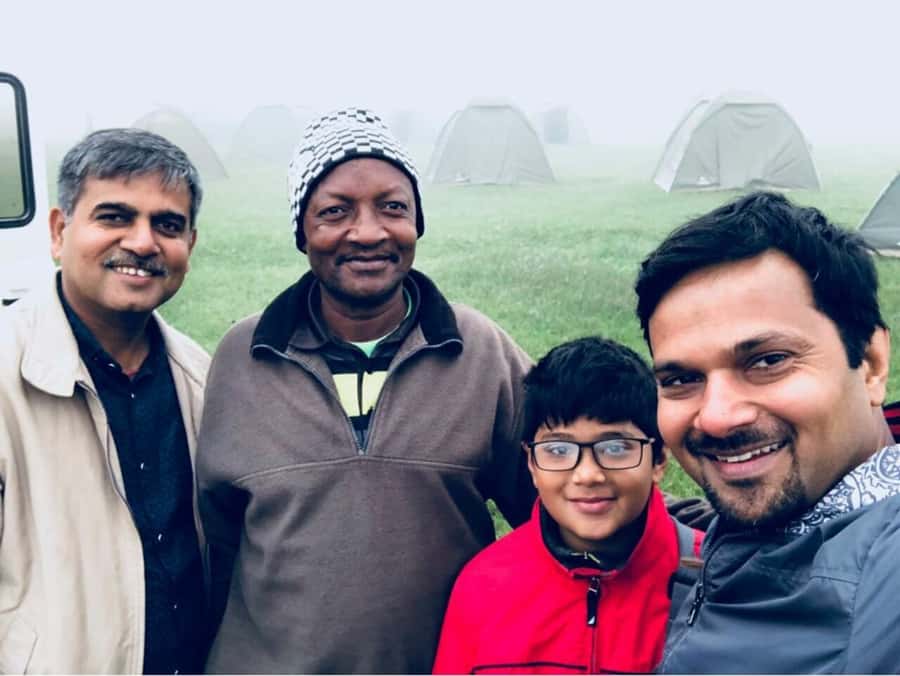
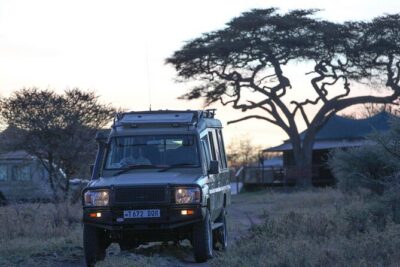
The vehicle is a 4×4 Land Rover or similar jeep or SUV with a pop-up roof. That roof is central to the safari experience. It gives you a higher view of the plains and animals, while the guaranteed window seat means you are not stuck in the middle of a row.
Only six clients share the vehicle, alongside the driver and chef. A small group helps with visibility and makes it easier to hear the guide. It also keeps the trip from feeling like a large coach excursion.
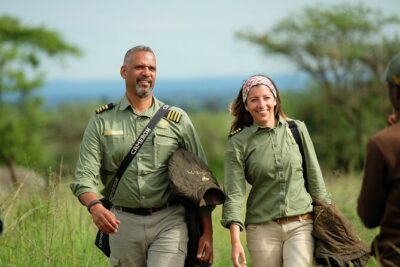
Your experience depends heavily on the driver-guide. Ali was praised for careful driving and for finding a wide range of animals. Thomas was credited with good organization, while Julius was described as experienced, attentive, and easy to communicate with. The names of the assigned crew can vary, so do not assume a particular guide when booking.
One important point is operator coordination. A booking can be transferred to another safari company, as happened to one participant without a clear explanation. If the company or vehicle changes, ask for the reason before departure and confirm who will meet you in Arusha. That is a fair question, especially for a multi-day trip far from town.
The safari may also include repeated roadside stops. One account raised concerns about a guide encouraging extra consumption during several stops and discussing a minimum tip at the end. You should budget for a tip if you feel the crew earned it, but any minimum amount should be explained clearly and should not come as a surprise.
Camping comfort and what to bring
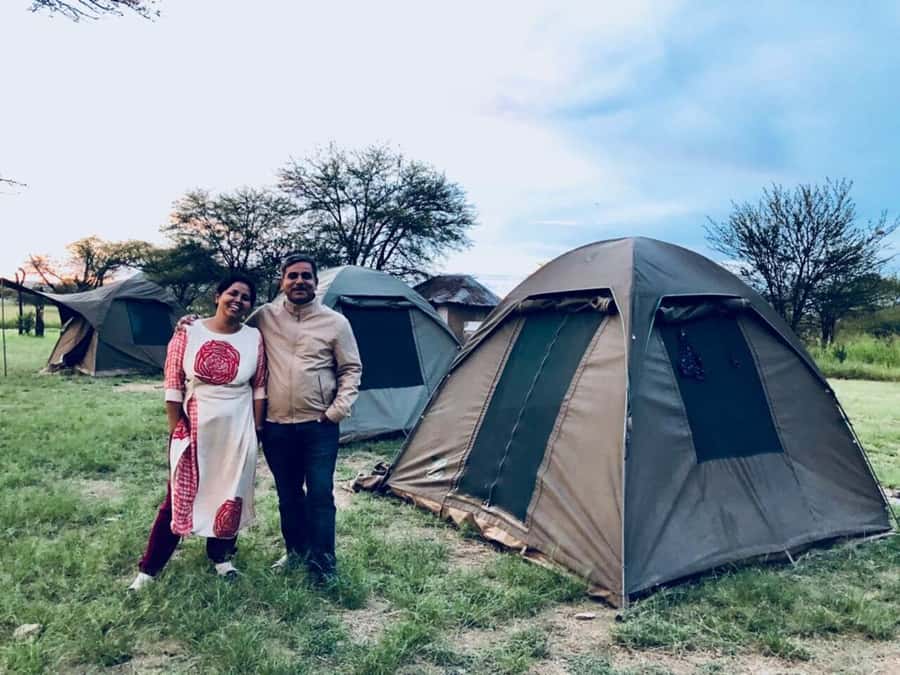
This is camping in the practical sense. Your tent and sleeping bag are included, but the camps are described as basic. The Serengeti facilities may have cold water and simple toilets, so pack for function rather than style.
I would bring:
- A warm layer for early morning drives
- Comfortable clothes for long hours seated in the vehicle
- A small supply of snacks
- A refillable bottle, while using the provided bottled water as needed
- A headlamp or small flashlight
- Basic personal toiletries
- Sun protection and a hat
Drinks other than bottled water are not included. Plan for that extra cost. Meals are included according to the schedule, but snacks are not promised, and the gap between breakfast and lunch can be lengthy.
The tent nights are valuable because you sleep close to the parks rather than returning to Arusha after every drive. You gain time in the safari areas, but you give up comfort. That exchange is the heart of this trip.
Who will enjoy this safari most
I would recommend this trip to you if you want a first Tanzania safari at a controlled price and you are happy to trade hotel comfort for more time in the parks. It suits people who enjoy long drives, simple camping, shared transport, and the chance of seeing a broad range of animals.
It is especially useful for someone who wants both the Serengeti and Ngorongoro in four days. The two areas offer different kinds of game viewing, and the combination gives you more variety than staying in one park.
You may want another option if you dislike basic toilets, cold water, long road transfers, or uncertain meal timing. A shorter safari would reduce the time in the vehicle, while a lodge-based private safari would offer more comfort and control at a higher cost.
The $950 price is easiest to justify if you value the included park fees, cook, camping gear, transport, and small group. It is less appealing if you mainly want a relaxed holiday with guaranteed sightings. Nature does not work that way, even in a famous park.
Should you book the 4-day safari?
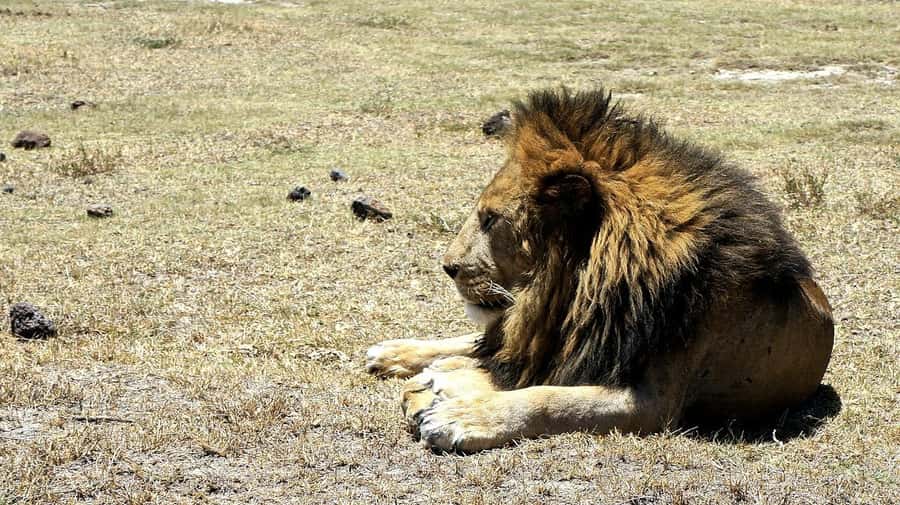
Book it if you want a serious wildlife trip with simple camping, a small group, and access to both the Serengeti and Ngorongoro Crater. The chance to see four or even all five of the Big Five is real, but no guide can promise a leopard, migration crossing, or every animal on your list.
Before paying, confirm the pickup address, the assigned safari company, the expected guide and chef, the Olduvai Gorge supplement, and how drinks and snacks will work. I would also ask about the camp facilities and tipping expectations.
If you can accept long drives and basic nights, this is a strong value-focused introduction to northern Tanzania. If you need polished lodging and a slower pace, spend more for comfort. The animals are the same, but your daily experience will be very different.
FAQ
How long is the safari?
The safari lasts four days and includes three nights of camping.
Where does pickup take place?
Pickup is included from your hotel in Arusha. Pickup from a private residence in Arusha is also available when you provide the address during booking.
Can I be picked up at the airport?
Airport pickup is available the day before the tour for an extra cost. You are then brought to Arusha.
How many clients share the vehicle?
The safari is shared by six clients, along with the driver and chef.
Is a window seat guaranteed?
Yes. A window seat is guaranteed for each client.
What type of vehicle is used?
Game drives take place in a 4×4 Land Rover or similar jeep or SUV with a pop-up roof.
Are meals and camping equipment included?
Yes. Three nights in a tent, sleeping bags, and meals according to the schedule are included. Bottled water is also provided.
Is the Olduvai Gorge visit included?
No. The Olduvai Gorge museum visit is optional and costs extra.
More camping safaris in Arusha
- 2 Days Tarangire and Ngorongoro Group Camping Safari
★ 5.0 · 146 reviews - 6 Days Tanzania Budget Camping Safari
★ 5.0 · 145 reviews - 3 Day Serengeti National Park & Ngorongoro Crater Camping Safari
★ 5.0 · 142 reviews - 3 Days Tarangire, Ngorongoro & Lake Manyara Group Camping Safari
★ 5.0 · 102 reviews
Newly listed around Arusha
- 5-Day Private Safari Tour in Tanzania’s Wildlife★ 5.0 · 3 reviews
- 3 Days private safari Tarangire ,Ngorongroro crater &Manyara★ 5.0 · 3 reviews
- 3 Day Sharing Safari – Manyara, Ngorongoro Crater and Tarangire National Parks★ 5.0 · 3 reviews
- Tarangire National Park Day Trip★ 5.0 · 3 reviews
- 2 Days Tarangire and Ngorongoro Crater Tour★ 5.0 · 3 reviews
- 6 -Day Tarangire, Manyara, Serengeti & Ngorongoro★ 5.0 · 3 reviews
- 5 Days Group Camping Safari★ 4.7 · 3 reviews
- 7-Day Mt. Kilimanjaro Hiking: Machame Route★ 5.0 · 3 reviews
Serengeti & Ngorongoro Safaris, compared.
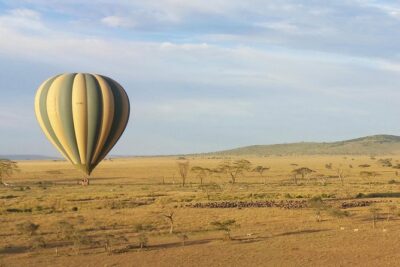
Balloon Safari & Bush Breakfast in Serengeti – Miracle Experience
Read our review →
Private 6-Day Tarangire Manyara Crater and Serengeti with Mid-Range Lodges
Read our review →
5 Days Camping Tarangire, Serengeti & Ngorongoro crater & Visiting Maasai
Read our review →Browse the lists this tour appears in