
Reviewed · SERENGETI & NGORONGORO SAFARIS
4 Days Tarangire, Serengeti and Ngorongoro Mid-Range Group Safari
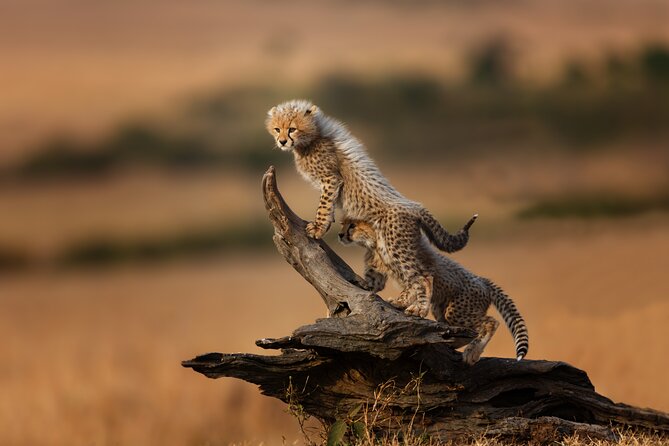
Tarangire’s elephants and old baobab trees make a strong opening act, but the real prize is the change of scenery as you move north toward the Serengeti plains and then down into Ngorongoro Crater. In four days, you get three of Tanzania’s best wildlife areas without adding Lake Manyara or a rushed cultural stop.
I like the small maximum group of seven, which gives you a better chance of asking questions and getting a clear view from the safari vehicle. I also like the guides’ strong reputation for animal knowledge and careful driving. Felix, Rocky, Damian, Frederick, Amiri, Shaban, and others are specifically praised for explaining ecology, culture, and animal behavior while positioning the vehicle well for photographs.
The tradeoff is mileage. Tarangire to Serengeti and Serengeti to the crater area involve long drives, so this is an efficient wildlife sampler rather than a slow, restful safari. One important point: accommodation arrangements can vary, and at least one booking was paired with a budget camping group despite the mid-range label. Confirm your exact lodging before paying.
Key points to know before booking
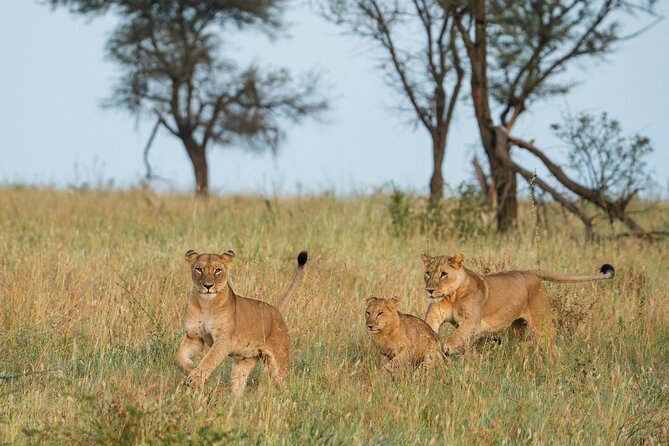
- Three major wildlife areas in four days: Tarangire, Serengeti, and Ngorongoro each offer a different setting and wildlife experience.
- Small group format: The vehicle can carry no more than seven people, a useful limit for viewing and photography.
- Guides are central to the experience: Felix, Rocky, Damian, and Frederick are among the guides praised for animal knowledge, English communication, safe driving, and good sightings.
- Meals are included: The package lists four lunches, four dinners, and three breakfasts, along with three nights of accommodation.
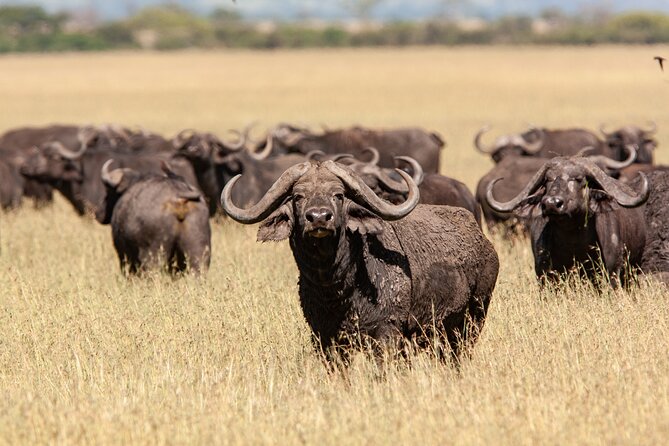
- Big Five sightings are possible, not promised: The parks support lions, elephants, leopards, buffalo, and rhinos, but wildlife remains unpredictable.
- Expect long safari days: The first three days are listed at about eight hours, followed by a seven-hour crater and return day.
The route at a glance: Arusha to three famous parks
This safari begins and ends in Arusha, with pickup offered and confirmation provided when you book. Transportation, a certified guide, accommodation for three nights, and the listed meals are included.
The route is designed around variety. Tarangire gives you elephant country and baobabs. Serengeti supplies the broad open plains and the best chance of seeing large predators. Ngorongoro adds a compact wildlife setting inside a volcanic crater, where several habitats sit close together.
That variety is the main reason the price of $1,450 per person can make sense. You are not paying for one park and a single game drive. You are covering park access, a private safari vehicle arrangement within a small group, a guide, three nights, meals, and the long transport between northern Tanzania’s main wildlife areas.
Still, four days is short for this route. You will spend a fair amount of time on the road, especially between Tarangire and Serengeti. I would choose this plan if you have limited time and want the classic northern circuit. If you have a full week, adding nights would give you more time for early and late game drives and less pressure to cover ground.
More Safaris in Arusha
- Balloon Safari & Bush Breakfast in Serengeti – Miracle Experience
★ 5.0 · 1,646 reviews - 4 Days Group Camping Safari
★ 5.0 · 1,101 reviews - 5 Days Group Camping Safari
★ 5.0 · 730 reviews
Day 1: Tarangire elephants and baobab country
After breakfast in Arusha, you drive for about two hours to Tarangire National Park. That is a fairly gentle start compared with the longer transfers that follow, and it gets you into wildlife country on the first day.
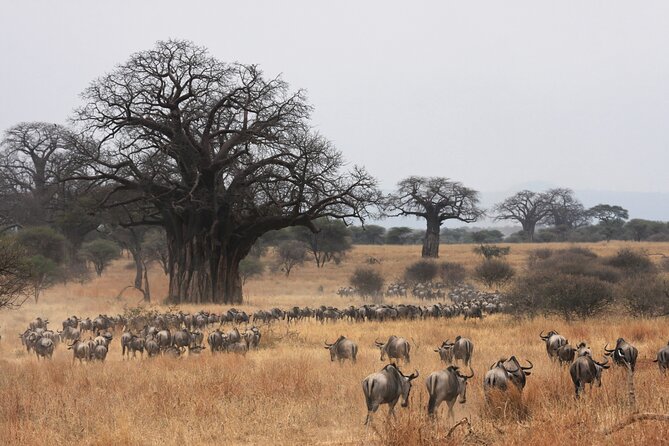
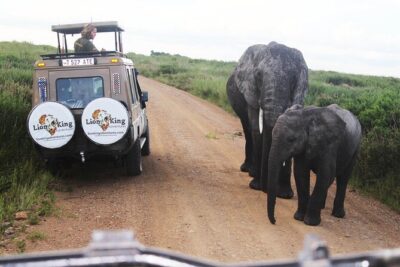
Tarangire is known for its large elephant herds and striking baobab trees. The park’s scenery has a dry, open character, with animals gathering around seasonal water sources. You may see elephants, zebras, and giraffes during the game drive, with other sightings depending on the season and the guide’s route.
The planned day lasts about eight hours. That includes the drive from Arusha, park time, a picnic lunch, and the afternoon portion of the safari. A picnic eaten in the park keeps the day moving, but it also means you should be ready for a full day outdoors rather than a leisurely lunch at a lodge.
Tarangire is a smart first stop because it offers visual variety right away. The baobabs give you memorable photographs, while elephants provide the close wildlife encounters many people hope for on a first safari. The park can also be a useful introduction to safari etiquette: remain seated, keep voices low, and let the guide manage the vehicle near animals.
At day’s end, you go to your lodge and have dinner. The exact property is not identified, so ask for the name, room setup, and whether the stay is a lodge or tented camp. The word mid-range can cover several styles in Tanzania, from a permanent tent with a bed to a simple lodge room.
Day 2: The long road into the Serengeti
Day two takes you from Tarangire toward Serengeti National Park. This is the day when the route becomes demanding, but it is also when the sense of open country begins to grow.
The Serengeti is one of Africa’s best-known wildlife areas for good reason. Its broad plains support large numbers of herbivores and predators, and you may see lions, elephants, giraffes, and other species during the drive and game viewing.
The schedule includes a hot picnic lunch and an afternoon game drive. The whole day is listed at about eight hours, though the actual feel of the day depends on road conditions, wildlife stops, and where your accommodation sits within or near the park area.
I would treat the transfer itself as part of the safari, not dead time. The route lets you watch the scenery change and gives the guide opportunities to point out animals along the way. Still, keep expectations realistic. You cannot spend every hour parked beside a pride of lions when the itinerary also has to carry you from one major park to another.
The value of a good guide becomes especially clear here. Guides such as Felix and Damian are praised for explaining the ecology and culture of the parks, while Rocky and Frederick are noted for finding good sightings and positioning the vehicle for photographs. Your assigned guide may be someone else, so consider those names examples of the company’s guide pool, not a guarantee.
You arrive at your Serengeti accommodation in the evening. The setting is one of the pleasures of a safari, since you are close to the sounds of the bush rather than returning to an urban hotel. Ask how far the lodging is from the next morning’s game-drive area. A well-placed stay can save valuable driving time.
Day 3: Early Serengeti wildlife, then toward Ngorongoro
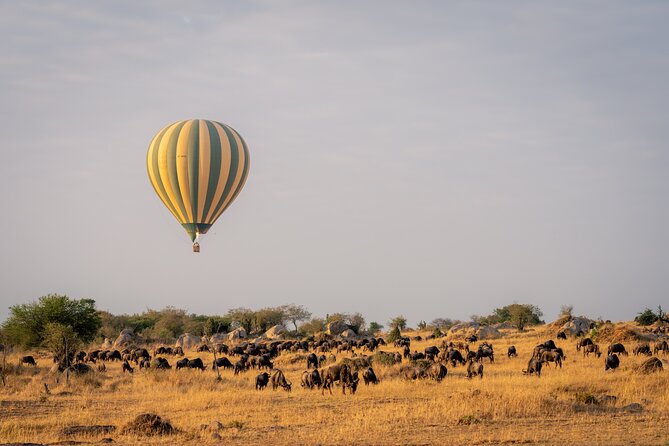
Day three begins with an early morning game drive in the Serengeti. This is one of the strongest parts of the plan. Early hours often offer cooler conditions and active animals, though the exact sightings can never be guaranteed.
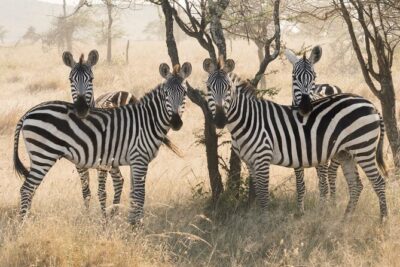
The day may bring lions, elephants, cheetahs, zebras, and other wildlife. The open plains are especially good for appreciating how animals relate to one another. A guide who explains tracks, behavior, and habitat can turn a distant shape into a meaningful sighting rather than just another photograph.
After a hot lunch, you continue the game drive before heading toward the Ngorongoro Conservation Area in the late afternoon. The timing creates a practical compromise. You get a second period in the Serengeti, but you also need to reach your overnight stop near the crater rim.
This is likely to be another long day, listed at about eight hours. You should be comfortable sitting in a safari vehicle for extended stretches. Families and first-time safari visitors can manage it, but young children may find the repeated drives tiring.
The move toward Ngorongoro changes the mood of the trip. The Serengeti feels expansive and open. The crater area feels more concentrated, with steep walls and a sense that the next morning’s wildlife viewing will happen in a contained natural basin.
Your lodge is near the crater rim for the night. Because the property is not named, confirm whether your package includes a private room, a shared tent, or another arrangement. This is also the night to prepare for an early start. The sunrise departure is part of the appeal, but it is not a late-sleeping itinerary.
More Serengeti and Ngorongoro itineraries:
- 3 Days Serengeti & Ngorongoro Group Camping Safari
★ 5.0 · 574 reviews - 5-Day Highlights mid-Range Crater, Serengeti, Tarangire
★ 5.0 · 296 reviews - 3-Day Classic Serengeti Safari
★ 5.0 · 263 reviews - Private 6-Day Tarangire Manyara Crater and Serengeti with Mid-Range Lodges
★ 5.0 · 238 reviews
Day 4: Into Ngorongoro Crater and back to Arusha
The final day starts early, with a chance to see sunrise over Ngorongoro Crater. After breakfast, you descend for a guided crater tour.
Ngorongoro is unusual because forests, open grassland, and other habitats sit within the walls of a vast volcanic crater. That compact mix can produce a strong variety of animal sightings in a relatively limited area. The day’s plan specifically highlights the possibility of seeing the Big Five: lion, elephant, leopard, buffalo, and rhino.
The wording matters here. You have a chance to see these animals, not a promise. No responsible safari company can guarantee a full Big Five list in four days. Your guide’s experience may improve the odds by reading conditions and sharing information about recent sightings, but nature keeps the final say.
A hot picnic lunch is planned amid the crater scenery. After more wildlife viewing, you begin the return journey to Arusha. The final day is listed at about seven hours, so it remains a full day rather than a short transfer after breakfast.
The return drive can feel tiring, especially after three previous safari days. On the other hand, ending in Arusha is convenient if you are continuing to another Tanzanian destination or catching a later connection after allowing enough personal time. International flights and departure taxes are not included, and neither is travel, medical, or luggage insurance.
What the guide adds to the price
A safari vehicle gets you into the parks, but the guide shapes what you notice. The strongest praise connected to this experience centers on guides who combine animal knowledge with safe driving and patient explanations.
Felix is praised for his understanding of animals, the environment, history, and culture. Damian is noted for fluent English, local knowledge, and skill behind the wheel. Rocky is singled out for making the trip feel personal and for helping create memorable sightings. Frederick is praised for knowing how to position the vehicle for photographs, while Amiri is described as a safe driver who worked well with families.
These details matter because wildlife viewing is not simply a matter of entering a park. You need someone who can identify a distant animal, explain why it is behaving that way, and choose a sensible place to stop. A good guide also helps keep the group considerate of the animals and of other vehicles.
The company’s customer service is another practical strength. Communication before departure is described as clear and helpful, with staff assisting people in choosing a safari and arranging transfers. Airport pickup and return transfers are mentioned in the feedback, but they are not clearly listed among the formal inclusions here. Confirm them directly rather than assuming they are part of this exact booking.
Mid-range comfort, meals, and the camping question
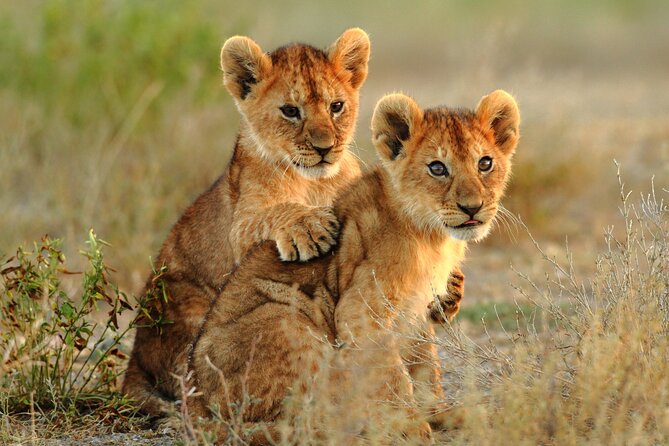
The package includes three nights of accommodation, four lunches, four dinners, and three breakfasts. Food receives particularly warm praise, including comments that children enjoyed it and that the meals were a highlight.
The formal meal count deserves a quick check. Three nights usually suggest three breakfasts, while the package lists four dinners. That may reflect the departure or return-day schedule, but you should ask the operator to confirm exactly which meals are served and where.
Mid-range is useful for people who want comfort without paying luxury-safari prices. It does not necessarily mean a polished hotel in every location. Safari accommodation can range from lodges to permanent tents or organized camps, and the precise standard may differ from night to night.
One clear caution is the possibility of being placed with a budget camping group. That arrangement was disappointing for at least one booking and shows why you should ask whether the group includes camping clients, what type of accommodation you will use, and whether the vehicle is shared across different package levels.
Other bookings describe comfortable accommodation, well-maintained campsites, tents, and sleeping bags. Those details suggest that the company can operate several accommodation styles. They also make it even more important to get your own lodging plan in writing before departure.
Group size, timing, and practical comfort
The maximum group size is seven people. That is small enough to feel personal, while still keeping the per-person price below a private safari. Your experience will depend on how many people actually join and how well the group’s interests match.
Photographers may want longer stops. Families may need more breaks. A group that mainly wants to cover ground may move faster. Ask whether the itinerary is fixed or whether your guide can adjust stops within park rules.
The listed opening hours run every day from midnight to 11:30 p.m., which appears to describe booking availability rather than safari hours. The daily program itself starts after breakfast on day one and early on later days.
Most people can participate, and the tour is near public transportation, though this is still a vehicle-based safari with long periods of sitting. Pickup is offered, and a mobile ticket is available. Confirmation is provided at booking.
Cancellation is flexible up to 24 hours before the start time, with a full refund. Cancellations or changes inside that window are not accepted for a refund, and the cutoff follows local time.
Who should book this four-day safari
I would recommend this trip to you if you want the classic northern Tanzania route but have only four days. It gives you Tarangire, Serengeti, and Ngorongoro, rather than spending the whole trip in one park.
It also suits you if you value a guide-led experience, included meals, and a small shared group. The guide is not just a driver here. The best version of this safari includes explanations about wildlife, ecology, culture, and park behavior.
You should think twice if you dislike long transfers or need a slow pace. The route covers a lot of ground, and the first three days are each about eight hours. You should also reconsider if a guaranteed luxury lodge is important, since accommodation details are not specific enough to support that expectation.
At $1,450 per person, the value is strongest when the small group, guide quality, meals, transport, and accommodation all match the mid-range promise. Before booking, confirm the exact lodging, group composition, airport transfers, meal schedule, and assigned guide.
Should you book it?
Book this safari if you want a compact, wildlife-heavy introduction to Tanzania and are willing to trade relaxed pacing for variety. Tarangire’s elephants, the Serengeti’s predators, and Ngorongoro’s crater habitats give you three very different days of wildlife viewing.
I would book with a few written confirmations first, especially about accommodation and whether you will share with a budget camping group. If those details suit you, the strong guide pool, small group limit, included meals, and 98 percent recommendation rate make this a sensible mid-range choice for a first northern Tanzania safari.
FAQ
Where does the safari begin and end?
The safari is based in Arusha, Tanzania. Pickup is offered, and the final day includes the journey back to Arusha.
How many people can join the group?
The maximum group size is seven travelers.
Which parks and conservation areas are included?
The route includes Tarangire National Park, Serengeti National Park, and the Ngorongoro Conservation Area.
How long is each safari day?
The first three days are listed at approximately eight hours each. The Ngorongoro and return day is listed at about seven hours.
Are meals included?
Yes. The package lists four lunches, four dinners, and three breakfasts.
How many nights of accommodation are included?
Three nights of accommodation are included.
Is a guide included?
Yes. A certified guide is included. Specific guides associated with past departures include Felix, Rocky, Damian, Frederick, Amiri, and Shaban, but a particular guide is not guaranteed in the tour details.
What happens if I cancel?
You can receive a full refund if you cancel at least 24 hours before the experience begins. Cancellations or changes made within 24 hours are not refunded or accepted.
More four day trips in Arusha
- 4 Days Join Group tour Tarangire Serengeti and Ngorongoro crater
★ 5.0 · 219 reviews - 4-Day Safari from Arusha: Tarangire, Serengeti and Ngorongoro
★ 5.0 · 173 reviews - 4 Days safari Tour Tanzania
★ 5.0 · 159 reviews - 4 Days Tarangire Serengeti Ngorongoro Crater
★ 5.0 · 117 reviews
Newly listed around Arusha
- 5-Day Private Safari Tour in Tanzania’s Wildlife★ 5.0 · 3 reviews
- 3 Days private safari Tarangire ,Ngorongroro crater &Manyara★ 5.0 · 3 reviews
- 3 Day Sharing Safari – Manyara, Ngorongoro Crater and Tarangire National Parks★ 5.0 · 3 reviews
- Tarangire National Park Day Trip★ 5.0 · 3 reviews
- 6 -Day Tarangire, Manyara, Serengeti & Ngorongoro★ 5.0 · 3 reviews
- 2 Days Tarangire and Ngorongoro Crater Tour★ 5.0 · 3 reviews
- 5 Days Group Camping Safari★ 4.7 · 3 reviews
- 7-Day Mt. Kilimanjaro Hiking: Machame Route★ 5.0 · 3 reviews
Serengeti & Ngorongoro Safaris, compared.
Balloon Safari & Bush Breakfast in Serengeti – Miracle Experience
Read our review →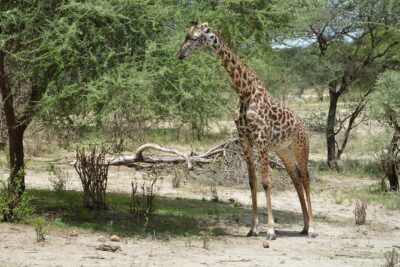

Private 6-Day Tarangire Manyara Crater and Serengeti with Mid-Range Lodges
Read our review →
5 Days Camping Tarangire, Serengeti & Ngorongoro crater & Visiting Maasai
Read our review →Browse the lists this tour appears in