
Reviewed · MAASAI VILLAGE VISITS
Arusha: Maasai-style Beaded Jewelry Lesson
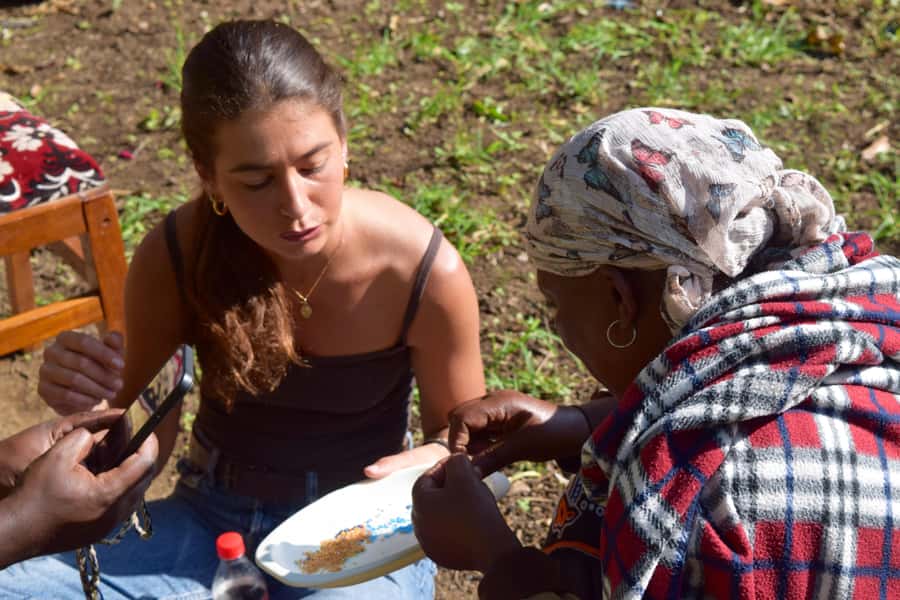
At Mama Aziz Homestay in Sanawari, you sit with a local artisan and turn small beads into a bracelet, necklace, anklet, or your own design. I like the hands-on format because you leave with both a keepsake and a skill. I also like the chance to meet in a local home rather than spend the whole visit looking at finished crafts behind glass.
The main consideration is time. Four to five hours is a generous stretch for a jewelry lesson, especially if you only want a quick souvenir stop. Brunch and hotel transport are optional, so check exactly what you want included before booking.
Key points at a glance
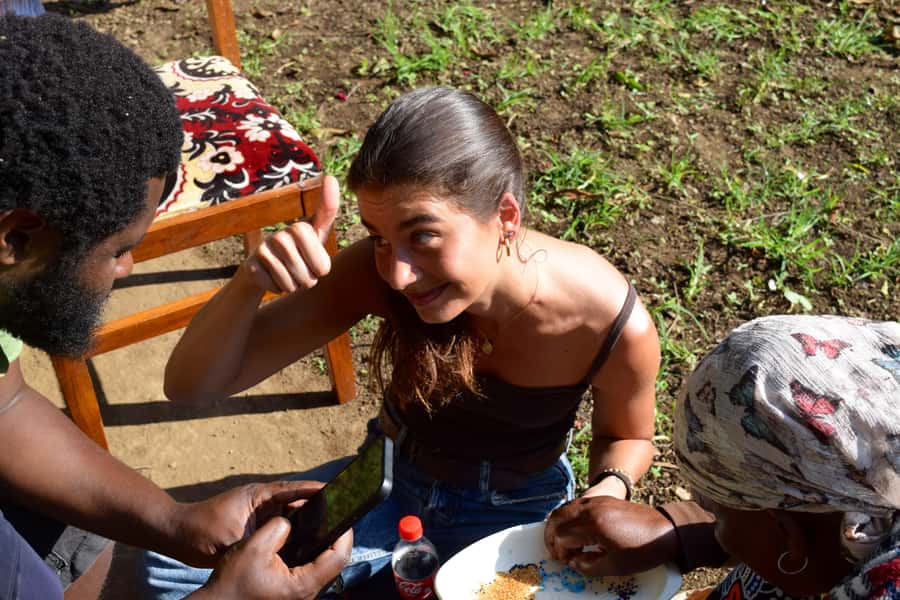
- Create your own Maasai-style jewelry: Choose a bracelet, necklace, anklet, or custom design instead of buying a ready-made piece.
- Learn from a local artisan: The lesson focuses on practical beading skills you can use again at home.
- Visit Mama Aziz Homestay in Sanawari: The setting gives the activity a personal, home-based feel.
- Add homemade brunch: Food can be arranged for all dietary needs, making this a fuller half-day outing.
- Use optional hotel transport: Pick-up and drop-off can simplify the journey around Arusha.
- Meet an engaging host: David was specifically praised for keeping one session entertained as the jewelry took shape.
Why this Arusha craft lesson is worth your morning
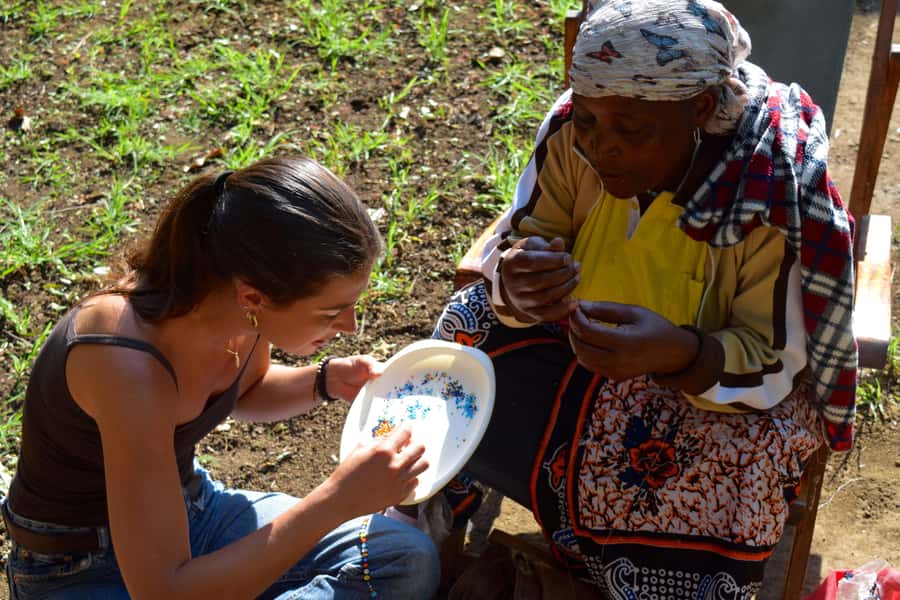
Arusha is best known as a starting point for safari and Kilimanjaro trips, but the city also offers a chance to slow down and meet people through ordinary creative work. This beading session gives you that pause. Instead of racing between sights, you spend several hours learning a craft with a local artisan in a home setting.
That matters because the finished item has a story beyond its color and pattern. You made it yourself, with guidance, and you can remember the process each time you wear it. I find that more useful than another mass-produced souvenir that could have come from almost anywhere.
The experience costs $20 per person for the bead lesson. That is a fair price if you value the teaching time and the chance to make something personal. You should also remember that transportation and brunch are listed as optional, so your final cost may be higher if you add either service.
More Maasai village visits:
- 5 Days Camping Tarangire, Serengeti & Ngorongoro crater & Visiting Maasai
★ 5.0 · 229 reviews - Maasai village visit, Materuni waterfalls & coffee experience
★ 4.5 · 95 reviews - 7-Day Private Tanzania Safari with Sunset Walking on the Crater Rim and Maasai
★ 5.0 · 40 reviews
Arriving at Mama Aziz Homestay in Sanawari
The activity takes place at Mama Aziz Homestay in Sanawari, a part of Arusha that gives the experience its local character. You are not simply being shown a finished craft. You are entering a home environment for a shared activity, which can feel more relaxed and direct than a formal workshop.
If you arrange hotel or residence pick-up, the transport can remove one of the small headaches of an Arusha outing. You do not need to work out the route before a half-day appointment, and drop-off gives you an easy return afterward. Since transport is optional, you can also choose to arrange your own way if that suits your plans.
The supplied details do not give a group size, exact meeting point instructions, or a fixed start time. Check availability when booking, and confirm the pick-up details if you are staying outside central Arusha. Starting times vary, and the full visit lasts about four to five hours.
Meeting the artisan and choosing your project
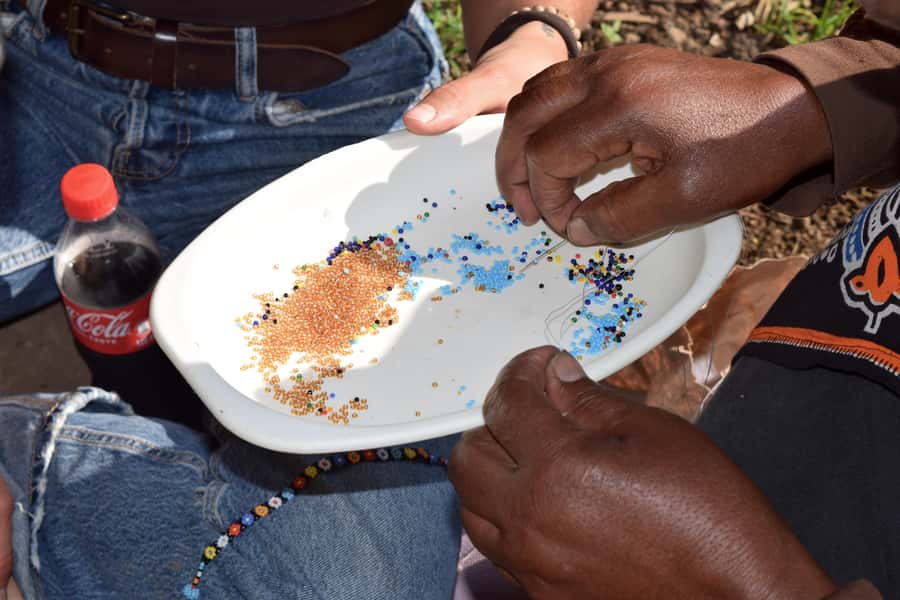
The lesson begins with an introduction to Maasai-style beading from a skilled local artisan. The wording matters here. You are not only purchasing a piece inspired by East African design. You are learning how the beads are selected and put together under the guidance of someone who practices the craft.
You can make a bracelet, necklace, or anklet. A custom design is also possible, giving you more freedom if you have a particular color combination or shape in mind. The available information does not list the bead colors, sizes, tools, or exact patterns, so do not arrive expecting a set menu of designs. Ask what materials and choices are available when you arrive.
I would choose a bracelet if you want a manageable first project or have a busy itinerary afterward. A necklace or anklet may take more time, depending on the design and your pace. The four to five-hour duration gives you room to learn without treating the session like a race, but it also means you should plan around it rather than squeeze it between two tightly timed activities.
What the beading lesson feels like
This is a practical class, not a talk where you sit quietly and watch someone else work. You make the piece yourself, with instruction from the artisan. That makes the lesson suitable for people who enjoy using their hands, including visitors who may not usually sign up for cultural activities.
The basic appeal is clear: you learn a technique, apply it, and take the result with you. You might also find that the creative process becomes a good way to talk with your hosts. Craft lessons often create an easy rhythm, since you have something in front of you to work on while conversation develops.
English and Swahili are the listed teaching languages. That gives English-speaking visitors a practical way to follow the instruction, while the use of Swahili keeps the setting connected to local life. The available details do not say how advanced the class is, so beginners should be comfortable booking it, but experienced jewelry makers may want to ask how much freedom they will have with a custom design.
One session included a host named David, who helped keep the group entertained while the bracelets and chains were being made. That small detail is useful. A four to five-hour class depends as much on the atmosphere as the craft, and a warm, engaging host can make the time pass easily.
More workshops and classes in Arusha:
- NGO Lifted Strong – Traditional Tanzanian Cooking Class
★ 5.0 · 39 reviews - Arusha: Traditional Tanzania Cooking Class & Food Market Tour
★ 5.0 · 34 reviews - Cooking and Sewing & Jewelry Workshops in Arusha
★ 5.0 · 14 reviews - Arusha: Traditional Tanzania Cooking class& Food Market Tour
★ 4.9 · 12 reviews
Choosing between a bracelet, necklace, anklet, or custom piece
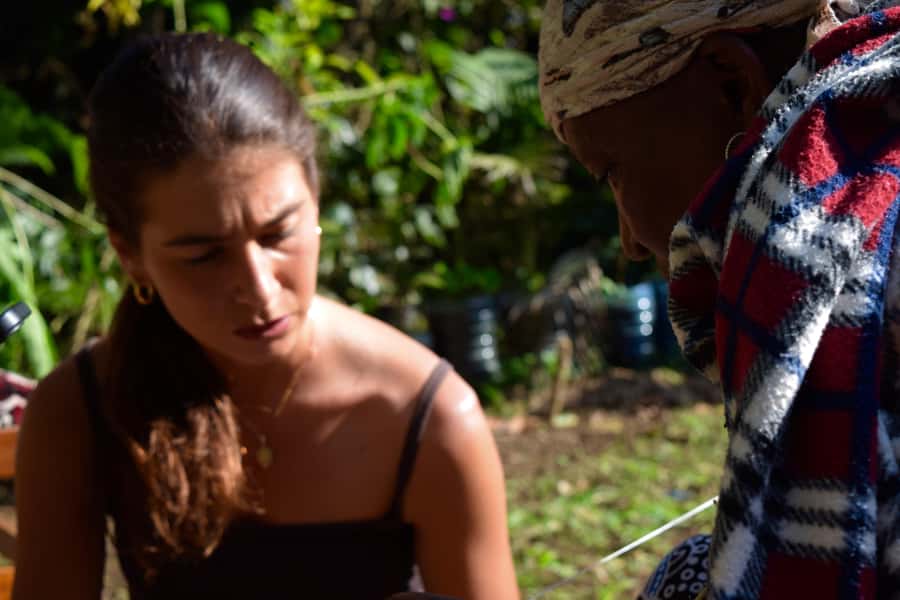
The project you choose changes the feel of the experience.
A bracelet is the simplest choice for many people. It is compact, easy to pack, and useful as a daily reminder of your time in Arusha. If you want to finish a piece without worrying about a long design, this is the sensible option.
A necklace gives you more room to play with colors and length. It can also become a stronger statement piece, but the larger size may require more beading and patience.
An anklet offers something less expected. It is a good pick if you already own plenty of bracelets and necklaces, or if you want a piece that feels different from the usual market souvenir.
A custom design makes the most sense if you care about the creative side more than simply completing an item. You can ask about available choices and let the artisan guide you. Since the activity is described as Maasai-style rather than a detailed design course, approach a custom project with an open mind and respect for the artisan’s knowledge.
Whatever you choose, keep the finished piece’s practical use in mind. Jewelry made during a beginner lesson may have a handmade look. That is part of its appeal, but it may not have the uniform finish of factory-made jewelry.
Adding the homemade brunch
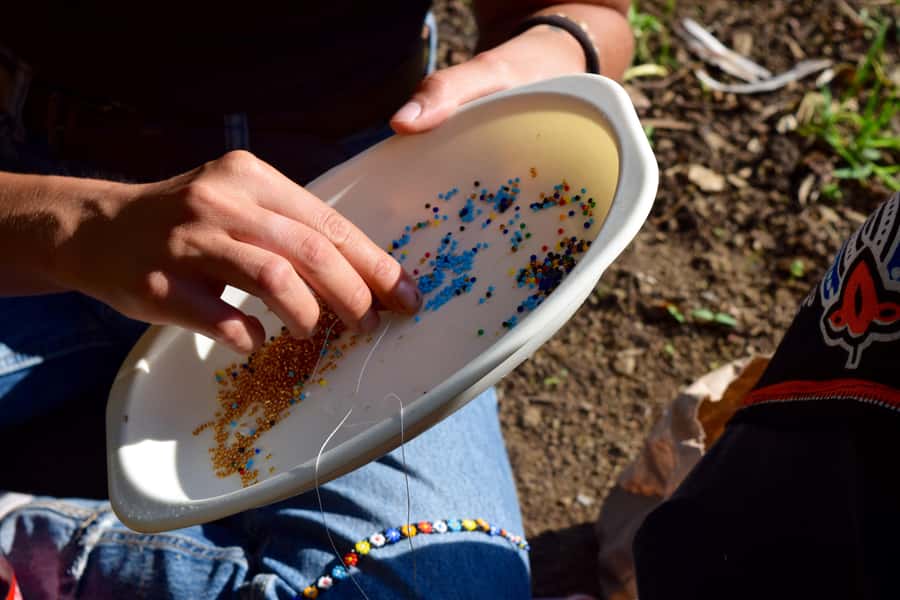
You can add a homemade brunch to the visit. This turns a craft lesson into a longer social outing, and it may suit you if you want a relaxed morning or midday plan rather than a short class.
All dietary needs are catered for, which is helpful if you have allergies, follow a vegetarian diet, or need another type of meal accommodation. You should still communicate your needs when arranging the brunch. The available details do not list the menu, serving time, or drinks, so ask what will be served and whether the meal changes the start or end time.
Brunch is not required. If you have already eaten or have another meal planned, you can book the bead lesson without it. If you want the most complete home visit, though, sharing food can add a useful social side to the craft session.
Transport, timing, and access
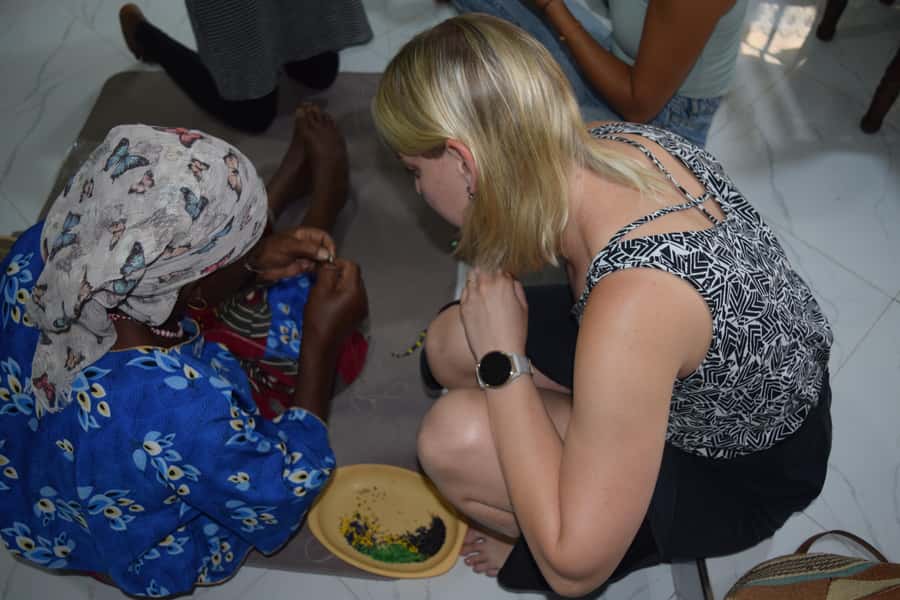
Hotel pick-up and drop-off are available as an optional service. I like this choice because it lets you match the activity to your own travel style. Independent visitors can arrange their own transportation, while anyone who prefers a simpler day can request the transfer.
The duration is four to five hours, with starting times based on availability. That makes this a half-day activity, not a quick stop. Leave enough space before and after it, especially if you have an airport transfer, safari departure, or another scheduled tour.
The activity is listed as wheelchair accessible. If you use a wheelchair, contact the provider ahead of time to confirm the transport and any details about access at the homestay, since the general description does not explain the exact arrangements.
Adventure Bats provides the experience. The instructor languages are English and Swahili. You can reserve now and pay later, which is useful if your Arusha schedule is still changing. Cancellation is free up to 24 hours before the activity for a full refund.
Who will enjoy this experience most
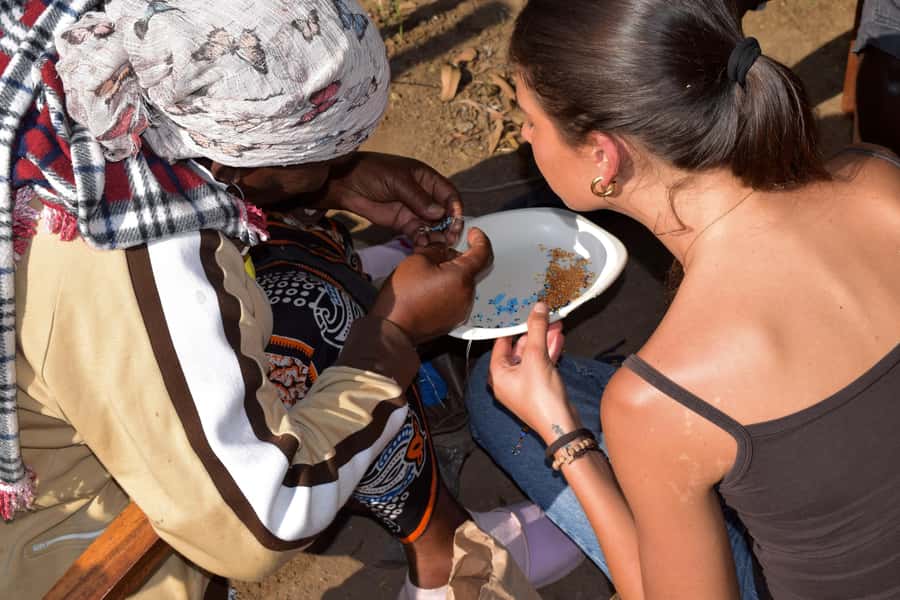
I would recommend this for you if you want a personal souvenir and enjoy learning by doing. It suits couples, families, and small groups who would rather share a creative activity than spend another hour shopping.
It also works well for visitors with a free half-day in Arusha before or after a safari. The class gives you something distinct from wildlife viewing, and the finished jewelry is light enough to carry during the rest of a longer trip.
Families should consider the time and attention required. Children who enjoy crafts may have a good time, but the description does not give a minimum age or explain how projects are adapted for younger participants. Ask before booking if that detail matters to your group.
I would be less likely to choose it if you only want a ready-made souvenir, dislike seated craft work, or have a tightly packed schedule. The point is the process. You need to give the lesson enough time to be enjoyable.
How the $20 price compares with the experience
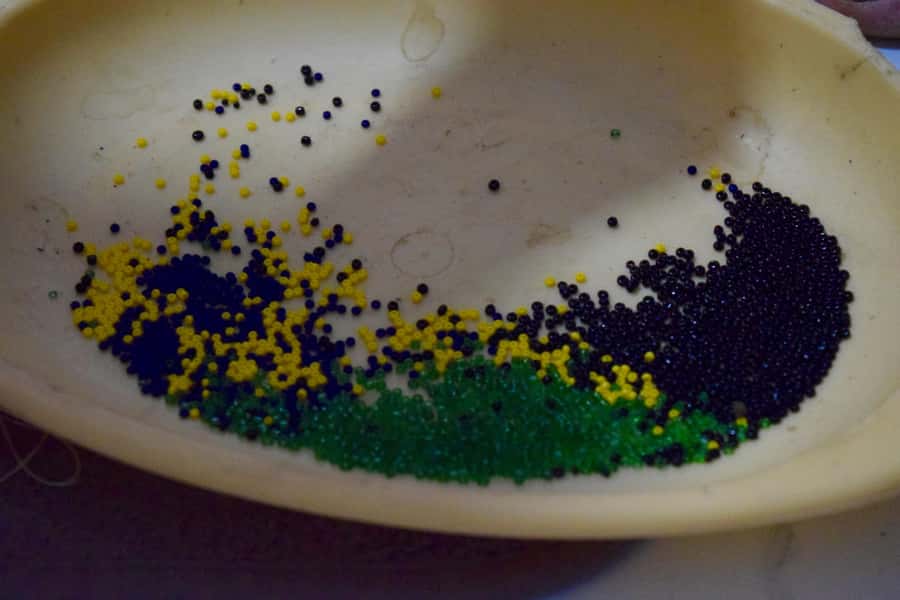
At $20 per person, the bead lesson offers more than a purchased accessory. You receive instruction, time with a local artisan, and a handmade item that reflects your own effort. That combination gives the price good value, particularly if you would otherwise spend money on a craft-market purchase without learning anything about how it was made.
The value depends on your expectations. If you judge the activity only by the cost of the finished jewelry, you may find similar pieces for less in a market. If you count the setting, the lesson, the conversation, and the ability to repeat the technique later, the price becomes more attractive.
Remember to budget for the optional extras. Brunch and transportation are not part of the basic bead lesson price. Confirm those additions before you finalize the booking so the total does not surprise you.
Should you book the Maasai-style beading lesson?
Book it if you want a slow, creative half-day in Arusha and prefer a souvenir with a personal connection. The strongest reasons are the home setting, the direct instruction, the choice of jewelry projects, and the chance to learn a skill you can use again.
Think twice if you are looking for a short shopping stop or a tightly structured cultural tour with a detailed historical presentation. This experience is centered on making jewelry, social time, and the relaxed pace of a homestay.
For most people, I would choose the bracelet unless you already know you want a necklace, anklet, or custom piece. Add brunch if you want the visit to feel like a fuller home-hosted outing, and request transport if getting to Sanawari would complicate your day.
FAQ
How much does the Maasai-style beading lesson cost?
The bead lesson costs $20 per person. Transportation and brunch are optional, so confirm the price of any extras you choose.
How long does the activity last?
The experience lasts approximately four to five hours. Starting times depend on availability.
Where does the lesson take place?
The lesson takes place at Mama Aziz Homestay in Sanawari, in the Arusha region of Tanzania.
What can I make during the class?
You can make a bracelet, necklace, anklet, or custom jewelry design.
Is brunch included?
Brunch is optional, not part of the basic bead lesson. Homemade brunch can be arranged for all dietary needs.
Is hotel transportation available?
Yes. Hotel or residence pick-up and drop-off are available as an optional service.
What languages are available, and is the activity wheelchair accessible?
Instruction is available in English and Swahili. The activity is listed as wheelchair accessible.
Newly listed around Arusha
- 5-Day Private Safari Tour in Tanzania’s Wildlife★ 5.0 · 3 reviews
- 3 Days private safari Tarangire ,Ngorongroro crater &Manyara★ 5.0 · 3 reviews
- 3 Day Sharing Safari – Manyara, Ngorongoro Crater and Tarangire National Parks★ 5.0 · 3 reviews
- Tarangire National Park Day Trip★ 5.0 · 3 reviews
- 2 Days Tarangire and Ngorongoro Crater Tour★ 5.0 · 3 reviews
- 6 -Day Tarangire, Manyara, Serengeti & Ngorongoro★ 5.0 · 3 reviews
- 5 Days Group Camping Safari★ 4.7 · 3 reviews
- 4 Days Tanzania Safari★ 4.5 · 3 reviews
Maasai Village Visits, compared.

5 Days Camping Tarangire, Serengeti & Ngorongoro crater & Visiting Maasai
Read our review →
Maasai village visit, Materuni waterfalls & coffee experience
Read our review →5 Days Camping Tarangire, Serengeti & Ngorongoro crater & Visiting Maasai
Read our review →
7-Day Private Tanzania Safari with Sunset Walking on the Crater Rim and Maasai
Read our review →
Maasai village visit and Chemka hot-springs with hot lunch.
Read our review →
Kilimanjaro: Maasai Village Visit, Waterfalls, & Coffee Tour
Read our review →Browse the lists this tour appears in