
Reviewed · SERENGETI & NGORONGORO SAFARIS
4 Days Tarangire, Serengeti and Ngorongoro Crater Camping Safari
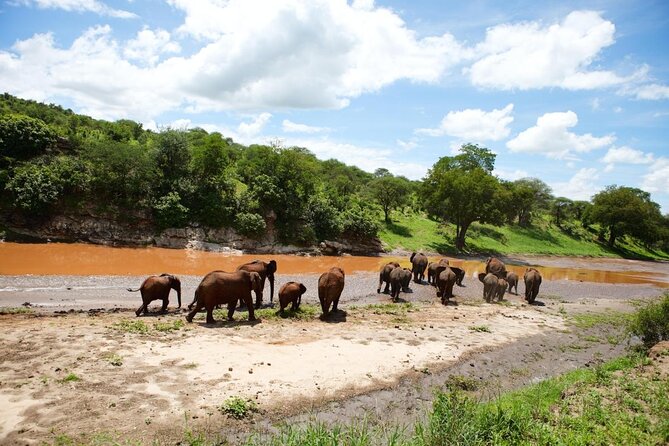
Tarangire’s giant baobabs and elephant herds make a striking opening to this four-day Tanzania safari, but the real strength is the route itself. You move from dry woodland to the open Serengeti, then finish among wildlife packed into Ngorongoro Crater.
I like that park fees, meals, drinking water, transport, and a guide are included, since those costs can quickly swell a safari budget. I also like the small maximum of four people, which gives you a better chance to see and hear what is happening instead of sharing every sighting with a busload.
The main consideration is the pace. Long drives connect these parks, and the itinerary puts a lot into four days. You should also confirm the exact sleeping arrangements before booking, since this is sold as a camping safari but includes a night at Fig Big Tree Lodge and a night on the crater rim.
Key points to know before booking
- Three major parks in four days: Tarangire, Serengeti, and Ngorongoro Crater each offer a different type of wildlife viewing.
- A maximum of four people: This is a useful size for a safari vehicle and makes shared costs more manageable.
- Early starts and long road transfers: The Serengeti drive takes roughly three to four and a half hours to Naabi Gate, before the game drive begins.
- Strong value at $1,100 per person: Park fees, four breakfasts, four lunches, three dinners, water, transport, and guiding are included.
- Guides and coordinators vary: Noel and Gilbert have handled trip support, while Said and Elly have guided past departures.
- Free cancellation up to 24 hours ahead: Changes or cancellations inside that window are not accepted for a refund.
Three parks, three very different safari moods
This trip works because each stop has a clear personality. Tarangire gives you big elephants and old baobabs. Serengeti brings the famous open plains and the chance to follow a much wider range of animals. Ngorongoro finishes the trip with a compact crater floor where many species can be seen in a shorter area.
You do not simply repeat the same game drive three times. The scenery, animal patterns, and sense of space change as you go. That variety matters on a short safari, especially if this is your first visit to northern Tanzania.
At the same time, you should not confuse four days with a slow, leisurely safari. The route covers a lot of ground. You will spend substantial time in the vehicle, and the Serengeti transfer takes up much of Day 2. I would choose this plan for strong coverage of the headline parks, not for long afternoons at one camp.
More Safaris in Arusha
- Balloon Safari & Bush Breakfast in Serengeti – Miracle Experience
★ 5.0 · 1,646 reviews - 4 Days Group Camping Safari
★ 5.0 · 1,101 reviews - 5 Days Group Camping Safari
★ 5.0 · 730 reviews
Day 1: Tarangire’s elephants and baobab country
The safari starts after breakfast, with a stop in Arusha for last-minute purchases. That is a practical touch. If you need personal items before leaving town, this is your best chance to handle them without interrupting the park schedule.
From Arusha, you continue toward Tarangire National Park for a game drive and picnic lunch. The park is especially known for its large elephant population and its broad baobab trees, which give the first day a memorable visual identity.
Tarangire also forms part of a seasonal movement area used by elephants, wildebeest, and zebras. The figures supplied for the park’s annual cycle are impressive: up to 3,000 elephants, 25,000 wildebeest, and 30,000 zebras. Those numbers describe the wider movement through the area, not a guarantee that you will see every species in those quantities on one drive, but they explain why Tarangire earns a place on this route.
You get about six hours of park activity, including the picnic lunch. That is enough time to settle into the rhythm of a safari without trying to squeeze in a second park on the same day.
The night is listed at Fig Big Tree Lodge. This is where I would ask a direct question before paying: does your booking include a lodge room, a tented setup, or another arrangement? The product is described as camping, yet the itinerary names a lodge for the first night. The difference affects what you pack and what level of comfort you expect.
Day 2: The long road to the Serengeti
Day 2 begins early after breakfast. You leave for Serengeti National Park, with the drive to Naabi Gate listed at approximately 238 kilometers and three to four and a half hours.
This is one of the trip’s less glamorous stretches, but it is also the price of reaching the Serengeti from the Tarangire area. You will want a relaxed attitude toward road time. Keep water close, use the Arusha stop wisely, and expect the day to feel more like a transfer plus safari than a full day spent entirely inside the park.
After reaching Naabi Gate, you have a picnic lunch at Naabi Picnic Site. You then enter the Serengeti for an afternoon and evening game drive. The timing is useful because you still get a proper first look at the park on the same day, rather than spending the whole day on the road.
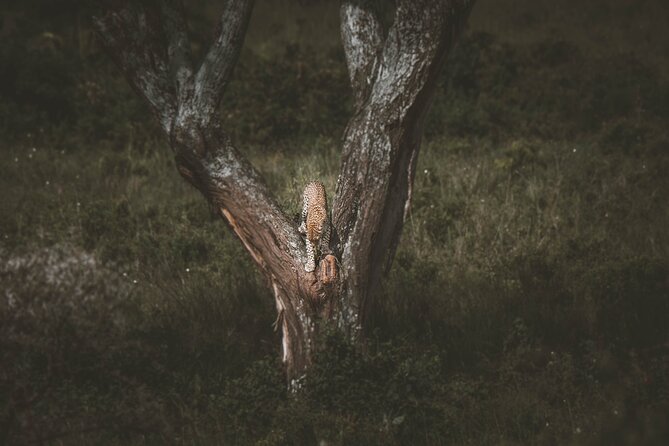
The Serengeti is famous for the Great Wildebeest Migration, but the park is not only about wildebeest. The route may also bring sightings of lions, leopards, elephants, buffalo, rhino, hippos, Thomson’s gazelles, and kori bustards. The park’s kopjes, rocky outcrops rising from the plains, add another memorable feature and can serve as important vantage points for wildlife.
The schedule allows about six hours of activity. The exact animals you see will depend on season, location, and luck. One useful piece of advice comes from the wet-season experience reported from this operator: poor conditions do not automatically mean poor viewing. Even on a season when wildlife can be harder to spot, one past departure saw all of the Big Five quickly. That is encouraging, but you should still treat wildlife sightings as uncertain rather than promised.
Day 3: Sunrise in the Serengeti, then up to the crater rim
Day 3 starts with an early morning game drive in the Serengeti. Sunrise is a sensible time to be out. The schedule gives you a chance to see the park in a cooler, quieter part of the day before returning for an early lunch.
After lunch, you travel toward Ngorongoro Crater. The route is not just dead time. Your driver and guide are expected to explain the wildlife and natural features along the way, which can make the transfer more useful and help connect the parks into one story.
The night is spent on the crater rim. That location gives the trip a strong change of setting, from the broad Serengeti plains to the high edge above the crater. The itinerary does not name the exact camp or lodging, so ask for that detail if sleeping arrangements matter to you.
Day 3 is an important compromise in the schedule. You get a sunrise drive, but you also give up a full second day in the Serengeti in order to reach Ngorongoro. The description calls this nearly two days of Serengeti exploration, yet the actual timing gives you an afternoon and evening on Day 2, followed by an early drive on Day 3. That is still worthwhile, but it is not the same as two unhurried full days.
More Serengeti and Ngorongoro itineraries:
- 3 Days Serengeti & Ngorongoro Group Camping Safari
★ 5.0 · 574 reviews - 5-Day Highlights mid-Range Crater, Serengeti, Tarangire
★ 5.0 · 296 reviews - 3-Day Classic Serengeti Safari
★ 5.0 · 263 reviews - Private 6-Day Tarangire Manyara Crater and Serengeti with Mid-Range Lodges
★ 5.0 · 238 reviews
Day 4: Six hours on the Ngorongoro Crater floor
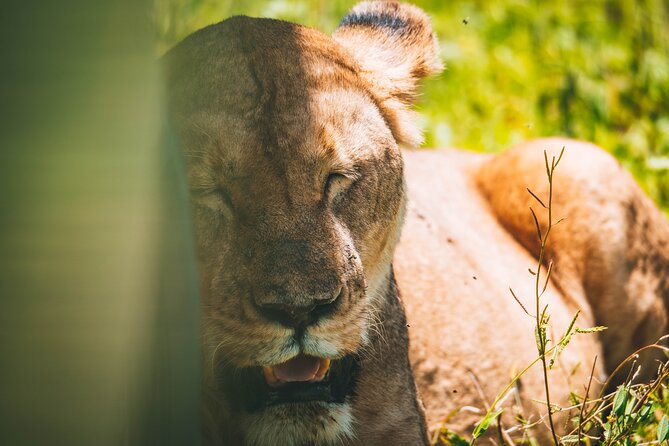
After breakfast, you descend to the crater floor for a game drive with a picnic lunch. The listed activity lasts about six hours, which gives you meaningful time in one of Tanzania’s best-known wildlife areas before returning to Arusha in the evening.
Ngorongoro is often called Africa’s Garden of Eden because the crater floor holds grassland, water, and dense animal habitat within a relatively contained area. It is also promoted here as one of the best places to seek the Big Five: lion, leopard, elephant, buffalo, and rhino.
The crater’s compact setting is especially valuable at the end of a short safari. You do not need to cover the same huge distances as in the Serengeti to have a chance at varied sightings. That does not guarantee every animal, but it improves the odds of a rewarding final game drive when your available time is limited.
The return to Arusha comes after the crater visit. Depending on the day’s road conditions and timing, this can be a tiring final leg. The included airport pickup and drop-off are helpful if your flights fit the schedule, but you should confirm the exact transfer plan rather than assume a late-night departure will work comfortably.
What the $1,100 price really covers
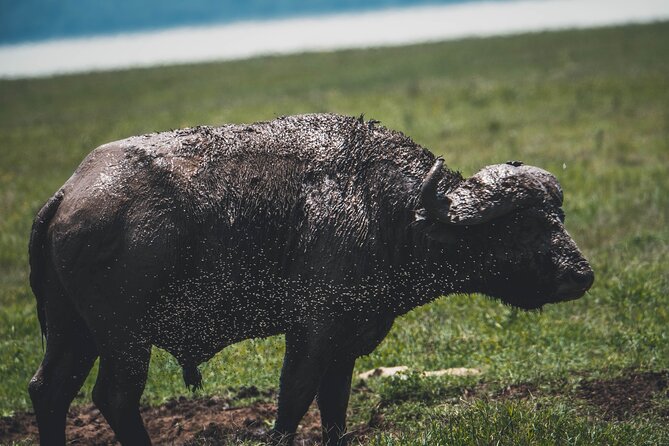
At $1,100 per person, this is positioned as a budget safari, but the included items make the price more useful than a simple headline figure suggests. You receive transportation, a professional driver and guide, park fees, drinking water on all days, four lunches, three dinners, and four breakfasts.
Airport pickup and drop-off are also included. That can save money and stress at the start and end of a Tanzania trip, especially if you do not already have a local transfer arranged.
The maximum group size is four. Small groups usually make a shared safari feel less crowded, and you have fewer people competing for window space or asking the driver to stop at the same time. It also keeps the trip more personal without the cost of a fully private vehicle.
The price does not include international flights, visas, travel insurance, or tips for the driver-guide and safari cook. Those exclusions are normal for this kind of trip, but you need to budget for them. Gratitude for the guide and cook is not included either, so plan for tips if the service meets your expectations.
One detail deserves clarification: the itinerary includes four breakfasts but only three dinners, which fits a four-day route with the final evening spent returning to Arusha. It also lists lunch on all four days. Confirm the meal setup if you have dietary needs or want to know exactly where meals are prepared.
The guide can shape the whole experience
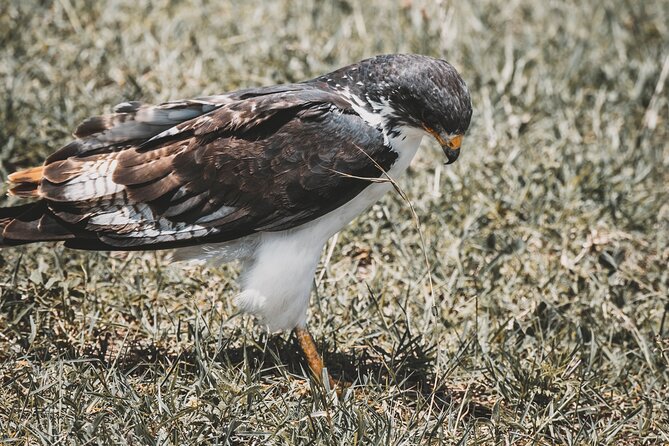
A safari vehicle is only part of the experience. The guide decides how much time to spend at a sighting, explains animal behavior, handles the route, and keeps the day moving when the roads are long.
This operator has used several named staff members. Noel has handled coordination from airport pickup through drop-off. Gilbert has supported planning by email, and guides named in past trips include Said and Elly. You may not receive a specific person, so ask at booking if a particular guide matters to you.
The strongest service detail is the attention to logistics. Past trips were organized around clear communication, and one departure received help when a guest became ill. That does not replace travel insurance or medical planning, but it suggests that the team understands that a safari is more than a series of park entrances.
You should still ask practical questions before departure: who will be your guide, how many people are joining, and what is the sleeping arrangement each night? Those answers can change the feel of the same four-day route.
Comfort, camping, and the pace of the road
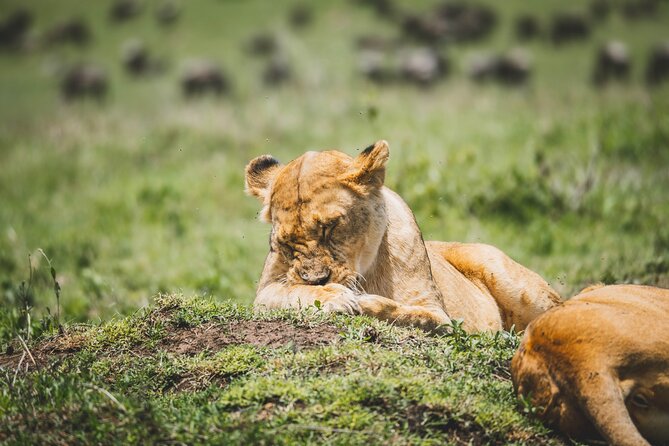
This is not a resort holiday. The trip is sold as camping, and the days include picnic lunches, early starts, and long transfers. That can be exactly what you want if you value time in the parks over polished accommodation.
The lodge reference on Day 1 creates some uncertainty. Fig Big Tree Lodge is named for the first night, while Day 3 is spent on the crater rim, but the exact properties and tent arrangements are not provided. I would ask for a night-by-night accommodation list, bathroom details, and whether camping equipment is supplied.
The group limit of four is a major comfort advantage inside the vehicle. You are still likely to spend much of the day seated and moving over uneven roads, so this trip suits people who can handle a full safari schedule. Most people can participate, and service animals are allowed according to the supplied details.
Arusha has public transportation nearby, but pickup is offered and the meeting time is 7:00 a.m. Confirm your pickup address and airport timing in advance. A safari that begins early is easier when you are not guessing where the vehicle will meet you.
How the trip handles wildlife expectations
No safari can promise a particular animal. Tarangire is strongly associated with elephants, Serengeti with the Great Migration and Big Five, and Ngorongoro with dense wildlife on the crater floor, but sightings vary.
The best approach is to think in terms of good settings rather than guarantees. Tarangire gives you strong elephant country and distinctive baobabs. Serengeti gives you enormous open space and a wide list of possible species. Ngorongoro gives you a concentrated final search.
Season matters, especially for the migration. The supplied information does not state a travel month, and the migration moves through different parts of the Serengeti during the year. If seeing wildebeest is your main goal, ask the operator where the herd is expected to be during your dates before you book.
Wet-season travel can sometimes make animals harder to spot, but it may still produce excellent viewing. A past departure during the wet season found the Big Five quickly, so I would not dismiss those months. I would simply book with realistic expectations and ask how current road conditions may affect the route.
Who should book this safari
I would recommend this trip to a first-time safari visitor who wants Tanzania’s headline parks in one compact route. It is also a good fit for a couple or small group that wants a lower-cost shared safari without joining a large vehicle.
You will get the most from it if you are comfortable with early mornings, picnic meals, changing accommodation, and several hours on the road. The route rewards curiosity and patience more than luxury.
I would hesitate if you want a slow trip with long stays at one camp, private transfers, or a guaranteed lodge standard. I would also reconsider if you have only one free day after returning to Arusha, since the final drive can make a tight flight connection unwise.
The high overall rating of 4.9 from nine ratings is encouraging, especially alongside repeated praise for organization, communication, and attentive staff. Still, nine ratings is a small sample. I would use that score as a positive signal, then make the final decision based on the accommodation answers, group size, guide assignment, and your tolerance for road time.
Should you book the four-day route?
Book it if you want a well-priced introduction to northern Tanzania and care more about park coverage than a leisurely camp stay. The combination of Tarangire, Serengeti, and Ngorongoro is hard to beat for a four-day schedule, and the included park fees, food, water, transport, and guiding protect you from many surprise costs.
Before booking, get the sleeping arrangements in writing and ask how the camping label fits with Fig Big Tree Lodge and the crater-rim night. Confirm the guide, pickup details, group size, and whether your travel dates line up with the wildlife you most want to see.
If those points suit you, this is a practical route with real variety and a strong chance of memorable wildlife viewing. If you prefer comfort and fewer driving hours, spend more time on fewer parks instead.
FAQ
Where does the safari start?
The safari starts in Arusha, Tanzania, with a listed start time of 7:00 a.m. Airport pickup and drop-off are included.
How many people can join the safari?
The maximum group size is four travelers.
Which parks are included?
The route includes Tarangire National Park, Serengeti National Park, and Ngorongoro Crater.
Are park fees included?
Yes. Park fees are included in the tour price, with Ngorongoro admission specifically listed as included.
What meals are provided?
The package includes four breakfasts, four lunches, and three dinners. Drinking water is provided on all days.
What is the cancellation policy?
You can cancel at least 24 hours before the experience start time for a full refund. Cancellations or changes made less than 24 hours before the start time are not accepted for a refund.
More four day trips in Arusha
- 4 Days Join Group tour Tarangire Serengeti and Ngorongoro crater
★ 5.0 · 219 reviews - 4-Day Safari from Arusha: Tarangire, Serengeti and Ngorongoro
★ 5.0 · 173 reviews - 4 Days safari Tour Tanzania
★ 5.0 · 159 reviews - 4 Days Tarangire Serengeti Ngorongoro Crater
★ 5.0 · 117 reviews
More camping safaris in Arusha
- 2 Days Tarangire and Ngorongoro Group Camping Safari
★ 5.0 · 146 reviews - 6 Days Tanzania Budget Camping Safari
★ 5.0 · 145 reviews - 3 Day Serengeti National Park & Ngorongoro Crater Camping Safari
★ 5.0 · 142 reviews - 3 Days Tarangire, Ngorongoro & Lake Manyara Group Camping Safari
★ 5.0 · 102 reviews
Newly listed around Arusha
- 5-Day Private Safari Tour in Tanzania’s Wildlife★ 5.0 · 3 reviews
- 3 Days private safari Tarangire ,Ngorongroro crater &Manyara★ 5.0 · 3 reviews
- 3 Day Sharing Safari – Manyara, Ngorongoro Crater and Tarangire National Parks★ 5.0 · 3 reviews
- Tarangire National Park Day Trip★ 5.0 · 3 reviews
- 2 Days Tarangire and Ngorongoro Crater Tour★ 5.0 · 3 reviews
- 6 -Day Tarangire, Manyara, Serengeti & Ngorongoro★ 5.0 · 3 reviews
- 5 Days Group Camping Safari★ 4.7 · 3 reviews
- Private 4×4 Vitara Safari in Arusha National Park★ 5.0 · 3 reviews
Serengeti & Ngorongoro Safaris, compared.


Balloon Safari & Bush Breakfast in Serengeti – Miracle Experience
Read our review →




Private 6-Day Tarangire Manyara Crater and Serengeti with Mid-Range Lodges
Read our review →
5 Days Camping Tarangire, Serengeti & Ngorongoro crater & Visiting Maasai
Read our review →Browse the lists this tour appears in