
Reviewed · MATERUNI WATERFALLS & COFFEE TOURS
Arusha: Coffee Plantation Tour with Tasting and Hands-On …
Coffee here is not just something poured into a mug. You’ll follow Tanzanian Arabica from fresh coffee cherry to roasted bean, with local farmers showing you how each stage works. Picking, pulping, drying, roasting, and tasting turn a familiar drink into a hands-on lesson in farm life.
I like two things right away: the tour lets you take part instead of simply watching, and the tasting gives you a clear way to compare roast styles. Guides including Maximilian and Oliver bring a friendly, personal touch, and the English-language explanations are practical. The main drawback is transport: the $60 price does not include getting from central Arusha to the farm.
Key points
- Coffee from tree to cup: Help with the steps that turn coffee cherries into drinkable beans.
- A real tasting session: Compare different roast profiles and notice changes in aroma and flavor.
- Local voices: Learn about farming, daily work, and sustainable growing from people connected to the plantation.
- Clock Tower meeting point: Start in central Arusha, then arrange onward transport with the guide.
- Optional nature outing: Add hills and waterfalls to the coffee visit if you want a more active morning.
- A compact half-day: The experience takes about 3.5 hours, with snacks and refreshments included.
Coffee farming begins outside Arusha
The tour starts at Arusha’s Clock Tower, a handy central landmark. You’ll meet the guide near the base of the tower, where the tour sign should make the meeting point easy to spot. Many city hotels are within walking distance, and parking is available nearby if you are driving.
From there, the guide helps arrange transport to the coffee plantation. This is an important practical detail. Transport to and from the farm is not included, so ask about the arrangement and cost before you set out. The meeting point is convenient, but the farm itself is not presented as being within walking distance of central Arusha.
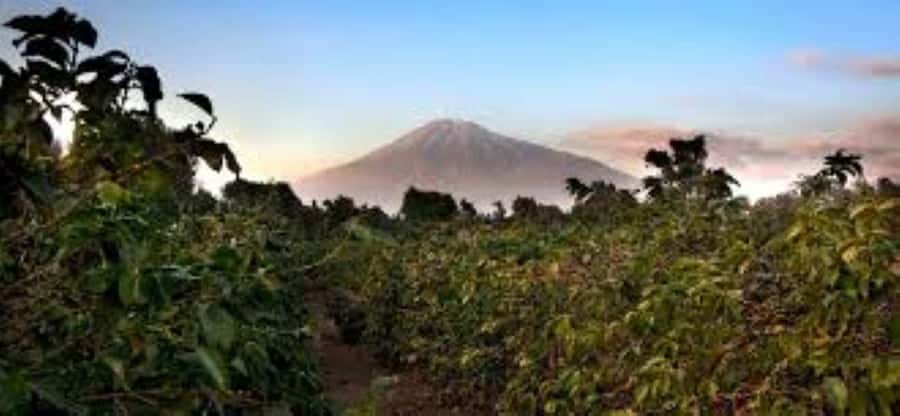
Once you reach the plantation, the setting changes from city streets to green fields and coffee trees. The tour is built around walking, so wear shoes that can handle uneven farm paths. A hat, sunscreen, water, and a camera are sensible additions, especially if you choose the optional hill and waterfall walk.
The exact order of activities may vary, but the experience lasts about 3.5 hours, with the full visit described as roughly three to four hours. That makes it a useful choice before an afternoon appointment, though you should allow extra time for transport back to Arusha.
More Materuni waterfall and coffee days:
- Materuni Waterfalls, coffee tour & Kikuletwa Hot Springs
★ 5.0 · 643 reviews - Materuni Waterfalls & Chemka Hotsprings Day Trip
★ 5.0 · 214 reviews - Materuni waterfalls coffee tour & Chemka hot springs Day trip
★ 5.0 · 131 reviews
Seeing coffee before it reaches the cup
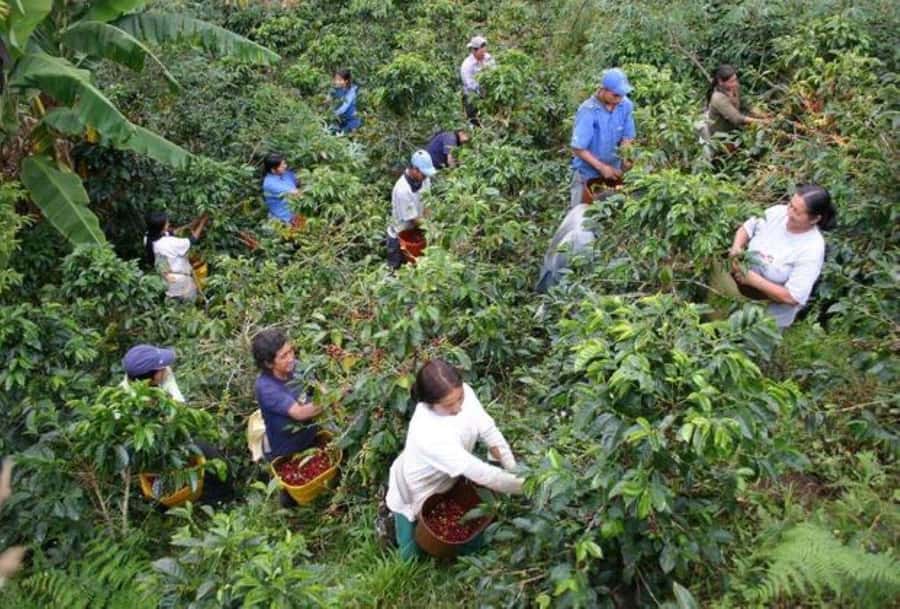
The first major lesson is cultivation. You’ll walk among coffee plants and learn how the crop is grown and harvested. This is more useful than a quick explanation over a finished cup because you can connect the plant, the cherry, and the final bean in one visit.
Local farmers explain their work and the role of sustainable farming practices. The information is not limited to machinery or production. You’ll also hear about life on the plantation and the care needed to produce quality coffee.
The visit suits people who enjoy food and drink with a sense of place. Coffee is a major part of daily routines around the world, but the farm visit shows the amount of work hidden behind a simple morning brew. I like that the tour keeps this connection clear without requiring specialist coffee knowledge.
You do not need to arrive knowing the difference between roast profiles or processing methods. The guide leads you through the process in a straightforward way, and the hands-on portions give you something concrete to remember.
Picking and processing the coffee cherries
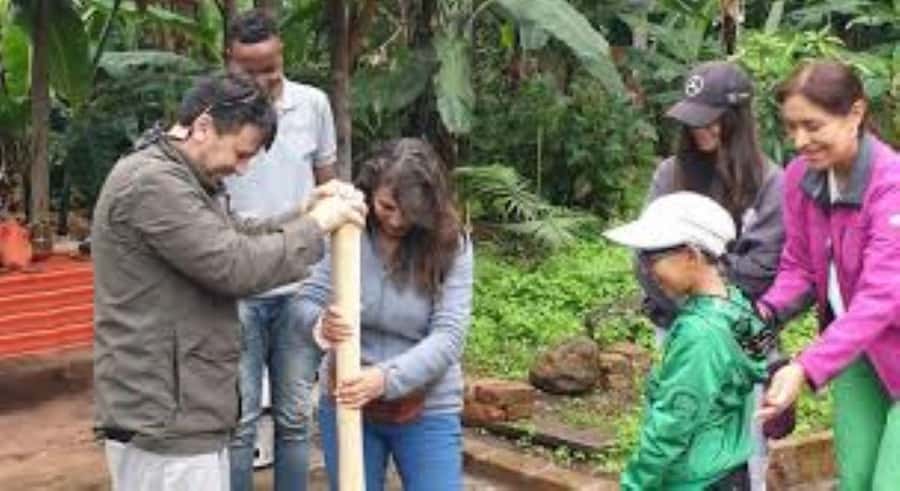
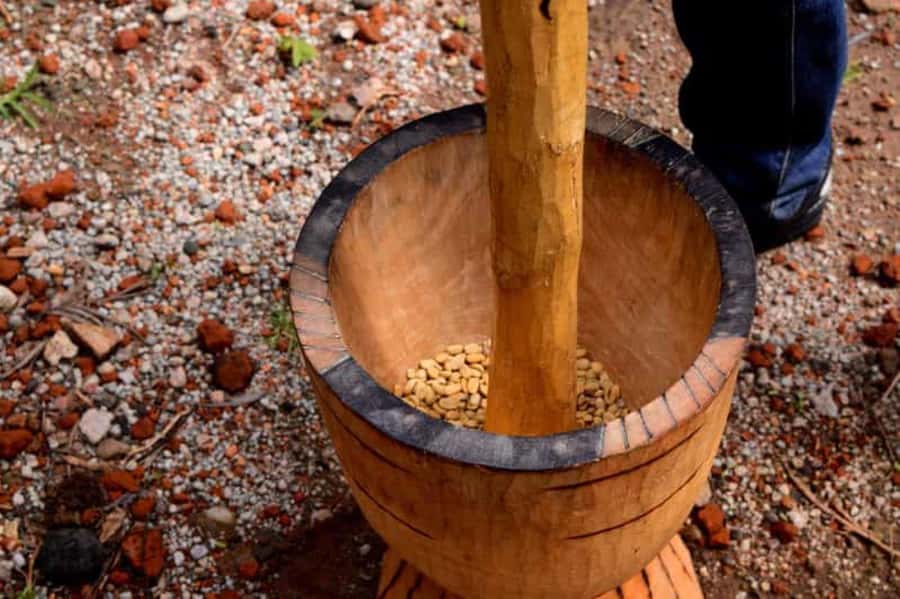
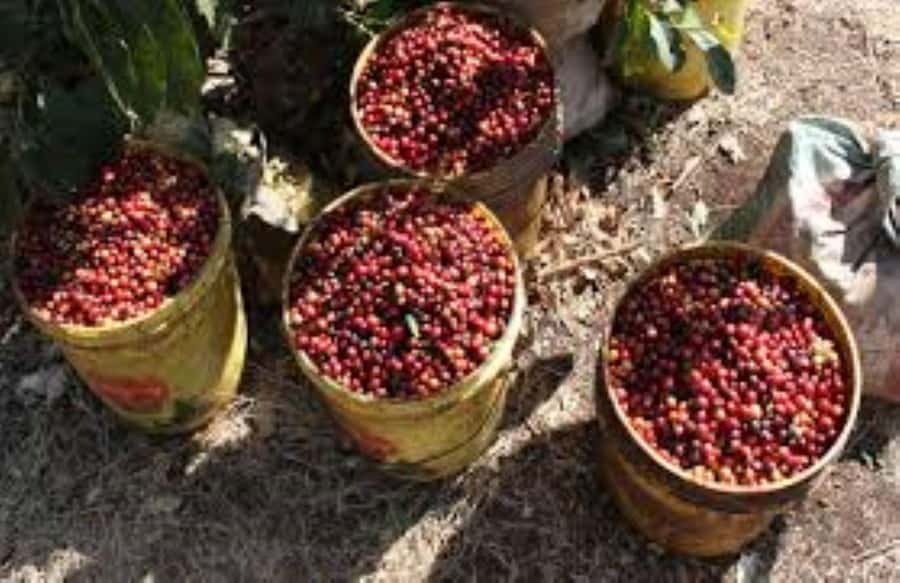
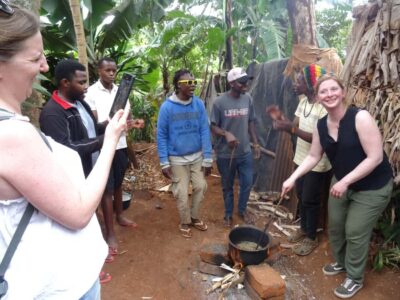
The most distinctive part of the experience is the chance to take part in coffee processing. You may help pick fresh cherries, then follow the stages of pulping, drying, and roasting.
This matters because the tour does not treat the plantation as a backdrop for photographs. You handle the process yourself, guided by the farmers. That makes the lesson easier to understand and gives the visit a stronger connection to the people doing the work.
The tour information does not specify how much time is spent at each stage or exactly which equipment you will use. You should expect a practical introduction rather than a professional coffee-production course. Still, for most people, seeing the sequence from fruit to bean will be enough to change how they look at their next cup.
The pace should also work well for mixed groups. Coffee enthusiasts can ask about flavor and roasting, while curious first-time visitors can focus on the basic steps. English is the stated tour language, and the guides are described as engaging and pleasant. Maximilian and Oliver are named as part of the guiding team, with Max also noted for his professional approach.
Tasting Tanzanian coffee by roast profile
After the farm work comes the part many people are waiting for: the tasting. You’ll try freshly brewed coffee with different roast profiles and learn how to notice changes in aroma and flavor.
The tasting is not simply a final drink. It introduces the basics of coffee tasting, helping you compare cups rather than swallowing one and moving on. You can pay attention to the smell first, then the taste and the way the roast changes the character of the coffee.
The experience focuses on Tanzanian Arabica, so this is a good place to ask questions about what you have seen on the plantation. The supplied information does not identify the number of coffees served, the brewing equipment, or whether beans are available to buy. Do not assume those extras are part of the $60 price.
I especially like the link between the hands-on work and the tasting. You first see the crop, then help process it, and finally sample the result. That sequence gives the tasting more meaning than a stand-alone coffee stop.
Snacks and refreshments are included, which is helpful during a morning spent walking and working outdoors. They should not be treated as a full meal, so eat beforehand if you need a substantial breakfast or lunch.
More coffee stops in Tanzania:
- Materuni Waterfall, Coffee Tour and Picnic Hot Lunch
★ 5.0 · 128 reviews - Maasai village visit, Materuni waterfalls & coffee experience
★ 4.5 · 95 reviews - Materuni Waterfalls & Coffee Tour from Moshi
★ 5.0 · 92 reviews - Arusha or Moshi : Hot Spring, Waterfall & Coffee Farm Tour
★ 4.8 · 80 reviews
Adding hills and waterfalls to the coffee visit
You can choose to explore the surrounding hills and waterfalls during the outing. This optional scenic walk adds a nature element to a tour that already includes plenty of time outdoors.
The available information does not give the hike’s distance, elevation, or waterfall conditions. That means you should ask the guide about the day’s route if walking ability is a concern. Sturdy shoes are advised, and people with back problems are specifically told that the activity may not be suitable.
For an active morning, the optional walk can make the $60 feel stronger in value. You are not paying only for a tasting room session. You get a plantation visit, practical instruction, food and drink, and the possibility of extra scenery.
On the other hand, do not book this mainly as a hiking tour. Coffee is the central activity, and the hill and waterfall section is optional. If you want a longer or more demanding trek, this experience may not provide enough detail or time for that purpose.
What the $60 price really covers
At $60 per person, this is not the cheapest way to drink coffee in Arusha. The value comes from the combination of a guided farm visit, direct instruction, hands-on processing, tasting, refreshments, and access to local knowledge.
I would compare it with the cost of arranging a plantation visit on your own. A solo visit may not include a guide who can explain the whole process or let you participate at each step. Here, the experience is packaged into a short half-day, which is useful if your Arusha schedule is already full.
The price becomes less attractive if you need to add expensive private transport from the city. Since transportation is not included, confirm the arrangements before booking. The Clock Tower meeting point helps, but it does not remove the need to plan the transfer to the farm.
The strongest value is for someone who wants context, not just coffee. If you only want a cup and a scenic photo, a café will cost less. If you want to understand how coffee is grown, processed, and roasted while meeting people connected to the work, the price is easier to justify.
Who will enjoy this morning most
This tour fits coffee fans, food-minded visitors, and anyone curious about Tanzanian traditions. It also works well for people who want a quieter cultural activity between safari plans or city sightseeing.
You’ll get the most from it if you are willing to walk, ask questions, and take part. The best moments are likely to come from the simple tasks: handling coffee cherries, watching the processing stages, and comparing the finished brews.
Nature lovers have another reason to consider it, thanks to the optional hills and waterfalls. The plantation setting and scenic walk provide more variety than a classroom-style coffee talk.
This is less suitable if you need step-free access or have difficulty walking on farm paths. Wheelchair users are specifically excluded, and babies under one year are not considered suitable for the activity. People with back problems should also choose carefully.
The tour is offered in English. If you need another language, the available information does not indicate that one is offered.
The guides make the lesson personal
The human side of this tour is one of its best features. You are not left to work out the coffee process from signs or displays. Local farmers explain the work, while guides such as Maximilian, Oliver, and Max help shape the visit.
The strongest praise is directed at the staff’s warmth, professionalism, and ability to explain the process clearly. That fits the structure of the activity. Coffee production involves several steps, and a good guide can turn those steps into a story you can follow.
You should expect a friendly experience rather than a formal lecture. The tone appears to be relaxed, with room to ask questions and join in. This is particularly useful if you have never visited a coffee farm before.
Still, guide quality can vary with the day and the assigned team. The names connected with the experience give you useful points of reference, but they do not guarantee that every booking will include the same person. Focus on the activity itself as well as the staff.
Practical planning for the farm
Wear comfortable clothing and sturdy shoes. Farm paths can be less even than city pavements, and the optional walk may require more effort than the plantation section.
Bring a hat, sunscreen, water, and a camera. Smoking is not allowed. Snacks and refreshments are included, but you should not rely on them as a full meal.
Plan your meeting carefully. The Clock Tower is easy to find in central Arusha, and the guide should be holding a sign with the tour name near the tower’s base. If you choose a transport option, pickup details for central Arusha hotels are provided in the booking confirmation.
Free cancellation is available up to 24 hours before the start time, and you can reserve now and pay later. Those terms are useful if your safari schedule may change, but they do not solve the transport question. Confirm where the farm is, how you will get there, and what time you need to return.
Should you book this Arusha coffee tour?
Book it if you want to meet the people behind Tanzanian coffee and take part in the work from cherry to cup. The guided processing, tasting, snacks, and optional nature walk offer a well-filled half-day, especially for coffee lovers and curious first-time visitors.
Think twice if you want a quick city activity, need wheelchair access, dislike walking, or expect transport to be included. Also ask about the farm transfer before paying, since that extra cost affects the total value.
For most able-bodied visitors with a free morning in Arusha, I would consider this a strong choice. The combination of practical work, local guidance, and tasting gives you something more lasting than a café stop. You leave with a better idea of why that everyday cup takes so much effort.
FAQ
Where does the tour begin?
It begins at the Clock Tower in central Arusha. Look for the guide holding a sign with the tour name near the base of the tower.
How long does the activity last?
The tour lasts about 3.5 hours. The expected duration is generally three to four hours.
Is transportation to the coffee farm included?
No. Transportation to and from the coffee farm is not included. The guide helps arrange transport from the Clock Tower, and hotel pickups from central Arusha may be available with details in the booking confirmation.
What is included in the price?
The price includes a guided tour with a local expert, hands-on coffee processing, a coffee tasting session, refreshments, and snacks.
What language is the tour offered in?
The live tour guide speaks English.
Can I take part in coffee processing?
Yes. The activity includes hands-on work with coffee, including the stages of picking cherries, pulping, drying, and roasting.
Is the coffee tasting included?
Yes. A tasting session with different roast profiles is included.
Is the hill and waterfall walk required?
No. Exploring the surrounding hills and waterfalls is an optional part of the experience.
What should I bring?
Bring comfortable shoes, a hat, a camera, sunscreen, and water. Sturdy footwear is recommended for the farm and optional walk.
Is the tour suitable for everyone?
It is not suitable for wheelchair users, people with back problems, or babies under one year. The activity involves walking and farm visits.
More workshops and classes in Tanzania
- Zanzibar Cooking Class & Spice Tour
★ 4.5 · 77 reviews - Zanzibar: Spice Farm Tour with Traditional Cooking Lesson
★ 4.8 · 77 reviews - Half-Day Kuza Cave Swimming Adventure and Cooking Class
★ 4.5 · 44 reviews - NGO Lifted Strong – Traditional Tanzanian Cooking Class
★ 5.0 · 39 reviews
More Food Tours in Tanzania
- Stonetown: Food Markets and Street Food Walking Tour
★ 4.7 · 151 reviews - Authentic Street Food Tours in Stone Town, Zanzibar
★ 5.0 · 46 reviews - Arusha: Traditional Tanzania Cooking Class & Food Market Tour
★ 5.0 · 34 reviews - Organic Coffee Tour and Local Food Experience in Arusha
★ 5.0 · 29 reviews
Newly listed around Tanzania
- Prison Island, Sea Turtles, Rock Restaurant & Relax in Beach★ 4.6 · 3 reviews
- 5-Day Private Safari Tour in Tanzania’s Wildlife★ 5.0 · 3 reviews
- Zanzibar: Nungwi/Kendwa Beach Sunset Dhow Cruise with Fruits★ 3.4 · 3 reviews
- Starfish Beach; The Rock; Kuza Cave; Paje Beach; Salaam Cave Tour★ 4.5 · 3 reviews
- Climb Mount Kilimanjaro: 7 Days Machame Route★ 5.0 · 3 reviews
- 3 Days private safari Tarangire ,Ngorongroro crater &Manyara★ 5.0 · 3 reviews
- 3 Day Sharing Safari – Manyara, Ngorongoro Crater and Tarangire National Parks★ 5.0 · 3 reviews
- Mikumi Np Mid Range Tour 3 Days★ 5.0 · 3 reviews
Materuni Waterfalls & Coffee Tours, compared.


Materuni waterfalls coffee tour & Chemka hot springs Day trip
Read our review →

Maasai village visit, Materuni waterfalls & coffee experience
Read our review →

Browse the lists this tour appears in