
Reviewed · SERENGETI & NGORONGORO SAFARIS
4 Days Tarangire, Serengeti, Ngorongoro Group Camping Safari
The appeal here is simple: in four days, you reach three of Tanzania’s best wildlife areas, from Tarangire’s elephant herds to the Serengeti plains and the wildlife-packed Ngorongoro Crater. You sleep at camps rather than returning to a lodge each night, so the bush is part of the experience, not just scenery outside a vehicle window.
I like the small group size, limited to six people, and the fact that meals, park fees, water, transport, and an English-speaking guide are included. I also like the chance to see the Big Five in one short trip. Guides Steve and Anthony have earned especially warm praise for safe driving, cheerful company, and strong game-spotting skills.
The trade-off is comfort. This is a busy four-day route with long drives, rough tracks, early starts, and camping. One poor report focused on the condition of a vehicle, so I would confirm the safari vehicle and camping setup before paying. The 10-kilogram luggage limit also calls for careful packing.
Key points at a glance
- Tarangire begins with elephants and baobabs: The park gives you a strong first game drive, with large elephant groups and striking old trees.
- The Serengeti takes you far from town life: Expect broad plains, an afternoon game drive, and a sunrise outing when predators may be active.
- Ngorongoro Crater packs wildlife into one volcanic bowl: The final game drive offers a good chance to see many species, including the Big Five.
- Camping keeps the trip close to nature: You spend nights at camps in or near the parks, with the sounds of the wild around you.
- Small groups make a difference: With no more than six participants, you have a better chance of a clear view from the vehicle and easier communication with your guide.
- Cold nights and strict luggage rules matter: Pack warm layers, neutral clothing, mosquito repellent, and a soft duffel bag.
A fast route through three famous parks
This safari is designed for people who want a concentrated look at northern Tanzania without spending a week on the road. You start and finish in Arusha, with four days devoted to Tarangire National Park, Serengeti National Park, and Ngorongoro Crater.
At $1,150 per person, the price covers the major working parts of a safari: a 4×4 vehicle, park entry fees, an English-speaking guide, meals, accommodation, and mineral water. That makes the cost easier to judge than a bare transport package. You are not adding park fees and food to a low headline price later.
Still, four days is tight. You get a taste of each area rather than a slow, settled stay in one park. The long transfer between Tarangire and Serengeti also means part of Day 2 is spent on the road. I would choose this trip for variety and value, not for a leisurely pace.
The group cap of six is a useful middle ground. A private safari offers more control, but usually costs more. A large vehicle filled with people can make wildlife viewing awkward. Here, the smaller format should make it easier to ask questions, change seats, and share good sightings without too much elbow work.
More Serengeti and Ngorongoro itineraries:
- Serengeti Balloon Safari and authentic bush breakfast
★ 5.0 · 2,480 reviews - Balloon Safari & Bush Breakfast in Serengeti – Miracle Experience
★ 5.0 · 1,646 reviews - 3 Days Serengeti & Ngorongoro Group Camping Safari
★ 5.0 · 574 reviews
Day 1: Tarangire brings the first elephants
Your day begins with an early pickup in Arusha and a drive toward Tarangire. The early start is not a minor detail. It gives you more time in the park and puts you out among the animals before the day’s full heat.
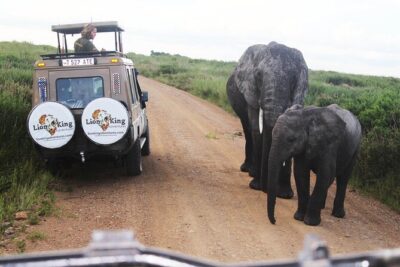
Tarangire is known for large elephant groups and its unusual baobab trees. These trees give the park a look of its own, different from the open grassland images most people associate with the Serengeti. Your first game drive takes place after entering the park, followed by lunch and another game drive in the afternoon.
I like this opening because it gives you an immediate wildlife setting rather than using the first day only as a transfer. Elephants are often the visual star here, but the point is also to start learning how a game drive works: how to scan the bush, read animal behavior, and listen to your guide’s explanations.
The afternoon outing adds useful time in the park, but it also makes Day 1 long. After leaving Arusha early, you will spend much of the day in the vehicle. This is a good time to use the supplied water, keep your camera ready, and avoid overpacking your expectations. Wildlife is never a stage show.
You then spend the night at a camp in the Tarangire area. The attraction is the setting. You are not simply checking into a city hotel after a park visit. You sleep close to the park environment, with the night sounds and open-air feeling that make camping memorable.
Day 2: The road to Serengeti
After breakfast, you set off for Serengeti National Park. This is the most demanding transfer of the four days, but it is also part of the appeal. Tanzania’s scenery changes as you travel, and the road connects two very different wildlife areas.
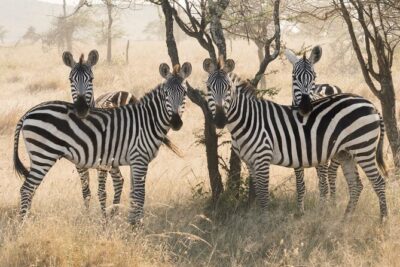
The Serengeti is the name that carries the most weight, and for good reason. Its broad plains are linked with lions, cheetahs, zebras, and the Great Migration. Your afternoon game drive gives you your first look at this huge park and its open spaces.
Do not expect every minute to bring a close animal sighting. The Serengeti is vast, and its scale can make wildlife feel spread out. That size is precisely what makes the place special, but it can also mean long stretches of driving between sightings. Your guide’s ability to spot movement and explain what you are seeing matters a great deal.
The camping night in the Serengeti is one of the trip’s defining features. You are surrounded by the sounds of the African wilderness rather than insulated from it. This is not the right choice if you want polished rooms and guaranteed quiet. It is a good choice if you enjoy the sense that the park day continues after sunset.
One useful detail comes from the food service. A personal chef prepared three meals a day for one recent group, and the food received strong praise. Meals are included, so you avoid having to arrange food between game drives. I would still ask the operator exactly what style of camping and dining is planned, since the supplied details do not describe the tents, beds, bathrooms, or cooking arrangements.
Day 3: Sunrise wildlife, then the crater rim
Day 3 begins with an early sunrise game drive in the Serengeti. This is arguably the best-timed outing of the route. The plains wake up, and predators may still be active before the day becomes hot. You also get a different view of the park than on the previous afternoon.
After the drive, you return to camp for lunch before traveling toward Ngorongoro. This timing gives you a final Serengeti outing without sacrificing the transfer to the crater area.
The journey to Ngorongoro is scenic, but this is another road-heavy section. You should be comfortable spending several hours in a safari vehicle over a short trip. The vehicle condition matters here. One very poor account specifically complained about the car, while other accounts praised safe driving on rough roads. That contrast is a clear reason to ask about the vehicle before departure.
You spend the night at a camp near the crater. The schedule does not promise a major evening activity, so treat this as a chance to rest, eat, organize your camera, and prepare for an early final day. Bring a warm sweater and jacket. Night temperatures can fall to about 5 degrees Celsius, which feels especially cold after a dusty day in the sun.
More camping safaris in Tanzania:
- 4 Days Group Camping Safari
★ 5.0 · 1,101 reviews - 5 Days Group Camping Safari
★ 5.0 · 730 reviews - 2 Days Tarangire and Ngorongoro Group Camping Safari
★ 5.0 · 146 reviews - 6 Days Tanzania Budget Camping Safari
★ 5.0 · 145 reviews
Day 4: Ngorongoro Crater’s concentrated wildlife
The final morning takes you down into Ngorongoro Crater for a game drive. The crater is a UNESCO World Heritage site and a volcanic caldera with a high concentration of wildlife. Its enclosed form gives the day a different feel from the open Serengeti.
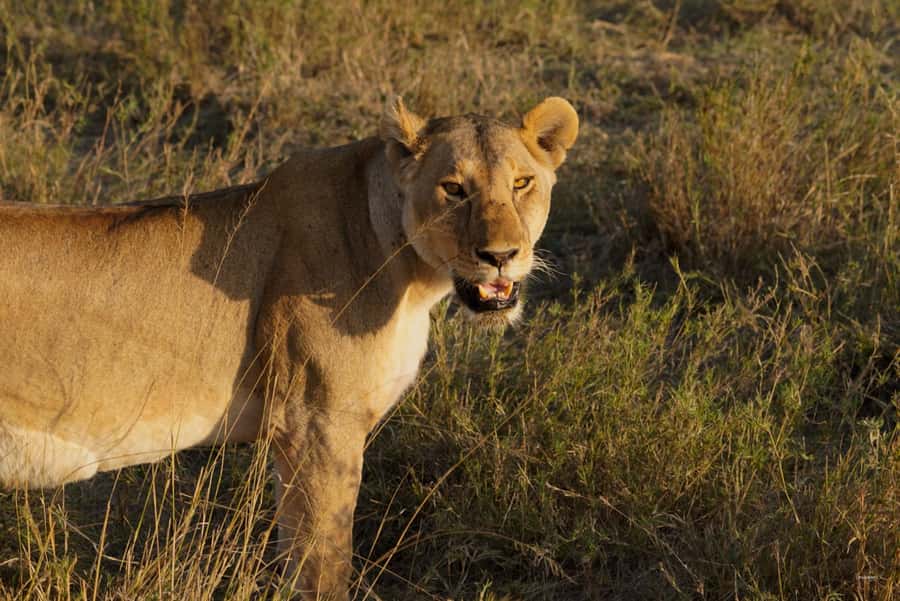
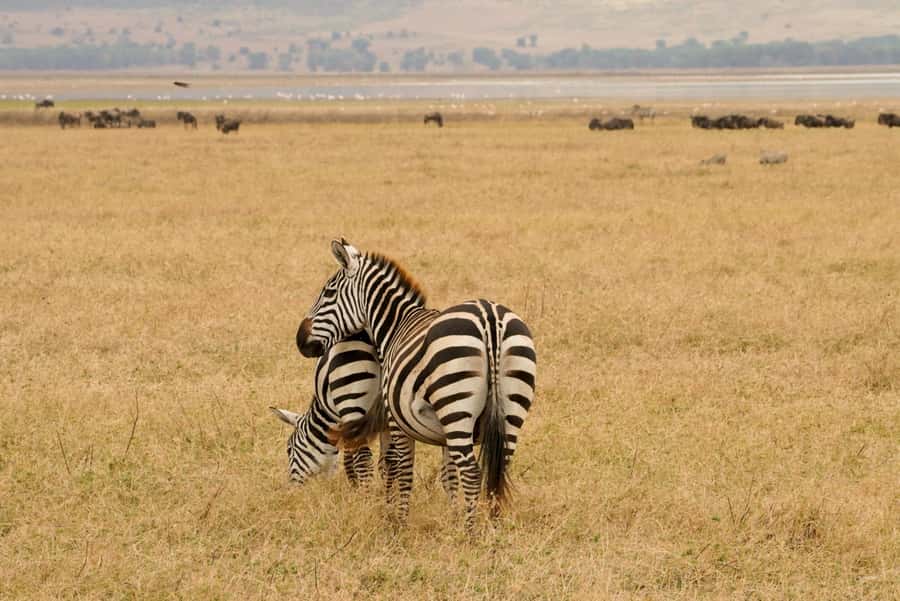
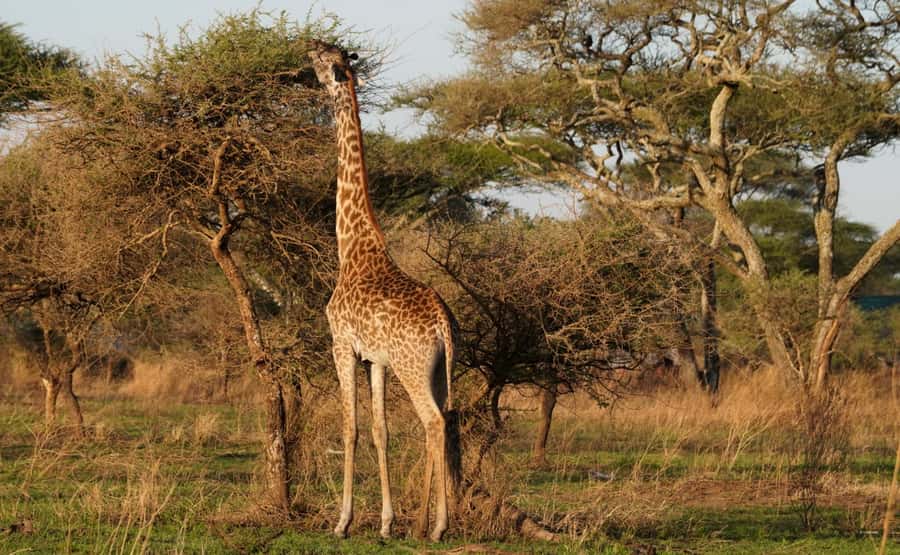
This is the part of the trip with one of the strongest chances for varied wildlife in a compact area. The planned sightings include the Big Five, along with other animals you may encounter during the drive. You might see lions, elephants, zebras, and giraffes, but no responsible safari can promise a particular animal on a particular morning.
After the crater drive, you climb back to the rim and return to Arusha, arriving in the afternoon. That makes the safari workable for a continuing trip from Arusha, but you should avoid booking a tight onward flight or fixed appointment. The route includes park roads and long drives, so an exact arrival time is not guaranteed by the information provided.
The crater is an excellent finale because it gives you one last concentrated wildlife session before the journey ends. The drawback is that the drive back to Arusha follows a full morning in the crater. You will probably be tired by the time you arrive, even if the wildlife has made the fatigue worthwhile.
Camping, meals, and the practical side
Camping is central to the character of this safari. You stay under the stars in remote settings, including the Serengeti and near Ngorongoro. That brings a sense of closeness to the parks that a standard hotel cannot offer.
It also means you should set your comfort expectations carefully. The supplied information does not specify tent size, mattresses, showers, toilets, electricity, or whether staff set up camp for you. Ask those questions before booking if any of them affect your decision.
Meals are included throughout the safari, and the strongest food praise came from a group whose chef prepared breakfast, lunch, and dinner each day. That is a genuine benefit on a route with long drives. You do not have to search for restaurants in remote areas, and you can spend more time on the park schedule.
Mineral water is included. Bring your own reusable bottle if you have one, but confirm the operator’s current water arrangement before departure. The information specifically recommends mosquito repellent with a high mint concentration, so pack repellent rather than hoping to buy it on the road.
Neutral clothing is advised. White, beige, and green are better choices than bright colors. Pack a warm sweater, socks, and a jacket for the cold nights, along with light clothing for warmer daytime hours. Keep your main bag to 10 kilograms and use a soft duffel rather than a hard suitcase. Extra luggage can be stored at your hotel in Arusha.
Binoculars will improve the experience. The guide has one pair to share in the vehicle, but with up to six people, you may not always have it when an animal appears. If you own binoculars, bring them.
Guides and vehicle standards
The guide can make or break a safari. You spend many hours together, and the guide controls the pace, explains animal behavior, and handles the rougher roads.
Steve received praise for being friendly and helping create a strong safari, including a trip where the Big Five were seen. Anthony was described as cheerful and capable on difficult tracks. These details suggest the human side of the experience can be a real strength, but guide assignments may change, so do not assume you will receive one particular person unless the company confirms it.
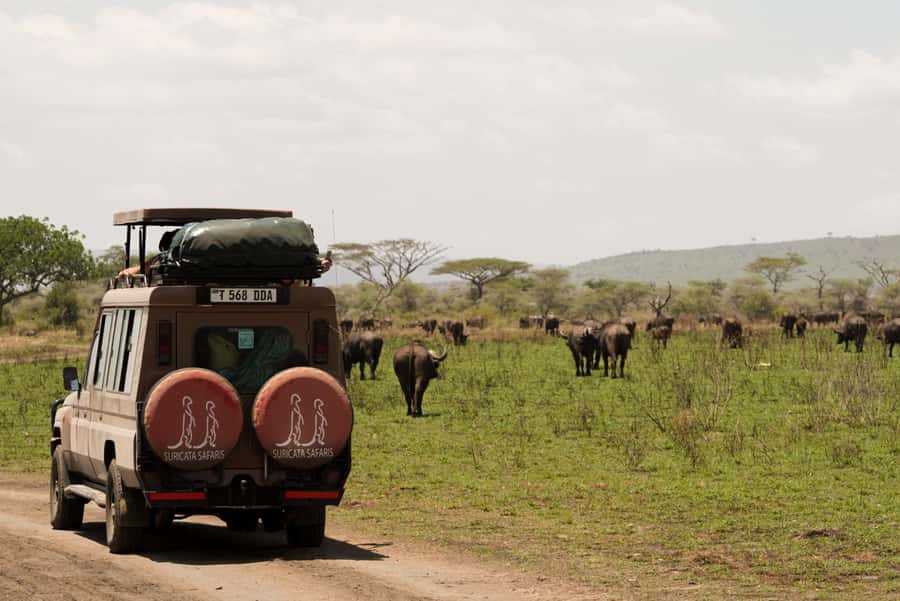
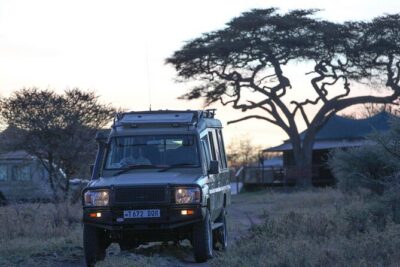
The vehicle deserves equal attention. Most of the supplied feedback is strongly positive, including praise for safe driving, but one account called the car terrible. That is too specific to ignore. Before booking, ask how old the safari vehicle is, how many seats it has, and what happens if a mechanical problem occurs.
The guide will have binoculars, and the vehicle is a 4×4 built for safari roads. Even so, rough tracks can be hard on your back. This trip is not suitable for people with back problems or wheelchair users. It is also not suitable for babies under one year or people over 95.
Is $1,150 a fair price?
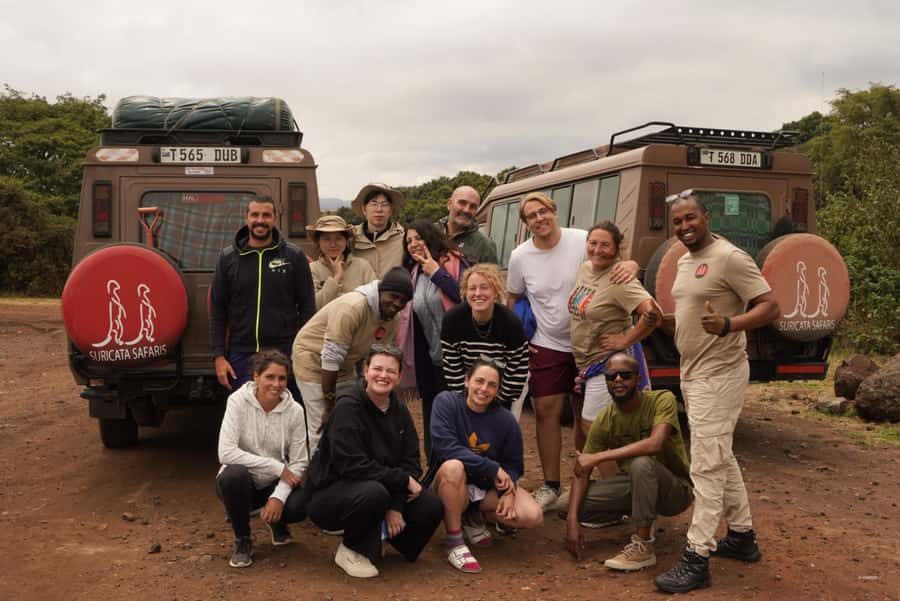
The price is reasonable on paper because it includes park fees, transport, accommodation, food, water, and a professional English-speaking guide. Park entry fees alone can make northern Tanzania safaris costly, and covering three major areas in four days gives you a lot of geographic range.
The value is strongest if you want a first safari with the major sights included. You avoid arranging separate transfers, park tickets, meals, and camps. A group of six also helps keep the price below a private safari rate.
The value is weaker if you want more time in each park or higher-end accommodation. You pay for movement between famous sites, and two of the four days include substantial driving. Camping is also a budget choice compared with lodges, although it can be the more memorable choice for the right person.
Check the final payment carefully if you book through an intermediary. One complaint reported a large difference between the amount charged through a booking platform and the lower amount said to be charged by the safari company. I cannot verify the circumstances, but it is sensible to compare the total price and ask who is operating the trip.
The booking terms are flexible: you can cancel up to 24 hours before departure for a full refund, and reserve now while paying later. That helps if your Tanzania plans are still shifting.
Who should choose this safari?
I would recommend it to a first-time safari visitor who wants Tarangire, Serengeti, and Ngorongoro in one compact trip. It suits people who value wildlife time and local guiding more than private bathrooms or a slow daily rhythm.
It is also a good fit for solo bookers, couples, and friends who like the social side of a small group. A six-person maximum keeps the shared vehicle manageable.
I would not choose it for a person who dislikes rough roads, cold nights, early departures, or uncertain wildlife sightings. It is also a poor match for anyone needing wheelchair access or avoiding vehicle travel because of back problems.
Follow the park rules closely. Do not feed animals, touch them, or wear bright colors. These instructions are basic, but they protect both you and the wildlife.
Should you book it?
Book this safari if you want a focused, active introduction to northern Tanzania and you are comfortable with basic camping. The route gives you elephants in Tarangire, the wide Serengeti, a sunrise game drive, and Ngorongoro’s concentrated wildlife in just four days.
Before paying, confirm the vehicle condition, exact camping facilities, luggage arrangements, and who operates the trip if you are using a third-party booking site. If those details check out, $1,150 is a solid package price for a small group with park fees and meals included. If you want more comfort or less time on the road, spend more days and choose a slower itinerary.
FAQ
Where does the safari start and finish?
The safari starts and ends in Arusha, Tanzania. Pickup is included, with a company representative meeting you at your hotel reception and holding a sign with your name.
Which parks are included?
The route includes Tarangire National Park, Serengeti National Park, and Ngorongoro Crater.
How many people are in the group?
The group is limited to six participants.
What is included in the $1,150 price?
The price includes 4×4 safari transportation, an English-speaking guide, park entrance fees, mineral water, accommodation, and meals during the safari.
What should I pack?
Pack neutral-colored clothing, a warm sweater, socks, a jacket, mosquito repellent, and binoculars if you have them. Luggage is limited to 10 kilograms per person, and soft duffel bags are recommended.
Can I cancel or pay later?
You can cancel up to 24 hours in advance for a full refund. The reserve-now, pay-later option allows you to book without paying immediately.
More four day trips in Tanzania
- 4 Days Join Group tour Tarangire Serengeti and Ngorongoro crater
★ 5.0 · 219 reviews - 4-Day Safari from Arusha: Tarangire, Serengeti and Ngorongoro
★ 5.0 · 173 reviews - 4 Days safari Tour Tanzania
★ 5.0 · 159 reviews - 4 Days Tarangire Serengeti Ngorongoro Crater
★ 5.0 · 117 reviews
More Safaris in Tanzania
- From Zanzibar: Mikumi Safari Day Trip with Flights and Meal
★ 4.7 · 1,470 reviews - From Zanzibar: Day Selous Game Reserve Safari with Flights
★ 4.7 · 1,025 reviews - 7-Day Premium Luxury Tanzania Safari All-Inclusive
★ 5.0 · 426 reviews - Zanzibar: Safari Blue Lagoon Trip with Snorkeling and Lunch
★ 4.5 · 336 reviews
Newly listed around Tanzania
- Prison Island, Sea Turtles, Rock Restaurant & Relax in Beach★ 4.6 · 3 reviews
- 5-Day Private Safari Tour in Tanzania’s Wildlife★ 5.0 · 3 reviews
- Zanzibar: Nungwi/Kendwa Beach Sunset Dhow Cruise with Fruits★ 3.4 · 3 reviews
- Climb Mount Kilimanjaro: 7 Days Machame Route★ 5.0 · 3 reviews
- Starfish Beach; The Rock; Kuza Cave; Paje Beach; Salaam Cave Tour★ 4.5 · 3 reviews
- 3 Days private safari Tarangire ,Ngorongroro crater &Manyara★ 5.0 · 3 reviews
- 3 Day Sharing Safari – Manyara, Ngorongoro Crater and Tarangire National Parks★ 5.0 · 3 reviews
- Mikumi Np Mid Range Tour 3 Days★ 5.0 · 3 reviews
Serengeti & Ngorongoro Safaris, compared.
Balloon Safari & Bush Breakfast in Serengeti – Miracle Experience
Read our review →
Private 6-Day Tarangire Manyara Crater and Serengeti with Mid-Range Lodges
Read our review →
5 Days Camping Tarangire, Serengeti & Ngorongoro crater & Visiting Maasai
Read our review →Browse the lists this tour appears in