
Reviewed · STONE TOWN TOURS
Zanzibar: 3 Hours Private Stone Town walking Tour with Guide
Stone Town makes the most sense on foot, especially when a guide explains why an ornate door, shaded balcony, or rough old wall matters. This private three-hour walk brings together the city’s Swahili, Arab, Indian, European, and Portuguese influences, with stops at the former Slave Market, Darajani Market, the Sultan’s Palace, the Old Fort, and Freddie Mercury’s birthplace.
I like the personal format and the way guides such as Khameez, Mau, and Kassim adjust the pace for questions, photographs, children, or souvenir stops. I also like the direct look at Zanzibar’s slave-trade past, followed by the everyday life of the market and a coffee at Jaws Corner or Zanzibar Coffee House.
The main consideration is that three hours is a tight window for so many stops. Admission fees are extra, some buildings may look worn, and the route can vary with market conditions, weather, closures, or your interests.
Key points to know before you book
- The former Slave Market gives the tour its most serious purpose, with the Anglican Cathedral now occupying the site.
- Darajani Market brings you into present-day Zanzibar, with spices, produce, fish, meat, and local shopping.
- The private group format lets you shape the walk, rather than following a fixed large-group pace.
- Stone Town’s doors and narrow lanes are major attractions, not just the streets between monuments.
- Guides are praised for clear storytelling and flexibility, with English, French, German, Spanish, Italian, Arabic, Polish, Portuguese, and Chinese available.
- The $24 price is strong value, but the Slave Market and Freddie Mercury Museum cost extra, and hotel transfers outside Stone Town require a request.
Why Stone Town is best understood one street at a time
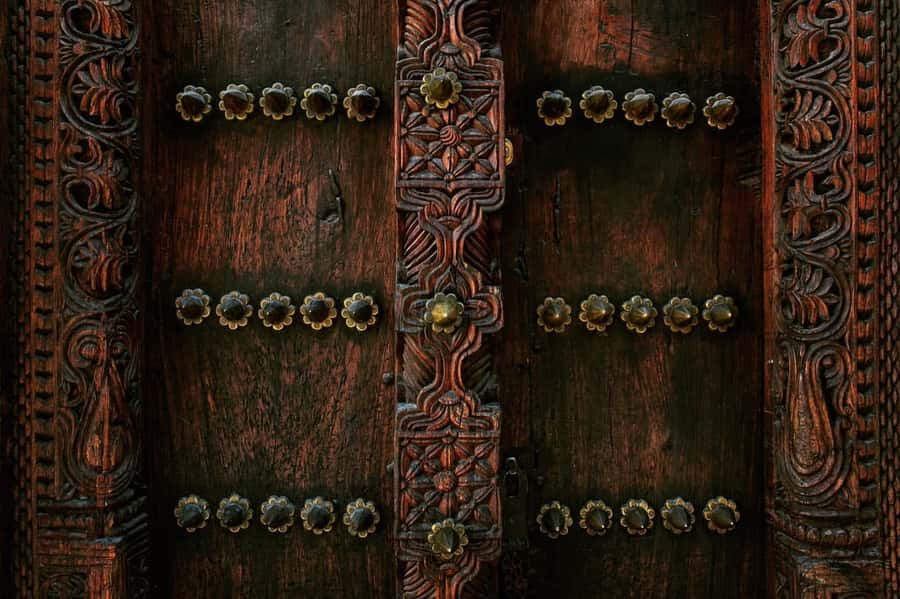
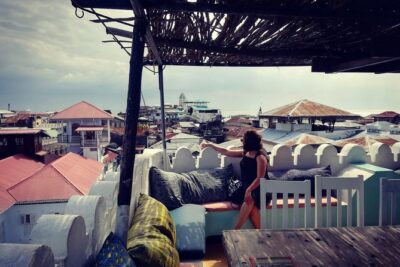
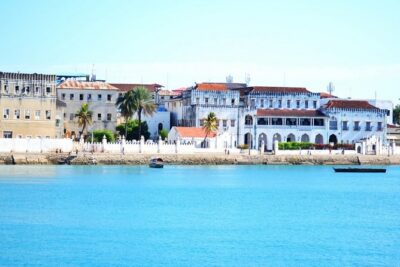
Stone Town is not a city of grand views alone. Its character appears in details: carved wooden doors, projecting balconies, coral-stone walls, tiny lanes, old courtyards, and buildings that reveal several cultures in one glance.
The town was declared a UNESCO World Heritage Site in 2000. That label is useful, but the real reward comes from hearing how Zanzibar developed as a meeting point for Swahili, Arab, Indian, European, and Portuguese traditions. A guide can connect the buildings to trade, religion, the sultanate, colonial rule, and modern Zanzibar.
You should expect a walking tour rather than a museum-heavy city visit. Some stops are viewed from outside, while others may involve an optional entry fee. The route is designed to give you a strong first orientation, so you can return later to places that deserve more time.
That flexibility matters. A private guide can slow down when you want to study a door or ask about Swahili customs. If you are traveling with a child, you can also request a pause, as one family did for an ice cream stop.
More Walking Tours in Zanzibar
- Stone Town Private Walking Tour
★ 5.0 · 371 reviews - Zanzibar: Stone Town Historical Cultural Walking Guided Tour
★ 4.5 · 179 reviews - Stonetown: Food Markets and Street Food Walking Tour
★ 4.7 · 151 reviews
The former Slave Market and the hard history of Zanzibar
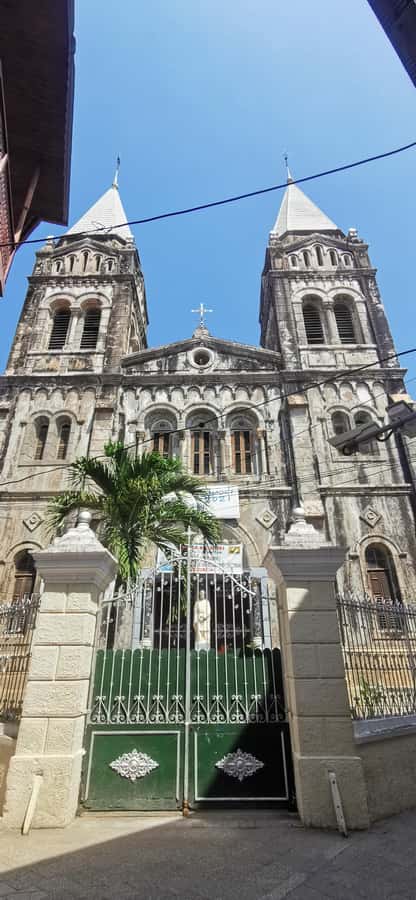
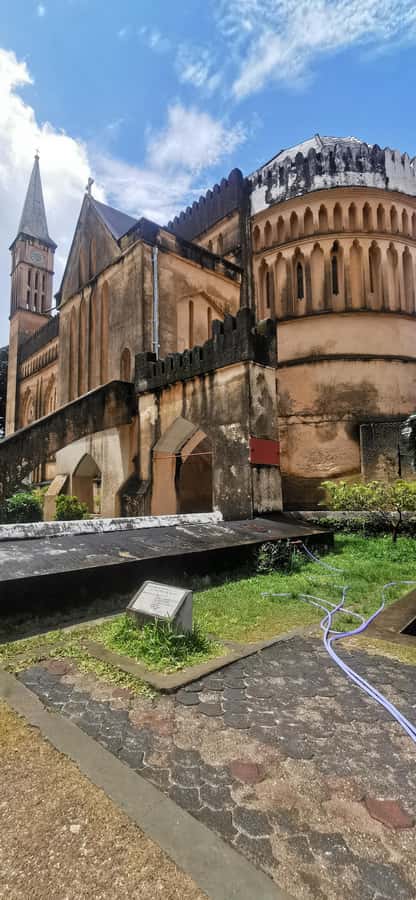
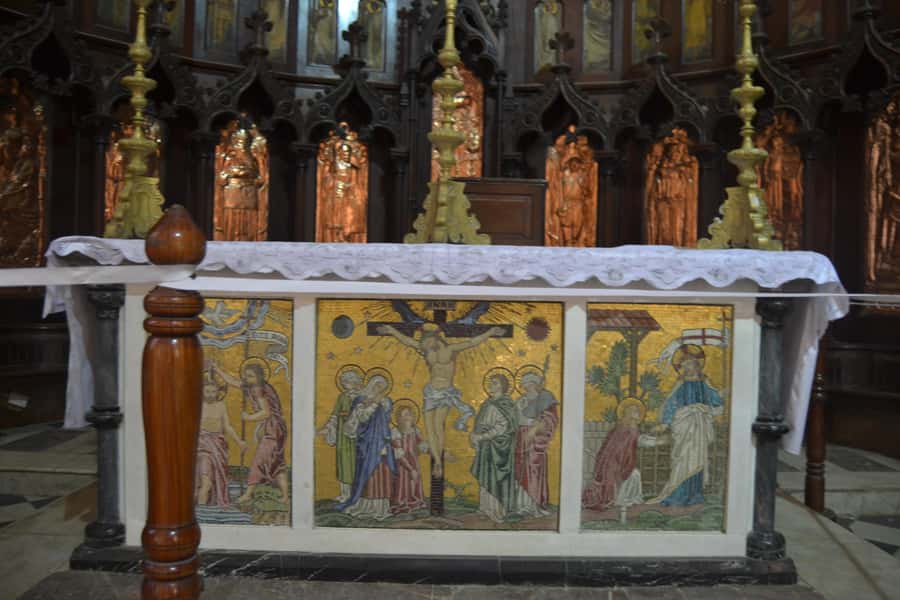
The former East African Slave Market is the most important stop on the walk. It is now associated with the Anglican Cathedral, and the site presents the history of the slave trade in a direct and difficult way.
This is not a light sightseeing stop. You may see cramped spaces and displays that explain the treatment of enslaved people, the trade routes, and the role Zanzibar played in a wider East African and Indian Ocean system. The experience is painful, but it gives the rest of Stone Town greater meaning.
Several guides are praised for handling this subject with care, clarity, and respect. That is exactly what you want here. A guide should help you understand the history without turning suffering into a dramatic show.
Entry is not included and is listed at about $10 per person. The site can also close unexpectedly. One visit was affected by election-related closures, so treat this part of the route as important but not guaranteed on every date.
I recommend allowing time to read the displays rather than rushing through for photographs. If the site is closed, ask your guide to explain the history from outside and to suggest how you can return later.
Darajani Market: the tour’s most immediate local scene
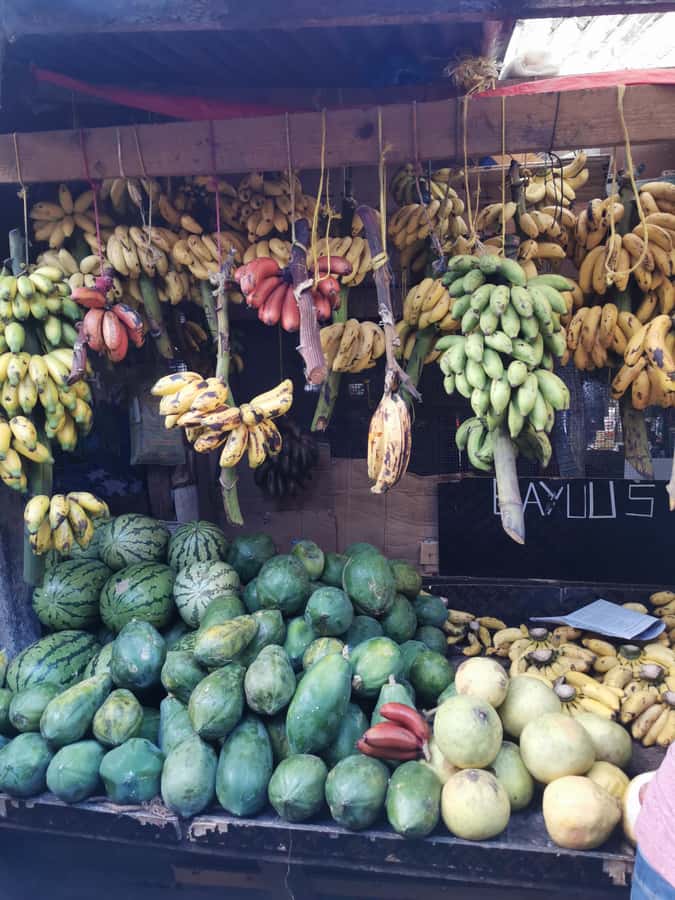
After the heavy subject of the Slave Market, Darajani Market shifts the mood to daily life. The market dates from 1904 and brings together fruits, vegetables, spices, fish, meat, and other goods from Zanzibar’s farms and the Indian Ocean.
This is one of the strongest parts of the tour if you want to see how Stone Town functions beyond its historic façades. You can look at the day’s catch, smell spices, take photographs, and shop for items such as coffee or seasonings. Guides may also lead you toward areas selling particular products if you have something specific in mind.
The market is not arranged for easy sightseeing. It can be crowded, close, noisy, and full of strong smells. That is part of its value, but it may be tiring for people who prefer quiet, polished attractions.
Keep your belongings secure and ask before photographing people. Your guide can help you move through the market respectfully and explain what you are seeing. For many visitors, this is where Zanzibar shifts from a collection of old buildings into a living city.
Coffee, Jaws Corner, and a pause in the narrow lanes
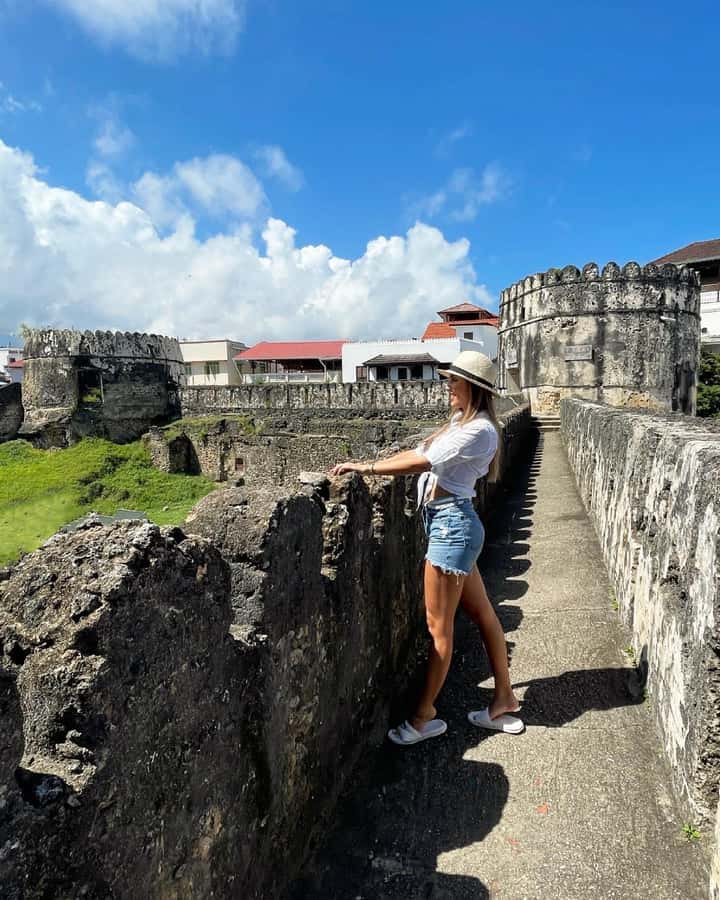
The route continues through Stone Town’s narrow streets, with a possible coffee break at Zanzibar Coffee House or Jaws Corner. These stops are not grand monuments, but they add a useful social side to the walk.
At Jaws Corner, you may have coffee with local residents and watch a small public meeting place at work. The coffee break also gives your feet a rest, which is welcome in a three-hour walking tour.
The description allows for a pause at Zanzibar Coffee House, where you can choose an aromatic coffee. Exact stops can depend on the guide, timing, and your preferences, so ask at the start if this matters to you.
I like this part because it prevents the tour from becoming a march between landmarks. You get a chance to talk with your guide about modern society, local traditions, and everyday Zanzibar, not only royal names and dates.
More Stone Town walks:
- Zanzibar: Stone Town, Spice Tour, Prison Island with Lunch
★ 4.4 · 1,219 reviews - Zanzibar: Prison Island, Stone Town, & Spice Farm Tour
★ 4.5 · 579 reviews - Zanzibar; Prison Island, Nakupenda, StoneTown Tour with BBQ
★ 4.3 · 457 reviews - Zanzibar: Stone Town, Spice tour & Prison Island with Lunch
★ 4.6 · 453 reviews
The Sultan’s Palace and the story of the sultanate
The Sultan’s Palace, also called the Sultan Palace Museum, introduces the dynasty that ruled Zanzibar. The building helps explain the island’s links with Arab power, commerce, and the political life of the Indian Ocean.
Inside, you can expect rooms and displays connected with the sultanate and its leading figures. The guide’s role is especially useful here, since a palace can otherwise become a string of names without much meaning.
Your guide may also point out the Tip Tip House, linked to the famous Zanzibari trader Tippu Tip. This adds another layer to the story of trade and power, particularly when considered alongside the Slave Market and Darajani Market.
The palace is part of a packed route, so do not expect the long museum visit you would get from a dedicated palace tour. If you are most interested in royal history, tell your guide early and ask for more time here.
House of Wonders, Forodhani Gardens, and the Old Fort
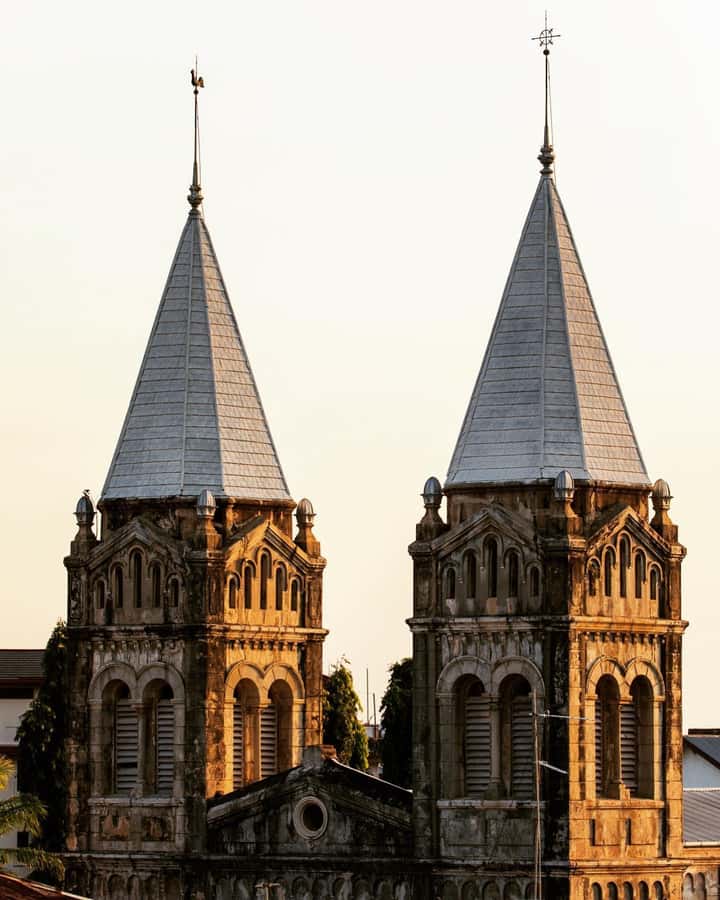
The House of Wonders, or Bait el-Ajab, is one of Stone Town’s best-known landmarks. It was built as a ceremonial palace and is described as the tallest building in East Africa. Its size and position make it easy to spot, but its stories are more interesting than its height.
The building may be viewed as part of the walk, with explanations about its ceremonial role and unusual past. Conditions at historic buildings can change, so do not assume every interior is open unless your guide confirms it.
Forodhani Gardens are better known in the evening, when food sellers offer seafood, sugarcane juice, barbecued items, Zanzibar pizza, and other snacks. On a daytime walking tour, you may see the setting without getting the full night-market atmosphere.
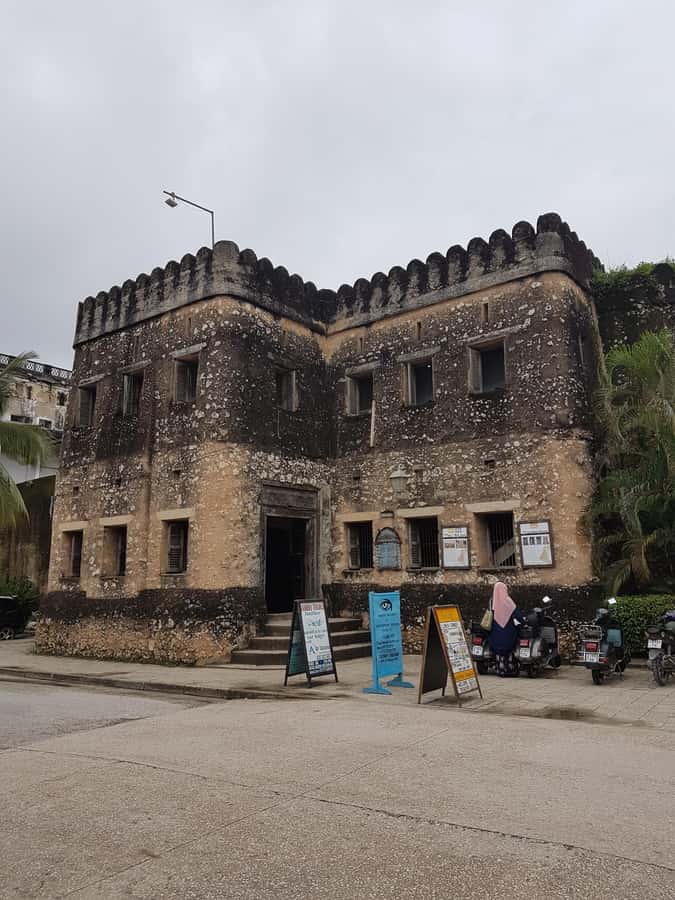
The Old Fort, also called the Old Arabic Fort, is another central stop. Built as a defensive structure, it later served several public roles, including a battle arena and a primitive railway station. That changing use gives you a quick lesson in how old buildings survive by taking on new jobs.
The fort is a good place for photographs and orientation. Still, much of Stone Town’s appeal lies outside the formal attractions, so do not judge the town only by the condition of individual monuments.
Freddie Mercury’s birthplace and the city’s modern identity
The tour includes a visit to the home associated with Freddie Mercury, the lead singer and songwriter of Queen. The stop connects Stone Town with a worldwide music story and gives the walk a modern point of reference.
You can photograph the birthplace area, while entry to the Freddie Mercury Museum is optional and costs about $8 per person. That fee is not included in the tour price.
The museum may appeal most to Queen fans. If you are less interested in music history, you may prefer to use the time for the market, the doors, or another part of the old town. A private tour lets you discuss that choice with your guide.
This is one reason the experience works better as a private walk than as a rigid group excursion. You can spend more time on the topics that matter to you, as long as you keep the overall three-hour schedule in mind.
Stone Town’s doors, balconies, and narrow design
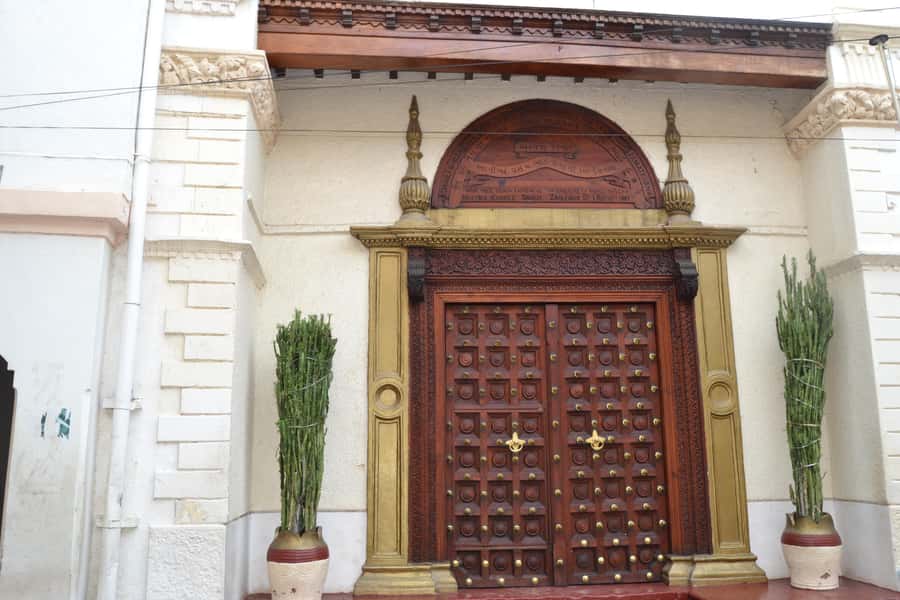
The lanes between the major stops are not dead time. Stone Town’s doors are among its most memorable details, with carved designs that reflect the status, faith, and background of the people who commissioned them.
Look up as you walk. Balconies, overhanging upper floors, carved frames, and weathered façades show how residents adapted buildings to a hot coastal setting and a dense urban plan.
The streets can be confusing, even when you have a map. A guide helps you understand the layout and makes it easier to return later to a café, shop, market stall, or building you want to see again.
Shopping is part of the route, with souvenir shops, boutiques, coffee, spices, and other local products. You should not feel pressured to buy. If you want to shop, agree on a time limit so your purchases do not crowd out the historical stops.
The guides: what makes the private format work
The strongest feature of this experience is the guiding. Khameez is repeatedly described as warm, clear, flexible, and strong in both English and French. Mau, also called Maulid or Mao in some accounts, is praised for his local pride, humor, and wide knowledge of Stone Town, Zanzibar, Tanzania, and East African history.
Kassim is noted for adapting the timing, meeting point, route, and landmarks to personal interests. Other guides named in the feedback include Amis, Kasim, Sahin, Suleman, Hassan, and Marley.
The important point is not a single guide’s personality. It is the value of having someone who can answer questions as they arise. Guides have adjusted their speech when asked to talk more slowly, helped families keep children comfortable, and allowed time for photographs and souvenirs.
English is widely available, with the additional language choices listed above. Accents and speaking speed can vary, so do not hesitate to ask your guide to slow down or repeat a point.
The tour is private, and pickup is included from any area in Stone Town. Hotel pickup outside Stone Town can be requested, but it is not part of the standard arrangement.
Time, walking comfort, and what to bring
The advertised duration is three hours. Actual walks have sometimes lasted about two hours or three and a half hours, depending on the route, stops, and group interests. Think of the timing as a useful framework rather than a minute-by-minute promise.
You will be on your feet in narrow streets and market areas. People with back problems may find the walk unsuitable. Comfortable shoes, water, sun protection, and modest clothing are sensible choices for Zanzibar’s historic streets and religious sites.
One bottle of mineral water per person is included. Food, coffee, museum entries, and shopping are not.
Wheelchair access is listed, but Stone Town’s narrow lanes and historic buildings may still make some sections difficult. Confirm the exact route and interior access before booking if this is important to you.
Free cancellation is available up to 24 hours before the start, and you can reserve now and pay later. The listed price is $24 per person, which is good value for a private, guide-led introduction, especially if you share the cost with one or two companions.
The value drops slightly if you plan to enter several paid buildings, since the Slave Market and Freddie Mercury Museum are extra. Still, the guide, water, market visit, orientation, and historical context make the base price reasonable.
Who should book this Stone Town walk?
I would choose this tour if you are visiting Stone Town for the first time and want the city explained rather than simply photographed. It suits history-minded visitors, architecture fans, families wanting a flexible pace, and anyone who wants help finding the market and smaller streets.
It is also useful early in your stay. Once you understand the layout, you can return on your own to Forodhani Gardens, the shops, the palace, or a café.
I would think twice if you dislike walking, markets, difficult historical subjects, or old buildings that may look worn. This is not a polished sightseeing circuit. It is a direct look at a working city with beauty, hardship, commerce, and decay close together.
Should you book it?
Book this Stone Town tour if you want a strong first orientation, clear local storytelling, and the freedom to ask questions. The best reasons are the former Slave Market, Darajani Market, the carved doors, and the chance to connect Zanzibar’s past with daily life now.
Before you go, confirm your pickup time, ask which paid sites are open, and tell the guide which stops matter most. With those expectations set, $24 buys a useful and human introduction to Stone Town.
FAQ
How long does the Stone Town walking tour last?
The advertised duration is three hours. The exact length can vary with the route, stops, questions, and time spent taking photographs or shopping.
Where does the tour start and end?
The standard pickup and return location is Stone Town. Pickup from any area within Stone Town is included.
Is hotel pickup included?
Pickup from hotels or other locations in Stone Town is included. Pickup outside Stone Town can be requested, but it is not part of the standard arrangement.
Is the tour private?
Yes. The activity is offered as a private group experience.
Which languages are available?
The listed guide languages are German, English, French, Italian, Spanish, Arabic, Polish, Portuguese, and Chinese.
Is entry to the former Slave Market included?
No. Admission to the former East African Slave Market is listed at about $10 per person.
Is the Freddie Mercury Museum included?
No. Entry is listed at about $8 per person.
What is included in the price?
Guiding services and one bottle of mineral water for each person are included.
Is the tour wheelchair accessible?
The activity is listed as wheelchair accessible. Because Stone Town includes narrow streets and historic buildings, confirm the exact route and interior access before booking.
Can I cancel the booking?
You can cancel up to 24 hours in advance for a full refund. The reserve-now, pay-later option is also available.
More three hour outings in Zanzibar
- 3 Hours Private Stone Town Walking Tour
★ 5.0 · 71 reviews - Zanzibar: Stone Town 3-Hour Walking Tour
★ 4.1 · 68 reviews - 3-Hour Private City Tour in Zanzibar Island
★ 5.0 · 47 reviews - 3-Hour Private Stone Town Walking Tour
★ 5.0 · 44 reviews
Newly listed around Zanzibar
- Zanzibar: Nungwi/Kendwa Beach Sunset Dhow Cruise with Fruits★ 3.4 · 3 reviews
- Prison Island, Sea Turtles, Rock Restaurant & Relax in Beach★ 4.6 · 3 reviews
- Starfish Beach; The Rock; Kuza Cave; Paje Beach; Salaam Cave Tour★ 4.5 · 3 reviews
- Zanzibar: Half-Day Spice Farm Tour,the flavours of Zanzibar★ 4.7 · 3 reviews
- Joazani forest & Spice farm with lunch★ 5.0 · 3 reviews
- Nakupenda Island Snorkeling Sea trip & Lunch W/Transfer -Zanzibar★ 4.0 · 3 reviews
- Mnemba Island Snorkeling and Dolphin tour★ 5.0 · 3 reviews
- Zanzibar:Jozani forest, Spice farm with Swahili Cuisine clas★ 4.2 · 3 reviews
Stone Town Tours, compared.
Full-Day Private Stone Town +Spice Farm and Prison Island Tour
Read our review →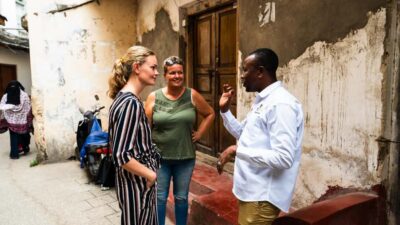

Browse the lists this tour appears in