
Reviewed · STONE TOWN TOURS
Zanzibar: Stone Town 3-Hour Walking Tour
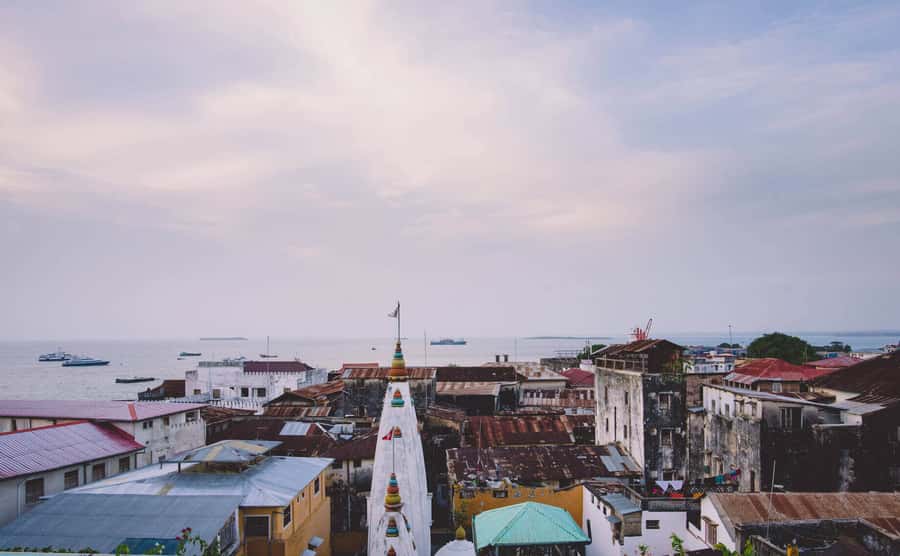
Stone Town’s most powerful stop is the Anglican Cathedral, built on the site of the old slave market. From there, this three-hour walk threads through the Old Fort, Forodhani Gardens, Darajani Market, and narrow bazaar lanes, giving you a quick look at Zanzibar’s layered past and daily life.
I like the route’s mix of serious history and ordinary city scenes. I also like that guides such as Amari, Mohamed, and Mohammed have been praised for answering questions and explaining local stories clearly. The main caution is pace: three hours goes quickly, and the uneven streets, steps, and tight passages are a poor match for anyone with limited mobility despite the advertised wheelchair-accessible option.
Key points to know before booking
- The former slave market is the emotional center: The Anglican Cathedral occupies the site of a major East African slave-trading hub.
- You see old Stone Town and present-day Zanzibar together: Fort walls, palace buildings, markets, coffee stalls, and curio shops share the same compact route.
- The market visit is practical as well as cultural: Darajani Market brings you close to fruit, spices, and everyday trade.
- Your guide shapes the experience: Amari, Mohamed, and Mohammed have been singled out for clear explanations and helpful answers.
- Three hours is enough for an overview, not a slow exploration: You will see many landmarks, but shopping and museum time may feel limited.
- Dress and walking conditions matter: Wear clothing below the knees, use comfortable shoes, carry sunscreen, and leave large luggage behind.
A strong first look at Stone Town
This tour works best as an introduction. Stone Town is compact but not simple. Its lanes bring together Arab, African, Indian, and European influences, and a guide can help connect the buildings to Zanzibar’s past rather than leaving you to guess at every carved doorway and weathered wall.
You begin with a greeting and short briefing before setting off. If you are staying in Stone Town, pickup is scheduled for 9:00 AM from your hotel lobby. That makes the morning convenient, though you should confirm the meeting details clearly because pickup communication has not always been perfect.
The route is built around landmarks rather than long transfers. That is good news for anyone with only a half day in Zanzibar. You spend your time on foot, moving between historic sites, market streets, food stalls, and small shops instead of sitting in a vehicle.
More Walking Tours in Zanzibar
- Stone Town Private Walking Tour
★ 5.0 · 371 reviews - Zanzibar: 3 Hours Private Stone Town walking Tour with Guide
★ 4.6 · 301 reviews - Zanzibar: Stone Town Historical Cultural Walking Guided Tour
★ 4.5 · 179 reviews
Old Fort and the first layers of Zanzibar’s past
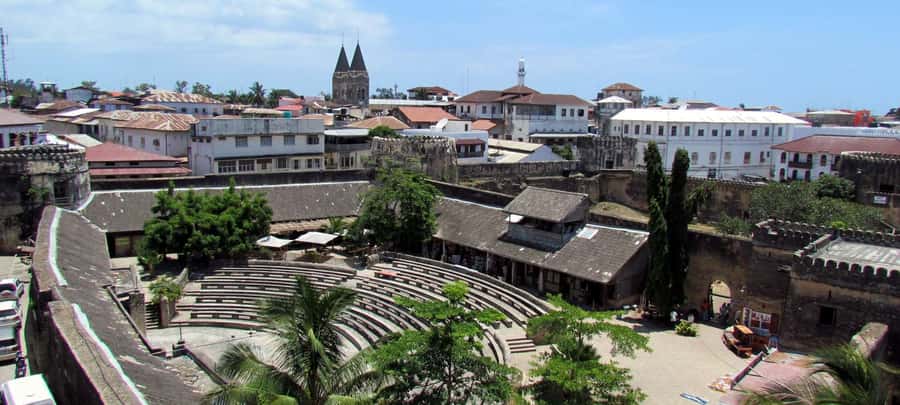
The Old Fort, also called the Arab Fort, is one of the clearest starting points for understanding Stone Town. Its heavy walls and central position make it easy to picture the city as a protected port, even if the tour only gives you a short time there.
The fort is not a quiet museum-style stop. It sits close to other central sights and helps set the tone for the walk. You can expect your guide to explain its place in the city’s history before leading you onward to the House of Wonders and the surrounding streets.
The route also includes entry to Sultan Palace, with the entrance fee covered. That inclusion adds value to the $27 price, especially for visitors who want more than an outside view of Stone Town’s grand buildings. Still, ask your guide how much time is planned inside each site. A short tour has to divide its minutes carefully.
The House of Wonders is another major landmark on the route. Its name alone hints at Zanzibar’s long connection with trade, technology, and changing rulers. From outside, it gives you one of the city’s most recognizable historic facades. The exact time spent there can vary, so do not assume that every stop receives a full museum visit.
The former slave market and the weight of the visit
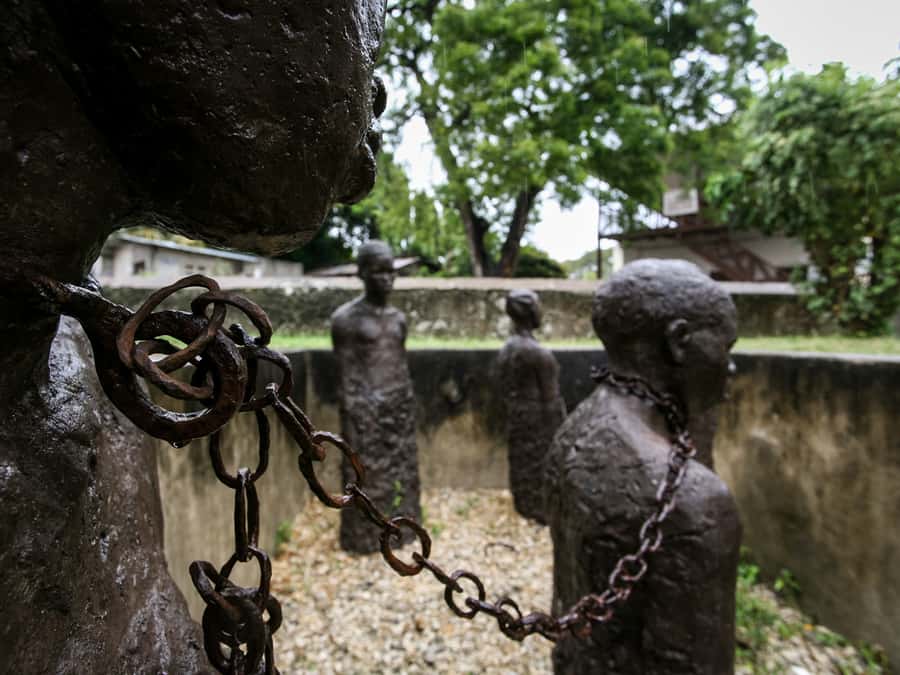
The Anglican Cathedral stands on the site of the old slave market, once a major center in the East African slave trade. Enslaved people were hunted and abducted from areas including Malawi, Congo, Zambia, and other parts of East Africa before being moved through the region.
This is the stop where a guide matters most. The subject is painful, and a few labels or photographs cannot explain the whole story. A good guide can place the cathedral, market site, and wider trade network into context while giving you room to take in the setting.
You should also be prepared for a serious change in mood. The market streets are lively, but the cathedral site asks for quiet attention. Dress respectfully, as the tour requires clothing that falls below the knees. That rule is practical for visiting religious and historic sites, not simply a packing suggestion.
One important point needs clarification before you pay. The tour description includes a visit to the former slave market, but at least one booking experience involved a guide who did not enter the museum with the group. Ask directly if the guide will accompany you inside and what entrance fees are covered for that specific stop. The included Sultan Palace fee does not automatically mean every museum admission is included.
Forodhani Gardens and the waterfront pause
Forodhani Gardens gives the walk a change of setting. After the fort and cathedral, the waterfront gardens offer a more open place to pause and watch Stone Town function around its harbor area.
The gardens are also a useful link between the old city and the food culture of Zanzibar. The tour may not be a dedicated food tour, but this stop lets you see where local eating and evening activity gather. Since the experience is held during the day, expect more of a sightseeing stop than a full tasting session unless your guide offers something separately.
The waterfront also helps you understand Stone Town’s position as a port. From here, the Zanzibar ferry terminal is part of the route. That makes the tour feel connected to present-day travel and trade, not frozen in the past.
More Stone Town walks:
- Zanzibar: Stone Town, Spice Tour, Prison Island with Lunch
★ 4.4 · 1,219 reviews - Zanzibar: Prison Island, Stone Town, & Spice Farm Tour
★ 4.5 · 579 reviews - Zanzibar; Prison Island, Nakupenda, StoneTown Tour with BBQ
★ 4.3 · 457 reviews - Zanzibar: Stone Town, Spice tour & Prison Island with Lunch
★ 4.6 · 453 reviews
Darajani Market, where Stone Town gets practical
Darajani Market is one of the best reasons to choose a walking tour instead of only visiting the headline monuments. The fruit and spice market brings you into the daily business of buying, selling, carrying, and bargaining.
You will see a more functional side of Zanzibar here. The point is not polished presentation. It is the color, smells, narrow aisles, and constant movement of a working market. Keep your belongings close and ask before taking photographs, since the tour rules specifically prohibit photographing someone without permission.
The market can also be a good place to ask questions. Your guide can explain unfamiliar fruits, spices, and local habits in a way that a quick walk alone cannot. If you want to buy something, take your time comparing prices. One important practical lesson from this tour is not to assume the first recommended spice stall has the best deal. You may find lower prices at other nearby stands.
That does not mean every shop stop is a problem. Curio shops and bazaars are part of Stone Town’s commercial life, and you may enjoy browsing local crafts and souvenirs. But keep your buying decisions separate from the sightseeing. You are paying for the walk and the guide, not for a sales pitch.
Narrow lanes, local shops, and Jaws Corner
Stone Town is best understood on foot. Its narrow lanes can reveal small courtyards, carved doors, old walls, and sudden views that you could miss from a car. The guide’s job here is partly historical and partly practical: help you keep your bearings while pointing out details you might otherwise pass.
The route includes leisure time alongside curio shops and bazaar streets. This is useful if you want a first look at local crafts, but the time is limited. One person found the tour too short for proper shopping, and that is a fair concern. Three hours sounds generous until you include hotel pickup, explanations, historic sites, the market, and several shop visits.
Jaws Corner coffee shop adds another everyday Stone Town detail. It is known as a local meeting point, and its inclusion gives the tour a break from formal monuments. Do not expect a long café session unless your guide confirms one. The stop is best treated as a glimpse of neighborhood life.
The walking itself requires sensible footwear. Comfortable shoes are suggested, and that advice should be taken seriously. The streets can be tight and uneven, and the fort and other historic buildings may involve steps or awkward entrances.
Freddie Mercury’s Zanzibar connection
The route includes a stop connected with Freddie Mercury, who was born in Zanzibar. For music fans, this adds a personal thread to the city’s wider story. It also shows how Stone Town’s past is not limited to forts, palaces, and trade.
Clarify what this stop means before the tour begins. The experience information refers to the Freddie Mercury house, but an entrance to a dedicated museum is not clearly included. One booking experience also reported not seeing the museum and not being shown the house location. Ask if you will visit the exterior, receive an explanation from the street, or enter a museum at extra cost.
That small question can prevent a mismatch in expectations. If Freddie Mercury is your main reason for booking, this may not be the right activity unless the exact stop is confirmed. If you are simply interested in adding the story to a broader Stone Town walk, it is a worthwhile extra.
What the guide adds to the route
The strongest part of this experience is the guide’s interpretation. Stone Town’s streets can look fascinating without explanation, but the stories turn separate buildings into a connected picture of Swahili culture, trade, religion, and daily life.
The tour specifically presents the origin of Swahili as one of its themes. That is valuable because Swahili is not just a language label on a map. It reflects centuries of contact along the East African coast. Your guide can help explain that cultural mixture in a few accessible stops rather than burying you in dates.
Several guides have received specific praise. Amari was described as making the city’s story easier to understand. Mohamed was noted for sharing anecdotes about Stone Town and its residents, while another guide named Mohammed was attentive and helped explain local history and culture. Guide quality can vary, but these examples show what to look for: clear answers, stories tied to actual places, and enough flexibility for questions.
If you are offered a long stop at one spice shop, decide how it fits your priorities. You can politely say that you want more time at the cathedral, market, or historic sites. The best use of a short tour is not always the same for every person.
Is $27 good value for three hours?
At $27 per person, the tour offers solid value if you want a guided introduction and hotel pickup. You are paying for a live guide, market access assistance, government taxes, and entrance to Sultan Palace. You also get a route that covers several of Stone Town’s main areas without arranging each stop yourself.
The value is strongest for a first visit. You can learn the city’s layout, identify places to return to, and decide where to spend more time later. The tour also saves you from missing the former slave market, Old Fort, Darajani Market, or ferry area while wandering without a plan.
The value drops if you want long museum visits, extended shopping, or a relaxed photography walk. Three hours is a tight window, and a guide who spends too long at a sales stop can make the schedule feel even shorter.
A private group is available, which may improve the experience for families or friends with specific interests. You can use that flexibility to request more history, more market time, or a closer look at music and local culture. The price for a private group is not provided, so check the current total before booking.
Practical details that affect your day
Hotel pickup and drop-off are included, and Stone Town pickups are set for 9:00 AM. If you are outside Stone Town, confirm the exact pickup time with the operator rather than relying on the general schedule.
The tour is listed as three hours, with starting times subject to availability. That is long enough for a clear overview, but not enough to cover every museum or shop at leisure. Plan another block of time if you want to return for shopping or explore a particular building slowly.
Bring sunscreen. Wear comfortable shoes and clothing below the knees. Large bags and luggage are not allowed, so leave suitcases at your hotel and carry only what you need for the walk.
The activity is listed as wheelchair accessible, but the same information says it is not suitable for people with mobility impairments. A booking experience also reported that the streets and fort entrance were not accessible by wheelchair. I would treat the tour as unsuitable for limited mobility unless the operator confirms a specific accessible route in advance.
You can cancel up to 24 hours before the activity for a full refund, and you can reserve now while paying later. Those terms are useful if your Zanzibar schedule is still changing.
Who should book this Stone Town walk?
I would choose this tour if you have a short stay, want a broad introduction, or prefer to learn the city through stories rather than simply follow a map. It suits first-time visitors, history fans, and anyone curious about markets, Swahili culture, and the mix of old buildings with ordinary city life.
It is also a good fit if you want hotel pickup and a fixed route for your first morning. The guide can give you enough orientation to return later on your own.
I would look elsewhere if you need step-free access, want a dedicated food experience, or care most about an extended Freddie Mercury museum visit. I would also ask detailed questions before booking if shopping time matters to you.
Should you book it?
Book it for a well-priced first look at Stone Town, especially if you value the former slave market, Darajani Market, Old Fort, and local stories. Go in knowing that the tour is brisk, the streets are not friendly to limited mobility, and some stops may be viewed from outside or handled quickly.
Before confirming, ask two questions: Will the guide enter the slave-market museum with you, and exactly what Freddie Mercury stop is included? If the answers suit your priorities, $27 is a sensible way to get your bearings and see the city’s key areas in one morning.
FAQ
How long is the Stone Town walking tour?
The tour lasts three hours.
How much does the tour cost?
The listed price is $27 per person.
Is hotel pickup included?
Yes. Hotel pickup and drop-off are included. If you are staying in Stone Town, pickup is scheduled for 9:00 AM from your hotel lobby.
Which languages are available?
Live guides are available in Spanish, French, German, Italian, and Russian.
Is the tour private?
A private group option is available.
What is included in the price?
The package includes hotel pickup and drop-off, the guide fee for the markets, entrance to Sultan Palace, and government taxes.
Does the tour visit the former slave market?
Yes. The route includes the Anglican Cathedral, also known as the former slave market site.
Does the tour include the Freddie Mercury museum?
The route includes a Freddie Mercury house stop, but the available information does not confirm that museum admission is included. Ask the operator what you will enter or see.
What clothing should I wear?
Wear clothing that falls below the knees. Comfortable walking shoes and sunscreen are also recommended.
Can I bring luggage or a large bag?
No. Luggage and large bags are not allowed.
Is the tour suitable for wheelchair users?
The activity is listed as wheelchair accessible, but it is also marked as unsuitable for people with mobility impairments. The fort and Stone Town streets may present access problems, so confirm the route with the operator before booking.
More three hour outings in Zanzibar
- 3 Hours Private Stone Town Walking Tour
★ 5.0 · 71 reviews - 3-Hour Private City Tour in Zanzibar Island
★ 5.0 · 47 reviews - 3-Hour Private Stone Town Walking Tour
★ 5.0 · 44 reviews - Zanzibar: 3-hour Kayak Tour through the Mangrove Forest
★ 4.9 · 21 reviews
Newly listed around Zanzibar
- Zanzibar: Nungwi/Kendwa Beach Sunset Dhow Cruise with Fruits★ 3.4 · 3 reviews
- Prison Island, Sea Turtles, Rock Restaurant & Relax in Beach★ 4.6 · 3 reviews
- Starfish Beach; The Rock; Kuza Cave; Paje Beach; Salaam Cave Tour★ 4.5 · 3 reviews
- Zanzibar: Half-Day Spice Farm Tour,the flavours of Zanzibar★ 4.7 · 3 reviews
- Joazani forest & Spice farm with lunch★ 5.0 · 3 reviews
- Nakupenda Island Snorkeling Sea trip & Lunch W/Transfer -Zanzibar★ 4.0 · 3 reviews
- Mnemba Island Snorkeling and Dolphin tour★ 5.0 · 3 reviews
- Zanzibar:Jozani forest, Spice farm with Swahili Cuisine clas★ 4.2 · 3 reviews
Stone Town Tours, compared.





Full-Day Private Stone Town +Spice Farm and Prison Island Tour
Read our review →
Browse the lists this tour appears in