
Reviewed · SPICE FARM TOURS
Zanzibar: Spice Farm Tour and Cooking Class with Lunch
Zanzibar’s spices make the best part of this experience a hands-on guessing game. At Jambo Spice Farm Dole, you smell leaves, touch bark, taste fruit, and try to identify plants before the guide explains their use in Swahili cooking. You may also see workers climb spice and coconut trees.
I like the farm-to-table meal, where you help gather ingredients before preparing pilau rice, curry, side dishes, and dessert. I also like the friendly village setting and fruit tasting, especially the red bananas and small mangoes. The main drawback is uneven pickup service, plus repeated requests for tips and sometimes high spice prices that can make the day feel less local.
Key points to know before booking
- The spice walk uses all your senses: You smell, touch, and taste cloves, cinnamon, ginger, lemongrass, and other plants.
- The cooking is practical but not highly formal: You prepare ingredients and cook alongside a local chef, rather than taking a polished chef-school lesson.
- Lunch includes what you make: The meal covers a three-course spread and dessert, with soft drinks and fruit.
- Guide Mateo has received special praise: His tour has included playful spice guessing and plenty of time around the farm.
- Bring cash for tips and shopping: Tipping requests can come from several people, and spice prices may vary.
- Pickup needs careful confirmation: Most transfers go smoothly, but a missed pickup has caused delays of up to 90 minutes.
Why this spice farm visit works so well
Zanzibar is often called the Spice Island, but that phrase means little until you see the plants themselves. Cinnamon is not just a jar on a kitchen shelf. You can handle the bark. Ginger is not a powder. You can identify the fresh plant and taste its sharp heat. Lemongrass gives off its lemony scent when rubbed between your fingers.
That direct contact is the heart of the tour. You are not simply walking past labeled plants while someone recites facts. You are asked to guess, smell, and compare. This makes the visit appealing if you enjoy food and want to understand how local dishes get their flavor.
The farm visit also gives you a glimpse of village life outside Stone Town. The walk passes through villages and plantations, and you may see local workers cutting bark, searching for particular plants, or climbing trees. The work is part of the lesson. It shows that spices are grown, gathered, and processed by hand long before they reach a market stall.
The experience is private, which is useful for couples, families, and small groups who want to move at their own pace. The listed guide languages include English, Italian, French, German, Portuguese, Spanish, Polish, Arabic, Swahili, Czech, Russian, and Romanian. You should still select your preferred language carefully when booking.
More Cooking Classes in Zanzibar
- Zanzibar Cooking Class & Spice Tour
★ 4.5 · 77 reviews - Zanzibar: Spice Farm Tour with Traditional Cooking Lesson
★ 4.8 · 77 reviews - Half-Day Kuza Cave Swimming Adventure and Cooking Class
★ 4.5 · 44 reviews
The drive to Jambo Spice Farm Dole
Hotel pickup is offered from Stone Town, the Mjini Magharibi Region, Unguja North, and Unguja South. The trip is listed as about one hour each way, so the transfer takes a noticeable part of this half-day outing.
That time matters. The advertised duration is five hours, while the schedule allows roughly two hours for the farm walk and about 90 minutes for lunch, cooking, and free time. Add the two road transfers and you should keep your plans around the tour flexible.
Pickup is arranged through your hotel lobby or reception area. Give the provider your hotel name and room number, then confirm the pickup time and location. One delayed pickup lasted 90 minutes because the driver collected other people from the same hotel instead of the booked party. That is not a small nuisance on a five-hour activity. It can cut into the farm visit and cooking session.
At the same time, other pickups have worked smoothly, and the return transfer has delivered people to the correct location. My practical advice is simple: keep your phone available, ask the hotel reception to help confirm the driver, and avoid scheduling a tight connection afterward.
Reading the plants at the spice farm
The guided walk is the most distinctive part of the day. Your culinary guide takes you through the plantation and points out spices by their natural form, not only by their finished appearance.
You can learn about:
- Cloves
- Cinnamon
- Ginger
- Lemongrass
- Other spice plants and fragrant bark
- Tropical fruit trees
- Coconut trees
The point is not to memorize a long list. It is to understand how these ingredients fit into Zanzibari cooking. Cloves and cinnamon bring warm, sweet notes. Ginger adds heat and freshness. Lemongrass gives food a clean citrus scent. Seeing them growing helps you recognize why local dishes can taste so layered even when the ingredient list looks familiar.
A playful version of the walk has included guessing the spice from a leaf, tree, or smell. Guide Mateo has been praised for making this part lively rather than turning it into a dry plant lecture. This is a good activity for children, too, since the lesson involves movement and guessing.
You may see farm workers climb spice trees and coconut trees. The tour also describes workers cutting different barks and searching for specific plants. These moments give the visit a working-farm feel, though you should keep your expectations realistic. This is an arranged cultural activity, not a completely private look at daily farm labor.
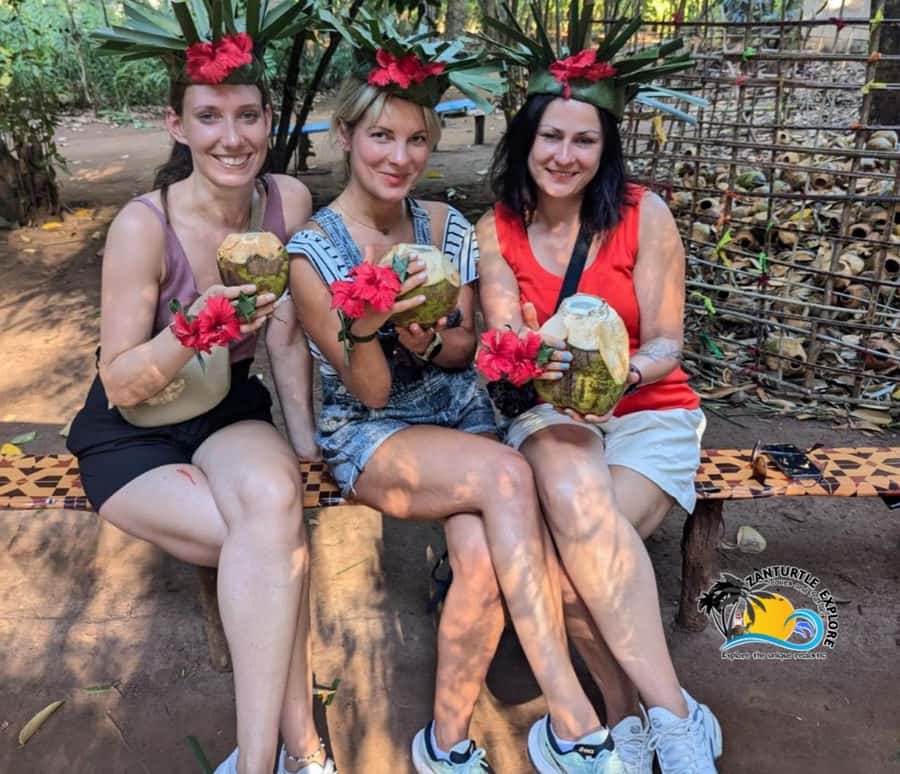
Palm-leaf crafts add a lighthearted touch. You may be given accessories such as ties, rings, armbands, glasses, or crowns made from palm leaves. They make good photos and are part of the playful side of the visit.
Tropical fruit tasting beyond the usual banana
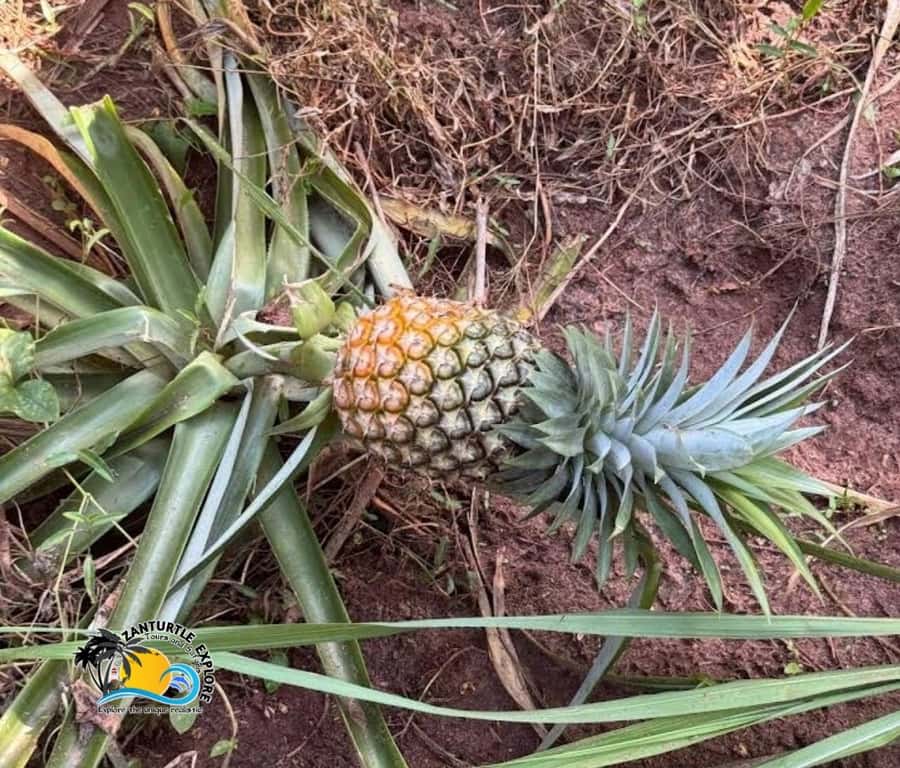
The fruit stop breaks up the spice walk with something sweet. You can taste pineapple, bananas, oranges, and watermelon, along with more unusual local varieties such as red bananas and small mangoes.
Fruit tasting is a small part of the overall experience, but it is one of the easiest ways to connect the plantation setting with the food on your plate. You get to compare fruit grown in Zanzibar with the versions commonly sold in supermarkets.
The stop also gives you time to ask how particular fruits are used. The tour is not only about spices. It introduces you to the farm as a source of everyday food, drinks, and cooking ingredients.
Soft drinks and fruit are included. If you plan to buy spice packets or other items, bring cash. The farm has a shopping opportunity, and some people have found the prices higher than expected. Others have found the rates better than those at the Stone Town market, so compare before buying instead of assuming every stall is a bargain.
More spice farm mornings:
- Zanzibar: Stone Town, Spice Tour, Prison Island with Lunch
★ 4.4 · 1,219 reviews - Zanzibar: Prison Island, Stone Town, & Spice Farm Tour
★ 4.5 · 579 reviews - Zanzibar: Stone Town, Spice tour & Prison Island with Lunch
★ 4.6 · 453 reviews - Full-Day Private Stone Town +Spice Farm and Prison Island Tour
★ 4.5 · 216 reviews
Cooking pilau, curry, and local side dishes
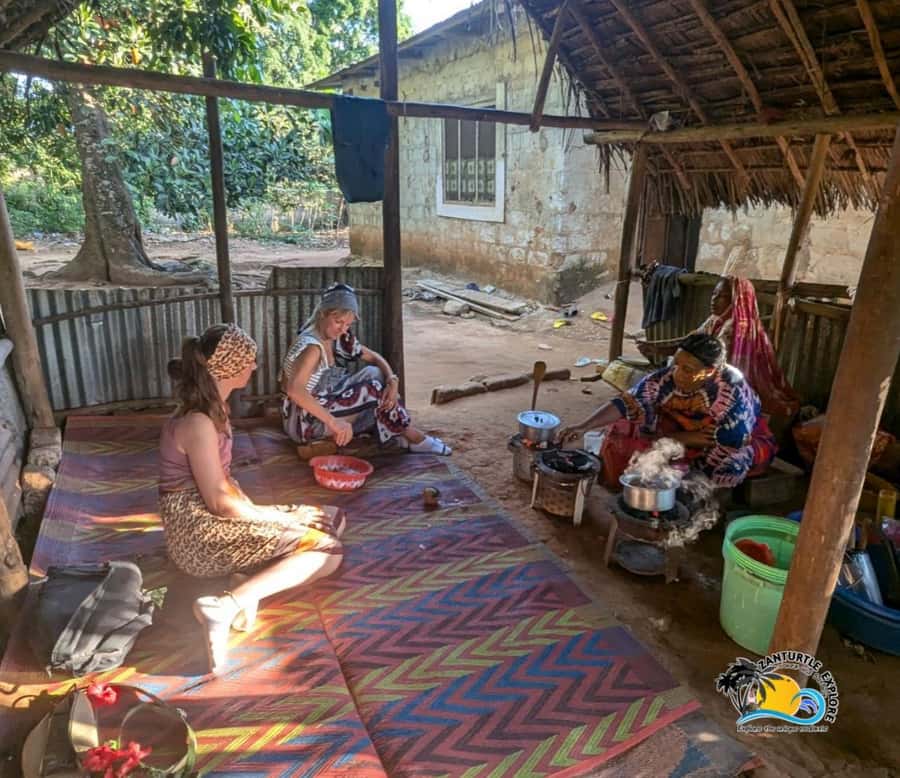
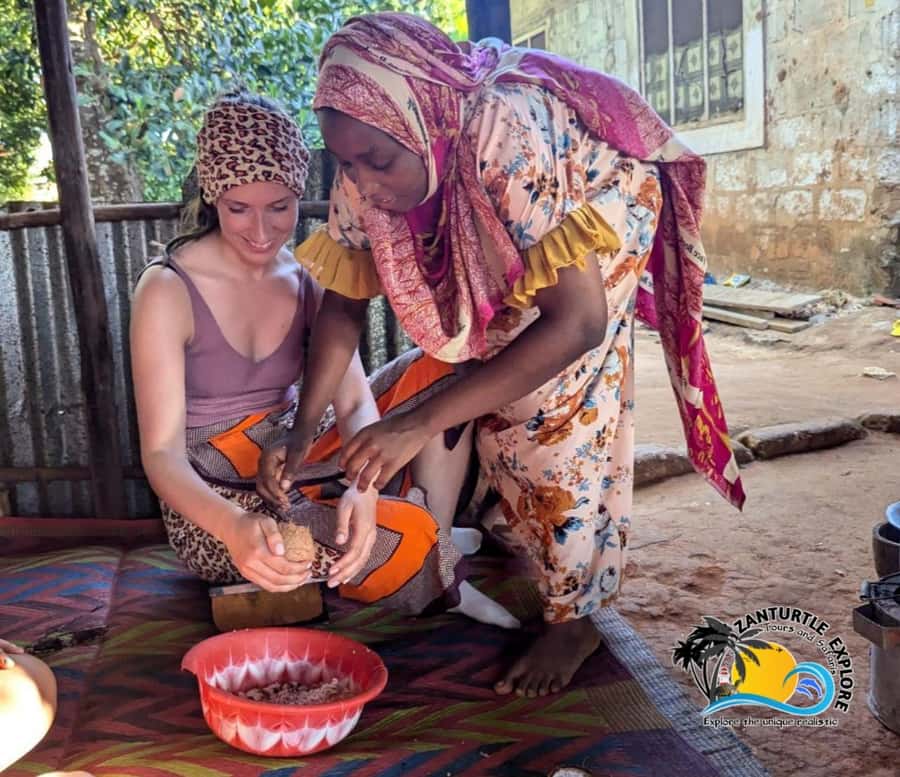
After walking through the farm, you return to the cooking area and work with a local chef. The class includes ingredients, cooking equipment, and the meal you prepare.
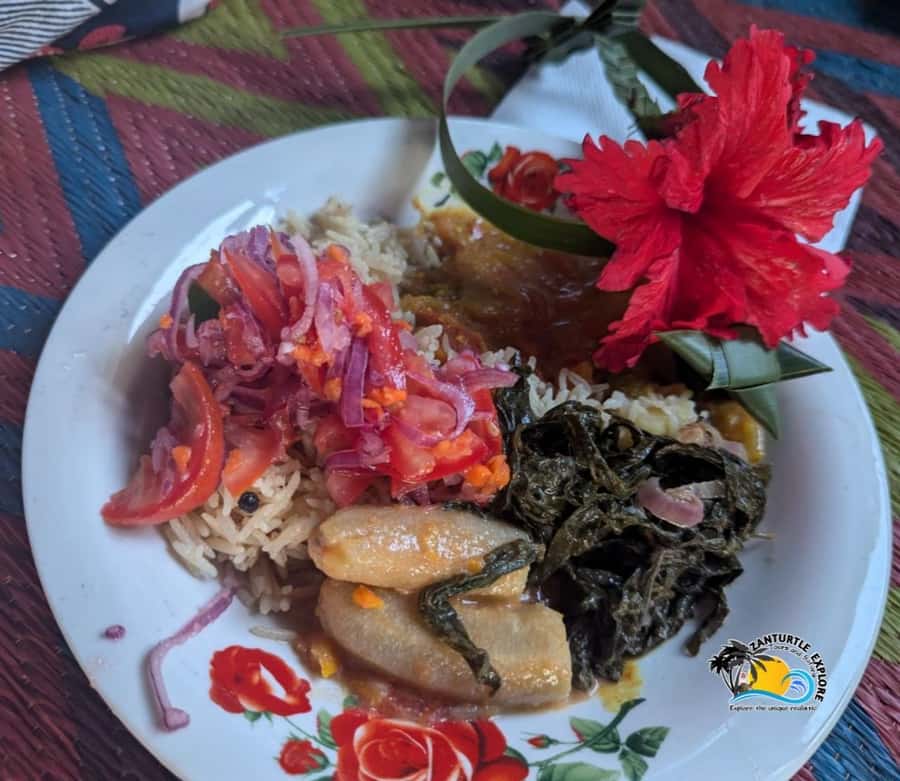
The food has included Tanzanian pilau rice, curry, and side dishes, followed by dessert. Pilau is a useful dish to learn because its character comes from the careful use of spices rather than from one strong ingredient. The earlier farm walk gives you a better sense of where those aromas begin.
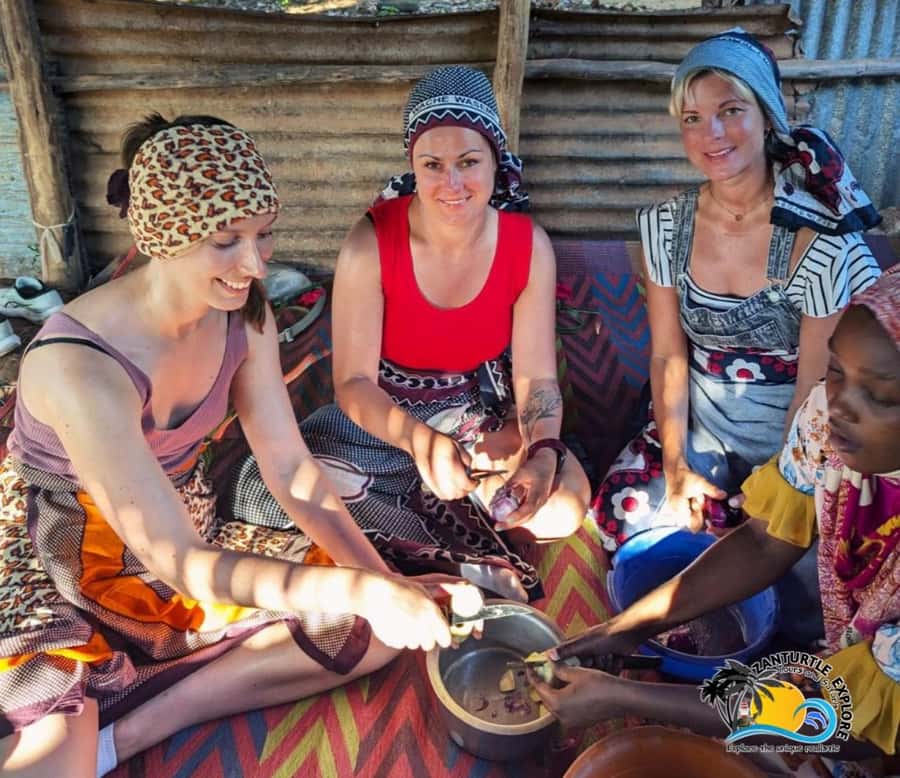
The cooking style is informal. You may harvest ingredients, wash or cut vegetables, stir pots, and prepare components while the chef handles parts of the cooking. That makes it closer to cooking with local people than a formal lesson in which you each produce a dish from start to finish.
I would book this for the shared meal and cultural contact, not only for technical cooking instruction. If you want exact measurements, printed recipes, and detailed lessons on knife work, this may feel light. The class is more about working together, seeing traditional tools, and eating food prepared in an outdoor setting.
The meal itself is a strong reason to choose this tour. You sit down to eat the dishes made during the session, which gives the cooking a clear purpose. It is also a better value than paying separately for a plantation visit and a restaurant lunch, provided you enjoy participating in the preparation.
How traditional tools change the feel of lunch
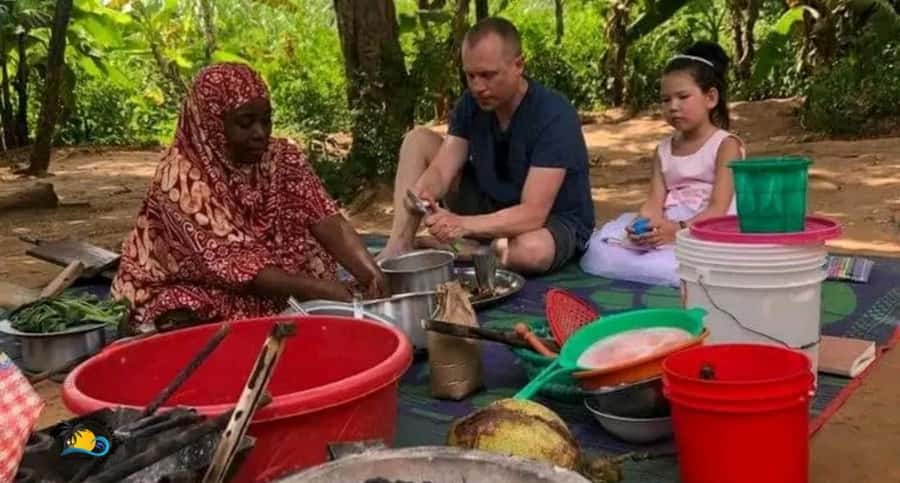
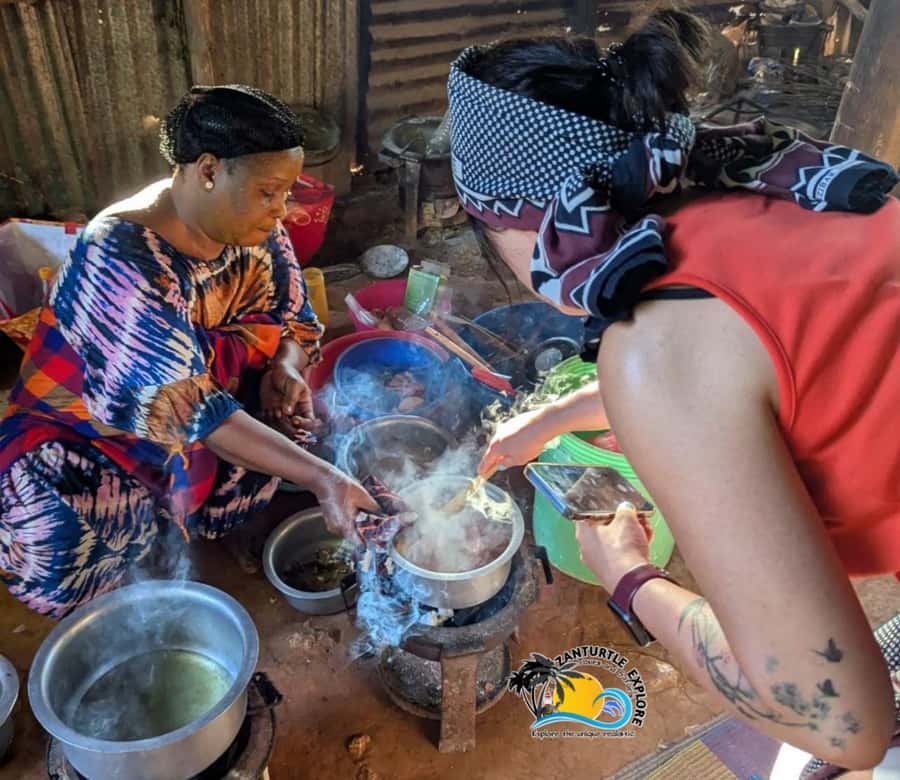
The cooking setup uses traditional tools and techniques passed down through generations. The experience may include cooking over an open fire and preparing food outdoors, details that give the meal a more grounded feel than a modern demonstration kitchen.
You should expect heat, smoke, and a working environment rather than a spotless studio. That is part of the appeal, but it may matter if you have mobility concerns or dislike outdoor cooking conditions.
The activity is listed as wheelchair accessible. Since the experience includes a walking tour through plantations and villages, it is wise to state any mobility needs in your booking request. Special requests can be written down before you reserve.
The meal includes soft drinks and fruit. Alcohol is not allowed, and pets are not permitted. Personal expenses, including shopping and tips, are separate.
The tip question and the cost of the day
At $63 per person, the price is fair if you want transport, a private group, a guided farm visit, cooking ingredients, equipment, fruit, soft drinks, and lunch in one package. The included hotel transfer adds real value, especially if you are staying outside central Stone Town.
The value is less clear if your main goal is a serious cooking course. The hands-on work can be modest, with some guests mainly cutting vegetables and stirring while the chef leads the cooking. You are paying for a combined cultural outing, not just a class.
Plan for extra cash. Several people involved in the day may ask for tips, including some who spend only a short time with you. The stated price does not cover these requests. You are not required to turn every brief interaction into a paid service, but having small notes helps you decide calmly.
Shopping requires the same care. The chance to buy spices directly at the farm is useful, and some prices may compare favorably with Stone Town. Still, check the cost and quantity before handing over money. A farm setting does not automatically mean the price is low.
Who will enjoy this five-hour outing
I would recommend the tour to you if you want an easy way to combine food, plants, village life, and a meal. It suits first-time visitors who want more than a Stone Town walk, families who like interactive activities, and anyone curious about how Zanzibar ingredients grow.
It is also a good match for people who prefer a private group. You can ask questions without competing with a large crowd, and the day can feel more personal when the guide gives you time to smell and taste each plant.
You may want to reconsider if you need a tightly timed schedule. The drive can take about an hour each way, and a pickup problem can reduce the time at the farm. You should also think twice if repeated tipping requests will spoil the mood or if you want advanced cooking instruction.
Wear comfortable shoes, a hat, and sunscreen. Bring a camera and cash. The plantation walk includes outdoor activity, tree viewing, fruit tasting, and time around cooking fires, so casual clothing is the sensible choice.
Booking details that matter
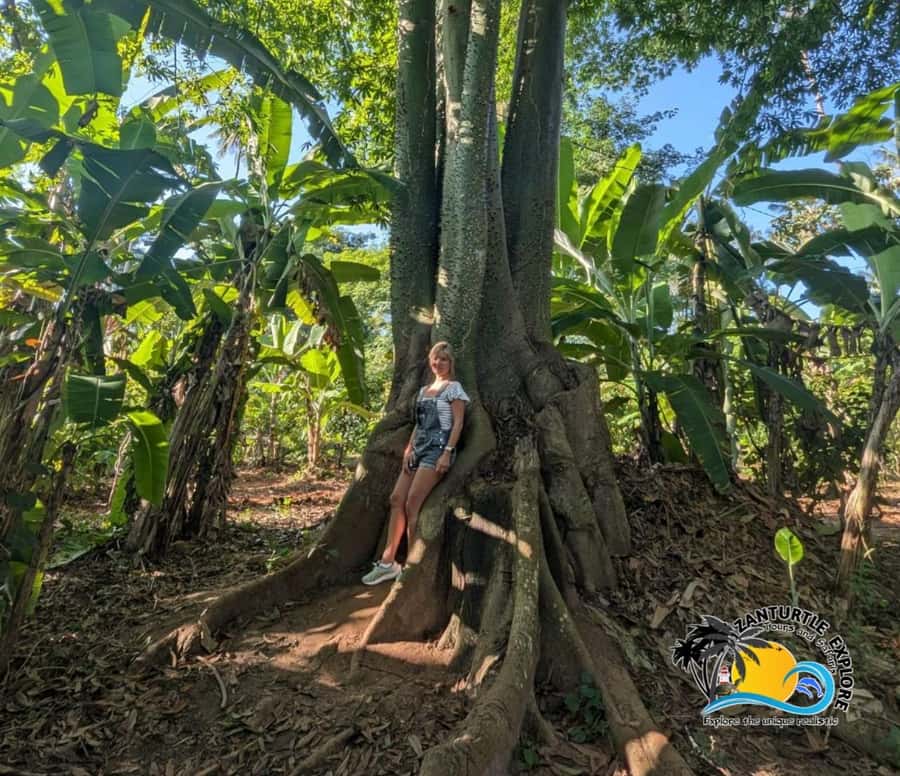
The tour offers free cancellation up to 24 hours before the start time, and you can reserve now and pay later. Starting times depend on availability.
Hotel pickup and drop-off are included for the listed areas: Stone Town, Mjini Magharibi, Unguja North, and Unguja South. Confirm the hotel information carefully, especially if your accommodation has more than one entrance or reception point.
The tour is provided by Zanturtle Explore Tours and Safaris. It is offered as a private group, with multilingual guide options. If you have a dietary need, mobility request, or another special concern, write it in the booking request before the day of the tour.
Should you book the Jambo Spice Farm tour?
Book it if you want a lively introduction to Zanzibar’s food culture, with real smells, fruit tasting, a village walk, and a shared Swahili meal. The spice guessing walk and the chance to see workers in the trees give the outing more character than a simple farm photo stop.
Go in with the right expectations. You will probably help prepare food rather than receive a full chef-led course, and you should budget cash for tips and possible spice purchases. Confirm pickup details and leave room in your day for road delays.
For $63, the combination of transport, private guiding, farm access, ingredients, lunch, and fruit makes sense for many visitors. If you value local contact and a relaxed meal more than polished instruction, this is a worthwhile Zanzibar day out.
FAQ
How long does the Zanzibar spice farm and cooking tour last?
The activity is advertised as five hours. The schedule includes about one hour of transport each way, two hours at the spice farm, and about 90 minutes for lunch, cooking, and free time.
What is included in the price?
The price includes hotel pickup and drop-off, a guided walking tour, a cooking class with a local chef, ingredients and equipment, soft drinks, fruit, and lunch made during the class.
Which spices will I learn about?
The tour includes cloves, cinnamon, ginger, and lemongrass, along with other spices and their traditional uses. You can smell, touch, and taste the plants and ingredients.
What food will I cook?
The cooking session includes a three-course meal and dessert. Dishes can include Tanzanian pilau rice, curry, and side dishes.
Is the cooking class suitable for beginners?
Yes. You work with a local chef and help harvest ingredients, prepare food, and cook the meal. The session is informal and may involve cutting ingredients and stirring rather than detailed professional-level instruction.
Are hotel transfers included?
Yes. Pickup and drop-off are included from hotels in Stone Town, Mjini Magharibi Region, Unguja North Region, and Unguja South Region. You should provide your hotel name and room number.
What languages are available?
Guide languages include English, Italian, French, German, Portuguese, Spanish, Polish, Arabic, Swahili, Czech, Russian, and Romanian.
What should I bring?
Bring comfortable shoes, a hat, sunscreen, a camera, and cash. Cash is useful for personal expenses, tips, and possible spice purchases.
More farm visits in Zanzibar
- Zanzibar: Stone Town & Spice Farm Tour with Lunch
★ 4.5 · 97 reviews - Zanzibar:Stone Town & Spice Farm Private Tour Lunch Included
★ 4.2 · 94 reviews - Zanzibar full day Jozani forest + Spice farm and stone town
★ 4.7 · 90 reviews - Zanzibar: Spice Farm & Stone Town Tour with Lunch
★ 4.5 · 80 reviews
More lunch stops in Zanzibar
- Zanzibar: Prison Island and Nakupenda Boat Trip with Lunch
★ 4.1 · 882 reviews - Mnemba Island: Dolphin Swim & Snorkeling with Optional Lunch
★ 4.3 · 591 reviews - Zanzibar: Prison Island & Nakupenda Boat Tour with BBQ Lunch
★ 4.4 · 554 reviews - Zanzibar: Safari Blue Lagoon Trip with Snorkeling and Lunch
★ 4.5 · 336 reviews
Newly listed around Zanzibar
- Zanzibar: Nungwi/Kendwa Beach Sunset Dhow Cruise with Fruits★ 3.4 · 3 reviews
- Prison Island, Sea Turtles, Rock Restaurant & Relax in Beach★ 4.6 · 3 reviews
- Starfish Beach; The Rock; Kuza Cave; Paje Beach; Salaam Cave Tour★ 4.5 · 3 reviews
- Zanzibar: Half-Day Spice Farm Tour,the flavours of Zanzibar★ 4.7 · 3 reviews
- Joazani forest & Spice farm with lunch★ 5.0 · 3 reviews
- Nakupenda Island Snorkeling Sea trip & Lunch W/Transfer -Zanzibar★ 4.0 · 3 reviews
- Zanzibar:Jozani forest, Spice farm with Swahili Cuisine clas★ 4.2 · 3 reviews
- Mnemba Island Snorkeling and Dolphin tour★ 5.0 · 3 reviews
Spice Farm Tours, compared.



Full-Day Private Stone Town +Spice Farm and Prison Island Tour
Read our review →
The Swahili Spice Experience – Spice Tour + Culinary Journey
Read our review →Browse the lists this tour appears in