
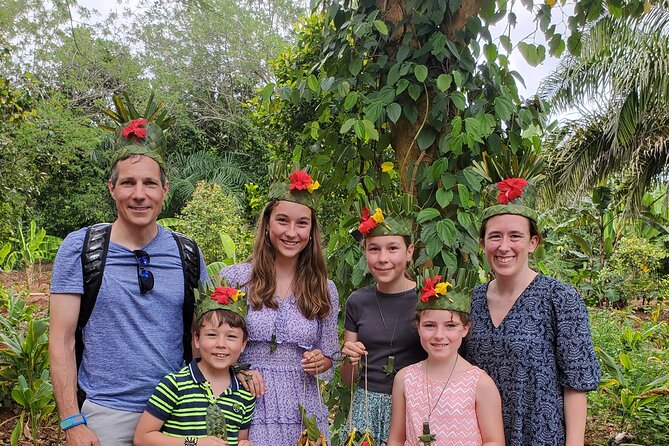
Reviewed · STONE TOWN TOURS
Private Tour Zanzibar Unique Stone Town with spice Farm Plantations
Zanzibar’s past comes alive in two very different places: the tight lanes of Stone Town and the fragrant fields of a local spice farm. In roughly five hours, this private outing takes you from slave-trade history and carved doors to cinnamon, cloves, vanilla, and a singing coconut climber.
I like the mix of serious history and hands-on food culture, and I like that your group gets a private guide rather than a fixed crowd. Masoud is often named as the guide, with Hanoud and Masoudy also appearing in the experience details. The main drawback is practical: hotel pickup and drop-off are not included, so you must reach the Slave Market Exhibition Museum yourself.
Key points at a glance
- Stone Town on foot: Spend two to three hours in the UNESCO-listed old quarter, with narrow lanes, historic buildings, museums, shops, and the local bazaar.
- A useful history lesson: The route includes the former slave market, a Portuguese fortress, House of Wonder, and Zanzibar’s Swahili and Islamic influences.
- A working spice farm: Learn to identify cardamom, cloves, cinnamon, vanilla, nutmeg, ginger, turmeric, coffee, and other plants by sight, scent, and taste.
- Private and flexible: Only your own group participates, making it easier to ask questions, shop, or adjust the pace.
- A memorable finish: Watch a coconut tree climber sing local songs while picking coconuts high above the ground.
- Clear cancellation terms: Cancel at least 24 hours before the start for a full refund. Poor weather can lead to a new date or full refund.
Why this five-hour pairing works
Stone Town and a spice plantation explain two central parts of Zanzibar in one compact trip. The old city shows you how trade, religion, colonial rule, and the slave trade shaped the island. The farm shows why Zanzibar became famous for cloves and other valuable spices.
That contrast gives the excursion a useful rhythm. You spend the first half looking closely at buildings and listening to stories, then shift to smells, tastes, plants, and demonstrations. I would choose this combination early in a Zanzibar stay because it gives you a base for understanding the island before you head to the beaches.
The tour is private, but the price is listed at $61 per person. That is a fair value if you are in a small group and want an informed guide, entrance fees, bottled water, taxes, service charges, and gratuities included. You are paying for convenience and personal attention, not simply admission to two places.
Still, the value depends on your transport plans. Since pickup and return to your hotel are excluded, you need to arrange your own way to the meeting point and back. If you are staying outside Stone Town, allow extra time and confirm the meeting details before setting out.
More Stone Town walks:
- Zanzibar: Stone Town, Spice Tour, Prison Island with Lunch
★ 4.4 · 1,219 reviews - Zanzibar: Prison Island, Stone Town, & Spice Farm Tour
★ 4.5 · 579 reviews - Zanzibar; Prison Island, Nakupenda, StoneTown Tour with BBQ
★ 4.3 · 457 reviews
Meeting the guide at the former slave market
The stated starting point is the Slave Market Exhibition Museum on Mkunazini Street in Stone Town. This is a sensible place to begin because the building is part of the story you are about to explore, rather than a random street corner.
The meeting instructions also refer to Gos Tour in Zanzibar and a guide for the slave market and Stone Town city tour. Because the wording is a little crowded, I would use the mobile ticket and contact details supplied at booking to confirm exactly where your guide will wait. One couple had trouble with traffic before reaching Stone Town and suggested having a mobile phone available. That is good advice in a city where a few minutes of confusion can become a longer delay.
Masoud is the name most closely associated with the experience. The supplied information also identifies Hanoud and Masoudy in connection with tours. The strongest pattern in the feedback is not a particular monument, but the guide’s manner: clear English, humor, patience, and a willingness to explain both earlier events and present-day life.
That personal element matters in Stone Town. The lanes are easy enough to walk, but the meaning of a doorway, market, fort, or church-like building is not always obvious when you see it alone. A private guide can slow down for your questions instead of following a script for a large group.
Walking Stone Town’s narrow lanes
Plan on two to three hours in the old city. The walking is the heart of the experience, so wear comfortable shoes and expect uneven streets, tight passages, and regular stops. The tour is described as suitable for most people, and the guide has received praise for adapting the pace for elderly parents, but you should still consider your own walking ability.
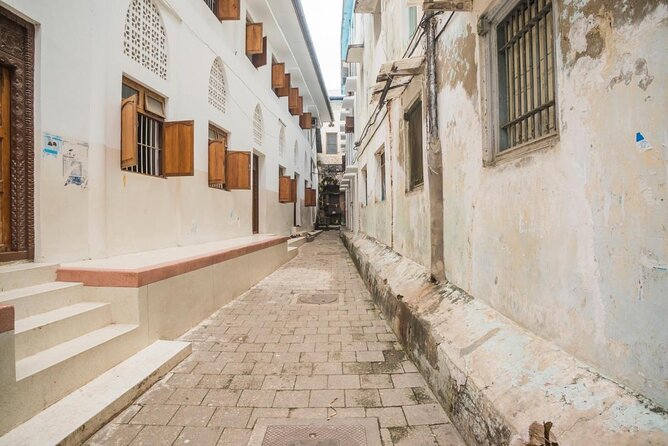
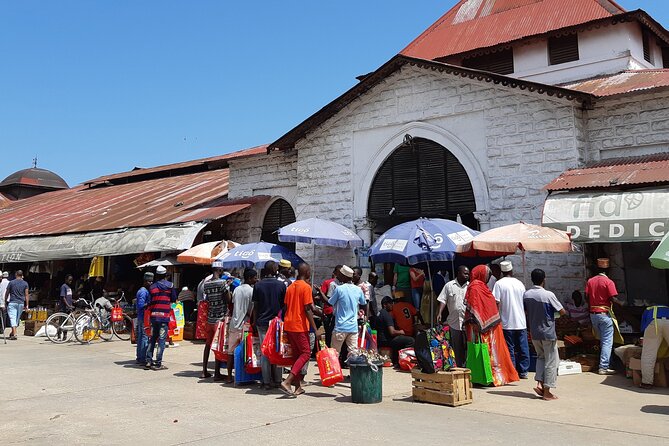
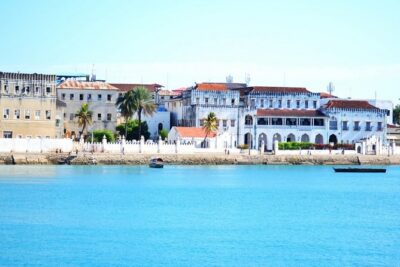
Stone Town, also called Mji Mkongwe, means Ancient Town. Its buildings reflect Swahili, Islamic, Arabic, Indian, Portuguese, and later colonial influences. That mixture is easiest to grasp while walking, because the architectural details appear one after another in a small area.
The handmade Arabic and Indian-style doors are a highlight. Look for carved panels, heavy timber, and decorative details that reveal the status or background of the original owner. Your guide can turn what might seem like a pretty photo stop into a lesson about trade, faith, craft, and family life.
The route also passes antique shops and local businesses. You will have some time for shopping, but this is not presented as a dedicated shopping tour. I would treat the stores as part of the walk and keep your main attention on the streets and buildings. If you see something you want, the private format should make it easier to pause without holding up a busload of people.
The slave market, fortress, and House of Wonder
The former main slave market of East Africa is one of the most serious stops. It is not included as a decorative backdrop. The site connects Zanzibar to the brutal trade in enslaved people across the region and to the island’s place in Indian Ocean commerce.
A guide adds real value here because the subject deserves context and care. You can ask questions about what happened at the site, how the trade affected Zanzibar, and how the island’s commercial success was tied to suffering. Expect this portion to feel more sobering than the spice farm later in the day.
The Portuguese fortress gives the walk another layer. It recalls an earlier period of outside control and maritime competition. The House of Wonder is one of Stone Town’s best-known landmarks and helps show the city’s former political and ceremonial importance.
The exact order of these stops may vary, and the information does not promise a full interior visit to every building or museum. That is worth noting if you are expecting a museum-heavy itinerary. The clear promise is a guided walk past historic buildings and local museums, with entrance fees included.
More spice farm mornings:
- Zanzibar: Stone Town, Spice tour & Prison Island with Lunch
★ 4.6 · 453 reviews - Full-Day Private Stone Town +Spice Farm and Prison Island Tour
★ 4.5 · 216 reviews - Spice Tour + Stone Town Tour + Prison Island
★ 4.5 · 130 reviews - Zanzibar: Spice Tour & Stone Town Walking Tour
★ 4.8 · 115 reviews
Coffee, ginger tea, and the local bazaar

A stop for local coffee or ginger tea breaks up the walking. It is a small detail, but a useful one. Stone Town is better understood at street level, and sitting briefly with a local drink gives you a pause from monuments and dates.
The ginger tea is particularly fitting for a day focused on spices. Do not expect a formal tasting menu. Think of it as a simple local refreshment during the walk. Bottled water is also included, which matters in Zanzibar’s warm conditions.
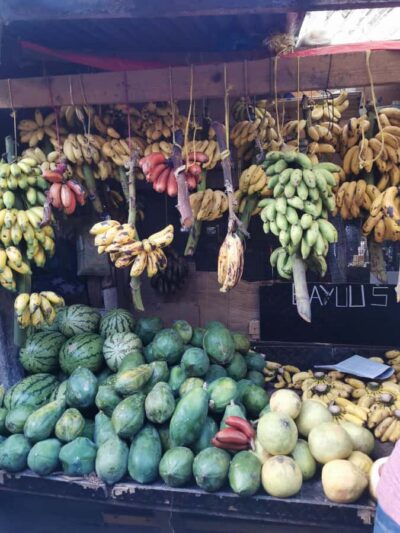
The bazaar adds a more everyday side of Stone Town. This is where the tour moves beyond major sights and lets you see local buying and selling. You may find the atmosphere crowded or stimulating, depending on the time and day, but the private guide can help you understand what you are seeing and guide you through the lanes.
The experience details promise time for shopping. Use it for small spice purchases, handmade goods, or other gifts if something catches your eye. Since personal expenses are not included, keep purchases separate from the tour price.
From city streets to Kizimbani’s spice farms
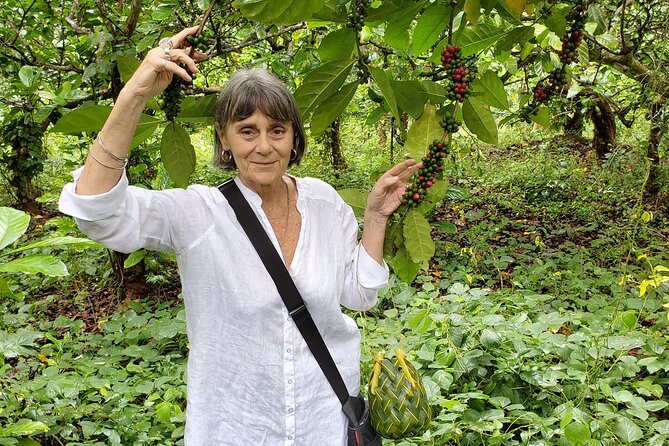
After Stone Town, the experience shifts to a local spice farm for about two hours. Several accounts identify Kizimbani Farms, although the main description simply calls it a local spice farm. The change of setting is part of the appeal: you leave the dense old city and focus on plants, scents, preparation, and agriculture.
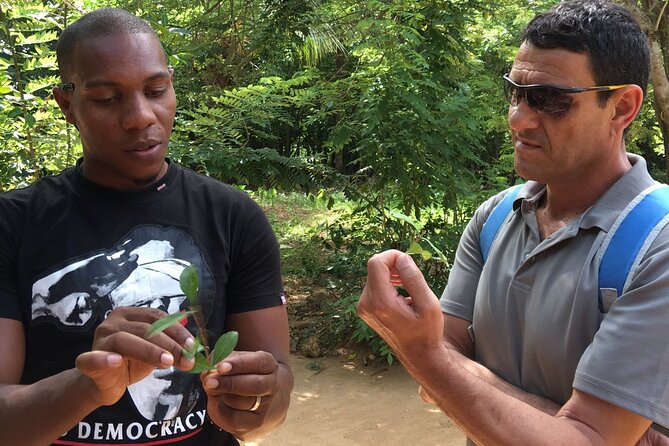
The guide and farm assistant may pick fresh examples for you to examine. One of the most enjoyable elements is guessing the spice before seeing or smelling it closely. This works better than simply walking past labeled plants, because you have to connect the leaf, bark, seed, or fruit with the flavor you know from the kitchen.
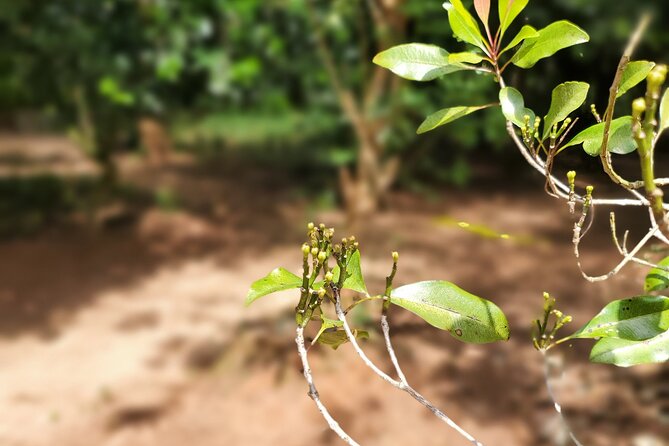
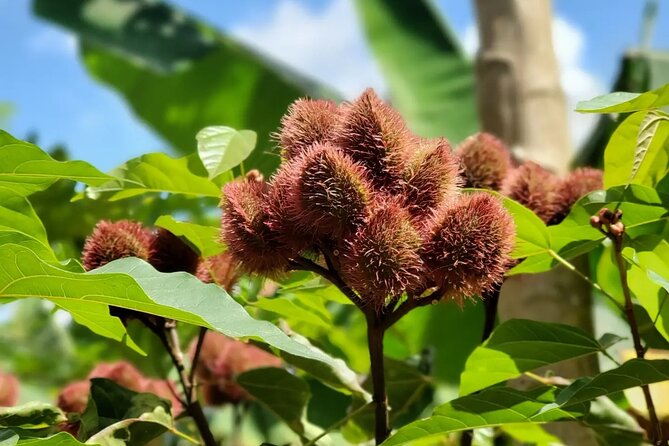
You can expect to encounter cardamom, cinnamon, cloves, vanilla, nutmeg, ginger, turmeric, coffee, and more. Some are familiar in dried form but look very different on the plant. Cinnamon, for example, is associated with bark, while other spices may appear as pods, roots, seeds, or fruit.
The farm is not just a photo stop. It explains Zanzibar’s agricultural identity and the value of spices in local trade. You also get to sample Zanzibar products made from some of these ingredients. The information does not promise a full meal, so plan on this as a tasting and demonstration, not lunch.
The coconut climber and spice table
The final farm performance is a coconut tree climber singing local songs while moving high into the branches to pick coconuts. It is a lively finish after the more thoughtful Stone Town visit, and it gives the farm experience a distinctly local performance element.
This part may feel theatrical, but it is also connected to practical work. You see the skill involved in reaching the coconuts rather than simply buying one from a market stall. If you are sensitive to staged demonstrations, keep your expectations modest. The appeal is the combination of music, movement, and a real agricultural task.
At the spice table, you can see processed spices and buy gifts. This is the natural point to purchase cinnamon, cloves, vanilla, or other products introduced during the farm visit. Prices and payment details are not provided, so bring a way to pay for personal purchases and ask before assuming anything is included.
I like this ending because it ties the day together. In Stone Town, you hear how goods moved through Zanzibar. At the farm, you see and smell the goods themselves. The shopping stop then gives you a practical souvenir rather than a generic memento.
What the private format changes
A private tour is most valuable here because the itinerary contains several different kinds of stops. A family may want more time at the market, a couple may prefer extra questions about architecture, and an older participant may need a slower walk. The guide can respond to the group rather than keep everyone moving at one fixed pace.
Masoud receives especially strong praise for his English, historical explanations, friendliness, and ability to accommodate elderly parents. Hanoud is described as relaxed, funny, reassuring, and able to discuss both Stone Town’s past and Zanzibar today. Masoudy is also associated with a welcoming style and strong knowledge of the city and spices.
Those details help set realistic expectations. You are not booking a silent escort from one attraction to another. The quality of the day depends heavily on conversation, so come prepared with questions. Ask about the buildings, the spice trade, local life, and the meaning of what you are seeing.
The private format does not remove every practical issue. Traffic can affect your arrival, and the five-hour estimate may feel tight if you want lengthy museum visits and extended shopping. If you want a slow, detailed examination of every interior, book a separate Stone Town walk or arrange extra time.
Who gets the best value from $61
At $61 per person, the package works best for people who want a broad first look at Zanzibar in half a day. Entrance fees, water, taxes, service charges, and tips are listed as included, which makes the final cost easier to understand.
I would recommend it for:
- First-time visitors who want both Stone Town and a spice farm
- Families needing a guide who can adjust the pace
- Couples and small groups who prefer a private outing
- Cruise or short-stay visitors with limited time
- Anyone interested in architecture, trade, food, and local culture in one outing
It may be less suitable if you dislike walking, want a beach-focused day, or have only a narrow transfer window. The tour ends back at the meeting point, not at your hotel, so it is not a complete transport solution for a departure day unless you have planned your onward journey carefully.
The tour is listed as requiring good weather. If poor weather cancels the activity, you are offered another date or a full refund. For your own cancellation, cancel at least 24 hours before the start time for a full refund. Changes or cancellations within 24 hours are not refunded or accepted.
Should you book this Stone Town and spice farm tour?
I would book it if you want a private introduction to Zanzibar rather than a single-purpose sightseeing stop. The combination is well chosen: Stone Town gives you architecture and difficult history, while the farm adds scent, taste, agriculture, music, and shopping.
Before paying, confirm the meeting point, check how you will reach Mkunazini Street, and allow enough time for traffic. If those details work for you, $61 buys a useful half-day with a local guide, included admissions, and a good balance of major sights and small discoveries.
FAQ
How long does the tour last?
The experience lasts approximately five hours. The Stone Town walk takes about two to three hours, followed by about two hours at the spice farm.
Where does the tour start?
It starts at the Slave Market Exhibition Museum on Mkunazini Street in Zanzibar, Tanzania. The booking information also refers to Gos Tour in Zanzibar, so confirm the exact meeting arrangement before the day of the tour.
Where does the tour end?
The activity ends back at the meeting point.
Is hotel pickup and drop-off included?
No. Pickup and drop-off from your hotel are not included, so you must arrange your own transport to and from the meeting point.
Is this a private tour?
Yes. Only your group participates in the activity.
What is included in the price?
The listed inclusions are a professional guide, bottled water, entrance fees, taxes, service fees, and tips or gratuities.
What happens if I need to cancel?
You receive a full refund if you cancel at least 24 hours before the experience begins. Cancellations or changes made within 24 hours are not accepted, and the amount paid is not refunded. If poor weather causes the operator to cancel, you are offered another date or a full refund.
More farm visits in Zanzibar
- Zanzibar: Stone Town & Spice Farm Tour with Lunch
★ 4.5 · 97 reviews - Zanzibar:Stone Town & Spice Farm Private Tour Lunch Included
★ 4.2 · 94 reviews - Zanzibar full day Jozani forest + Spice farm and stone town
★ 4.7 · 90 reviews - Zanzibar: Spice Farm & Stone Town Tour with Lunch
★ 4.5 · 80 reviews
Newly listed around Zanzibar
- Zanzibar: Nungwi/Kendwa Beach Sunset Dhow Cruise with Fruits★ 3.4 · 3 reviews
- Prison Island, Sea Turtles, Rock Restaurant & Relax in Beach★ 4.6 · 3 reviews
- Starfish Beach; The Rock; Kuza Cave; Paje Beach; Salaam Cave Tour★ 4.5 · 3 reviews
- Zanzibar: Half-Day Spice Farm Tour,the flavours of Zanzibar★ 4.7 · 3 reviews
- Joazani forest & Spice farm with lunch★ 5.0 · 3 reviews
- Nakupenda Island Snorkeling Sea trip & Lunch W/Transfer -Zanzibar★ 4.0 · 3 reviews
- Mnemba Island Snorkeling and Dolphin tour★ 5.0 · 3 reviews
- Zanzibar:Jozani forest, Spice farm with Swahili Cuisine clas★ 4.2 · 3 reviews
Stone Town Tours, compared.




Full-Day Private Stone Town +Spice Farm and Prison Island Tour
Read our review →
Browse the lists this tour appears in