
Reviewed · STONE TOWN TOURS
Stone Town Historical Walking Tour
Stone Town is best understood on foot, one narrow lane at a time. This private tour connects its old trading streets, carved doors, sea air, calls to prayer, markets, and monuments into one readable story. You’ll see how African, Arab, Indian, Persian, and European influences met here over centuries.
I like the private format, since your guide can adjust the pace and spend more time on the subjects that interest you. I also like the route’s range, from the Old Fort and former slave-market site to Darajani Bazaar and the home of Freddie Mercury. The main consideration is that the advertised two to three hours is fairly full, and entrance fees for some stops cost extra.
Key details at a glance
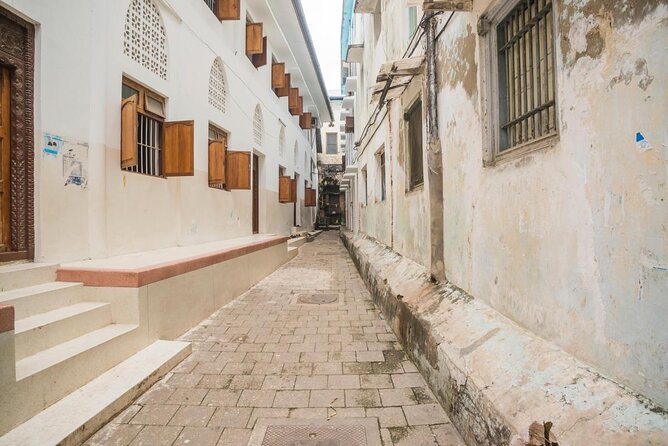
- A private Stone Town walk: Only your group takes part, with a professional guide leading the way.
- History with present-day life: You move from forts and palaces to food stalls, vendors, seafood, spices, and daily market trade.
- A route with emotional weight: Christ Church Cathedral occupies the former slave-market site, adding a serious chapter to the walk.
- Good cultural range: The stops cover royal Zanzibar, Portuguese and Omani rule, local food, religious coexistence, and Freddie Mercury’s Zanzibari connection.
- Simple pricing: The tour costs $25 per person, with a separate $5 entrance fee noted and additional admission charges at some attractions.
- Flexible cancellation: You can receive a full refund if you cancel at least 24 hours before the start time.
Why Stone Town works best as a walking tour
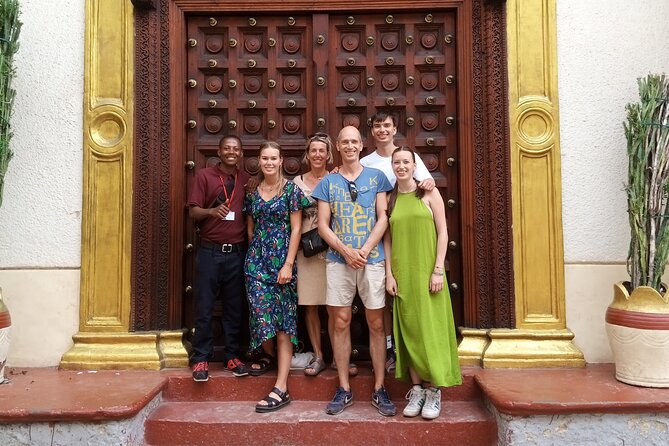
Stone Town is not a place you understand from a coach window. Its character is packed into lanes, doorways, courtyards, balconies, religious buildings, and small details that can be easy to miss without context. A walking guide helps connect those details to Zanzibar’s role as a major trading center for spices, silk, and human beings.
You’ll notice the meeting of cultures in the built environment. African, Arab, Indian, Persian, and European influences appear together, rather than in separate districts with clean borders. The result is a city that can feel visually striking, historically difficult, and very much alive at the same time.
The tour also points to religious coexistence. Islam, Christianity, and Hinduism have all shaped Stone Town, and the soundscape can include the calls to prayer from minarets alongside the movement of the streets. That mix is one reason the town feels like more than an old architectural quarter.
The private setup matters here. A guide can pause to explain a carved door or answer questions about Zanzibar’s past without holding up a large group. One particularly useful detail from the guide feedback is that Ahmed adjusted the pace to suit his guests’ interests and discussed both Stone Town’s past and current struggles facing Zanzibarians. If Ahmed is available, you can request him, but the supplied information does not promise a particular guide.
More History Tours in Zanzibar
- Zanzibar: Stone Town Historical Cultural Walking Guided Tour
★ 4.5 · 179 reviews - Stone Town Historical Walking Tour
★ 5.0 · 143 reviews - Stone Town’s Hidden History: Private Guided Walking Tour
★ 4.6 · 94 reviews
Beginning at Forodhani and reading Stone Town
The meeting point is Forodhani in Stone Town, and the walk ends back there. The opening stop gives you about 30 minutes to get oriented in the Old Town, the historic center of Zanzibar City.
This is where the tour’s larger story begins. Stone Town was a meeting place along trading routes for more than a thousand years, with goods, languages, faiths, and people passing through. Its old colonial buildings and carved Zanzibari doors offer plenty to look at, but the guide’s explanation is what gives those details meaning.
Pay attention to your senses as you walk. You may notice the smell of the sea, spices, perfumes, and food, along with the calls to prayer from the minarets. These details are not background decoration. They help you understand how the town still functions as a lived-in city rather than a preserved museum district.
The tour description presents Stone Town as one of the few ancient cities remaining in Africa and notes its UNESCO World Heritage status. That designation helps explain why the buildings matter, but you should not expect a polished open-air museum. Narrow streets, active businesses, and everyday movement are part of the experience.
The Old Fort and Zanzibar’s Portuguese chapter

The Old Fort, or Ngome Kongwe, receives about 40 minutes and is the longest scheduled stop. It is described as Stone Town’s oldest building, dating to around 1560, though much of the present structure reflects later changes after the Portuguese were expelled.
The fort introduces a useful sequence of Zanzibar’s political history. Portuguese control ended after the Yarub captured Mombasa, and the Omani took over in 1698. You’ll hear how those shifts changed control of the island and its trading position.
This stop works well early in the walk because it gives you a clear framework for the rest of the city. Later, when you see the palace, market, and religious sites, you’ll have a better sense of the powers and trading networks that shaped them.
The fort is an outdoor historical site, so the value comes mainly from the structure and the guide’s explanation. The admission is listed as free in the stop details, but a general $5 entrance fee is also listed under exclusions. Since the information is not perfectly consistent, confirm which admissions are due when you book.
Forodhani Gardens after dark

Forodhani Gardens is scheduled for about 30 minutes. The park becomes especially busy after sunset, when locals and visitors gather around the street-food market.
The food here is distinctly Zanzibari and Kiswahili. You might find grilled seafood, samoosa, cassava, potatoes, and other local dishes. The supplied tour details do not say that food is included, so treat this as a chance to buy something separately rather than part of the tour price.
Timing matters. A daytime visit can show you the waterfront park and its setting, but the food market is most active after sunset. If your walk is scheduled earlier, you may not see the full evening food scene. Ask the provider about timing if sampling Forodhani food is a major reason for booking.
I like this stop because it brings the history down to street level. After forts and old buildings, you get a sense of how Zanzibar’s food traditions and social life continue in the same setting. Use normal care with any food purchase, and make sure you understand the price before ordering.
More Walking Tours in Zanzibar
- Stone Town Private Walking Tour
★ 5.0 · 371 reviews - Zanzibar: 3 Hours Private Stone Town walking Tour with Guide
★ 4.6 · 301 reviews - Stonetown: Food Markets and Street Food Walking Tour
★ 4.7 · 151 reviews - Zanzibar Stone Town Walking Tour
★ 5.0 · 145 reviews
Darajani Bazaar and the everyday market
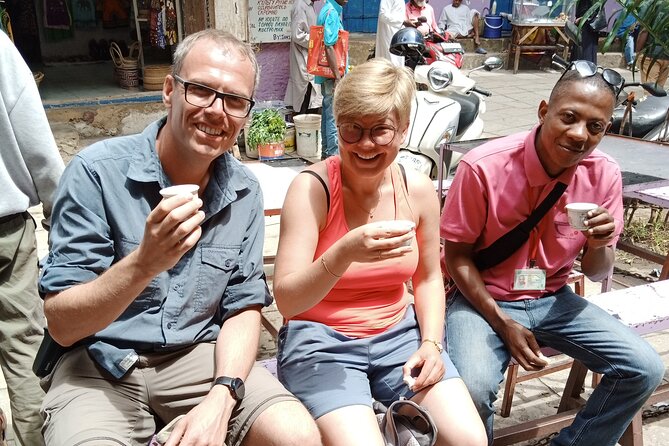
The route allows about 18 minutes at Darajani Bazaar. This is a short stop, but it can be one of the most useful if you want to see ordinary commerce rather than only major monuments.
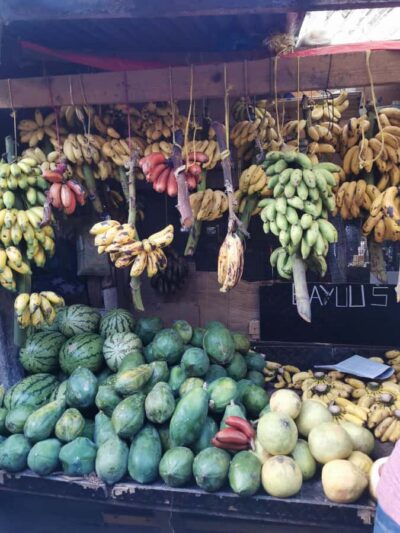
Expect displays of fresh produce, spices, seafood, clothing, and crafts. You can interact with vendors, look at local ingredients, and perhaps sample traditional foods or shop for a small item. The market is described as an authentic view of Zanzibar’s local flavors and daily culture.
Eighteen minutes will not allow a slow market wander. You’ll get an introduction, not a full shopping expedition. If you want spices or crafts, decide before the tour whether you are browsing or buying, since lingering over every stall could make the rest of the schedule feel rushed.
This is also a place to stay aware of your belongings and to ask before taking photographs. The guide can help you approach the market respectfully and explain what you are seeing, which is more useful than simply walking through with a camera.
The People’s Palace Museum and royal Zanzibar

The People’s Palace Museum, also called the Palace Museum, receives about 18 minutes. The building was once a residence of the Sultan, and the museum presents Zanzibar’s royal past through artifacts and exhibits.
This stop adds a different side of the city. The Old Fort tells you about military power and political change, while the Palace Museum shows how the ruling household lived and how royal culture developed. Traditional music or craft demonstrations may be available, though they are not guaranteed by the tour details.
The short time allocation means you should not expect to examine every exhibit. Think of it as a focused introduction to the Sultan’s residence. If royal history is especially important to you, ask the guide whether more time can be given here, knowing that the full route already fills most of a three-hour visit.
Admission is not clearly presented in one consistent way. The stop details say admission is free, while the general exclusions list a $5 entrance fee. Confirm the current fee before the walk so you are not caught short.
Christ Church Cathedral and the former slave market
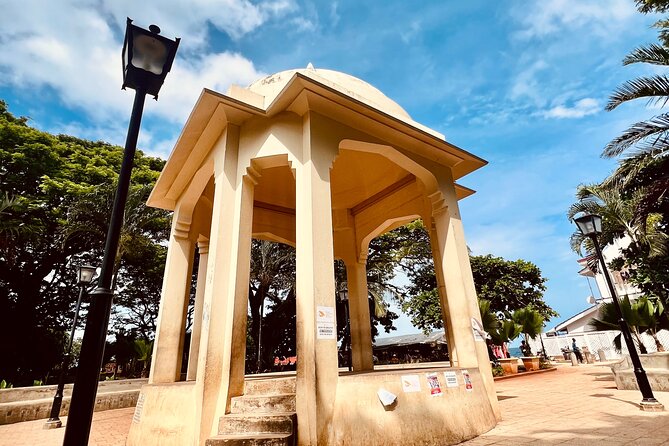
Christ Church Cathedral is one of the most serious stops. The church was built on the site of the former slave market, and the guide takes you there to explain that history.
This part of Stone Town deserves time and attention. Zanzibar’s trading role was not limited to spices and silk. Enslaved people were also bought, sold, and transported through the island’s networks. The cathedral’s location makes that past impossible to separate from the modern city.
The stop is scheduled for about 18 minutes, and admission is not included. The general tour details also list a $5 entrance fee, so confirm what you will pay at the door. The supplied information does not specify exactly which ticket the $5 covers.
This is not a light sightseeing stop. You may prefer to listen quietly and let the guide set the tone. I value its inclusion because it prevents the walk from presenting Stone Town as only picturesque doors, forts, and food. The city’s beauty and its painful past belong in the same account.
Freddie Mercury’s Zanzibar connection

The Freddie Mercury Museum takes about 18 minutes and offers a sharp change of subject. The museum focuses on the singer’s life and legacy, with personal belongings, memorabilia, and material connected to his career with Queen and his Zanzibari origins.
For music fans, this may be the most anticipated stop. It links a global cultural figure to the island where he was born and gives the walk a modern point of connection. Even if you are not a dedicated Queen fan, the museum helps show how Stone Town’s identity reaches far beyond its older trading and royal past.
Admission is not included. The stop details specifically mark the ticket as extra, so budget for it in addition to the $25 tour price. With only 18 minutes scheduled, you’ll get a compact visit rather than a long museum session.
The route’s mix is a real strength here. In one walk, you can move from Portuguese and Omani rule to royal Zanzibar, the former slave market, market food, and a twentieth-century music icon. Those subjects do not all have equal depth, but together they give you a broad first picture of Stone Town.
What the $25 price really covers
At $25 per person, the main value is the private guiding rather than included attractions or food. Your fee covers a professional guide and, if arranged ahead of time, pickup from a hotel in Stone Town. The tour begins in Stone Town, so transport from other parts of Zanzibar is not included.
For a private two to three-hour walk, the price is reasonable if you want context and the ability to ask questions. A self-guided walk costs less, but it will not necessarily explain why a fort changed hands, how the market fits into local life, or why the cathedral site carries such weight.
You should budget separately for entrance fees, food, drinks, transfers from elsewhere on the island, and a tip. The listing gives a $5 entrance fee, while two individual stops also say admission is not included. I would confirm the exact total before booking, especially if you plan to enter both the cathedral and Freddie Mercury Museum.
The schedule is full. The stated stop times add up to close to three hours before accounting for walking between sites. That is fine if you want a broad introduction, but less ideal if you prefer lingering over architecture, eating slowly, or spending a long time in one museum.
Who will get the most from this walk
I recommend this tour if you are staying in Stone Town and want a strong first orientation. The route gives you architecture, religion, trade, food, royal history, difficult colonial-era subjects, and modern culture in one outing.
It also suits you if you prefer a private experience. Most people can participate, and only your group joins the activity. That makes it easier to ask direct questions or request a pace that matches your interests, though the route still has many stops to cover.
This is a good choice for first-time visitors, couples, families with older children, and anyone who wants a guide to explain the city rather than simply point out buildings. It may be less suitable if you want a specialist museum tour, a dedicated food walk, or a slow photography outing.
Wear comfortable shoes and plan for walking on old streets. Bring water, modest clothing suitable for visiting religious sites, and a little extra cash for admissions and food. If you need hotel pickup, send the provider a message in advance and make sure the hotel is in Stone Town.
Booking, timing, and cancellation details
The experience uses a mobile ticket, and confirmation is provided when you book. It is booked on average 13 days in advance, so reserving ahead is sensible if your Zanzibar schedule is tight.
The start point is Forodhani, Zanzibar, and the walk returns there. Public transportation is nearby, but transfers from other parts of the island are not included. Pickup from Stone Town hotels can be requested in advance.
You can cancel for a full refund up to 24 hours before the local start time. Cancellations or changes made inside that 24-hour window are not accepted for a refund.
Should you book the Stone Town Historical Walking Tour?
Book it if you want a private, fairly priced introduction to Stone Town that does not avoid the city’s harder subjects. The strongest parts are the adjustable guiding, the mix of major landmarks and local markets, and the chance to connect Zanzibar’s past with its present.
Before paying, confirm the guide, the exact entrance fees, and the start time. If Ahmed is available, his ability to match the pace to your interests is worth requesting. Choose another experience only if your priority is a long food market visit, extensive museum time, or transport from outside Stone Town. For a compact first look at Zanzibar City’s old center, this walk covers a lot of ground.
FAQ
How long does the Stone Town Historical Walking Tour last?
The tour lasts approximately two to three hours. The scheduled stops add up to close to three hours, before allowing for walking between locations.
Where does the tour start and end?
The meeting point is Forodhani in Zanzibar, Tanzania. The activity ends back at the meeting point.
Is this a private tour?
Yes. Only your group participates in the activity.
Is hotel pickup available?
Pickup is available from hotels in Stone Town, but you must request it and send the provider a message in advance. Transfers from other parts of the island are not included.
Are entrance fees included?
No. The tour information lists a $5 entrance fee, and admission is specifically marked as not included at Christ Church Cathedral and the Freddie Mercury Museum. Confirm the exact current charges before the tour because the individual stop details are not fully consistent.
What is the cancellation policy?
You can cancel at least 24 hours before the local start time for a full refund. Cancellations or changes made less than 24 hours before the start are not accepted for a refund.
More Stone Town walks
- Zanzibar: Stone Town, Spice Tour, Prison Island with Lunch
★ 4.4 · 1,219 reviews - Zanzibar: Prison Island, Stone Town, & Spice Farm Tour
★ 4.5 · 579 reviews - Zanzibar; Prison Island, Nakupenda, StoneTown Tour with BBQ
★ 4.3 · 457 reviews - Zanzibar: Stone Town, Spice tour & Prison Island with Lunch
★ 4.6 · 453 reviews
Newly listed around Zanzibar
- Zanzibar: Nungwi/Kendwa Beach Sunset Dhow Cruise with Fruits★ 3.4 · 3 reviews
- Prison Island, Sea Turtles, Rock Restaurant & Relax in Beach★ 4.6 · 3 reviews
- Starfish Beach; The Rock; Kuza Cave; Paje Beach; Salaam Cave Tour★ 4.5 · 3 reviews
- Zanzibar: Half-Day Spice Farm Tour,the flavours of Zanzibar★ 4.7 · 3 reviews
- Joazani forest & Spice farm with lunch★ 5.0 · 3 reviews
- Nakupenda Island Snorkeling Sea trip & Lunch W/Transfer -Zanzibar★ 4.0 · 3 reviews
- Mnemba Island Snorkeling and Dolphin tour★ 5.0 · 3 reviews
- Zanzibar:Jozani forest, Spice farm with Swahili Cuisine clas★ 4.2 · 3 reviews
Stone Town Tours, compared.




Full-Day Private Stone Town +Spice Farm and Prison Island Tour
Read our review →
Browse the lists this tour appears in