
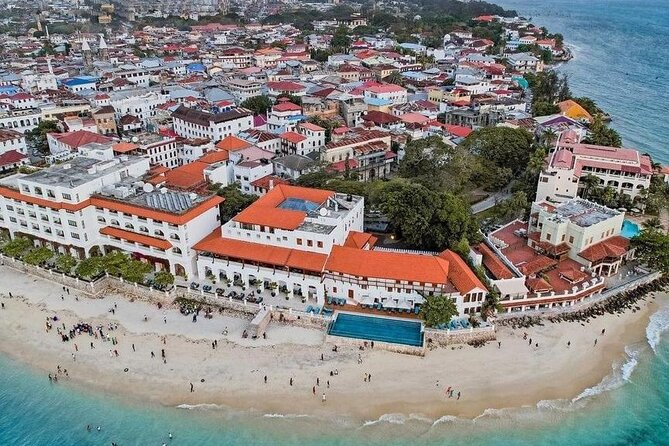
Reviewed · STONE TOWN TOURS
A Private Full Day Tour To Stone Town & Spice Farm
Stone Town and a spice farm make a smart Zanzibar pairing: one shows you the island’s layered past, while the other explains why Zanzibar became known as the Spice Island. With a private vehicle, guide, and roughly five to six hours, you can cover both without sorting out taxis or haggling over directions.
I like the personal guide service, with guides such as Machano, Mussa, Alpha, and Juma praised for clear explanations, patience, and local insight. I also like the hands-on spice visit, where cinnamon, vanilla, ginger, turmeric, cardamom, cloves, tropical fruit, and traditional plant uses are part of the experience.
The main point to watch is the timing. The tour is advertised as a full-day experience, but the stated schedule is closer to five or six hours, normally around 8 or 9 a.m. to 2 p.m. Shopping or extra time at the farm can stretch the day, but you should not book it expecting a long, unhurried eight-hour outing.
Key points at a glance
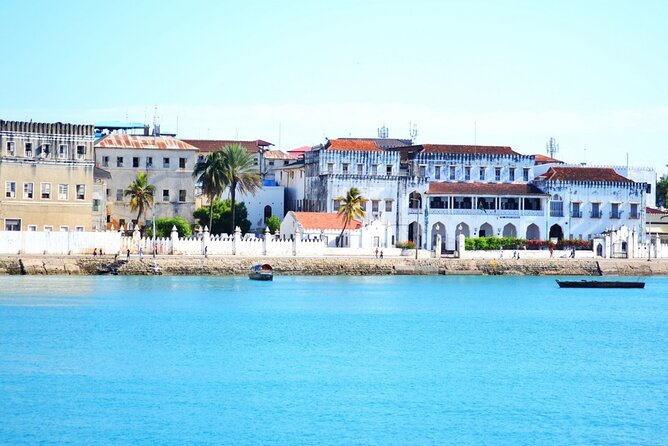
- Stone Town’s main landmarks: See the Former Slave Market Site, Darajani Market, Sultan’s Palace, Old Arab Fort, House of Wonders, Tiptip House, and Zanzibar Coffee House.
- A private setup: Only your group takes part, with private transport and a driver.
- Spices you can smell and taste: Learn about cloves, cinnamon, vanilla, nutmeg, ginger, turmeric, cardamom, and other plants.
- A human guide makes the difference: Machano, Mussa, Alpha, and Juma are among the guides associated with strong explanations and friendly service.
- Room for shopping: Your guide can help you navigate souvenirs and small bazaars in Stone Town.
- Simple inclusions: Air-conditioned transport, bottled water, entrance fees, taxes, and pickup are included.
Why this pairing works in Zanzibar
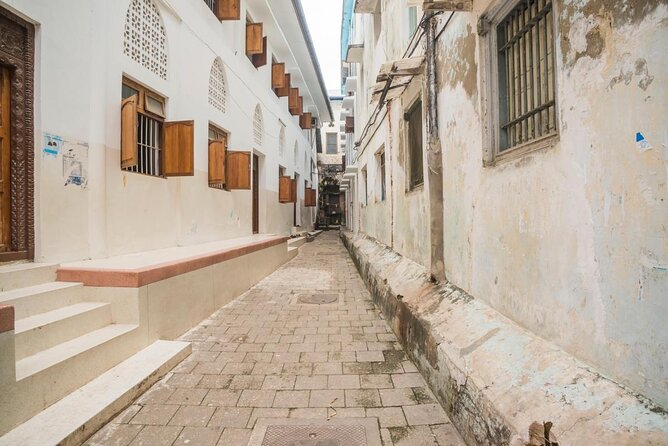
Stone Town can feel confusing at first. Narrow lanes twist between old buildings, market streets, carved doors, small shops, and shaded balconies. A guide gives the city some order and helps you understand what you are looking at instead of treating it as a backdrop for photographs.
Then the spice farm changes the subject completely. You move from stone walls and political history to living plants, farm work, food, medicine, and local customs. I like that contrast. You are not spending the whole day looking at buildings, and you are not spending the whole day in a garden without context.
This also suits a first full day on Zanzibar. You get an introduction to the island’s Swahili, Arab, Indian, Persian, European, and African influences, followed by a look at rural life and crops. The experience does not try to cover every corner of the island. Instead, it gives you two useful pieces of the bigger picture.
Because the activity is private, the pace can respond to your group. You can ask for more explanation, spend longer at a shop, or keep moving if the heat catches up with you. That flexibility is more useful here than it would be on a simple sightseeing bus.
More Stone Town walks:
- Zanzibar: Stone Town, Spice Tour, Prison Island with Lunch
★ 4.4 · 1,219 reviews - Zanzibar: Prison Island, Stone Town, & Spice Farm Tour
★ 4.5 · 579 reviews - Zanzibar; Prison Island, Nakupenda, StoneTown Tour with BBQ
★ 4.3 · 457 reviews
Walking through Stone Town’s old streets
The Stone Town portion lasts about three hours and includes admission fees. Expect a guided walk through one of Zanzibar’s most important historic areas, with stops at major buildings and public spaces.
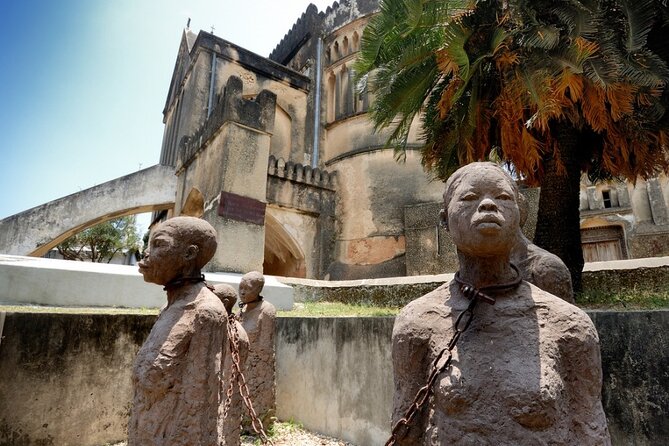
The Former Slave Market Site provides a serious starting point. Zanzibar was an important center in the East African slave trade, and this stop adds difficult but necessary context to the city’s wealth, trading connections, and past. Do not expect a light sightseeing stop here. It is one of the places that gives the rest of the tour greater meaning.
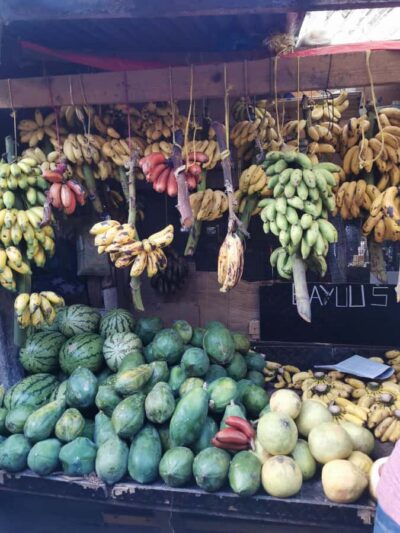
Darajani Town Market brings you into the city’s daily rhythm. It is also a practical place to see the difference between a tourist attraction and a working market. Your guide can help you make sense of what is being sold and can assist if you want to shop for souvenirs or local goods.
The Old Arab Fort is another central landmark. Its heavy walls and position near the waterfront reflect the strategic importance of Stone Town. The fort is not a huge site, so the value comes from the explanation and the way it connects to the city around it.
The Sultan’s Palace, also known as the former palace complex, helps explain Zanzibar’s royal past and links the island to the Omani sultanate. House of Wonders adds another architectural and political marker, though the condition or access of individual buildings can change. The tour description includes it as a Stone Town highlight, but you should think of the experience as a guided look at the city rather than a guaranteed visit through every interior room.
Tiptip House and Zanzibar Coffee House add smaller-scale detail. Stone Town is not only about grand buildings. The city’s character comes from doors, balconies, verandas, loggias, and the tight relationship between homes, shops, religious buildings, and streets.
What makes the guide important
This is the kind of city where a guide can either add real value or simply point at buildings. Here, the strongest part of the experience is intended to be the explanation.
Machano is associated with strong English, a friendly manner, and good understanding of Stone Town and the spice trade. Mussa is described as a professional guide who combines Stone Town and spice-farm visits well. Alpha is particularly useful if you want discussion of Zanzibar’s political past and present, while Juma is noted for patience and for explaining the places you see rather than rushing ahead.
Guide assignments can change, so you should not assume one particular person will lead your tour unless the company confirms it. Still, these names give you a sense of the service style to expect: personal guidance, questions answered along the way, and help with practical matters such as shopping.
A private tour is also a good choice if your group has mixed interests. One person may want architecture, another may care about markets, and someone else may be eager to taste fruit at the farm. On a fixed group excursion, those differences can be awkward. Here, you have more room to shape the day.
Shopping in Darajani and Stone Town bazaars
Shopping is included as an option, not as a required part of the experience. Your guide can take you through souvenir shops and small bazaars and help you buy items in the city.
That assistance matters because shopping streets can be busy and prices may not always be clear. A local guide can help you understand what you are looking at and keep the stop from becoming a drawn-out sales session. You still control what you buy, and the price does not include personal purchases.
Keep your expectations sensible. This is not a dedicated shopping tour, and the three-hour Stone Town schedule also includes several historic places. If shopping matters a lot to you, tell the guide early so the pace can be adjusted. If you prefer history, say so just as clearly.
One practical advantage is transport for your purchases. The driver can hold bags in the vehicle, which is easier than carrying them through the rest of the walking tour.
More spice farm mornings:
- Zanzibar: Stone Town, Spice tour & Prison Island with Lunch
★ 4.6 · 453 reviews - Full-Day Private Stone Town +Spice Farm and Prison Island Tour
★ 4.5 · 216 reviews - Spice Tour + Stone Town Tour + Prison Island
★ 4.5 · 130 reviews - Zanzibar: Spice Tour & Stone Town Walking Tour
★ 4.8 · 115 reviews
From city streets to Tangawizi Spice Farm
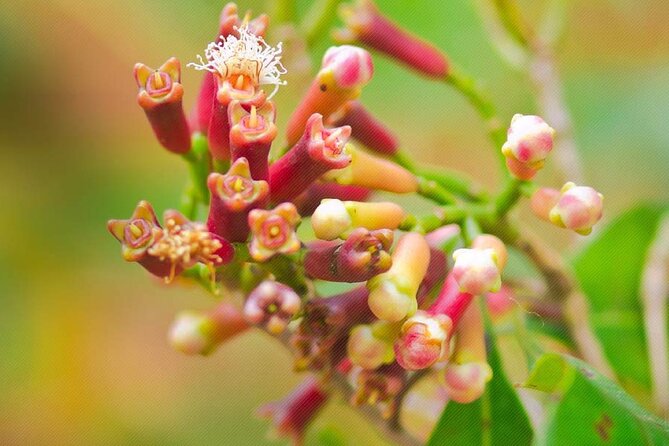
The drive to Tangawizi Spice Farm takes you away from central Stone Town and into rural parts of Zanzibar. The farm visit lasts about two hours and includes admission.
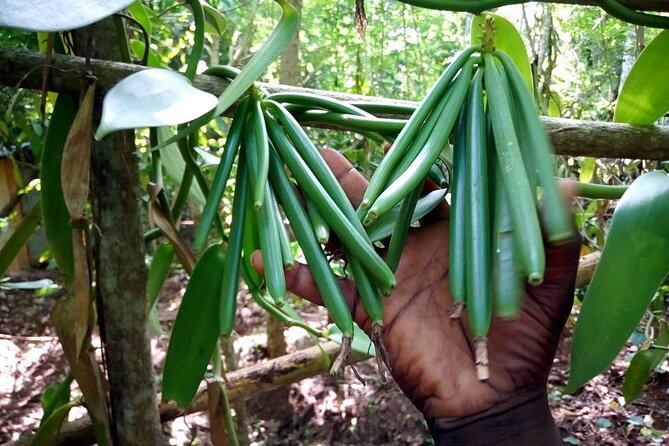
This is a guided walking tour through small gardens and farm areas. You can expect to see and smell familiar cooking spices in their growing form, including cinnamon, cloves, vanilla, nutmeg, ginger, turmeric, and cardamom. Seeing the plant rather than only buying a packet of powder makes the subject more memorable.
The guide also explains how plants are used in Zanzibar cuisine, herbal medicine, traditional ceremonies, and everyday life. That wider explanation is what gives the farm visit its value. You learn that spices are not simply export products or ingredients for a tourist demonstration. They are tied to health practices, food, trade, and local customs.
Vanilla and cinnamon are especially good examples of why a farm walk helps. At home, you usually meet them as dried sticks, pods, or ground powder. On the farm, you can connect those products with the plants that produce them. Ginger and turmeric likewise become easier to understand when you see them as crops rather than bright powders in a kitchen jar.
The farm also includes tropical fruit tasting. The exact fruit selection is not specified, so treat this as a chance to sample seasonal local produce rather than a fixed menu. You may also see ornamental and medicinal plants alongside the main spice crops.
Coconut climbing and the more playful side

A memorable feature is the chance to see or take part in coconut palm climbing. The description presents this as an experience at the farm, but it does not explain the exact arrangements, safety equipment, age limits, or whether every participant climbs.
For that reason, ask the guide on arrival before attempting it. If you have concerns about height, balance, or physical effort, you can simply watch. The farm visit is still worthwhile without climbing, since the walking tour, plant explanations, and fruit tasting make up most of the stop.
This is also where the private format helps. You can spend time watching the demonstration, asking questions, or moving on without waiting for a large group. Families and active adults may enjoy the lighter, more playful moment after the heavier Stone Town history.
Transport, timing, and comfort

Pickup is offered, and the tour uses an air-conditioned vehicle for private transportation. Bottled water is included, along with taxes and listed entrance fees. You do not need to arrange a separate taxi between Stone Town and the spice farm.
The advertised duration is approximately five to six hours. The Stone Town walk takes about three hours, and Tangawizi Spice Farm takes about two, with driving time between them. The operator also indicates that tours commonly begin around 8 or 9 a.m. and finish around 2 p.m., though the day can run longer if you choose to shop or spend extra time at the farm.
That timing makes this a useful morning-to-early-afternoon outing. It leaves room for other plans later, but you should allow some flexibility. Zanzibar roads and city traffic can affect the schedule, and the tour is not designed around a strict minute-by-minute timetable.
Wear comfortable walking shoes and bring sun protection. The information provided confirms a walking tour at the farm and several hours in Stone Town, so you will be more comfortable in light clothing, with water close at hand. The vehicle is air-conditioned, but the historic city walk and farm visit are outdoor activities.
The tour requires good weather. If poor weather forces cancellation, you can receive a full refund or move to another date. Since the cancellation rule is strict within 24 hours, make changes at least a day before departure if your plans shift.
Is $90 per person a fair price?
At $90 per person, this is not the cheapest way to see Stone Town and a spice farm. It can still be good value if you are traveling as a small private group and want transport, guiding, entrance fees, and a flexible day handled together.
The value comes from combining two separate outings. If you arranged Stone Town, a farm visit, transport, and entrance costs on your own, the final price would depend on your group size and bargaining skills. You would also need to manage the route and find suitable guides at both stops.
The private vehicle is especially useful for couples, families, or friends who want control over the pace. Solo visitors may find the per-person cost harder to justify, since there is no group to share the private transport expense.
Do remember what is not included. Personal spending, including souvenirs and any other purchases, comes separately. The tour does include bottled water and listed fees, which keeps the quoted price easier to understand.
The high overall rating and full recommendation record point to a reliable level of service, particularly in guiding, punctual pickup, driving, and organization. That does not remove the need to confirm the start time, pickup location, and expected finish, but it supports the idea that the tour is more than just a vehicle transfer between two stops.
Who should book this experience?
I would choose this tour if you want an efficient first look at Zanzibar’s culture and history without joining a large group. It is especially well suited to couples, families, and friends who value a private guide and want both an urban walk and a rural farm visit.
It also works for you if you are staying at a beach resort and want one organized day away from the coast. The experience gives you more context than a resort excursion focused only on scenery.
History-minded visitors should appreciate the Former Slave Market Site, Sultan’s Palace, Old Arab Fort, and House of Wonders. Food lovers and gardeners will get more from the farm, where spices are linked to cooking and medicine rather than displayed as simple souvenirs.
I would hesitate only if you want a slow, detailed museum day, a full eight-hour schedule, or a specialist botanical tour. The itinerary covers a lot in a short period, and the emphasis is on broad understanding, key sights, and personal guidance.
Should you book Stone Town and Spice Farm?
Book it if you want two of Zanzibar’s essential experiences in one private outing and value a guide who can explain what you are seeing. The strongest reasons are the combination of Stone Town’s major landmarks, the practical help with shopping, the farm’s plant-based demonstrations, and private transport between them.
Before booking, confirm your pickup point, start time, guide assignment if a particular guide matters to you, and how much time you want for shopping. If you accept the five to six-hour schedule and keep your expectations realistic, this is a useful, well-organized introduction to Zanzibar beyond the beach.
FAQ
How long does the Stone Town and spice farm tour last?
The stated duration is approximately five to six hours. Stone Town takes about three hours, and Tangawizi Spice Farm takes about two hours, with travel time between the sites.
What places are visited in Stone Town?
The tour includes the Former Slave Market Site, Darajani Town Market, Zanzibar Coffee House, Sultan’s Palace, Old Arab Fort, House of Wonders, and Tiptip House.
What spices can I learn about at Tangawizi Spice Farm?
The farm visit covers spices such as nutmeg, cinnamon, vanilla, cloves, cardamom, ginger, and turmeric, along with other medicinal and ornamental plants.
Is transportation included?
Yes. The tour includes pickup, private transportation, and an air-conditioned vehicle. Bottled water is also included.
Is this a private tour?
Yes. Only your group participates in the activity, rather than joining a larger shared group.
Does the tour include shopping?
Your guide can assist you with shopping at Stone Town’s souvenir shops and small bazaars. Personal purchases are not included in the tour price.
What happens if the weather is poor?
The experience requires good weather. If it is canceled because of poor weather, you will be offered another date or a full refund. You can cancel for a full refund if you do so at least 24 hours before the start time. Cancellations within 24 hours are not refunded.
More full day trips in Zanzibar
- Zanzibar Full Day Mnemba Island, Nungwi and Kendwa Beach Tour
★ 4.0 · 49 reviews - Full-Day Blue Lagoon and Sandbank Boat Tour from Zanzibar ( Safari blue)
★ 4.0 · 35 reviews - Full Day Private Safari Blue Sea Adventure in Zanzibar
★ 5.0 · 33 reviews - Full Day Holiday Package (Prison Island-Stone Town-Spice farm)
★ 5.0 · 33 reviews
More farm visits in Zanzibar
- Zanzibar: Stone Town & Spice Farm Tour with Lunch
★ 4.5 · 97 reviews - Zanzibar:Stone Town & Spice Farm Private Tour Lunch Included
★ 4.2 · 94 reviews - Zanzibar full day Jozani forest + Spice farm and stone town
★ 4.7 · 90 reviews - Zanzibar: Spice Farm & Stone Town Tour with Lunch
★ 4.5 · 80 reviews
Newly listed around Zanzibar
- Zanzibar: Nungwi/Kendwa Beach Sunset Dhow Cruise with Fruits★ 3.4 · 3 reviews
- Prison Island, Sea Turtles, Rock Restaurant & Relax in Beach★ 4.6 · 3 reviews
- Starfish Beach; The Rock; Kuza Cave; Paje Beach; Salaam Cave Tour★ 4.5 · 3 reviews
- Zanzibar: Half-Day Spice Farm Tour,the flavours of Zanzibar★ 4.7 · 3 reviews
- Joazani forest & Spice farm with lunch★ 5.0 · 3 reviews
- Nakupenda Island Snorkeling Sea trip & Lunch W/Transfer -Zanzibar★ 4.0 · 3 reviews
- Mnemba Island Snorkeling and Dolphin tour★ 5.0 · 3 reviews
- Zanzibar:Jozani forest, Spice farm with Swahili Cuisine clas★ 4.2 · 3 reviews
Stone Town Tours, compared.




Full-Day Private Stone Town +Spice Farm and Prison Island Tour
Read our review →
Browse the lists this tour appears in