

Reviewed · STONE TOWN TOURS
Zanzibar Private Spice Farm and Stonetown Tour(Include Lunch)
Stone Town’s tight lanes and carved doors tell Zanzibar’s story in a way no museum display can match. This private tour pairs that walk with a visit to Jambo Spice Farm, where you can smell cinnamon, taste young coconut, watch a coconut climber sing Hakuna Matata, and eat a local lunch.
I like the private format, since your guide can slow down for questions or shorten the walking route when the heat sets in. I also like the useful mix of sights and tastes: the Old Slave Market, Darajani Market, the old fort, pilau, cooked banana, kachumbari, and freshly handled spices all fit into one day.
The main drawback is the pace. The spice farm, lunch, shop, drive, and several hours on foot in Stone Town make this a full day, and one review found the guide, Yasser, less energetic later in the afternoon. At $76 per person, the value is strongest if you want a private vehicle, lunch, entrance fees, and a broad first look at Zanzibar.
Key points to know before booking
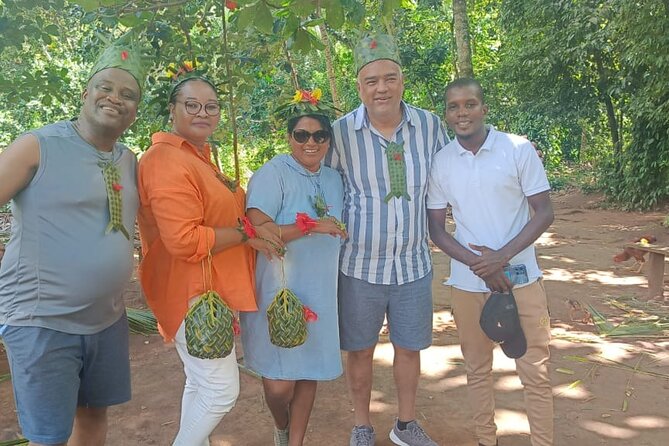
- Jambo Spice Farm comes first: See plots of cloves, cinnamon, cardamom, ginger, turmeric, nutmeg, lemongrass, coffee, and tropical fruit trees.
- A coconut tree show is part of the visit: A performer climbs for fresh young coconut and sings Hakuna Matata.
- Lunch is included: Expect pilau, cooked banana, spinach, fried chicken, sauce, and kachumbari.
- Stone Town is explored on foot: The route includes Darajani Market, the Old Slave Market and Anglican Cathedral, Freddie Mercury House, the old Catholic church, Old Fort, and Forodhani Gardens.
- This is a private experience: Only your own group takes part, with an air-conditioned vehicle and bottled water.
- Plan for a seven-hour day: Pickup begins at 9:00 a.m., and the schedule combines about three hours at the farm and about three hours in Stone Town, plus driving.
A useful Zanzibar introduction for $76
This experience gives you two very different views of Zanzibar. At Jambo Spice Farm, the island is agricultural and fragrant. In Stone Town, it is crowded with old buildings, market life, religious landmarks, and traces of Swahili, Arab, and European rule.
The $76 price deserves a closer look. It includes private transportation, an air-conditioned vehicle, bottled water, lunch, taxes, and entrance fees. The Old Slave Market and Anglican Cathedral entrance is included, which matters because that is one of the day’s most serious and important stops.
You are not paying for a luxury outing. The farm includes a staged coconut-climbing performance, and the Stone Town walk may feel broad rather than slow and scholarly. Still, for a private seven-hour outing, the price is reasonable if you want transport between the farm and town without arranging separate taxis, meals, and admissions.
The private setup is particularly useful for couples, families, and small groups with different energy levels. The guide can respond to questions, make short coffee or shopping stops when requested, and adjust the length of the Stone Town walk. The trade-off is that the quality of the day depends heavily on the guide assigned to you. Yasser is specifically praised for explaining Stone Town’s past, checking for questions, and showing patience. One account also suggests that his energy dropped during the afternoon, so your experience may be strongest if you keep the morning focused and speak up when you need a pause.
More Stone Town walks:
- Zanzibar: Stone Town, Spice Tour, Prison Island with Lunch
★ 4.4 · 1,219 reviews - Zanzibar: Prison Island, Stone Town, & Spice Farm Tour
★ 4.5 · 579 reviews - Zanzibar; Prison Island, Nakupenda, StoneTown Tour with BBQ
★ 4.3 · 457 reviews
Starting at Jambo Spice Farm
The day begins at 9:00 a.m., with the spice farm listed first. That is a sensible order. You see the planted fields before the midday Stone Town walk, and the farm portion gives you an easy way to learn the names and uses of Zanzibar’s best-known crops.
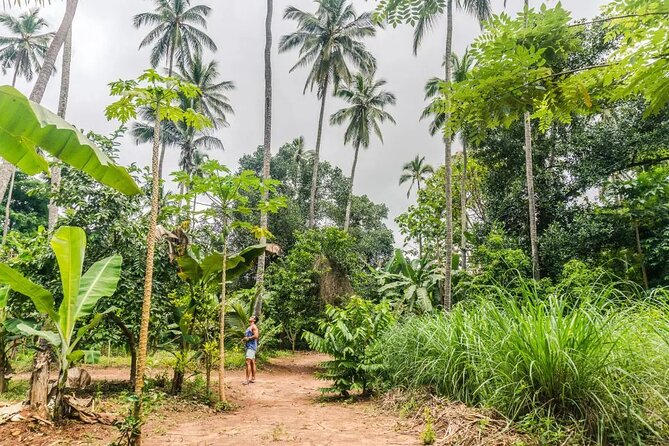
Jambo Spice Farm covers about three to four hectares. The plants are arranged in smaller plots rather than spread across one vast plantation, so you can compare them as you move around. The visit includes cinnamon, cardamom, cloves, ginger, turmeric, nutmeg, lemongrass, and coffee.
You also see tropical fruit trees such as mango, orange, and banana. This is more useful than simply smelling jars in a shop because you can connect the spice to the plant that produces it. Your guide explains how the crops grow and are harvested, and the walk lasts about an hour and a half.
Some names may be familiar from your kitchen, but the farm setting gives them a different scale. Cloves, for example, are not just a flavor in a bottle. Here, you see spice trees and plants grouped in the soil, with the guide explaining their place in local farming. The tour also works well for families because tasting and guessing spices gives children something to do beyond listening to a long explanation.
The farm portion is not presented as a rugged hike. You should still expect outdoor walking and uneven ground, since this is a planted farm rather than a paved city attraction. The stated fitness requirement is moderate, and comfortable shoes, water, and sun protection make sense. Bottled water is provided, but you may want extra water if you find Zanzibar’s heat tiring.
The coconut climb and the taste of lunch
After the farm walk, you take a short break with the person known as the butterfly man. The entertainment includes a climb up a coconut tree, a rendition of Hakuna Matata, and a young coconut cut open for you to taste. This part lasts about 30 minutes.
It is playful and clearly arranged for visitors, so you should not mistake it for an unplanned village encounter. That does not make it worthless. The fresh coconut is a pleasant break after walking, and the demonstration gives you a memorable picture of how coconuts are gathered. If you prefer quieter cultural experiences, this may feel a little theatrical.
Lunch follows and lasts about 30 minutes. The meal includes pilau, cooked banana, spinach, fried chicken, sauce, and kachumbari. This is one of the day’s best practical features because you get a proper local meal instead of having to find a restaurant between the farm and Stone Town.
The food also connects with the spice lesson. Pilau is particularly suited to a farm visit because its flavor depends on spices rather than heavy sauces alone. The meal is prepared by local women, according to the information provided for the tour, and one account specifically found it very good.
Do not expect a long restaurant meal with a wide choice of drinks. Alcohol is not included, and the minimum drinking age for alcoholic beverages is 18. The schedule allows about half an hour, so this is a convenient meal stop rather than a lingering food tour.
Buying spices after the farm walk

You have about 30 minutes to visit the spice shop after lunch. You can buy spices if you want, but personal purchases are not included in the price.
This is the moment to compare prices and packaging carefully. The tour gives you the chance to buy cinnamon, cloves, coffee, or other products connected to the farm, but you do not need to purchase anything to enjoy the visit. I would treat the shop as optional rather than as the main reason to book.
The timing can work well if you know what you want. If you need time to browse, ask your guide how much of the break remains before you start shopping. The tour then moves on by car, with the drive to Stone Town taking about 35 minutes.
That transfer is another quiet advantage of booking a private outing. You are not left to find your own way from a rural farm to the city. The air-conditioned vehicle also gives you a chance to cool down before the afternoon walk.
More spice farm mornings:
- Zanzibar: Stone Town, Spice tour & Prison Island with Lunch
★ 4.6 · 453 reviews - Full-Day Private Stone Town +Spice Farm and Prison Island Tour
★ 4.5 · 216 reviews - Spice Tour + Stone Town Tour + Prison Island
★ 4.5 · 130 reviews - Zanzibar: Spice Tour & Stone Town Walking Tour
★ 4.8 · 115 reviews
Walking into Stone Town through Darajani Market
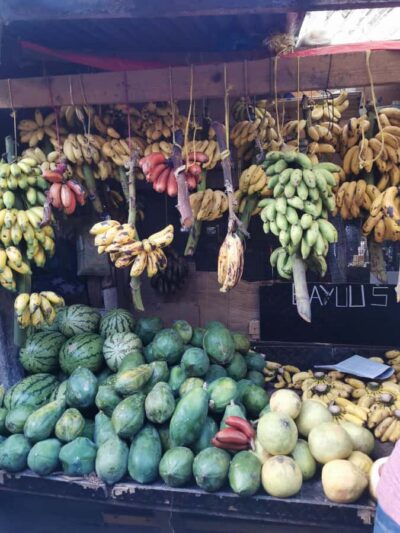
The Stone Town portion lasts about two to three hours and begins around the main market, Darajani Market. This puts you straight into the working center of the old city, where food, household goods, and daily commerce set the tone.
Darajani is not a polished sightseeing stop. It is a functioning market, so your pace may be slow and the paths may feel tight. Keep your belongings close and stay aware of where the group is, especially if you pause to look at stalls.
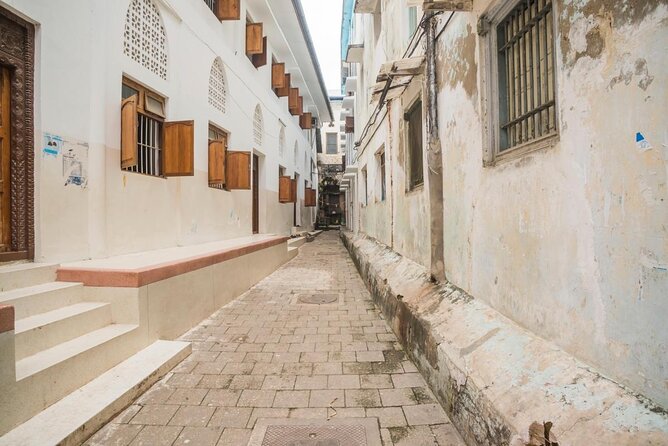
From there, the route moves through Stone Town’s narrow roads and past old doors and buildings. The guide explains the Swahili, Arab, and European influences that shaped the city. A good guide matters here because the details are easy to miss when you are simply looking at walls and doorways.
You pass Zanzibar’s doors and architecture, then the central area known as Jaws Corner or Soko Muhogo. You also go by the old Catholic church. These stops create a useful street-level picture of Stone Town, rather than reducing the city to a list of isolated monuments.
The tour can be shorter or longer depending on what you request. That flexibility is valuable in the heat. If you have already seen parts of town, you can focus on the sites you missed. If this is your first visit, you can ask for more explanation at the major points.
The Old Slave Market and Anglican Cathedral

The Old Slave Market and Anglican Cathedral is the most emotionally serious stop of the day. The visit is designed to explain what happened around slavery in Zanzibar, and entrance is included.
The site helps place Stone Town’s trade and architecture in a harder context. It is easy to admire carved doors and old forts without thinking about the people whose lives were controlled by the trade in enslaved people. This stop interrupts that easy postcard view and gives the city’s past a necessary human cost.
Allow about an hour here. The subject is not light, and you may prefer to listen rather than rush through for photographs. Yasser is praised for explaining the past and checking for questions, which is especially useful at a place where a guide’s tone and clarity matter.
You should also understand that this is not simply another old building on a walking route. Some visitors may find it difficult, particularly after a morning of sightseeing and food. That is part of its value, but it also means the tour is not an all-fun, photo-stop kind of day.
Freddie Mercury House, Old Fort, and Forodhani Gardens

The route continues past Freddie Mercury House, where Mercury spent parts of his childhood. The stop is brief and exterior-focused based on the information provided. It is best treated as a point of connection to a famous modern figure, not as a full museum visit.
The walk then continues toward Old Fort. This large historic structure is one of Stone Town’s familiar landmarks, and entering it gives you another change of scale after the narrow lanes. The fort helps break up the walking route and gives your guide a clear place to discuss the city’s defensive and colonial-era past.
Forodhani Gardens sits along Stone Town’s seawalk. It is a small park and a natural place to slow down after the market streets and historic buildings. The tour describes short coffee-shop stops if requested, so you can ask for a pause if you want one.
Shopping in souvenir boutiques is also part of the Stone Town time. That can be enjoyable if you want crafts or gifts, but it can also eat into the hours available for landmarks. Tell your guide early how you want to divide the time. The private arrangement means your preferences can shape the afternoon.
The walking route is flexible, but flexibility does not mean you should expect every attraction in the city. The stated stops include the market, Old Slave Market, Zanzibar doors, Jaws Corner, old Catholic church, Freddie Mercury House, Old Fort, and Forodhani Gardens. If one place matters most to you, make that clear at the start.
What the seven-hour schedule feels like

The published timing adds up to a full day: around three hours at the farm and about three hours in Stone Town, with a 35-minute drive between them and additional pickup or transition time. The actual day may run close to seven hours, depending on how long you spend at each Stone Town stop.
The morning is more structured. You have about 90 minutes at the farm, 30 minutes for the coconut stop, 30 minutes for lunch, and 30 minutes for the spice shop. The afternoon is more adjustable, with the walking route lasting two to three hours.
This division matters because the day changes character midway through. The farm is open-air and hands-on. Stone Town is more crowded, historical, and dependent on walking. I would avoid planning a second major activity immediately after this tour.
Moderate fitness is required. You do not need a high level of athletic ability, but you should be comfortable walking for several hours in a warm city and moving through a farm setting. The private vehicle helps between locations, yet it does not remove the walking inside Stone Town.
Pickup is offered, but the exact pickup details should be confirmed when booking. The start time is 9:00 a.m., and confirmation is received at booking. The experience is near public transportation, though the included private vehicle is the more practical choice for this itinerary.
Who will get the most from this tour
I would choose this tour if you have limited time in Zanzibar and want a broad introduction rather than a single focused subject. In one day, you get agriculture, food, the slave trade, religious buildings, market life, famous-person history, old fortifications, and the waterfront.
It suits couples and families who value their own vehicle and a guide who can adapt the pace. It also suits first-time visitors who want help finding the major Stone Town landmarks without building a route from scratch.
The tour may be less suitable if you want a quiet, slow food experience or a long specialist lecture on architecture. The coconut performance and spice-shop stop add an organized tourist element. The city walk covers many points, so the explanations may be broad rather than highly detailed at every stop.
You should also be comfortable with a private guide shaping much of your day. The experience is not self-guided, and the quality of the historical portion depends on communication with the guide. Ask questions early, request breaks when needed, and say if you want more time at the Old Slave Market or less time shopping.
Booking details and cancellation
The tour begins at 9:00 a.m. and is typically booked about 33 days ahead, so reserving well before your Zanzibar visit is sensible. Confirmation arrives at the time of booking, and only your own group participates.
Free cancellation is available up to 24 hours before the start time for a full refund. Cancellations or changes made within 24 hours are not accepted and are not refunded. The cut-off follows local Zanzibar time.
Alcohol is not included. Personal expenses, including spice-shop purchases and any items bought in Stone Town, are also extra. Lunch, water, transport, taxes, and included admission fees are covered.
Should you book the Stone Town and spice farm day?
Book it if you want a private, practical introduction to Zanzibar and like the idea of combining sights with food. The strongest parts are the flexible Stone Town walk, the included Old Slave Market admission, the local lunch, and the chance to see spices growing instead of only buying them in a shop.
Think twice if you dislike organized performances, shopping stops, or long days with several changes of scene. You should also allow for some uneven outdoor walking and a serious historical visit.
At $76 per person, I see solid value for a private seven-hour outing with an air-conditioned vehicle, lunch, water, and fees included. For a first day in Zanzibar, this is a sensible choice, especially if you request a guide who can give the Stone Town history the time and care it deserves.
FAQ
What time does the tour start?
The tour starts at 9:00 a.m.
How long does the experience last?
The experience lasts approximately seven hours.
Is this a private tour?
Yes. Only your own group participates in the activity.
Is lunch included?
Yes. Lunch includes local dishes such as pilau, cooked banana, spinach, fried chicken, sauce, and kachumbari.
Are entrance fees included?
Yes. All fees and taxes are included, and admission to the Old Slave Market and Anglican Cathedral is included.
Can I cancel for a full refund?
Yes. You can cancel at least 24 hours before the start time for a full refund. Cancellations or changes made less than 24 hours before the start time are not refunded or accepted.
More farm visits in Zanzibar
- Zanzibar: Stone Town & Spice Farm Tour with Lunch
★ 4.5 · 97 reviews - Zanzibar:Stone Town & Spice Farm Private Tour Lunch Included
★ 4.2 · 94 reviews - Zanzibar full day Jozani forest + Spice farm and stone town
★ 4.7 · 90 reviews - Zanzibar: Spice Farm & Stone Town Tour with Lunch
★ 4.5 · 80 reviews
More lunch stops in Zanzibar
- Zanzibar: Prison Island and Nakupenda Boat Trip with Lunch
★ 4.1 · 882 reviews - Mnemba Island: Dolphin Swim & Snorkeling with Optional Lunch
★ 4.3 · 591 reviews - Zanzibar: Prison Island & Nakupenda Boat Tour with BBQ Lunch
★ 4.4 · 554 reviews - Zanzibar: Safari Blue Lagoon Trip with Snorkeling and Lunch
★ 4.5 · 336 reviews
Newly listed around Zanzibar
- Zanzibar: Nungwi/Kendwa Beach Sunset Dhow Cruise with Fruits★ 3.4 · 3 reviews
- Prison Island, Sea Turtles, Rock Restaurant & Relax in Beach★ 4.6 · 3 reviews
- Starfish Beach; The Rock; Kuza Cave; Paje Beach; Salaam Cave Tour★ 4.5 · 3 reviews
- Zanzibar: Half-Day Spice Farm Tour,the flavours of Zanzibar★ 4.7 · 3 reviews
- Joazani forest & Spice farm with lunch★ 5.0 · 3 reviews
- Nakupenda Island Snorkeling Sea trip & Lunch W/Transfer -Zanzibar★ 4.0 · 3 reviews
- Mnemba Island Snorkeling and Dolphin tour★ 5.0 · 3 reviews
- Zanzibar:Jozani forest, Spice farm with Swahili Cuisine clas★ 4.2 · 3 reviews
Stone Town Tours, compared.




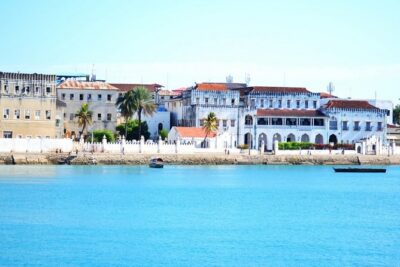
Full-Day Private Stone Town +Spice Farm and Prison Island Tour
Read our review →
Browse the lists this tour appears in