
Reviewed · HOT SPRINGS & KIKULETWA
7Day Serengeti Migration (Ndutu), Crater, Hot Springs & City Tour
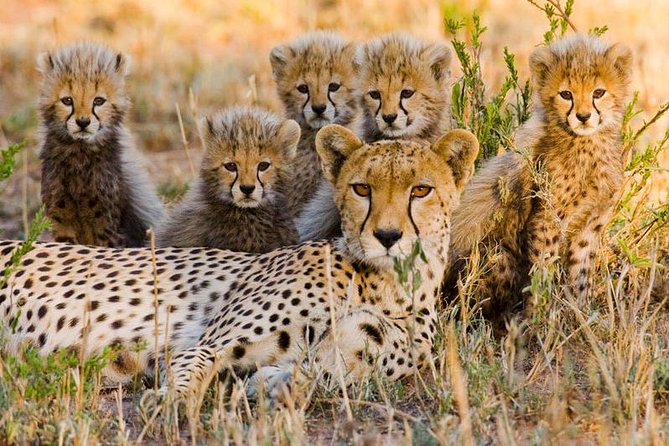
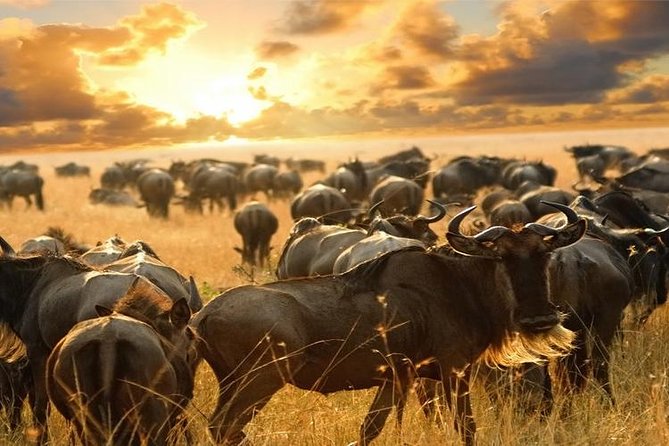
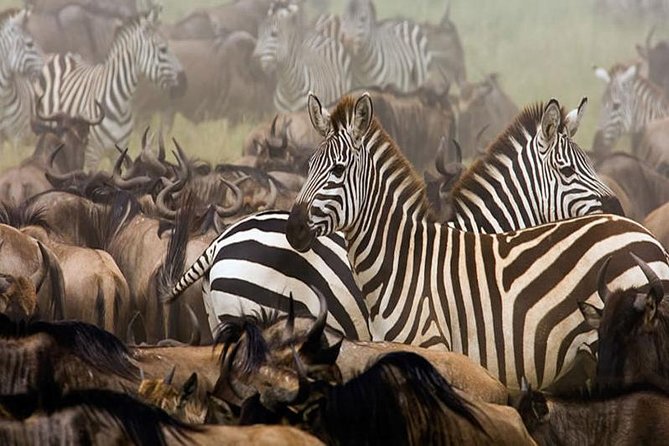
Ndutu is the main draw here. In the right season, you can watch wildebeest and zebra move across open plains while lions, cheetahs, and hyenas wait nearby. The trip also adds a private Ndutu sundowner, Ngorongoro Crater, Tarangire’s elephants, and a final swim at Chemka Hot Springs.
I like the private 4×4 vehicle, since your guide can shape game drives around your interests instead of following a fixed group schedule. I also like the mix of wildlife and local life, from the Maasai Market and Tanzanite Experience to Chagga coffee traditions at Materuni. The main caution is price: at $9,600 per group of two, you should confirm exactly which luxury lodges are included, since accommodation is described in the tour overview but not itemized in the included-features list.
Key points at a glance
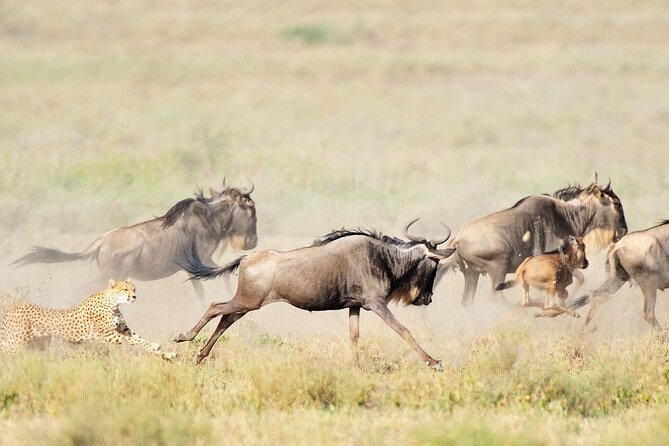
- Two full days in Ndutu: Follow the Great Migration with time for predators, newborn animals, and changing seasonal action.
- Private sunset setup: Sip drinks over the plains during a dedicated Ndutu sundowner.
- Ngorongoro in one day: Descend into the crater for dense wildlife, hippo pools, alkaline lakes, and possible black rhino sightings.
- Tarangire’s elephants and baobabs: Add a different type of safari, with major birdlife and large herds.
- Arusha beyond the airport: Visit the Maasai Market, Tanzanite Experience, and a local restaurant.
- A gentle final day: Combine Materuni Waterfalls, Chagga coffee culture, and Chemka’s warm pools before departure.
Why Ndutu gives this safari its focus
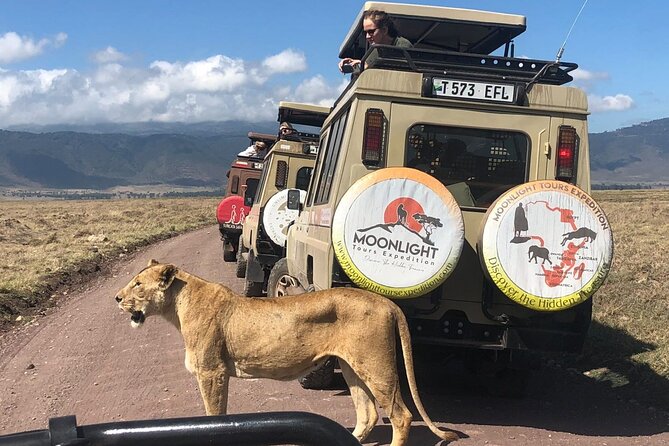
Many northern Tanzania safaris include Ngorongoro Crater and Tarangire. This one puts extra attention on Ndutu, a seasonal wildlife area between the Serengeti and Ngorongoro ecosystems. That matters because the Great Migration is not a single event in one fixed place. The animals move according to grass, water, and the time of year.
You get an afternoon game drive on arrival, then a full day in the area. That two-day rhythm is useful. You are not simply passing through for a quick look. Your guide has more time to search for herds, watch predator behavior, and adjust the route as conditions change.
The description allows for several seasonal possibilities. During calving season, you might see huge numbers of newborn wildebeest. At other times, the focus may be predator-prey encounters or river crossings. No safari company can promise a specific animal behavior, so the timing of your visit remains important. Ask Moonlight Tours Expedition what Ndutu is usually like during your planned dates before paying in full.
Ndutu is also less urban and less structured than a normal city excursion. You spend long hours in a private safari vehicle, watching the plains and waiting for action. That patience is part of the experience. A chase can last seconds, while a herd may take hours to move past.
More Serengeti and Ngorongoro itineraries:
- Safari Serengeti And Ngorongoro
★ 5.0 · 288 reviews - Serengeti, Ngorongoro and Tarangire 4 Days Safari
★ 5.0 · 59 reviews - 5 Days Camping Tarangire, Serengeti & Ngorongoro crater & Visiting Maasai
★ 5.0 · 58 reviews
Day 1: A quiet start at Arusha Serena
After pickup at Kilimanjaro International Airport, you are transferred to Arusha Serena Hotel. The setting is described as peaceful, with coffee plantations around the property. This first night gives you a chance to rest before the early starts and long drives ahead.
The one-hour arrival stop is not a sightseeing day, and that is probably wise. A seven-day safari can become tiring if it begins with a packed schedule. Use this time to settle in, check your luggage, and prepare for the bush.
Because the price is listed per group of up to two people, this format suits a couple, two friends, or a private family pair who want their own vehicle. A private trip also means you can raise practical questions directly with your guide, rather than trying to coordinate with a larger party.
Days 2 and 3: Tracking herds and predators in Ndutu
The drive from Arusha to Ndutu takes much of Day 2. You leave after breakfast and reach the safari area for an afternoon game drive. Ten hours is listed for the day, so you should expect a full road-and-wildlife schedule rather than a short outing.
The appeal is the chance to see the migration in motion. Wildebeest and zebra may spread across the plains in large groups. Nearby, lions, cheetahs, and hyenas may be watching for a weak or separated animal. Your guide’s role is especially important here. The best sightings depend on reading animal movement, sharing information with other vehicles, and knowing where to wait without rushing away too soon.
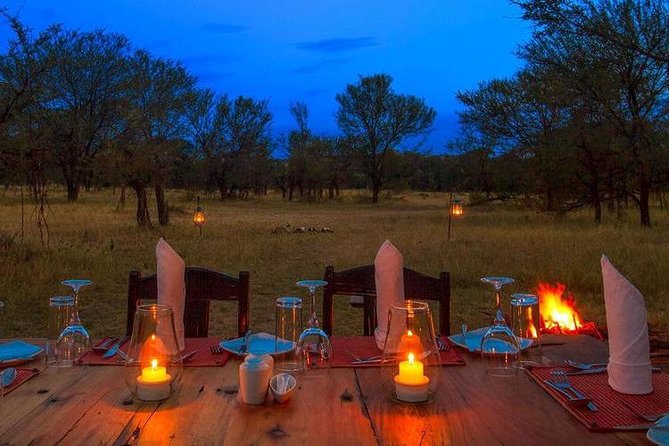
The private sundowner is one of the more distinctive parts of the trip. As evening arrives, you stop at a private setup with views over the open plains. Premium wine and chilled cocktails are mentioned, but alcoholic and soft drinks are listed as an extra cost, so confirm what the setup includes and what you will pay separately.
I like the idea of ending a game drive this way because it gives the day a clear pause. You are not simply returning to a lodge after hours on dusty roads. You have time to watch the light change and mark the moment. Still, a sundowner is a comfort feature, not a substitute for safari time. If wildlife viewing is your priority, ask how long the stop lasts and how it fits around the evening drive.
Day 3 is the strongest wildlife day on paper. You set out after waking to the sounds of the bush and spend the full day tracking the herds. A picnic lunch is included, allowing you to stay in the field instead of returning to your lodge midday.
That choice can make a real difference. Wildlife does not follow meal schedules, and staying out gives you more time to respond if your guide hears about a sighting. It also means you should be ready for a long day in the vehicle. Bring sun protection, a hat, and a small personal supply of water if the operator permits it. The tour includes lunch, but personal drinks are not included.
The supplied details praise guides named Calvin, Wilson, and Mteena on Moonlight safari trips. Mteena is described as taking extra effort to seek rare animals, while Calvin and Wilson are praised for guiding and safari information. Your assigned guide may be different, so ask for the name and background of your guide before departure. The repeated praise for clean, spacious safari vehicles and strong guide effort suggests that vehicle comfort and guiding are two areas worth confirming directly.
Day 4: Ngorongoro Crater and a concentrated wildlife day
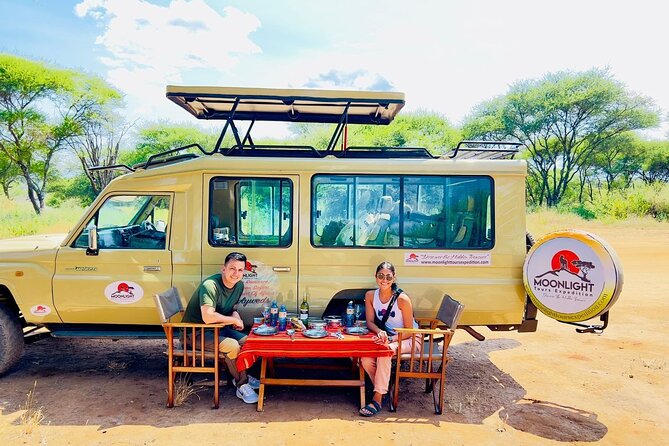
After breakfast, you travel to Ngorongoro Crater and descend into the caldera. The crater is a powerful contrast to Ndutu. Instead of following mobile herds across broad plains, you enter a contained volcanic basin where animals gather around grasslands and water.
The day includes a chance to see the Big Five, including the rare black rhino. That is a possibility, not a guarantee. The crater’s dense wildlife makes it one of the best places in the region for a varied game drive, but animal sightings still depend on luck, weather, and your guide’s judgment.
The route also includes alkaline lakes, thick green areas, and a picnic lunch near a hippo pool. Hippos are impressive at close range, but you should follow your guide’s instructions carefully and stay within the designated picnic area. This is not a place for wandering off to take a better photograph.
A ten-hour day can feel long after Ndutu. The benefit is that you see the crater in one substantial outing. The drawback is that the schedule leaves little room for an unplanned rest day. If you prefer slow travel, ask if the crater portion can be adjusted, though the supplied program presents it as a fixed full-day visit.
After the crater drive, you ascend the rim and continue to a luxury lodge. Accommodation is one of the most important points to clarify before booking. The experience is presented as including luxury lodges, and the supplied comments praise high-end properties, including Melia Lodge, but the formal inclusion list does not specifically state lodging. Ask for the exact names of every property, the room category, and whether all lodge nights are covered by the $9,600 price.
More hot spring trips near Moshi & Kilimanjaro:
- Materuni Waterfalls, Chemka Hot Springs, &/Or Coffee Tour
★ 4.8 · 76 reviews - Chemka Hotsprings
★ 5.0 · 50 reviews - Private Tour to Materuni waterfalls, coffee tour & Kikuletwa hot- springs
★ 5.0 · 49 reviews - Maasai village visit and Chemka hot-springs with hot lunch.
★ 5.0 · 33 reviews
Day 5: Tarangire’s elephants and baobab country
Tarangire National Park changes the mood again. It is known here for large elephant herds and dramatic baobab trees. Those trees give the park a strong visual character, while the animals provide a different type of wildlife viewing from Ndutu and Ngorongoro.
You may see buffalo herds, leopards resting in trees, and many bird species. More than 500 bird species are recorded in the park, so Tarangire adds real value if you enjoy smaller sightings as much as big mammals. Ask your guide to point out birds rather than treating them as background scenery.
The day includes a leisurely game drive and an evening back at the lodge. That wording suggests a slightly calmer pace after the long Ndutu and crater days. Even so, the itinerary still lists about ten hours, so road time remains part of the day.
Tarangire is a good inclusion because it keeps the trip from becoming a single-theme migration safari. The main limitation is that the tour does not say how many hours are spent inside the park compared with driving between lodges and destinations. If elephants are a top priority, request a clear timing plan.
Day 6: Arusha markets, gemstones, and food
You return to Arusha for a guided city tour. The listed stops are the Maasai Market, the Tanzanite Experience, and a local restaurant serving Tanzanian food.
This is a welcome change from game drives. At the Maasai Market, you can browse crafts and souvenirs, but remember that personal purchases are not included. The best approach is to look carefully, compare prices, and buy only what you genuinely want to carry home.
The Tanzanite Experience focuses on one of Tanzania’s best-known gemstones. It gives the city day a useful connection to the country’s natural resources and craft economy. If you are considering a purchase, ask about the stone’s documentation and return requirements before handing over money.
The itinerary lists only ten minutes for the Arusha stop, which appears inconsistent with the number of activities described. Treat that timing as something to verify. A proper market visit, gemstone presentation, and restaurant meal require more than a brief transfer stop. The tour may use ten minutes as an administrative estimate rather than the real visit duration, but you should ask for the actual schedule.
Day 7: Materuni Waterfalls and Chemka Hot Springs
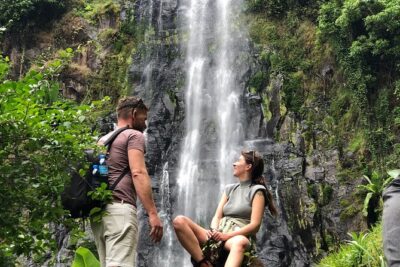
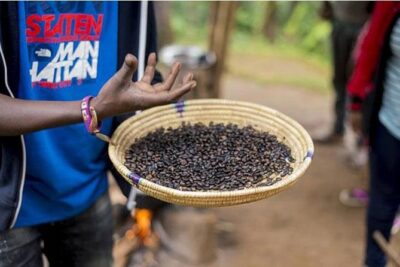
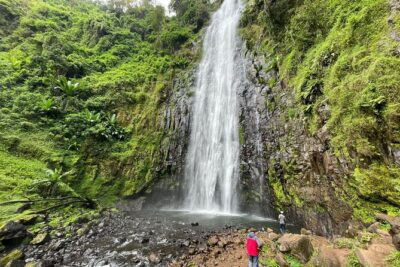
The last day is designed as a softer finish. At Materuni Waterfalls, you walk through plantation areas, learn about Chagga coffee-making traditions, and reach a natural pool where you can swim.
This portion gives you more contact with daily life than a standard safari stop. The coffee activity is not just a tasting detail. It connects the scenery to the people who work the land and shows a local tradition in a practical way. You should expect some walking and bring suitable shoes, a swimsuit, and a change of clothes.
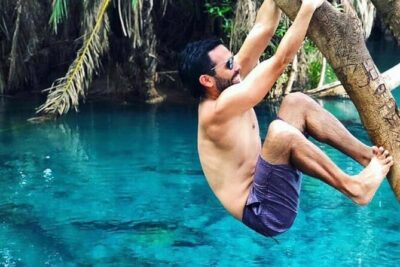
You then continue to Chemka Hot Springs, described as warm, clear pools shaded by old fig trees. The water is the main attraction, so this is a good place to slow down after several early mornings and long drives.
The final transfer to the airport can follow the hot springs, or you can arrange an extended stay. Confirm your flight time before choosing the same-day airport transfer. The supplied program does not state the precise drive duration from Chemka to the airport, so leave a safe margin and ask the operator to build the transfer around your departure.
What the $9,600 price really covers
At $9,600 for a private group of two, this is a high-cost safari. The price works out to $4,800 per person if two people share the booking, though that simple division does not tell you if the value is strong.
You are paying for privacy, a dedicated 4×4 safari vehicle, an English-speaking professional guide, national park entry fees, listed activities, and airport pickup. The package also includes AMREF Flying Doctors insurance during the safari, which offers useful emergency support while you are in the field.
Meals listed as included are seven breakfasts, six lunches, and five dinners. Alcoholic drinks, soft drinks, visas, tips, souvenirs, personal spending, and separate travel insurance are not included. Those exclusions matter because lodge drinks, tips, and flights can add up quickly.
The biggest financial question is accommodation. The trip promises luxury lodges, and the supplied comments praise comfortable, high-end accommodation and food. Yet the formal included list does not explicitly say accommodation is included. Before booking, get the complete price in writing, including lodge names, room types, park fees, meals, drinks, airport transfers, and any internal transport.
The strongest value comes if you want a private trip built around major northern Tanzania sights without organizing each part yourself. It is less convincing if you mainly want Ndutu and do not care about city touring, Tarangire, waterfalls, or hot springs. In that case, compare the cost with a shorter specialist migration safari.
Who should book this safari
I would recommend this trip to a couple or two friends who want a private, polished itinerary with a strong wildlife focus and comfortable lodging. It also suits people who want their final day to include swimming and culture rather than another long game drive.
You should have a moderate level of fitness. Materuni includes walking, and the safari days can last about ten hours. The private format helps with flexibility, but it does not remove the long drives, uneven roads, or early starts.
This is not the best fit if you want a slow, lodge-based holiday with little time in a vehicle. It is also not ideal for anyone who wants guaranteed migration action. Nature sets the schedule, and the best Ndutu sightings depend heavily on the season.
Booking is less risky because free cancellation is available up to 24 hours before the start time. The operator also states that poor weather or failure to meet a minimum number of participants may lead to a different date or a full refund. Even with those protections, confirm the accommodation details and actual Day 6 and Day 7 timing before committing.
Final verdict: a strong private safari, with one important check
This is an ambitious seven-day route. You get two days focused on the Great Migration, a full crater safari, Tarangire elephants, an Arusha food and market day, and a relaxing finish at Materuni and Chemka.
I especially like the balance between serious wildlife time and lighter cultural or leisure stops. The private vehicle and guide are central to the value, and the company has received strong praise for guide effort, clean spacious vehicles, food, and luxury accommodation. The names Calvin, Wilson, and Mteena are associated with particularly positive guiding comments, though you should confirm who will lead your own trip.
I would book it if the $9,600 price includes the promised lodges and if your dates match the migration season you want to see. I would pause and ask questions if the accommodation is extra, if you need a slower pace, or if your airport departure leaves little time for Chemka. Get those points clear, then this can be a well-rounded private introduction to northern Tanzania.
FAQ
How long is the safari?
The experience lasts approximately seven days.
How many people can join the private tour?
The price is for one private group of up to two people.
Is airport pickup available?
Yes. Pickup is offered, and the program includes arrival transfer from Kilimanjaro International Airport to Arusha Serena Hotel.
What meals are included?
The package includes seven breakfasts, six lunches, and five dinners.
Are drinks included?
Alcoholic drinks and soft drinks are not included.
Is a safari vehicle provided?
Yes. Transportation is provided in a 4×4 safari vehicle with a professional English-speaking guide.
What happens if the tour is canceled because of bad weather?
You will be offered a different date or a full refund if poor weather causes the experience to be canceled.
More week long trips in Moshi & Kilimanjaro
- Kilimanjaro climb by Lemosho Route (7-day)
★ 5.0 · 651 reviews - Kilimanjaro climb, Machame Route (7-day)
★ 5.0 · 262 reviews - Climbing Kilimanjaro through 7 days Machame Route
★ 5.0 · 151 reviews - 7 Days Kilimanjaro via Machame route affordable price
★ 5.0 · 110 reviews
More spas and hot springs in Moshi & Kilimanjaro
- Arusha or Moshi : Hot Spring, Waterfall & Coffee Farm Tour
★ 4.8 · 80 reviews - Chemka Hot Springs Tour from Moshi
★ 5.0 · 17 reviews - Materuni waterfall – coffee tour OR Chemka hot spring Tour
★ 5.0 · 16 reviews - Materuni Waterfall Hike + Coffee tour and chemka Hot Spring
★ 5.0 · 14 reviews
Newly listed around Moshi & Kilimanjaro
- Climb Mount Kilimanjaro: 7 Days Machame Route★ 5.0 · 3 reviews
- 6 Days Mount Kilimanjaro Climbing via Rongai Route★ 5.0 · 3 reviews
- Explore 1 day Ngorongoro Crater Budget Group Safari from Arusha★ 5.0 · 3 reviews
- Mt. Kilimanjaro Day Hiking★ 5.0 · 3 reviews
- Chemka (Kikuletwa) Hot Springs, Tanzania★ 5.0 · 3 reviews
- Guided City tour of Moshi★ 4.3 · 3 reviews
- 8 Day Tanzania Family Safari★ 5.0 · 3 reviews
- Serengeti Safari with Sirikwa Travel★ 5.0 · 3 reviews
Hot Springs & Kikuletwa, compared.

Materuni waterfalls coffee tour & Chemka hot springs Day trip
Read our review →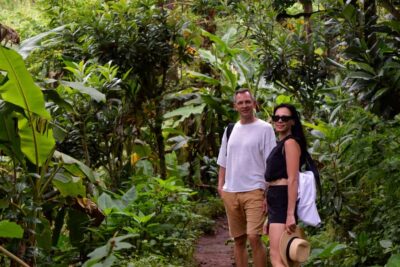
Materuni Waterfalls, Visiting Chagga Village, CoffeeTour Kikuletwa Hotsprings
Read our review →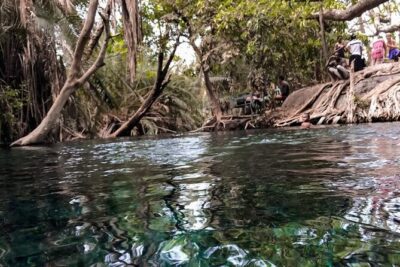
Materuni waterfalls,coffee tour & Kikuletwa(Chemka)Hot Springs
Read our review →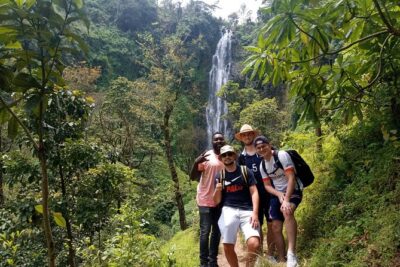
Private Tour to Materuni waterfalls, coffee tour & Kikuletwa hot- springs
Read our review →Browse the lists this tour appears in