
Reviewed · MOSHI & KILIMANJARO TOURS
10 days family safari Tanzania
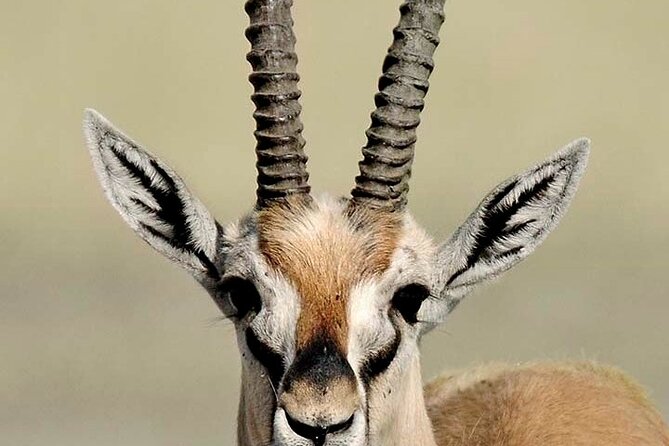
Tanzania’s northern circuit gives you a lot in ten days: elephants beneath baobabs, flamingos at Lake Natron, lions on the Serengeti plains, and a crater floor where rhinos still appear. The private roof-hatch Land Cruiser is a real advantage, since you can stand or sit high above the vehicle for clear wildlife views.
I especially like the mix of famous parks and less usual stops, particularly Lake Natron and the Maasai country along the route. I also like that your group has its own Tanzanian guide rather than sharing a vehicle with strangers. The main drawback is the amount of road time, with several seven-hour touring days and some accommodation details that should be confirmed before booking.
Key points to know before booking
- Private safari vehicle: Your group travels in a modified 4WD Land Cruiser or Land Rover with a roof hatch for game viewing.
- Five major wildlife areas: The route includes Lake Manyara, Lake Natron, Serengeti National Park, Ngorongoro Crater, and Tarangire National Park.
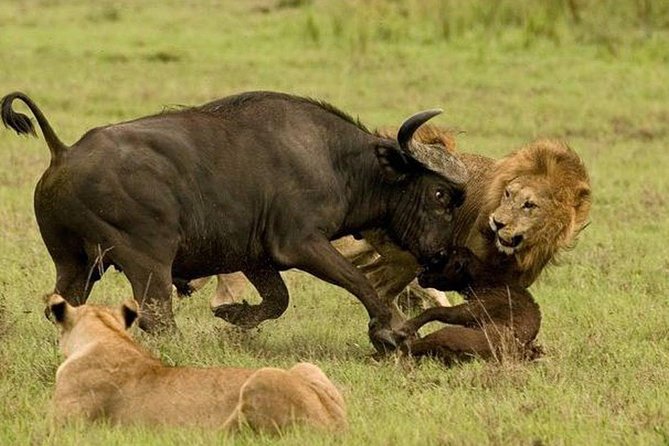
- Big Five potential: Lions, elephants, leopards, buffalo, and rhinoceros are all possible, though no safari can promise every sighting.
- Lake Natron adds variety: Flamingos, Maasai villages, a lakeside walk, and the Ngaresero River waterfalls break up the usual park circuit.
- Price includes the basics: At $3,500 per person, park fees, accommodation, meals, airport transfers, water, and private transport are included.
- A demanding family schedule: Expect early starts, long drives, packed lunches, and several full days in the vehicle.
Why this northern Tanzania route works
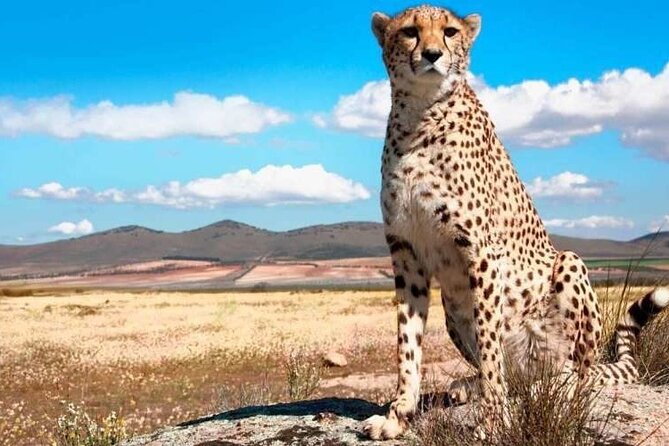
The best feature of this safari is its range. Many short Tanzania trips rush from one famous park to another. This one adds Lake Natron, a striking and more remote stop, before reaching the Serengeti. You also get two separate Serengeti game-drive days, time at Ngorongoro Crater, and two days around Tarangire.
That variety matters for a family. You are not spending ten days seeing the same type of scenery or waiting beside the same water hole. Lake Manyara brings forest and Rift Valley views. Natron brings open country, flamingos, and cultural encounters. Serengeti brings broad plains and predators. Ngorongoro offers a compact wildlife area, while Tarangire is especially good for elephants and baobabs.
The trip is private, so the pace can be easier to manage than on a shared departure. If children need a break, you can discuss timing with the guide. Still, this is not a relaxed resort holiday. The schedule includes long transfers, early morning drives, and several days lasting about seven hours.
Africa Joy Tours uses extended, well-maintained safari vehicles with roof hatches. That setup is more important than it may sound. A raised viewing position gives you a better angle over grass and shrubs, and the open roof makes photography much easier than shooting through a side window.
More Safaris in Moshi
- Safari Serengeti And Ngorongoro
★ 5.0 · 288 reviews - Big Five Safari In Tanzania
★ 5.0 · 99 reviews - Unforgettable Tanzania Safari And Zanzibar Beach
★ 5.0 · 97 reviews
Day 1: A simple arrival in Arusha
The safari begins with pickup at Kilimanjaro Airport. A private car transfer takes you to Outpost Lodge in Arusha for the first night, with bed and breakfast provided.
This is a practical start. You avoid trying to drive into the parks immediately after an international flight, and you have a night to rest before the road portion begins. The published meeting time is 6:00 a.m. at Kilimanjaro Airport, but the exact pickup arrangement should be checked against your flight arrival.
There is no major sightseeing planned for this first day. Think of it as a landing day, not a wasted day. Arusha is the base for the northern safari circuit, and beginning here keeps the first full outing manageable.
Day 2: Lake Manyara’s forest and Rift Valley setting
The vehicle leaves Arusha at about 8:30 a.m. for Lake Manyara National Park, with a picnic lunch during the drive. The park sits between the Rift Valley escarpment and Lake Manyara, so the setting changes quickly as you approach the park.
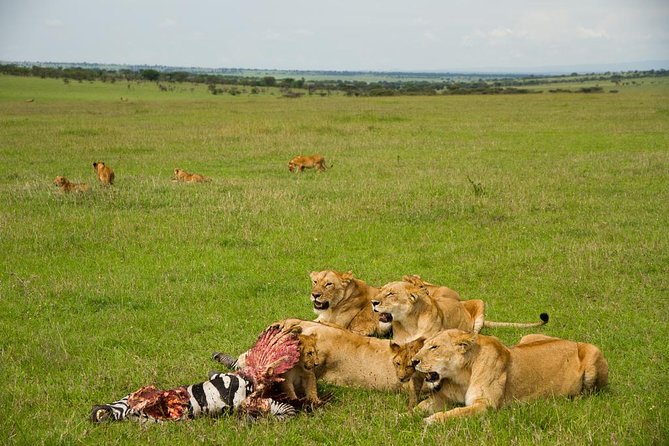
Lake Manyara is smaller than Serengeti and Ngorongoro, but it can be a good opening park. You might see giraffes, elephants, baboons, and a range of birdlife. Tree-climbing lions are among the park’s best-known possibilities, although they are never guaranteed.
I like Manyara early in the itinerary because it introduces you to the rhythm of a safari without immediately asking you to cross huge distances. The possible drawback is the six-hour touring block, which includes travel and game viewing rather than six uninterrupted hours inside the park.
The park entry fee is included. Ask your guide how much time will be spent on the drive and how much on the game drive, since that balance can affect your expectations.
Day 3: Lake Natron, flamingos, and the Ngaresero River
After breakfast, the route continues toward Lake Natron. This is one of the most distinctive days of the trip because it is not only about watching animals from the vehicle.
Lake Natron is known as a breeding site for lesser and greater flamingos. The birds move through the region from other East African lakes, and the number you see can depend on water levels and conditions. The lake walk gives you a chance to stretch your legs after the road journey, and a swim or boat ride may be possible depending on the water.
You can also walk upstream along the Ngaresero River toward the waterfalls. Monkeys and baboons may appear along the route. The chance to walk, rather than remain in the vehicle all day, is a welcome change for families with older children.
The published timing is about seven hours, including the journey and activities. This is a more active day, so comfortable walking shoes and protection from the sun are sensible. The description also refers to views of Maasai villages and wildlife along the way, giving this section a stronger connection to local life than a standard park-to-park transfer.
Because Lake Natron conditions affect swimming and boating, treat those as possible additions rather than fixed promises. The lake walk and waterfall outing are the more dependable parts of the plan.
More Safaris in Moshi & Kilimanjaro:
- 8-Day Essence of Tanzania Safari – Luxury
★ 5.0 · 72 reviews - Great Migration Safari In Tanzania
★ 5.0 · 71 reviews - Serengeti, Ngorongoro and Tarangire 4 Days Safari
★ 5.0 · 59 reviews - 6 Days 5 Night Safari
★ 5.0 · 57 reviews
Day 4: Entering Serengeti through the Loliondo area
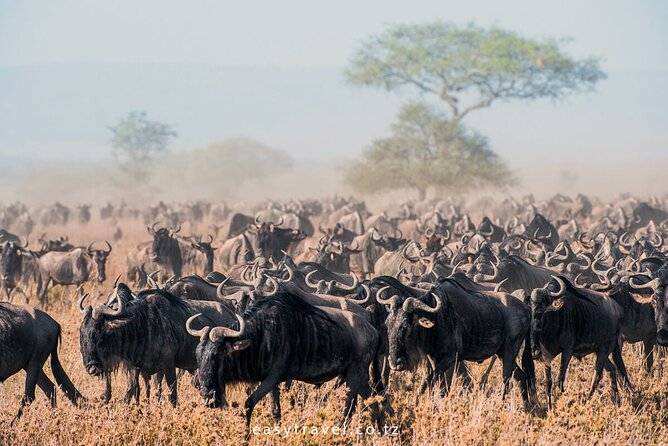
After breakfast, you leave Lake Natron for the Serengeti. The route crosses the Loliondo Game Controlled Area, a part of northern Tanzania associated with wildebeest movement around November and December as herds travel between the Serengeti and Kenya’s Masai Mara region.
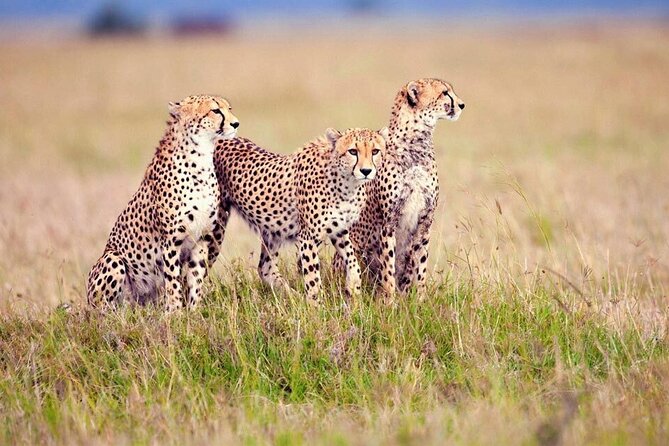
After registration at Klein’s Gate, you begin a game drive toward your accommodation. This is a good way to enter the park because the wildlife viewing starts before you reach the lodge. Zebras, buffaloes, baboons, topis, impalas, cheetahs, and leopards may all be seen, along with many birds.
The Serengeti is huge. A single drive can feel wonderfully open, but it also means that sightings are spread out and road time can be substantial. Your guide’s ability to communicate with other safari vehicles is useful when animals are difficult to locate. Previous safari departures with this operator have included guides named Ndaji, Jams, and Joakim, though your assigned guide should be confirmed directly.
This day is listed at roughly seven hours. A packed lunch or simple roadside meal may be part of the travel rhythm, so do not expect a quick transfer followed by a long afternoon at the lodge.
Day 5: Two Serengeti game drives in one day
The strongest wildlife day is likely to be Day 5. You head out at daybreak for a sunrise game drive, return for breakfast, then spend the day exploring the plains before coming back to camp later in the afternoon.
Early morning is valuable because nocturnal animals may still be active, while daytime species are beginning to move. The low light can also make the plains feel dramatically different from the midday park. The second drive gives you more time to search for big cats, elephants, buffalo, zebra, and other animals.
I like this two-part structure more than a single late start. It gives you two separate chances for sightings and lets you eat breakfast at the camp rather than carrying every meal in the vehicle.
The tradeoff is the early start. Families with small children may find the first departure tiring, especially after the previous day’s long drive. If that is a concern, discuss the morning plan with the guide before the evening ends. The itinerary calls this a seven-hour day, but the combination of sunrise viewing and a full day in the park can feel longer.
Day 6: The road to Ngorongoro and optional cultural stops
After breakfast, you travel with a packed lunch toward the Ngorongoro Conservation Area. Game may appear along the way, but this is primarily a transfer day.
You can choose to stop at Olduvai Gorge, an important archaeological site linked with early human habitation. You may also have the option to visit a Maasai boma to learn about local traditions and daily life. These stops are listed as optional, so confirm whether extra fees, timing changes, or advance arrangements apply.
The route ends near the crater rim, with dinner and an overnight stay at Ngorongoro Rhino Lodge. The rim location prepares you for the next morning and avoids a long approach before the crater drive.
This is another seven-hour day. A family may appreciate the choice between adding cultural and archaeological stops or keeping the day simpler. Do not try to force every optional visit into the schedule if children are already tired.
Day 7: Ngorongoro Crater’s compact wildlife viewing
The crater game drive begins early, at about 7:00 a.m., with a picnic lunch. The crater’s steep walls create a contained wildlife area, so you have a strong chance of seeing a wide range of species during one day.
Possible sightings include lions, elephants, zebras, hippos, flamingos, jackals, antelopes, many birds, and rhinoceros. The crater is one of the best places on this route to look for rhinos, but even here, sightings depend on conditions and luck.
Your guide’s skill matters most when animals are hidden or distant. Guides communicate with one another and use their knowledge of animal behavior to help locate wildlife, but no guide can control where an animal appears.
After the crater drive, you return for dinner and overnight accommodation at Ellen’s Tree Lodge, as listed in the schedule. Since the accommodation names differ from the first night and the program uses several lodge and camp descriptions, ask for a final written rooming plan before departure.
The crater can feel busy compared with the wider Serengeti. Its appeal is concentration: you may see many species in a single day, without the huge distances required on the plains.
Days 8 and 9: Tarangire’s elephants and baobabs
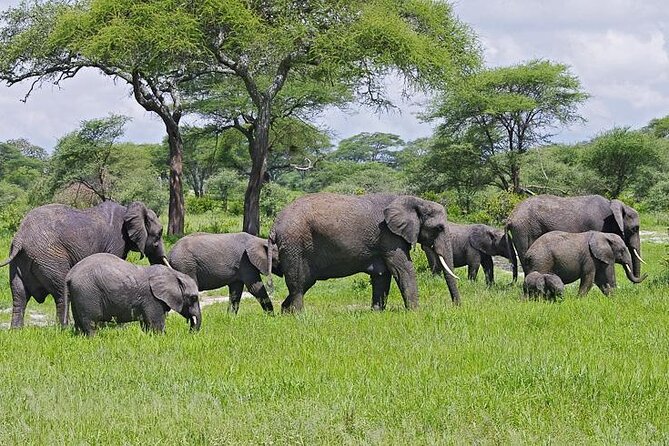
After breakfast on Day 8, the safari continues to Tarangire National Park. The park is known for enormous baobab trees, large elephant herds, and the Tarangire River, which provides an important water source.
You may see elephants, zebras, giraffes, warthogs, leopards, cheetahs, and the uncommon oryx. The riverbeds can draw animals together, creating useful viewing areas during dry conditions. Elephants are a major focus here, and the schedule allows another morning of game viewing on Day 9.
The second Tarangire morning is helpful. One afternoon in a park does not tell you much about animal movement, but a return drive gives you another chance to find elephants with young, predators, and birds. You may also see the careful way elephant families gather around their smaller members when a vehicle approaches.
After the Day 9 drive, you transfer to Arusha for an overnight stay at Mvuli Hotel. This final park-to-town move makes the airport transfer on Day 10 easier.
Tarangire is a strong closing park because it offers a different visual setting from the Serengeti and Ngorongoro. The drawback is that the schedule places two park days near the end, after several earlier drives. If your family prefers more rest, ask if the second Tarangire outing can be shortened.
Day 10: A short Arusha finish
After breakfast, you have time to explore Arusha before the airport transfer. The activity is listed as an Arusha village experience, with about five hours set aside.
This gives you a gentler final morning than another full park drive. It also leaves room to buy a few items or see a little of the city before your flight. The exact departure time should be coordinated with your international itinerary, since the airport transfer is included but flight timing is not.
What the $3,500 price covers
At $3,500 per person, this is not a budget camping trip. It is also not priced like a fully high-end, private luxury safari with every premium service included. The value comes from combining a private vehicle and guide with park fees, accommodation, airport transfers, and all listed meals.
Included items are:
- Private airport transfers
- Private transport and wildlife drives in a modified 4WD Land Cruiser or Land Rover
- Wildlife reserve entry fees
- Accommodation specified in the program
- Bottled mineral water
- Nine breakfasts, nine lunches, and nine dinners
That meal count matches a ten-day trip with the arrival and departure pattern, but you should check exactly where meals are served and when packed lunches replace lodge meals.
You pay separately for international flights, personal purchases, tips, travel insurance, visa and passport costs, and alcoholic or non-alcoholic drinks at lodges. Tips for the safari guide and camp staff are also not included.
The private format is the biggest value point for a family or small group. You are paying more than you would for a shared vehicle, but you gain control over who is in the car and can discuss breaks, photo stops, and the pace of each day.
Who will enjoy this safari most
This trip suits families who want a classic northern Tanzania route but also want something beyond the standard Manyara, Serengeti, and Ngorongoro pattern. Lake Natron adds walking and flamingo viewing, while Tarangire gives the itinerary a strong elephant focus.
It works best for people comfortable with long drives and changing accommodation. Most activity days are listed at six or seven hours, and the actual day can feel longer when early starts and road conditions are included.
You should also be ready for basic safari realities: dust, changing weather, picnic lunches, and long periods of waiting quietly for animals. The private vehicle helps, but it does not remove the physical demands of moving through a large country.
The trip may suit older children especially well because the wildlife variety is high and the route includes short walks and cultural options. For very young children, ask about age policies, car seats, meal arrangements, and how the operator handles long drives, since those details are not specified here.
Booking details and practical checks
Pickup is offered, and the listed starting point is Kilimanjaro Airport near Kilimanjaro National Park. The tour is private, meaning only your group participates.
Confirmation is provided at booking, and the activity states that most people can participate. The cancellation policy allows a full refund if you cancel at least 24 hours before the start time. Changes or cancellations inside that window are not accepted for a refund.
Before paying, ask for four things in writing:
- The final lodge and camp names for every night
- The name of your assigned guide
- The exact airport pickup time
- Whether optional Olduvai Gorge, Maasai boma, boat, or swimming activities cost extra
The accommodation description refers to luxury tented lodges and permanent wilderness lodges, but the daily schedule also names Outpost Lodge, Ngorongoro Rhino Lodge, Ellen’s Tree Lodge, and Mvuli Hotel. Confirming the final plan avoids surprises about comfort, location, and room arrangements.
Should you book the 10-day family safari?
I would consider this safari a strong choice if you want broad wildlife coverage, a private vehicle, and a route that includes both famous parks and less common stops. The chance to see the Big Five is a major draw, and the two Serengeti drives plus Ngorongoro and Tarangire give you plenty of time in prime wildlife areas.
I would pause if your family dislikes long drives or expects a slow, resort-style holiday. Lake Natron and the cultural options add interest, but they also make the schedule more demanding.
Book it if the private format, meals, park fees, and full northern circuit justify the $3,500 cost for your group. Before committing, get the accommodation list and guide assignment confirmed. Those two details will tell you whether this is the right level of comfort and personal service for your family.
FAQ
Where does the safari begin?
The safari begins with pickup at Kilimanjaro Airport in Tanzania. The listed start time is 6:00 a.m.
How long is the safari?
The experience lasts approximately 10 days.
Is this a private tour?
Yes. Only your group participates in the activity.
Which parks and areas are included?
The route includes Lake Manyara, Lake Natron, Serengeti National Park, the Ngorongoro Conservation Area and Crater, Tarangire National Park, and Arusha.
Can I see the Big Five?
The itinerary includes areas where lions, elephants, leopards, buffalo, and rhinoceros may be seen. Wildlife sightings are not guaranteed.
Is transport included?
Yes. Private airport transfers and transport in a modified 4WD Land Cruiser or Land Rover are included.
Are park entry fees included?
Yes. Wildlife reserve entry fees are included in the price.
Are meals included?
Yes. The package includes nine breakfasts, nine lunches, and nine dinners, along with a bottle of mineral water.
Are drinks included?
Alcoholic and non-alcoholic drinks and beverages at the lodges are not included.
Are international flights and visas included?
No. International airfare, travel insurance, visa and passport fees, personal expenses, and tips are not included.
Can I visit Olduvai Gorge or a Maasai boma?
The itinerary lists Olduvai Gorge and a Maasai boma as optional stops on the way to Ngorongoro. Confirm the arrangements and any extra costs with the operator.
What is the cancellation policy?
You can cancel at least 24 hours before the start time for a full refund. Cancellations or changes made less than 24 hours before the start time are not accepted for a refund.
Newly listed around Moshi & Kilimanjaro
- Climb Mount Kilimanjaro: 7 Days Machame Route★ 5.0 · 3 reviews
- 6 Days Mount Kilimanjaro Climbing via Rongai Route★ 5.0 · 3 reviews
- Mt. Kilimanjaro Day Hiking★ 5.0 · 3 reviews
- Explore 1 day Ngorongoro Crater Budget Group Safari from Arusha★ 5.0 · 3 reviews
- Chemka (Kikuletwa) Hot Springs, Tanzania★ 5.0 · 3 reviews
- Guided City tour of Moshi★ 4.3 · 3 reviews
- 8 Day Tanzania Family Safari★ 5.0 · 3 reviews
- Serengeti Safari with Sirikwa Travel★ 5.0 · 3 reviews
Moshi & Kilimanjaro Tours, compared.








Browse the lists this tour appears in