
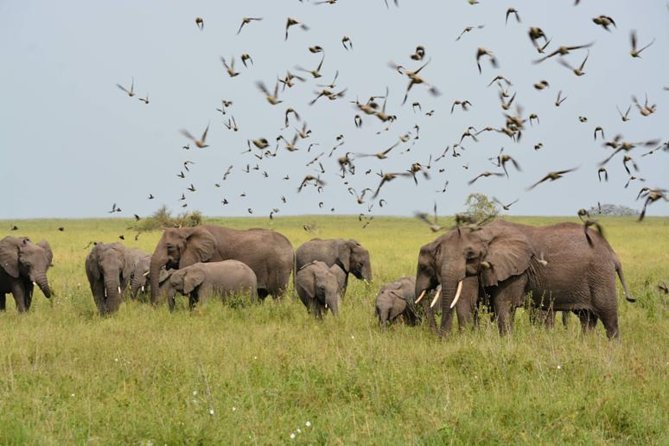
Reviewed · ARUSHA TOURS
Embark on a 5-day camping safari adventure.
The real appeal here is the route: in five days, you move from Tarangire’s elephant country to the open Serengeti, then finish among the wildlife-filled walls of Ngorongoro Crater. It is a fast, classic Northern Tanzania safari that gives you three major areas without the price of a lodge-heavy trip.
I like the small private group, limited to six people, because you avoid sharing a vehicle with strangers. I also like the practical camping setup, with tented accommodation, bed linen, bottled water, park fees, and most meals included in the $1,250 price.
The trade-off is time in the vehicle. Day two and day four cover long distances, and the schedule is built around early starts, picnic lunches, and full days outside. If you want leisurely mornings and polished lodges, this is not the right fit.
Key points before you book
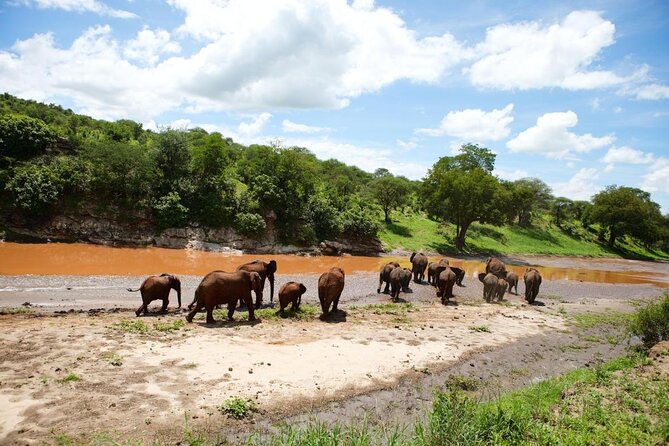
- Three famous safari areas in five days: Tarangire, Serengeti, and Ngorongoro all appear on the route.
- Up to six people in your private group: You are not placed with unrelated participants.
- Two nights in the Seronera Valley: This gives you a useful base for full-day Serengeti game drives.
- A dramatic final day: You descend into Ngorongoro Crater for a full day of wildlife viewing before returning to Arusha.
- Camping keeps the cost controlled: Tents and bed linen are supplied, while lunch, dinner, and breakfast are covered according to the schedule.
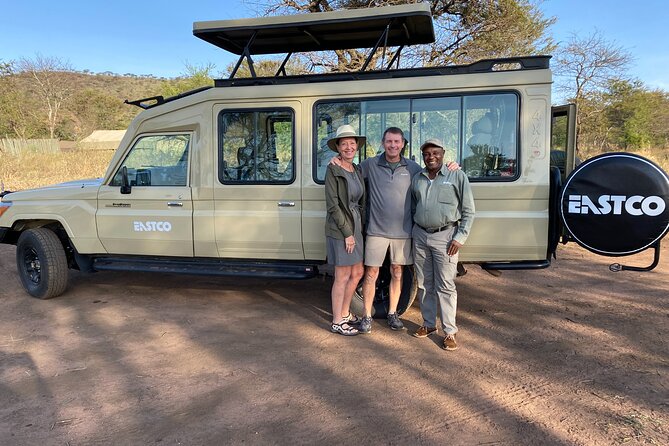
- Strong guide reputation within the company: Wilson, Bernard, and Emmanuel are names associated with Eastco safari trips, but the assigned guide for this booking is not stated.
What $1,250 buys you on this Northern Circuit route
At $1,250 per person, this safari sits in the value-minded part of the Tanzania market. You are paying for access to several costly national parks and conservation areas, park and conservation fees, a private vehicle with driver-guide, four nights of tented accommodation, bottled water, and 13 scheduled meals.
That matters because entry charges alone can make a Northern Tanzania safari expensive. Here, taxes, park fees, conservation fees, and handling charges are included, which makes the headline price more useful for budgeting. You still need money for tips, personal items, snacks, and any government increase in taxes or park fees.
The trip is called a camping safari, but it is not a bare-bones overnight outside with no support. Tented accommodation and bed linen are provided. The information does not spell out every camp facility, so I would ask before paying if you need details about bathrooms, electricity, showers, or the exact tent style.
The private format is a useful middle ground. You get your own group and a maximum of six people, but you are still choosing a cost-conscious trip rather than a high-end lodge circuit. If your party has two, four, or six people, the experience should feel more personal than a large shared departure, though the per-person price and vehicle arrangements should be confirmed with the operator.
More Safaris in Arusha
- Balloon Safari & Bush Breakfast in Serengeti – Miracle Experience
★ 5.0 · 1,646 reviews - 4 Days Group Camping Safari
★ 5.0 · 1,101 reviews - 5 Days Group Camping Safari
★ 5.0 · 730 reviews
Day one: Tarangire gives the safari a strong start
You leave Arusha at 8:00 am and head for Tarangire National Park. The day is planned around a picnic lunch and game viewing for the remainder of the day, followed by dinner and an overnight stay at Migombani Campsite.
Tarangire is a sensible opening park because it gives you an early taste of Tanzania’s northern safari country without trying to reach the Serengeti on the first day. The day is still long, listed at about eight hours, so the early departure is not a minor detail. Plan on being ready before breakfast is fully forgotten.
The schedule includes time to look for wildlife rather than simply crossing the park. Tarangire is especially associated with elephants, and the supplied trip material highlights the possibility of seeing major safari species across the route. Still, no operator can promise a particular animal, and a good safari day depends on season, weather, and where animals happen to be.
The overnight stop at Migombani adds an appealing change of pace. From the campsite, you get views toward Lake Manyara, including from an infinity pool. That pool is not the main reason to choose this tour, but it is a welcome way to relax after a dusty day in the vehicle, especially because the next morning begins the long move toward the Serengeti.
I would treat the pool as a pleasant extra, not as a resort-style stay. The core experience is camping and safari time. If you are comparing this with a lodge itinerary, ask how much private leisure space and comfort the campsite provides.
Day two: crossing to the Serengeti
After breakfast, you set out for the Serengeti with a picnic lunch. Game viewing continues as you travel toward the Seronera Valley, where you arrive for dinner and your overnight camp.
This is one of the more demanding days. The Serengeti is vast, covering roughly 14,763 square kilometers within Tanzania, and the broader ecosystem extends toward Kenya’s Masai Mara. The famous name comes from the Maasai word siringit, meaning endless plains, and you begin to understand the idea as the terrain opens up.
The route makes the journey part of the safari. You are not simply being transferred from one hotel to another. Game viewing takes place along the way, so an animal sighting can turn a long road day into one of the trip’s highlights. The price of that approach is less time parked in one area and more hours on the road.
Seronera is a practical place to spend two nights. It sits in a central valley with access to several types of Serengeti habitat, giving the guide room to search for animals in different directions. Your exact wildlife sightings will depend on the season and daily conditions, but the central base makes the itinerary more than a quick drive-through.
A picnic lunch also keeps the day moving. You will not need to return to camp for a midday meal, which is useful in a park this large. On the other hand, you should be comfortable eating outdoors and spending much of the day in a safari vehicle.
Day three: a full day in Seronera
Day three is the trip’s best chance to slow the pace. You spend the full day exploring the Serengeti with a picnic lunch, then return to camp in Seronera for dinner and another night in your tent.
That second night is important. Rather than packing up and shifting camp immediately, you can use the central location for a broader day of game viewing. The Serengeti includes open plains to the south, rolling hills around the less-visited Lobo area to the north, and wooded river valleys toward the Grumeti and Kirawira areas in the east.
The itinerary does not promise which zones you will visit. Your guide will direct the day’s search, and wildlife movement, road conditions, and seasonal patterns will shape the plan. That flexibility is useful on safari, where a rigid checklist can be less effective than following fresh animal activity.
The Serengeti is also the part of the trip most closely tied to the annual wildebeest migration. The ecosystem supports that huge movement, but the timing and location change through the year. Do not book this five-day trip on the assumption that you will automatically see a migration crossing. Ask the operator about the expected area during your dates if migration is your main goal.
The full day is excellent for wildlife enthusiasts and photographers. It also tests patience. You may spend time waiting, driving, and scanning before anything happens. That is normal safari rhythm, not wasted time, but it helps to know what you are signing up for.
More camping safaris in Arusha:
- 3 Days Serengeti & Ngorongoro Group Camping Safari
★ 5.0 · 574 reviews - 2 Days Tarangire and Ngorongoro Group Camping Safari
★ 5.0 · 146 reviews - 6 Days Tanzania Budget Camping Safari
★ 5.0 · 145 reviews - 3 Day Serengeti National Park & Ngorongoro Crater Camping Safari
★ 5.0 · 142 reviews
Day four: leaving the plains for Ngorongoro
You leave the Serengeti early with a picnic lunch and continue game viewing as you travel toward the Ngorongoro Highlands. Dinner and your overnight stay are at Simba Campsite on the crater rim.
This transition changes the feel of the trip. The Serengeti is broad and open, while the Ngorongoro area brings higher ground, cooler conditions, and dramatic views around the crater. The campsite’s rim location is valuable because it places you near the next morning’s descent.
Day four is another long transfer combined with wildlife viewing. You should expect a full schedule rather than a leisurely scenic drive. The benefit is that you continue seeing the park instead of surrendering the whole day to transportation.
The Ngorongoro Conservation Area covers about 8,300 square kilometers, including the crater and surrounding highlands. It is not simply a national park, and its history includes the presence and land rights of the Maasai community. That conservation model helps explain why the area feels different from the Serengeti and why the highlands are important beyond the crater floor.
The supplied plan focuses on the crater, but it also notes that the surrounding highlands are becoming known for trekking. This particular trip does not include a trek. If walking in the highlands interests you, you would need to arrange a different or extended program rather than expect it as part of these five days.
Day five: the Ngorongoro Crater finale
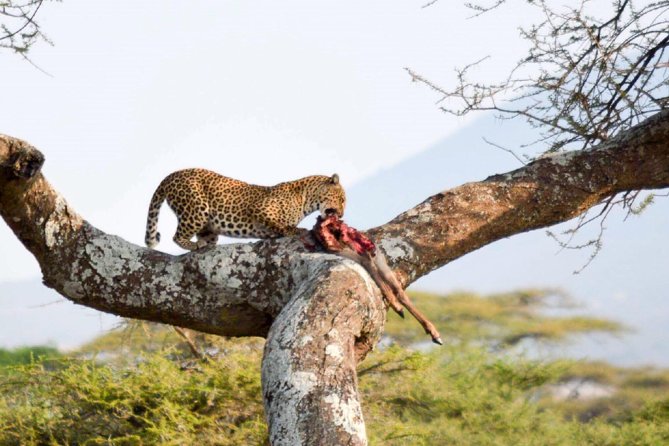
The final day begins early with a descent down the crater walls for game viewing. You eat a picnic lunch, then leave for Arusha and arrive in the mid to late afternoon. The listed final day lasts about six hours, though the total road time can vary with conditions.
Ngorongoro Crater is the itinerary’s grand finale for good reason. The crater floor covers about 210 square kilometers and contains several habitats in a compact area. That concentration gives you a strong chance to see a broad mix of wildlife during one day, although sightings are never guaranteed.
The crater’s enclosed setting makes it feel different from the open Serengeti. Instead of looking across endless plains, you are moving through a natural bowl with the crater walls rising around you. The scenery is part of the attraction, but the real value is the chance to see many kinds of animals in a relatively contained area.
The early descent is worth accepting. You get more usable time on the crater floor and avoid wasting the morning at camp. After lunch, the return to Arusha is a practical finish, especially if you are continuing to another Tanzania activity or need to connect with onward plans.
Do not plan an important evening flight based only on the stated mid to late afternoon arrival. The tour ends back at the starting meeting point, AIM Mall in Mbauda, Arusha, but road and park conditions can affect the exact arrival time.
Camping, meals, and the daily rhythm
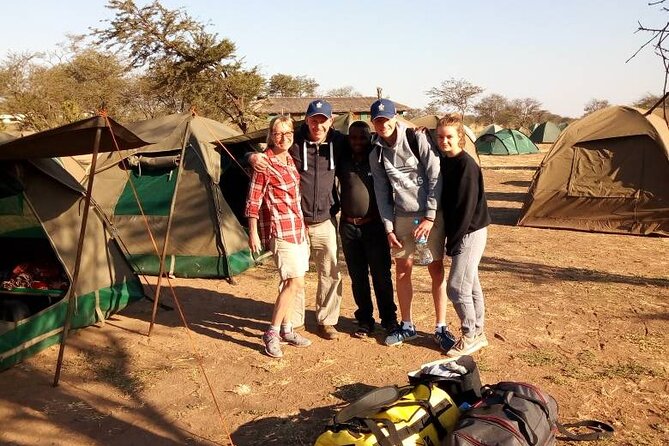
The trip includes four breakfasts, four dinners, and five lunches. Lunch is generally a picnic meal, which suits long game-drive days because you remain in the park instead of returning to camp.
Tented accommodation and bed linen are included. That reduces the amount of camping equipment you need to arrange, but the operator does not provide a full packing list in the supplied details. I would confirm what you need to bring for clothing, toiletries, lighting, and personal comfort.
The day-to-day rhythm is simple: early starts, several hours in the vehicle, outdoor meals, wildlife searches, dinner, and sleep at camp. You should enjoy being outside and accept that comfort is secondary to access and cost.
Dietary needs should be shared at booking. Vegetarian meals are available if requested, and the operator asks you to provide specific dietary requirements in advance. Snacks are not included, so bring extra money and ask about suitable options before setting off.
Bottled water is included, which is useful on long drives. Personal snacks, tips, and other personal purchases are not covered. Those small extras can add up, so include them in your safari budget rather than treating the $1,250 as the final possible expense.
The guide and vehicle make the difference
A safari guide does much more than drive. The guide decides how to use the day, helps interpret animal behavior, and manages the balance between patience and movement. The company’s safari guides named in the supplied information include Wilson, Bernard, and Emmanuel. Your booking does not guarantee one of them, so ask if a specific guide matters to you.
The strongest praise attached to Eastco’s trips focuses on guide performance, driving, organization, and kindness. Bernard is singled out for his work behind the wheel and his ability to find cats, while Wilson is described as a strong guide and driver on a five-day safari. Emmanuel is associated with an efficient and caring family safari. These comments suggest the guide relationship is one of the company’s main strengths.
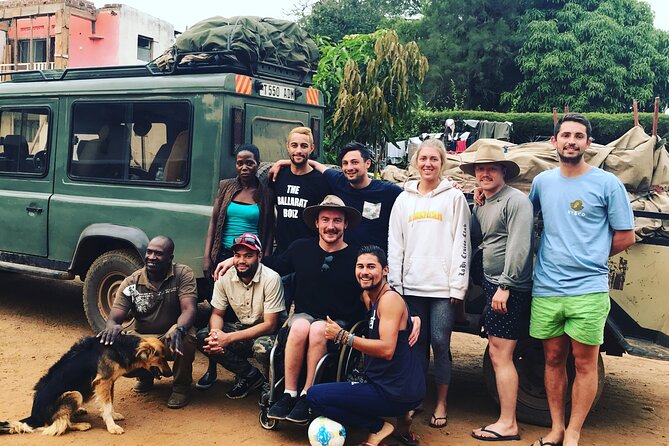
The format is private, with only your group participating, and the maximum is six people. That is a good setup for photography and for asking questions without competing with a busload of people. It also means your own group’s habits matter. A punctual, patient group will get more from the early starts and long game drives.
The guide may be multilingual. If language support is important, confirm the available language before booking rather than assuming it will match your preference.
Who should choose this safari?
I would recommend this trip to someone who wants the classic Northern Tanzania route but needs to keep costs under control. It suits first-time safari visitors who want Tarangire, the Serengeti, and Ngorongoro in one compact program.
It is also a good match for friends, couples, or families who prefer a private vehicle and want to meet only their own small group. The setup can work well for photographers, though the fixed five-day route leaves less room to wait in one area for a particular animal or seasonal event.
You should think twice if you dislike long drives, picnic meals, camping, or early departures. The schedule is busy, and two days are built around moving between major parks. This is an active safari, not a slow lodge holiday.
The route also makes sense as part of a longer Tanzania trip. If you already plan time in Arusha or other northern attractions, these five days cover the major wildlife circuit without demanding a two-week commitment.
Booking details worth checking
Pickup is offered, and the stated start point is AIM Mall in Mbauda, Arusha. The activity starts at 8:00 am and returns to that same meeting point at the end.
Most people can participate, and the tour is near public transportation. Confirmation is provided at booking. Free cancellation applies when you cancel at least 24 hours before the local start time. Cancellations or changes inside that window are not accepted for a refund.
Before booking, I would confirm the exact campsite facilities, guide language, vehicle arrangements, and how the private price works for your group size. I would also ask where the Serengeti route is expected to run during your dates if seeing the migration is central to your plans.
Should you book Eastco’s five-day safari?
Book it if you want a focused, good-value route through Tanzania’s most famous northern parks and you are happy to trade lodge comfort for more time in the field. The combination of a private group, included park fees, tented nights, picnic lunches, and two nights in Seronera gives the trip a strong practical base.
Skip it if you want a relaxed pace, guaranteed migration views, or a detailed luxury camping setup. For most people seeking a first taste of Tanzania, though, this is a smart five-day outline: Tarangire starts the wildlife search, the Serengeti gets the most time, and Ngorongoro provides a memorable final day.
FAQ
How long is the safari?
The safari lasts approximately five days.
Where does the safari start?
The meeting point is AIM Mall, Mbauda, Arusha, Tanzania. The scheduled start time is 8:00 am.
Where does the safari end?
The activity ends back at the same meeting point in Arusha.
Which parks and conservation areas are included?
The route includes Tarangire National Park, Serengeti National Park, and the Ngorongoro Conservation Area, including a game-viewing visit to Ngorongoro Crater.
How many people can join the private tour?
The private activity has a maximum of six travelers, and only your group participates.
Are meals and accommodation included?
Yes. The package includes tented accommodation with bed linen, five lunches, four dinners, and four breakfasts. Bottled water is also included.
Can I cancel for a full refund?
Yes, if you cancel at least 24 hours before the experience start time. Cancellations or changes made less than 24 hours before the local start time are not accepted for a refund.
More five day trips in Arusha
- 5-Day Highlights mid-Range Crater, Serengeti, Tarangire
★ 5.0 · 296 reviews - 5 Days Camping Tarangire, Serengeti & Ngorongoro crater & Visiting Maasai
★ 5.0 · 229 reviews - Tanzania Simba Safari – 5 Days
★ 5.0 · 217 reviews - 5 Days Budget Private Safari, Tanzania
★ 5.0 · 191 reviews
Newly listed around Arusha
- 5-Day Private Safari Tour in Tanzania’s Wildlife★ 5.0 · 3 reviews
- 3 Days private safari Tarangire ,Ngorongroro crater &Manyara★ 5.0 · 3 reviews
- 3 Day Sharing Safari – Manyara, Ngorongoro Crater and Tarangire National Parks★ 5.0 · 3 reviews
- Tarangire National Park Day Trip★ 5.0 · 3 reviews
- 2 Days Tarangire and Ngorongoro Crater Tour★ 5.0 · 3 reviews
- 6 -Day Tarangire, Manyara, Serengeti & Ngorongoro★ 5.0 · 3 reviews
- 5 Days Group Camping Safari★ 4.7 · 3 reviews
- 7-Day Mt. Kilimanjaro Hiking: Machame Route★ 5.0 · 3 reviews
Arusha Tours, compared.

Balloon Safari & Bush Breakfast in Serengeti – Miracle Experience
Read our review →






Browse the lists this tour appears in