
Reviewed · ARUSHA TOURS
Cooking and Sewing & Jewelry Workshops in Arusha
The best part of this Arusha workshop is the direct contact with the women who run it. You do not simply watch a demonstration. You learn to make chapati or pilau, or create jewelry while a mama sews an item you choose.
I like two things here: your $33 supports WEHAF’s work with widows, children, and people affected by HIV/AIDS, and the three-hour visit gives you time to talk, make something, and share food. The main drawback is that you must choose between cooking and sewing with jewelry, and the activity details list the workshop under not included, so confirm exactly what the price covers before booking.
Key points at a glance
- Choose one hands-on path: Learn chapati or pilau, or combine sewing with a Maasai jewelry lesson.
- Meet English-speaking guide Glory: She leads the visit through the mama center and daycare.
- Support practical training: WEHAF uses sewing and cooking classes to help women gain useful skills.
- Leave with something tangible: The sewing option includes a made-to-order item and your own piece of jewelry.
- Share a local lunch: Cooking participants prepare food with WEHAF’s mamas and eat together.
- Plan around the meeting details: The tour begins and ends in Arusha, with the meeting information naming Larry V Garden and the Pillars Bar & Lounge area.
A three-hour workshop with a purpose
This is a small community activity rather than a standard sightseeing stop. WEHAF, short for Widows Encouragement & HIV/AIDS Foundation, works with widows, children, and people affected by HIV/AIDS. Its focus is practical: health, social justice, and ways for vulnerable families to earn and build better lives.
That purpose gives the workshop more weight than a simple souvenir-making class. You see the mama center, learn about the work taking place there, and visit the daycare where children learn and play. The setting connects the activity to daily life in Arusha, not just to a staged cultural demonstration.
You have about three hours, enough time for an introduction, a guided activity, and conversation. Since this is a private activity for your group, you should have a more personal experience than you would in a large class. The published rating is 4.9 from 14 ratings, with 100 percent recommending it. That is a strong early signal, though the number of ratings is still modest.
More Cooking Classes in Arusha:
- NGO Lifted Strong – Traditional Tanzanian Cooking Class
★ 5.0 · 39 reviews - Arusha: Traditional Tanzania Cooking Class & Food Market Tour
★ 5.0 · 34 reviews - Arusha: Traditional Tanzania Cooking class& Food Market Tour
★ 4.9 · 12 reviews
Meeting Glory near the WEHAF mama center
The visit begins at Larry V Garden on Olkereyan Bypass Road in Arusha. The experience also describes meeting at the Pillars Bar & Lounge, close to the organization, before walking or continuing to the WEHAF center. Because both places appear in the meeting information, I would confirm the exact starting point and pickup instructions after booking.
This is a useful detail to settle before the day. You do not want to be waiting at a lounge while the guide expects you at a garden, especially if you are arranging your own transport. The activity ends back at the meeting point, so you can plan the rest of your day from the same place.
Guide Glory speaks English and leads the introduction. She shows you the mama center and explains how the sewing and cooking classes fit into WEHAF’s work. You also see the daycare, where the children learn and play. This opening gives you context before you begin making anything.
Coffee or tea and a snack are included. Public transportation is nearby, and service animals are allowed. A mobile ticket makes the booking simple, but the meeting point remains the practical detail to check carefully.
Cooking chapati or pilau with the mamas
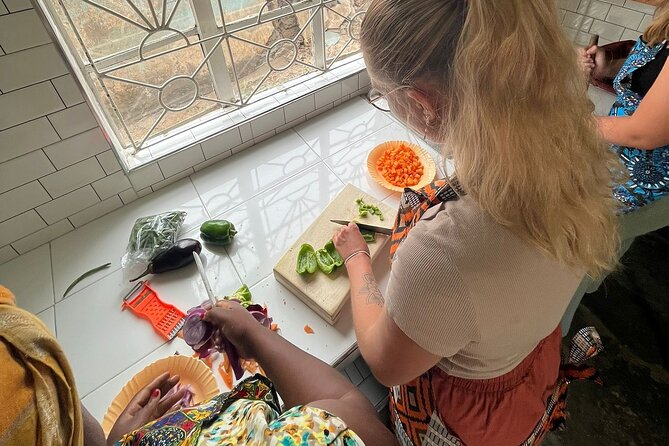
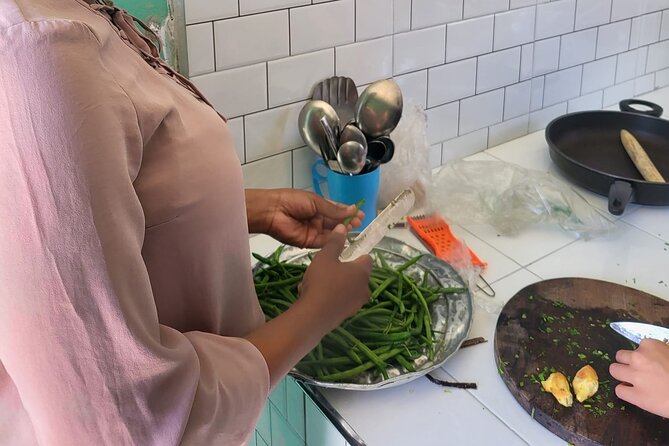
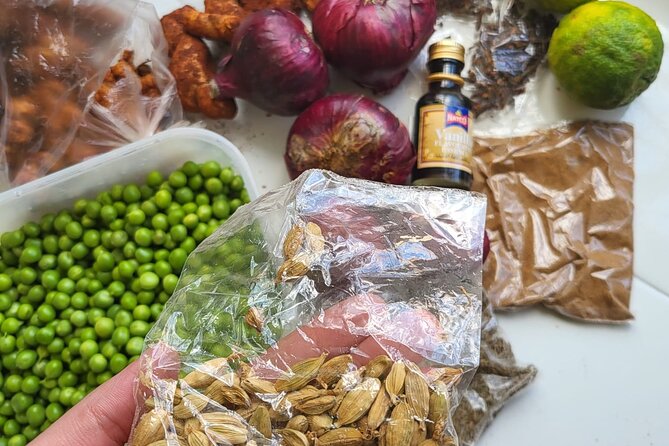
Choose the cooking option if you want a food-centered introduction to Tanzania. You go to the kitchen at the daycare, where Glory explains the different spices used in Tanzanian dishes.
The class focuses on either chapati or pilau. The mamas teach you step by step, so this is meant to be participation rather than a cooking show. You work through the process with their guidance, then sit down to enjoy your local lunch together.
Chapati gives you a chance to learn about a familiar East African staple in a hands-on way. Pilau brings the spice lesson to the center of the activity. The description does not promise a full menu or specify which spices you will use, so you should think of this as one focused dish rather than a broad cooking course.
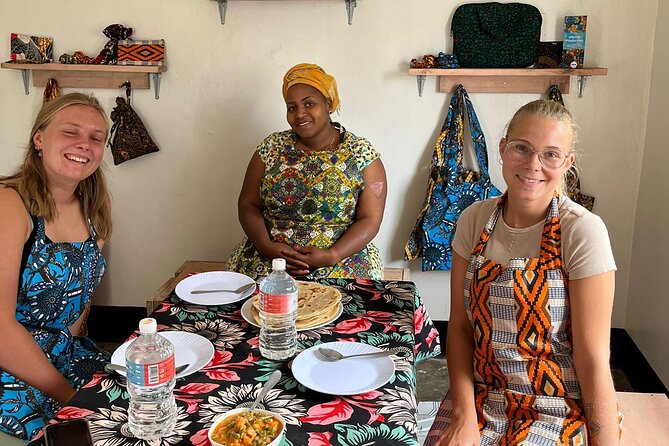
I like the social shape of this option. You are not only learning a recipe and eating it quickly. You are sharing the finished food with the women who taught you. That meal can be the most natural time to ask questions about the center, the class, and everyday food in Tanzania.
A surprise follows the lunch. No details are given, which is the point, so do not book this option expecting a particular extra activity. If you have food allergies or dietary needs, ask about them before the class, since no special menu information is provided.
Sewing a local item and making Maasai jewelry
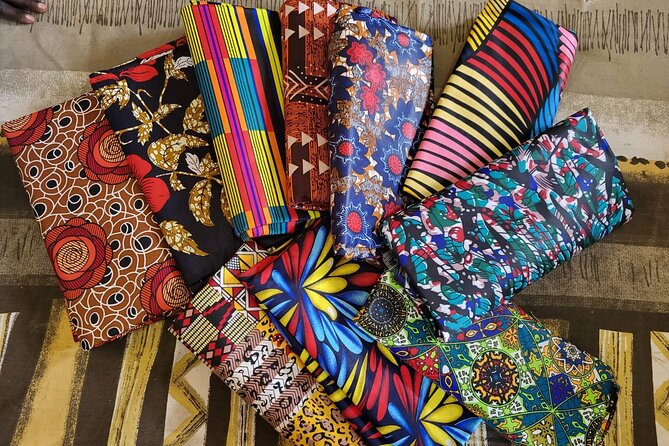
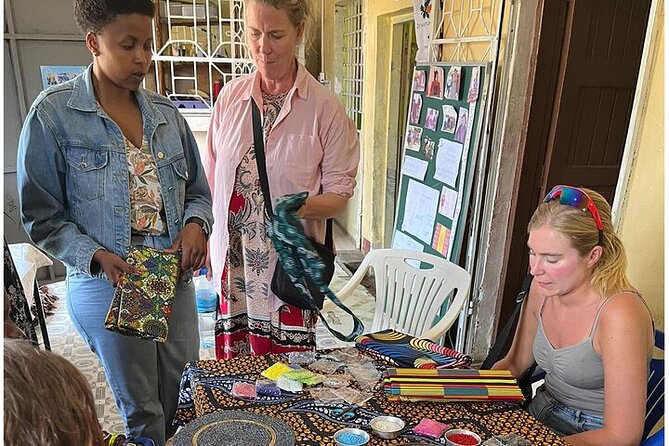
The second option takes place at the mama center. The women there can sew an item from their collection, and you choose the item and fabric before one of the mamas begins making it.
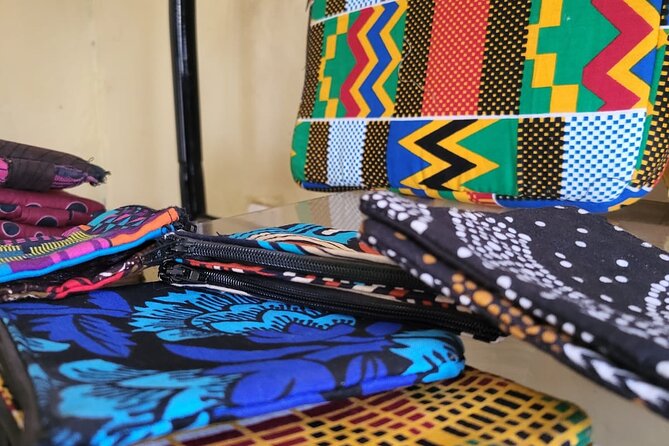
This is a nice choice if you want a useful souvenir rather than a meal. The item is made during your visit, though the exact size, style, and completion time are not specified. One especially appealing detail is the tote bag. A previous participant received beautiful tote bags made by the women learning to sew, so a bag may be among the pieces available, but you should not assume it is the only option.
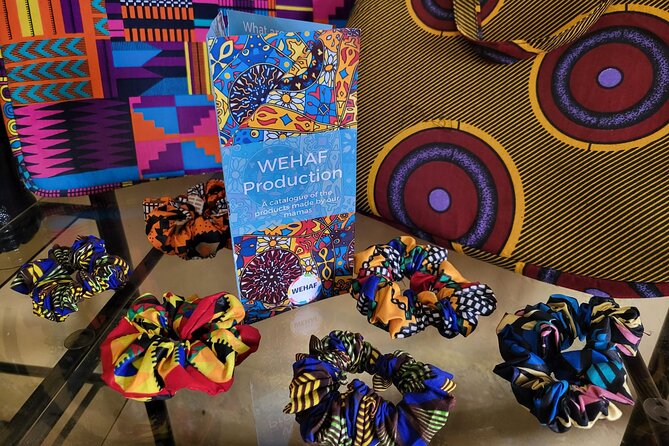
While your selected item is being sewn, a local Maasai mama teaches you to make your own jewelry. This keeps you involved during the sewing portion and gives the session two different kinds of craft work. You finish with your jewelry and the sewn item you selected, making this option especially good for people who like to take home objects with a clear connection to the place.
The jewelry class also gives you a direct introduction to Maasai design traditions, though the available information does not specify the materials, pattern, or final piece. You can ask what jewelry choices are available before you begin. The same applies to fabrics. Selection is part of the experience, but the range of choices may vary.
I would choose sewing and jewelry if you prefer making things at your own pace and want a physical reminder of the visit. It also suits a shopper who wants to support the women’s work through a purchase or commissioned item, rather than simply buying a factory-made souvenir.
More workshops and classes in Arusha:
- Private Traditional Pottery Class near Arusha
★ 5.0 · 6 reviews - Arusha: Maasai-style Beaded Jewelry Lesson
★ 5.0 · 3 reviews - Arusha: Local Tanzanian Cooking Class by Kingstone Asilia
★ 5.0 · 3 reviews - Zanzibar Cooking Class & Spice Tour
★ 4.5 · 77 reviews
What the WEHAF setting adds
The center matters because the workshop is tied to a real program. WEHAF aims to mobilize and support widows, children, and victims of HIV/AIDS through health, social justice, and economic empowerment. Sewing and cooking classes are not decorative extras. They are presented as ways for women to gain skills and improve life for themselves and their families.
You can expect a welcoming introduction to the mama center, but this is not a formal museum with displays or a long historical presentation. Its value comes from meeting the people involved and seeing the place where training takes place.
The daycare adds another layer. Children learn and play there while the women work and teach. For you, that means the cooking class takes place in a setting connected to family life, rather than in a detached culinary studio. It also helps explain why economic support for the women can affect more than one person.
The experience asks you to be present and respectful. Let the mamas guide the activity, ask before taking photographs, and remember that the center is a working community space. The supplied details do not state a photography policy, so asking first is the considerate choice.
Price, private format, and what you receive
At $33 per person, the activity is priced below many private cultural classes, but the value depends on which option you select and what is actually included. You receive the visit to WEHAF, guidance from Glory, coffee or tea, and a snack. The cooking or sewing and jewelry workshop is also described as not included, which creates an important point to clarify.
That wording may mean the chosen workshop has a separate charge, or it may reflect the way the inclusions were entered. Do not guess. Ask whether the $33 covers the full cooking class or the complete sewing and jewelry session, and ask if fabric, the sewn item, and jewelry materials are included. This is the single most important booking question.
If the full activity is covered, the price offers good value for a private three-hour experience with instruction, community contact, and a handmade result or shared lunch. If the workshop carries an extra fee, your total cost may be higher than the headline price. Clear pricing lets you compare it fairly with other Arusha activities.
The private format is another advantage. Only your group participates, so you are not being folded into a large class with a fixed pace. That can help if your group has children, different craft abilities, or simply wants more time to ask questions. The activity does not state a maximum group size, so confirm that if your party is large.
The booking pattern shows that this activity is often reserved 34 days ahead. That does not guarantee it will sell out, but it is a useful planning hint. Book early if your Arusha schedule is tight, then keep the free cancellation deadline in mind.
Who will enjoy the cooking option most
The cooking class is a good match for you if food is your favorite way to understand a place. You learn about spices, work beside the mamas, and eat the result together. It is also a practical choice for a shorter stay because the lunch becomes part of the activity rather than another stop to arrange.
Families may like the clear, hands-on structure, though the supplied details do not give a minimum age or child pricing. Ask about children when booking if that matters to your group. The same advice applies to anyone with mobility, dietary, or medical concerns, since only general access details are provided.
You should not choose the cooking option if you want a broad survey of Tanzanian cuisine. The class centers on one dish, either chapati or pilau. That narrow focus is a strength for people who prefer to learn one recipe properly, but a limitation if you expect several dishes or a full market-to-table tour.
Who should pick sewing and jewelry
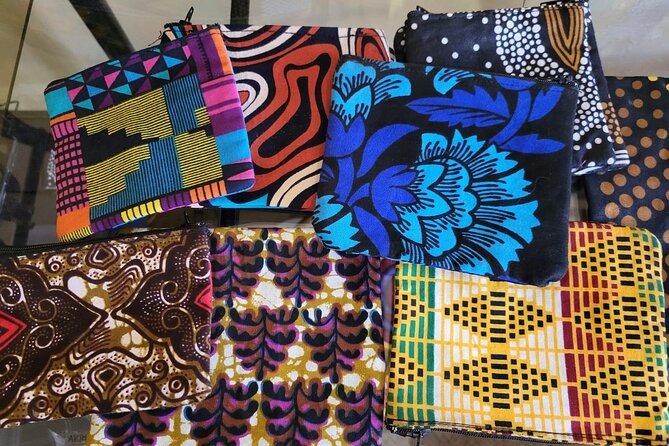
Choose the craft option if you want a souvenir with a personal story. You select fabric and an item from the collection, watch a mama sew it, and make your own jewelry with a Maasai mama. It is more interactive than simply visiting a shop.
The option also works well for people who do not want a food activity. You still get tea and a snack, but the main part of the visit is creative work and conversation. The tote bags mentioned in the experience details are a practical bonus, especially if you want something useful rather than fragile.
Keep your expectations realistic about the finished sewn item. The exact collection, fabric choices, design, and timing are not stated. Ask what can be completed during the three-hour session and what happens if your chosen item takes longer. The activity says the mama begins sewing your item, but it does not spell out every possible finishing arrangement.
Jewelry-making can be a good fit for couples, friends, and families who want different levels of participation. One person can focus on the jewelry while another pays attention to the sewing. Since the activity is private, your group can likely keep the session more personal, though the exact pace depends on the selected item.
Timing, transport, and small practical checks
Plan for roughly three hours, plus the time needed to reach the starting point. Since the experience returns you to the meeting point, it is easy to pair with another Arusha plan, but leave enough space for the workshop to finish without rushing.
The location is in Arusha and near public transportation. The activity does not include hotel pickup in the details provided, so arrange your own way to the stated meeting place unless the operator confirms another option.
Confirmation arrives at booking time. Cancellation is free up to 24 hours before the local start time. Within 24 hours, you receive no refund, and changes made inside that window are not accepted. This policy is fairly clear, but it matters if your safari schedule or transport plans may shift.
The experience is mobile-ticket friendly, private, and open to service animals. No other accessibility details are provided, so ask directly about the kitchen, mama center, seating, and any mobility needs before you commit.
My call: book it if you want contact, not a checklist
I would book this experience if you want a modest, personal activity that connects food or craft with a local organization. The strongest points are the warm welcome, Glory’s English guidance, the chance to work directly with the mamas, and the useful result: lunch, a sewn item, and jewelry depending on your choice.
Pick cooking for spices, shared food, and a simple recipe lesson. Pick sewing and jewelry for a more lasting souvenir and a closer look at the women’s training work. Before paying, confirm the meeting point and resolve the confusing inclusion note about the workshop and materials.
If you want polished facilities, a large menu, or a guaranteed list of finished products, this may feel too modest. If you value a private encounter, practical skills, and support for WEHAF’s work, the three hours and $33 starting price can make good sense once the final cost is clear.
FAQ
Where does the workshop begin?
The meeting information gives Larry V Garden on Olkereyan Bypass Road in Arusha as the start point. The activity description also names the Pillars Bar & Lounge, close to WEHAF, so confirm the exact meeting location after booking.
How long does the activity last?
The workshop lasts approximately three hours.
Does the activity end at the starting point?
Yes. The activity ends back at the meeting point.
Is the activity private?
Yes. Only your group participates in the activity.
Which cooking dishes can I learn?
You can choose to learn how to make chapati or pilau.
What happens during the sewing and jewelry option?
You choose an item and fabric from the collection, then a mama begins sewing it. During that time, a local Maasai mama teaches you how to make your own piece of jewelry.
Is food or drink included?
Coffee or tea and a snack are included. The cooking option also includes sharing the local lunch you prepare, but confirm the full price and inclusions because the workshop is separately marked as not included in the provided details.
What is the cancellation policy?
You can cancel at least 24 hours before the local start time for a full refund. Cancellations or changes made within 24 hours are not accepted and are not refunded.
Newly listed around Arusha
- 5-Day Private Safari Tour in Tanzania’s Wildlife★ 5.0 · 3 reviews
- 3 Days private safari Tarangire ,Ngorongroro crater &Manyara★ 5.0 · 3 reviews
- 3 Day Sharing Safari – Manyara, Ngorongoro Crater and Tarangire National Parks★ 5.0 · 3 reviews
- Tarangire National Park Day Trip★ 5.0 · 3 reviews
- 2 Days Tarangire and Ngorongoro Crater Tour★ 5.0 · 3 reviews
- 6 -Day Tarangire, Manyara, Serengeti & Ngorongoro★ 5.0 · 3 reviews
- 5 Days Group Camping Safari★ 4.7 · 3 reviews
- Private 4×4 Vitara Safari in Arusha National Park★ 5.0 · 3 reviews
Arusha Tours, compared.

Balloon Safari & Bush Breakfast in Serengeti – Miracle Experience
Read our review →






Browse the lists this tour appears in