
Reviewed · ARUSHA TOURS
Arusha City Culture and Historical Walking Tour
Arusha’s story makes more sense when you walk it. This five-hour tour links a former German military post, a famous gemstone, a central clock tower, craft stalls, neighborhood markets, and the museum devoted to Tanzania’s socialist past. It is a useful first look at the city before or after a safari.
I like the mix of history and daily life. You are not kept inside museums all day. I also like the chance to meet local artisans and see handmade Maasai jewelry, wood carvings, textiles, and other crafts. The main consideration is pace: five hours on city streets can feel long if you prefer a quiet, vehicle-based tour, and the Old Boma admission costs an extra $5.
Key points at a glance
- Six distinct stops: Move from colonial history and Tanzanite to markets, neighborhood life, and modern Tanzanian history.
- Private touring: Only your group participates, making it easier to ask questions or adjust the conversation.
- Hotel pickup and drop-off: The tour includes transport at the beginning and end, while the main sightseeing takes place on foot.
- A useful local-shopping stop: The Maasai Market offers jewelry, crafts, textiles, and carvings, with time to browse and buy.
- Old Boma costs extra: Plan on paying the $5 entry fee at the museum desk.
- Strong value at $35: The price includes guiding, bottled water, listed entrance fees except Old Boma, and transport to and from your hotel.
Why this walking tour works as an Arusha introduction
Arusha can be easy to pass through. Many people arrive for Kilimanjaro climbs or wildlife trips and see little beyond a hotel, a transfer vehicle, and the road out of town. This tour gives you a reason to slow down.
The route combines major sights with ordinary city scenes. You get formal history at the Old Boma and Arusha Declaration Museum, then move into shopping areas and local streets where the city’s character is less polished and more immediate. That contrast is the point.
The private format helps. You are not sharing the afternoon with a large bus group, so you can ask about subjects that interest you, from colonial rule to Tanzanian politics, local crafts, or the meaning of a neighborhood market. A guide is included, but no guide’s name is provided in the tour details, so you may want to ask for the name of your guide when you book.
At $35 per person, the cost is reasonable for five hours, especially since pickup and drop-off, bottled water, guiding, taxes, and most listed admissions are included. The value is strongest if you want context rather than a simple walk past landmarks. Remember to add the $5 Old Boma fee and budget separately for food, drinks, and anything you buy.
More History Tours in Arusha
- Arusha Guided Walking City Tour, Culture, Lifestyle & History
★ 5.0 · 150 reviews - Materuni Waterfalls & Coffee making Cultural Tour | BURIGI CHATO SAFARIS LTD
★ 5.0 · 15 reviews - Arusha: City Walking Tour Historic and Modern Highlights
★ 4.5 · 12 reviews
Old Boma Museum: Arusha’s colonial starting point
The Old Boma is the most useful place to begin if you want to understand how Arusha developed. The building occupies a former German military outpost, giving the first stop a physical connection to the colonial period rather than presenting the subject only through photographs or labels.
Inside, exhibits cover local tribes, natural history, and art. That range makes the museum a broad introduction rather than a single-topic collection. You can expect about 45 minutes here, enough to get the main ideas without turning the entire tour into a museum visit.
The $5 admission is not included in the tour price. You pay at the entrance desk, so carry enough local currency or a suitable payment method if needed. The details do not specify the museum’s payment options, so confirming this with the operator before the day is sensible.
I would pay the extra fee. This stop gives the rest of the route more meaning, particularly the later visit to the Arusha Declaration Museum. The only drawback is that 45 minutes may feel brief if you want to study every exhibit or attend one of the educational programs and workshops offered at the museum.
The Tanzanite Experience and the value of a rare stone
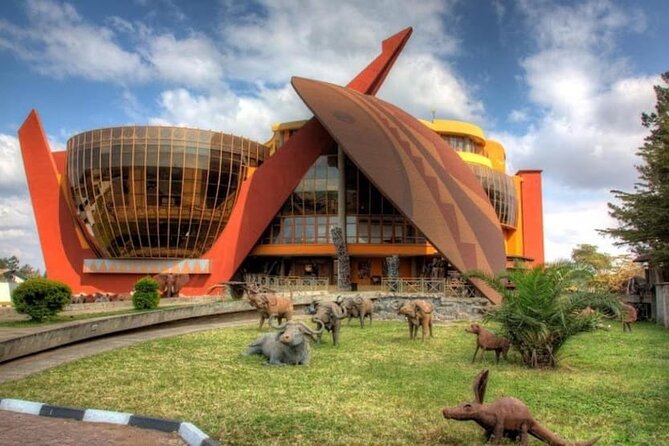
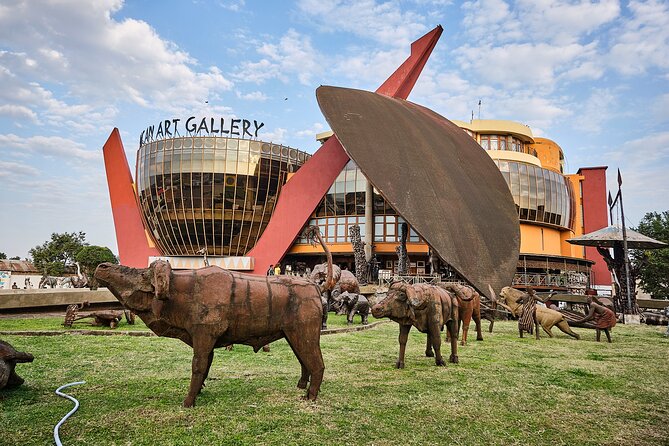
The Tanzanite Experience offers a change of subject. This museum and retail space explains the history of tanzanite, how the gemstone is mined, and why it matters to Tanzania’s identity and economy.
You spend about 30 minutes here. The visit includes interactive displays and a look at cutting and polishing. That practical element is more useful than simply seeing finished jewelry because it shows how rough stone becomes a polished gem.
The attraction also sells certified tanzanite jewelry. You are not required to buy anything, and you should treat the retail portion as optional. If you are considering a purchase, ask about certification, stone quality, and the final price before committing. The tour includes admission, but it does not include personal purchases.
For many people, this will be the most distinctive stop. Tanzanite is closely associated with Tanzania, and the visit connects a local natural resource with design and trade. If shopping is not your aim, the short length keeps it from taking over the day.
Clock Tower: a quick stop with a big location

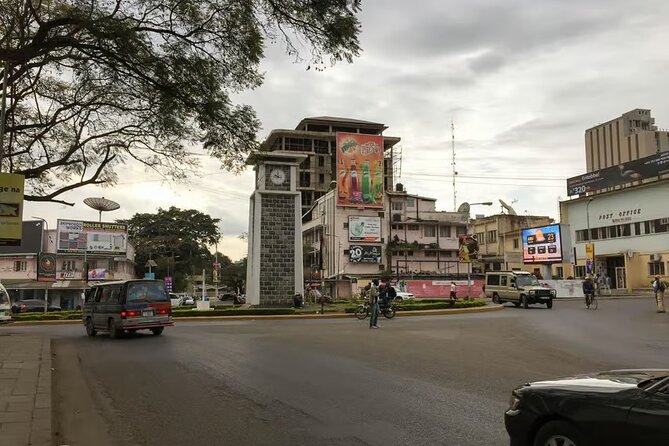
The Clock Tower takes only 15 minutes, but it helps you get your bearings. Located on Boma Road, it is a central Arusha landmark and a common meeting point.
The tower is often described as being halfway between Cairo and Cape Town. That geographical claim is part of its local identity and gives the stop a simple way to explain Arusha’s position in East Africa. You do not pay an entry fee.
This is not a long sightseeing visit. You will likely pause for an explanation and photographs before moving on. That is fine. The Clock Tower works as a marker between the formal museum stops and the more active market sections of the tour.
More Walking Tours in Arusha
- 7-Day Private Tanzania Safari with Sunset Walking on the Crater Rim and Maasai
★ 5.0 · 40 reviews - 4 Days lodge safari Tarangire , Ngorongoro crater & Walking
★ 5.0 · 39 reviews - Tanzania – Arusha NP – Private Guided 4×4 Safari – Game Drive & Walking
★ 5.0 · 30 reviews - Private Walking Tour with Giraffes
★ 5.0 · 18 reviews
Maasai Market: crafts, shopping, and a little patience
The Maasai Market Curios and Crafts is the tour’s main shopping stop. You can browse traditional Maasai jewelry, beaded items, wood carvings, textiles, and other local art.
About 25 minutes is scheduled here. That is enough to see a range of goods, but it may feel short if you want to compare prices, ask about materials, or make several purchases. If buying souvenirs matters to you, tell your guide early so you can use the time well.
The tour includes interaction with local artisans, which gives the market more value than a quick souvenir stop. You can ask how an item is made or what design traditions it reflects. Still, keep your buying sensible. Compare similar pieces, decide what you really want, and remember that personal expenses are not included.
The market is also a good place to see the difference between a craft center and a museum. Museum displays explain objects from a distance. Here, you can handle the shopping process and speak with people connected to the work. That direct contact is one of the strongest parts of the afternoon.
Arusha Chini: one hour in the city’s daily rhythm
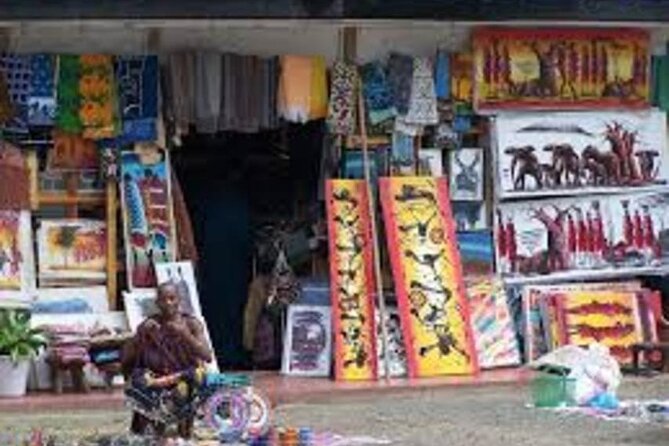
Arusha Chini receives the longest time on the route, about one hour. It is described as a neighborhood with local markets, shops, cultural centers, food, and regular community activity.
This is where the tour moves furthest from the standard sightseeing circuit. You are not simply looking at one famous building. You are walking through an area where people shop, work, eat, and meet as part of ordinary city life.
The exact food stops are not fixed in the information provided. You might find local dishes or street snacks along the way, but meals and drinks are not included. The experience details mention that street food can be part of the atmosphere, with samosas singled out as a recommended option, so ask your guide before buying or eating anything.
I like giving this neighborhood an hour. It leaves room for observation instead of rushing from one photo point to the next. You can watch how the city functions, see local shops, and ask questions that may not arise inside a museum.
The tradeoff is comfort. City walking means traffic, crowds, uneven stretches, and the heat of the day may affect how enjoyable the hour feels. Wear practical shoes, carry sun protection, and use the bottled water supplied with the tour.
Arusha Declaration Museum: the political heart of the route
The final major stop is the Arusha Declaration Museum, with about 40 minutes inside. It focuses on the Arusha Declaration of 1967, a major statement in Tanzania’s move toward socialism and self-reliance.
The museum also covers the declaration’s role in the country’s social and economic development and the life of Julius Nyerere, Tanzania’s first president. This stop provides political context that you will not get from the Clock Tower or craft market.
For visitors who know little about Tanzania beyond safari parks, this may be the most important museum of the day. It introduces the ideas that shaped the country after independence and helps explain how Tanzania formed its own political path.
Forty minutes is enough for a clear introduction, but not for a full academic study. Your guide’s explanation will matter here. Since the tour is private, use the chance to ask direct questions and connect the exhibits to what you saw in the city earlier.
Walking time, pickup, and practical comfort
The experience lasts about five hours. Hotel pickup and drop-off are included, but the sightseeing itself is a walking tour. The route covers six stops, with planned visits lasting roughly three hours and 15 minutes in total. The remaining time allows for walking, explanations, transitions, and the natural delays of a city outing.
That format suits you if you want to see Arusha at street level. It is less suitable if you want a completely relaxed day in a vehicle. Most people can participate, and the tour is near public transportation, but the details do not promise a route designed for every mobility need. If you have concerns, ask the operator before booking.
The private setup is useful for families and small groups. The company also offers group discounts, though the exact discount is not stated. Ask for the current rate if you are booking for several people.
Bring comfortable shoes, a small amount of spending money, and room for souvenirs. Bottled water is included. Meals and drinks are not, so plan around the five-hour duration rather than assuming lunch is part of the day.
Who gets the most from this Arusha tour
I would recommend this experience to first-time visitors who want a quick but substantial introduction to the city. It is also a good choice before a safari, since it gives you a better sense of the people and institutions behind the tourism corridor.
History fans will appreciate the Old Boma and Arusha Declaration Museum. Shoppers will value the Maasai Market and Tanzanite Experience. Families may like the private format, which avoids the rigid pace of a large group.
The tour also suits you if you enjoy meeting local people and seeing more than headline attractions. The strongest praise focuses on the guide’s friendly approach, clear explanations, local markets, contact with residents, colorful murals, and the chance to try samosas. Those details suggest that the human side of the walk is central to its appeal.
I would hesitate if you dislike shopping stops, city noise, or five hours of walking. The route is active and varied, but it is not a polished resort excursion. Its value comes from seeing real streets, markets, and institutions.
Booking value and final verdict
At $35, this is a solid deal for a private, five-hour city tour with transport, guiding, water, taxes, and most entrance fees included. The only stated admission surcharge is $5 for the Old Boma Museum. You still need to pay for food, drinks, and purchases.
The tour has received eight five-star ratings, with the strongest praise directed at the guide’s friendliness, organization, engaging explanations, markets, local contact, and mix of culture and history. No guide names are supplied, so ask who will lead your group if personal rapport matters to you.
Book it if you want Arusha explained through both its landmarks and its daily life. Skip it if you want a short photo tour or a safari-style vehicle outing. For most first-time visitors with half a day available, this is a practical way to meet the city before moving on to Tanzania’s larger adventures.
You can cancel for a full refund up to 24 hours before the start time. Changes or cancellations made less than 24 hours before departure are not accepted or refunded.
FAQ
How long does the Arusha City Culture and Historical Walking Tour last?
The tour lasts approximately five hours, including the scheduled visits, walking between stops, and transport to and from your hotel.
What is included in the tour price?
The price includes hotel pickup and drop-off, a guided walking tour, interaction with local artisans, bottled water, all listed fees and taxes, and admission to the Tanzanite Experience, Maasai Market, and Arusha Declaration Museum.
Is Old Boma Museum admission included?
No. Admission to Old Boma Museum costs $5 and is paid at the entrance desk.
Is this a private tour?
Yes. Only your group participates in the activity.
Are meals and drinks included?
No. Meals and drinks are not included. Bottled water is provided, while food, other drinks, and personal purchases cost extra.
Can I cancel for a full refund?
Yes. You can cancel at least 24 hours before the experience start time for a full refund. Cancellations or changes made less than 24 hours before the start time are not accepted.
Newly listed around Arusha
- 5-Day Private Safari Tour in Tanzania’s Wildlife★ 5.0 · 3 reviews
- 3 Days private safari Tarangire ,Ngorongroro crater &Manyara★ 5.0 · 3 reviews
- 3 Day Sharing Safari – Manyara, Ngorongoro Crater and Tarangire National Parks★ 5.0 · 3 reviews
- Tarangire National Park Day Trip★ 5.0 · 3 reviews
- 2 Days Tarangire and Ngorongoro Crater Tour★ 5.0 · 3 reviews
- 6 -Day Tarangire, Manyara, Serengeti & Ngorongoro★ 5.0 · 3 reviews
- 5 Days Group Camping Safari★ 4.7 · 3 reviews
- 4 Days Tanzania Safari★ 4.5 · 3 reviews
Arusha Tours, compared.

Balloon Safari & Bush Breakfast in Serengeti – Miracle Experience
Read our review →






Browse the lists this tour appears in