

Reviewed · ARUSHA TOURS
Coffee walk day trip
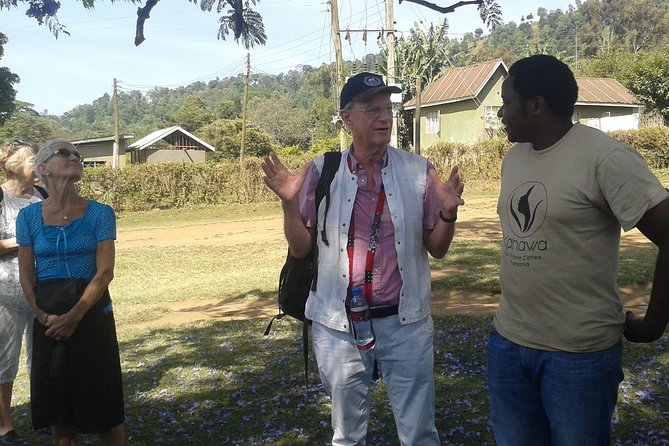
A coffee bean takes a long road before it reaches your breakfast cup. This private day trip follows that road on foot, from a village about 40 minutes outside Arusha to an organic, Fairtrade coffee farm and roastery. Along the way, guide Samwel explains local farming, culture, and traditions.
I like the small-scale village setting and the chance to see coffee production beside ordinary homes, schools, churches, and food crops. I also like the generous meal of chapati, roasted banana, rice, ugali, goat sauce, spinach, salad, fruit, banana cake, and coffee. The main consideration is the walking: this is not just a farm visit, and the route to the roaster takes about 30 to 40 minutes.
Key points to know
- A village walk comes first: You walk from the village center through small farms, schools, and churches before reaching the coffee fields.
- Organic and traditional methods are compared: The farm visit explains how different production methods affect the work and the crop.
- Samwel brings long experience: He has worked with the coffee tour for more than 10 years.
- Lunch is cooked in the local style: Expect chapati, ugali, goat sauce, vegetables, rice, fruit, and other village specialties.
- Coffee tasting finishes the meal: You cup different coffees with banana cake, then take home a bag of coffee.
- The private format keeps it personal: Only your group takes part, with group discounts available.
From Arusha to a coffee-growing village
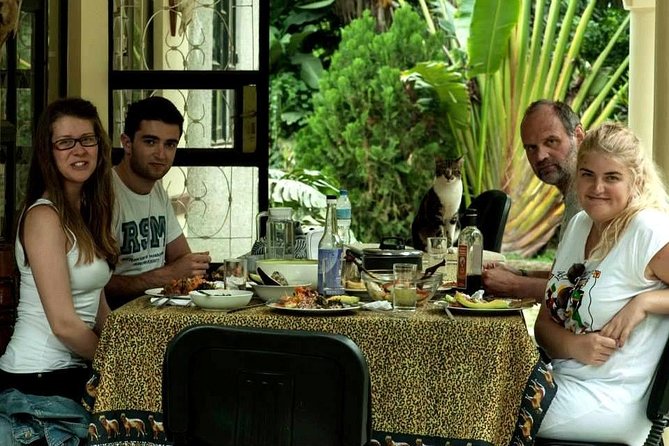
The day begins at 9:00 a.m., with pickup offered for the experience. The coffee village sits about 40 minutes from Arusha town at roughly 1,400 meters above sea level. That short ride matters. You leave the city behind without giving up a full day to transport.
The setting is described as evergreen, which fits a coffee-growing area with small farms and a cooler, higher location than central Arusha. Once you reach the village center, the tour continues on foot. This is the point where the experience becomes more than a standard farm stop.
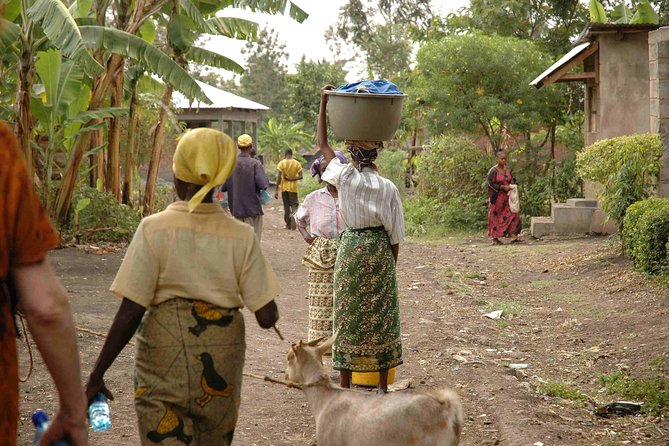
You pass homes, small food plots, schools, and churches. I like this approach because it puts coffee into its proper setting. It is not an isolated plantation built only for visitors. You see the farms alongside the places where people live, worship, and send children to school.
Your guide is an important part of this opening walk. Samwel has worked with the coffee tour for more than 10 years, and the tour information says he explains local culture and traditions along the route. If you want a quick photo stop and a short talk before returning to town, this may feel longer than necessary. If you want context, the walk gives the coffee a human scale.
More Walking Tours in Arusha
- Arusha Guided Walking City Tour, Culture, Lifestyle & History
★ 5.0 · 150 reviews - 7-Day Private Tanzania Safari with Sunset Walking on the Crater Rim and Maasai
★ 5.0 · 40 reviews - 4 Days lodge safari Tarangire , Ngorongoro crater & Walking
★ 5.0 · 39 reviews
Walking through small farms to the coffee fields
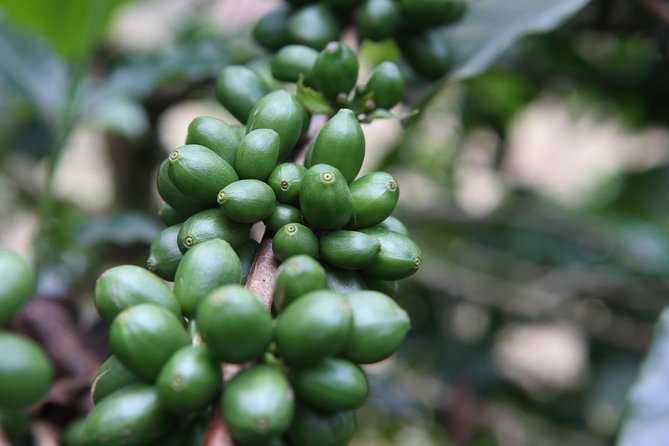
The walk leads toward the organic coffee farm. The route is not presented as a strenuous hike, but you should still be ready to walk outdoors for a meaningful part of the day. From the village center to the farm, and then onward to the roaster, the experience depends on your feet rather than a vehicle.
That is a strength for anyone who wants to see how coffee fits into everyday agriculture. Small farms and coffee plants share space with other crops, and the path gives you time to ask questions. You may also gain a clearer idea of how many people earn a living from coffee and related farm work.
The tour explains both traditional and organic coffee production. That comparison gives the visit more substance than a simple explanation of how a coffee cherry grows. You can ask about what changes between the two methods and what the difference means for the farmer and the final product.
The Fairtrade and organic focus also gives the trip an ethical side, though you should treat it as an educational visit rather than a formal certification seminar. The useful point is direct: your coffee comes from a chain of labor, and this walk shows some of the work behind it.
Wear practical shoes and clothing suited to a rural walk. The supplied information does not give a detailed route grade or footwear requirement, so I would not plan this in delicate sandals or clothing meant only for a city lunch.
Seeing coffee before it becomes a drink
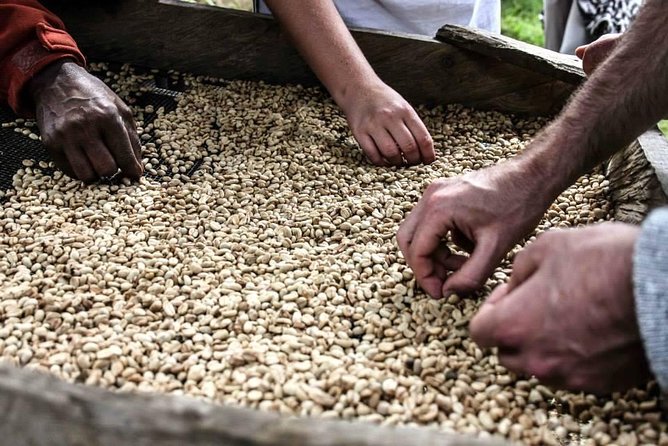
At the farm, the focus shifts from the village route to coffee production. You learn about the journey from bean to cup and see how coffee is grown and processed. The tour also includes a roastery, where the process becomes easier to connect with.
Many coffee explanations lose people in technical terms. This one is built around a physical journey: village, farm, processing, roasting, tasting. That order helps you understand why the drink in your cup costs more than the raw bean and why so many stages are needed before brewing.
The coffee industry is also a useful subject for a day near Arusha. The region is known to visitors for wildlife trips and mountain journeys, but a coffee farm offers a look at a different part of local life. You are not simply passing through a scenic area. You are learning about work, crops, and a product sold far beyond Tanzania.
The experience is private, so your group can set the pace for questions within the planned schedule. That matters if some people in your party already know coffee and others are learning the basics. It also makes the day a better fit for families or small groups who prefer not to match the rhythm of a large bus tour.
The 30 to 40 minute walk to the roaster
After the farm visit, the walk down to the roaster takes about 30 to 40 minutes. This is a specific detail worth noting before you book. The distance gives the day a pleasant sense of progress, but it also means the tour is not suitable for anyone looking for a mostly seated activity.
The walk connects the growing side of coffee with the roasting side. You have just seen the plants and farming methods, and now you follow the product toward preparation. That simple transition is one of the strongest parts of the day.
The tour data does not describe the path surface, steepness, or shade in detail. I would ask the operator if anyone in your party has limited walking ability or needs a particular route. The general information says most people can participate, but that is not the same as promising an easy path for every fitness level.
Because the tour lasts about six and a half hours, the walking is spread across a full half-day experience rather than packed into a short visit. Plan your morning accordingly. A 9:00 a.m. start and a village location outside Arusha mean you should not schedule another early activity at the same time.
More coffee stops in Arusha:
- Materuni Waterfalls, coffee tour & Kikuletwa Hot Springs
★ 5.0 · 643 reviews - Materuni waterfalls coffee tour & Chemka hot springs Day trip
★ 5.0 · 131 reviews - Maasai village visit, Materuni waterfalls & coffee experience
★ 4.5 · 95 reviews - Materuni Waterfalls & Coffee Tour from Moshi
★ 5.0 · 92 reviews
Lunch in the garden, with a full Tanzanian plate
The meal is served in the garden near the roaster. It is not a token snack added to a coffee tasting. You receive a proper lunch featuring village specialties and familiar Tanzanian staples.
The listed dishes include chapati, roasted banana, rice, ugali, goat sauce, spinach, salad, and seasonal fruit. This is a useful spread because it gives you several textures and flavors in one sitting. Chapati brings a flatbread element, ugali adds a firm maize-based staple, and the goat sauce provides the main protein named for the meal.
The exact menu may change with the season, since the fruit is described as seasonal. You should also raise dietary needs when booking if they matter to you. The provided information does not specify vegetarian, vegan, allergy, or religious-diet arrangements.
I like the setting because the food is tied to the place you have just walked through. You are eating a local meal after seeing the farms and village rather than stopping at an unrelated restaurant. That makes lunch part of the cultural experience, not just a convenient break.
Still, keep your expectations practical. The value here is the local cooking and the setting, not a polished restaurant service or a long menu of choices. If you want a controlled meal with many alternatives, ask about the available dishes ahead of time.
Cupping coffee with banana cake
Dessert brings the day back to coffee. You cup different coffees together with banana cake, a fitting finish after learning how beans are grown and roasted.
Cupping gives you a chance to compare coffees rather than drinking one prepared cup without context. You may notice differences in aroma, strength, or taste, though the supplied information does not list the varieties or brewing method. The useful part is the comparison itself. It helps you connect production choices with what ends up in the cup.
Banana cake adds a local touch and keeps the tasting from feeling too formal. Coffee can be a serious subject, but the food makes the final session more relaxed. This is also a good point to ask questions about the beans you prefer and what to buy for home.
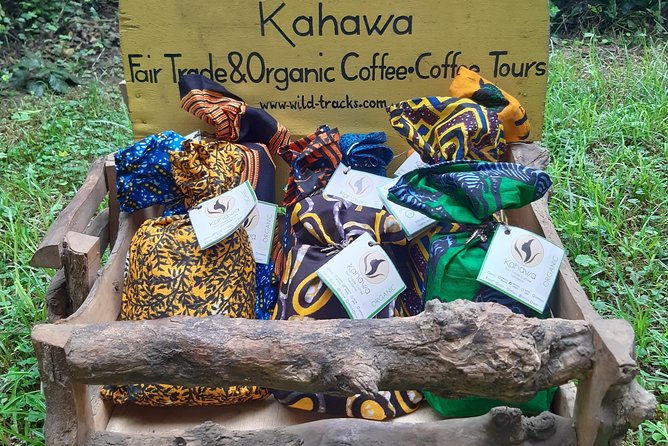
A bag of coffee is included as a takeaway, and you can shop for more at the farm or roastery. That adds real value to the experience. You do not only learn about the product and then leave empty-handed. You can continue the experience later by brewing the coffee at home or giving it as a gift.
What the $102 price means
At $102 per person, this is not the cheapest half-day activity around Arusha. The price makes more sense when you count what is bundled into the day: transport access, a private guide, the farm and roastery visit, a full lunch, coffee tasting, and a bag of coffee to take home.
The private format is the biggest price factor. Only your group participates, so you are paying for a more personal schedule rather than joining a large shared outing. That is useful for couples, families, or friends who want to ask plenty of questions about farming and local customs.
Group discounts are available, which may improve the cost for a larger party. If you are traveling alone or as two people, compare the private price with other local coffee visits. The special value here is not a quick tasting. It is the combination of walking, cultural context, food, production, and shopping.
Pickup is offered, but the supplied details do not state if it is included in the $102 price or where pickup applies. Confirm that point before paying, especially if your accommodation is outside Arusha town. The start time is fixed at 9:00 a.m., so clarify the meeting arrangement rather than assuming a hotel pickup time.
Who will enjoy this coffee walk most
I would choose this experience if you want to meet a working community through its farms and food. It suits people who enjoy asking questions, walking at a steady pace, and learning how a familiar product is made.
It is also a good addition to an Arusha stay built around wildlife or mountain activities. The coffee walk gives you a slower day with a strong local focus. Instead of spending another day moving between major sights, you spend several hours following one product from farm to cup.
Families may appreciate the variety. The day has movement, village sights, food, coffee, and a take-home item. The private format also means your group does not have to fit into the conversation style of strangers.
Coffee fans will get the most from the production explanation and tasting, but you do not need to be a coffee expert. The tour is designed to explain the industry and process in accessible terms.
I would hesitate if you dislike walking, need a highly structured accessibility plan, or have strict food requirements that have not been confirmed. The available information says most people can participate, but it does not provide detailed accessibility notes or a complete menu for special diets.
Practical planning for the six-and-a-half-hour day

Set aside about six hours and 30 minutes, not counting any extra time you may need around pickup. The listed start is 9:00 a.m., and the village is about 40 minutes from Arusha town.
The day includes outdoor walking and a 30 to 40 minute section to the roaster. Comfortable walking shoes are the sensible choice. The information does not specify weather arrangements, so ask the provider what happens during rain or unusually poor conditions.
Bring room for the coffee bag and any additional purchases. The tour includes a bag of coffee, and the roastery offers more for sale. A small day bag will make it easier to carry your purchase without juggling it during the walk.
Most people can participate, and the activity is private. Confirmation is provided at booking, and the tour is near public transportation, though pickup is offered. Free cancellation is available if you cancel at least 24 hours before the local start time. Changes or cancellations inside that window are not accepted for a refund.
Should you book the Coffee Walk?
Book it if you want an informative, food-centered day that shows coffee as part of village life. The strongest features are the walk through farms and community spaces, Samwel’s long experience with the tour, the comparison of organic and traditional production, and the generous Tanzanian lunch.
The $102 price is easiest to justify for a private group that values personal attention and wants both a meal and coffee to take home. It is less compelling if you only want a short farm tour or a quick tasting.
Before booking, confirm pickup details, walking conditions, and food needs. If those points work for your group, this is a thoughtful way to spend a day near Arusha, with a clear connection between the people who grow coffee and the drink you enjoy.
FAQ
Where does the coffee walk take place?
The coffee village is about 40 minutes from Arusha town in the Arusha Region, at roughly 1,400 meters above sea level.
What time does the experience start?
The stated start time is 9:00 a.m.
How long does the coffee walk last?
The experience lasts approximately six hours and 30 minutes.
Is transportation offered?
Pickup is offered, and the meeting information also notes that the experience is near public transportation. Confirm the exact pickup details when booking.
Is this a private tour?
Yes. Only your group participates in the activity.
What food is served for lunch?
The listed lunch includes chapati, roasted banana, rice, ugali, goat sauce, spinach, salad, and seasonal fruit.
Do I receive coffee to take home?
Yes. A bag of coffee is included, and you can shop for additional coffee at the farm or roastery.
Can I cancel for a full refund?
Yes, if you cancel at least 24 hours before the local start time. Cancellations or changes made less than 24 hours before the start are not refunded or accepted.
More day trips in Arusha
- Materuni Waterfalls & Chemka Hotsprings Day Trip
★ 5.0 · 214 reviews - Ngorongoro Crater Day Trip
★ 5.0 · 72 reviews - From Arusha/Moshi: Kilimanjaro Hike Marangu Route Day Trip
★ 4.5 · 54 reviews - day trip tarangire
★ 5.0 · 46 reviews
Newly listed around Arusha
- 5-Day Private Safari Tour in Tanzania’s Wildlife★ 5.0 · 3 reviews
- 3 Days private safari Tarangire ,Ngorongroro crater &Manyara★ 5.0 · 3 reviews
- 3 Day Sharing Safari – Manyara, Ngorongoro Crater and Tarangire National Parks★ 5.0 · 3 reviews
- Tarangire National Park Day Trip★ 5.0 · 3 reviews
- 6 -Day Tarangire, Manyara, Serengeti & Ngorongoro★ 5.0 · 3 reviews
- 2 Days Tarangire and Ngorongoro Crater Tour★ 5.0 · 3 reviews
- 5 Days Group Camping Safari★ 4.7 · 3 reviews
- 7-Day Mt. Kilimanjaro Hiking: Machame Route★ 5.0 · 3 reviews
Arusha Tours, compared.

Balloon Safari & Bush Breakfast in Serengeti – Miracle Experience
Read our review →






Browse the lists this tour appears in