
Reviewed · SERENGETI & NGORONGORO SAFARIS
7 Days Tarangire, Serengeti, Ngorongoro & Manyara Camping Safari Tour Tanzania
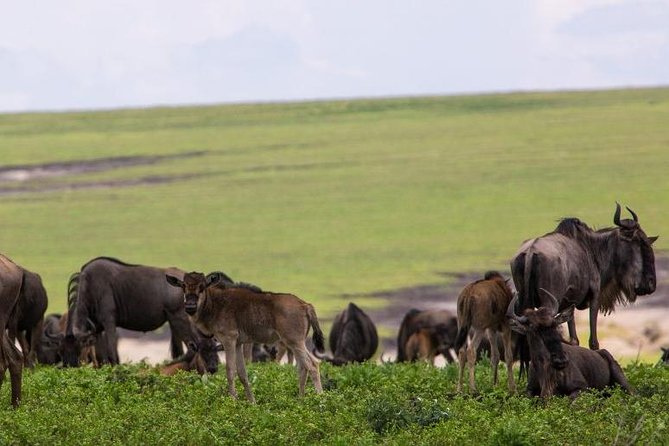
The main draw here is four or more nights in the Serengeti, giving you a real chance to follow the Great Migration rather than making a quick park visit. I like the focus on two nights in Central Serengeti, where big cats are often concentrated, and two nights in the area where the herds are moving. I also like the small group limit of six and the chance to fly out from the Serengeti’s remote end instead of retracing the road to Arusha.
The main thing to check before paying is the exact route. The title includes Manyara, while the supplied details focus on Tarangire, Serengeti, and Ngorongoro. The final Serengeti air transfer is also described as an option, not a fixed ending, so confirm the day-by-day plan, camps, flight, and return arrangements.
Key points at a glance
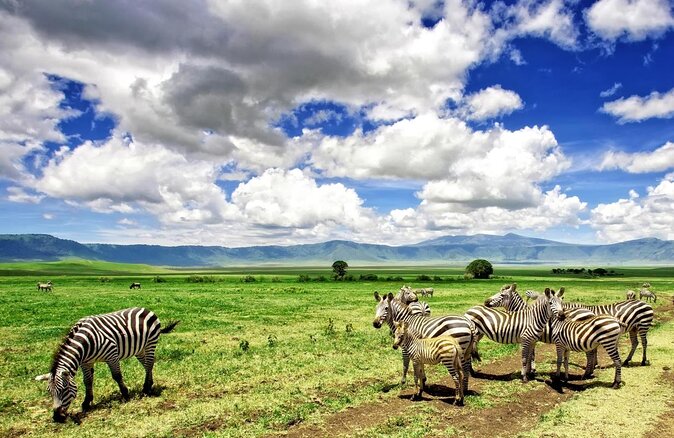
- Four or more Serengeti nights: More time in the park means better odds of seeing changing animal activity and migration movements.
- Central Serengeti big-cat country: Two nights are usually set aside for the area known for strong lion, leopard, and cheetah sightings.
- Migration-based routing: Another two nights can be placed where the herds are located at that time of year.
- Small groups of up to six: A compact vehicle group makes it easier to hear the guide and share wildlife-viewing decisions.
- Camping with practical supplies: Sleeping bags, towels, drinking water, wine, and three included meals each day keep the trip simple.
- Multilingual guiding: Guides may speak English, Spanish, or French, with Assad, Mtina, Omer, Mohamed, and Aron among the names associated with the company’s safari work.
Why the Serengeti gets most of your seven days
Many Tanzania safaris pass through the Serengeti for a night or two, then hurry on. This one takes the opposite approach. You spend at least four nights there, usually splitting time between Central Serengeti and a second area chosen according to the season.
That matters because the Great Migration is not a single event happening in one fixed place. The herds move, and the best area changes during the year. A route built around their current position gives you a better chance of seeing large groups of wildebeest and zebra, though no operator can promise a particular sighting or crossing.
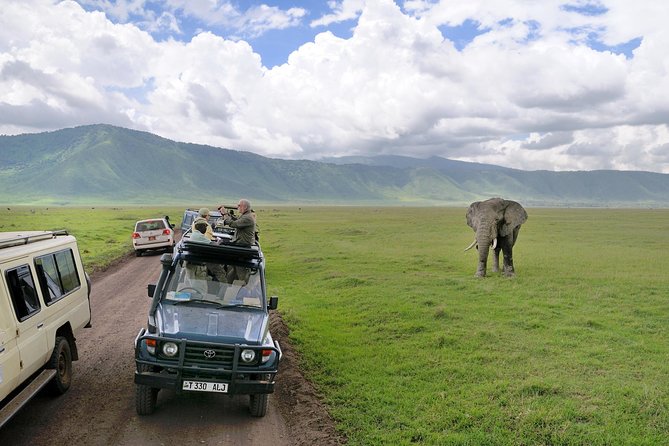
Central Serengeti is used for its big-cat potential. Two nights in the area give your guide more than one game drive to search for lions, cheetahs, and leopards. You may also find the slower moments rewarding: giraffes feeding, elephants moving between trees, or smaller animals that are easy to miss when everyone is focused on the headline species.
The second Serengeti location is meant to follow the herds. Ask how the operator decides where to camp and how often the route is adjusted. A flexible plan is useful, but you should know what is fixed before departure, especially if your trip is built around a particular migration period.
The company’s guides have been praised for finding good viewing positions and explaining animal behavior, plants, and local history. Assad, Mtina, Omer, Mohamed, and Aron are names connected with the guiding team. Your actual guide depends on the departure, so request a name and language in advance if that matters to you.
More Safaris in Arusha
- Balloon Safari & Bush Breakfast in Serengeti – Miracle Experience
★ 5.0 · 1,646 reviews - 4 Days Group Camping Safari
★ 5.0 · 1,101 reviews - 5 Days Group Camping Safari
★ 5.0 · 730 reviews
Tarangire opens the safari with elephants and open views
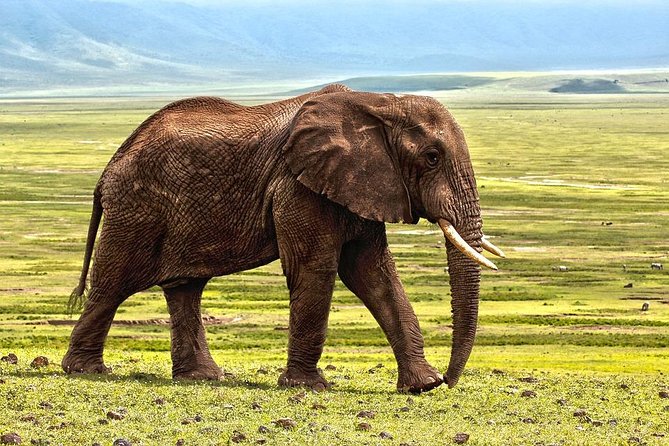
Tarangire National Park is listed as part of the trip, and it makes a sensible first stop from Arusha. The park is known for elephant sightings and broad open areas, with wildlife gathering around water in the dry season.
The supplied details do not give a fixed Tarangire schedule, so confirm whether you receive a full game drive there or a shorter visit on the way to another park. That small difference affects the feel of the first day. A full day gives you time to stop, watch, and wait. A rushed drive gives you an introduction but less chance for patient animal viewing.
Tarangire also helps ease you into safari life. You learn how the vehicle works, how stops are handled, and how your guide reads animal behavior. Since the trip later spends long stretches in the Serengeti, this opening park can provide variety rather than repeating the same type of outing from the start.
Ngorongoro brings a different kind of game viewing
Ngorongoro is another main stop listed in the safari program. It offers a very different setting from the open Serengeti plains, with wildlife concentrated in a compact area. That can make a crater visit feel busy and rewarding at the same time.
The crater is especially useful for anyone hoping to see a broad mix of animals in one outing. It can also be one of the most structured parts of the trip because many vehicles may be looking for the same animals. Your guide’s skill matters here. Omer, for example, is described as an excellent driver who found strong viewing positions and explained the surrounding habitat.
Ngorongoro is not simply a box to tick. The setting changes how you watch wildlife. In the Serengeti, you may scan a wide horizon for movement. In the crater, you often look across a more contained area and compare different animal groups within the same view.
The practical drawback is that a crater visit can feel crowded compared with the more remote Serengeti nights. If quiet roads and long periods without other vehicles are important to you, ask how much time is allocated to Ngorongoro and how the operator balances it against Serengeti time.
Manyara needs clarification before you book
Manyara appears in the tour title, but the detailed program supplied for this experience does not explain the park’s day, game-drive length, or accommodation. Do not assume that a title alone guarantees a full Lake Manyara visit.
Ask three direct questions: Is Manyara included in the seven-day route, on which day is it visited, and does adding it reduce time in the Serengeti? The answer can change the character of the safari. A route with Manyara may give you more park variety. A route without it may protect the four-plus Serengeti nights that form the trip’s main selling point.
This is one of the few areas where I would want written confirmation. The operator also says the safari can be redesigned to return to Arusha by land, so the final route is not completely rigid.
More Serengeti and Ngorongoro itineraries:
- 3 Days Serengeti & Ngorongoro Group Camping Safari
★ 5.0 · 574 reviews - 5-Day Highlights mid-Range Crater, Serengeti, Tarangire
★ 5.0 · 296 reviews - 3-Day Classic Serengeti Safari
★ 5.0 · 263 reviews - Private 6-Day Tarangire Manyara Crater and Serengeti with Mid-Range Lodges
★ 5.0 · 238 reviews
Camping is practical rather than polished
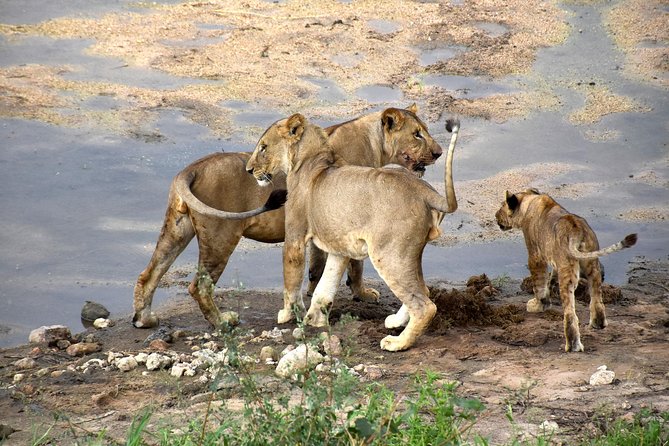
This is a camping safari, not a lodge-only holiday. The package includes a sleeping bag and bath towels, which means you do not need to bring those basic items. Drinking water and wine are also included.
You receive breakfast, lunch, and dinner for all seven days. That is useful on a route where meals are not always easy to arrange independently. The food appears to be a strong part of the experience overall, though lunches may feel repetitive during the week. If you have special dietary needs, tell the operator before departure. Other dietary requirements are available on request.
The word camping can mean different things in Tanzania. Before you go, ask whether the tents are already set up, what washing facilities are available, and how meals are prepared. Those details are not specified here, and they will shape your comfort more than the word camping itself.
Bring personal toiletries and anything else you need for your own routine. Personal items are not included. You should also budget for tips to the driver-guide and safari cook, which are specifically excluded from the price.
The guides are a major part of the value
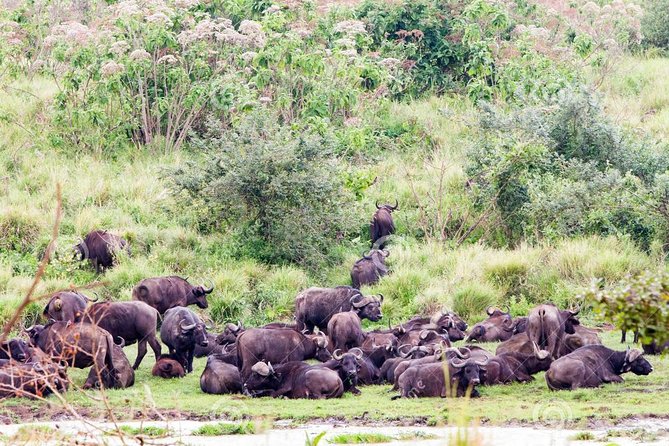
A safari vehicle is only as good as the person reading the road and the animals. This operator emphasizes professional guides who can speak English, Spanish, and French. That language range is helpful if you want explanations to feel natural rather than translated on the fly.
The strongest guide comments focus on three things: animal knowledge, patient positioning, and safe driving. Assad is associated with sightings that included the Big Five and the so-called Ugly Five. Mtina is described as friendly and especially good at explaining animals, the environment, and local history. Omer is noted for his area knowledge and ability to locate useful viewing spots.
Aron is associated with a particularly memorable lioness hunt, where the guide positioned the vehicle so the action could be followed as the lioness hunted for her young. Sightings like this are never guaranteed, but the example shows why guide judgment matters. The goal is not only to find animals. It is to understand what you are seeing and avoid missing the behavior that gives a sighting meaning.
The guide also acts as driver, trip coordinator, wildlife interpreter, and problem solver. With a maximum of six people, you have a better chance of asking questions and discussing where to stop. If you want a certain language or have strong preferences about photography, mention them when booking.
What the price of $2,692.31 really covers
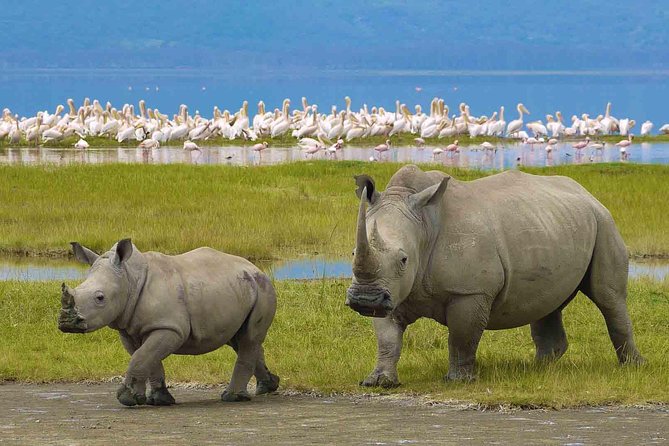
At $2,692.31 per person, this is a serious purchase, but the figure includes many of the costly parts of a safari. Park fees and taxes, airport pickup and drop-off, a professional guide, camping supplies, drinking water, wine, and all seven breakfasts, lunches, and dinners are included.
The price is easier to judge if you value time in the Serengeti. Four or more nights in the park, plus a migration-based location and a small group, can offer better value than a cheaper tour that spends more time on long road transfers and less time watching animals.
You still need to add international flights, visas, travel insurance, personal expenses, and tips. The final cost may also change if you choose the optional flight from the remote Serengeti or redesign the tour to return to Arusha by road. Ask for a complete quote that lists the air transfer separately.
There is also a free day tour available on request. The details are not specified, so ask what it includes and where it takes place before counting it as part of your holiday value.
The remote Serengeti finish is useful, but confirm the exit plan
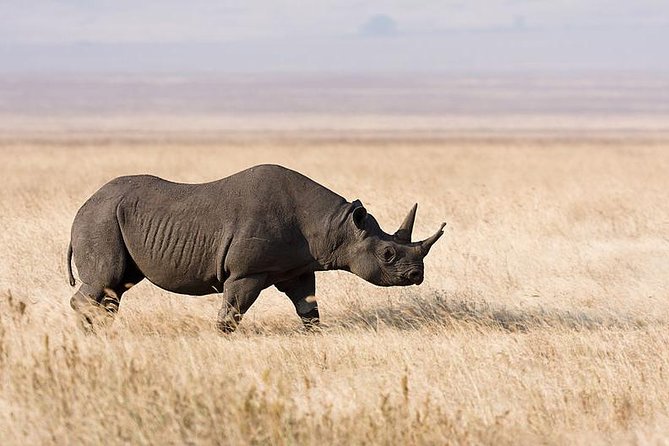
The planned concept is to finish in the most remote part of the Serengeti and fly onward to your next destination. This can save you from a long overland return to Arusha and fits well if you are continuing to another part of Tanzania or flying elsewhere.
The benefit is time. You can finish with one last park experience instead of spending a full day retracing the route. The tradeoff is that air connections, baggage details, and final destination need to be clear. The provided information does not give a flight time, airline, baggage allowance, or list of destinations.
The operator can redesign the route to return to Arusha by land. That may suit you if your next hotel, flight, or connection begins there. It may also be simpler if you prefer not to add a small-plane transfer. Get the ending in writing, including the final meeting point, before you commit.
The general start time is 7:00 am. Airport pickup and drop-off are included, but the exact pickup arrangement should be confirmed with the operator.
Who will get the most from this safari
I would consider this trip if your top priority is the Serengeti and the Great Migration, rather than a quick tour of every northern Tanzania park. It suits you if you are comfortable with camping, long game-drive days, and a schedule that may change to follow wildlife.
The small group makes it a good fit for couples, friends, and solo visitors who want company without a crowded vehicle. It may also work well for people who want a guide who can explain more than animal names, especially if you need English, Spanish, or French.
I would be more cautious if you need a fixed luxury-lodge itinerary or dislike uncertainty. The exact role of Manyara is unclear, and the remote Serengeti flight is presented as a design choice rather than a guaranteed part of every departure.
Cancellation is free if you cancel at least 24 hours before the local start time. Changes or cancellations inside that window are not accepted for a refund.
Should you book the seven-day route?
Book it if you want a Serengeti-first safari with four or more nights in the park, a maximum of six people, full-board meals, and the option to finish near a flight connection. The company’s guiding team is a real asset, and the itinerary gives wildlife more time than many short northern-circuit tours.
Before booking, confirm the Manyara question, your exact Serengeti camping areas, the guide language, and whether the final flight is included or optional. If those details match your plans, the price can be fair for the amount of park time and included support. If you mainly want a polished lodge holiday or a perfectly fixed schedule, choose a different style of safari.
FAQ
Where does the safari start?
The safari is based in Arusha, Tanzania, with a stated start time of 7:00 am. Airport pickup is offered.
How long is the safari?
The experience lasts approximately seven days.
Which parks are included?
The tour information lists Tarangire National Park, Serengeti, and Ngorongoro. Manyara appears in the title, but its exact place in the route should be confirmed before booking.
How many people can join the tour?
The group is limited to a maximum of six travelers.
What meals are included?
Breakfast, lunch, and dinner are included for all seven days.
Is camping equipment provided?
A sleeping bag and bath towels are included. The available details do not specify the tent setup or washing facilities, so ask the operator for those details.
Can I cancel for a full refund?
Yes. You can cancel for a full refund up to 24 hours before the experience start time. Cancellations or changes made less than 24 hours before the start time are not accepted for a refund.
More week long trips in Arusha
- Tanzania Classic – 7 Days
★ 5.0 · 1,151 reviews - 7-Day Premium Luxury Tanzania Safari All-Inclusive
★ 5.0 · 426 reviews - Group Safari 7 Days in Tanzania’s Main Parks
★ 5.0 · 240 reviews - 7 Days Tanganyika Wilderness Safari
★ 5.0 · 159 reviews
More camping safaris in Arusha
- 2 Days Tarangire and Ngorongoro Group Camping Safari
★ 5.0 · 146 reviews - 6 Days Tanzania Budget Camping Safari
★ 5.0 · 145 reviews - 3 Day Serengeti National Park & Ngorongoro Crater Camping Safari
★ 5.0 · 142 reviews - 3 Days Tarangire, Ngorongoro & Lake Manyara Group Camping Safari
★ 5.0 · 102 reviews
Newly listed around Arusha
- 5-Day Private Safari Tour in Tanzania’s Wildlife★ 5.0 · 3 reviews
- 3 Day Sharing Safari – Manyara, Ngorongoro Crater and Tarangire National Parks★ 5.0 · 3 reviews
- 3 Days private safari Tarangire ,Ngorongroro crater &Manyara★ 5.0 · 3 reviews
- Tarangire National Park Day Trip★ 5.0 · 3 reviews
- 6 -Day Tarangire, Manyara, Serengeti & Ngorongoro★ 5.0 · 3 reviews
- 2 Days Tarangire and Ngorongoro Crater Tour★ 5.0 · 3 reviews
- 5 Days Group Camping Safari★ 4.7 · 3 reviews
- 7-Day Mt. Kilimanjaro Hiking: Machame Route★ 5.0 · 3 reviews
Serengeti & Ngorongoro Safaris, compared.


Balloon Safari & Bush Breakfast in Serengeti – Miracle Experience
Read our review →




Private 6-Day Tarangire Manyara Crater and Serengeti with Mid-Range Lodges
Read our review →
5 Days Camping Tarangire, Serengeti & Ngorongoro crater & Visiting Maasai
Read our review →Browse the lists this tour appears in