
Reviewed · SERENGETI & NGORONGORO SAFARIS
6 Days Tarangire, Serengeti, Ngorongoro & Manyara Joining Tour
The best part of this six-day safari is the time spent in the Serengeti, where three days give you a real chance to follow changing animal activity instead of making one rushed visit. I love the small group limit of seven and the custom jeep with a pop-up roof, which gives you a useful view for photos and game watching.
I also like the variety: elephant country in Tarangire, open plains in the Serengeti, the compact wildlife viewing of Ngorongoro Crater, and birdlife at Lake Manyara. The main trade-off is long road time, including roughly six hours from Mto wa Mbu to the Serengeti and several early starts.
Key points to know before booking
- Three Serengeti days: You have time to search different parts of the park as wildlife shifts.
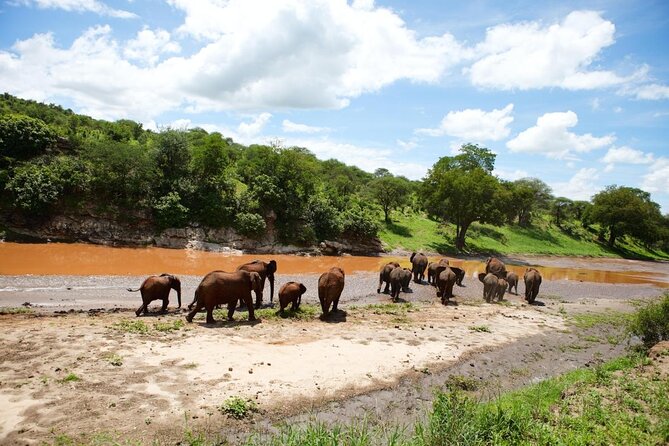
- Tarangire’s elephants and baobabs: This is one of the strongest early safari days for large elephant families and striking trees.
- Ngorongoro Crater: The crater floor makes animal viewing easier, though the descent and ascent create another long day.
- Lake Manyara finale: Look for flamingoes, hippos, birds, monkeys, and the park’s famous but rarely seen tree-climbing lions.
- Camping support included: A chef, sleeping bag, mattress, meals, water, and soft drinks are part of the package.
- A maximum of seven people: A smaller vehicle group can make it easier to share sightings and get a better view from the roof.
Four northern parks in six demanding days
This route covers Tanzania’s famous northern safari circuit in a tight but worthwhile schedule. You move from Tarangire to the Serengeti, then to Ngorongoro and Lake Manyara, with the Serengeti receiving the most time.
That order makes sense. Tarangire gives you an immediate introduction to game viewing, while the Serengeti gets three days for broader searching. Ngorongoro then offers a concentrated wildlife day, and Manyara finishes with a shorter park visit focused on birds, hippos, forest animals, and the chance of seeing lions in trees.
You should not think of this as a relaxed lodge holiday. It is an active safari with early breakfasts, several hours in the jeep, changing camps, and long transfers between parks. You get a lot for the six days, but you need to be comfortable with dust, road time, and days that begin before sunrise.
The tour costs $1,600 per person. That price includes park entrances and taxes, six breakfasts, six lunches, five dinners, camping equipment, bottled water of at least three litres per day, soft drinks, a guide-driver, and a chef. Flights, visas, and tips are extra.
For a multi-park safari with food, park fees, staff, transport, and equipment included, the price has a strong practical value. The important question is not simply the dollar amount. It is whether you want a full northern circuit in six days, rather than paying more for a slower itinerary with more private space or more lodge nights.
More Serengeti and Ngorongoro itineraries:
- Balloon Safari & Bush Breakfast in Serengeti – Miracle Experience
★ 5.0 · 1,646 reviews - 3 Days Serengeti & Ngorongoro Group Camping Safari
★ 5.0 · 574 reviews - 5-Day Highlights mid-Range Crater, Serengeti, Tarangire
★ 5.0 · 296 reviews
Day 1: Tarangire’s elephants and baobabs
Pickup begins at 7:30 am from your hotel in Arusha. After meeting the guide-driver, chef, and other people in the vehicle, you drive about two hours to Tarangire National Park.
Tarangire is an excellent first stop because its character is different from the Serengeti. Ancient baobabs rise above the park, and large elephant families are a major attraction. Watching elephants interact is often more rewarding than simply counting them. You may see adults, younger animals, and family groups moving, feeding, or gathering together.
The game drive lasts about six hours, with the vehicle moving toward reported animal sightings. Giraffes, wildebeest, zebras, and other herbivores are expected sights. Lions, cheetahs, and leopards are harder to find, so your guide’s knowledge of recent sightings matters.
This is a full first day. The two-hour transfer is manageable, but the combination of driving and a six-hour game drive can leave you tired by evening. Still, Tarangire offers an immediate sense of why this circuit is so popular, especially if elephants are high on your list.
Day 2: The long road into the Serengeti
After breakfast, you leave Mto wa Mbu and drive toward the Serengeti. The transfer takes about six hours, including stops, and passes through the Ngorongoro area.
That road time is one of the main points to weigh before booking. You are not spending the whole day in the park, but the journey is part of the route. The reward is reaching the Serengeti with enough time still set aside for the following two days of game drives.
The schedule includes a brief stop at the Ngorongoro gate and viewpoint. You get about 20 minutes to see the crater from above and take in its unusual shape. It is a short stop, not a full crater visit, so save your serious Ngorongoro viewing for Day 5.
There is also an optional Maasai village visit lasting about 20 to 45 minutes. You can use this time to learn about Maasai culture and older traditions connected with hunting, warrior status, and animal blood. The description makes clear that some traditions have changed, with drinking blood noted as an exception.
The village stop is optional, which is useful. If cultural visits are important to you, it adds another side to the safari. If you would rather reach the Serengeti sooner, you can opt out. After such a long transfer, that choice may matter.
Days 3 and 4: Making the most of the Serengeti
The Serengeti is the heart of this trip. It is famous for more than one million wildebeest and roughly 250,000 zebras moving with the migration. The exact animals you see depend on the season and their location, so no fixed sighting can be promised.
Day 3 begins with an early breakfast and an early game drive. The plan is to search farther into the northern, southern, eastern, or western areas according to current animal movements. That flexible approach is more useful than following a rigid route, since wildlife does not arrange itself around a timetable.
You return to camp for lunch, then continue the game drive into the evening. The long day gives you a better chance of seeing a range of animals and observing different activity as the day changes.
A small but interesting detail is that animals can sometimes be seen around the campsites. You should still follow camp instructions and listen to the staff. The point is not to wander off looking for wildlife, but to remain alert to what may appear nearby.
Day 4 begins with another early drive. You continue viewing animals until afternoon, return to camp for lunch, and pack before leaving the Serengeti. The drive to Simba campsite near the Ngorongoro Crater rim takes about two hours, with game viewing continuing as you exit the park.
This is a smart use of time. Rather than spending a separate day only on the transfer, you keep watching wildlife while leaving the Serengeti. The downside is that you pack and relocate after several long game-drive days. If you prefer unpacking once and resting, this pace may feel brisk.
The custom safari jeep is central to these days. Its pop-up roof lets you stand or sit with a clearer view above the vehicle, useful for watching tall giraffes, scanning the plains, and taking photographs. The group limit of seven is another practical advantage, though the exact amount of personal space depends on how full the vehicle is.
More six day trips in Arusha:
- Tanzania Wildlife Encounters – 6 Days
★ 5.0 · 277 reviews - Private 6-Day Tarangire Manyara Crater and Serengeti with Mid-Range Lodges
★ 5.0 · 238 reviews - 6 Days Private Budget Safari
★ 5.0 · 163 reviews - 6 Days Tanzania Budget Camping Safari
★ 5.0 · 145 reviews
Day 5: Down into Ngorongoro Crater
You leave Simba campsite after an early breakfast and descend into Ngorongoro Crater. This is the tour’s most concentrated wildlife day.
Because the crater is a floor enclosed by steep sides, animals are often easier to spot than across wide open country. The scenery is a major part of the appeal, but the goal is also to search for black rhino, described here as the hardest animal to find in the crater.
You should set your expectations carefully. A rhino sighting is never guaranteed, even in a place known for them. The crater does improve your chances of seeing many animals in a relatively compact area, but wildlife remains unpredictable.
After lunch, you continue the game drive before ascending to camp. You then pack for the trip toward Big Fig Tree Lodge and campsite near Lake Manyara National Park. Swimming may be possible there if you are interested, although the supplied information does not give a pool schedule or other details, so treat it as an optional extra rather than a central part of the safari.
Ngorongoro is a long day, with the early start, crater descent, game drive, lunch, ascent, and onward transfer. It is also the kind of day that makes the schedule worthwhile. The crater feels very different from Tarangire and the Serengeti, and that contrast gives the route its variety.
Day 6: Flamingoes, hippos, and Manyara’s tree-climbing lions
After breakfast, you enter Lake Manyara National Park for the final game drive. Manyara is known for colorful flamingoes on the lake and for lions that sometimes climb trees.
The lions are rare, so do not book this tour expecting a guaranteed tree-climbing sighting. You may have better luck with the park’s birds and more common animals, including buffaloes, wildebeest, warthogs, monkeys, vultures, and eagles.
The hippo pool provides a close look at hippos from a designated viewing area. You also visit a hot spring during the game drive. These stops add variety to the final day and keep Manyara from feeling like a simple drive through on the way back to Arusha.
Lake Manyara can be especially appealing if you enjoy bird watching. The flamingoes are a signature sight, though their presence and numbers can vary. The mix of lake, hot spring, woodland, and open areas gives you a different setting from the wide Serengeti plains.
The day lasts about six hours. After several early mornings, it is still a substantial final outing, but the shorter park visit makes a reasonable finish to the circuit.
Camping, food, water, and the real comfort level
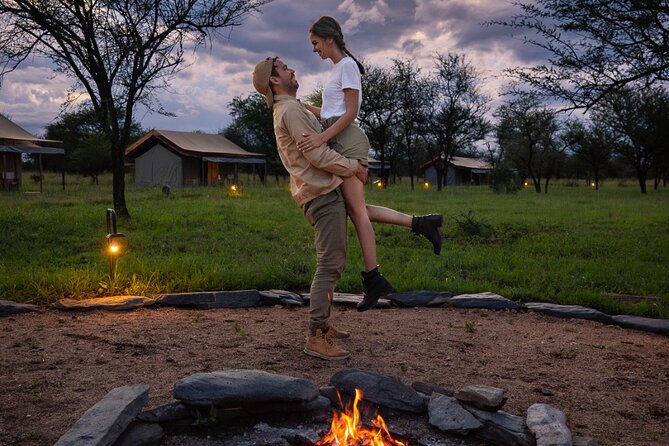
The tour is described as a camping and lodge trip, and camping equipment is included. You receive a sleeping bag and mattress, along with meals prepared by the chef.
The package includes six breakfasts, six lunches, and five dinners. Bottled water of at least three litres per day and soft drinks are also included. That matters in Tanzania’s heat, especially during long game drives when buying supplies along the route may not be convenient.
The exact split between camping and lodge accommodation is not specified. If you require a particular lodge standard, private bathroom, or a fixed number of lodge nights, ask before paying. The wording suggests a mix rather than a fully lodge-based safari.
Camping adds a more direct connection to the parks. You may hear or notice wildlife near camp, and the evening can feel more tied to the setting than a standard hotel stay. It also means you should pack for simple conditions and accept that comfort may vary from one night to the next.
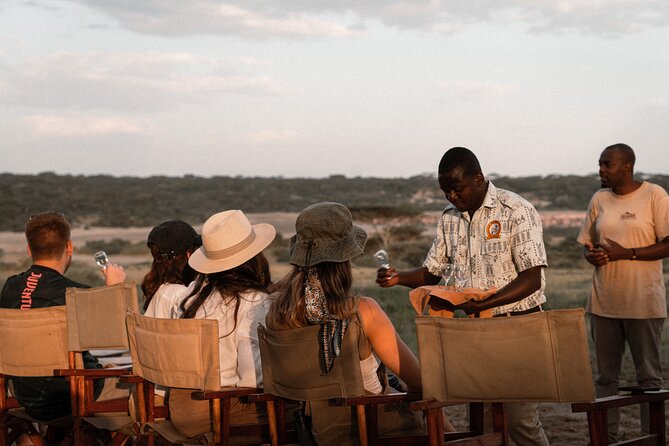
The chef is a useful part of the setup. Having meals handled within the safari group saves time and keeps the daily schedule moving. Still, you should confirm any dietary needs in advance, since no specific menu or dietary policy is provided.
What the $1,600 price really buys
At $1,600 per person, this is not a low-cost day trip. It is also not simply six days of transport. The price covers four major parks or conservation areas, park fees and taxes, accommodation equipment, a chef, a guide-driver, meals, water, and soft drinks.
The strongest value comes from the three Serengeti days. Serengeti access is a major part of any northern safari budget, and extra time there gives you more chances to find wildlife in different areas. The route also avoids spending every day on a transfer.
The group limit of seven helps keep the price below a private safari while offering a smaller setting than a large coach. One prior booking was taken as a private tour, while another involved sharing the vehicle, so the arrangement can vary. Confirm whether your booking is private or shared, and ask how many people are expected in your vehicle.
You should also budget for tips, flights, and a visa. Those are not included. Cancellation is free if you cancel at least 24 hours before the start time. Within 24 hours, the amount paid is not refunded, and late changes are not accepted.
The tour is booked on average 74 days ahead, which is a useful planning clue. If your dates are fixed, reserve well ahead, especially if you want a particular group arrangement.
Who will enjoy this safari most
I would choose this trip if you care more about time in the parks than about high-end accommodation. It suits you if elephants, big cats, wildebeest, zebras, rhinos, hippos, birds, and varied scenery are the main reason you are coming to Tanzania.
It also works well for photographers. The pop-up roof offers a clear shooting position, and the three Serengeti days give you more than one chance to find useful light and animal behavior. Bring patience. Predators can be difficult to spot, and the most famous animals may take time.
Solo visitors can also fit the format, particularly if you are comfortable sharing a vehicle. One solo booking was arranged around photography and video, which points to the benefit of confirming the vehicle setup and group size before you book.
I would hesitate if you want a slow holiday, luxury lodging every night, or guaranteed sightings of rhinos and tree-climbing lions. The route is busy, the drives are long, and early mornings are part of the deal.
Should you book the six-day route?
Book it if you want a serious wildlife safari with three full Serengeti days, a small vehicle group, and practical inclusions that keep extra costs under control. The route packs in the northern circuit’s main names without reducing the Serengeti to a single rushed stop.
Think twice if you dislike camping, frequent packing, or long road transfers. Before booking, confirm the camping and lodge split, whether your vehicle will be shared, the expected group size, and any food requirements.
For a person who wants animals first, this is a strong choice. Its best feature is not one guaranteed sighting. It is the amount of time you get to keep looking.
FAQ
Where does the safari begin?
Pickup is offered from your hotel in Arusha, with a stated start time of 7:30 am.
How many people can join the tour?
The vehicle group has a maximum of seven people.
Is the tour camping, lodging, or both?
It is described as a camping and lodge safari. Camping equipment includes a sleeping bag and sleeping mattress, but the exact number of camping and lodge nights is not specified.
Are meals and drinking water included?
Yes. The package includes six breakfasts, six lunches, five dinners, bottled water of at least three litres per day, and soft drinks.
Is the Maasai village visit required?
No. The visit is optional and lasts about 20 to 45 minutes.
What is not included in the price?
Tips, flights, and a visa are not included.
Newly listed around Arusha
- 5-Day Private Safari Tour in Tanzania’s Wildlife★ 5.0 · 3 reviews
- 3 Days private safari Tarangire ,Ngorongroro crater &Manyara★ 5.0 · 3 reviews
- 3 Day Sharing Safari – Manyara, Ngorongoro Crater and Tarangire National Parks★ 5.0 · 3 reviews
- Tarangire National Park Day Trip★ 5.0 · 3 reviews
- 6 -Day Tarangire, Manyara, Serengeti & Ngorongoro★ 5.0 · 3 reviews
- 2 Days Tarangire and Ngorongoro Crater Tour★ 5.0 · 3 reviews
- 5 Days Group Camping Safari★ 4.7 · 3 reviews
- 7-Day Mt. Kilimanjaro Hiking: Machame Route★ 5.0 · 3 reviews
Serengeti & Ngorongoro Safaris, compared.


Balloon Safari & Bush Breakfast in Serengeti – Miracle Experience
Read our review →




Private 6-Day Tarangire Manyara Crater and Serengeti with Mid-Range Lodges
Read our review →
5 Days Camping Tarangire, Serengeti & Ngorongoro crater & Visiting Maasai
Read our review →Browse the lists this tour appears in