
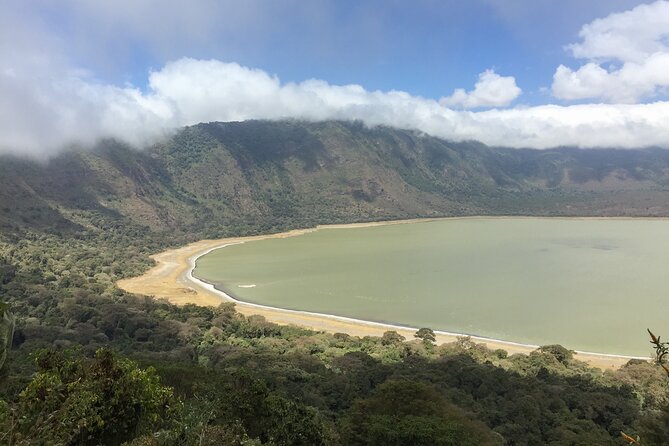
Reviewed · ARUSHA TOURS
6 Days in the Wild – A Budget Safari Across Tanzania’s Icons
This six-day Tanzania safari packs an impressive amount into one trip: elephant country in Tarangire, open Serengeti plains, and a swim at Chemka Hot Springs. You also get village life, a Chagga lunch, a Maasai boma visit, and time at Materuni Waterfalls. It is more than a wildlife circuit, though the long drives and basic camping require a good measure of patience.
I like the small maximum group of seven, which should make the open-roof vehicle more comfortable and give you a better chance to ask questions. I also like the range of guides and staff named in the trip details, including Simba, Amiri, and chef Salim. The main consideration is that the itinerary description is not fully clear about the Ngorongoro Crater descent, and the accommodation plan shifts between campsites, a lodge, and a hotel.
Key points to know before booking
- Tarangire begins the wildlife experience with large elephant herds, seasonal swamps, baobab country, and the Tarangire River.
- Two nights in the Serengeti give you real safari time, including a sunrise start, a full-day drive, picnic lunches, and a night at Seronera Campsite.
- The trip combines wildlife with living culture, including a Maasai boma visit and a guided walk through Materuni village.
- Materuni Waterfalls and Chemka Hot Springs add welcome variety after several long hours in a safari vehicle.
- The $1,300 price includes transport, meals, park-related fees, and an English-speaking guide, but tips, flights, and personal items cost extra.
- The group is capped at seven people, and pickup is offered from Meru House Inn in Arusha at 6:00 a.m.
Why this six-day route works
Many short Tanzania safaris focus only on the northern circuit parks. This one adds two very different experiences at the end: Materuni Waterfalls and Chemka Hot Springs. That matters because safari days can involve six or seven hours in a vehicle, and a swim or village walk gives your body and mind a change of pace.
You begin and end in Arusha, Tanzania’s main safari base. The route covers Tarangire National Park, the Serengeti, the Ngorongoro area, Lake Manyara, Materuni, and Chemka. It is an ambitious schedule, not a slow holiday. You will see a lot, but you will also spend substantial time on the road.
The price is $1,300 per person. At first glance, that is not an ultra-cheap safari. Yet it includes private transportation, an English-speaking guide, breakfast on five mornings, six lunches, five dinners, taxes, and listed fees. Add the cost of park access, meals, transport, and a guide separately, and the package can make good sense for someone who wants Tanzania’s major sights without paying for a luxury lodge circuit.
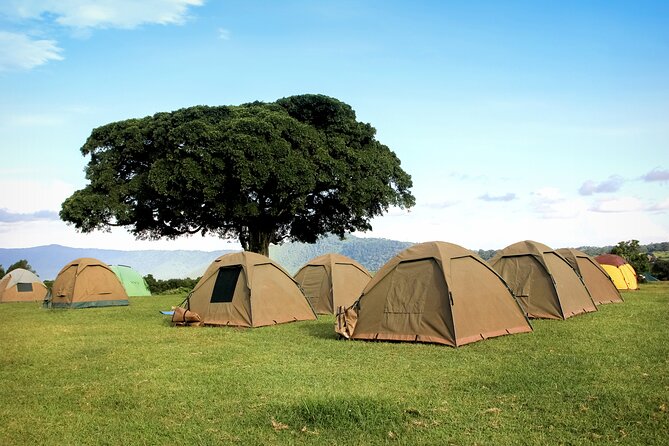
The word budget mainly points to the camping style and practical approach. Do not book this expecting polished lodge service every night. The trip includes Seronera Campsite, and the first night is listed at Fig Tree Lodge. Day four mentions a hotel in Arusha. Ask for the exact accommodation plan before paying if sleeping arrangements are important to you.
More Safaris in Arusha
- Balloon Safari & Bush Breakfast in Serengeti – Miracle Experience
★ 5.0 · 1,646 reviews - 4 Days Group Camping Safari
★ 5.0 · 1,101 reviews - 5 Days Group Camping Safari
★ 5.0 · 730 reviews
Day 1: Elephants and baobabs in Tarangire
The first morning starts with a 6:00 a.m. pickup at Meru House Inn on Sokoine Road in Arusha. After breakfast, the drive to Tarangire takes about two hours. That early start is useful: you reach the park with much of the day ahead rather than treating Tarangire as a quick stop.
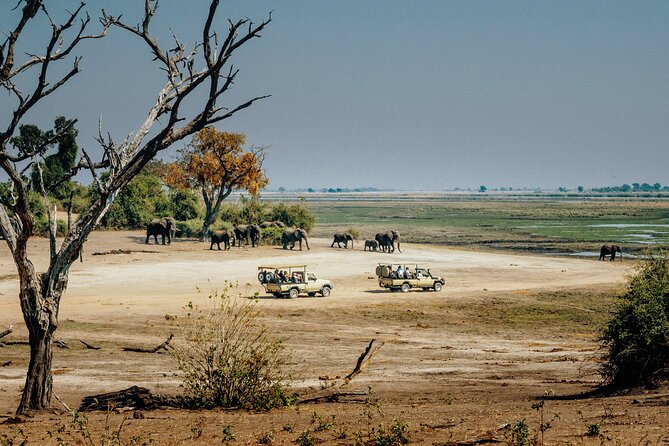
Tarangire is especially good for elephants. The Tarangire River and seasonal swamps draw animals during dry periods, so your guide may focus on water sources and open grassland. Zebra, wildebeest, buffalo, giraffe, and elephant are all named targets for the drive.
I like the way this first park sets the tone. The scenery is different from the Serengeti, with river country, woodland, savanna, and the park’s famous large trees. The open roof of the safari vehicle gives you a clear view upward and outward, which is useful for spotting giraffes and birds.
The planned park time is about six hours. Afterward, you drive to Fig Tree Lodge for dinner and the night. This is a full first day, especially after an early pickup, so keep your first evening quiet. You will want the rest before the longer transfer to the Serengeti.
Day 2: Crossing into the Serengeti
After breakfast, you head toward Serengeti National Park with picnic lunches. The schedule allows about seven hours for the game drive and park experience. That does not mean seven continuous hours of animal sightings. It includes the route, stops, wildlife watching, and the movement needed to reach Seronera.
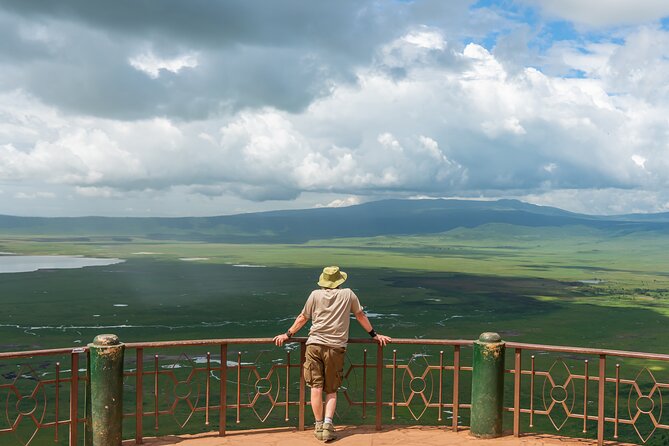
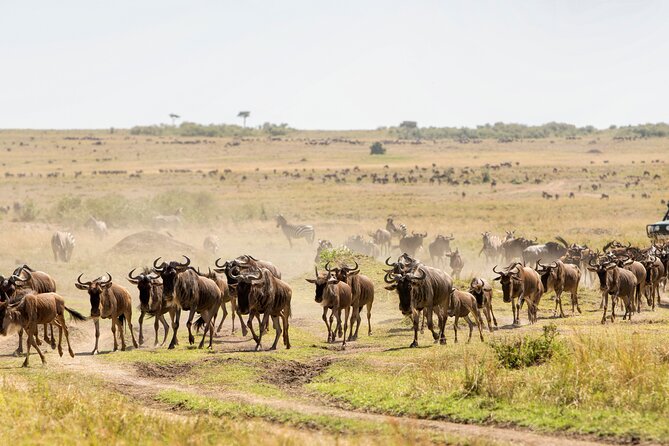
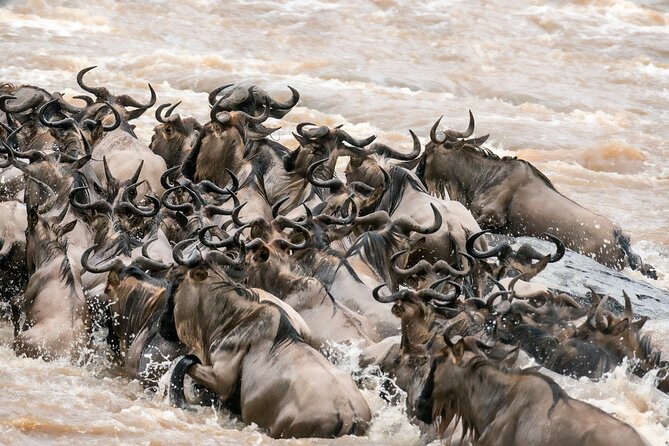
The Serengeti is the emotional center of the trip. Its broad grasslands and scattered acacia trees create the classic East African safari setting. The Great Migration is part of the appeal, but timing matters. The wildebeest move through different areas during the year, so you should treat a migration sighting as a possibility rather than a promise.
The seasonal movement is on a huge scale. Herds may gather for mating, calving, and new grazing, then move north in search of food and water. The precise spectacle depends on rainfall and location, so your guide’s local judgment matters more than a fixed promise in a brochure.
You spend the night at Seronera Campsite. Camping here gives the trip its most direct connection with the park, but it also means you should be comfortable with basic conditions. Bring patience, a warm layer for early mornings, and a willingness to accept that nature does not operate on a hotel timetable.
Day 3: A full Serengeti safari day
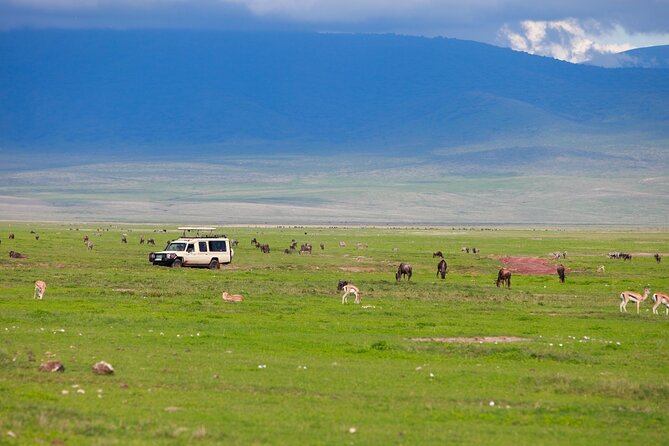
Day three begins at sunrise. This is one of the strongest parts of the schedule because early hours can offer cool air, soft light, and active animals. You head out for a morning game drive, return to camp for lunch, and then continue with an afternoon drive.
The goal is to search for the Big Five: lion, leopard, elephant, buffalo, and rhinoceros. Past visitors on this trip reported seeing all five, but wildlife is never guaranteed. A good guide can improve your chances through experience, communication with other vehicles, and careful reading of animal behavior, but no responsible safari can promise a complete checklist.
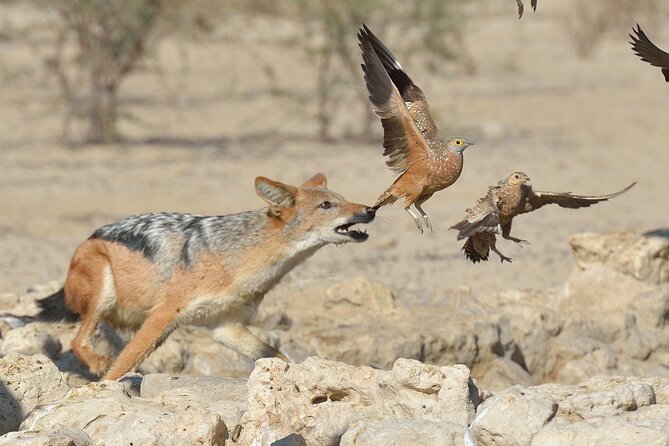
The Serengeti also rewards you when the large animals are not close by. Look for agama lizards around granite kopjes, rock hyraxes, ostriches, secretary birds, and black eagles over the hills. More than 500 bird species have been recorded in the park, so you do not need to be a serious birder to find plenty to watch.
The day is listed at roughly six hours, split between morning and afternoon drives. That break at camp helps, though you should still expect dust, sun, and long stretches of sitting. Carry water, sun protection, and a camera battery that can handle a full day out.
A change of scene while you are in Arusha:
- Tanzania Classic – 7 Days
★ 5.0 · 1,151 reviews - Materuni Waterfalls, coffee tour & Kikuletwa Hot Springs
★ 5.0 · 643 reviews - 3 Days Serengeti & Ngorongoro Group Camping Safari
★ 5.0 · 574 reviews - 7-Day Premium Luxury Tanzania Safari All-Inclusive
★ 5.0 · 426 reviews
Day 4: A cultural stop and an itinerary detail to check
The day four description centers on a visit to a local Maasai boma. You may see or take part in activities such as singing, dancing, herding cattle and goats, milling, and making fires with dung and acacia wood. There is also time for photographs and buying Maasai handicrafts.
This can be one of the more meaningful parts of the trip if you approach it with respect. A cultural visit should not be treated as a stage show. Listen to your guide, ask before taking photographs, and buy crafts directly if you want a tangible reminder of the visit. The Maasai community has maintained much of its pastoral way of life, but the experience is still a meeting between visitors and residents, not a museum display.
The schedule then says the guide returns you to Arusha for dinner and a hotel night. Here is the practical issue: the day is labeled Ngorongoro Crater, and the broader trip description promises the crater, but the detailed day four plan does not clearly say that you descend to the crater floor for a game drive. A crater safari normally means a descent into the caldera, while this description focuses on the Maasai boma and the return to Arusha.
I would ask the operator to confirm three points before booking: Is the Ngorongoro Crater floor included? Is the Maasai boma visit inside the conservation area? Where exactly do you sleep on day four? This is not a small detail, since a crater descent is one of northern Tanzania’s major wildlife experiences.
Day 5: Lake Manyara’s birds and tree-climbing lions
After breakfast, you are picked up for the roughly 30-minute drive to Lake Manyara National Park. The park offers a very different setting from the Serengeti, with woodland, lake edges, and views toward the Great Rift Valley.
Lake Manyara is known for tree-climbing lions, though seeing them in the branches is never certain. You may also look for elephants, giraffes, zebras, and large groups of flamingos. Birds are a major reason to visit, with birds of prey, colorful lilac-breasted rollers, and waterfowl around the lake.
Lunch is served in the park at about 1:00 p.m., followed by a return to Arusha in the afternoon. The six-hour plan makes this a shorter, more manageable safari day than the Serengeti drives.
I like Lake Manyara as a middle ground between major park visits and the final cultural day. The drawback is that you have already spent several days on the move, and a short park visit may feel rushed if wildlife viewing is slow. Still, the change in scenery and strong birdlife make it a worthwhile addition.
Day 6: Materuni Waterfalls, coffee country, and Chemka
The final day brings the trip away from classic game drives. Materuni Waterfalls are reached by a walk of about 40 minutes. Along the way, your guide explains village life, local culture, plants, and animals. At the waterfall, you can take photographs and swim in the pool, so pack swimwear where you can reach it easily.
The Materuni visit also includes a traditional Chagga lunch. This is a useful cultural counterpoint to the Maasai boma, since it connects you with another local community and its food traditions. The description also highlights a coffee tour and coffee plantation experience, so confirm how much time is set aside for the coffee portion if that is a major reason for choosing this trip.
On a clear day, you might see Mount Kilimanjaro. The view is weather-dependent, so do not treat a visible summit as guaranteed. The walk and waterfall remain the main attractions.
Chemka Hot Springs, also called Kikuletwa Hot Springs, offers warm, clear water surrounded by vegetation. After several dusty safari days, a swim here is an excellent finish. The listed visit lasts about five hours, while Materuni is listed at about two hours. Since both stops are on the final day, expect a full schedule and ask the operator to confirm the order and transfer times.
The supplied plan places Chemka and Materuni on the same day but describes pickup from an Arusha hotel for Materuni after breakfast. It also says the activity ends back at the meeting point. Clarifying the day’s sequence will help you pack your clothes, towel, and valuables sensibly.
Guides, food, and the small-group setup
The guide can make or break a safari. Names connected with this trip include Simba, Amiri, and chef Salim. Simba is identified as a guide who helped locate the Big Five, while Amiri is named as a driver and Salim as the chef. Shebbie handles communication for the company.
That division of work is useful to know. Your driver and guide are likely to be central to wildlife viewing, while the chef handles the meals that keep you going through long days. Food is included as breakfast on five days, six lunches, and five dinners. One direct account specifically praised the food, but menus and dietary arrangements are not provided, so tell the company about dietary needs before departure.
A maximum of seven people is a strong point. You should have more room than in a packed vehicle, and smaller groups usually make it easier to hear the guide and agree on viewing priorities. The word private in the inclusions refers to transportation, but ask if your vehicle and guide are exclusively assigned to your party or shared within the seven-person limit.
What $1,300 really buys you
For $1,300 per person, you receive a six-day package with transport, an English-speaking professional guide, meals, taxes, and listed admission fees. You also get several high-cost park destinations, including the Serengeti and the Ngorongoro area, plus cultural activities and a hot spring visit.
That is good value for someone who wants variety and does not need lodge luxury. The package reduces the work of arranging park access, driving, meals, and transfers yourself. It also gives you access to guides who know the route and wildlife areas.
The value is less clear if you want a slow trip with plenty of downtime. Six days cover a large area, and the itinerary includes long drives, early mornings, camping, and several changes of location. International flights, tips, and personal items are excluded, so your real budget will be higher.
The trip is booked about 36 days ahead on average. That is a useful planning guide, not a rule. If you want a particular travel date, especially during a popular migration period, booking earlier is sensible.
Who should book this safari
I would recommend this experience to you if you want:
- A first Tanzania safari with the major northern parks
- A budget-minded alternative to luxury lodge travel
- A small group with no more than seven people
- A mix of wildlife, village culture, walking, swimming, and local food
- A trip where camping is part of the appeal rather than a problem
- A guide-led experience with meals and transport arranged
I would hesitate if you need guaranteed luxury accommodation, a relaxed pace, or a clearly defined crater-floor safari. I would also ask detailed questions if you have mobility concerns, since the Materuni waterfall visit includes a roughly 40-minute walk and safari days involve extended time in a vehicle.
Most people can take part, according to the supplied activity information, but that is broad guidance. Share any health, mobility, or dietary concerns before booking.
Free cancellation is available if you cancel at least 24 hours before the 6:00 a.m. start time. Changes or cancellations inside that window are not accepted for a refund.
Should you book 6 Days in the Wild?
Book it if your priority is maximum variety for a controlled price. Tarangire, two Serengeti days, Lake Manyara, Materuni, and Chemka give you far more than a standard short safari. The wildlife potential is excellent, and the added village and waterfall visits keep the trip from feeling like six days of road dust and animal checklists.
Before booking, get written confirmation about the Ngorongoro Crater floor, the exact accommodation on each night, the Materuni coffee visit, and the final day’s order. If those details match what you want, this is a strong choice for an adventurous first safari with a practical budget and a genuine mix of nature and culture.
FAQ
Where does the tour start?
The tour starts at Meru House Inn on Sokoine Road in Arusha, Tanzania.
What time does the tour begin?
Pickup and departure are scheduled for 6:00 a.m.
How large is the group?
The activity has a maximum of seven travelers.
What meals are included?
The package includes breakfast on five days, six lunches, and five dinners.
Is transportation included?
Yes. Private transportation, listed fees and taxes, and a professional English-speaking guide are included.
Does the tour include the Ngorongoro Crater?
The tour description includes Ngorongoro Crater, but the detailed day four plan mainly describes a Maasai boma visit and a return to Arusha. Confirm whether a crater-floor descent is included before booking.
Can I cancel for a full refund?
Yes. You can cancel at least 24 hours before the experience start time for a full refund. Cancellations or changes made less than 24 hours before the start time are not accepted for a refund.
More six day trips in Arusha
- Tanzania Wildlife Encounters – 6 Days
★ 5.0 · 277 reviews - Private 6-Day Tarangire Manyara Crater and Serengeti with Mid-Range Lodges
★ 5.0 · 238 reviews - 6 Days Private Budget Safari
★ 5.0 · 163 reviews - 6 Days Tanzania Budget Camping Safari
★ 5.0 · 145 reviews
Newly listed around Arusha
- 5-Day Private Safari Tour in Tanzania’s Wildlife★ 5.0 · 3 reviews
- 3 Days private safari Tarangire ,Ngorongroro crater &Manyara★ 5.0 · 3 reviews
- 3 Day Sharing Safari – Manyara, Ngorongoro Crater and Tarangire National Parks★ 5.0 · 3 reviews
- Tarangire National Park Day Trip★ 5.0 · 3 reviews
- 6 -Day Tarangire, Manyara, Serengeti & Ngorongoro★ 5.0 · 3 reviews
- 2 Days Tarangire and Ngorongoro Crater Tour★ 5.0 · 3 reviews
- 5 Days Group Camping Safari★ 4.7 · 3 reviews
- 7-Day Mt. Kilimanjaro Hiking: Machame Route★ 5.0 · 3 reviews
Arusha Tours, compared.

Balloon Safari & Bush Breakfast in Serengeti – Miracle Experience
Read our review →






Browse the lists this tour appears in