
Reviewed · MOSHI & KILIMANJARO TOURS
9 Days Great Migration Safaris with Kojuu Safaris Africa-Luxury.
The main event here is the Great Migration in Northern Serengeti, where more than a million wildebeest and zebra move toward the Mara River. You spend two full days focused on the crossing area, plus an early-morning outing and a return through central Serengeti. It is a strong plan for seeing the migration up close, though nature keeps its own schedule.
I like the private format, since your group has its own guide, chef, and extended open-roof 4WD Land Cruiser. I also like the range: elephant country in Tarangire, the broad Serengeti, the Mara River, and the wildlife-packed Ngorongoro Crater all appear in one trip.
The main consideration is the amount of time on the road. Northern Tanzania is huge, and getting from Tarangire to the Mara area and back toward Karatu means long drives. A river crossing is never guaranteed, even with two days at the river, so you should book this for the whole safari experience, not one single scene.
Key points to know before booking
- Two full days at the Mara River: Days 4 and 5 put the migration first, with another morning near the river on Day 6.
- Private travel only: Your group travels alone in a custom-built, open-roof Land Cruiser with a fridge, inverter, snacks, fruit, soft drinks, wine, and water.
- Four very different wildlife areas: Tarangire, central and Northern Serengeti, and Ngorongoro Crater each offer a different setting and animal experience.
- Local support from airport to airport: A Kojuu driver-guide meets you at Kilimanjaro International Airport and handles the transfer to Arusha.
- Good practical inclusions: Park and conservancy fees, accommodation, meals, airport transfers, Flying Doctor cover, and unlimited mileage are included.
- A cultural stop is built in: The trip includes a Maasai village visit, giving the itinerary more than game drives alone.
What the $4,110.96 price really covers
At $4,110.96 per person, this is a major purchase, but the price includes many costs that can quickly add up on a Tanzanian safari. You get all airport transfers, national park and conservancy fees, accommodation, nine breakfasts, eight lunches, and eight dinners.
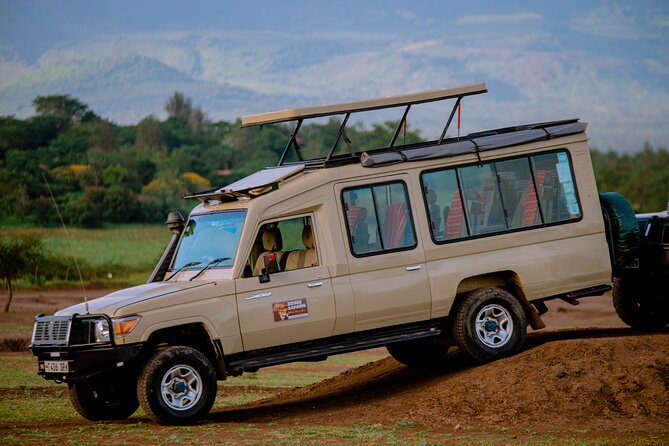
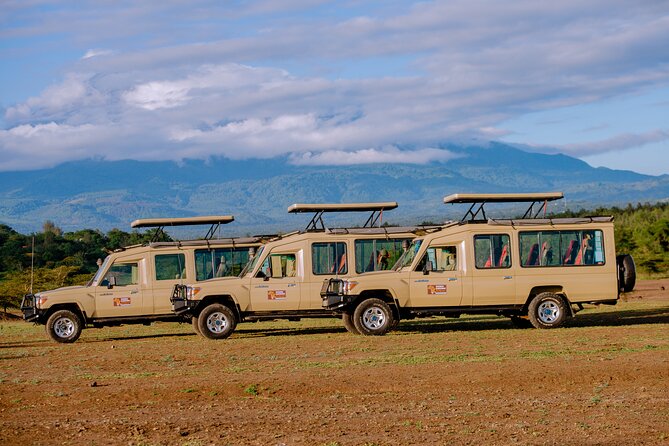
The private vehicle is another important part of the value. You are not sharing a minibus with a larger mixed group. Your party gets a custom-built, extended, open-roof 4WD Land Cruiser, with unlimited mileage. That matters in the Serengeti, where the best sighting of the day may be far from camp.
Food and drinks are covered during the safari as well. The vehicle is stocked with bottled water, soft drinks, fruit, snacks, and regional wine. A fridge helps keep drinks cool, while an inverter lets you use compatible devices in the vehicle. These are small comforts that matter when you spend several hours on rough roads.
The package also includes a safari briefing, a Kojuu duffel, bush hats, and Flying Doctor Insurance cover. International flights, visas, departure taxes, travel insurance, health insurance, and meals or activities not listed are extra. Before paying, check the accommodation names and room category, since those details are not provided here and have a large effect on the final value.
A few more Moshi & Kilimanjaro days to compare
- Kilimanjaro climb by Lemosho Route (7-day)
★ 5.0 · 651 reviews - Safari Serengeti And Ngorongoro
★ 5.0 · 288 reviews - Kilimanjaro climb, Machame Route (7-day)
★ 5.0 · 262 reviews
Day 1: A gentle start in Arusha
Your trip begins at Kilimanjaro International Airport. After immigration, document checks, and the security process, you meet a Kojuu driver-guide holding a sign with your name. The guide takes your luggage to the transfer vehicle and drives you to Arusha.
This first day is deliberately easy. The driver-guide helps with hotel check-in, and you have time to freshen up after the flight. Dinner follows, with the option to relax at the hotel facilities and take photos before bed.
That may sound simple, but it is a sensible opening. You do not start with a rushed game drive after an international flight. Use this evening to confirm the next day’s departure time, charge your devices, and ask about the route. The airport pickup is included, and the experience is private for your group.
Day 2: Tarangire’s elephants and baobabs
After breakfast, you drive about 120 kilometers from Arusha to Tarangire National Park. The journey takes roughly two hours, followed by a full day of game viewing.
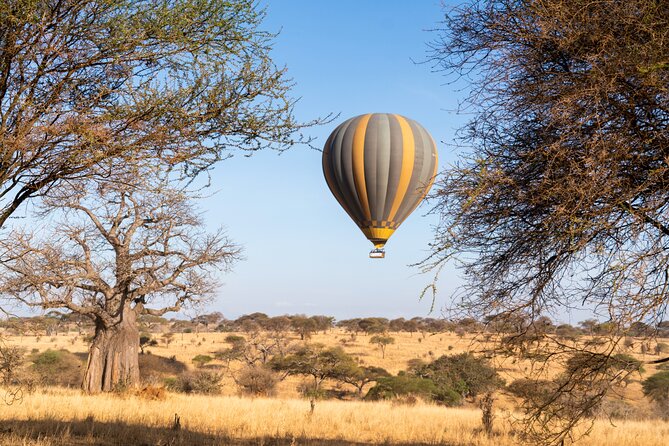
Tarangire is known for its large elephant herds and baobab trees. Its permanent water source draws animals during the dry season, including buffalo, lion, giraffe, and possibly leopard. The park also brings a useful change of scenery before the wide Serengeti plains.
I like this first safari day because it gives you a varied introduction to northern Tanzania. Tarangire is not simply a warm-up stop. Its baobabs and elephant groups create a distinct setting, and the park can feel different from the open grasslands later in the trip.
The drawback is time. You leave Tarangire after one full day and do not return, so this is a broad introduction rather than a deep look at every part of the park. Still, the roughly seven-hour game-drive schedule offers a solid amount of time outside the vehicle’s paved-road world.
Day 3: Crossing toward the endless Serengeti
You leave early after breakfast with the driver-guide and safari chef. The route heads toward Serengeti National Park through the Ngorongoro Conservation Area, with game viewing along the way.
The Serengeti covers close to 15,000 square kilometers. Its name is often translated as the endless plains, and the scale is part of the experience. You are not moving through a compact wildlife park where every sighting is close together. Here, open space, changing grassland, and the possibility of big cats or large herds shape the day.
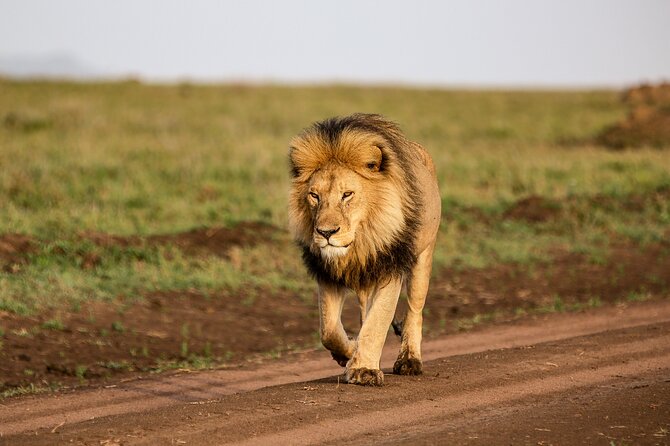
The park is home to the Big Five: lion, leopard, bush elephant, African buffalo, and black rhino. It is also the main stage for the annual migration. This day gives you your first extended look at that setting, though much of it is also a transfer day.
The listed schedule is about seven hours. Plan mentally for a long day, with stretches of driving between sightings. The reward is reaching the Serengeti and getting into position for the northern section, where the migration focus becomes sharper.
A change of scene while you are in Moshi & Kilimanjaro:
- Kilimanjaro Climbing Lemosho Route 8 Days.
★ 5.0 · 186 reviews - Climbing Kilimanjaro – Machame Route
★ 5.0 · 170 reviews - Climbing Kilimanjaro through 7 days Machame Route
★ 5.0 · 151 reviews - Kilimanjaro climb, Lemosho Route (8-day)
★ 5.0 · 148 reviews
Days 4 and 5: Two chances at the Mara River
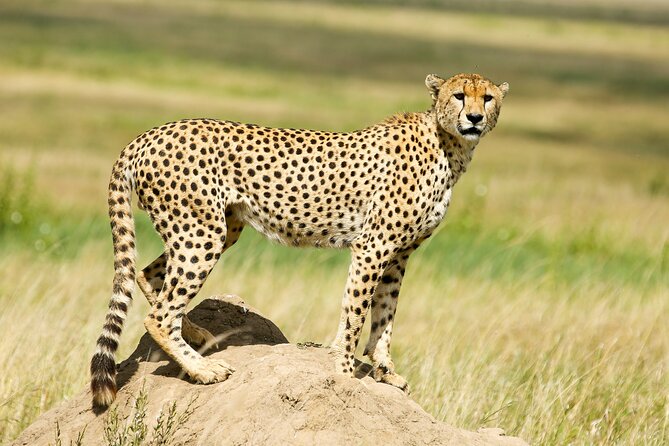
Day 4 begins with a game drive north through Serengeti. Along the route, you might see giraffe, zebra, lion, or cheetah before stopping for lunch and continuing toward the Mara River.
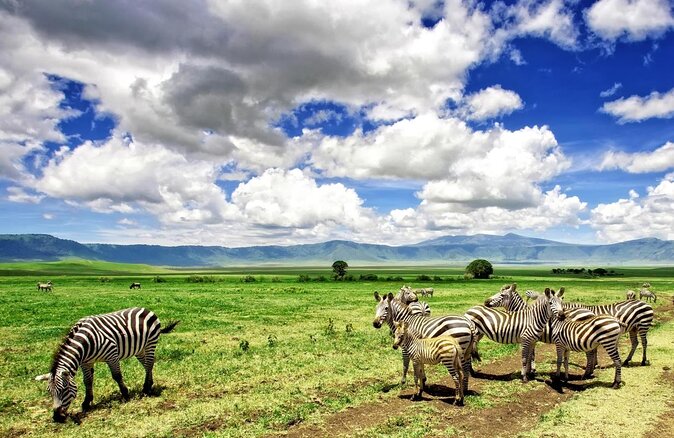
The river crossing is one of Africa’s most dramatic wildlife events. Wildebeest and zebra move with gazelle and topi through the Serengeti and Kenya’s Masai Mara ecosystem in search of water and fresh grass. At the river, the animals face steep banks, strong currents, crocodiles, and the uncertainty of the herd itself.
The important word is might. The itinerary is built around the crossing, but a crossing cannot be ordered up for a particular afternoon. The herd may wait, move elsewhere, cross outside your position, or remain on the bank. Your guide can watch for movement, but no ethical operator can promise the scene.
Day 5 gives you a full day in Northern Serengeti, with the Mara River still the main goal. This second full day is a real benefit. If the herd does not move on Day 4, you have another chance without immediately abandoning the area.
You will also spend time watching the wider animal life of the north. Giraffe, impala, hartebeest, and waterbuck are listed among the species found here, and the guide will also look for birds. The seven to eight hours in the field each day can be tiring, but the schedule gives you time to wait rather than simply rush between sightings.
For comfort, bring sun protection and a light layer. The vehicle has drinks, snacks, fruit, and water, but long hours outside still require patience. The open-roof design is useful for viewing and photography, though the same exposure means sun and dust are part of the deal.
Day 6: Sunrise, one last northern look, and central Serengeti
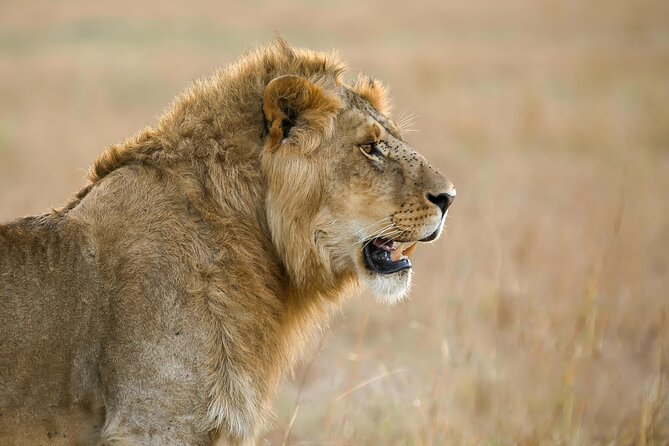
You wake early for a sunrise drive, then return to the lodge for breakfast. After breakfast, the route gives you more time near the Mara River before turning south toward central Serengeti.
This is a well-judged day for people who want more than a single attempt at the migration. You have one final morning in the northern area, when the light is good and animal activity may be rewarding, then you begin the return route.
The shift to central Serengeti also changes the feel of the safari. Northern Serengeti is tied closely to the migration route, while the central section offers a broader game-drive setting. You arrive late in the day, check in, freshen up, and have dinner while looking out over the park.
The schedule is about seven hours. That includes both wildlife time and a considerable transfer, so you should expect a full day rather than a relaxed lodge morning.
Day 7: Final Serengeti game drive and Karatu
After breakfast, you head out for your final Serengeti game drive. Later in the afternoon, you drive to Karatu for the night.
This day gives you a last chance to enjoy the park without keeping the Mara River as the only goal. You might spend the time looking for animals you missed earlier, revisiting a favorite part of the park, or simply enjoying the open country before leaving.
The move to Karatu also positions you for Ngorongoro Crater. It is a practical travel day, but it may feel like a comedown after several nights in the Serengeti. If you prefer a slower pace, ask how much time will be available at the accommodation before dinner.
Day 8: Ngorongoro Crater’s compact wildlife world
After an early breakfast, you enter Ngorongoro Crater for a full-day game drive. The crater is a huge volcanic caldera with grassland, forest, and swamp, all contained within a dramatic natural bowl.
Permanent water helps support a resident population of more than 25,000 large mammals. You might find lion, leopard, black rhino, hyena, zebra, waterbuck, and baboons, along with other wildlife. The crater offers a different kind of safari from the Serengeti: the area is more contained, and animal sightings may feel more concentrated.
That concentration is a major strength for a nine-day route. After several days of following the migration across broad country, Ngorongoro gives you a final, focused wildlife day. It also adds variety to the trip, rather than using every night for the same type of grassland safari.
The listed game drive lasts about six hours. Ngorongoro is a popular highlight, but the crater day can be busy and the full schedule may feel demanding after a week of early starts. Still, it is a strong final wildlife stop, especially if seeing a broad mix of animals matters more to you than spending every day in the migration zone.
A Maasai village visit is also included in the overall trip. The schedule does not specify its exact day, so confirm when it will take place. That visit gives you a cultural element alongside the wildlife, and it is worth treating as a chance to listen and learn rather than a quick photo stop.
Day 9: Pool time before the airport
The final morning is slow by safari standards. After breakfast, you can relax around the pool, then receive lunch in the afternoon before transfer to Kilimanjaro International Airport for your onward flight.
This is helpful if your flight is later in the day. You have a little breathing room after the crater and long drives, rather than being pushed straight into an airport transfer at dawn. Confirm your flight time with the operator so the transfer schedule is clear.
Airport transfers are included at both ends of the trip. The published meeting point is Kilimanjaro International Airport, with operating hours listed as Monday through Friday, 9 a.m. to 5 p.m. Confirm your arrival details in advance if your flight falls outside those hours.
The guide and vehicle make a big difference
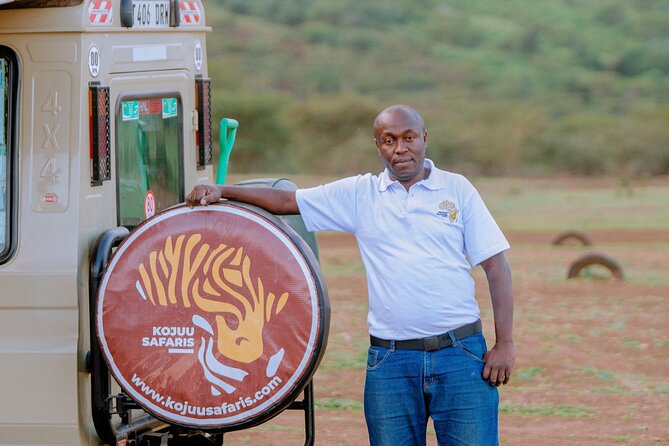
The company describes its guides as local to Tanzania, which fits the goal of making the trip more than a series of animal sightings. A local guide can help connect the park, wildlife behavior, and local culture in a way that makes the long drives feel more meaningful.
Harun is one guide name associated with the company’s safari experiences, and Judith is identified as the owner. If you have a preference for a guide or want to discuss a special interest, ask before departure. The available information does not promise that either person will lead this exact trip.
The private Land Cruiser is central to the experience. An extended body gives your group more room, while the open roof helps with viewing. The fridge, inverter, and stocked supplies reduce the need to stop for basic refreshments.
You should still expect rough roads, dust, early mornings, and long periods in the vehicle. This is an active safari, not a lodge holiday with occasional outings. The private setup gives you control within the park rules, but it does not remove the physical demands of northern Tanzania.
Who will get the most from this safari
This trip suits you if the Great Migration is your top priority and you want to combine it with Tanzania’s best-known northern parks. It is especially useful for a first safari, since the route covers several major wildlife areas without requiring you to arrange separate transfers.
It also fits couples or small private groups who value their own vehicle and guide. The listed reviews describe strong experiences with safety, kindness, organization, and guides who explain animal behavior and Tanzanian culture. Those qualities matter during long drives and while waiting at the river.
You should think twice if you dislike early starts, repeated long drives, or uncertain results. The itinerary is ambitious. It tries to include Tarangire, central Serengeti, Northern Serengeti, Ngorongoro, a cultural visit, and airport transfers in nine days.
Most people can participate, according to the tour information, and only your group takes part. That does not mean the route is effortless. Ask about the accommodation level, exact nightly locations, and the timing of the Maasai village visit before booking.
Booking, cancellation, and practical checks
Confirmation is provided at booking, and free cancellation is available if you cancel at least 24 hours before the experience begins. Cancellations made less than 24 hours in advance are not refunded, and late changes are not accepted.
The experience requires suitable weather. If poor weather causes cancellation, you are offered another date or a full refund. International airfare, visas, departure taxes, travel insurance, and health insurance are not included, so budget for those separately.
The package includes Flying Doctor Insurance cover, but that should not be treated as a substitute for full travel and health insurance. Ask exactly what the included cover provides and make sure your own policy fits the trip.
Should you book the 9-day Kojuu safari?
Book it if you want a private Northern Tanzania safari built around the Mara River, with enough time to make more than one attempt at seeing a crossing. The combination of local support, a private Land Cruiser, included meals and park fees, Tarangire elephants, Serengeti wildlife, Ngorongoro Crater, and a Maasai village visit gives the price real substance.
Do not book it only because you expect a guaranteed wildebeest crossing. Nature may deliver a spectacular scene, or it may test your patience. Book this trip for the full range of Tanzania, then regard the river crossing as the thrilling possibility at its center.
FAQ
Where does the safari start?
The safari starts with pickup at Kilimanjaro International Airport in Tanzania.
Where does the safari end?
The trip ends with a transfer to Kilimanjaro International Airport for your onward flight.
How long does the experience last?
The safari lasts approximately nine days.
Is this a private tour?
Yes. Only your group participates in the activity.
Is airport pickup included?
Yes. Airport transfers are included, including pickup at Kilimanjaro International Airport and the final transfer back to the airport.
What vehicle is used?
You travel in a custom-built, extended, open-roof 4WD safari Land Cruiser with a fridge and inverter.
Are park fees included?
Yes. Game park, national park, and conservancy fees are included.
Are meals included?
Yes. The package includes nine breakfasts, eight lunches, and eight dinners.
Is the Mara River crossing guaranteed?
No. The itinerary provides time in Northern Serengeti and at the Mara River, but a crossing is a natural event and is not guaranteed.
What is not included in the price?
International airfares, international and domestic departure taxes, entry visas, travel and health insurance, and meals or excursions not described in the itinerary are not included.
Newly listed around Moshi & Kilimanjaro
- Climb Mount Kilimanjaro: 7 Days Machame Route★ 5.0 · 3 reviews
- 6 Days Mount Kilimanjaro Climbing via Rongai Route★ 5.0 · 3 reviews
- Explore 1 day Ngorongoro Crater Budget Group Safari from Arusha★ 5.0 · 3 reviews
- Mt. Kilimanjaro Day Hiking★ 5.0 · 3 reviews
- Chemka (Kikuletwa) Hot Springs, Tanzania★ 5.0 · 3 reviews
- Guided City tour of Moshi★ 4.3 · 3 reviews
- 8 Day Tanzania Family Safari★ 5.0 · 3 reviews
- Serengeti Safari with Sirikwa Travel★ 5.0 · 3 reviews
Moshi & Kilimanjaro Tours, compared.







