
Reviewed · MOSHI & KILIMANJARO TOURS
9 Days – Best of Tanzania Safari
The biggest draw here is the sheer range of Tanzania’s Northern Circuit in one trip: Tarangire, Lake Manyara, Ngorongoro Crater, Ndutu, and the Serengeti. You move from elephant country to a crater packed with wildlife, then into the plains where the wildebeest migration may be unfolding.
I like the private vehicle, which gives your group more control over game-drive timing, and I like the open-roof 4×4, a simple feature that makes animal watching much easier. The main drawback is the pace: nine days cover a great deal of ground, and long drives are part of the bargain.
Key points at a glance
- Five major safari areas: Tarangire, Lake Manyara, Ngorongoro Crater, Ndutu, and the Serengeti all appear in one itinerary.
- Private open-roof 4×4: Your group travels alone, with room to pause for wildlife sightings and photos.
- Strong migration timing: Ndutu is best known for wildebeest calving from December through April, while July through October is highlighted for the northern migration.
- Comfort-category lodging: Expect a mix of hotels, tented lodges, and tented camps with private bathrooms.
- Wildlife variety: Elephants, lions, cheetahs, leopards, rhinos, hippos, giraffes, birds, and large herds are all possible.
- $4,000 per person: The price covers major safari costs, meals, lodging, park fees, and a private vehicle, but not international or other flights.
A broad Northern Circuit safari in nine days
This is designed as a full Tanzania sampler rather than a slow stay in one park. You begin near Arusha and work south toward Tarangire and Lake Manyara, then continue to the Ngorongoro area before reaching Ndutu and the Serengeti.
That route makes sense for a first safari. Each stop has a different feel. Tarangire is especially good for elephants and birds. Manyara adds forest, lake, and hippo habitat. Ngorongoro offers a concentrated wildlife experience inside an enormous volcanic crater. Ndutu brings seasonal migration drama, and the Serengeti provides the wide-open setting people often picture when they think of Tanzania.
The trade-off is time in the vehicle. Safari roads connect these areas, and you should expect early starts, picnic lunches on some days, and days built around wildlife rather than rest. The private format helps because you are not sharing the schedule with another group.
More Safaris in Moshi
- Safari Serengeti And Ngorongoro
★ 5.0 · 288 reviews - Big Five Safari In Tanzania
★ 5.0 · 99 reviews - Unforgettable Tanzania Safari And Zanzibar Beach
★ 5.0 · 97 reviews
Arrival in Arusha and the start of the trip
On arrival at Kilimanjaro International Airport, a driver-guide meets you and takes you to your chosen hotel in Arusha. This first day is intentionally light. It gives you time to arrive, settle in, and receive an introduction to the city and country before the safari begins.
The listed meeting time is 8:00 a.m. in Arusha, while airport pickup is also offered. Confirm the exact pickup plan when booking, especially if your flight arrives at a different hour. The package includes an air-conditioned vehicle, bottled water, and WiFi on board, though you should not treat onboard WiFi as a substitute for a reliable personal connection in remote areas.
Tarangire: elephants, baobabs, and an easy first game drive
Day two starts early with the drive from Arusha to Tarangire National Park. You reach the lodge around midday for lunch, then head out for an afternoon game drive.
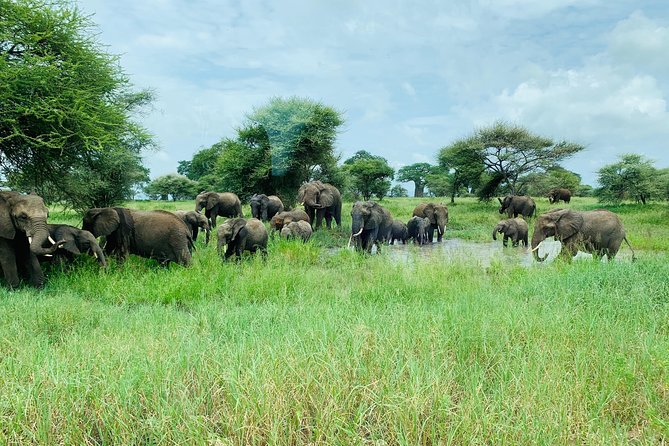
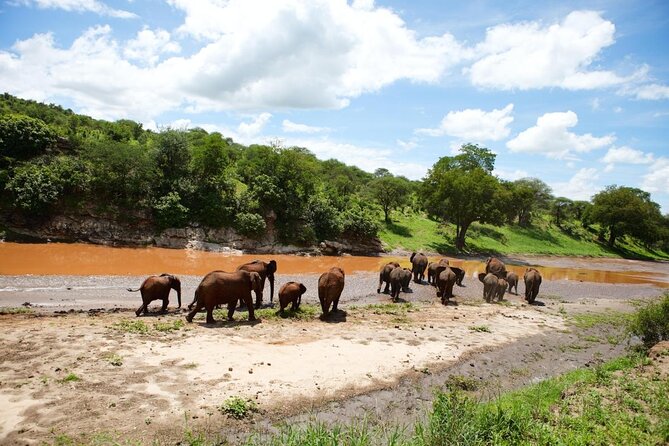
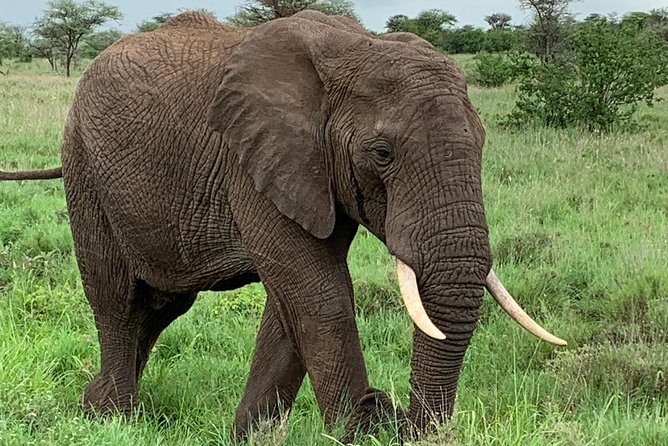
Tarangire is often called the Elephant Playground, and the itinerary gives this park a useful first-game-drive role. You may see large elephant groups, lions, cheetahs, and leopards, along with zebra, wildebeest, buffalo, and several antelope species. The park is also singled out as a strong place for bird watching.
I like this opening because it gives you a broad introduction to safari wildlife without immediately pushing you into the longest drives of the trip. The afternoon timing also lets you have lunch at the lodge before heading out.
The limitation is that one afternoon cannot show every corner of a large park. Your sightings depend on conditions, animal movement, and the skill of the guide. A private vehicle gives you a better chance to stop when something matters to you, so tell the guide early if elephants, cats, or birds are your priority.
Lake Manyara: forest, lake, and tree-climbing lions
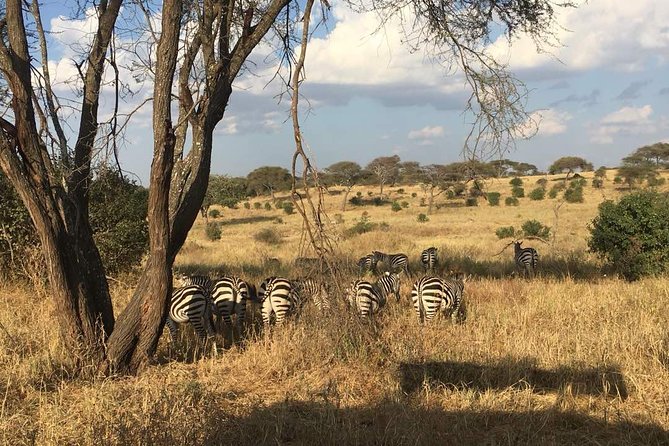
After breakfast on day three, you collect a picnic lunch and make the short drive to Lake Manyara National Park. The morning is spent looking for animals across open plains, acacia woodland, and the shores of the shallow alkaline lake.
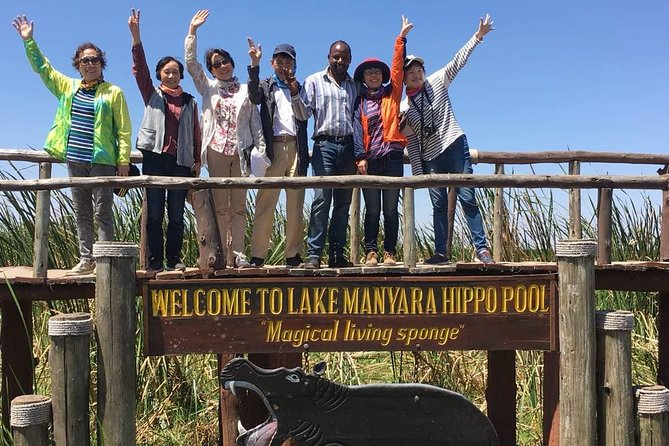
Manyara offers a different setting from Tarangire. You may see buffalo, elephant, giraffe, impala, and hippo, with the Great Rift Valley Escarpment providing a dramatic backdrop. The park is also known for tree-climbing lions, an unusual behavior that makes this stop more than a simple repeat of the previous day.
The schedule gives you time to explore the park and visit Lake Manyara itself. The lake has long attracted attention for its beauty, and the mix of water, woodland, and open ground creates good variety in a short visit.
The practical issue is that this day includes a picnic lunch and another transfer. If you prefer long, unhurried park sessions, you may find the itinerary brisk. If you want several different habitats during a first safari, Manyara earns its place.
More Safaris in Moshi & Kilimanjaro:
- 8-Day Essence of Tanzania Safari – Luxury
★ 5.0 · 72 reviews - Great Migration Safari In Tanzania
★ 5.0 · 71 reviews - Serengeti, Ngorongoro and Tarangire 4 Days Safari
★ 5.0 · 59 reviews - 6 Days 5 Night Safari
★ 5.0 · 57 reviews
Ngorongoro Crater: a concentrated wildlife day
Day four takes you toward the Ngorongoro Conservation Area and then into the crater. The descent is about 600 meters, and the crater floor supports a permanent population of more than 30,000 animals.
This is one of the strongest wildlife days in the program. The crater’s high walls limit movement in and out, so animals are often concentrated in a relatively contained area. You may see lions, elephants, giraffes, zebras, hippos, flamingos, jackals, antelopes, and many bird species. The rare black rhino is also present, though no safari can promise a sighting.
The chance of seeing several members of the Big Five in one game drive is a major reason to include Ngorongoro. Still, manage your expectations. Wildlife is free to move, and a guide cannot manufacture a rhino or leopard appearance.
The crater can also be a demanding day. An early start is worthwhile because it gives you more time during the game drive and puts you in position before the day gets hot. Afterward, the package moves you onward toward the next accommodation, so this is not a day built around sitting quietly at camp.
Ndutu from December through April
On day five, you head to Lake Ndutu, part of the southern Serengeti ecosystem within the Ngorongoro Conservation Area. The area includes an alkaline lake, short-grass plains, woodland, and wetlands.
Ndutu is the itinerary’s seasonal specialist. From December through April, large numbers of wildebeest can gather on the short grass. February is usually the key calving period, lasting around three weeks. That timing brings young animals, large herds, and predator activity, but nature does not follow a fixed timetable. You may see the migration in a different phase, or find that herds have shifted.
You arrive around lunchtime, then take an afternoon game drive. The area can also produce elephant sightings, birds, and resident game outside the main calving period. That makes Ndutu useful even when the migration is not at its peak.
If the calving season is your main reason for booking, ask for current conditions before you commit to dates. The tour describes the usual pattern, not a guarantee.
A full day among Ndutu’s plains and wetlands
Day six stays in the Ndutu area for a full-day game drive. You explore swamps, woodland, soda lakes, and short-grass plains, with the chance to see large herds of wildebeest and zebra.
A full day here is a smart choice. It reduces the need to pack up and move every morning, and it lets the guide respond to animal movement. Around February, wildebeest calves can be born within minutes of one another across the plains. The young can run soon after birth and usually keep pace with the herd after about three days.
The open grass offers little cover, which may help you spot animals but also exposes young wildebeest to predators. That balance is part of the natural drama, but it can be intense. You should also be ready for a long day outdoors, with the possibility of returning tired after hours on rough park roads.
Central Serengeti and the Seronera area
Day seven shifts north toward central Serengeti, known as Seronera. The area is built around the Seronera River, a key water source that draws wildlife and supports a wide range of species.
You arrive around lunchtime and take an afternoon game drive. Seronera is a practical base because it offers access to one of the park’s better-known wildlife areas while placing you inside the Serengeti rather than simply passing through it.
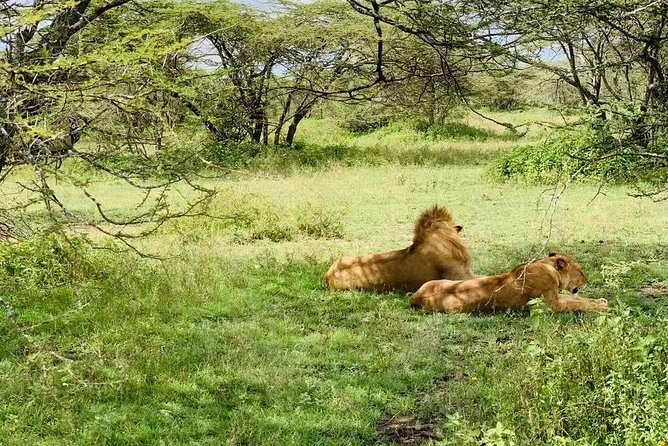
The following day focuses on the Wagakuria area, where resident wildlife numbers are described as especially high. Prides of up to 30 lions may be present. That is a striking possibility, but it remains a possibility. Wildlife sightings change from hour to hour.
The itinerary points to July through October as the prime period for seeing the Great Migration in the northern Serengeti. During this part of the year, more than two million wildebeest, zebra, and gazelles move through the Serengeti and Masai Mara ecosystems. The migration is not a single event in one place, so the exact experience depends on the animals’ location during your dates.
Dawn in the Serengeti and the flight home
Day nine begins with an early morning game drive before breakfast. This is a sensible final outing because animals may be leaving their hiding places, returning from night activity, or becoming active in the cooler morning.
You then return to the lodge for a hot breakfast before transferring to Seronera airstrip for your flight to Kilimanjaro. The flight is not included in the stated package, so budget for it separately and confirm the schedule before booking.
This final morning adds one more chance for wildlife without requiring another full road transfer out of the Serengeti. It also means the trip ends with a flight rather than a long drive, which is a welcome use of time after several days on safari roads.
What the $4,000 price covers
At $4,000 per person, this is not a budget safari. The value comes from combining several costly elements in one private package: accommodation, park entry fees, meals, bottled water, an air-conditioned vehicle, and a private group arrangement.
The lodging is in the comfort category, with a mix of hotels, tented lodges, and tented camps. Each has private bathroom facilities. This is a useful middle ground if you want a real tented-camp setting without giving up basic privacy.
Eight dinners and eight lunches are listed, along with ten breakfasts. Since the trip is described as nine days, the meal counts deserve a quick confirmation before payment. Alcoholic drinks, flights, visa costs, phone calls, laundry, and personal purchases are not included.
The private vehicle matters more than it might at first appear. You are not locked into another group’s priorities, and your guide can spend more time at a sighting your group cares about. Past bookings specifically praise prompt help and the work of a guide named Bariki. Ask if Bariki is available, but do not assume he will be assigned.
Who should book this safari
I would recommend this trip to a first-time safari visitor who wants the major Northern Circuit parks in one organized package. It also suits families or multigenerational groups, since the vehicle is private and the accommodation includes private bathrooms.
It is a good fit for wildlife photographers who value flexibility, bird watchers interested in Tarangire and Manyara, and anyone planning around the wildebeest calving season or northern migration.
I would hesitate if you dislike frequent packing, early starts, or long road transfers. The itinerary is full, and the focus is on covering major wildlife areas rather than spending several quiet nights in one camp.
Booking is flexible up to 24 hours before the start time for a full refund. Changes or cancellations inside that window are not accepted. The experience can also be moved or refunded if poor weather or an unmet minimum number of participants causes cancellation.
Should you book the 9-day Best of Tanzania Safari?
Book it if you want a private, full-circuit safari with strong wildlife variety and comfort-category lodging, and if $4,000 fits your budget before flights and personal costs. The best dates depend on your priority: December through April for Ndutu’s migration and calving period, or July through October for the northern Serengeti migration.
Choose another plan if you want a slower safari with fewer transfers or a more luxurious camp style. For a first visit, though, this route gives you an impressive sweep of Tanzania’s best-known wildlife areas in nine busy, rewarding days.
FAQ
How long is the safari?
The safari lasts approximately nine days.
Where does the safari start?
The listed starting point is Arusha, Tanzania, at 8:00 a.m.
Is airport pickup available?
Yes. Pickup is offered from Kilimanjaro International Airport, followed by transfer to Arusha and your chosen hotel.
Is this a private tour?
Yes. Only your group participates in the private activity.
Which national parks and areas are included?
The route includes Tarangire National Park, Lake Manyara National Park, Ngorongoro Crater, the Lake Ndutu area, and Serengeti National Park.
What type of vehicle is used?
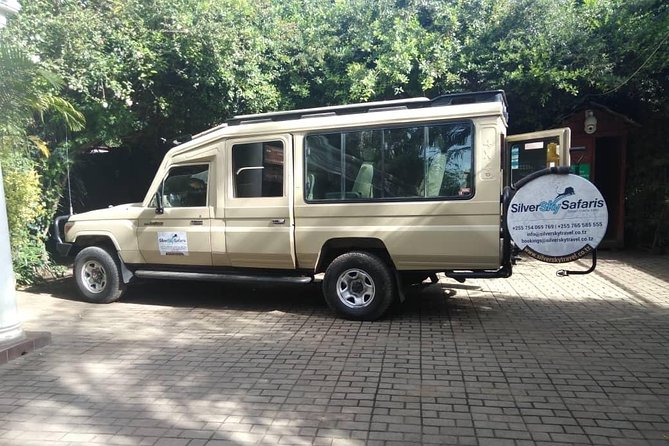
The safari uses a custom-designed 4×4 vehicle with an open roof for game viewing. An air-conditioned vehicle is included.
What accommodation is provided?
The comfort-category package uses a combination of hotels, tented lodges, and tented camps. Private bathroom facilities are provided.
Are meals included?
Yes. Breakfast, lunch, and dinner are included, with the listed package specifying eight dinners, eight lunches, and ten breakfasts. Confirm the exact meal schedule because the counts do not match the nine-day duration exactly.
Are flights included?
No. Flights are excluded. The final itinerary includes a transfer to Seronera airstrip for a flight to Kilimanjaro, but that flight is not part of the package price.
When is the best time to see the migration?
The Ndutu area is usually associated with the wildebeest migration from December through April, with calving normally around February. July through October is described as the desirable period for the northern Serengeti migration.
Newly listed around Moshi & Kilimanjaro
- Climb Mount Kilimanjaro: 7 Days Machame Route★ 5.0 · 3 reviews
- 6 Days Mount Kilimanjaro Climbing via Rongai Route★ 5.0 · 3 reviews
- Explore 1 day Ngorongoro Crater Budget Group Safari from Arusha★ 5.0 · 3 reviews
- Mt. Kilimanjaro Day Hiking★ 5.0 · 3 reviews
- Chemka (Kikuletwa) Hot Springs, Tanzania★ 5.0 · 3 reviews
- Guided City tour of Moshi★ 4.3 · 3 reviews
- 8 Day Tanzania Family Safari★ 5.0 · 3 reviews
- Serengeti Safari with Sirikwa Travel★ 5.0 · 3 reviews
Moshi & Kilimanjaro Tours, compared.








Browse the lists this tour appears in