
Reviewed · MOSHI & KILIMANJARO TOURS
7 Days Wildebeest Migration – Ndutu Calving Season
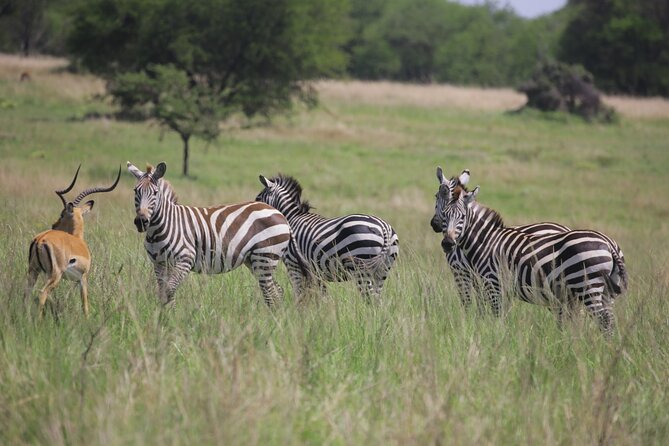
The main event here is Ndutu during calving season, when an estimated 500,000 wildebeest calves are born across the short-grass plains. That sudden abundance draws lions, cheetahs, and hyenas, giving you a real chance to see the tense predator-and-prey scenes that make this part of Tanzania so special.
I like the route for two clear reasons: it combines three very different parks, and it gives you two nights in Ndutu instead of rushing through in a single afternoon. I also like the practical setup, with airport pickup, a private vehicle for your group, bottled water, meals, and Flying Doctor emergency evacuation cover included.
The main consideration is the pace. Several days involve long drives, early starts, and full days in a safari vehicle. The price is $4,004 per person, so this makes the most sense if calving-season wildlife and photography matter more to you than a relaxed lodge holiday.
Key points to know before booking
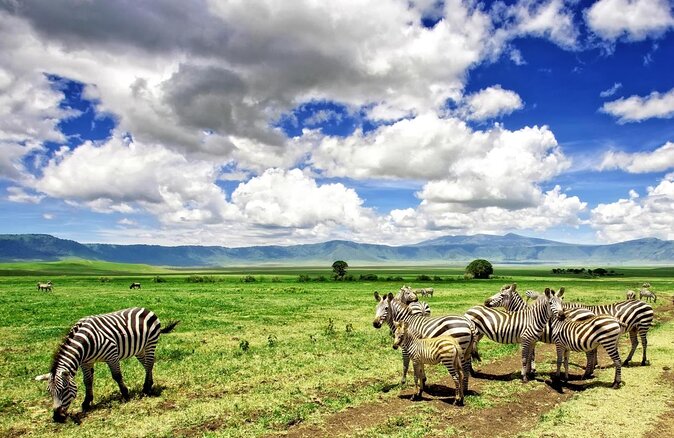
- Ndutu is the reason to choose this safari: The route places two game-viewing days around the calving grounds, usually busiest from December through March, with the main calving period normally around February.
- Predator action is possible, not guaranteed: Young wildebeest attract lions, cheetahs, and hyenas, but sightings depend on timing, weather, and animal movements.
- The route offers useful variety: You move from Manyara’s groundwater forest to Ngorongoro Crater, Ndutu’s soda lakes and plains, and Serengeti’s huge open spaces.
- This is a private trip: Only your group participates, allowing more flexibility than a shared safari vehicle.
- The final day is a long transfer: You return to Arusha and Kilimanjaro International Airport, with game viewing along the way.
- The operator has strong planning feedback: Mary is repeatedly praised for quick communication and careful trip planning, while guides including Jimmy, Gilbert, Nickson, and Nicholas receive warm personal mentions on other Gilmag Safaris trips.
Why Ndutu calving season is the heart of the trip
The Ndutu area sits in the Ngorongoro Conservation Area and forms part of the wider Serengeti Ecosystem. It is not simply a stop on the way to Serengeti. During the calving season, it is the place where the safari’s focus shifts from finding large herds to watching the drama created by new life.
The timing matters. The itinerary gives December through March as the period when many wildebeest gather in Ndutu, with the main calving burst normally lasting about three weeks around February. That window can shift, so you should confirm the exact travel dates before paying. If your main goal is to see newborn calves, date selection is more important than almost anything else.
A calf can run within minutes of birth and can keep up with the herd after about three days. That makes the scene surprisingly active. You are not watching helpless young animals remain in one place. You might see a fresh calf stay close to its mother, a nervous herd bunch together, or predators test the edges of the group.
This is also a strong period for photography. The plains are open, the herds are concentrated, and the flat-topped acacia trees give the pictures a classic East African shape. Still, it is wise to keep expectations sensible. A hunt or kill is possible, but no responsible safari can promise one.
Two nights at Sense of Wilderness Migration Camp are a real advantage. The first afternoon gives you an introduction to the area after lunch. The following day provides a full game-viewing day, giving your guide more time to follow animal activity rather than treating Ndutu as a quick photo stop.
More week long trips in Moshi & Kilimanjaro:
- Kilimanjaro climb by Lemosho Route (7-day)
★ 5.0 · 651 reviews - Kilimanjaro climb, Machame Route (7-day)
★ 5.0 · 262 reviews - Climbing Kilimanjaro through 7 days Machame Route
★ 5.0 · 151 reviews
Day 1: Arriving at Kilimanjaro and settling in Arusha
Your safari begins at Kilimanjaro International Airport. A Gilmag Safaris representative meets you after customs, provides a briefing, and transfers you to Mount Meru Hotel in Arusha, about 60 kilometres from the airport.
This first night is useful. Rather than driving straight into a park after a long international flight, you get time to rest and receive information about the days ahead. Arusha is also a sensible starting point for northern Tanzania, since it sits close to Manyara, Ngorongoro, and Serengeti routes.
The listed day length is about 12 hours, though much of that reflects the arrival and transfer schedule rather than sightseeing. You should treat this as a reset day, not as a major safari day.
The trip information says the arrival transfer and briefing are included, but it does not name the guide assigned to this departure. Gilmag Safaris has used guides named Jimmy, Gilbert, Nickson, and Nicholas on other safari programs. I would ask who will lead your particular trip and whether the same guide stays with you for the full route.
Day 2: Lake Manyara’s forest and Rift Valley setting
After an early breakfast, you leave Arusha with a picnic lunch for Lake Manyara National Park, about 120 kilometres away. The park lies at the base of the Rift Valley escarpment, and its groundwater forest gives you a sharp change from the open grassland associated with the migration.
Manyara is especially good for elephants, which are described as one of the park’s main attractions. You might also see giraffes, buffalo, birds, and other resident wildlife among the trees and open areas.
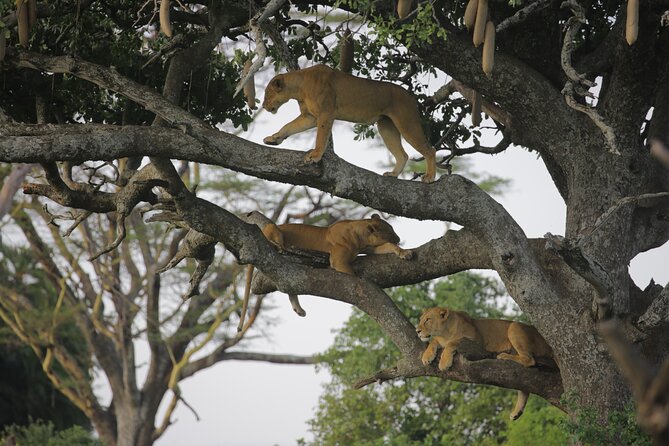
The park is often associated with tree-climbing lions, but the itinerary sensibly warns that these cats are not easy to find. That is worth remembering. Manyara should be valued for its forest, elephants, and varied setting, not booked solely on the hope of seeing a lion in a tree.
The day is long, listed at about 15 hours, including the park visit and the drive to Karatu. After game viewing, you continue to Ngorongoro Coffee Lodge for dinner and overnight. The picnic lunch keeps the day moving, but you should be comfortable spending most of the day on the road and in the vehicle.
This first park also helps you understand the strength of the itinerary. You are not seeing the same type of scenery for seven days. Manyara gives you shade, forest, and the steep Rift Valley backdrop before the route moves into the crater and open plains.
Day 3: A full day inside Ngorongoro Crater
The following morning takes you into the Ngorongoro Conservation Area and down more than 600 metres into the crater. The full-day crater tour is one of the strongest parts of the route because the enclosed setting supports a wide mix of animals in a relatively compact area.
You might see wildebeest, zebra, buffalo, eland, warthogs, hippos, and giant African elephants. Lake Magadi, a large shallow alkaline lake in the southwest corner, is one of the main features of the crater and adds another focal point for wildlife viewing.
The crater has a year-round water supply and grazing, which helps explain why animal sightings can be rewarding outside the migration season as well. During this safari, it also gives you a useful contrast with Ndutu. In the crater, the appeal is the variety of animals in a contained natural bowl. In Ndutu, the appeal is the movement and concentration of the migrating herds.
After the crater tour, you ascend to Ngorongoro Serena Safari Lodge on the crater rim for dinner and overnight. The day is again listed at about 15 hours, so this is not a gentle schedule. The early start and long game drive are part of the value, but they may be tiring if you have just arrived from a distant time zone.
A few more Moshi & Kilimanjaro days to compare
- Safari Serengeti And Ngorongoro
★ 5.0 · 288 reviews - Kilimanjaro Climbing Lemosho Route 8 Days.
★ 5.0 · 186 reviews - Climbing Kilimanjaro – Machame Route
★ 5.0 · 170 reviews - Kilimanjaro climb, Lemosho Route (8-day)
★ 5.0 · 148 reviews
Day 4: Reaching Ndutu and beginning the calving search
After breakfast, you head toward Ndutu in the Ngorongoro Conservation Area. You arrive in time for lunch at Sense of Wilderness Migration Camp, then set out for an afternoon game drive.
This is the day when the safari changes character. Instead of simply ticking off another park, you begin watching for the larger ecological story: herds of wildebeest and zebra, newborn calves, predators, elephants, birds, and resident animals sharing a seasonal food source.
Ndutu includes several habitats, including swamps, woodlands, soda lakes, and the short-grass plains linked with the migration. That variety matters because wildlife does not spread evenly across the area. A guide who follows current animal movement can make a big difference, especially when the herds are widely scattered.
The camp arrangement is practical for a migration safari. You stay at Sense of Wilderness Migration Camp for both nights, avoiding another unnecessary change of accommodation during the key section of the trip. The provided information does not describe the tent facilities in detail, so you should ask about room setup, bathroom arrangements, electricity, and charging before departure if those details matter to you.
Day 5: The full Ndutu game-viewing day
Day five is the trip’s best chance to give Ndutu your full attention. After breakfast, you spend the day exploring the area, with dinner and another night at the migration camp.
This is when patience pays. You might spend part of the day watching large herds move over the plains, then shift toward a soda lake, woodland, or swamp. The estimated 500,000 births explain the appeal, but they do not turn every moment into action. Some of the best scenes may be quieter: a mother keeping a calf close, zebras moving beside wildebeest, or a predator waiting while a herd passes.
Lions, cheetahs, and hyenas are drawn to the concentration of young animals. The wording of the experience places strong emphasis on hunts and kills, and these can happen. I would treat them as possible highlights rather than promised events. Good wildlife viewing requires time, and this full day gives your guide more opportunity to respond when something develops.
Ndutu is also suitable for photographers who want more than a single iconic animal portrait. The open plains, acacia trees, dense herds, and young animals create many kinds of images. You may find the light and animal behavior changing quickly, so keep your camera ready and avoid packing your day with too many expectations.
Day 6: Moving through Serengeti’s famous open plains
After breakfast, you leave camp with a picnic lunch and drive toward Serengeti National Park, enjoying game viewing along the route. Serengeti covers 14,763 square kilometres of protected area and borders Kenya’s Maasai Mara.
The park’s scale is the point. It is famous for broad grass plains, acacia trees, and stone kopjes, which are rocky outcrops that provide shelter and habitat for many forms of life. After the concentrated action of Ndutu, Serengeti can feel more spacious and less predictable.
You stay at Tanzania Pure Tented Camp in Central Serengeti. Again, the supplied details do not specify the tent style or facilities, so confirm the camp standard if you are comparing this safari with a luxury package.
The route does not give you a second full day in central Serengeti. Instead, you get game viewing while transferring from Ndutu, followed by an overnight stay. That is enough for a taste of the park, but it is not the best design for someone whose top priority is extended central Serengeti exploration. The tour is built around calving season, with Serengeti serving as a valuable final wildlife setting rather than the main event.
Day 7: Game viewing on the way back to Arusha
After breakfast, you leave the camp with a packed lunch and begin the return journey through the Ngorongoro Conservation Area toward Arusha. Game viewing continues along the way, so the final day is not only a transfer.
You arrive in the evening for drop-off at Kilimanjaro International Airport and your onward flight. The listed duration is about 12 hours, making this another long day. Check your flight time carefully and allow enough margin. The information says the experience ends back at the meeting point, but it does not provide a guaranteed arrival hour.
This return route is efficient for a seven-day safari, but it is also one of the tour’s biggest practical demands. If your flight leaves early, you may need to discuss the schedule before booking. If you have a later departure, the en-route wildlife viewing makes better use of the final day.
What the $4,004 price gives you
At $4,004 per person, this is a major holiday purchase. The value depends on how much you value private guiding, the migration timing, and the number of included services.
Your package includes:
- Airport pickup and return to Kilimanjaro International Airport
- A private tour for your group
- Seven breakfasts
- Seven lunches
- Six dinners
- Unlimited bottled mineral water
- Park fees and taxes
- Flying Doctor emergency evacuation cover
The private format matters. You are not sharing the activity with unrelated people, and your group has a better chance of shaping the day around its interests. That is useful for photographers, couples, and families who want a quieter vehicle arrangement.
The meals and water also reduce the small daily costs that can add up on safari. The emergency evacuation cover is another practical inclusion, though you should check its terms and confirm that you still have suitable travel insurance.
Tips for guides are not included. Add that to your budget, along with international flights, personal purchases, and any costs not named in the package. The description does not state the exact vehicle model, group size limit, or accommodation category beyond the named lodges and camps, so ask for those details before comparing the price with competing safaris.
Guide support and the value of good communication
The strongest service pattern attached to Gilmag Safaris is communication during planning. Mary is repeatedly singled out for prompt replies, flexible planning, clear preparation information, and help with adjusting itineraries and budgets.
That matters because a migration safari depends heavily on dates. You want direct answers about the expected Ndutu window, camp location, vehicle setup, airport timing, and the guide assigned to your group.
Guides named in other Gilmag Safaris experiences include Jimmy, Gilbert, Nickson, and Nicholas. Their individual knowledge of this particular departure cannot be confirmed from the information provided, so do not assume you will receive one of them. Ask for the guide’s name and experience with Ndutu calving-season trips.
The tour has a five-star rating from 18 reviews, with 100 percent recommending it. That is a strong signal for the company’s overall service, especially its organization, communication, vehicles, and guide support. It is not proof that every wildlife sighting will work out, and it does not remove the need to confirm the practical details of this exact seven-day departure.
Who should book this safari
I would recommend this trip to you if newborn wildebeest and predator behavior are your main goals. It also suits photographers who want two nights in Ndutu, a private vehicle, and a route with several contrasting habitats.
It is a good fit for a first Tanzanian safari if you want the major northern circuit sights in one week. Manyara, Ngorongoro, Ndutu, and Serengeti give you a broad introduction without adding extra domestic flights.
You should think twice if you dislike long road days or want a slow, lodge-focused holiday. The 15-hour Manyara and Ngorongoro days, plus the long return to Arusha, require stamina. You should also reconsider if your schedule cannot reach Ndutu during the likely calving window.
Cancellation terms are strict close to departure. Cancel at least six full days before the start for a full refund, two to six days ahead for a 50 percent refund, and less than two full days ahead for no refund. Poor weather may lead to a different date or a full refund.
Should you book the Ndutu calving safari?
Book it if you want the best chance to witness the migration’s early-life drama, not simply a general wildlife holiday. The two Ndutu nights, full game-viewing day, private format, and included park costs make the design sensible for that purpose.
Before booking, confirm your travel dates, assigned guide, vehicle, camp facilities, and airport timing. If those answers suit you and you can handle the long drives, $4,004 can represent solid value for a private northern Tanzania safari built around one of Africa’s most remarkable seasonal events.
FAQ
Where does this safari start?
It starts at Kilimanjaro International Airport in Tanzania, where a Gilmag Safaris representative meets you after customs.
Where does the safari end?
The activity ends back at the meeting point, with drop-off at Kilimanjaro International Airport for your onward flight.
How long is the tour?
The tour lasts approximately seven days.
Is this a private tour?
Yes. Only your group participates in the activity.
Which parks and areas are included?
The route includes Lake Manyara National Park, Ngorongoro Crater and Conservation Area, the Ndutu area, and Serengeti National Park.
When is the wildebeest calving season in Ndutu?
The information gives December through March as the period when most wildebeest can be found around Ndutu. The main calving period normally occurs around February and lasts about three weeks.
Are meals included?
Yes. The package includes seven breakfasts, seven lunches, and six dinners.
Is bottled water included?
Yes. Unlimited bottled mineral water is included.
Is airport pickup offered?
Yes. Pickup is offered from Kilimanjaro International Airport, and the final transfer returns you to the airport.
Are tips for guides included?
No. Tips for guides are not included in the tour price.
What is the cancellation policy?
You can receive a full refund if you cancel at least six full days before the experience starts. Cancellation two to six full days ahead receives a 50 percent refund, while cancellation less than two full days before departure is nonrefundable. Poor weather may result in a different date or a full refund.
Newly listed around Moshi & Kilimanjaro
- Climb Mount Kilimanjaro: 7 Days Machame Route★ 5.0 · 3 reviews
- 6 Days Mount Kilimanjaro Climbing via Rongai Route★ 5.0 · 3 reviews
- Explore 1 day Ngorongoro Crater Budget Group Safari from Arusha★ 5.0 · 3 reviews
- Mt. Kilimanjaro Day Hiking★ 5.0 · 3 reviews
- Chemka (Kikuletwa) Hot Springs, Tanzania★ 5.0 · 3 reviews
- Guided City tour of Moshi★ 4.3 · 3 reviews
- 8 Day Tanzania Family Safari★ 5.0 · 3 reviews
- Serengeti Safari with Sirikwa Travel★ 5.0 · 3 reviews
Moshi & Kilimanjaro Tours, compared.








Browse the lists this tour appears in