
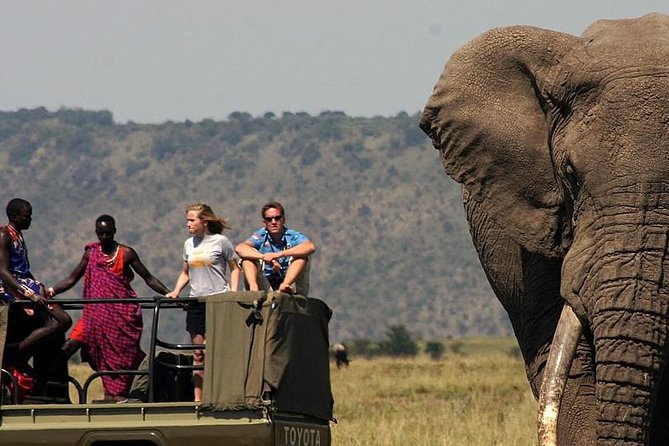
Reviewed · ARUSHA TOURS
6 Days Tanzania Wildlife Camping Safari
Tanzania’s best wildlife parks fit into this six-day route, from the elephant country of Tarangire to the open plains of the Serengeti and the wildlife-filled Ngorongoro Crater. You sleep at public campsites, ride in a private 4×4, and keep the focus on animals rather than lodge luxury.
I like the private group format, since you are not sharing every game drive with strangers. I also like the practical price, $2,371.80 per person, which covers transport, meals, camping gear, park activities, a guide, taxes, and medical evacuation. The main caution is that the schedule includes long road days and basic public campsites, not polished tented camps.
Key points to know before booking
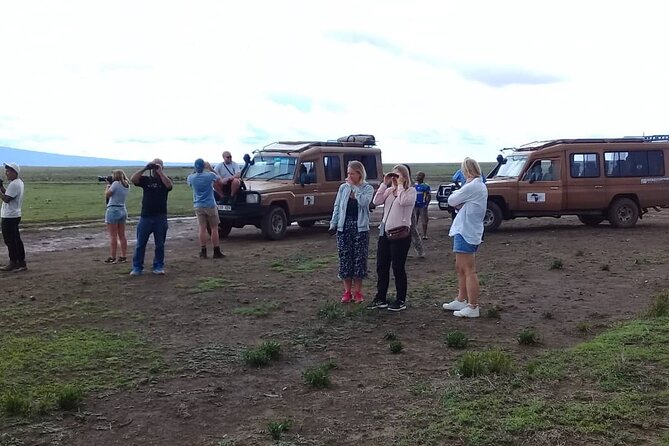
- Four major wildlife areas: The route includes Lake Manyara, Serengeti, Ngorongoro, and Tarangire.
- Public campsite nights: Tents, mattresses, and camping equipment are supplied, but expect simple facilities.
- Private safari vehicle: Your group travels together in a 4×4 with a guaranteed window seat.
- Olduvai Gorge adds a human-history stop: The site is linked to discoveries dating back about 3.5 million years, but confirm whether the visit fee is included.
- Five full meal sets are listed: Breakfast, lunch, and dinner are provided according to the schedule, with picnic lunches on park days.
- Strong guide reports: Guides named in customer accounts include Peter, a French-speaking Tanzanian guide, Joseph, also called Jose Maria, and Semva.
What this safari is really like
This is a classic northern Tanzania circuit with a camping price tag rather than a luxury lodge price tag. You travel by road between parks, spend most daylight hours in the vehicle, and camp in public sites close to the action.
The route is ambitious. It covers several famous parks in six days, but that means some early starts, long transfers, and little spare time. You get variety, though: tree-lined Lake Manyara, the wide Serengeti plains, the steep-sided Ngorongoro Crater, and Tarangire’s elephant country.
The safari is private, so the vehicle is reserved for your own group. That matters. You can discuss pacing, wildlife sightings, and photo stops with your guide instead of adjusting to a busload of strangers. The itinerary also promises a window seat for each person, a small but important detail when animals appear on one side of the vehicle.
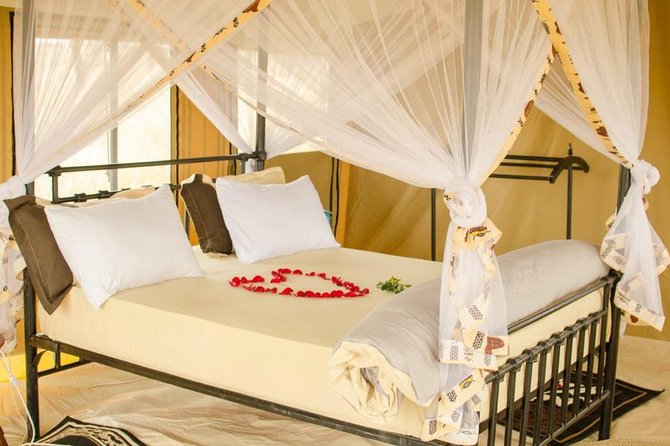
The camp arrangement is practical. Tents, mattresses, and other equipment are supplied, along with meals and bottled water. You should still think of this as outdoor accommodation. Public campsites offer a more basic stay than lodges or permanent luxury camps, and the price does not include personal drinks, laundry, or extra comforts.
More Safaris in Arusha
- Balloon Safari & Bush Breakfast in Serengeti – Miracle Experience
★ 5.0 · 1,646 reviews - 4 Days Group Camping Safari
★ 5.0 · 1,101 reviews - 5 Days Group Camping Safari
★ 5.0 · 730 reviews
Day 1: arriving in Arusha from the airport
Your safari begins with a transfer from Kilimanjaro Airport or Arusha Airport to your hotel or lodge in Arusha. The listed airport transfer takes about 30 minutes, depending on the airport and traffic, with an approximate distance of 30 to 50 kilometers.
The first night is at an Arusha hotel or lodge with dinner included. This is less a sightseeing day than a useful arrival buffer. You can reach town, meet the safari team, and get ready for the road ahead without trying to enter a national park immediately after a flight.
A safari briefing is included. Pay attention to it. This is when you should confirm the departure time, the camping plan, meal arrangements, the amount of drinking water supplied, and any optional activities.
The package lists 1.5 liters of mineral water per person per day during game drives, plus bottled water and coffee or tea. If you drink more than that, plan to buy extra water in advance. Drinks outside the listed provisions are your responsibility.
Day 2: Lake Manyara and the first campsite
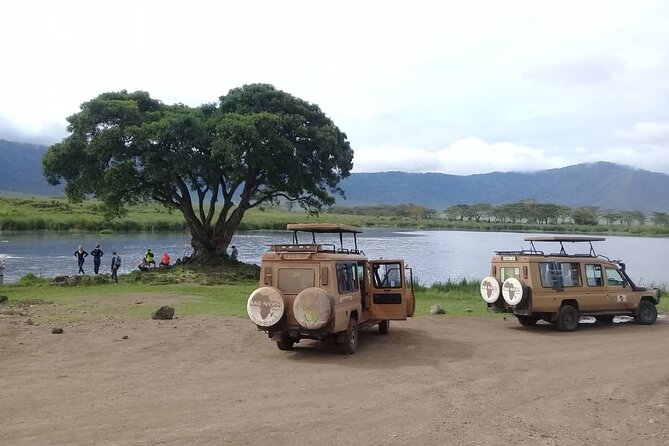
After breakfast in Arusha, the drive to the Lake Manyara area takes about two and a half hours without game viewing and covers roughly 130 kilometers. Lake Manyara National Park is a good first wildlife stop because it offers a change from the dry open plains found later in the trip.
The park is known for a mix of woodland, open areas, birdlife, and the lake itself. The itinerary highlights views from a hotel built high on the Rift Valley wall, where you can look across the lake and park. This setting gives the day a scenic start, even before the longer Serengeti section.
The schedule allows about six hours for the day. That gives you time for park viewing, but it is not a leisurely lodge-based stay. You will be adjusting quickly to the safari rhythm: breakfast, road travel, game viewing, and camp setup.
The overnight is listed at Kizumba campsite. The itinerary wording also mentions a Lake Manyara hotel, so I would confirm the exact overnight location before paying or departing. This is a minor planning point, but it matters if you expect a lodge room and are actually booked into a public campsite.
Day 3: a full day across the Serengeti plains
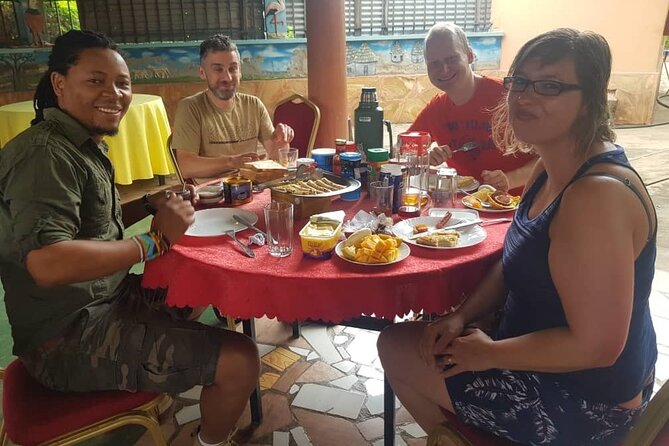
Day 3 is the heart of the trip: a full-day game drive in Serengeti National Park. You leave after breakfast with a packed lunch and spend about seven hours in the park.
The Serengeti is the place for scale. The open plains give your guide long sightlines, which can help with spotting herds and predators. The itinerary describes a huge concentration of plain animals and more than 500 bird species, along with the possibility of seeing predators chase prey or feed after a kill.
Wildlife is never guaranteed, and no guide can control where animals move. Still, a full day in the Serengeti gives you more time than a short drive through the park. You can wait at a promising sighting, move on when the area goes quiet, and take advantage of fresh information from other guides in the field.
The overnight is at Seronera campsite, in the central Serengeti area. This location keeps you near the park’s main wildlife zone, but remember that public camping means simple facilities. Your reward is a night closer to the sounds and open sky of the park, rather than a private room with resort amenities.
The private vehicle is especially useful here. If one person wants more time at a predator sighting and the rest of the group agrees, you have a better chance of making that decision together. A shared vehicle can be cheaper, but it rarely offers the same control.
More Wildlife Tours in Arusha
- Tanzania Wildlife Encounters – 6 Days
★ 5.0 · 277 reviews - 6 Day Tanzania Wildlife Mid range Safari
★ 5.0 · 54 reviews - 5 Days 4 Nights Tarangire, Serengeti , Ngorongoro & Manyara Wildlife Safari
★ 5.0 · 40 reviews - 4 Days Wildlife Safari and Cultural Experience in Tanzania
★ 5.0 · 23 reviews
Day 4: Olduvai Gorge on the way to Ngorongoro
After breakfast, you leave the Serengeti for the Ngorongoro area. The non-game-viewing drive is listed at about four hours over 145 kilometers, with Olduvai Gorge along the way.
Olduvai Gorge is the trip’s most unusual addition. It is an archaeological site associated with evidence of early human habitation dating back roughly 3.5 million years. This gives you a break from animal spotting and adds a human-history angle to a route usually marketed only around wildlife.
There is an important detail to check here. The itinerary describes Olduvai as part of the route, but the inclusions also list an optional visit to Oldupai Gorge and a Maasai village among the extra-cost activities. Ask the operator exactly what is covered, whether the gorge entry is included, and how much time is allowed.
The drive itself is part of the experience. You move from Serengeti grassland toward the Ngorongoro highlands, with changing views and cooler conditions possible at altitude. After a full day in a safari vehicle, the transfer may feel tiring, but it also breaks up the park schedule.
You spend the night at Simba campsite. Again, this is public camping, so pack for changing temperatures and keep your expectations practical. The supplied tent, mattress, and camping equipment reduce the amount you need to carry, but they do not turn the site into a lodge.
Day 5: descending into the Ngorongoro Crater
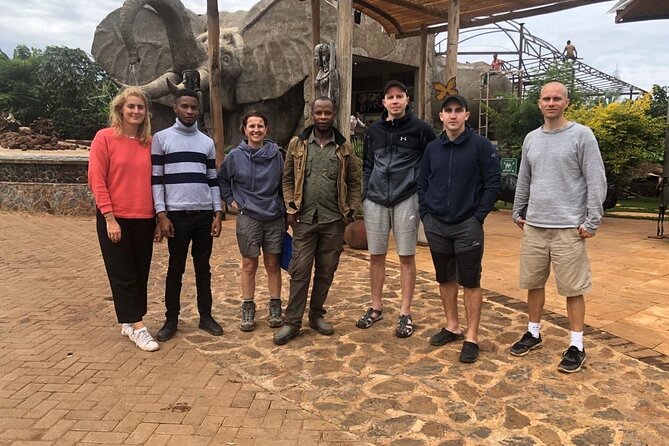
The Ngorongoro Crater is one of the strongest parts of the route. The itinerary allows a full day for the crater before a listed transfer toward Tarangire, with an overnight at Kizumba campsite.
The crater is a vast enclosed wildlife area formed by a collapsed volcanic caldera. From the rim, you descend into a broad basin where grassland, woodland, and a soda lake create different animal habitats close together.
The schedule specifically points to the Big Five, birdlife, the dense forest, and the soda lake. You may find large mammals in the open areas and birds near the water, while the forest sections change the feel of the drive. It is one of the best days for seeing a high number of species without covering a huge amount of ground inside the park.
The itinerary has a wording problem here. It labels the route Ngorongoro Crater to Tarangire National Park, gives a three-and-a-half-hour non-game-viewing drive, and then lists Kizumba campsite for the night. Since the next day begins at Tarangire, confirm where you actually sleep on Day 5 and how much time is reserved for the crater.
That question is not nitpicking. A full crater visit followed by a long transfer can make the day feel packed. If you value wildlife time above all else, ask how the operator protects the crater hours from being shortened by road travel.
Day 6: Tarangire’s elephants before returning to Arusha
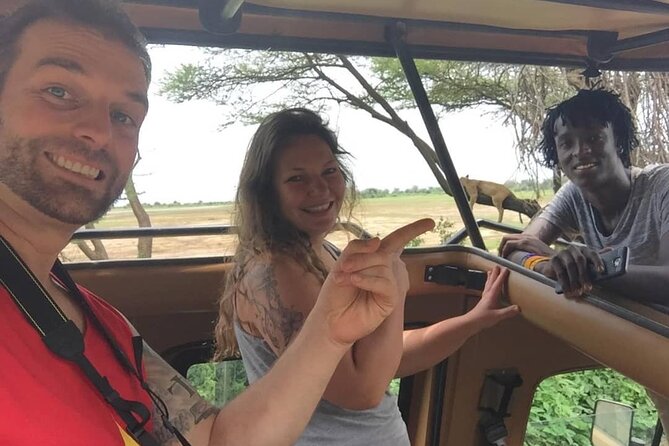
The final day takes you to Tarangire National Park for a full-day game drive, followed by a late-afternoon drive back to Arusha. The listed road distance from Tarangire to Arusha is about 120 kilometers, with roughly two hours of non-game-viewing travel.
Tarangire is a fitting final park because it adds a different setting to the trip. The park is especially associated with elephants and large trees, and its mix of open areas and wooded country differs from the Serengeti’s broad plains. The itinerary allows about seven hours for the day, including a picnic lunch.
The timing deserves attention. A full game drive followed by the return to Arusha makes this a long finish. You are likely to be tired by the time you reach your drop-off, but you also get one last major wildlife day instead of spending the final morning driving straight back.
Drop-off is provided in Arusha. Airport transfer is also listed among the included services, but confirm the timing if you have a same-day flight. The supplied information does not promise a specific departure window, and park delays can happen.
Camping, meals, and comfort
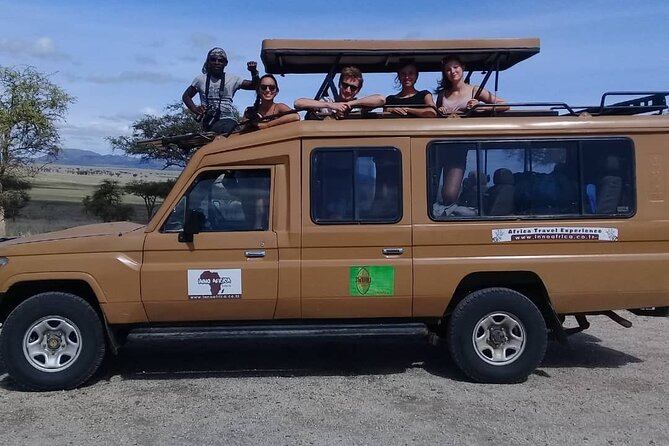
Camping is the defining choice here. You stay at public campsites, with tents, mattresses, and other camping equipment provided. That keeps luggage demands lower and brings you closer to the outdoor character of a Tanzanian safari.
You should pack for simple nights, variable temperatures, and dusty road conditions. The package includes equipment, but personal items such as toiletries, clothing, laundry, and drinks are not included. Alcoholic drinks, soft drinks, and other personal purchases are also extra.
The meal plan lists five breakfasts, five lunches, and five dinners. Picnic or boxed lunches appear on the longer game-drive days, which is sensible because returning to camp for lunch would cut into park time.
Vegetarian food is available if you request it when booking. Do not wait until the first camp night to mention dietary needs. The package also lists coffee and tea, plus bottled water.
Tips for the driver guide and cook are not included. Set aside money for gratuities if the service meets your expectations. This is standard safari planning, but it is easy to overlook when the main price already appears to cover so much.
What the price includes at $2,371.80
At $2,371.80 per person, this is not a bare-bones park transfer. The price includes a private 4×4 safari vehicle, an English-speaking professional guide, all listed sightseeing and game viewing, accommodation at public campsites, camping equipment, meals, airport or Arusha transfers, park-related taxes and fees, fuel surcharge, landing and facility fees, and medical evacuation.
The guaranteed window seat adds real value. Safari vehicles can spend hours on rough roads, so personal space and a clear view matter. The private format also means you are paying for flexibility and group privacy, not only transportation.
The cost does not include international or domestic flights, a Tanzania visa, travel insurance, personal expenses, pre- or post-safari accommodation, hotel meals in Arusha, drinks, laundry, souvenirs, or tips. Oldupai Gorge and a Maasai village visit may also cost extra.
I see the price as reasonable for someone who wants the major northern parks in one compact trip and does not need lodge luxury. It is less compelling if you prefer slow travel, fewer transfers, or a soft bed every night. Compare the final quote carefully, especially the exact campsite locations and any optional entrance charges.
Guide quality and the private format
The guide can shape the whole safari. The company uses experienced driver guides and provides an English-speaking guide, while customer accounts identify Peter as a strong French-speaking option. Joseph, known to some customers as Jose Maria, and Semva are also names associated with particularly warm guide service.
You should not assume a specific guide unless the operator confirms one in writing. If you need French-language guiding, ask directly about Peter or another French-speaking guide before booking.
A private trip is a good fit for couples, families, and small groups with shared interests. It also helps if you want to take photographs, spend longer at selected sightings, or avoid coordinating with people you have never met.
The rating shown for the experience is 4.6 from nine ratings. That is encouraging, but it is a small sample. The published customer accounts include strong praise for organization, airport transfers, food, guide care, and communication, along with serious complaints about booking confusion and misunderstandings involving partner operators in Kenya.
The practical lesson is simple: get the final itinerary, operator name, guide language, campsite list, and optional fees in writing. The company responses indicate that some past trouble came from communication problems between different safari firms. Clear paperwork helps prevent that from becoming your problem.
Who should book this six-day route?
I would recommend it to you if you want Tanzania’s headline wildlife areas in one trip, like the idea of camping, and value a private vehicle more than luxury accommodation. It suits people who can manage long drives, early starts, and basic campsites.
It is also a good match if Olduvai Gorge interests you. Many wildlife circuits skip archaeological sites, while this route gives you the chance to connect the safari with the story of early humans.
I would hesitate if you have limited tolerance for road travel or want a relaxed holiday. The Serengeti, Ngorongoro, and Tarangire days are rewarding, but the transfers between them take time. Families should also consider how children handle long vehicle days and public camping.
Free cancellation is available if you cancel at least 24 hours before the local start time. Changes or cancellations inside that window are not accepted for a refund.
Should you book it?
Book this safari if your priority is maximum wildlife variety in six days, with camping gear and meals handled for you. The private 4×4, window seat guarantee, included transfers, and full days in Serengeti, Ngorongoro, and Tarangire make the package useful for first-time safari visitors.
Before you commit, confirm the confusing parts: the exact Day 2 and Day 5 campsites, the fee for Olduvai Gorge, the guide language, the final airport-transfer plan, and whether a cook is assigned to your group. If those details are clear and you are comfortable with public camping, this is a strong value-focused introduction to northern Tanzania.
FAQ
How long is the Tanzania wildlife camping safari?
The safari lasts approximately six days.
Where does the safari start?
The listed meeting point is Arusha Airport in Arusha, Tanzania. Pickup is also offered from Kilimanjaro Airport or Arusha accommodation.
Is this a private tour?
Yes. Only your own group participates in the activity.
Which national parks and areas are included?
The route includes Lake Manyara National Park, Serengeti National Park, the Ngorongoro Conservation Area, and Tarangire National Park.
Is camping equipment provided?
Yes. Public campsite accommodation, tents, mattresses, and other camping equipment are included according to the itinerary.
Are meals included?
Yes. The package lists five breakfasts, five lunches, and five dinners. Picnic or boxed lunches are provided on game-drive days according to the schedule.
Is Olduvai Gorge included in the price?
The route includes travel via Olduvai Gorge, but the supplied information also lists the visit as optional. Confirm the entry fee and exact arrangements before departure.
What is not included in the tour price?
Flights, a Tanzania visa, tips, travel insurance, personal expenses, drinks, laundry, accommodation before or after the safari, hotel meals in Arusha, and some optional visits are not included.
More six day trips in Arusha
- Private 6-Day Tarangire Manyara Crater and Serengeti with Mid-Range Lodges
★ 5.0 · 238 reviews - 6 Days Private Budget Safari
★ 5.0 · 163 reviews - Tanzania Enticing Explorations – 6 Days
★ 5.0 · 106 reviews - 6 days Tanzania budget safari
★ 5.0 · 65 reviews
More camping safaris in Arusha
- 3 Days Serengeti & Ngorongoro Group Camping Safari
★ 5.0 · 574 reviews - 2 Days Tarangire and Ngorongoro Group Camping Safari
★ 5.0 · 146 reviews - 6 Days Tanzania Budget Camping Safari
★ 5.0 · 145 reviews - 3 Day Serengeti National Park & Ngorongoro Crater Camping Safari
★ 5.0 · 142 reviews
Newly listed around Arusha
- 5-Day Private Safari Tour in Tanzania’s Wildlife★ 5.0 · 3 reviews
- 3 Days private safari Tarangire ,Ngorongroro crater &Manyara★ 5.0 · 3 reviews
- 3 Day Sharing Safari – Manyara, Ngorongoro Crater and Tarangire National Parks★ 5.0 · 3 reviews
- Tarangire National Park Day Trip★ 5.0 · 3 reviews
- 2 Days Tarangire and Ngorongoro Crater Tour★ 5.0 · 3 reviews
- 6 -Day Tarangire, Manyara, Serengeti & Ngorongoro★ 5.0 · 3 reviews
- 5 Days Group Camping Safari★ 4.7 · 3 reviews
- 4 Days Tanzania Safari★ 4.5 · 3 reviews
Arusha Tours, compared.

Balloon Safari & Bush Breakfast in Serengeti – Miracle Experience
Read our review →






Browse the lists this tour appears in