
Reviewed · SERENGETI & NGORONGORO SAFARIS
6 Days: Classic Camping( Tarangire, Manyara, Serengeti And Ngorongoro).
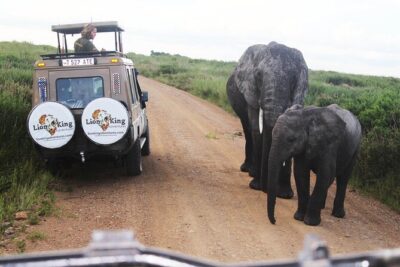
Tarangire’s giant baobabs and elephant herds make a strong opening, but the real payoff comes later: two full Serengeti game-viewing days followed by an early descent into Ngorongoro Crater. You get four very different wildlife settings in one six-day route.
I like the small maximum group of six, which should make the vehicle less crowded, and I like that meals, private transport, park fees, and five breakfasts are bundled into the price. The drawback is the road time. Dust, bumps, early starts, and simple camping are part of the deal, not side notes.
Key things to know before booking
- Tarangire opens the safari with elephants and baobabs: The park gives you a dramatic first look at northern Tanzania’s wildlife and dry-country scenery.
- Lake Manyara adds birds and varied habitats: Forest, grassland, hot springs, steep valley sides, and the soda lake all appear in one compact park.
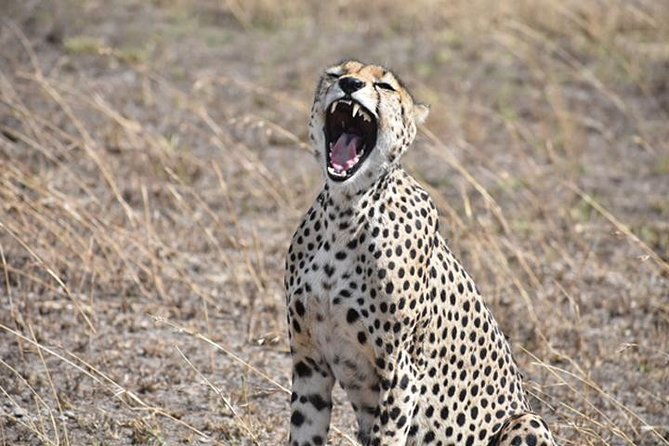
- Serengeti receives two major game-viewing days: This gives you a better chance to see lions, cheetahs, leopards, hyenas, elephants, giraffes, buffalo, and migrating herds.
- Ngorongoro is the final wildlife highlight: An early morning descent puts you on the crater floor for six to seven hours of game viewing.
- Camping keeps the price in check: At $1,538.47 per person, the package includes transport, meals, taxes, and game drives, but not tips.
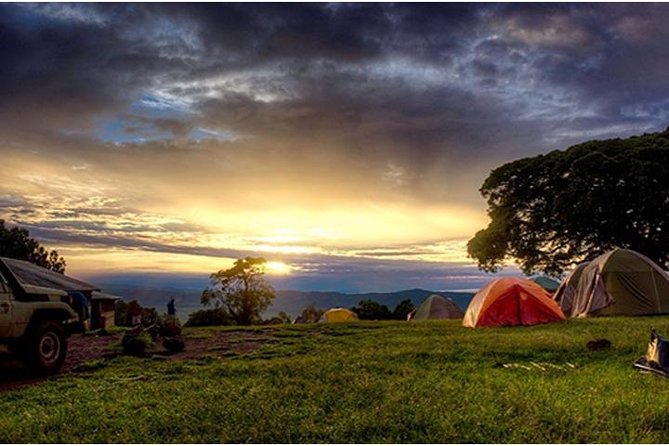
- Prepare for a rough ride: Bring a dust mask, protect your hair and camera, and expect cold water showers at camp.
Four parks, six days, and a lot of road
This is a classic northern Tanzania circuit. It links Tarangire National Park, Lake Manyara National Park, Serengeti National Park, and the Ngorongoro Conservation Area in a route that gives you variety rather than one long stay in a single park.
The schedule is active. Most days run eight to ten hours, and Day 6 begins with a 5:50am breakfast before a 6am crater descent. You will spend much of the day seated in a safari vehicle, stopping often to watch animals and take photographs.
That pace suits you if wildlife is the main reason you came to Tanzania. It is less suitable if you want slow mornings, long walks, or a polished lodge holiday. The advertised experience is classic camping, so expect a practical setup rather than hotel comforts.
The tour price is $1,538.47 per person. That is not a bare park-entry package. It includes all fees and taxes, private transportation, game drives, six lunches, five breakfasts, and six dinners. The exact camping arrangements are not detailed, so I would ask before booking how tents are supplied, how many people share them, and what shower and toilet facilities are available.
The small group limit is six people. That matters in a safari vehicle. Fewer passengers usually mean more room for cameras and binoculars, easier communication with the guide, and less time waiting for others to get ready. Pickup is offered, and the stated meeting point is Kilimanjaro Airport, with a start time shown as 12:00am. Because the daily plan also refers to hotel pickup and a safari briefing, confirm the exact pickup place and time before you arrive.
More Serengeti and Ngorongoro itineraries:
- Safari Serengeti And Ngorongoro
★ 5.0 · 288 reviews - Serengeti, Ngorongoro and Tarangire 4 Days Safari
★ 5.0 · 59 reviews - 5 Days Camping Tarangire, Serengeti & Ngorongoro crater & Visiting Maasai
★ 5.0 · 58 reviews
Day 1: Tarangire’s baobabs and elephant herds
The first day starts with pickup, a briefing, and the drive to Tarangire National Park. The planned day lasts about ten hours, with lunch followed by an afternoon game drive.
Tarangire is a fine first park because it looks and feels different from the open grass plains that come later. The route is known for its large elephant groups and distinctive baobab trees. Those trees give your photographs a clear sense of place, especially when an elephant passes beneath them.
You should expect a full introduction to safari rhythm on this day. There is a long approach, a park entry, a lunch break, and then several hours of watching wildlife from the vehicle. The first game drive can feel thrilling because everything is new, but it can also be tiring after an airport arrival or a long transfer.
Keep your camera ready, but do not judge the whole safari by the first few hours. Wildlife moves on its own schedule. Tarangire’s appeal is not only the animals you see, but also the dry woodland, open areas, and huge trees that create a strong visual beginning.
Day 2: Lake Manyara’s small area with many habitats
Day 2 moves to Lake Manyara National Park for about nine hours of game viewing and a picnic lunch. The park is smaller than Serengeti, but its setting changes quickly.
Lake Manyara covers about two thirds of the park. Around it are open grassland near the shore, a soda lake, hot springs, dense woodland, and steep sides of the Great Rift Valley. You get a compact lesson in how water, forest, grassland, and high valley walls shape wildlife habitat.
The park is also especially good for birdwatching, with more than 450 recorded species. Even if your main goal is mammals, keep looking upward and toward the lake edge. Manyara adds a different pace to the trip, with more attention to habitat and birdlife rather than only searching for large predators.
The famous draw is the park’s tree-climbing lions. They are unusual and elusive, so the itinerary should not be read as a promise of a sighting. You might find them resting in branches, but wildlife is never guaranteed. A good guide can help locate animals, yet the best approach is to enjoy the park even when the lions stay out of view.
The picnic lunch sounds appealing, though you should expect an outdoor meal rather than a restaurant stop. This day is a useful contrast with Tarangire: wetter scenery, more birdlife, and the Rift Valley wall behind you.
Day 3: Crossing toward the endless plains of Serengeti
After breakfast, you travel by game-viewing route toward Serengeti, passing through the Ngorongoro area. The day is listed at about ten hours, and that long duration tells you something important: Serengeti is not a quick side trip.
The park covers about 5,600 square miles. Its name means endless plains, and the scale is central to the experience. You may spend a long stretch seeing only grass, kopjes, distant animals, and sky before suddenly finding a predator or a moving herd.
The route is designed to make the journey part of the safari. You may see animals before reaching the main camping area, rather than treating the drive as dead time. Still, this is a demanding day. Roads can be dusty and bumpy, and the vehicle ride may feel long if you are not used to rough tracks.
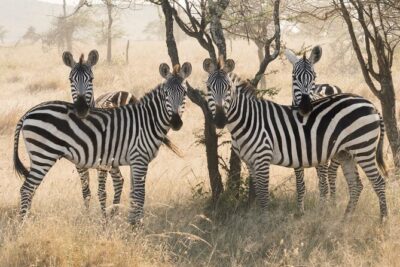
Serengeti is the place to focus on big-cat country. Lions, leopards, and cheetahs are among the animals named in the program, along with hyenas and jackals. You may also see wildebeest, zebra, gazelle, elephants, giraffes, and buffalo.
The migration is described as taking place from May to December, with millions of animals moving between the Serengeti and Kenya’s Masai Mara. Timing and location matter, so you should not book this route expecting to see a river crossing or a specific migration scene. Even outside the strongest migration periods, Serengeti remains valuable because animals live here throughout the year.
More six day trips in Moshi & Kilimanjaro:
- Kilimanjaro climb, Lemosho Route (6-day)
★ 5.0 · 129 reviews - Kilimanjaro climb, Marangu route (6-day)
★ 5.0 · 72 reviews - 6 Days 5 Night Safari
★ 5.0 · 57 reviews - 6 Days Tanzania Classic Safari
★ 5.0 · 52 reviews
Day 4: A full Serengeti game drive
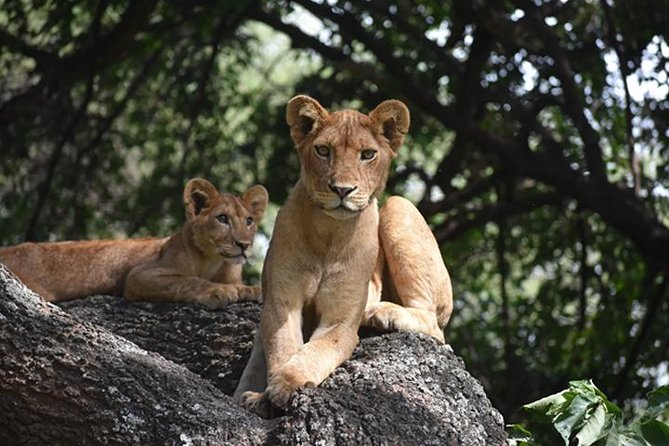
Day 4 gives you another full day in Serengeti, with a packed lunch and game viewing until late afternoon or evening. This is one of the strongest parts of the schedule.
One Serengeti drive can produce a memorable sighting, but a second full day gives you more time and space. You can search different areas, wait longer when something interesting appears, and avoid treating every sighting as a rushed photo stop. The program also mentions an optional walking safari in the heart of Serengeti, but you should confirm whether that is available, separately priced, and suitable for your departure.
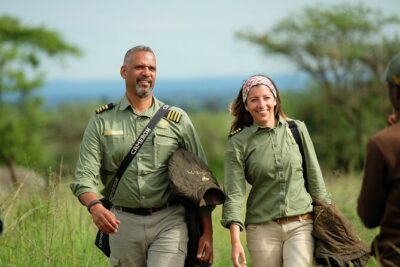
The guide makes a real difference here. Several guides connected with this operator have been praised for spotting animals, explaining nature, and taking time at sightings. Names associated with past departures include Hozza, Julius, Dickson, Festo, and Reuben. Your assigned guide may be different, so treat those names as examples, not a guarantee.
A strong guide does more than point at a lion. You want someone who can explain animal behavior, identify distant wildlife, work with other drivers when needed, and help you keep realistic expectations. Past trips have also highlighted cooks such as Isaac, Nathan, and Kevin. Since all six dinners and lunches are included, the cook is an important part of your daily comfort in camp.
The tradeoff is that a full day in the vehicle can be physically wearing. Carry water, use sun protection, and keep a light layer nearby. Dust is a practical concern. A mask can help, and you should protect camera equipment and hair when the road turns dry.
Day 5: Leaving Serengeti for the Ngorongoro area
Day 5 begins with more Serengeti game viewing after breakfast, followed by a picnic lunch and an afternoon drive toward the Ngorongoro Conservation Area. The listed activity time is about eight hours.
This day gives you one last chance to see wildlife in Serengeti before changing scenery. The plan is less intense than Day 4, but it is still not a rest day. You will spend part of the afternoon traveling to the camping area near Ngorongoro for dinner and overnight accommodation.
A Maasai village visit is listed as an added value option. Confirm the details before you set your expectations. The information provided does not state the village name, duration, transport arrangement, or whether an extra fee applies.
The move toward Ngorongoro is worthwhile because the crater is best visited early. Staying nearby lets you start the final game drive around 6am instead of making a long approach from farther away. That early night is practical, even if the previous days have left you tired.
Day 6: Six to seven hours on the Ngorongoro Crater floor
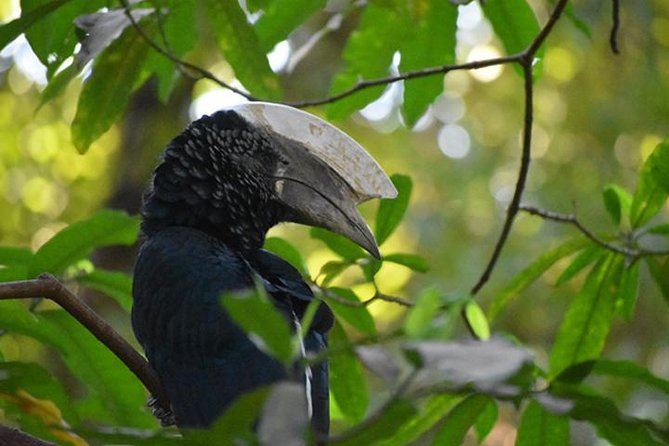
The final day starts early. Breakfast is scheduled around 5:50am, followed by a descent into the crater at approximately 6am. You then spend six to seven hours on the crater floor with a picnic lunch before driving back toward town in the afternoon.
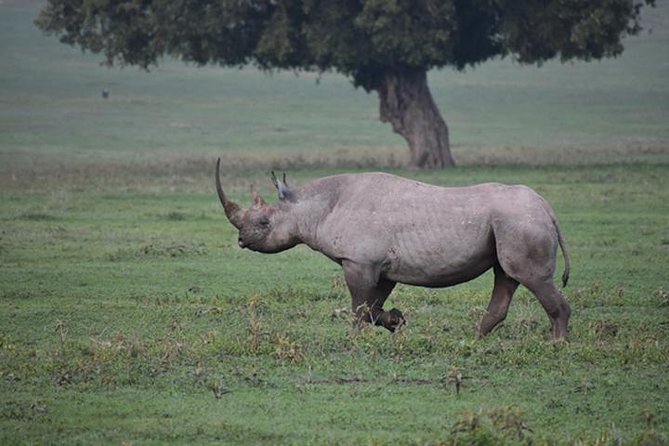
Ngorongoro offers a very different wildlife setting from Serengeti. The crater is a contained World Heritage Site with plentiful grazing and water, so it supports animals throughout the year. That makes it one of the most dependable parts of the route for concentrated game viewing.
You can expect a long day, but also a clear sense of payoff. The crater floor brings wildlife into a smaller area, and the surrounding walls give the experience a powerful sense of scale. You may see a range of animals in one outing, though no itinerary can guarantee particular species.
The listed endpoint is Arusha Chini, while other details refer to a drive back to town. This is worth clarifying before booking, especially if you have a flight or another transfer on the same day. The supplied information does not specify a final arrival time.
Camping, food, and comfort on the road
Camping is the heart of this trip. It keeps the package more affordable than a lodge-based safari and places you closer to the daily rhythm of the parks. You wake early, eat according to the game-drive schedule, and spend evenings at camp rather than returning to a full-service hotel.
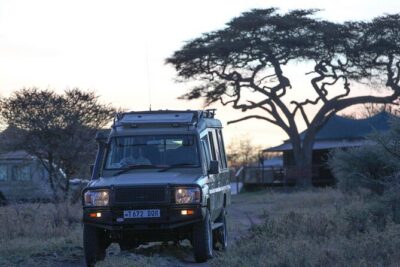
Comfort will be basic. Past safari details connected with this experience warn of cold water showers, dust, and rough roads. Pack for function: a scarf or mask for dusty stretches, a hat, warm clothing for early mornings, sturdy shoes, and a small bag for the vehicle.
Meals are included throughout the six days. The cooking has been a strong part of past departures, with particular praise for cooks Isaac, Nathan, and Kevin. You should still ask about dietary needs before arrival, since the provided information does not explain how special diets are handled.
The maximum group size of six is a real advantage for camping. It can make meal times, vehicle loading, and daily departures easier to manage. The experience is still communal, though. You should be comfortable sharing time and space with a small group.
Guides, communication, and what service may be like
The strongest pattern in the available feedback is praise for individual staff. Hozza has been singled out for friendliness and animal knowledge, while Julius and Dickson have been praised for patience, organization, and guiding. Festo and Reuben have also been described as attentive, prompt, and good at explaining Tanzania.
Communication before departure has also received positive attention, including help with questions and booking changes. At the same time, one past trip had a disappointing start involving a border transfer and a public bus connection. That appears to relate to a different arrangement, but it is a useful reminder to confirm every transfer in writing.
Safari plans can change because of road conditions, animal movements, weather, and park operations. Ask who will pick you up, where the first briefing happens, which vehicle is used, and how the last transfer works. Good questions now prevent confusion when you are tired and dusty on the final afternoon.
Is $1,538.47 good value?
I see solid value in the package if you want a full northern Tanzania safari without paying lodge prices. Four major wildlife areas, six days of transport and game drives, park fees, and all listed meals are included. The small group cap makes the price more attractive than a large shared vehicle.
The value depends on your comfort expectations. You are paying for access, food, guiding, and time in the parks, not luxury rooms or a relaxed schedule. Tips are not included, and any optional activities, such as the walking safari or Maasai village visit, need clarification.
The route also spends several hours moving between parks. If you prefer fewer transfers, a shorter Serengeti and Ngorongoro trip may suit you better. If you want a broad first look at northern Tanzania, the variety is worth the road time.
Who should book this six-day safari?
I would recommend it to you if wildlife is your priority, you enjoy active days, and you are happy with tented accommodation. It is also a good fit for first-time safari visitors who want to combine elephant country, bird habitat, open plains, and crater wildlife in one trip.
You should think twice if you need predictable hotel comfort, dislike bumpy roads, or want plenty of free time. The physical fitness requirement is moderate, but the main challenge is endurance rather than strenuous walking.
The tour is also a practical choice for photographers. You get multiple game drives in different habitats, a small vehicle group, and two days in Serengeti. Bring binoculars, spare batteries, camera protection from dust, and enough storage for a lot of images.
Cancellation is free if you cancel at least 24 hours before the local start time. Changes made later are not accepted, and poor weather may lead to a different date or a full refund.
Should you book it?
Book this safari if you want maximum wildlife variety in six days and can accept camping, dust, early mornings, and long drives. Tarangire and Ngorongoro give the route its strongest structure, while the two Serengeti days provide the time needed for serious game viewing.
I would confirm the exact pickup details, camping facilities, final drop-off, guide assignment, and optional activity costs before paying. If those points suit you, the package offers a well-priced introduction to Tanzania’s major northern parks, with enough time in Serengeti to make the route more than a rushed checklist.
FAQ
Where does the safari start?
The stated meeting point is Kilimanjaro Airport in Tanzania, with a start time shown as 12:00am. The itinerary also refers to pickup from your hotel, so confirm your exact pickup arrangement before departure.
How many people can join the tour?
The tour has a maximum of six participants.
What meals are included?
The package includes six lunches, five breakfasts, and six dinners.
Are park fees and taxes included?
Yes. All fees and taxes are included, along with private transportation and game drives.
Are tips included in the price?
No. Tips are not included.
Can I cancel for a full refund?
Yes, if you cancel at least 24 hours before the experience start time. Cancellations made less than 24 hours in advance are not refunded. If poor weather causes the experience to be canceled, you are offered another date or a full refund.
Newly listed around Moshi & Kilimanjaro
- Climb Mount Kilimanjaro: 7 Days Machame Route★ 5.0 · 3 reviews
- 6 Days Mount Kilimanjaro Climbing via Rongai Route★ 5.0 · 3 reviews
- Explore 1 day Ngorongoro Crater Budget Group Safari from Arusha★ 5.0 · 3 reviews
- Mt. Kilimanjaro Day Hiking★ 5.0 · 3 reviews
- Chemka (Kikuletwa) Hot Springs, Tanzania★ 5.0 · 3 reviews
- Guided City tour of Moshi★ 4.3 · 3 reviews
- 8 Day Tanzania Family Safari★ 5.0 · 3 reviews
- Rongai Route 7 Days★ 5.0 · 3 reviews
Serengeti & Ngorongoro Safaris, compared.
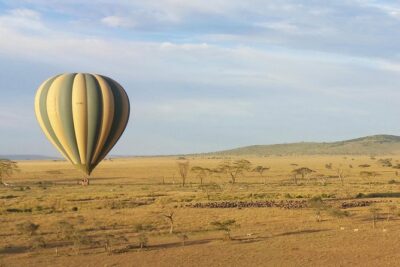
Balloon Safari & Bush Breakfast in Serengeti – Miracle Experience
Read our review →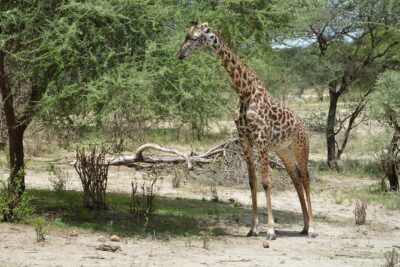

Private 6-Day Tarangire Manyara Crater and Serengeti with Mid-Range Lodges
Read our review →
5 Days Camping Tarangire, Serengeti & Ngorongoro crater & Visiting Maasai
Read our review →Browse the lists this tour appears in