
Reviewed · ARUSHA TOURS
4 days Tanzania Camping Safari
Tarangire’s elephants, the Serengeti’s predators, and Ngorongoro’s crater floor are the main draw here, packed into four demanding days of mobile camping. You move through three of Tanzania’s best-known northern parks rather than staying in one area, so each day brings a different setting and a fresh chance to spot wildlife.
I like the honest budget setup: your price covers park fees, camping gear, meals, bottled water, and airport transfer. I also like the shared format, with a maximum of 15 people, since it keeps the cost below a private safari. Guide Abouh is named in the experience feedback as a friendly, capable escort with a strong eye for animals and roads.
The tradeoff is time. You will spend long hours in a safari vehicle, and the itinerary has some confusing wording around the Serengeti exit and Ngorongoro visit. This is a good choice for seeing a lot in little time, but not for travelers wanting leisurely camp mornings or polished lodge comfort.
Key points at a glance
- Three famous parks in four days: Visit Tarangire, Serengeti, and Ngorongoro Conservation Area in one fast-moving circuit.
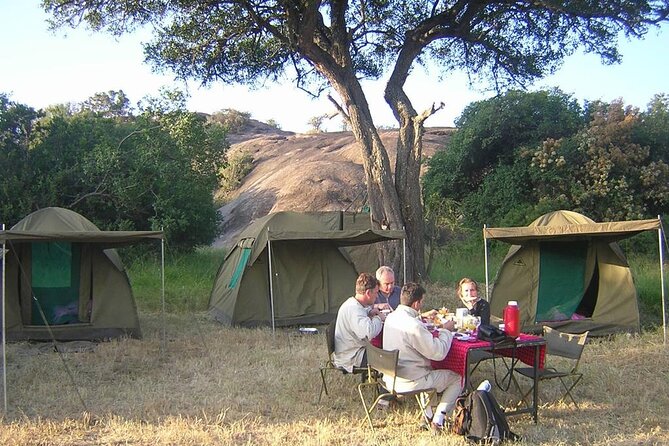
- Mobile tent camping: Sleeping bags, mattresses, meals, and water are supplied, but this is a basic outdoor safari rather than a lodge holiday.
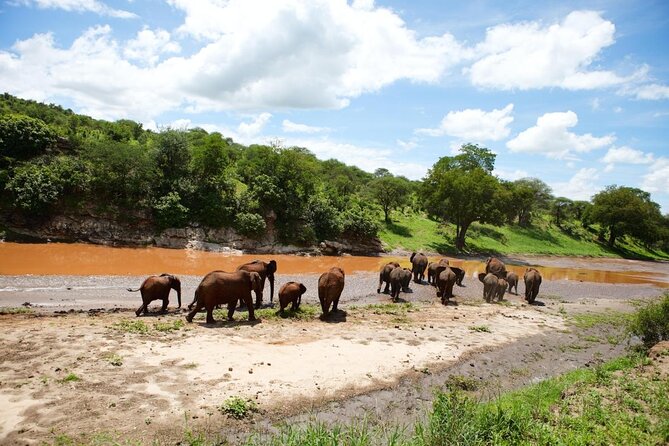
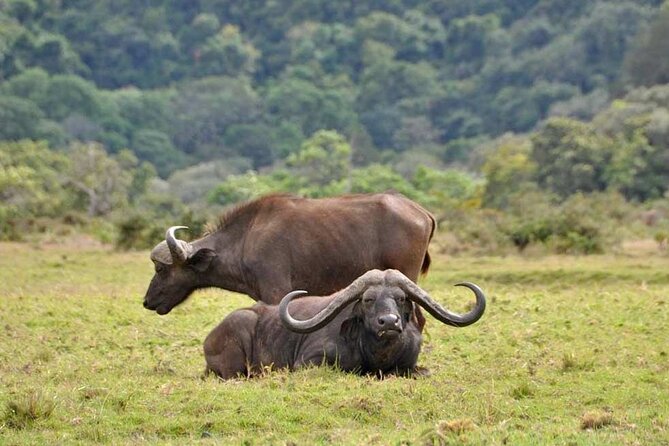
- Wildlife-rich routes: Expect elephants, zebras, wildebeest, buffaloes, gazelles, and possible lion, cheetah, leopard, hyena, and rhino sightings.
- Serengeti sunset drive: The afternoon and evening in Seronera offer a strong chance for scenic light and predator activity.
- Optional Maasai visit: A village visit costs an additional $20 and gives you time with Maasai culture outside the game drives.
- Shared value: The group can reach up to 15 people, helping make the $950 price more manageable.
What $950 buys you in northern Tanzania
At $950 per person, this safari is priced for people who want the major northern circuit parks without paying for a private vehicle or lodge-based trip. The value comes from what is bundled into the fee: park entrances and taxes, camping equipment, meals, bottled water, and airport transfer.
You receive at least three liters of bottled water per day, plus breakfast, lunch, and dinner during the trip. Four lunches and three breakfasts and dinners are listed, which fits a four-day route with the final return after breakfast and a later lunch.
Flights, visas, and tips are not included. You should also allow for the optional $20 Maasai village entrance fee if that visit interests you. Since the safari uses mobile tents, you should think of the price as covering a practical camp experience, not hotel-style rooms, private bathrooms, or a fixed lodge with extra comforts.
The shared format matters. A maximum of 15 people is listed, so your experience may feel social and less private than a custom safari. In exchange, you can spread the vehicle and guide costs across a larger group. If you care about choosing every stop, lingering at a sighting, or setting your own departure time, a private safari would suit you better.
More Safaris in Arusha
- Balloon Safari & Bush Breakfast in Serengeti – Miracle Experience
★ 5.0 · 1,646 reviews - 4 Days Group Camping Safari
★ 5.0 · 1,101 reviews - 5 Days Group Camping Safari
★ 5.0 · 730 reviews
Day 1: Elephants and open country in Tarangire
The first full day is spent on a game drive in Tarangire National Park. This is a smart opening park because the route offers a good range of large animals without waiting until the final day for your first proper wildlife outing.
You might see elephants, wildebeest, buffaloes, zebras, and gazelles in good numbers. Lions, cheetahs, and leopards are also listed as possible sightings, though no safari can promise a particular animal. The plan allows about six hours for the drive, enough time to cover several areas and pause when something worth watching appears.
I especially like the range of animals promised here. Tarangire is not presented as a quick roadside stop. You get a full day to look for both predators and herbivores, and the close views can be rewarding for anyone carrying a camera.
Still, six hours in a vehicle is a long first day, especially if you have arrived in Tanzania recently. Bring a hat, sun protection, and patience. The best sightings may come after stretches of quiet road, and the guide’s judgment about where to wait matters as much as the park itself.
Day 2: Ngorongoro viewpoints, Maasai culture, and Seronera
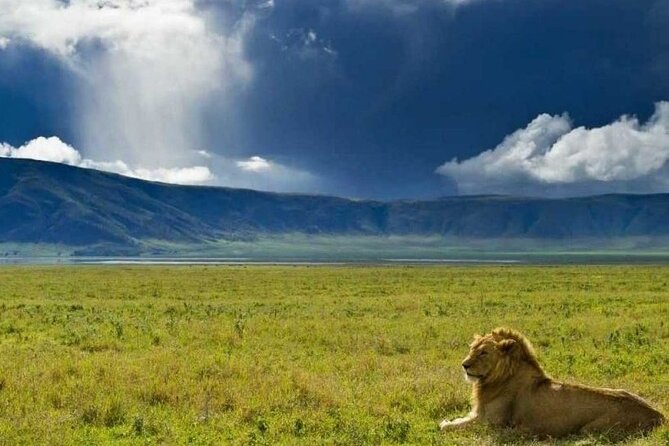
Day two changes the rhythm. You stop at a Ngorongoro viewpoint for about 20 minutes, a short pause with a very large payoff. From above, the crater appears as a vast enclosed basin with striking scenery. Even a brief stop gives you a useful sense of the place before the safari continues.
The Maasai village visit is optional and lasts about 45 minutes. It costs $20, paid separately. The description presents Maasai traditions, warrior culture, and changing customs, including the fact that some older practices are no longer common. I would choose this stop if you want cultural context alongside wildlife, but remember that it is an add-on rather than part of the base price.
Later, you reach Serengeti National Park and drive through Seronera, the central part of the park, from afternoon into late evening. This is one of the strongest parts of the route. The timing gives you the chance to watch animals in softer light and finish with a Serengeti sunset.
The plan specifically points to predators hunting or feeding, along with close wildlife views. That possibility gives the afternoon drive a sense of purpose, but conditions remain unpredictable. You may get a dramatic sighting, or you may spend time tracking movement across a large area.
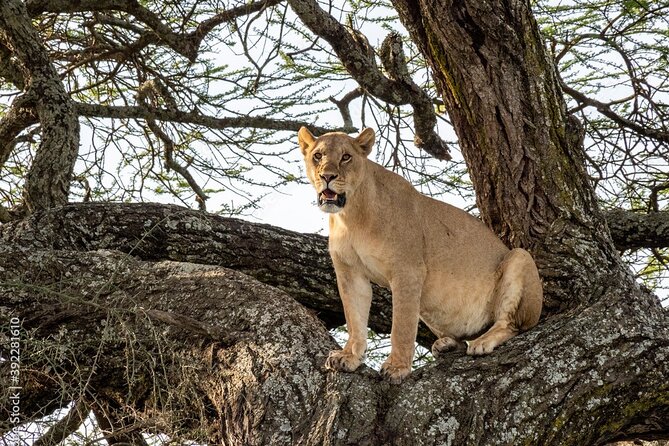
You then camp at Seronera. Animals can be seen around the campsite, including hyenas, and active rangers provide protection. You must still follow camp instructions and avoid wandering off alone. This is the kind of night that makes mobile camping memorable: you are not simply sleeping near a town, but staying in the park with wildlife nearby.
Day 3: Early Serengeti viewing and the road toward Simba Camp
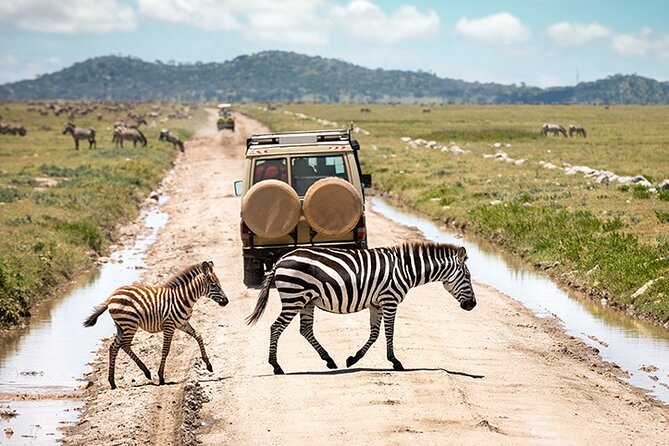
The third day begins with an early breakfast and an early game drive. Early starts are a normal part of safari life because animals may be more active before the heat builds. The schedule allows about six hours for wildlife viewing before lunch and the drive out of the Serengeti toward Simba campsite.
You may continue seeing the same broad mix of animals, but the value of this day is the chance to catch activity at a different hour. A morning drive can feel quieter and more focused than the late afternoon outing, and the changing light can make familiar scenery look entirely different.
The supplied schedule labels this stop Ngorongoro Crater, but the detailed description clearly has you leaving the Serengeti and heading toward Simba campsite, with the crater floor visit planned for day four. That is worth confirming before departure so you know exactly where you will sleep and how the driving time is arranged.
Simba campsite is near the Ngorongoro area. Animals may also be spotted around campsites, so the same basic rule applies: stay alert, listen to camp staff, and respect the protected boundaries. The attraction here is not luxury. It is the feeling of moving through the parks with your camp equipment and waking up close to the route ahead.
More camping safaris in Arusha:
- 3 Days Serengeti & Ngorongoro Group Camping Safari
★ 5.0 · 574 reviews - 2 Days Tarangire and Ngorongoro Group Camping Safari
★ 5.0 · 146 reviews - 6 Days Tanzania Budget Camping Safari
★ 5.0 · 145 reviews - 3 Day Serengeti National Park & Ngorongoro Crater Camping Safari
★ 5.0 · 142 reviews
Day 4: Searching for black rhinos in Ngorongoro Crater
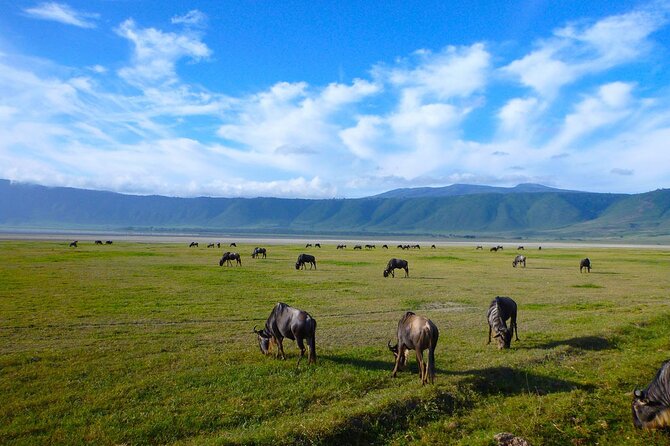
The final major wildlife outing takes place inside Ngorongoro Crater. After an early breakfast, you descend to the crater floor and spend about six hours looking for animals, with black rhinos as the prize sighting.
Rhinos are described as the hardest animals to find in the crater, so you should treat a sighting as good fortune rather than an expected result. The enclosed crater floor makes many animals easier to spot, and the scenery adds another layer to the drive. You may see a wide variety of wildlife in a relatively concentrated area, but the vehicle still has to cover ground and work with the conditions of the day.
After lunch, you continue the game drive before ascending to camp to pack for the return to Arusha. This is a full ending, not a light travel day. The crater drive, climb out, packing, and trip back can make the final day feel tiring, so plan to keep your evening in Arusha flexible.
The crater is an excellent final setting because it brings together the safari’s main themes: big animals, dramatic views, and a sense of being in a self-contained wild area. It also gives you one last chance to look for a species that is notoriously difficult to spot.
What mobile camping is really like
The camping equipment includes a sleeping bag and sleeping mattress. The tents are mobile, so the camp moves with the route rather than remaining in one permanent site. Meals and water are included, which removes two major daily worries, but you should still expect a simple outdoor routine.
This format suits you if you see the camp as part of the adventure. You will sleep in the wild, eat during a busy safari schedule, and may hear or see animals near camp. It is less suitable if you need a quiet room, soft bedding, or a predictable hotel bathroom every night.
The experience description notes hyenas around the Seronera campsite and active rangers nearby. That makes the camp feel exciting, but it also means you should take safety directions seriously. The presence of rangers is reassuring, not a reason to treat the campsite like an ordinary campground.
Pack lightly and practically. A sleeping bag and mattress are supplied, but the supplied information does not promise extra camping comforts. Comfortable clothes, sun protection, and a camera are sensible choices for long drives and outdoor meals.
The guide can shape the whole safari
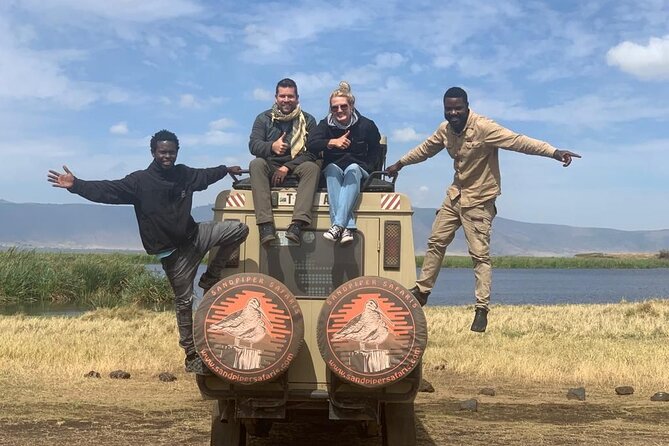
The guide named in the experience details is Abouh. His role matters because this safari includes long drives across several parks, repeated animal searches, and a tight schedule. You need someone who can explain what you are seeing, read the roads, and keep the group moving when time is short.
Abouh is described as friendly and helpful, with strong knowledge of animals, plants, and the roads through the parks. That combination is useful. Wildlife viewing is not just about finding an animal. It is also about understanding its behavior and knowing when to wait, when to move, and how to position the vehicle.
A shared group of up to 15 people can affect the guide’s attention. You may have to share viewing time and accept that not everyone wants the same amount of time at a sighting. The upside is the social side of a group safari and the lower price. Ask at booking how many people are expected on your departure if group size is important to you.
Long drives, early starts, and the real pace
This is a packed four days. The itinerary includes roughly six-hour game drives on each major safari day, plus transfers between parks and camps. The reward is a broad sample of northern Tanzania. The cost is limited downtime.
You should be comfortable sitting in a vehicle for extended periods, rising early, and adapting to a schedule shaped by park distances and animal activity. The route is not built around lazy afternoons at camp. It is built around seeing as much as possible in a short visit.
I like this pace for a first safari when you have limited time and want the three headline destinations. I would hesitate to choose it for a special anniversary, a family needing a slower rhythm, or anyone who dislikes roughing it.
The timing of the migration also matters. In the right season, you may see migration herds moving through the Serengeti, but the experience does not give a fixed season or guarantee a particular location. Ask about current migration conditions before you book if that is your main reason for going.
Who should book this safari
This trip fits you best if you want:
- A first safari covering the northern circuit highlights
- A shared, lower-cost alternative to a private vehicle
- Mobile camping instead of lodge accommodation
- Long game drives and early starts
- A chance to combine wildlife with an optional Maasai village visit
- Included meals, water, park fees, and basic sleeping equipment
It is less suitable if you want a private guide, a slow itinerary, high-end accommodation, or certainty about seeing the Big Five. The route gives you strong opportunities, not guarantees.
The airport pickup is offered, with the stated meeting point at Arusha Airport and a 7:30 a.m. start. Confirmation is sent at booking. Most people can participate, and the activity is near public transportation, but you should still clarify the pickup details if you are arriving elsewhere in Arusha.
Free cancellation is available if you cancel at least 24 hours before the local start time. Inside that window, the payment is not refunded, and late changes are not accepted. That is a useful safety net, but it does not remove the need to check your arrival plans carefully.
Should you book the four-day route?
I would book this safari if your priority is maximum park coverage for a controlled price. Tarangire gives you elephants and broad animal variety, Serengeti offers the strongest chance of a classic predator scene and sunset drive, and Ngorongoro adds a dramatic crater setting with a possible black rhino search.
I would not book it expecting luxury or an effortless schedule. Confirm the day three and day four arrangements, ask about the expected group size, and make sure you are happy with mobile tent camping before paying. If those points suit you, $950 buys a practical, wildlife-heavy introduction to Tanzania with the essentials already handled.
FAQ
How long is the safari?
The safari lasts approximately four days.
Where does the safari start?
The listed starting point is Arusha Airport in Arusha, Tanzania.
What time does the safari start?
The stated start time is 7:30 a.m.
Which parks and protected areas are included?
The route includes Tarangire National Park, Serengeti National Park, and the Ngorongoro Conservation Area, including a visit to Ngorongoro Crater.
Is the Maasai village visit included?
No. The village visit is optional and has an additional $20 entrance fee.
What is included in the price?
The price includes park entrances and taxes, a sleeping bag, sleeping mattress, meals, bottled water, airport transfer, four lunches, three dinners, and three breakfasts.
What is the cancellation policy?
You can cancel at least 24 hours before the experience start time for a full refund. Cancellations or changes made less than 24 hours before the start are not accepted for a refund.
More four day trips in Arusha
- 4 Days Join Group tour Tarangire Serengeti and Ngorongoro crater
★ 5.0 · 219 reviews - 4-Day Safari from Arusha: Tarangire, Serengeti and Ngorongoro
★ 5.0 · 173 reviews - 4 Days safari Tour Tanzania
★ 5.0 · 159 reviews - 4 Days Tarangire Serengeti Ngorongoro Crater
★ 5.0 · 117 reviews
Newly listed around Arusha
- 5-Day Private Safari Tour in Tanzania’s Wildlife★ 5.0 · 3 reviews
- 3 Days private safari Tarangire ,Ngorongroro crater &Manyara★ 5.0 · 3 reviews
- 3 Day Sharing Safari – Manyara, Ngorongoro Crater and Tarangire National Parks★ 5.0 · 3 reviews
- Tarangire National Park Day Trip★ 5.0 · 3 reviews
- 6 -Day Tarangire, Manyara, Serengeti & Ngorongoro★ 5.0 · 3 reviews
- 2 Days Tarangire and Ngorongoro Crater Tour★ 5.0 · 3 reviews
- 5 Days Group Camping Safari★ 4.7 · 3 reviews
- 7-Day Mt. Kilimanjaro Hiking: Machame Route★ 5.0 · 3 reviews
Arusha Tours, compared.

Balloon Safari & Bush Breakfast in Serengeti – Miracle Experience
Read our review →






Browse the lists this tour appears in