
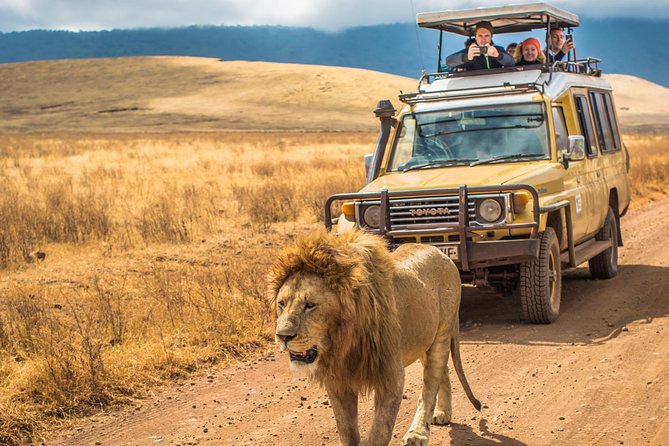
Reviewed · SERENGETI & NGORONGORO SAFARIS
4 Days Private Safari – Tarangire, Serengeti & Ngorongoro Crater
The best thing about this four-day safari is the variety packed into a short trip. You move from Tarangire’s baobabs and elephant herds to the open Serengeti plains, then finish among the dense wildlife of Ngorongoro Crater. I like the route because each park feels different, not like three versions of the same game drive.
I also like that the price includes park fees, camping gear, all meals, and pickup from your Arusha hotel. Past departures have featured guides and drivers such as Joseph, Penda, Miraji, Erasto, Bakari, and Waldo, with special praise for safe driving, animal spotting, and fresh cooking by guides such as David. The main drawback is the road time and basic camping. Four days is enough for a strong introduction, but it leaves little room for delays or a relaxed pace.
Key points at a glance
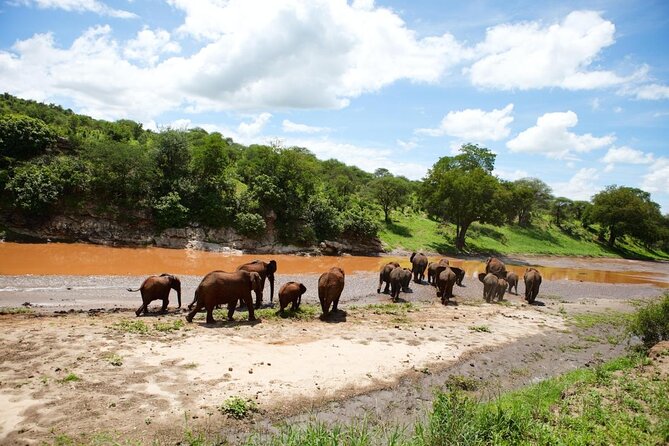
- Tarangire’s elephant country: Acacia woodland, giant baobabs, river areas, and southern swamps draw large numbers of animals in the dry season.
- Serengeti’s Seronera area: The central park offers a strong chance of seeing lions, cheetahs, hyenas, hippos, ostriches, and other wildlife near the Seronera River.
- Ngorongoro’s crater floor: A five-hour game drive takes you into one of Africa’s most concentrated wildlife areas, including a chance to spot black rhino.
- Camping is included: You sleep in waterproof two-person tents with mosquito nets, and meals and camping equipment are provided.
- Private booking format: The activity is described as private, with only your group participating, though group arrangements and shared vehicles have also been used on past departures.
- A value-focused price: At $1,500 per person, the package covers three major wildlife areas and full-board camping, but you should confirm the exact group setup and accommodation before paying.
Three major parks in four demanding days
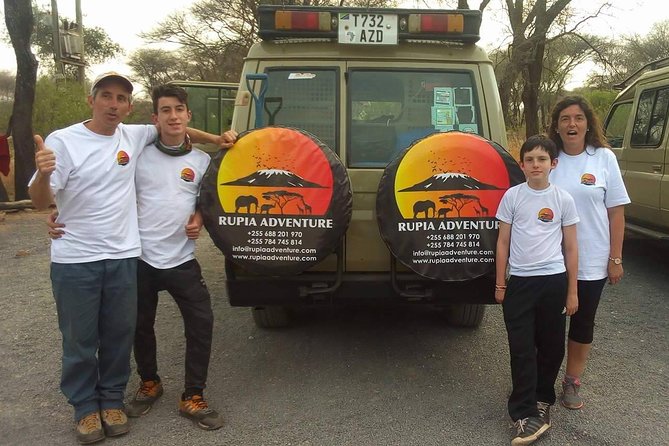
This is a fast-moving safari for someone who wants northern Tanzania’s headline sights without committing to a week or more. The route covers Tarangire National Park, Serengeti National Park, and Ngorongoro Conservation Area, with a final return to Arusha.
The schedule is built around game drives rather than long stays at camp. That means more wildlife territory, but also early starts, rough roads, picnic lunches, and long stretches in the safari vehicle. I would choose this plan for a first safari or a short Tanzania visit. If you prefer slow mornings, lodge comfort, or time to sit quietly in one place, four days may feel tight.
The listed cost is $1,500 per person. That is not a budget day trip, but it covers all park fees and taxes, three breakfasts, four lunches, three dinners, camping equipment, and the safari itself. Since the route includes two of Tanzania’s most famous wildlife areas plus Tarangire, the package can offer solid value for someone who wants the major highlights in one booking.
Tips are not included. Set aside money for your guide, driver, and cook if you feel the service deserves it. Also clarify the payment method and accommodation choice before departure. One past booking required cash, and another traveler paid extra to switch from camping to lodges.
More Safaris in Arusha
- Balloon Safari & Bush Breakfast in Serengeti – Miracle Experience
★ 5.0 · 1,646 reviews - 4 Days Group Camping Safari
★ 5.0 · 1,101 reviews - 5 Days Group Camping Safari
★ 5.0 · 730 reviews
Day 1: Tarangire’s baobabs and elephant herds
Pickup is listed at 8:30 AM from your hotel in Arusha, followed by the drive to Tarangire National Park. The park is a good opening act because its scenery changes quickly from woodland to open areas dotted with huge African baobabs.
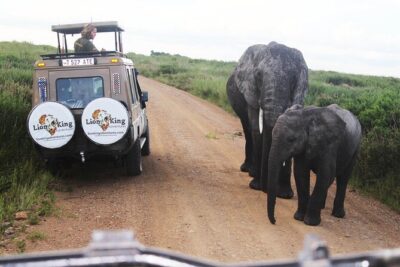
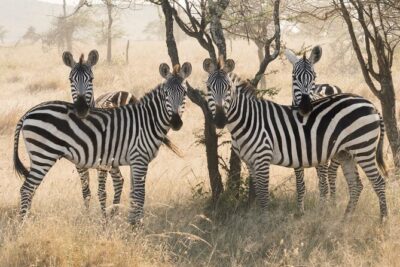
Tarangire is especially known for elephants. During the dry season, the Tarangire River and the park’s swamp areas draw animals toward dependable water and feeding grounds. You may also see buffalo, giraffes, zebras, wildebeest, and many bird species, although exact sightings always depend on season, weather, and the skill of the guide.
The park is also linked with less common species such as greater kudu, fringed-eared oryx, and Ashy starling. These are not guaranteed sightings, but they add interest for anyone who enjoys more than simply ticking off the Big Five.
You spend the day on a game drive with a picnic lunch. That format gives you more time inside the park than a short morning visit, but it also means you should be ready for dust, heat, and uneven roads. The safari is done from a vehicle, and the road itself can be bumpy. One piece of direct feedback described the ride as rough, so anyone with back problems should think carefully about the pace and vehicle time.
Tarangire is a smart first stop. The elephant herds give you a strong chance of seeing large animals early in the trip, while the baobabs make the park visually distinct from the Serengeti. By evening, you camp at a public campsite inside or outside the parks, depending on the arrangement for your departure.
Day 2: From Karatu highlands to the Serengeti
After breakfast, you travel through the farmland around Karatu and the Ngorongoro Conservation Area before descending toward the Serengeti. This is one of the longest and most scenic transfer days, so the route matters as much as the afternoon game drive.
The change in scenery is part of the appeal. The highland farmland gives way to broad open plains, and the Serengeti seems to stretch toward the horizon. The central Seronera area is the target for the day. Its river provides a valuable water source, which helps draw a wide range of animals.
You are scheduled to arrive in time for lunch, then head out for an afternoon game drive. Seronera is a strong area for predator sightings, with possible lions, cheetahs, hyenas, jackals, and leopards. It also supports herbivores and birds, so your guide may spend time watching animal behavior rather than simply driving from one famous sight to the next.
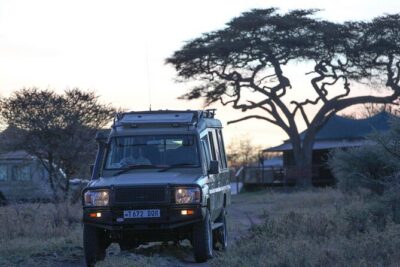
This is where the quality of the guide matters most. Past departures have praised Joseph for careful driving and persistent animal spotting, Penda for explaining animals, birds, and trees, and Bakari for keeping the group informed while handling the roads. Those names do not guarantee who will lead your safari, but they show the type of guide you should hope to receive: a safe driver who can explain what you are seeing and communicate with other vehicles.
Do not treat a Big Five promise as a guarantee. Lions and elephants can be common in the right areas, while leopards and rhinos are harder to find. Some past departures saw all five, while another saw four. That is an excellent result, but nature does not follow a checklist.
Camping in the Serengeti adds a real sense of place, though it is not a lodge safari. You sleep in waterproof two-person tents with mosquito nets. The tents are practical rather than luxurious, and one past departure used small mattresses on the ground. Ask in advance what bedding is supplied and how the campsite is arranged if you need more comfort.
Day 3: A final Serengeti drive and Maasai conservation country
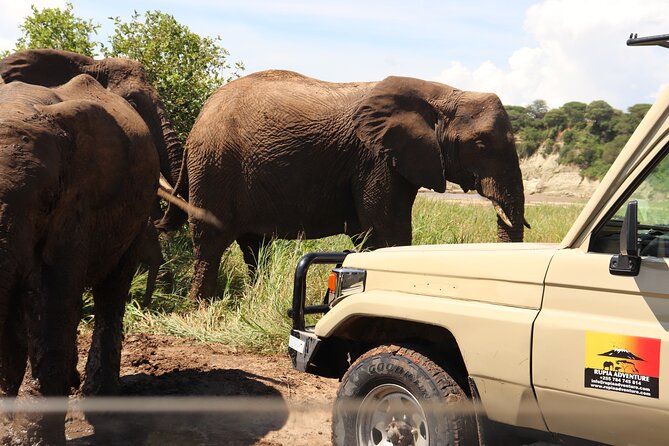
Day three begins with an early breakfast and a last morning game drive in the Serengeti. This is a worthwhile use of the morning because animals are often active early, and you get one more chance to search the Seronera area before leaving.
The drive then continues toward Ngorongoro Conservation Area, with game viewing along the way and a picnic lunch. The transfer can be tiring, but it gives you another chance to see wildlife outside the main park roads.
Ngorongoro is different from a national park. The area is managed for wildlife and local Maasai communities, whose cattle graze alongside indigenous animals. That shared use gives this part of the trip a wider meaning. You are not only passing through a wildlife viewing zone. You are seeing a place where conservation and pastoral life exist side by side, with practical tensions and compromises built into daily life.
The wording for this day mentions a Maasai-managed conservation area, not a guaranteed village visit. If meeting Maasai residents is important to you, ask if a village visit is part of your specific departure and if it costs extra. Do not assume it is included simply because you pass through the conservation area.
This night is another public campsite inside or outside the parks. At this stage, the simple setup may feel more tiring than exciting. You have already spent two full days on rough roads and will need an early start for the crater. Still, camping keeps the package price lower than a lodge-based safari and places you close to the next morning’s route.
More Serengeti and Ngorongoro itineraries:
- 3 Days Serengeti & Ngorongoro Group Camping Safari
★ 5.0 · 574 reviews - 5-Day Highlights mid-Range Crater, Serengeti, Tarangire
★ 5.0 · 296 reviews - 3-Day Classic Serengeti Safari
★ 5.0 · 263 reviews - Private 6-Day Tarangire Manyara Crater and Serengeti with Mid-Range Lodges
★ 5.0 · 238 reviews
Day 4: Five hours inside Ngorongoro Crater
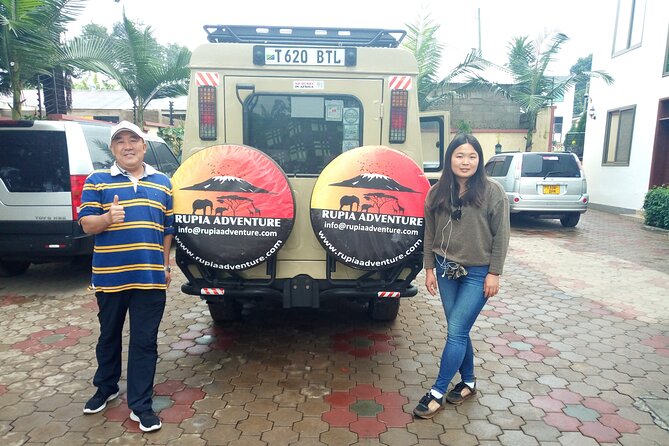
After breakfast, you descend into Ngorongoro Crater for about five hours of game viewing. The crater is the grand finale because its enclosed floor holds a dense mix of wildlife supported by water and grazing.
You may see wildebeest, zebra, buffalo, eland, warthogs, hippos, and elephants. Predators include lions, hyenas, jackals, cheetahs, and possibly the elusive leopard. The crater also offers a chance to spot one of Tanzania’s remaining black rhinos, though no guide can promise a sighting.
The five-hour drive gives your guide time to search different areas rather than rushing through. You stop for a picnic lunch on the crater floor, a practical arrangement that keeps the day inside the conservation area.
The crater is a fitting finish, but it can also be busy with safari vehicles. That is the trade-off for one of Tanzania’s most famous wildlife locations. Your experience depends on where animals are, how many vehicles are nearby, and how well your guide handles the timing.
Late in the afternoon, you drive back to Arusha and are dropped at your hotel. This final transfer makes day four long. If you have a flight that evening, do not book it without confirming the expected return time and allowing a wide margin for road delays.
Camping, meals, and what the price really covers
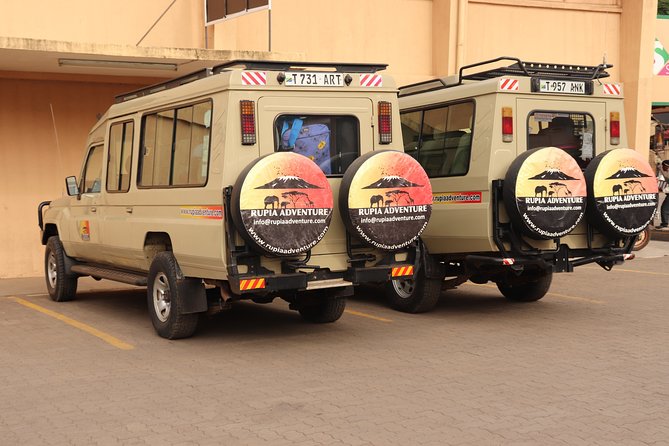
The package includes three breakfasts, four lunches, and three dinners. Meals are prepared as part of the camping setup, and past departures specifically praised David’s fresh cooking and daily meals. That can make a major difference after hours on dusty roads.
The included equipment is waterproof two-person tents with mosquito nets, plus camping gear. This is useful for someone who wants a proper safari without buying or carrying a full camping kit. It is not the same as staying in a permanent tented camp with a private bathroom, electricity, or a soft bed.
The accommodation description allows public campsites inside or outside the parks. Because that detail can affect comfort and daily driving, ask where each night will be spent. Also confirm whether the booking is camping only or if a lodge upgrade is available at an extra cost.
At $1,500 per person, the value comes from the combination of three major destinations, park charges, meals, a guide, transport, and equipment. The value is weaker if you expect luxury or private lodge rooms. It is stronger if you want to cover the classic northern Tanzania route and are comfortable with basic nights under canvas.
The guide and vehicle can shape the whole safari
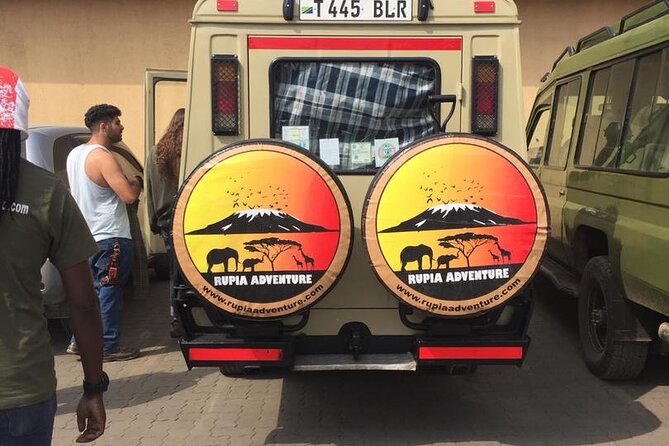
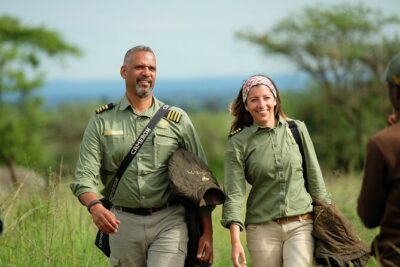
A safari guide is not just a driver. He or she decides how long to stay at a sighting, explains animal behavior, watches the road, and chooses where to search next. Past departures singled out Joseph, Penda, Miraji, Erasto, Bakari, and Waldo for safe driving, animal spotting, explanations, and good spirits.
There is also a practical warning. One departure had serious complaints about a vehicle in poor condition, repeated stops, weak equipment, and disorganized logistics. That is a reason to ask direct questions before booking: How old is the vehicle? How many people will ride in it? Is there a backup plan for a breakdown? Who is the assigned guide?
The experience is advertised as private, with only your group participating. At the same time, past arrangements included a group of 12 in two safari vehicles, and another departure joined a second couple to make six people. These may reflect different booking formats, but you should confirm the exact setup in writing. A private vehicle gives you more control over stops and timing. A shared arrangement may reduce the price but can limit flexibility.
The listed meeting information gives a start time of 12:30 AM, while the itinerary says hotel pickup at 8:30 AM. That is a major detail to resolve before departure. The 8:30 AM pickup fits the first day as written. The midnight time may be a booking-system error or may refer to a different meeting arrangement.
Who should book this four-day route?
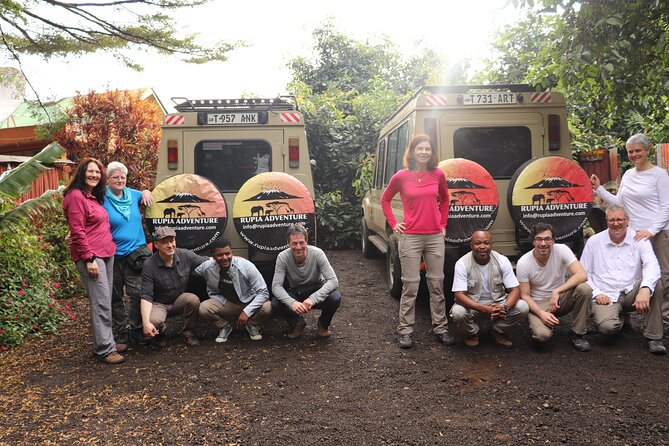
I would recommend it to you if you want the main northern Tanzania parks in a compact schedule and do not mind basic camping. It suits first-time safari visitors who want a serious wildlife route rather than a short park excursion.
It also works for people who value the full-board format. With meals, equipment, fees, and pickup included, you have fewer arrangements to make once the safari begins. The private booking format may suit couples, families, or friends who want their own group, provided that point is confirmed.
I would be cautious if you need reliable luxury, dislike long drives, or have only one free day after returning to Arusha. The combination of rough roads, early breakfasts, picnic lunches, and campsite nights asks for flexibility.
The trip can also suit wildlife photographers, but four days gives you limited control over light and location. The route is designed to see a lot, not to wait for one perfect photograph. If your main goal is the Serengeti migration, ask about the travel month and animal locations before paying, since the itinerary does not promise a particular migration sighting.
Booking advice before you pay
Confirm these points with Rupia Adventure:
- The actual pickup time, since 8:30 AM and 12:30 AM are both shown.
- Whether your booking is fully private or combined with another group.
- The number of people in the vehicle.
- The exact campsites and what bedding is included.
- The possibility and cost of a lodge upgrade.
- The assigned guide and vehicle condition.
- The payment method, especially for a last-minute booking.
- Whether any Maasai village visit is included, if that is important to you.
You can cancel for a full refund if you cancel at least three full days before the local start time. Cancellations inside that window are not refunded, and late changes are not accepted. Poor weather or failure to meet the minimum number of participants can lead to a different date, another activity, or a full refund.
Should you book it?
Book this safari if you want maximum wildlife variety in four days and are happy to trade lodge comfort for included camping, meals, and a route through three famous northern Tanzania destinations. Tarangire gives you elephants and baobabs, Serengeti gives you open plains and predator country, and Ngorongoro provides a concentrated final game drive.
I would book only after confirming the pickup time, vehicle, group size, and campsite details. If those answers are clear, the tour offers a practical way to see the northern circuit at a fixed price. If comfort and a slow pace matter more than covering ground, choose a longer lodge safari instead.
FAQ
Where does the safari start?
The safari starts in Arusha, Tanzania, with pickup offered from your hotel.
How long does the safari last?
The safari lasts four days.
Which parks and conservation areas are included?
The route includes Tarangire National Park, Serengeti National Park, and the Ngorongoro Conservation Area, including a game drive inside Ngorongoro Crater.
Is the safari private?
The activity is described as private, with only your group participating. Past departures have also used shared group arrangements, so confirm the exact format for your booking.
What type of accommodation is included?
Accommodation is in waterproof two-person tents with mosquito nets at public campsites located inside or outside the parks.
Are meals included?
Yes. The package includes three breakfasts, four lunches, and three dinners.
Are park fees and taxes included?
Yes. All fees and taxes are included in the listed package.
Is a Maasai village visit included?
The route passes through the Ngorongoro Conservation Area, which is managed for wildlife and local Maasai communities. A separate village visit is not specifically listed as included.
What is the cancellation policy?
You can receive a full refund if you cancel at least three full days before the local start time. Cancellations or changes made less than three full days before departure are not accepted for a refund.
More four day trips in Arusha
- 4 Days Join Group tour Tarangire Serengeti and Ngorongoro crater
★ 5.0 · 219 reviews - 4-Day Safari from Arusha: Tarangire, Serengeti and Ngorongoro
★ 5.0 · 173 reviews - 4 Days safari Tour Tanzania
★ 5.0 · 159 reviews - 4 Days Tarangire Serengeti Ngorongoro Crater
★ 5.0 · 117 reviews
Newly listed around Arusha
- 5-Day Private Safari Tour in Tanzania’s Wildlife★ 5.0 · 3 reviews
- 3 Days private safari Tarangire ,Ngorongroro crater &Manyara★ 5.0 · 3 reviews
- 3 Day Sharing Safari – Manyara, Ngorongoro Crater and Tarangire National Parks★ 5.0 · 3 reviews
- Tarangire National Park Day Trip★ 5.0 · 3 reviews
- 2 Days Tarangire and Ngorongoro Crater Tour★ 5.0 · 3 reviews
- 6 -Day Tarangire, Manyara, Serengeti & Ngorongoro★ 5.0 · 3 reviews
- 5 Days Group Camping Safari★ 4.7 · 3 reviews
- 7-Day Mt. Kilimanjaro Hiking: Machame Route★ 5.0 · 3 reviews
Serengeti & Ngorongoro Safaris, compared.
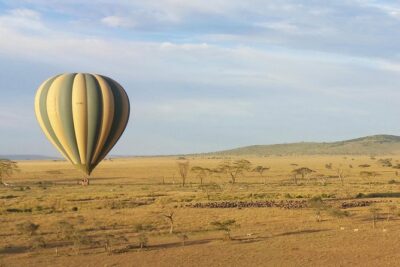
Balloon Safari & Bush Breakfast in Serengeti – Miracle Experience
Read our review →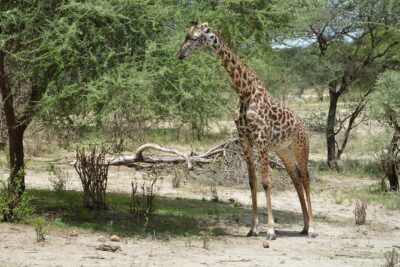

Private 6-Day Tarangire Manyara Crater and Serengeti with Mid-Range Lodges
Read our review →
5 Days Camping Tarangire, Serengeti & Ngorongoro crater & Visiting Maasai
Read our review →Browse the lists this tour appears in