
Reviewed · ZANZIBAR TOURS
Zanzibar: Walking Spice Tours with Guide
Zanzibar’s best-known flavors make more sense when you see them growing. On this three-hour walk from Stone Town, you follow a guide through Tangawizi Spice Farm, a local shamba where cloves, vanilla, cinnamon, turmeric, lemongrass, black pepper, and tropical fruit grow among the trees. The useful part is not just smelling a packet of spice in a shop. You get to match the scent and taste with the living plant.
I like the hands-on tasting and the chance to see familiar kitchen ingredients in their natural form. I also like the simple logistics: hotel pickup, entrance, and a guide are included, and private groups are offered. The main caution is that the outing can feel more like a plant walk with shopping than a full working-plantation visit, and some participants found the tip requests and sales stop uncomfortable.
Key points at a glance
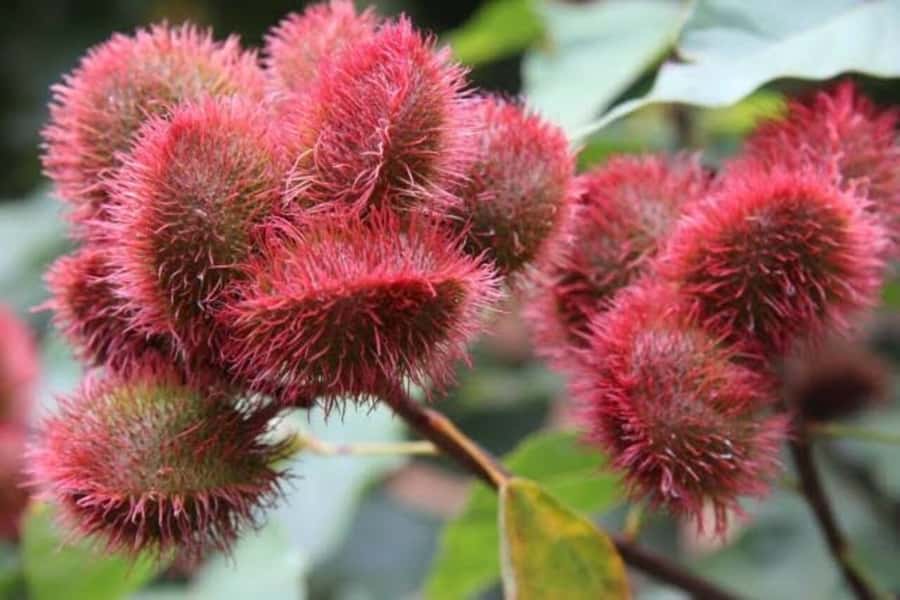
- Tangawizi Spice Farm: Walk through a working shamba near Stone Town and see spices, herbs, and fruit growing in the ground and on trees.
- Many tastings: Expect cloves, lemongrass, nutmeg, cinnamon, turmeric, vanilla, coconut, papaya, chili, black pepper, jackfruit, cardamom, cassava, oranges, and other produce.
- Guides by language: English, German, French, and Italian are available. Guides named in the supplied information include Omar, Rajem, and Pietro.
- Three hours, including transport: The outing begins and ends in Stone Town, with pickup and drop-off at hotels there.
- Private group format: You are not placed in a large shared group, though additional farm staff may join the walk.
- Shopping at the end: The final stop is a cash-only spice stall selling fresh, packaged spices. Food and drinks are not included.
Why Zanzibar’s spice farms matter
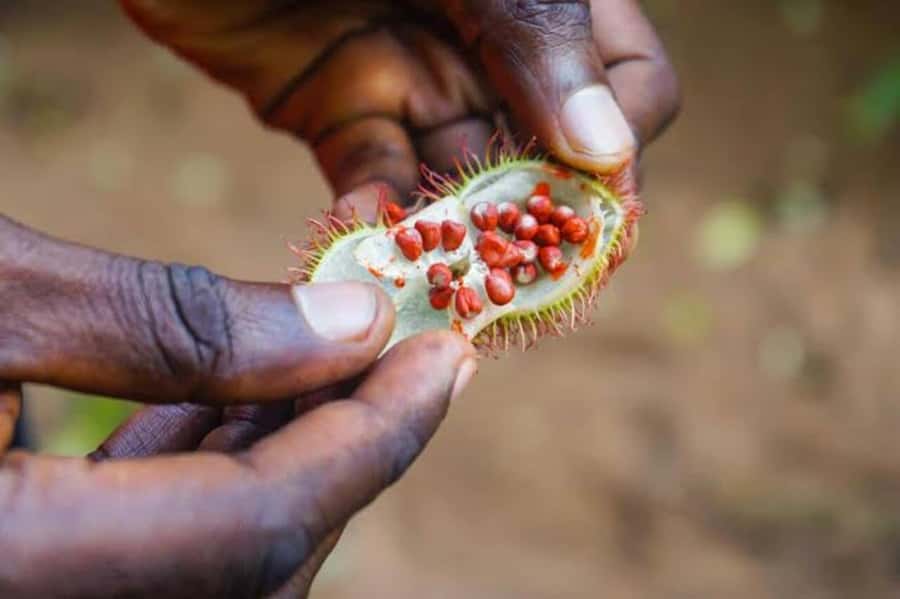
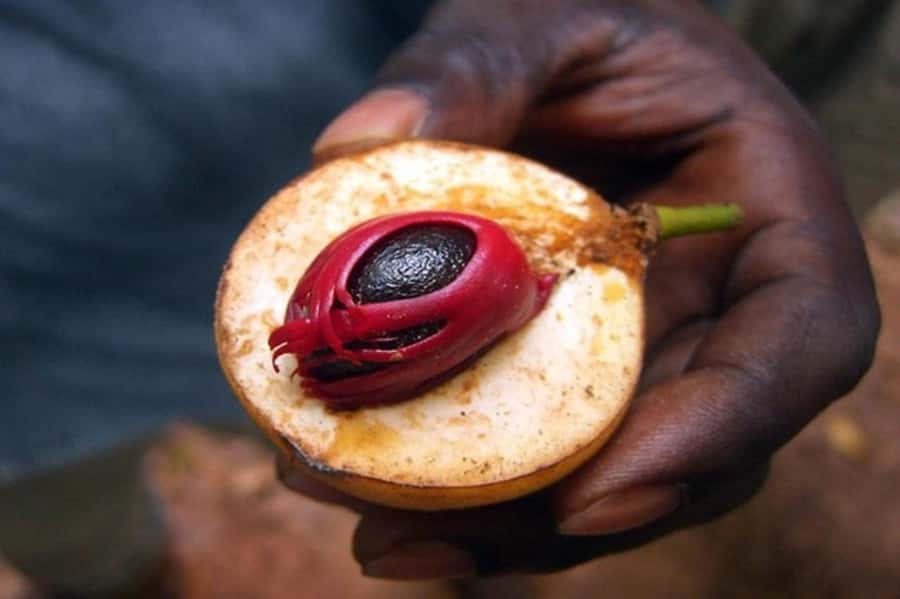
Zanzibar earned its nickname, Spice Island, through centuries of spice growing and trade. Cloves, nutmeg, and cinnamon were especially important, and those crops remain part of the island’s identity. A farm walk gives you a small, practical window into that world without asking you to spend a full day away from Stone Town.
The visit is most useful for putting names and shapes together. Cinnamon is not simply a brown stick in a cupboard. Vanilla is not only a flavor in ice cream. Here, you may see the plant, smell the ingredient, and taste related fruit or herbs while a guide explains how they are cultivated.
The farm is described as organic and offers a wide range of plants throughout the year. That does not mean every crop will be at the same stage during your visit. Growing conditions and the season affect what is flowering, fruiting, or ready to harvest, so treat the walk as a broad introduction rather than a guaranteed harvest tour.
More Walking Tours in Zanzibar
- Stone Town Private Walking Tour
★ 5.0 · 371 reviews - Zanzibar: 3 Hours Private Stone Town walking Tour with Guide
★ 4.6 · 301 reviews - Zanzibar: Stone Town Historical Cultural Walking Guided Tour
★ 4.5 · 179 reviews
Leaving Stone Town for Tangawizi Spice Farm
Pickup is included from any hotel in Stone Town. The drive to the farm takes about 30 minutes according to the supplied tour details, so allow for transport within the three-hour outing. That leaves roughly two to two and a half hours for the walk, explanations, tastings, and the final sales stop.
This short transfer works well if you are staying in Stone Town and want an easy half-day activity. You do not need to arrange a taxi or find the farm yourself. It also makes the tour a practical choice on a day when you want to return to town for lunch or more sightseeing.
The private-group format is another plus. A smaller party should make it easier to hear the guide and ask questions. Still, private does not necessarily mean you will be alone with one guide. Extra farm workers or assistants may take part, particularly during demonstrations and tastings.
A French-language description of the outing says the farm was about 30 minutes from the hotel and that Omar, assisted by Rajem, led the group through the plants. Pietro is another guide named in the supplied information. Since guides can vary, you should confirm your preferred language and guide arrangements when booking.
Reading the farm one plant at a time
The walk is the heart of the experience. You move through the shamba on foot while the guide points out spices, herbs, fruit trees, and crops. This is not a museum with labels beside every display. You rely on the guide to explain what you are seeing and how the plants are used.
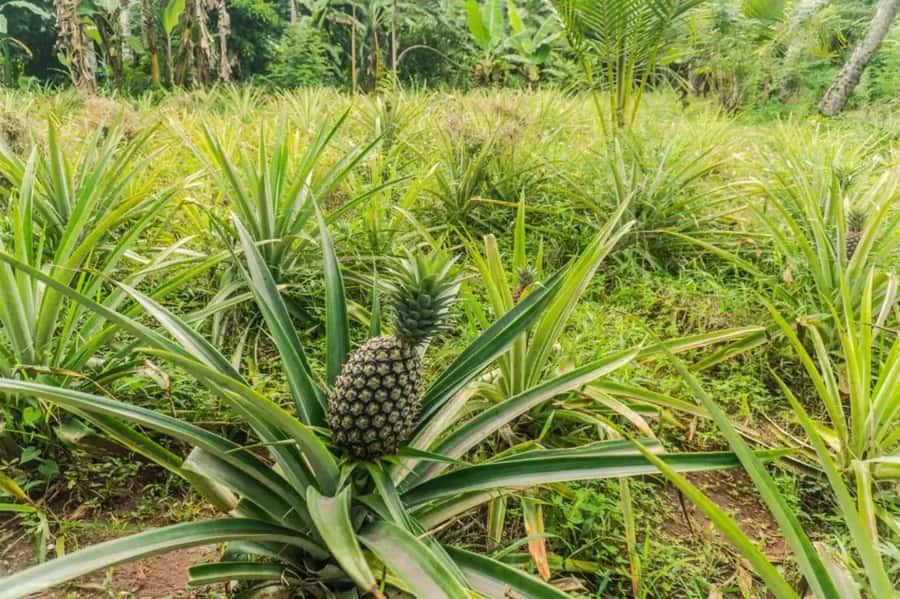
The range is impressive for a short visit. The tour includes cloves, lemongrass, nutmeg, cinnamon, turmeric, vanilla, coconuts, papaya, chili, black pepper, jackfruit, cardamom, cassava, and oranges. Other fruit mentioned in the supplied information includes pineapple, guava, and avocado.
Some items are particularly good for a sensory walk. Cloves and black pepper have strong scents that are easy to recognize once the guide brings them to your attention. Turmeric gives you a look at the source of a familiar yellow spice, while lemongrass offers a fresh, citrusy smell. Vanilla and cinnamon are likely to interest cooks and anyone curious about how common pantry items begin.
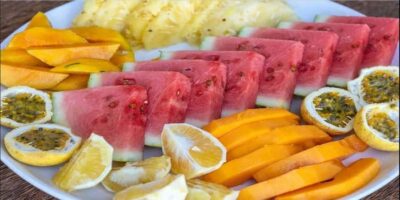
The fruit adds variety. Seeing coconut, papaya, jackfruit, citrus, or cassava growing changes the pace from a list of spices to a broader look at tropical agriculture. A fresh-fruit tasting at the end of the walk is included in the described experience, and it can be one of the most enjoyable parts of the visit.
The guide makes a major difference here. Some people found the explanations informative and full of useful facts about the island. Others felt the guide relied too heavily on a memorized script and struggled with follow-up questions, even in English or German. If you are keen on botany or farming, ask questions early and clearly. This helps you learn how much detail your guide can provide.
The tasting is more than a photo stop
The smell-and-taste element gives the tour its point. You are not only looking at leaves and trees. You are invited to handle, smell, and taste spices, herbs, and tropical fruit. That makes the experience accessible even if you are not especially interested in farming.
A fresh fruit tasting is described as part of the finish. Food and drinks are not otherwise included, so do not expect a meal. The tasting is a small sample, not a replacement for lunch, and you should plan your next meal separately.
Bring water for the walk, even though drinks are not included. Comfortable shoes matter because this is a walking tour on a farm rather than a paved indoor attraction. A camera is also listed as something to bring, though ask before photographing people or private farm activity.
A change of scene while you are in Zanzibar:
- From Zanzibar: Mikumi Safari Day Trip with Flights and Meal
★ 4.7 · 1,470 reviews - Zanzibar: Quad Bike Adventure departing from Kendwa or Nungwi
★ 4.9 · 1,233 reviews - Zanzibar: Stone Town, Spice Tour, Prison Island with Lunch
★ 4.4 · 1,219 reviews - From Kendwa: Mnemba Boat Trip and Dolphin Snorkel Adventure
★ 4.8 · 1,043 reviews
Where the plantation visit may fall short
You should set your expectations carefully. This experience shows you spice plants, but it may not provide a full lesson in processing. The supplied information does not promise detailed demonstrations of drying, sorting, packaging, or exporting. If you want to study the complete journey from crop to market, this short walk may feel limited.
The scale can also be less grand than the word plantation suggests. One participant felt that little of the claimed farm area was visible and that the route covered only a small section. Since many spice farms operate close together in the region, you may spend most of your time in a compact part of the property.
The final sales stop is another point to consider. The tour ends at a spice stall selling fresh packaged spices, and payment is cash only. Buying is optional, but the transition from farm walk to sales pitch may feel strong. Some people enjoyed the chance to take Zanzibar flavors home. Others felt the outing was too focused on selling.
The supplied details say tips for farm workers are already included, so you should not need to worry about tipping them. However, some participants reported being asked for tips more than once, including for a guide, an assistant, and a worker who climbed a palm without being asked. To avoid awkwardness, clarify the tipping arrangement at the start and carry only the cash you intend to spend.
What the three-hour schedule really gives you
The advertised duration is three hours, but that includes pickup, the drive, the farm visit, and the return to Stone Town. A French-language account described about two hours of walking, while another account put the whole outing at no more than two and a half hours including driving.
That timing is not necessarily a problem. A spice farm is best taken at an unhurried pace, and most people do not need a full day to smell a dozen spices and sample fruit. But if you expect three complete hours on the farm, you may be disappointed.
The route is straightforward:
- You are collected at your Stone Town hotel.
- You drive to Tangawizi Spice Farm.
- A guide leads you on foot through the farm.
- You see and smell spices, herbs, fruit, palms, and other crops.
- You taste selected spices and fresh tropical fruit.
- You stop at a cash-only spice stall.
- You return to Stone Town.
The private format gives you more control than a large group tour, at least in principle. You can ask for more explanation about a plant or move on when the sales portion begins. Still, the actual pace depends on your guide and on how many assistants take part.
Is $35 a fair price?
At $35 per person, the price is reasonable if you value convenience and a short introduction to Zanzibar’s crops. Hotel pickup and drop-off from Stone Town, the entrance fee, a live guide, and the private-group setup are included. Those extras reduce the time and hassle of arranging the visit independently.
The value is strongest for first-time visitors who want a taste of the countryside without committing to a long excursion. The tour also works well for food lovers, families with older children who can walk comfortably, and anyone who has already explored Stone Town and wants a change of setting.
The value is weaker if you are mainly seeking a serious agricultural tour. The experience may not show large parts of the farm or explain drying and processing in depth. You also need to account for the possibility of a shopping stop that feels longer than you want.
I would judge the price by your aim. For a convenient sensory introduction with transport, $35 is fair. For detailed plantation study, ask before booking exactly how much of the farm you will see and what processing demonstrations are included.
Who should book this walk
I would recommend it to you if you want:
- A manageable half-day outing from Stone Town
- A private group rather than a large shared party
- A guide in English, German, French, or Italian
- Plenty of plant identification and sensory moments
- Fresh tropical fruit and the option to buy packaged spices
- A simple way to connect Zanzibar’s food culture with the crops themselves
You may want a different activity if you have back problems, use a wheelchair, or need an outing designed for babies under one year. The experience is specifically marked as unsuitable for those groups, and the farm walk requires comfortable footwear.
The stated age restriction also excludes people over 95. No other age limit is provided, but you should be comfortable walking around a farm for part of the outing.
Practical advice before you go
Wear shoes that you can walk in comfortably. The tour takes place on foot at a farm, and the supplied information does not promise paved paths or seating throughout.
Bring a camera and cash. The camera is useful for recording plants you may want to identify later, while cash is required at the spice stall. Food and drinks are not included, so arrange your own meal and bring water.
Confirm the language you want when reserving. English, German, French, and Italian are available. If you care about detailed answers, ask whether the guide can explain cultivation and processing, not only identify the plants.
The tour offers free cancellation up to 24 hours before the start for a full refund. You can also reserve and pay later, which helps if your Stone Town plans may change.
Should you book the Zanzibar spice walk?
Book it if you want a convenient, sensory introduction to Zanzibar’s spice culture. The plant variety is the main draw, and the chance to smell cloves, lemongrass, vanilla, cinnamon, turmeric, pepper, and tropical fruit where they grow is more useful than simply browsing a spice shop in town. The included transport and private format add real value.
Go in with modest expectations. This is not guaranteed to be a long plantation trek or a detailed study of drying and processing. The guide quality can vary, and the final spice stall plus possible tip requests may not suit everyone.
My advice is to book this tour for the plants, explanations, and fruit tasting, not for the shopping. Clarify the guide language, ask about the route, and confirm the tipping policy at the beginning. If that sounds like the right balance, $35 is a practical way to spend a few hours outside Stone Town.
FAQ
How long does the Zanzibar walking spice tour last?
The advertised duration is three hours, including pickup, transport, the farm visit, and the return to Stone Town. The walking portion may be closer to two hours.
Where does the tour start?
Pickup is available from any hotel in Stone Town. The tour returns to Stone Town after the farm visit.
Which farm does the tour visit?
The itinerary includes Tangawizi Spice Farm in the Unguja South Region of Zanzibar.
What plants and spices can I see?
You may see cloves, lemongrass, nutmeg, cinnamon, turmeric, vanilla, coconuts, papaya, chili, black pepper, jackfruit, cardamom, cassava, oranges, pineapple, guava, and avocado.
Are food and drinks included?
Food and drinks are not included. A tasting of fresh tropical fruit is described as part of the farm experience.
Is the spice stall included in the tour?
The tour ends with a stop at a stall selling fresh packaged spices. Purchases are optional, and the stall accepts cash only.
Which languages are available?
Live guides are available in English, German, French, and Italian. Guides named in the supplied information include Omar, Rajem, and Pietro.
Is hotel transportation included?
Yes. Hotel pickup and drop-off from Stone Town are included, along with the entrance fee and tour guide.
Can I cancel the tour for a refund?
You can cancel up to 24 hours in advance for a full refund. The activity also offers a reserve-now, pay-later option.
Newly listed around Zanzibar
- Zanzibar: Nungwi/Kendwa Beach Sunset Dhow Cruise with Fruits★ 3.4 · 3 reviews
- Prison Island, Sea Turtles, Rock Restaurant & Relax in Beach★ 4.6 · 3 reviews
- Starfish Beach; The Rock; Kuza Cave; Paje Beach; Salaam Cave Tour★ 4.5 · 3 reviews
- Zanzibar: Half-Day Spice Farm Tour,the flavours of Zanzibar★ 4.7 · 3 reviews
- Joazani forest & Spice farm with lunch★ 5.0 · 3 reviews
- Nakupenda Island Snorkeling Sea trip & Lunch W/Transfer -Zanzibar★ 4.0 · 3 reviews
- Mnemba Island Snorkeling and Dolphin tour★ 5.0 · 3 reviews
- Zanzibar:Jozani forest, Spice farm with Swahili Cuisine clas★ 4.2 · 3 reviews
Zanzibar Tours, compared.







Browse the lists this tour appears in