
Reviewed · STONE TOWN TOURS
Zanzibar: Spice tour + Stone Town Walking tour
Stone Town’s story makes more sense when you pair its spice plantations with its old streets. The same island known for cloves, vanilla, cinnamon, and nutmeg was also shaped by Persian, Portuguese, Omani Arab, and British influence, as well as the slave trade. This six-hour tour connects those two sides of Zanzibar in one day.
I like the private format, since you can ask questions and, as guide Mu did for one booking, use spare time for extra explanations about Swahili life. I also like the human butterfly performance, a coconut climber who sings Hakuna Matata from the top of the tree. The main drawback is the pace: six hours covering a plantation and several Stone Town sights can feel full, and food is not included.
Key points to know before booking
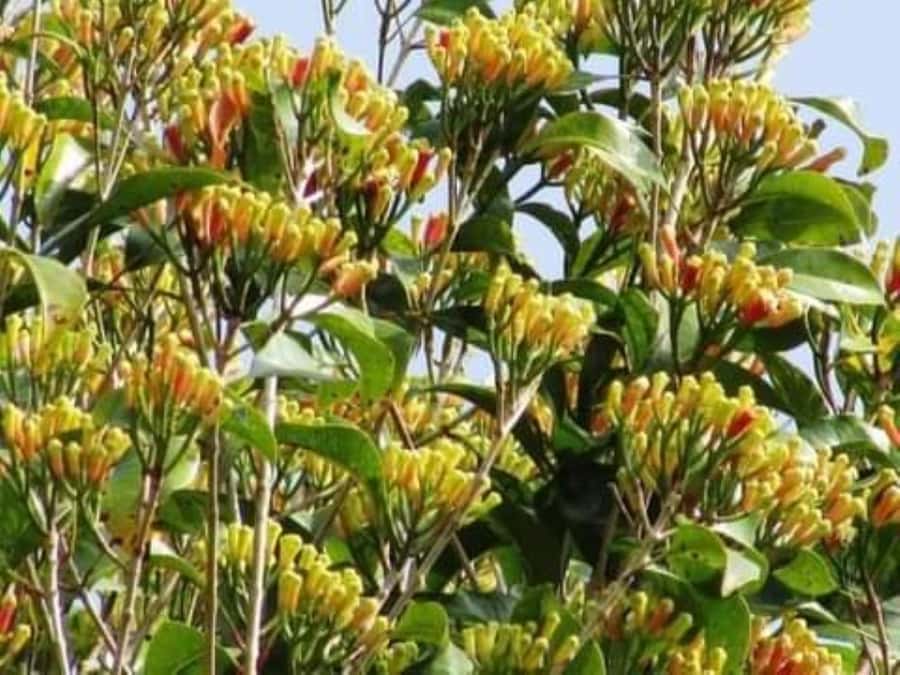
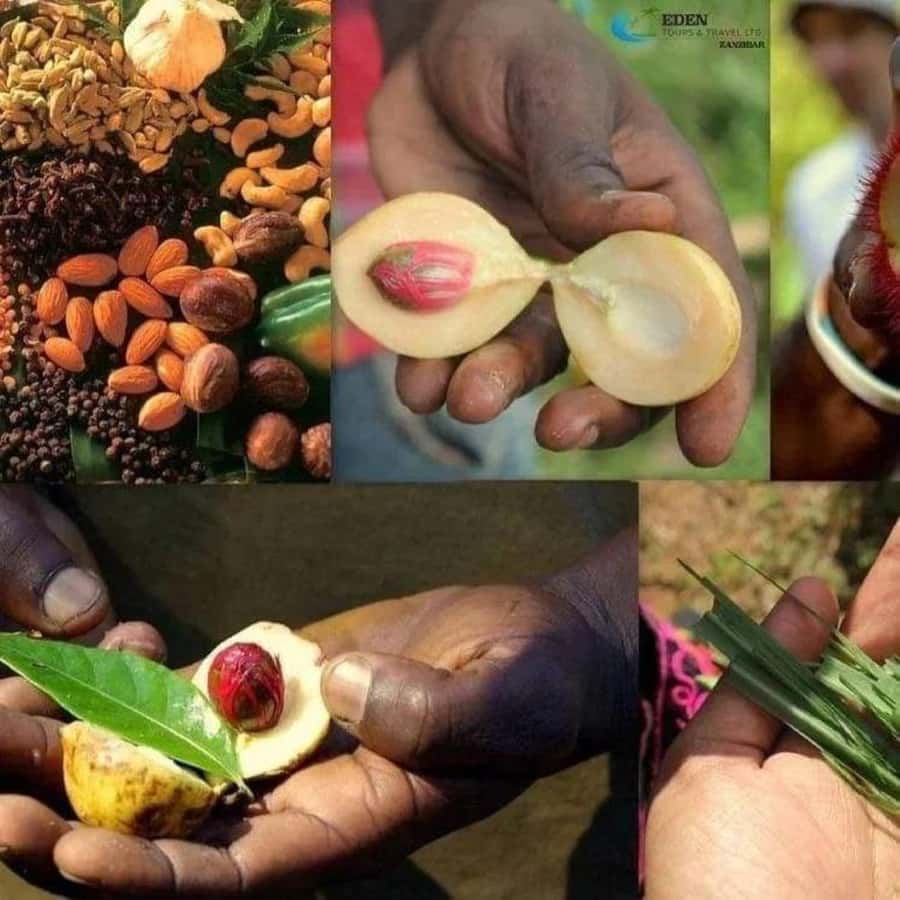
- Taste and smell Zanzibar’s working spices: See cinnamon, cardamom, black pepper, chili, ginger, vanilla, lemongrass, lemon mint, turmeric, nutmeg, and cloves growing at a spice farm.
- Hear the difficult story of the slave trade: The Stone Town walk includes the old slave market site and explains Zanzibar’s role in the trade during the 17th and 18th centuries.
- Meet the human butterfly: Watch a coconut climber reach the top of a palm while singing Hakuna Matata.
- Visit Stone Town’s main historic sights: The route includes Darajani fish market, Freddie Mercury’s house, the House of Wonders, and the Old Fort.
- Travel with a private guide: English, French, and German guiding is available, with hotel pickup and drop-off included.
- Plan for a busy half-day: The tour lasts six hours, and meals and personal expenses are extra.
Why the spice farm belongs beside Stone Town
Many Zanzibar tours split the island’s natural and historical sides into separate outings. This one puts them together. That matters because spices are not just a pleasant stop for photographs and samples. They help explain why Zanzibar became important to outside powers.
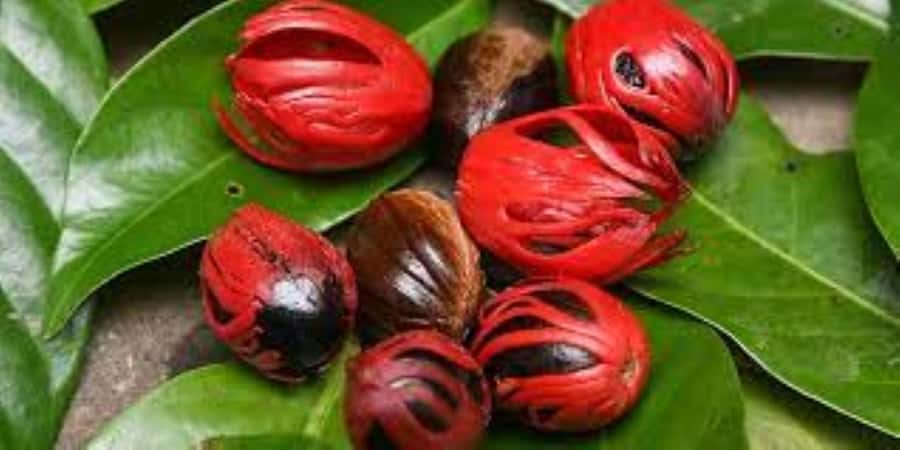
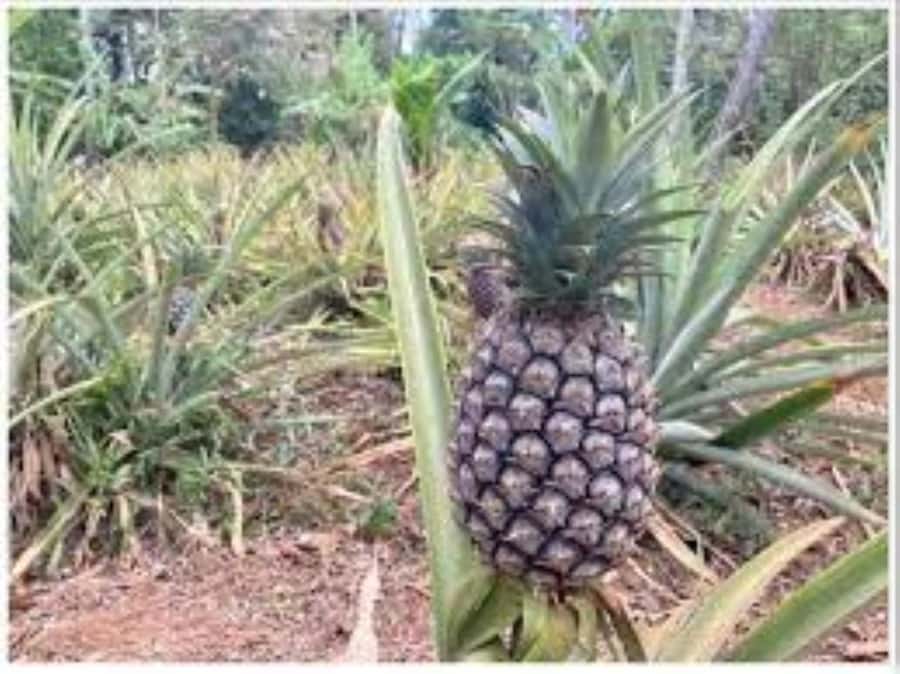
At the plantation, you walk through an area where tropical plants are grown and learn how they are used. The focus is hands-on: you can see the plants, smell them, and taste some of the fruits and spices. Cinnamon, cardamom, black pepper, chili, ginger, vanilla, lemongrass, lemon mint, turmeric, nutmeg, and cloves are all part of the visit.
I like this approach more than simply seeing bags of finished spice in a shop. A vanilla stick looks ordinary until you connect it to the plant. Cloves and cinnamon also become easier to remember once you have seen and smelled them in their natural setting.
The plantation portion is also useful if you want a short break from Stone Town’s packed streets. You get nature, open space, and a chance to pay attention to scent. On the other hand, the experience is not described as a cooking class or a full meal, so you should not expect a long food-focused session.
More Walking Tours in Zanzibar
- Stone Town Private Walking Tour
★ 5.0 · 371 reviews - Zanzibar: 3 Hours Private Stone Town walking Tour with Guide
★ 4.6 · 301 reviews - Zanzibar: Stone Town Historical Cultural Walking Guided Tour
★ 4.5 · 179 reviews
Walking through Zanzibar’s spice-growing world
The spice stop is a guided walk rather than a quick roadside purchase. You learn how tropical spices grow and how they enter everyday use. The guide can also help connect the names to local life, which is especially helpful if your spice knowledge begins and ends with supermarket jars.
Expect a mix of plants and fruit, with chances to test selected items. The exact sequence may vary, but the point is clear: you are seeing living crops rather than only finished products.
The range is broad. Cinnamon and cloves are strongly associated with Zanzibar, while vanilla, ginger, cardamom, turmeric, and nutmeg show how many different scents and flavors can come from one tropical growing area. Chili and black pepper add a sharper edge, while lemongrass and lemon mint offer fresher smells.
One memorable part is the person known as the human butterfly. This performer climbs a coconut tree to the top and sings Hakuna Matata. It is playful, a little theatrical, and quite different from the sober history later in the day. You may find it entertaining, though it is also worth seeing as a performance rather than pretending it is a quiet agricultural demonstration.
Bring curiosity, not a shopping list. The supplied information does not specify a market stop or a required purchase at the plantation. The included entrance covers the spice farm, but food and personal needs are your responsibility.
Stone Town and the history beneath its walls
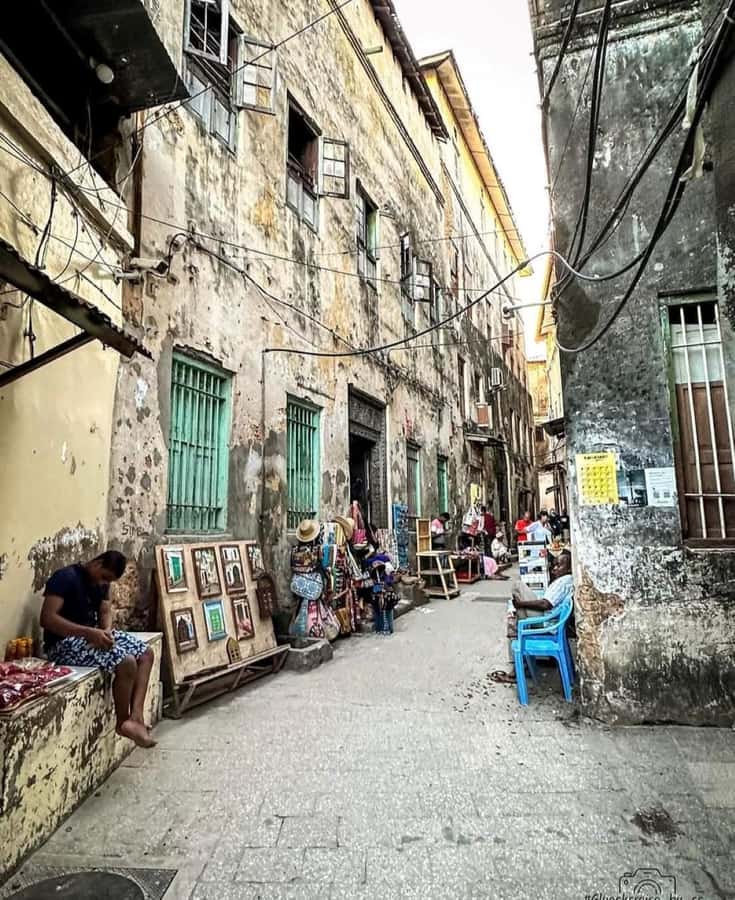
The Stone Town portion is a private walking tour focused heavily on history. Its central subject is the slave trade, especially Zanzibar’s role during the 17th and 18th centuries. You visit the old slave market site and hear how the trade shaped the city.
This can be a sobering part of the day. That is appropriate. The tour does not treat Stone Town as a collection of pretty doors and old buildings only. It asks you to look at the forces that brought wealth, power, and suffering to the island.
The old slave market site is the most serious stop. Give it time and attention. The experience is valuable because it places Zanzibar’s grand buildings and trading connections beside the human cost behind them.
A private guide can make a major difference here. You can ask direct questions about the history, language, and Swahili life without holding up a large group. Mu, one of the named guides connected with the experience, is described as patient with questions, including many about Swahili. That is useful in Stone Town, where a short walk can raise questions about people, trade, religion, and outside rule.
The tour explains how Zanzibar became a center of the slave trade and how the city developed around that activity. The supplied information places this history in the 17th and 18th centuries, while also presenting the later mix of Persian, Portuguese, Omani Arab, and British influence.
Darajani Market, where the city feels practical
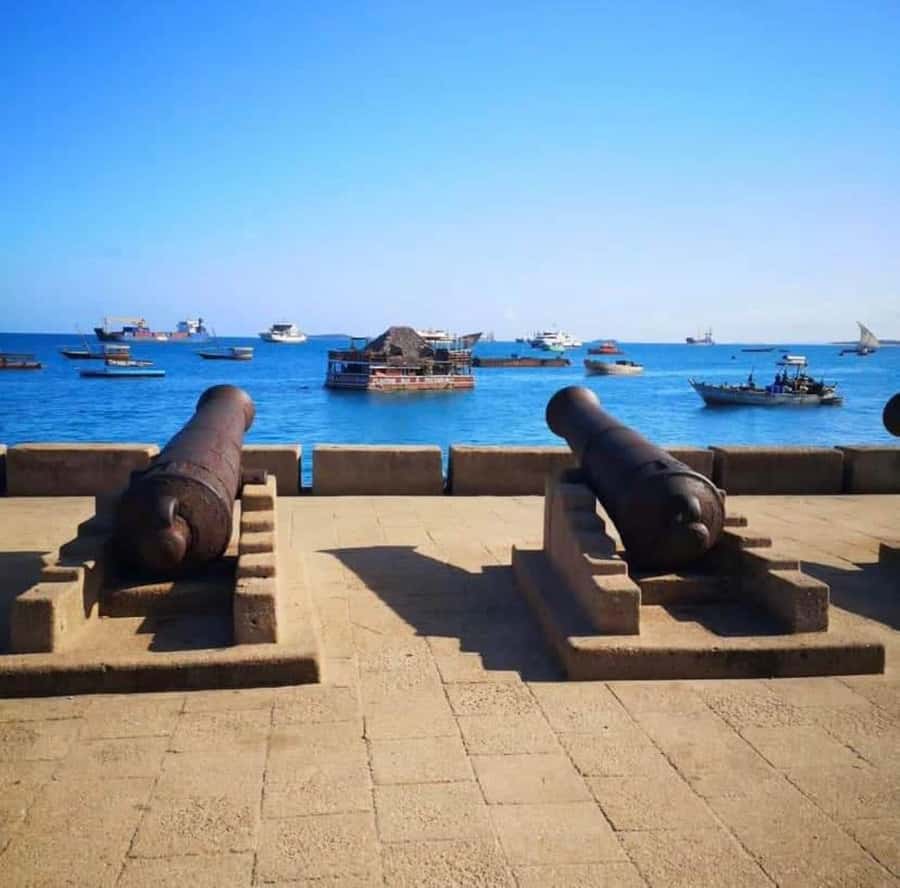
Darajani fish market gives the walk a more everyday side. This is not only a historic monument. It is a working market and part of how Stone Town functions today.
Market visits can be more immediate than formal sights. You see the city dealing in food and daily needs, rather than presenting itself only for sightseeing. The information provided identifies Darajani as a fish market, so expect a practical market setting rather than a polished shopping center.
This stop may be less comfortable for visitors sensitive to strong smells or crowded market conditions. That is part of the point, but it is worth knowing before you book. The tour is not a quiet museum walk from beginning to end.
More Stone Town walks:
- Zanzibar: Stone Town, Spice Tour, Prison Island with Lunch
★ 4.4 · 1,219 reviews - Zanzibar: Prison Island, Stone Town, & Spice Farm Tour
★ 4.5 · 579 reviews - Zanzibar; Prison Island, Nakupenda, StoneTown Tour with BBQ
★ 4.3 · 457 reviews - Zanzibar: Stone Town, Spice tour & Prison Island with Lunch
★ 4.6 · 453 reviews
Freddie Mercury’s house and Stone Town’s outside influences
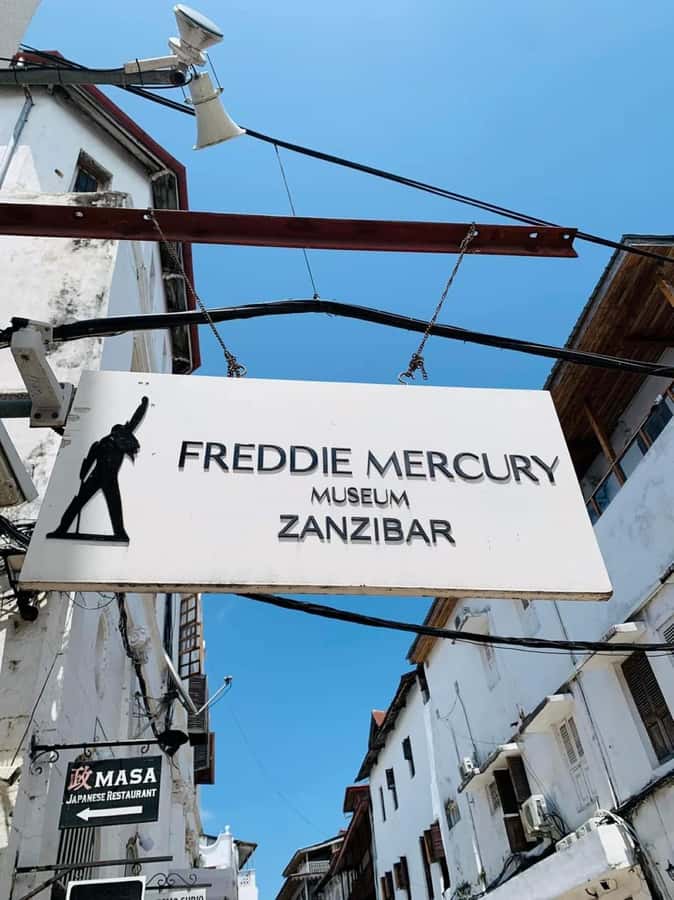
Freddie Mercury’s house adds a modern cultural note to the historic route. It also reminds you that Zanzibar’s story is not limited to sultans, colonial powers, and trade. The city has continued to produce and inspire people with international reach.
The stop is best treated as a brief landmark within the walking tour. The available information does not promise an interior museum visit, so do not assume you will tour the inside of the building. Its value is in seeing the place connected with a famous former resident while moving through the larger story of Stone Town.
The route also includes the House of Wonders and the Old Fort. These buildings help show the different powers that shaped the island. The tour describes Persian arrivals from Iran, Portuguese involvement under Vasco da Gama, later Omani Arab rule, and British influence.
That sequence gives you a useful framework for reading the city. Stone Town did not develop under one culture or one political era. Its buildings and streets reflect changing control and trade links. The walk is therefore more than a list of old structures. It explains why the city is called Stone Town and how its identity formed.
The Old Fort and the reason Stone Town matters

The Old Fort is one of the principal historic stops. Along with the House of Wonders, it gives physical form to the city’s political past. You see how defense, trade, and authority were expressed in stone.
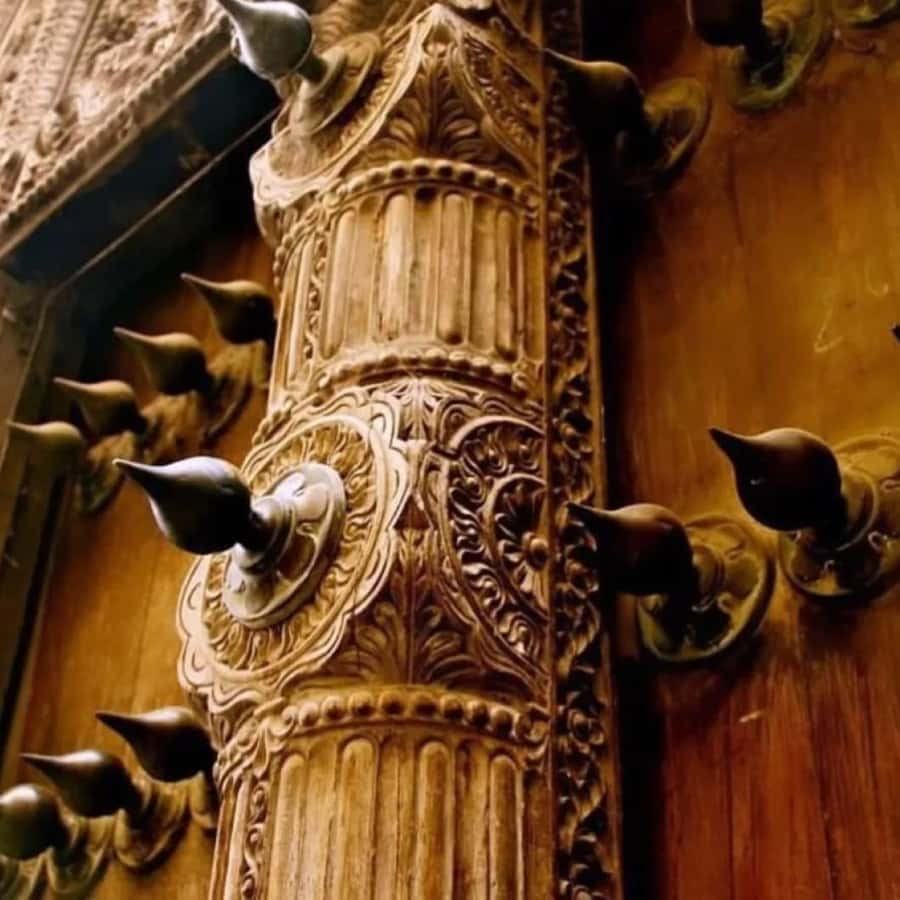
The title Stone Town refers to the old urban core, where stone buildings and narrow streets create a very different setting from the plantation. That contrast is one of the tour’s strengths. In the morning or earlier part of the experience, you are looking at growing plants and tropical fruit. Later, you are reading a city through buildings shaped by foreign arrival and control.
The guide’s role is important here. A wall or fort can be visually impressive without being easy to understand. The tour is designed to explain who arrived, who ruled, and how the city changed. You will get more from the Old Fort and House of Wonders if you listen for those connections instead of treating each stop as an isolated photo opportunity.
How the six hours are likely to feel
The tour begins with pickup in Zanzibar and ends with drop-off in Zanzibar. The driver or guide meets you in your hotel lobby, so you do not need to arrange a separate meeting point.
The total duration is six hours. Because the experience combines a spice plantation with a private walking tour, the day has two different rhythms. The plantation involves walking through nature and stopping to examine plants. Stone Town involves more urban walking, history, and market activity.
I would wear comfortable walking shoes and light clothing suited to tropical weather. That is practical advice for any day combining a plantation walk and city sightseeing, though the supplied details do not specify a dress code or exact amount of walking.
The private group format gives you some flexibility. One booking had spare time, and the guide used it to allow more questions and explanation. Do not count on a long unscheduled extension, but the example suggests that a private booking can feel less rigid than a large group outing.
The tour is available with a live guide in English, French, or German. Confirm your preferred language when booking, especially if history is a major reason for choosing the experience.
Is $85 good value?
At $85 per person, the price is reasonable if you want both a guided plantation visit and a private Stone Town walk in one outing. The cost includes hotel pickup and drop-off, entrance to the spice farm, entrance to the old slave market site, and a tour guide.
Transport matters here. You do not have to arrange your own ride between the hotel, plantation, and Stone Town. A comfortable, well-maintained vehicle was specifically noted in the available feedback, which is a useful detail for a six-hour day.
The price does not include food or personal needs. Plan your own meals and drinks accordingly. The supplied details do not specify a restaurant stop or included lunch, so do not book this expecting food to be part of the package.
Value depends on what you want from Zanzibar. If you only want a plantation visit, you may prefer a shorter and cheaper option. If you only want Stone Town, a city walk may give you more time in the historic center. But combining both saves you from arranging two separate activities and gives you a broader view of the island.
The overall rating is 3.9 from seven recorded ratings. That is a middling rather than perfect score, so I would book with realistic expectations. The strongest points are the guide quality, private format, comfortable transport, and mix of nature and history. The main limitations are the full schedule and extra costs for food and personal purchases.
Who will enjoy this tour most
I would recommend it to first-time visitors who want a broad introduction to Zanzibar in half a day. You get agriculture, urban history, market life, major landmarks, and an explanation of the slave trade without having to coordinate separate transport.
It suits people who like asking questions. A private guide is especially useful if you want to understand Swahili language and daily life, not just collect landmark photographs. Mu’s patient approach to questions is a good example of what you should look for from the guide.
It also works well for couples, families, or small private groups who prefer their own pace. The six-hour format gives you enough time to cover both parts without turning the day into a full-day expedition.
I would think twice if you dislike walking, markets, serious historical subjects, or performances aimed at tourists. The spice plantation includes the lighthearted human butterfly act, while the Stone Town segment includes the painful subject of slavery. Those moods sit close together, and not everyone will enjoy that contrast.
You should also choose a different experience if your priority is a relaxed beach day. This is an active sightseeing outing with a strong historical focus.
Booking details that matter
Hotel pickup and drop-off are included, with the driver or guide meeting you in your hotel lobby. The pickup and return location is listed as Zanzibar.
The experience is private, and guiding is available in English, French, and German. It lasts six hours, though you need to check available starting times before selecting a date.
You can cancel up to 24 hours in advance for a full refund. You can also reserve now and pay later, which helps if your island schedule is still changing.
The listed inclusions are the vehicle transfer, spice farm entrance, old slave market entrance, and guide. Food and personal needs are not included, so keep money or arrangements ready for those.
Should you book the Zanzibar spice and Stone Town tour?
Book this tour if you want one private outing that explains both Zanzibar’s tropical crops and its difficult past. The best reason to choose it is the combination: spice plants and fruit on one side, Stone Town’s slave-trade sites and layered architecture on the other.
I especially like the chance to ask questions in a private group, the broad list of spices, and the comfortable transport. The guide’s patient attention to Swahili questions is another plus if you want more than a scripted walk.
Skip it if you want a slow, food-centered plantation visit, a purely architectural tour, or a day with little walking. At $85, the value is strongest for people who want transport, admissions, and a guide bundled into a focused six-hour introduction to Zanzibar.
FAQ
Where does the tour begin and end?
Pickup is in Zanzibar, with the driver or guide meeting you in the lobby of your hotel. You return to Zanzibar at the end of the experience.
How long does the tour last?
The experience lasts six hours. Starting times depend on availability.
Is the tour private?
Yes. The activity is offered for a private group.
Which languages are available?
Live guiding is available in English, French, and German.
What is included in the price?
Hotel pickup and drop-off, entrance to the spice farm, entrance to the old slave market site, and a tour guide are included.
Are food and personal expenses included?
No. Food and personal needs are not included.
What can I see at the spice plantation?
You can see, smell, and taste tropical spices and fruits, including cinnamon, cardamom, black pepper, chili, ginger, vanilla, lemongrass, lemon mint, turmeric, nutmeg, and cloves. You can also see how spices are grown and watch the human butterfly climb a coconut tree while singing Hakuna Matata.
Can I cancel the booking?
Yes. You can cancel up to 24 hours in advance for a full refund. A reserve-now, pay-later option is also available.
More spice farm mornings
- Full-Day Private Stone Town +Spice Farm and Prison Island Tour
★ 4.5 · 216 reviews - Spice Tour + Stone Town Tour + Prison Island
★ 4.5 · 130 reviews - Zanzibar: Spice Tour & Stone Town Walking Tour
★ 4.8 · 115 reviews - Zanzibar: Stone Town & Spice Farm Tour with Lunch
★ 4.5 · 97 reviews
Newly listed around Zanzibar
- Zanzibar: Nungwi/Kendwa Beach Sunset Dhow Cruise with Fruits★ 3.4 · 3 reviews
- Prison Island, Sea Turtles, Rock Restaurant & Relax in Beach★ 4.6 · 3 reviews
- Starfish Beach; The Rock; Kuza Cave; Paje Beach; Salaam Cave Tour★ 4.5 · 3 reviews
- Zanzibar: Half-Day Spice Farm Tour,the flavours of Zanzibar★ 4.7 · 3 reviews
- Joazani forest & Spice farm with lunch★ 5.0 · 3 reviews
- Nakupenda Island Snorkeling Sea trip & Lunch W/Transfer -Zanzibar★ 4.0 · 3 reviews
- Mnemba Island Snorkeling and Dolphin tour★ 5.0 · 3 reviews
- Zanzibar:Jozani forest, Spice farm with Swahili Cuisine clas★ 4.2 · 3 reviews
Stone Town Tours, compared.






Full-Day Private Stone Town +Spice Farm and Prison Island Tour
Read our review →
Browse the lists this tour appears in