
Reviewed · ZANZIBAR TOURS
Zanzibar: Nungwi Village Tour and Culinary Class
Nungwi’s best stories are found away from the resort gates, where wooden dhows take shape by hand and a home kitchen turns out pilau, chapati, curry, and salad. This five-hour tour brings you into that everyday world, then sits you down to eat what has been prepared.
I like the local guide-led walk, especially the dhow-building stop and the chance to see village life beyond the beach. I also like the private format, with hotel pickup, a menu chosen ahead of time, and food prepared in a local home. One thing to clarify before booking: the cooking may be fully hands-on, or it may be more of a demonstration, depending on the host and menu.
Key points to know before booking
- Dhow building is a real highlight: See the handwork behind Zanzibar’s traditional wooden boats.
- Your food choices matter: Tell the operator which dishes you want to cook or learn before the tour.
- The kitchen may be in a local home: This gives the meal a personal setting, but it is not a polished cooking school.
- Guides may include Hajj, Gandhi, or Mo: These guides have been singled out for clear explanations, patience, and enthusiasm.
- The $66 price includes the essentials: Hotel transport, a private guide, ingredients, the meal, and refreshments are covered.
- Expect some walking: Comfortable shoes, sun protection, and water are sensible, especially in the heat.
Walking into everyday Nungwi
The village tour gives you a different view of Nungwi from the one offered by a beach hotel. You pass through local streets, markets, and the fish market while your guide explains how people live and work. Depending on the route, you may also visit a primary school or nursery.
That school stop can be moving. It gives you a clearer sense of the community than a quick market visit does, but it also calls for tact. You are entering a real place where children study, not a staged attraction. Follow your guide’s lead, ask before taking photographs, and keep your attention on the setting rather than treating it as a photo stop.
The village walk is also where the guides add much of the tour’s value. Hajj has been praised for giving full explanations, Gandhi for his patience with questions, and Mo for his enthusiasm and pride in Zanzibar. Guide quality can shape the day, so it is worth confirming your preferred language when you book. English, French, German, Italian, and Swahili are offered, but a requested language is not guaranteed in every case.
You should also allow for a fair amount of walking. One person left partway through the route after becoming tired, so this is not a sit-down cultural visit with only short transfers. The pace may be manageable for many people, but heat and uneven village surfaces can make five hours feel longer.
More workshops and classes in Nungwi:
- Zanzibar Cooking Class & Spice Tour
★ 4.5 · 77 reviews - Zanzibar: Spice Farm Tour with Traditional Cooking Lesson
★ 4.8 · 77 reviews - Half-Day Kuza Cave Swimming Adventure and Cooking Class
★ 4.5 · 44 reviews
The craft behind Zanzibar’s dhows
The dhow-building sites are one of the most memorable parts of the route. These wooden boats are closely tied to life around Zanzibar, and seeing one under construction helps explain the practical skill behind the island’s seafaring culture.
The value here is not simply seeing an old boat. You get to watch a traditional craft at close range and speak with people who make these vessels. The work is physical, detailed, and easy to miss if you spend your whole stay by the water without entering the village.
Your guide should explain what you are seeing and help with introductions. The interaction is more meaningful when you ask simple questions about the building process, the wood, or how the boats are used. Do not expect a formal workshop where you handle tools or build part of a vessel. The attraction is the chance to observe the craft and meet the people connected to it.
The fish market adds another layer. It shows the link between the sea, the local economy, and the food you later eat. The market can be active and earthy, so it may not suit anyone who wants a tidy, carefully controlled sightseeing experience. For me, that is part of its usefulness. You see where a seafood meal begins, not just how it appears on a plate.
From village streets to a local kitchen
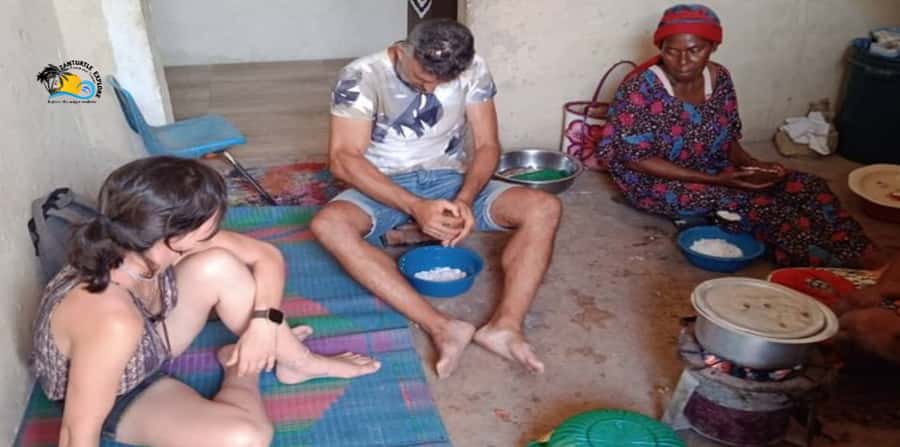
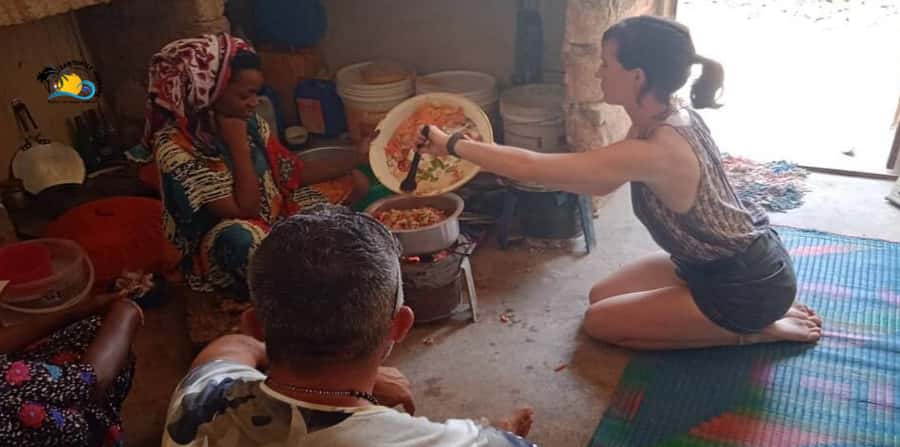
After the walk, the tour moves into its food section. The cooking takes place in a traditional local home, where a resident prepares the meal with guidance from the culinary team or host.
This is a more personal setting than a hotel cooking demonstration. You are not seated in a commercial kitchen designed for tourists. You may see ordinary household surroundings and watch food being made in the place where it is normally cooked.
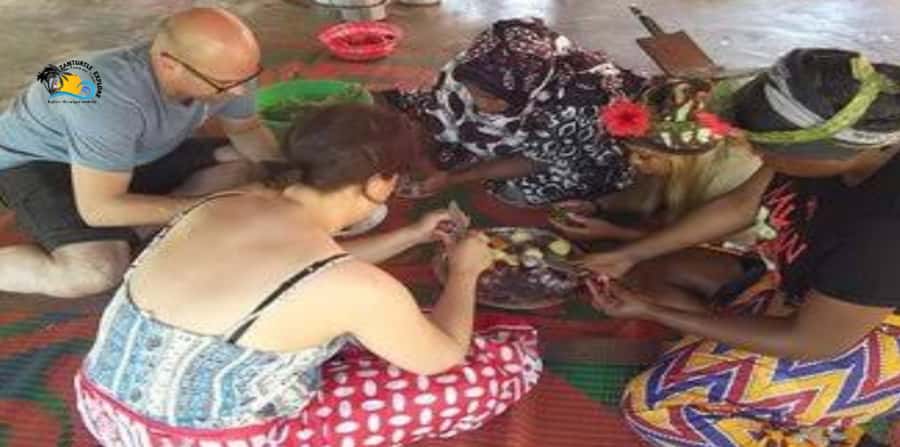
The format deserves careful attention. The experience is described as a hands-on culinary class, and the operator provides the ingredients. Yet the amount of participation can differ. Some people have cooked alongside local residents, while others mainly watched the dishes being made and received an explanation of the methods.
I would confirm this before paying. Ask whether you will chop, knead, season, and cook, or whether the host will prepare the food while you observe. If active cooking matters to you, make that request clearly when you send your menu choices.
The menu can include:
- Zanzibar pilau
- Urojo soup
- Seafood curry
- Chapati
- Fresh cassava
- Ndizi nyama, banana with beef
- Breadfruit
- Kachumbari salad
The exact selection depends on your request. You may choose one main dish, or arrange to see more dishes prepared for an added fee. That makes the pre-tour conversation important. If you are especially interested in spices, chapati technique, seafood curry, or plant-based ingredients, say so before the day begins.
What the food tells you about Zanzibar

Pilau is a natural choice if you want a dish strongly associated with the island’s spice traditions. The preparation gives you a reason to pay attention to seasoning rather than simply eating the finished rice.
Urojo soup offers a different lesson. It is part of Zanzibar’s street-food culture and helps show how several textures and flavors can come together in one bowl. Chapati is useful for anyone interested in technique, since the work with dough is often as important as the final taste.
The other dishes widen the picture. Seafood curry connects the meal to Nungwi’s coastal setting. Cassava, breadfruit, and banana with beef show the range of ingredients used in home cooking. Kachumbari adds a fresh salad element beside the cooked dishes.
I would not assume you will prepare the entire eight-item menu during a five-hour experience. The list describes possible dishes, not a promise that every item will be cooked by you in one session. Choose a focused menu so the kitchen time feels like a lesson rather than a rushed series of demonstrations.
The meal at the end is included, along with refreshments. The food has received especially strong praise, and the spice level is worth considering. If you enjoy bold seasoning, this should be a good match. If you do not, tell the operator in advance so the menu can be adjusted where possible.
A few more Nungwi days to compare
- Zanzibar: Mnemba Island Dolphin and Snorkeling Tour
★ 4.1 · 352 reviews - Zanzibar: Nungwi Turtle Aquarium Guided Half-Day Trip
★ 4.4 · 197 reviews - Matemwe: Mnemba Island Dolphin & Snorkeling Boat Trip
★ 4.3 · 152 reviews - Underwater Walking Experience in Zanzibar,No Swimming Needed
★ 4.7 · 83 reviews
A meal in a family home

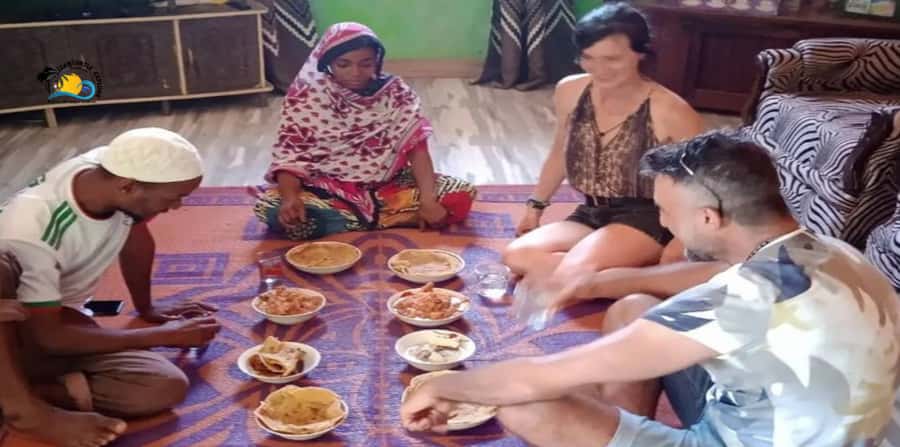
Eating in the home where the food was prepared can be the most human part of the day. It removes some distance between you and the cooking, and it lets you see how a traditional meal is served in a normal household setting.
There is also a cultural point to handle with care. The family may not sit down and eat with you. On one occasion, the meal was shared with the guide inside the house while the family stayed apart. That is not necessarily a flaw, but you should not book this expecting a guaranteed communal lunch with the household.
A respectful attitude matters here. Dress comfortably but modestly, listen to the host, and avoid assuming that a home visit works like a restaurant. If you want to bring a small, appropriate gift, ask the operator what is suitable. Do not hand out items to children without guidance.
Some people have brought sweets for children, but I would check with your guide first. Gifts can create awkwardness when distributed casually, especially around a school or nursery. A contribution arranged through the tour operator may be more useful than handing out treats along the road.
Is $66 a fair price?
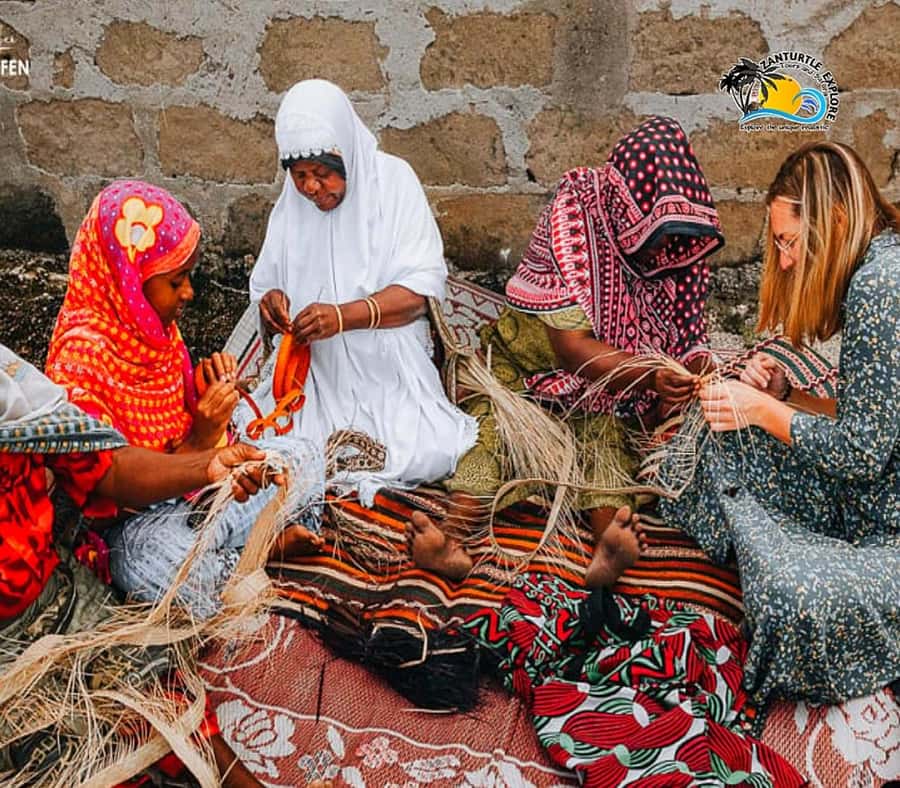
At $66 per person, the tour is fairly priced if you want several services bundled into one private half-day. The cost includes hotel pickup and drop-off, a guide, the Nungwi walk, local visits, cooking ingredients, the meal, and refreshments.
Private transport matters in Zanzibar. You do not have to arrange a taxi to the northern end of the island, negotiate a waiting time, or find the village meeting point yourself. Pickup takes place at your hotel lobby or reception area, so provide the hotel name and room number when booking.
The price becomes less attractive if you only want a formal cooking lesson. A specialist class with guaranteed hands-on work may suit you better, though that is not what this experience is trying to be. Here, you are paying for the combination of village contact, local guiding, transport, and food.
Additional tours are not included. A turtle bathing visit, for example, was arranged by some people as a separate add-on. Do not assume any extra attraction is covered by the $66 fee.
The private-group setup is useful for couples, families, or small groups with different food interests. You can ask questions without competing with a large crowd, and the menu can be discussed around your preferences. It also means the quality of the day depends more heavily on the guide assigned to you.
Timing, language, and practical comfort

The activity lasts five hours, but the starting time depends on availability. Ask about the pickup time when you reserve, especially if you have another excursion, a flight, or a fixed dinner booking later in the day.
Wear comfortable shoes. The route includes village walking, markets, and outdoor stops rather than only vehicle sightseeing. A sun hat, sunscreen, and camera are recommended, and refreshments are supplied during the day.
The tour is listed as wheelchair accessible, but it is still sensible to discuss your needs in advance. Village paths, market surfaces, and the layout of a traditional home may affect how easy each stop is. The operator can give the most useful advice for your group.
Alcohol and drugs are not allowed, and you should not arrive intoxicated. That rule is especially important for a cultural visit in a private home and community setting.
Cancellation is flexible up to 24 hours before the start for a full refund, and you can reserve now and pay later. Those terms help if your Zanzibar plans are still moving around, but they do not remove the need to confirm the menu and language early.
Who will enjoy this Nungwi experience?

I would recommend this tour to you if you want more than beaches and resort meals. It suits anyone curious about home cooking, traditional boatbuilding, local markets, and the daily life behind Nungwi’s tourism economy.
Families may like the mix of walking, food, and school or nursery visits, though younger children may tire during the village route. Couples and small private groups should appreciate the ability to choose dishes and ask plenty of questions.
Food-focused visitors should book only after confirming the cooking format. If you need to prepare every dish yourself, the experience may disappoint if your host mainly demonstrates. If you are happy to watch, learn, and then eat in a local home, it offers a broader cultural picture than a standard cooking class.
It is less suitable for anyone seeking a polished studio kitchen, a short transfer from the hotel, or a tightly scripted sightseeing program. It also may not suit you if you dislike markets, heat, walking, or direct contact with difficult living conditions. The contrast between luxury villas and nearby poverty can be stark, and the tour may prompt serious thoughts about inequality as well as pleasant memories.
Should you book the Nungwi Village Tour and Culinary Class?
Book it if your ideal Zanzibar day includes a good guide, honest contact with village life, and a meal that connects to the places you have seen. The strongest parts are the dhow-building sites, the local explanations, and the food prepared in a real home.
Before booking, send a clear message with three requests: your preferred guide language, the dishes you want, and whether you expect to cook or watch. That one step can prevent the two main disappointments, an unavailable language and a class that feels more like a demonstration.
At $66, the package offers solid value for a private five-hour outing with transport and food included. Just keep your expectations grounded. This is not a resort-style attraction or a guaranteed full cooking workshop. It is a village visit with a home meal and a chance to see a more ordinary side of Nungwi.
FAQ
Where does the Nungwi Village Tour and Culinary Class take place?
The experience takes place in Nungwi at the northern tip of Zanzibar, with visits around the village, local markets, fish-market areas, and traditional dhow-building sites.
How long does the tour last?
The activity lasts five hours. Starting times depend on availability.
Is hotel transportation included?
Yes. Pickup and drop-off at your Zanzibar hotel are included. You meet the representative in the hotel lobby or reception area, and you should provide the hotel name and room number.
What languages are available for the guide?
Live guiding is offered in English, French, German, Italian, and Swahili. You should request your preferred language when booking, but a specific language cannot be assumed without confirmation.
Which dishes can I learn to prepare?
Possible dishes include Zanzibar pilau, Urojo soup, seafood curry, chapati, fresh cassava, ndizi nyama, breadfruit, and Kachumbari salad. The menu depends on your request, so tell the operator which dishes interest you before the tour.
Is the cooking fully hands-on?
The experience is presented as a hands-on class, but the amount of participation can vary. In some cases, you may cook with local residents, while in others you may mainly watch the preparation and receive explanations. Confirm the format when choosing your menu.
What should I bring?
Bring comfortable shoes, a sun hat, sunscreen, and a camera. Refreshments are provided during the experience. Alcohol and drugs are not allowed.
Newly listed around Nungwi
- Zanzibar: Nungwi and Kendwa Sunset Dhow Cruise with Pickup★ 4.3 · 4 reviews
- Zanzibar: Swimming & Snorkeling at Mnemba Atoll with Fruits★ 4.0 · 4 reviews
- Zanzibar: Nungwi Kilosa Zoo & Swimming with Turtles★ 4.7 · 4 reviews
- Zanzibar: Horseback Riding and Turtle Aquarium Visit★ 4.3 · 4 reviews
- Zanzibar: Horseback Riding and Turtle Swimming Tour★ 3.3 · 4 reviews
- Zanzibar: Mnemba Island Snorkeling & Dolphin★ 5.0 · 4 reviews
- Zanzibar: Nungwi Sunset Dhow Cruise with Soft Drinks★ 3.8 · 5 reviews
- Zanzibar: Swim with turtles at Nungwi★ 4.3 · 5 reviews
Zanzibar Tours, compared.




Browse the lists this tour appears in