
Reviewed · MAASAI VILLAGE VISITS
Zanzibar: Maasai World Tour with Cultural Practices
The most memorable part of this two-hour visit is the chance to move beyond a staged dance and ask about Maasai daily life, from marriage customs and clothing to mud homes, food, language, and tribal beliefs. You can also dress in traditional clothing, try archery, light a fire, and join the famous jumping dance.
I like the private-group format, which gives you room to ask questions, and I like that hotel pickup, water, and hands-on activities are included. The main caution is value: at $42 per person, the visit is worthwhile if you want a focused cultural stop, but one visitor felt the price was too high for the length of the tour. Also, French is advertised, yet the Maasai guide may speak English only.
Key points at a glance
- A compact two-hour cultural visit: You get a clear introduction to Maasai customs without giving up half a day at the beach.
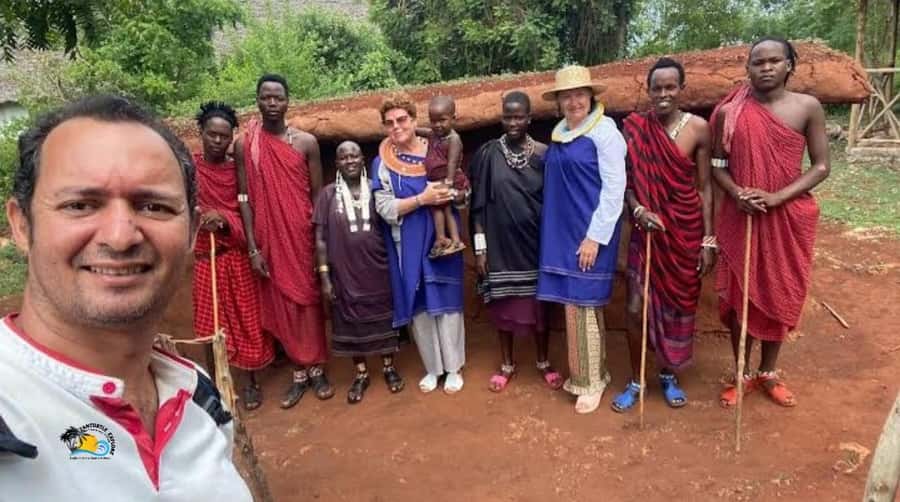
- Lomayana may be your Maasai guide: He is described as patient, respectful, and keen to answer questions.
- Hands-on activities are part of the plan: Expect clothing, archery, fire lighting, singing, and dancing.
- Traditional homes are included: You see the very small mud houses where families live and hear how daily life works.
- Hotel pickup and drop-off are included: Give the operator your hotel name and room number so the driver can find you.
- Private and wheelchair accessible: The booking is set up for a private group, with guides offered in several languages, though language availability should be confirmed.
Meeting the Maasai at Fukuchani
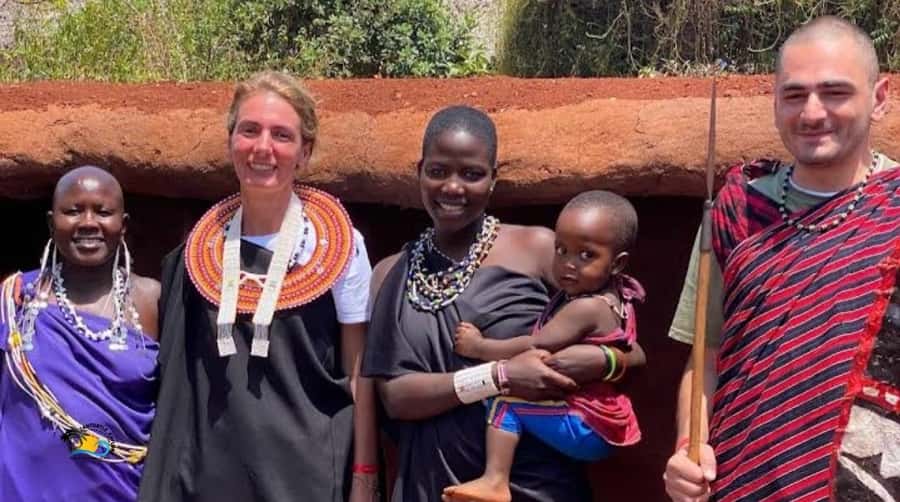
Maasai World is in Fukuchani, in Zanzibar’s Unguja South Region. This is not a safari or a visit to Tanzania’s mainland Maasai communities. It is a cultural experience in Zanzibar, where you meet Maasai people, hear explanations of their customs, and take part in selected activities.
That distinction matters. In two hours, you will not gain a complete picture of Maasai life across East Africa. You will get a short, organized introduction designed for visitors staying in Zanzibar. I see that as a useful choice for a first encounter, especially if you want something cultural to pair with beach time.
The private format should help the visit feel less rushed. You are not simply being led from one display to the next with a large crowd. You can ask about a costume, a marriage tradition, or the meaning of a dance, then give the guide time to explain.
The strongest feedback points to Lomayana as a particularly good guide. He is described as friendly, respectful, clear in his explanations, and careful to ask if anyone has questions. Those small habits can make a big difference in a cultural visit. A good guide gives you context rather than leaving you with a few photographs and a handful of exotic-looking objects.
More Maasai village visits:
- Maasai World
★ 5.0 · 46 reviews - Zanzibar: Maasai village Tour with Sunset Dhow Cruise
★ 4.3 · 32 reviews - Zanzibar: Maasai village and Nungwi turtles experience trip
★ 4.9 · 16 reviews
What happens during the two-hour visit
The exact order may vary, but the tour is built around several connected parts. You begin by meeting the guide and learning about the Maasai people, their background, language, customs, and way of life.
Expect discussion of marriage traditions, dress, food, family life, and tribal beliefs. These topics give shape to the activities that follow. A necklace or bright piece of clothing is more interesting when you understand its place in Maasai life, and a dance means more when the guide explains its social role.
You also see the housing used by families. The mud houses are described as very small, so this part may challenge some comfortable assumptions about space and home life. It is worth paying attention here rather than treating the houses as a quick photo stop. Ask how people use the rooms and how the structure fits daily routines if the guide has time to explain.
The experience also includes some everyday activities. The details supplied do not promise a long workshop or a full meal, so think of these as short demonstrations and chances to participate. That keeps the tour moving, but it also means you should not book it expecting an all-day cultural course.
Joining the song, dance, and famous jump
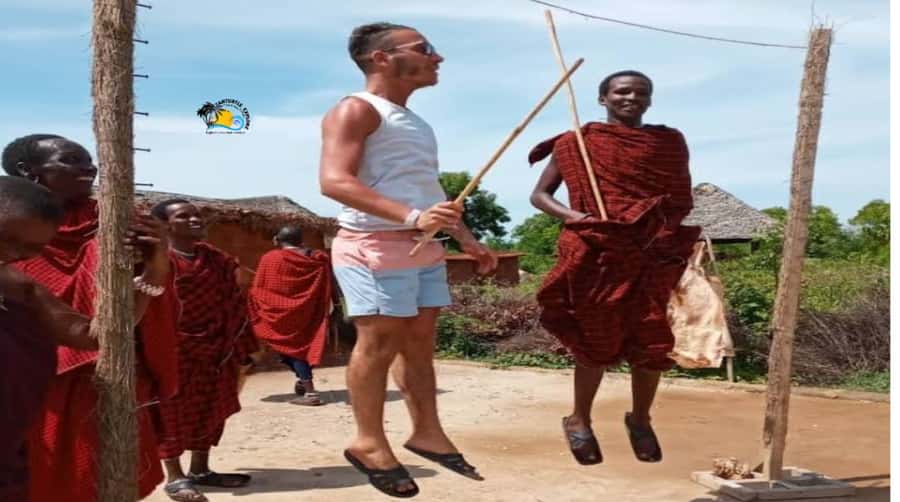
The traditional song and dance performance is one of the liveliest sections. You watch the Maasai perform, hear the singing, and join in with the jumping dance. The iconic jump is easy to recognize, but the value is not just in trying to jump as high as possible for a photograph.
The better approach is to watch first. Notice the rhythm, the group movement, and the way the guide explains the performance. Then take part if you feel comfortable. You do not need dance skills, and the activity is presented as a friendly introduction rather than a test.
I like that the tour combines watching with participation. A performance alone can leave you standing outside the culture, while a chance to join the song gives you a small role in the moment. Still, keep your expectations sensible. This is a visitor activity, not a private ceremony, and the two-hour schedule leaves limited time for extended discussion.
Marriage traditions are also explained during the cultural presentation. This is a useful topic because customs around marriage often reveal how a community organizes family ties, social expectations, and identity. Listen carefully and ask questions rather than comparing every practice with your own. The guide’s explanation is likely to be more useful than a quick photograph of the performance.
Clothing, archery, and lighting a fire
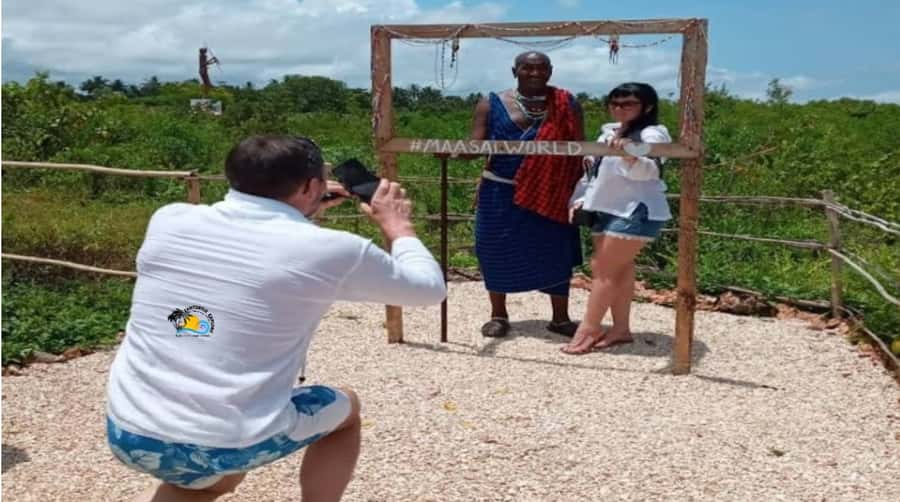
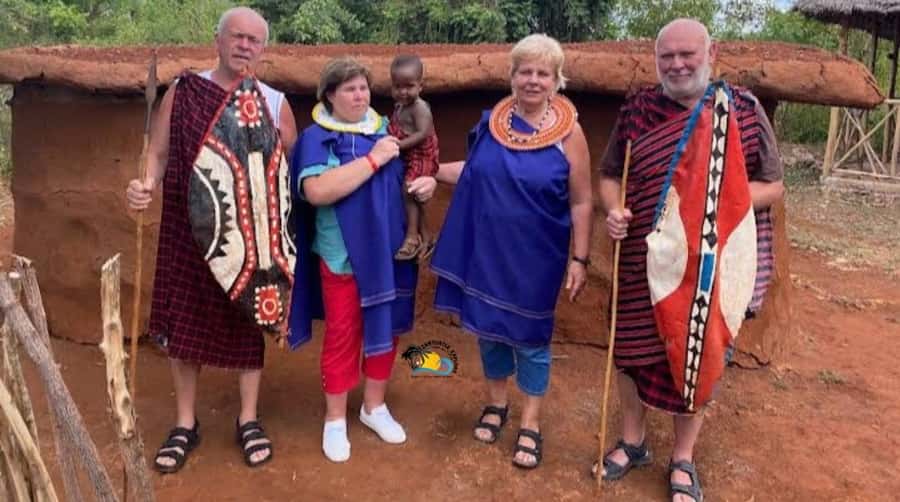
After the introduction and performance, you can try on traditional Maasai clothing. This offers a direct way to see how color, decoration, and accessories change your appearance and movement. It also creates good photo opportunities, but I would treat the clothing as part of the lesson, not a costume prop detached from meaning.
Traditional archery adds another practical activity. You have a chance to handle the equipment and try your aim under guidance. The information provided does not specify the distance, equipment, or number of attempts, so do not assume this is a full archery lesson. It is best understood as a short cultural activity that helps you connect with a skill associated with Maasai life.
Learning how to light a fire gives the visit another everyday angle. Like archery, it turns an abstract description of daily life into something you can attempt yourself. You may find that this part is more engaging than simply watching a demonstration, particularly for children and families.
These activities are also where the private group arrangement matters most. You are less likely to feel like you are performing for a packed audience, and you have a better chance of getting an answer when something is unclear. The tour is wheelchair accessible, but the supplied details do not explain the ground conditions or how each activity can be adapted. If you use a wheelchair, include your needs when booking and ask for practical details in advance.
A few more Zanzibar days to compare
- From Zanzibar: Mikumi Safari Day Trip with Flights and Meal
★ 4.7 · 1,470 reviews - Zanzibar: Quad Bike Adventure departing from Kendwa or Nungwi
★ 4.9 · 1,233 reviews - Zanzibar: Stone Town, Spice Tour, Prison Island with Lunch
★ 4.4 · 1,219 reviews - From Kendwa: Mnemba Boat Trip and Dolphin Snorkel Adventure
★ 4.8 · 1,043 reviews
Beadwork and the souvenir question
The visit ends with a chance to browse traditional beaded jewelry made by the tribe. This gives you an opportunity to take home something connected to the community rather than a generic Zanzibar souvenir.
Be prepared for a sales element. Browsing is included, but purchases are not. You are not required to buy anything, and you should decide beforehand what kind of souvenir budget feels comfortable. If you do buy a piece, ask about the materials and the work involved. That simple conversation can make the purchase more personal and help you understand what you are taking home.
The jewelry is also a useful final reminder that cultural visits often combine education, performance, participation, and commerce. That does not automatically make the experience less meaningful, but it is best to know the structure in advance. Enjoy the beadwork, ask questions, and buy only if you genuinely like the item.
Is $42 per person a fair price?
At $42 per person, the cost includes more than admission. Hotel pickup and drop-off, a welcoming bottle of water, a private group, the guide, the dance, interactive activities, and access to the beadwork browsing area are all part of the package.
For a couple or small private group, that can be fair value. Transport alone can make a short Zanzibar outing more convenient, and the cultural content is more useful when you have a guide to explain what you are seeing. I especially like the fact that the activities listed are not limited to watching. You can wear the clothing, try archery, help light a fire, and join the dance.
The value is weaker if you want a long visit, a meal, or a wide-ranging tour of Zanzibar. Food and drinks beyond the welcome water are not included, and two hours goes by quickly. One very negative assessment found the price did not match the experience, so I would book this only if the Maasai focus is a real priority for you.
Compared with a full-day excursion, this is a compact cultural addition. It works well on a day when you want time for another activity, but it may feel brief if you expect a major attraction with many exhibits. Before paying, decide whether you are paying mainly for transport and convenience, or for an extended educational program. The package is much better suited to the first expectation.
Pickup, languages, and timing
Pickup and drop-off are included from your hotel. You should provide the hotel name and room number, and the driver and guide will meet you in the lobby or reception area. Keep your phone available and be ready at the agreed time, since the tour is short and a delayed departure can cut into the visit.
The duration is two hours, with starting times based on availability. That makes it easy to fit into a Zanzibar itinerary, but the short length also leaves little room for delays. If you are combining it with another booking, leave a generous gap rather than scheduling everything back to back.
English, French, German, and Italian are listed as guide languages. One strong assessment specifically noted that the guide spoke very good English but not French, despite French appearing in the booking information. If language is important to your understanding of the tour, write your request before reserving and confirm it with the operator.
The experience is listed as wheelchair accessible. That is useful, but the listing does not explain access at each activity or the surface around the homes. Make a special request in advance if you need an adapted route or help with participation.
You can cancel up to 24 hours before the start for a full refund, and you can reserve now and pay later. Those terms make the booking less risky when your Zanzibar plans are still shifting.
What to bring and how to prepare
Bring a sun hat, sunscreen, and a camera. The hat and sunscreen are practical choices for an outdoor visit, while the camera is useful for the dance, clothing, homes, and beadwork.
Wear something comfortable for standing and light movement. The tour includes dancing, jumping, archery, and fire lighting, so clothing that allows you to move is more sensible than a restrictive beach outfit. The supplied information does not give a dress code, so there is no stated requirement beyond being prepared for cultural activities.
A bottle of water is provided, but meals and other drinks are not included. Eat beforehand if you need a proper meal, and do not assume the tour will provide refreshments beyond the welcome water.
Use the request field when booking for special needs or preferences. This is especially important for language, wheelchair access, and any other practical concern. A short note before the visit is better than trying to solve the issue after pickup.
Who will enjoy Maasai World most?
I would recommend this experience to you if you want a short, guided introduction to Maasai customs and prefer taking part rather than only looking. Families may appreciate the mix of dance, clothing, archery, and fire lighting, while couples and small groups may value the private setup and included transport.
It is also a good choice for anyone staying in Zanzibar who wants to add a cultural outing to a beach-focused schedule. The two-hour length leaves room for other plans, and the guide-led format provides more context than visiting a souvenir shop or watching a performance without explanation.
You may want to skip it if you are looking for a full-day cultural study, a safari, or a meal-based village visit. The tour does not include food, and its short duration means the explanations and activities are necessarily selective.
I would also think twice if you dislike organized performances or do not want any sales opportunity at the end. The dance and jewelry browsing are central parts of the visit. For everyone else, the blend of explanation and participation offers a pleasant change from Zanzibar’s usual beach routine.
Should you book this Maasai World tour?
Book it if you want a focused two-hour cultural stop with transport, a private group, and several hands-on activities. The strongest reason to choose it is the chance to meet a Maasai guide such as Lomayana, ask direct questions, and connect the dance, dress, housing, and daily tasks into one short visit.
Before you book, confirm the guide language, especially if you need French. Also decide if $42 feels right for a compact experience rather than a long excursion. If you value convenience, personal questions, and participation, the price can make sense. If you want extensive time or a meal, choose something else.
FAQ
Where does the Maasai World tour take place?
The tour takes place at Maasai World in Fukuchani, in Zanzibar’s Unguja South Region.
How long does the experience last?
The experience lasts two hours. Starting times depend on availability.
What is included in the price?
The price includes Maasai cultural information, a welcoming bottle of water, interactive activities, a traditional song and dance performance, the chance to buy tribal souvenirs, and hotel pickup and drop-off.
Is hotel transportation included?
Yes. Pickup and drop-off at your hotel are included. Provide the hotel name and room number, and the driver and guide will meet you in the hotel lobby or reception area.
Which languages are available?
English, French, German, and Italian are listed as available guide languages. Confirm your preferred language before booking because French may not always be spoken by the Maasai guide.
Is the tour private?
Yes. The activity is offered for a private group.
Is the experience wheelchair accessible?
Yes, the experience is listed as wheelchair accessible. If you need specific assistance or adaptations, include a request before booking because detailed access information for each activity is not provided.
What activities can I try?
You can join the Maasai song and dance, try on traditional clothing, practice traditional archery, and learn how to light a fire.
Is food included?
No. Meals and drinks are not included. The package includes a welcoming bottle of water.
Can I cancel the booking?
Yes. You can cancel up to 24 hours in advance for a full refund. You can also reserve the experience and pay later.
Newly listed around Zanzibar
- Zanzibar: Nungwi/Kendwa Beach Sunset Dhow Cruise with Fruits★ 3.4 · 3 reviews
- Prison Island, Sea Turtles, Rock Restaurant & Relax in Beach★ 4.6 · 3 reviews
- Starfish Beach; The Rock; Kuza Cave; Paje Beach; Salaam Cave Tour★ 4.5 · 3 reviews
- Zanzibar: Half-Day Spice Farm Tour,the flavours of Zanzibar★ 4.7 · 3 reviews
- Joazani forest & Spice farm with lunch★ 5.0 · 3 reviews
- Nakupenda Island Snorkeling Sea trip & Lunch W/Transfer -Zanzibar★ 4.0 · 3 reviews
- Mnemba Island Snorkeling and Dolphin tour★ 5.0 · 3 reviews
- Zanzibar:Jozani forest, Spice farm with Swahili Cuisine clas★ 4.2 · 3 reviews
Maasai Village Visits, compared.

5 Days Camping Tarangire, Serengeti & Ngorongoro crater & Visiting Maasai
Read our review →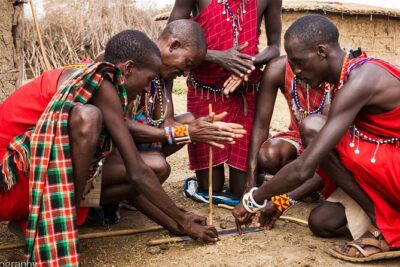
Maasai village visit, Materuni waterfalls & coffee experience
Read our review →5 Days Camping Tarangire, Serengeti & Ngorongoro crater & Visiting Maasai
Read our review →
7-Day Private Tanzania Safari with Sunset Walking on the Crater Rim and Maasai
Read our review →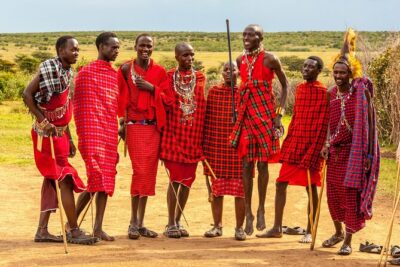
Maasai village visit and Chemka hot-springs with hot lunch.
Read our review →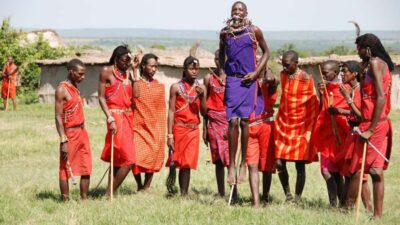
Kilimanjaro: Maasai Village Visit, Waterfalls, & Coffee Tour
Read our review →Browse the lists this tour appears in