

Reviewed · STONE TOWN TOURS
Stone Town Walking Tour
Stone Town is best understood on foot, one narrow lane and carved doorway at a time. This private tour brings together Omani forts, royal palaces, the old slave market, local crafts, and Freddie Mercury’s birthplace in about three hours, with guides such as Mady and Hamad explaining how the pieces fit.
I like the private format, since your guide can slow down, answer questions, or adjust the route. I also like that the major entry fees and Stone Town hotel transfers are covered, which keeps the day simple. The main drawback is that several important buildings, including the House of Wonders, may be under renovation, so some sights are viewed from outside or partly hidden.
Key points to know before you book

- A private history walk: Your own guide leads the group, with room for questions and changes to the route.
- The Old Slave Market is the emotional center: Underground chambers and the Anglican Cathedral present Zanzibar’s role in the East African slave trade.
- Old Fort mixes history with daily life: The former military stronghold now includes craft stalls and space for performances.
- Several royal and cultural landmarks are packed into three hours: You visit or pass the House of Wonders, People’s Palace, Freddie Mercury House, and more.
- Stone Town transfers are included: Pickup and drop-off apply to hotels around Stone Town. The meeting point is also at Forodhani Park.
- The pace is efficient, not leisurely: Three hours gives you a strong introduction, but not time for a long stop at every site.
Why this three-hour walk works well in Stone Town
Stone Town can feel confusing at first. Its lanes bend sharply, buildings press close to the street, and important sights often sit behind plain walls or busy market fronts. A private guide helps you get your bearings quickly and gives meaning to details you might otherwise pass without noticing.
The tour costs $35 per person. For that price, you get a professional guide, water, shopping time, entrance fees, and pickup and drop-off around Stone Town. I consider that fair value if you want a focused introduction rather than a simple stroll. You are paying not only to see buildings, but also to have someone explain Zanzibar’s connections with Oman, Europe, the Indian Ocean trade, royal rule, slavery, and modern popular culture.
The private setup matters more here than it would on a basic sightseeing route. You can ask why a doorway is shaped a certain way, stop to look at handicrafts, or request more time on the subjects that interest you. One guide even ended the walk with a small quiz, a simple touch that can help you remember what you learned.
The tour usually takes about three hours. That is enough for a useful first look, but you should not expect a slow museum visit at every stop. The scheduled time at the Old Fort and House of Wonders is about 15 minutes each, while the Old Slave Market and Anglican Cathedral receive about 30 minutes. The remaining time allows for walking, passing other landmarks, shopping, and conversation.
More Walking Tours in Zanzibar
- Stone Town Private Walking Tour
★ 5.0 · 371 reviews - Zanzibar: 3 Hours Private Stone Town walking Tour with Guide
★ 4.6 · 301 reviews - Zanzibar: Stone Town Historical Cultural Walking Guided Tour
★ 4.5 · 179 reviews
Starting at Forodhani Park and meeting your guide
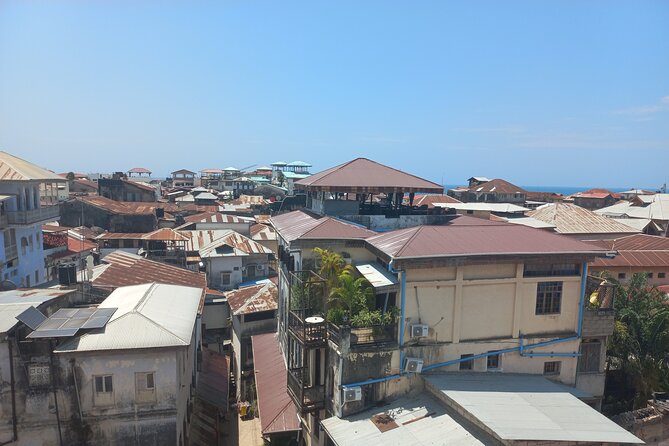
The stated meeting point is Forodhani Park, beside the waterfront in central Stone Town. If your hotel is around Stone Town, pickup and return transportation are offered, which is helpful in the heat and removes the need to arrange a taxi for a short city transfer.
If you are staying farther away, check the transfer details before booking. The included pickup is specifically for hotels around Stone Town. One booking party staying in Nungwi arranged a taxi and paid a small extra amount for the ride, so a northern beach stay may require a separate transport plan.
Forodhani is a sensible place to begin. It puts you close to the Old Fort, the House of Wonders, and the waterfront edge of the old town. From here, the tour becomes a walking lesson in how Zanzibar’s location shaped its buildings and people.
Wear comfortable shoes and bring water, even though mineral water is included. Stone Town’s lanes can be uneven, and the tour combines outdoor walking with indoor or partly covered sights. Modest clothing is also a practical choice for visiting the Anglican Cathedral and other cultural sites.
Old Fort: military walls and local craft stalls
The Old Fort, known locally as Ngome Kongwe, is the oldest building in Stone Town. Omani Arabs built it in the 17th century to defend against Portuguese attack, giving the fort thick stone walls, battlements, and a solid, defensive shape.
The fort later served as a prison before taking on a more social role. Today, its courtyard is used by local artisans and can host community events or live performances. That change is worth noting: this is not a silent ruin preserved behind barriers. It is an active place where history and present-day life share the same walls.
You have about 15 minutes here, so expect a quick introduction rather than a full architectural study. Your guide can point out the fort’s basic design and explain its changing purpose. You may also have a chance to look at crafts in the courtyard or pause in the shade.
I like this stop because it gives you an immediate sense of Stone Town’s age without requiring a long museum visit. The limitation is time. If you want to browse craft stalls carefully, you may need to return later on your own.
House of Wonders: a landmark seen during renovation

The House of Wonders, or Beit-el-Ajaib, is one of Stone Town’s most recognizable buildings. Sultan Barghash built it in the 19th century as a ceremonial palace. It became famous for modern features that were unusual in East Africa at the time, including electricity and an elevator.
The building reflects a mix of Omani and European design and points to Zanzibar’s role as a major Indian Ocean trading center. Its name suggests the surprise it caused when it opened, and the guide’s explanation helps connect the building’s technology with the wider story of the sultanate.
At present, the House of Wonders is under renovation. You should expect to hear the story from outside rather than walk through the palace. This is an important limitation, especially if you are hoping to see grand interiors or museum displays.
Still, the stop earns its place. A building can tell you plenty from its position, scale, and exterior details, and your guide can explain what the current repairs prevent you from seeing. If the sight is heavily covered during your visit, treat it as a short historical briefing, not a full attraction visit.
More Stone Town walks:
- Zanzibar: Stone Town, Spice Tour, Prison Island with Lunch
★ 4.4 · 1,219 reviews - Zanzibar: Prison Island, Stone Town, & Spice Farm Tour
★ 4.5 · 579 reviews - Zanzibar; Prison Island, Nakupenda, StoneTown Tour with BBQ
★ 4.3 · 457 reviews - Zanzibar: Stone Town, Spice tour & Prison Island with Lunch
★ 4.6 · 453 reviews
The Old Slave Market and Anglican Cathedral
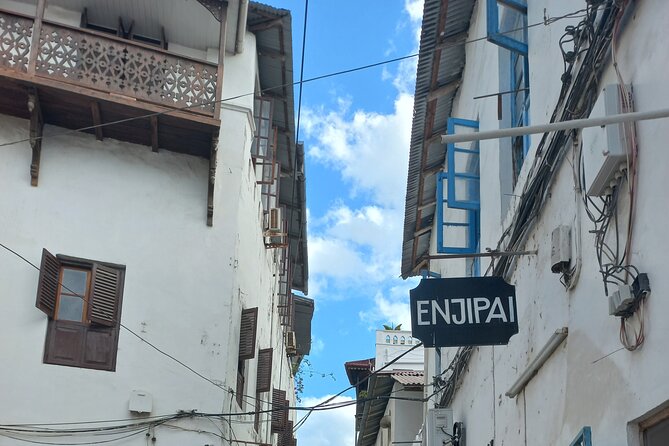
The former slave market is the most serious stop on the route. Zanzibar played a major role in the East African slave trade, and the tour addresses that past through the underground chambers, memorials, and the Anglican Cathedral built on the market site.
You will see the cramped chambers where enslaved people were held and hear about the suffering, endurance, and eventual end of the trade. This part of the walk can be difficult. The subject deserves attention, and the tour does not treat it as a casual photo stop.
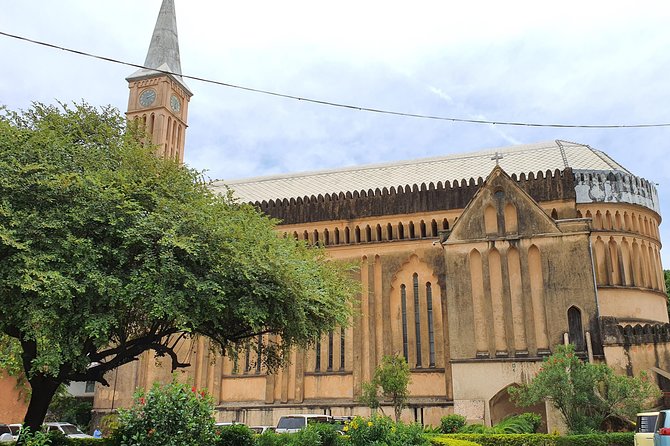
The Anglican Cathedral adds another layer to the site. Its location over the former market creates a direct link between the city’s religious history and its painful commercial past. Your guide can explain what happened here and why the site matters to Zanzibar today.
About 30 minutes is assigned to this stop, giving it more time than the Old Fort or House of Wonders. That is appropriate. You need a little time to take in the chambers, memorials, and church before moving on.
I would place this tour early in your Stone Town stay if you want context for the rest of the city. The slave trade shaped Zanzibar’s connections with the African mainland, Arabia, and the Indian Ocean. Understanding that background makes later sights, including the palaces and trading streets, easier to read.
Freddie Mercury House and Stone Town’s modern identity
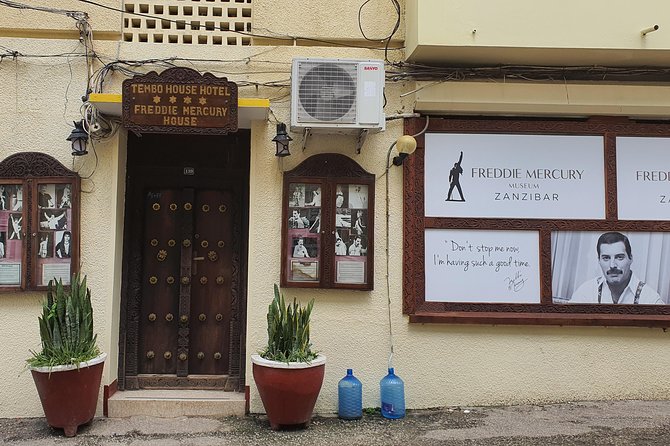
The tour passes Freddie Mercury House, identified as the birthplace of the Queen frontman. You will generally catch a glimpse from outside rather than spend a long period inside a museum.
This is a brief stop, but it adds a welcome change of tone. Stone Town is not only about sultans, forts, and slavery. It is also the birthplace of a global music figure whose early connection to Zanzibar remains part of the city’s modern identity.
Do not book this experience mainly for the Freddie Mercury Museum. The route gives you a look at the house and a short account of his early life, but the main focus is Stone Town’s history and architecture. Music fans may want to note the location and return independently if they want a longer visit.
People’s Palace and the former sultan’s home
The People’s Palace, also called Beit al-Sahel, was once a residence of Zanzibar’s sultan. It now operates as a museum with royal furnishings, photographs, and artifacts.
This stop helps balance the Old Slave Market. At the former market, you confront the harsh underside of Zanzibar’s past. At the palace, you see how the ruling family lived, with rooms and objects that show the wealth and formality of the sultanate.
The museum offers a more intimate look at royal life than a fort does. Original furnishings and historical photographs can make the sultan’s household easier to picture, while your guide supplies the political and family context.
The supplied route refers to this site as the Palace Museum in one place and the People’s Palace in another. They refer to Beit al-Sahel, so confirm the exact entrance point with your guide on the day. The inclusion of this museum is a strong part of the tour because it gives you more than exterior sightseeing.
Shopping, crafts, and the value of a private guide
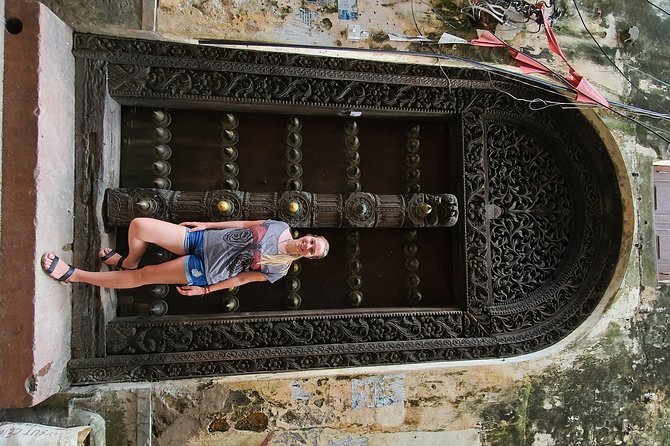
Shopping time is included, and the Old Fort’s courtyard is one place where local artisans may display their work. The tour does not lock you into a large group schedule, so you can ask your guide about handicraft traditions or pause to look at items that interest you.
One especially nice detail from the guiding style is the chance to try sugar cane juice from a street vendor. It is a small experience, but it brings the walk closer to everyday Stone Town rather than keeping you inside a string of formal monuments.
Do not assume every shopping stop is compulsory. Because the activity is private, you can tell your guide how much time you want to spend browsing. If you dislike shopping, say so early and focus on the history. If you want gifts, ask your guide about the craft traditions and take your time within the schedule.
Guides Mady and Hamad received especially strong praise for their clear explanations, flexibility, and ability to handle questions. Mady is also described as adding practical touches, including the sugar cane tasting and a quiz at the end. Guide assignment can change, so you should not book on the assumption that one particular guide is guaranteed.
What the pace and condition of the sights mean for you
The tour covers a lot in a short time. You see the Old Fort, House of Wonders, former slave market, Anglican Cathedral, Freddie Mercury House, and People’s Palace, with walking between them and time for questions.
That makes it a good first-day activity. You can use the walk to decide which places deserve a second visit. It is less suitable if you already know Stone Town well or want extended time inside every museum.
Renovation is the biggest condition issue. The House of Wonders is currently being repaired, and other major buildings may also be covered by corrugated metal during your visit. That can reduce the visual impact of the architecture. The guide’s explanations become more important in those moments, but no explanation can replace seeing a palace facade or interior clearly.
The private format helps soften that problem. When a building is closed or partly hidden, you can ask for more background instead of simply waiting for a large group to move along. The route can also be adjusted to your interests, as happened for one group whose guide changed the itinerary to suit their preferences.
Who should book this Stone Town experience?
I would recommend this walk to a first-time visitor who wants the main historical framework in one morning or afternoon. It suits couples, families, and small groups who prefer personal attention over a standard group tour.
It is also useful for anyone uneasy about finding the right lanes or understanding what they are seeing. Stone Town rewards wandering, but its layout can be confusing, and a guide helps you avoid spending your whole visit searching for landmarks.
History-minded visitors will get the most from the Old Slave Market, Old Fort, and People’s Palace. Architecture fans should book with the understanding that renovation may limit what you can see. Freddie Mercury fans will appreciate the brief connection, but this is not a dedicated music tour.
The tour works best if you arrive ready to listen and ask questions. Guides have handled detailed questions about Zanzibar’s history and culture, and the private setting gives you room to steer the conversation.
Booking details, cancellation, and practical limits
Confirmation is provided when you book, and the activity is available with a mobile ticket. Service animals are allowed, and the tour is near public transportation. Most people can participate, but the route is a walking tour, so comfortable footwear remains important.
The activity is private, meaning only your group participates. Pickup and drop-off are included from hotels around Stone Town, while the listed meeting point is Forodhani Park. The tour ends back at the meeting point unless your arranged transfer takes you to your hotel.
Personal expenses are not included. That means you should budget separately for anything you choose to buy during shopping time or from street vendors. Mineral water and monument entrance fees are included.
Cancellation is free if you cancel at least 24 hours before the start time. A cancellation within 24 hours receives no refund, and changes inside that window are not accepted. The cutoff follows local Zanzibar time.
Should you book it?
Book this tour if you want a well-organized first look at Stone Town, especially if you value a private guide who can explain difficult history in plain terms and adjust the pace to your group. The combination of included entrance fees, water, and Stone Town transfers makes $35 a sensible price for a three-hour introduction.
Skip it if you want long, independent visits inside each museum, or if the main reason for visiting is Freddie Mercury rather than Zanzibar’s wider story. Also keep renovation in mind. Some architecture may be hidden, but the Old Fort, former slave market, Anglican Cathedral, People’s Palace, and the guide’s explanations still give you a useful foundation for exploring the city on your own.
FAQ
How long does the Stone Town Walking Tour last?
The tour lasts approximately three hours.
Is this a private tour?
Yes. Only your group participates, and a private guide leads the activity.
Is hotel pickup included?
Pickup and drop-off are included from hotels around Stone Town. The listed meeting point is Forodhani Park in Zanzibar.
Are entrance fees included?
Yes. Monument entrance fees and service entrance fees are included.
What is the price?
The price is $35 per person.
What sights are included?
The route includes the Old Fort, House of Wonders, Old Slave Market, Anglican Cathedral, People’s Palace, and a pass by Freddie Mercury House.
Can I visit the House of Wonders inside?
The House of Wonders is currently under renovation, so the tour provides information from outside.
Is water provided?
Yes. Mineral water is included.
Can I cancel for a full refund?
Yes, if you cancel at least 24 hours before the experience begins. Cancellations within 24 hours are not refunded.
Is the tour suitable for most people?
Most people can participate, and service animals are allowed. The activity takes place near public transportation and includes walking through Stone Town.
Newly listed around Zanzibar
- Prison Island, Sea Turtles, Rock Restaurant & Relax in Beach★ 4.6 · 3 reviews
- Zanzibar: Nungwi/Kendwa Beach Sunset Dhow Cruise with Fruits★ 3.4 · 3 reviews
- Starfish Beach; The Rock; Kuza Cave; Paje Beach; Salaam Cave Tour★ 4.5 · 3 reviews
- Zanzibar: Half-Day Spice Farm Tour,the flavours of Zanzibar★ 4.7 · 3 reviews
- Joazani forest & Spice farm with lunch★ 5.0 · 3 reviews
- Nakupenda Island Snorkeling Sea trip & Lunch W/Transfer -Zanzibar★ 4.0 · 3 reviews
- Zanzibar:Jozani forest, Spice farm with Swahili Cuisine clas★ 4.2 · 3 reviews
- Mnemba Island Snorkeling and Dolphin tour★ 5.0 · 3 reviews
Stone Town Tours, compared.




Full-Day Private Stone Town +Spice Farm and Prison Island Tour
Read our review →
Browse the lists this tour appears in