

Reviewed · STONE TOWN TOURS
Stone Town Walking Tour
Stone Town makes the most sense on foot. Its narrow lanes link the sea, old colonial offices, carved doors, balconies, places of worship, markets, and buildings tied to the slave, spice, and ivory trades. This private walk with Khamis Davido gives you a local guide to explain what you are seeing rather than leaving you to puzzle it out alone.
I like the clear focus on history and daily life, especially the visit to the former slave market and the final stop at Darajani Bazaar. I also like the small-group format, which lets you ask questions and adjust the pace. The main consideration is that this is a walking tour in a busy old town, so you need moderate fitness and should be ready for uneven streets, heat, and a fair amount of standing.
Key points to know before you book

- A private walk with Khamis Davido: Only your group takes part, with English and German guidance noted in the experience details and praised repeatedly by past customers.
- The former slave market is a central stop: The Anglican Cathedral and slave monument offer a serious look at Zanzibar’s role in the slave trade.
- Darajani Bazaar ends the tour: You finish among fish, spices, shops, and the everyday trade of Stone Town.
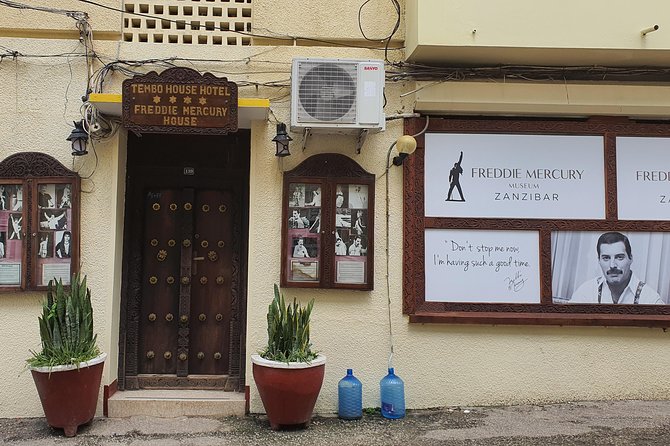
- Architecture is part of the story: Look for carved Zanzibar doors, Indian balconies, colonial offices, and buildings shaped by many cultures.
- The walk lasts about two to three hours: The planned stops take roughly two and a half hours, though the pace can vary with questions and shopping.
- The price is $45 per person: All fees and taxes are included, but tips are not.
Why Stone Town is best explored on foot

Stone Town is not a place you simply look at through a vehicle window. The old quarter is made for walking, with lanes that twist past grand facades, small shops, market stalls, balconies, and doorways that reward a slow look.
The city’s character comes from its many cultural influences. Arab, Indian, African, and European connections appear in the buildings and in the streets themselves. A guide helps connect those pieces. Khamis Davido is repeatedly described as friendly, attentive, and well informed about Zanzibar’s past and architecture. He speaks fluent English and excellent German, making this a useful choice if you want more than a basic sightseeing loop.
The private format matters. You are not trying to keep up with a large crowd, and you can ask about a doorway, a church, a market custom, or a building that catches your eye. Past customers also describe Khamis helping with shopping, transport, and onward arrangements beyond the walk itself. Those extras are not listed as formal inclusions, so I would treat them as personal assistance rather than something guaranteed.
More Walking Tours in Zanzibar
- Stone Town Private Walking Tour
★ 5.0 · 371 reviews - Zanzibar: 3 Hours Private Stone Town walking Tour with Guide
★ 4.6 · 301 reviews - Zanzibar: Stone Town Historical Cultural Walking Guided Tour
★ 4.5 · 179 reviews
Starting beside the sea at the Old Fort
The meeting point is the Old Fort on Mizingani Road, a practical place to begin because it puts you close to the seafront and several of Stone Town’s major sights. From here, the walk follows streets along the water and into the old quarter.
The first part lasts about one hour. You look at historic buildings that served as administrative offices during the colonial period and learn how Stone Town developed as a cosmopolitan trading center. The emphasis is not just on dates. It is on how political power, trade, religion, and local life shaped the buildings around you.
The Old Fort is part of this opening section, as is the House of Wonders. Admission is listed as free for this stop. The experience is mainly about seeing these landmarks in their setting and hearing their place in Zanzibar’s story, rather than spending a long period inside a single museum.
That distinction is useful when you plan your day. If you want a detailed museum visit with many interior exhibits, this walk may feel brief. If you want a strong introduction before exploring more on your own, the timing works well.
The seafront setting also gives the opening some breathing room before the lanes become tighter. Bring water, wear comfortable shoes, and expect the guide to pause often. Stone Town’s details are easy to miss if you rush.
Facing the difficult past at the Old Slave Market
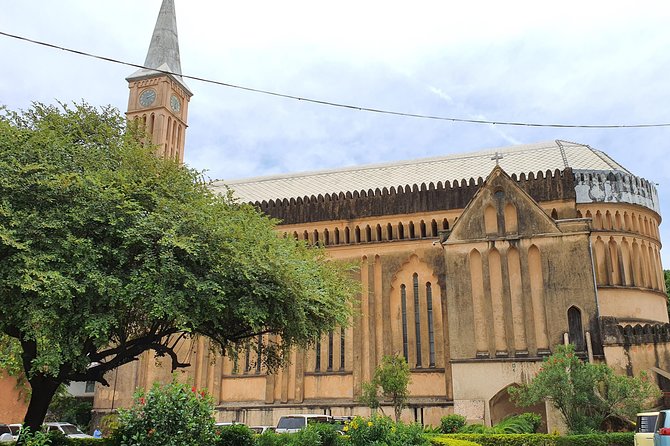
The second stop is the former slave market and Anglican Cathedral, and it lasts about one hour. This is the most serious part of the walk.
The church now occupies the site where the slave market once operated. You also see a slave monument and original chains associated with the trade. These details make the history direct and physical. It is not a light sightseeing stop, and it should not be treated as one.
A good guide is especially valuable here. Khamis is praised for explaining Zanzibar’s past in detail and for answering questions clearly in English or German. You can expect this portion to place the market within the wider story of Stone Town, including the trade routes and the city’s role in regional commerce.
I appreciate that the tour gives this subject a full hour. The stop is not squeezed into a quick photograph outside a building. At the same time, the experience description does not promise a long specialist lecture or a museum-focused program, so your experience will depend partly on the questions you bring.
This section may not suit very young children or anyone looking only for architecture and shopping. For most adults, though, it adds needed weight to the visit. Zanzibar’s beauty can make it easy to overlook the violence and exploitation that also shaped its past. This stop keeps that part of the story in view.
Reading Stone Town through its doors and balconies

After the major historical sites, the walk continues through Stone Town’s alleys. This is where the city’s visual details take over.
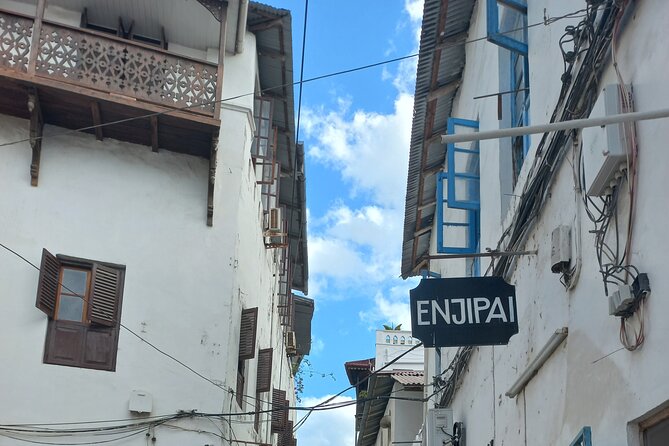
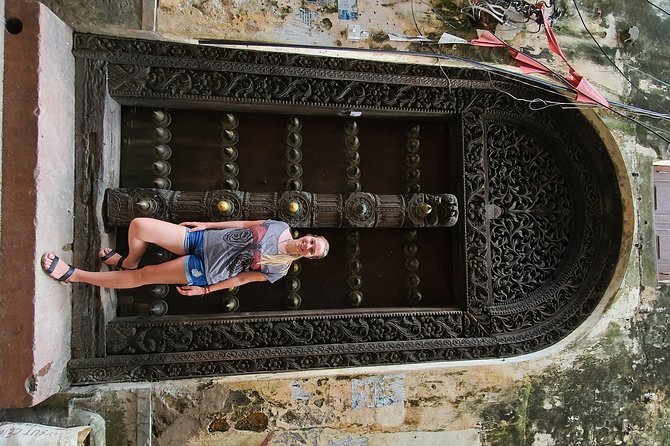
The carved Zanzibar doors are among the most memorable features. You will also see Indian-style balconies, gift shops, and other stores tucked into the narrow streets. The doors are not simply decoration. They help show how different communities and building traditions came together in the old town.
Khamis’s role here is to point out what you might otherwise pass without noticing. Past customers describe him explaining architecture and culture in detail, even for people who had already spent several days in Stone Town. That is a helpful sign for independent visitors who have wandered the lanes already but want the larger picture.
The shopping element is worth handling sensibly. The guide can show you good shopping possibilities, and some people have appreciated having help while browsing. But shopping is not a formal stop with stated inclusions, and the tour price does not cover purchases. If you are not interested in buying anything, say so clearly and keep the focus on the buildings and local life.
The lanes can also be crowded and confusing. The private format makes it easier to stay together, but you should still keep your belongings secure and watch your footing. The physical demands are moderate, yet the heat and narrow streets can make the walk feel more tiring than the distance suggests.
More Stone Town walks:
- Zanzibar: Stone Town, Spice Tour, Prison Island with Lunch
★ 4.4 · 1,219 reviews - Zanzibar: Prison Island, Stone Town, & Spice Farm Tour
★ 4.5 · 579 reviews - Zanzibar; Prison Island, Nakupenda, StoneTown Tour with BBQ
★ 4.3 · 457 reviews - Zanzibar: Stone Town, Spice tour & Prison Island with Lunch
★ 4.6 · 453 reviews
Ending at Darajani Bazaar
The final stop takes about 30 minutes at Darajani Bazaar. This is where the tour shifts from grand buildings and difficult history to the everyday business of Stone Town.
The market includes fish and spice areas, and the walk ends among local buying and selling. You get a look at the practical side of the city, not only its preserved monuments. That contrast is one of the strongest reasons to choose this experience. Stone Town is not just an open-air museum. People live, work, shop, and move through it.
The market is also a useful place to finish because it gives you a sense of where to return later. If you want to buy spices or gifts, you can come back with more time. The 30-minute visit is enough for an introduction, but not enough for a slow market exploration, extended bargaining, and careful shopping.
You may find the market noisier and more crowded than the seafront streets. That is part of its appeal, but it can be tiring at the end of a walk. If you have a tight schedule, the tour’s return to the Old Fort meeting point is convenient. If you want to stay in the market afterward, confirm the plan with Khamis before the walk ends.
What $45 buys you
The listed price is $45 per person, with all fees and taxes included. Tips are not included.
For a private walk lasting two to three hours, the price is easiest to justify when you are traveling with one or more companions and value personal attention. You are paying for a guide who can explain the city’s past, interpret architectural details, handle questions, and adjust the experience to your interests.
The value is less clear if you only want to identify landmarks and take photographs. Stone Town can be walked independently, and the Old Fort, House of Wonders, and market are all easy to place on a personal route. The advantage here is the connection between them. Khamis can explain how the colonial buildings, religious sites, slave-trade history, doors, shops, and market belong to one city story.
Group discounts are available, though the details are not specified. Ask about the current discount when booking if you are traveling with several people. Since this is a private activity, you are not sharing the guide with unrelated participants.
A tip is optional and not included. If you feel the guide has provided extra help, such as shopping assistance or help reconnecting with your driver, you can decide what feels appropriate.
The guide’s languages and personal approach
Khamis Davido is the key part of this experience. The strongest pattern in the feedback is not a single landmark. It is his manner as a guide.
He is described as professional, kind, friendly, reliable, and willing to adapt the walk to the time available. One person arrived with only a short window, and Khamis fitted the main sights into it. Another account describes him making sure a group was reunited with its driver after the formal tour ended. These details suggest a guide who pays attention to the practical side of your day.
Language is another advantage. English is fluent, and German is repeatedly praised as excellent. If you prefer German, this is a particularly strong reason to consider the walk. You can ask small questions and follow explanations without relying on translation.
Still, you should keep expectations realistic. The listed tour lasts about two to three hours. Additional arrangements, such as trips to other parts of Zanzibar, island excursions, spice farms, beaches, taxis, or ferry help, appear in personal accounts but are not part of this walking tour’s stated inclusions. Treat those as possible conversations with Khamis, not guaranteed features of the $45 experience.
Timing, fitness, and what to bring
The tour takes about two to three hours and requires a moderate level of physical fitness. You will be walking through old streets, stopping to listen, and spending time in a market. The exact pace can change depending on your questions, the condition of the streets, and how much time you spend looking at shops.
Wear comfortable walking shoes. Light clothing, water, sun protection, and a small bag are sensible choices, though only the fitness requirement is formally specified. Modest clothing is also a respectful choice around religious and historic places.
The tour is near public transportation, and it starts and ends at the Old Fort. That makes it useful for a morning or afternoon in Stone Town, but you should allow some flexibility around the two to three hour estimate.
The experience requires good weather. If poor weather cancels it, you are offered another date or a full refund. You can cancel for a full refund up to 24 hours before the start time. Within 24 hours, cancellations and changes are not accepted and the payment is not refunded.
Who will get the most from this walk
I would choose this tour if you want Stone Town explained in person, especially if this is your first visit. It suits couples, families with older children, solo visitors, and small groups who prefer a private pace.
It is also a good match for anyone interested in architecture, cultural exchange, colonial-era buildings, religious sites, market life, and the history of the slave trade. German-speaking visitors have a clear advantage here, as do people who like to ask plenty of questions.
You may want another plan if you dislike walking, want a long museum visit, or prefer a food tour with tastings. Food, entrance tickets beyond the included slave-market stop, and shopping purchases are not presented as part of the experience. The walk gives you an introduction to the market, not a full market meal or cooking program.
Should you book the Stone Town Walking Tour?
Book it if you want a private, history-centered introduction to Stone Town and appreciate a guide who can explain buildings, answer questions, and help you get your bearings. The Old Slave Market, carved doors, colonial offices, and Darajani Bazaar create a well-shaped route, and Khamis Davido’s English and German language skills add real practical value.
Think twice if you only want a quick photo walk or have limited mobility. The $45 price pays for interpretation and personal attention, not transport or a long list of paid attractions.
For most first-time visitors, I would place this near the start of a Zanzibar stay. It gives you enough context to return to Stone Town on your own, slow down at the market, revisit a doorway, or spend more time with the parts that catch your interest.
FAQ
Where does the Stone Town Walking Tour start?
The tour starts at the Old Fort on Mizingani Road, Zanzibar, Tanzania.
Where does the tour end?
The activity ends back at the meeting point at the Old Fort.
How long does the walking tour last?
The tour lasts approximately two to three hours. The planned stops take about one hour at Stone Town, one hour at the former slave market and Anglican Cathedral, and 30 minutes at Darajani Bazaar.
What is included in the price?
All fees and taxes are included. Tips are not included.
Is the tour private?
Yes. Only your group participates in this private activity. Group discounts are also available.
What happens if the weather is poor or I need to cancel?
The experience requires good weather. If it is canceled because of poor weather, you can choose another date or receive a full refund. You can cancel at least 24 hours before the start time for a full refund. Cancellations or changes within 24 hours are not accepted and are not refunded.
Newly listed around Zanzibar
- Zanzibar: Nungwi/Kendwa Beach Sunset Dhow Cruise with Fruits★ 3.4 · 3 reviews
- Prison Island, Sea Turtles, Rock Restaurant & Relax in Beach★ 4.6 · 3 reviews
- Starfish Beach; The Rock; Kuza Cave; Paje Beach; Salaam Cave Tour★ 4.5 · 3 reviews
- Zanzibar: Half-Day Spice Farm Tour,the flavours of Zanzibar★ 4.7 · 3 reviews
- Joazani forest & Spice farm with lunch★ 5.0 · 3 reviews
- Nakupenda Island Snorkeling Sea trip & Lunch W/Transfer -Zanzibar★ 4.0 · 3 reviews
- Mnemba Island Snorkeling and Dolphin tour★ 5.0 · 3 reviews
- Zanzibar:Jozani forest, Spice farm with Swahili Cuisine clas★ 4.2 · 3 reviews
Stone Town Tours, compared.






Full-Day Private Stone Town +Spice Farm and Prison Island Tour
Read our review →
Browse the lists this tour appears in