
Reviewed · STONE TOWN TOURS
Private Walking Tour Of Stone Town
Stone Town is best understood on foot, one shaded alley and carved doorway at a time. This private 2.5-hour walk links major sights with the smaller details that make the old city memorable: Arab, African, Indian, Persian, and European influences pressed into a compact UNESCO-listed district.
I like the personal format, especially if you want to ask questions or change the pace. I also like the mix of grand landmarks, a working market, and the Maru Maru Hotel rooftop view. The main consideration is time: two and a half hours is enough for a strong introduction, but not enough for long visits inside every attraction.
Key points to know before booking
- A private tour with Nas, Nassor, or another Nas Zanzibar Tours guide: Your group has the guide to itself, making it easier to ask questions and adjust the route.
- A history-heavy walk through Stone Town: Expect stories about trade, the sultans, slavery, religion, architecture, and modern Zanzibar.
- The Maru Maru Hotel rooftop viewpoint: The route includes a chance to look across Stone Town from above.
- A practical introduction to the old city: The walk helps you understand the layout before exploring on your own.
- Market and street life are part of the experience: Darajani Bazaar brings fish, meat, vegetables, fruit, and spices into the tour.
- Good value at $29 per person: A private guide, a bottle of water, and several included admissions make this a modestly priced first look at Stone Town.
Why a private walk works so well in Stone Town
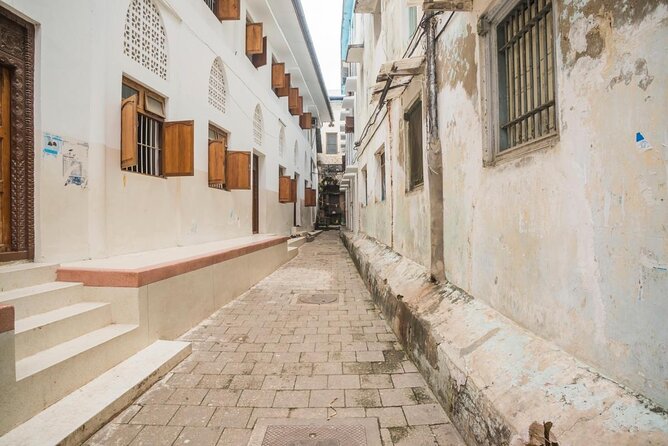
Stone Town can feel confusing at first. Its narrow streets turn sharply, names change, and impressive buildings often sit beside ordinary homes and small shops. A private guide gives you a useful map in your head, along with the story behind what you are seeing.
The tour begins at Forodhani, a sensible place to start because it puts you near the waterfront and several major sights. From there, your guide leads you through a district of more than 2,000 limestone buildings spread across about 50 hectares.
The private format matters here. You can stop to ask about a doorway, a carved balcony, or the meaning of a building without holding up a large group. The guide can also adjust the pace if you have limited time, children in your party, or a particular interest in architecture, religion, music, shopping, or Zanzibar’s political past.
Nas, also referred to as Nassor in some tour details, is the guide most often associated with this experience. The strongest praise centers on his clear English, friendly manner, flexibility, and ability to answer questions. That combination is useful in Stone Town, where the facts can be complicated and the streets can be distracting.
More Walking Tours in Zanzibar
- Stone Town Private Walking Tour
★ 5.0 · 371 reviews - Zanzibar: 3 Hours Private Stone Town walking Tour with Guide
★ 4.6 · 301 reviews - Zanzibar: Stone Town Historical Cultural Walking Guided Tour
★ 4.5 · 179 reviews
Forodhani Gardens and the waterfront beginning
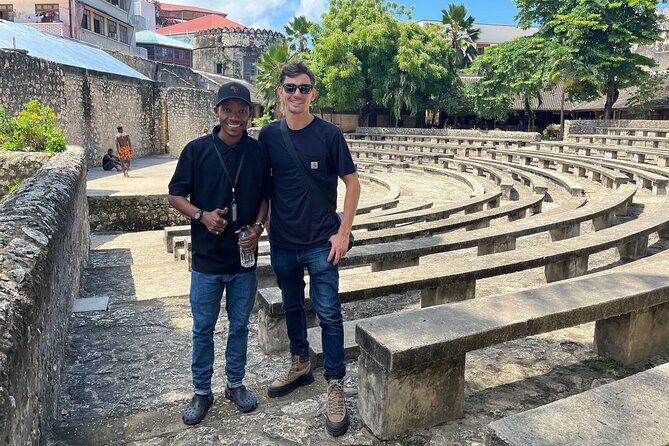
Forodhani Gardens is the meeting point and one of the first stops. The short listed visit lasts about five minutes, so think of it as an orientation stop rather than a long break.
Your guide can use this area to explain Stone Town’s position on the sea and its role in Zanzibar’s trading past. The gardens also carry historical meaning beyond their better-known food activity. The tour information specifically notes that this is not simply a place for relaxation or an evening food market.
The short timing is both helpful and limiting. It keeps the walk moving, but you will not have much time to sit, eat, or browse. Food and drinks are not included, so plan to purchase anything separately if you want a snack before or after the walk.
The Palace Museum and the sultans of Zanzibar
The People’s Palace Museum, also called the Palace Museum, is one of the route’s key stops. The building was constructed by the first sultan of Zanzibar as his second palace, giving you a direct link to the island’s royal past.
The scheduled visit is about ten minutes. That is enough for an explanation of the building and its role, though it may feel brief if you enjoy museum displays and want to read every panel. The value here comes from having the architecture explained as you see it.
This stop also gives the wider tour a clear political thread. Stone Town was not only a port filled with merchants. It was also the seat of sultans whose influence shaped Zanzibar’s government, trade, architecture, and connections with Oman and the wider Indian Ocean.
The House of Wonders and the scale of old Zanzibar
The House of Wonders was built in 1883 by Sultan Sayyid Barghash. It is described as the first building in Zanzibar to have electricity, a detail that helps explain why it was considered so remarkable in its day.
Expect about ten minutes here. The building is important even if your visit is mainly external, since its name and scale reflect the confidence of the sultanate at the height of its power.
This is a good place to pay attention to the contrast between formal public buildings and the tight streets nearby. Stone Town is compact, yet its architecture reflects a wide network of contact. African building traditions meet Arab and Omani influence, while Indian, Persian, and European elements appear in the urban design.
The tour gives you a useful introduction to this mix without treating Stone Town as a collection of unrelated monuments. You begin to see how commerce, religion, royal power, and daily life shaped the same small district.
More Stone Town walks:
- Zanzibar: Stone Town, Spice Tour, Prison Island with Lunch
★ 4.4 · 1,219 reviews - Zanzibar: Prison Island, Stone Town, & Spice Farm Tour
★ 4.5 · 579 reviews - Zanzibar; Prison Island, Nakupenda, StoneTown Tour with BBQ
★ 4.3 · 457 reviews - Zanzibar: Stone Town, Spice tour & Prison Island with Lunch
★ 4.6 · 453 reviews
The Old Fort, or Ngome Kongwe
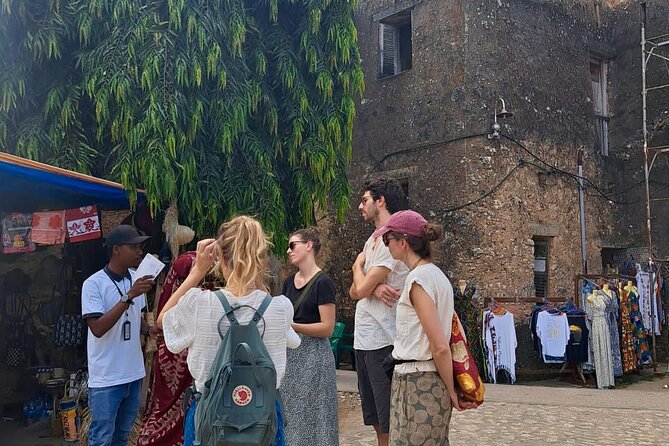
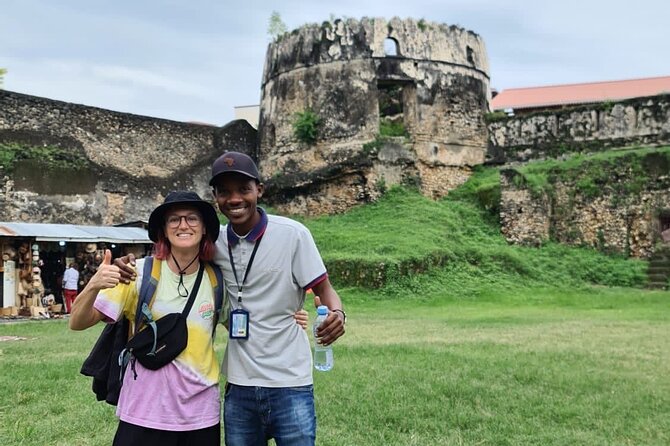
The Old Fort is one of the most substantial historical stops. It was first built by the Portuguese and later rebuilt or adapted by the Omani Arabs. The tour describes it as the oldest building in Stone Town and promises a fuller explanation of its past.
The planned visit lasts about fifteen minutes, making it one of the longer stops. That matters because the fort needs context. Its walls are easy to photograph, but the changes in control tell a bigger story about Zanzibar’s place in regional power struggles.
I would use this stop to ask questions. The private setting gives you room to clarify the Portuguese period, the Omani role, and how the fort fits into the development of Stone Town. If you rush, you will see old walls. If you listen, the site becomes a compact lesson in the island’s changing rulers.
Freddie Mercury’s birthplace
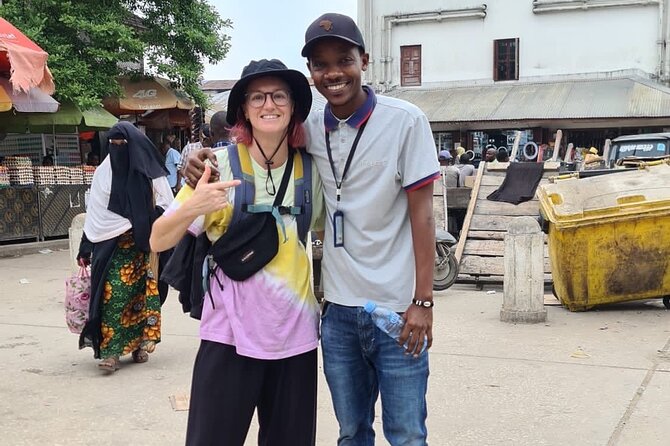
The Freddie Mercury Museum stop is short, about five minutes. It takes you to the house where Freddie Mercury was born and grew up, now changed into a museum.
Admission is not included, so check the cost before deciding to enter. The stop works well for music fans and adds a modern cultural note to a tour otherwise focused on royal, religious, and colonial history.
Even a brief look helps show that Stone Town is not frozen in the past. Its story includes famous people, present-day tourism, local businesses, and ordinary life alongside monuments and museums.
Christ Church Cathedral and the history of slavery
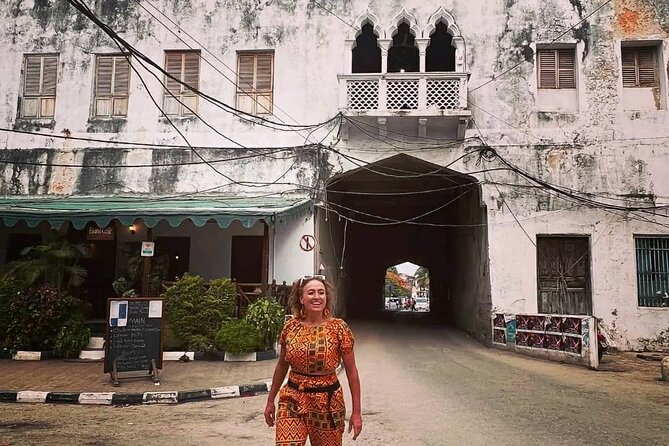
Christ Church Cathedral is another brief stop, listed at about five minutes. The church was built by French missionaries and forms part of the tour’s discussion of Stone Town’s religious and social history.
The route also addresses Zanzibar’s role in the slave trade. That subject deserves attention, and it gives the cathedral greater meaning than a quick architectural photograph. The church is tied to the period when abolitionist work and Christian missions became part of the city’s public life.
Because the visit is short, ask your guide to explain what you are seeing and how the cathedral fits into the history of the slave trade. This is one of the places where a guide adds real value. Without explanation, you might notice the building. With context, you can better understand the difficult past attached to this part of Stone Town.
Darajani Bazaar, where the city does its daily work

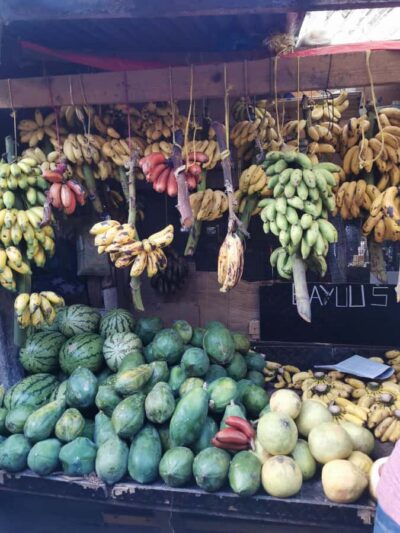
Darajani Bazaar was built in 1904 and is described as Stone Town’s main market. The market is divided into sections for fish, vegetables, cow and goat meat, spices, and fruit.
The listed visit is only five minutes, which is the clearest limitation of the itinerary. A market deserves time, and you may want longer to watch the trade, take in the smells, and understand how the sections are arranged. The tour can introduce you to the place, but it is not designed as a long market exploration.
Admission is not included, and food and drinks are also separate. Use the stop as a first look, then return later if your schedule allows. Darajani is the sort of place that rewards a slower second visit, especially if you want to buy spices or see more of the city’s everyday activity.
If you are sensitive to strong smells or crowded market conditions, be prepared for a more intense part of the walk. That is not a flaw, but it is different from the calm of a museum or rooftop view.
The Maru Maru Hotel rooftop view
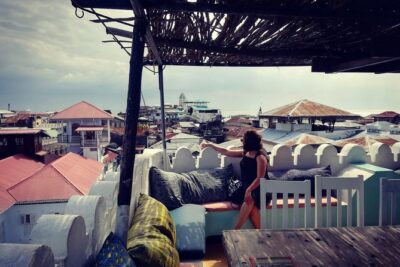
One of the most appealing details is the planned visit to the roof of the Maru Maru Hotel. From there, you can look across Stone Town and gain a better sense of its dense layout.
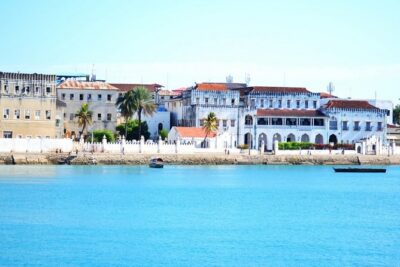
Street level shows you details. A rooftop shows you the whole pattern: pale limestone buildings, narrow lanes, and the relationship between the old city and the coast. It is a useful pause after walking through enclosed streets.
The rooftop stop is highlighted in the tour description but does not appear as a separate timed entry in the itinerary. I would confirm the exact timing with the guide when booking, particularly if the view is one of your main reasons for choosing this walk.
Architecture, culture, and the difficult parts of the past
The tour’s subject is not just buildings. Stone Town’s architecture reflects African, Arab, Indian, Persian, and European influences, and your guide explains how these different traditions appear across the district.
Look for the relationship between the grand landmarks and the residential lanes. The limestone construction, old doors, balconies, and compact streets help explain how Stone Town developed as a cosmopolitan port. The city’s identity came from movement, trade, faith, migration, and political power.
The discussion of slavery is essential. Zanzibar’s past includes a major role in the slave trade, and a responsible visit should not reduce that history to a passing remark. The cathedral and other historic areas provide a chance to ask direct questions and hear how this painful past connects to the city today.
The guide’s role is especially important because the tour covers several centuries in a short time. Expect a broad introduction rather than a specialist academic lecture. The advantage is range: you move from sultans to missionaries, from forts to markets, and from historic trade to Freddie Mercury.
What the $29 price gets you
At $29 per person, this is a strong value for a private introduction to Stone Town. The price includes a professional guide, a bottle of water, and admissions listed as included for several stops.
Not every possible cost is covered. Food and drinks are separate, the Freddie Mercury Museum admission is not included, and Darajani Bazaar admission is also listed as not included. Since some visits are brief, the best value comes from the guide’s explanations and route planning rather than from long museum stays.
A private tour at this price can make sense for couples, families, or a small group that wants personal attention without paying for a full-day excursion. It is also useful if you have only a short window in the city and want to see the main landmarks efficiently.
The tour is booked, on average, six days ahead. That suggests you should not leave it until the last minute if your dates are fixed, though no guarantee of availability is given.
Timing, comfort, and who should book
The tour lasts about two hours and thirty minutes and ends back at the Forodhani meeting point. You will be walking through narrow streets for most of that time, so comfortable shoes and water are sensible, even though one bottle is provided.
Most people can participate, and service animals are allowed. The experience is near public transportation, but transport during the walk is not part of the plan. You should arrive ready to walk rather than expecting a vehicle between stops.
Families can find this format useful because the guide can answer children’s questions and adjust the pace. The private setup also suits first-time visitors, history fans, architecture lovers, and anyone who wants help with orientation before exploring alone.
If you mainly want a relaxed food experience, this is not the right choice. Food is not included, and the market visit is short. If you want a long museum day, the schedule may also feel compressed.
Cancellation is free up to 24 hours before the start time for a full refund. Cancellations or changes made within 24 hours are not accepted for a refund, and cut-off times follow local Zanzibar time.
FAQ
How long is the private Stone Town walking tour?
The tour lasts approximately two hours and thirty minutes.
Where does the tour start?
The meeting point is Forodhani in Zanzibar, Tanzania.
Where does the tour end?
The activity ends back at the Forodhani meeting point.
Is this a private tour?
Yes. Only your group participates in the activity.
What is included in the price?
The price includes a professional tour guide and a bottle of water. Admissions listed as included for the scheduled stops are also covered.
Are food and drinks included?
No. Food and drinks are not included.
Is admission to the Freddie Mercury Museum included?
No. Admission to the Freddie Mercury Museum is not included.
Can I cancel for a full refund?
Yes, if you cancel at least 24 hours before the experience start time. Cancellations within 24 hours are not refundable.
Should you book this Stone Town walk?
Book it if you want a well-priced private introduction to Zanzibar’s old city, with a guide who can explain the history, answer questions in English, and adjust the route to your interests. The mix of the Old Fort, House of Wonders, Palace Museum, cathedral, market, Freddie Mercury’s birthplace, and rooftop view gives you a broad first look.
Skip it if you want long museum visits, a dedicated food tour, or hours at Darajani Bazaar. The stops move quickly, and some admissions and purchases cost extra. For most first-time visitors with limited time, though, this is a practical way to get your bearings and understand why Stone Town feels unlike anywhere else in Zanzibar.
Newly listed around Zanzibar
- Zanzibar: Nungwi/Kendwa Beach Sunset Dhow Cruise with Fruits★ 3.4 · 3 reviews
- Prison Island, Sea Turtles, Rock Restaurant & Relax in Beach★ 4.6 · 3 reviews
- Starfish Beach; The Rock; Kuza Cave; Paje Beach; Salaam Cave Tour★ 4.5 · 3 reviews
- Joazani forest & Spice farm with lunch★ 5.0 · 3 reviews
- Zanzibar: Half-Day Spice Farm Tour,the flavours of Zanzibar★ 4.7 · 3 reviews
- Nakupenda Island Snorkeling Sea trip & Lunch W/Transfer -Zanzibar★ 4.0 · 3 reviews
- Mnemba Island Snorkeling and Dolphin tour★ 5.0 · 3 reviews
- Zanzibar:Jozani forest, Spice farm with Swahili Cuisine clas★ 4.2 · 3 reviews
Stone Town Tours, compared.
Full-Day Private Stone Town +Spice Farm and Prison Island Tour
Read our review →
Browse the lists this tour appears in