
Reviewed · STONE TOWN TOURS
Private Stone Town Walking Tour
Stone Town packs centuries of African, Arab, Indian, European, and religious history into lanes so narrow you may need to turn sideways to pass. This private walk takes you from the House of Wonders and Old Fort to the former slave market, grand cathedrals, local market streets, and Freddie Mercury’s birthplace.
I like the private format, since you can ask questions, pause for photographs, or spend longer at a place that catches your attention. I also like the guides’ personal touch. Said is praised for French as well as English, while Osman and Ousmane are noted for clear explanations and an easy manner. The main drawback is simple: three hours goes quickly, and the walk can feel full if you want to enter every site.
Key points to know before you book
- A private walk through a UNESCO-listed old city: Your group explores Stone Town without strangers setting the pace.
- Five major stops in about three hours: The route covers the House of Wonders, Old Fort, former slave market, St. Joseph’s Cathedral, and Freddie Mercury Museum.
- History with difficult chapters included: The former slave market and Anglican Cathedral provide essential context for Zanzibar’s role in the East African slave trade.
- Several entrance costs are handled differently: The tour includes the slave market entrance fee, while the Freddie Mercury Museum admission is extra.
- Guides can tailor the outing: Said, Osman, and Ousmane are named in guest feedback, with Said especially noted for French-language guiding.
- A central meeting point keeps things easy: You meet at the Old Fort on Mizingani Road and return there at the end.
Why Stone Town works best on foot
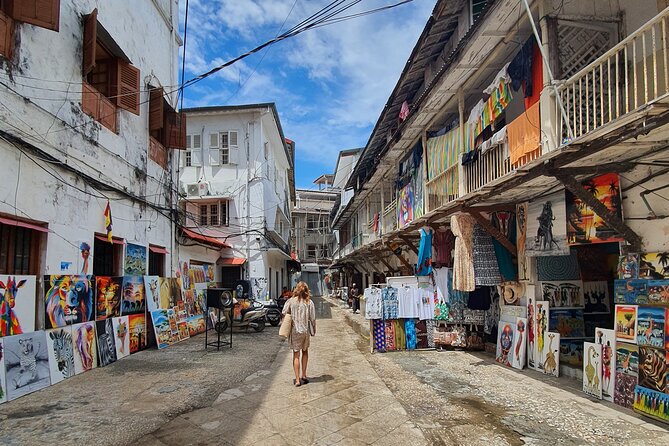
Stone Town is not a place you understand from a vehicle window. Its old quarter is a maze of tight lanes, carved doors, shaded passages, old walls, market stalls, and buildings that reveal several cultures in one block.
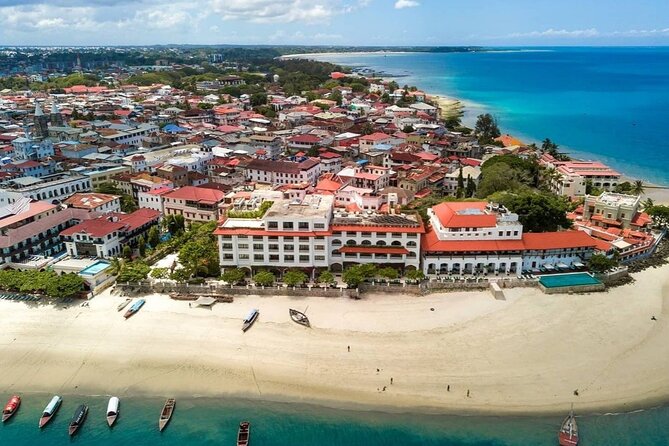
The town’s roots reach back to the seventh century, while many of the buildings you see today reflect later Portuguese, Omani, Indian, African, and European influence. That mix is the point. A mosque, church, and temple can sit close together, and a doorway may combine African woodwork with Indian or Arabic design.
The private format matters here. You are not simply following a flag through a set route. You can ask why a door looks the way it does, stop to study a market scene, or request time for shopping. The guide can also adjust the walk to suit your group, a useful feature for families and for anyone who prefers conversation over a rushed checklist.
You should still expect a real walking tour. The streets are narrow, the route is urban, and the schedule includes several historic sites. Wear comfortable shoes, carry water, and leave room for the fact that Stone Town rewards a slower pace.
More Walking Tours in Zanzibar
- Stone Town Private Walking Tour
★ 5.0 · 371 reviews - Zanzibar: 3 Hours Private Stone Town walking Tour with Guide
★ 4.6 · 301 reviews - Zanzibar: Stone Town Historical Cultural Walking Guided Tour
★ 4.5 · 179 reviews
Starting at the House of Wonders
The House of Wonders, or Beit-el-Ajaib, is one of Stone Town’s headline buildings. It was constructed in 1883 by the third Sultan of Zanzibar, Barghash, and was described as the largest house in East Africa at the time.
Its name came from features that were unusual in Zanzibar then: electricity, a piped water system, and an elevator. Those details help you picture the building not just as a grand palace, but as a statement of modern power and ambition.
The tour allows about 30 minutes here, with admission listed as free. Your guide’s explanation is the real value. Look beyond the large exterior and listen for the details that place the building in its period. The House of Wonders introduces the sultanate, trade, technology, and the city’s role in the Indian Ocean.
One practical point: the itinerary centers on seeing and explaining the building, so do not assume that every interior area will be open or visited. Conditions at historic buildings can change. Treat this stop as an architectural and historical orientation before the walk continues.
The Old Fort and its layered past
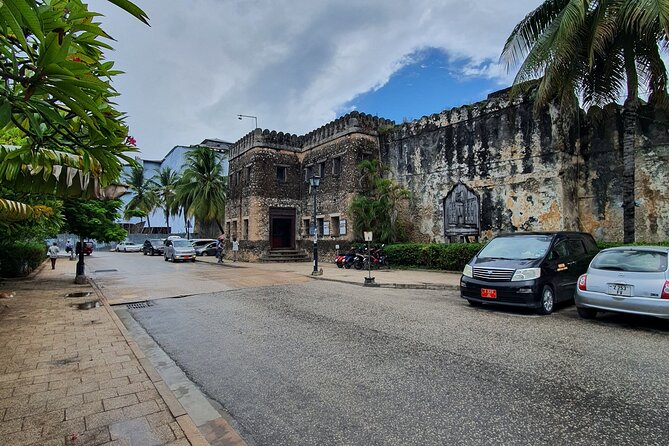
From the House of Wonders, the route reaches the Old Fort, known locally as Ngome Kongwe. This is one of Stone Town’s oldest structures, and its history changes with the power that controlled the island.
The Portuguese first used the site in the seventeenth century. The Omanis later rebuilt it in the eighteenth century, after which the building took on its Arab fort identity. The site was even used as a Zanzibar train station before becoming a cultural center.
That changing purpose makes the fort especially useful for understanding Stone Town. It is not a single-era monument frozen in place. It reflects invasion, trade, rule, transport, and modern cultural life.
The inner courts now host events such as the Sauti za Busara music festival and the Zanzibar International Film Festival. You may not encounter a festival during your visit, but the fort remains free to visit, and its open spaces offer a welcome change from the tight lanes.
The scheduled stop lasts about 30 minutes. I would use this time to look at the walls and courtyard, then ask your guide to connect the Portuguese and Omani periods with the wider story of Zanzibar. The building itself is impressive, but the layers are what make it memorable.
The former slave market and Anglican Cathedral
The most important stop for historical understanding is the former slave market, now the site of the Anglican Cathedral of Christ Church. Admission to the slave market is included, although the general inclusions and exclusions are worded differently in the booking information. Confirm the exact arrangement when you book, but the stated tour details include the entrance fee.
This is not a light sightseeing stop. The cathedral was built where the largest slave market in Eastern Africa once operated. Outside, a stone monument depicts four chained people, recreating the conditions in which enslaved people were displayed for sale.
Zanzibar’s location in the Indian Ocean made it a major center in the trade linking African rulers, European buyers, and plantation economies around the ocean. From 1830 to 1873, an estimated 600,000 people were sold there, with many more passing through temporarily.
The tour gives this site about 40 minutes, the longest scheduled stop. That is appropriate. You need time to take in the exhibition, hear the historical explanation, and consider the contrast between the cathedral’s religious setting and the market that came before it.
I appreciate that the route does not treat Stone Town as only a collection of pretty doors and old buildings. The slave market is central to Zanzibar’s story, and skipping it would leave your understanding badly incomplete. Go prepared for a serious visit, especially if you are traveling with children or teenagers. The subject matter is difficult, but the site provides necessary context.
More Stone Town walks:
- Zanzibar: Stone Town, Spice Tour, Prison Island with Lunch
★ 4.4 · 1,219 reviews - Zanzibar: Prison Island, Stone Town, & Spice Farm Tour
★ 4.5 · 579 reviews - Zanzibar; Prison Island, Nakupenda, StoneTown Tour with BBQ
★ 4.3 · 457 reviews - Zanzibar: Stone Town, Spice tour & Prison Island with Lunch
★ 4.6 · 453 reviews
St. Joseph’s Cathedral and the city skyline
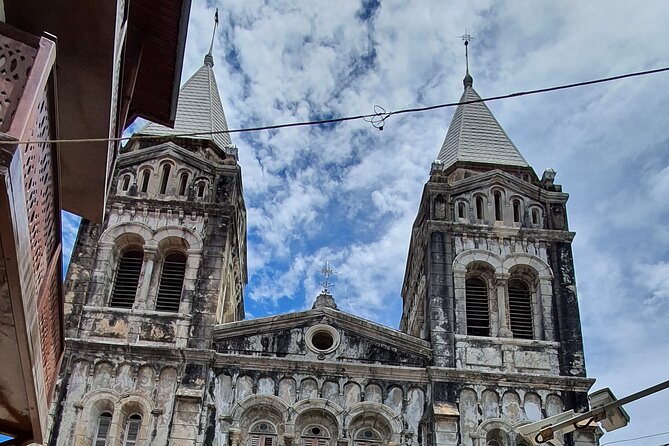
The next stop shifts from the history of commerce and empire to Stone Town’s Catholic heritage. St. Joseph’s Roman Catholic Cathedral was built by French missionaries between 1893 and 1898 in the Baghani area.
Its twin spires are among the most recognizable features of the city skyline. The design was based on the work of the French architect associated with the cathedral in Marseille, giving this Zanzibar church a distinctly European visual link.
Inside, the cathedral has murals from the Old Testament, along with tiles and stained glass imported from France. It remains in regular use by the Catholic community, with Masses held on Sundays and occasionally during the week.
The scheduled visit is brief, about 15 minutes, and admission is free. That makes this more of an exterior and short interior look than a full church visit. If you care about architecture or religious history, ask your guide for extra context. If the church is in use, be respectful and follow any local instructions.
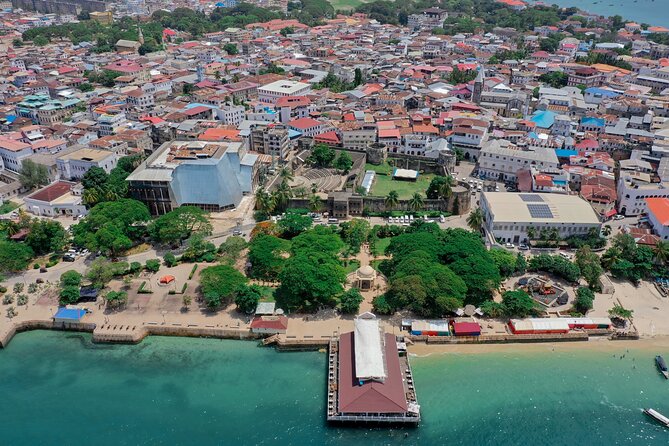
The stop also helps you read Stone Town’s skyline. After seeing the Islamic, Omani, Portuguese, and commercial sides of the old city, St. Joseph’s adds another piece without requiring a long detour.
Freddie Mercury’s Stone Town connection
Freddie Mercury was born in Zanzibar, and the Freddie Mercury Museum gives the walking tour a modern cultural connection. The museum is located in Stone Town, within the old city’s historic streets.
This stop lasts about 20 minutes. Admission is not included, so plan for an extra personal expense if you want to enter. The tour can still point out the house and explain Mercury’s connection to Zanzibar even if you decide not to pay for admission, but confirm what your guide plans to do on the day.
The stop will appeal most to Queen fans, music lovers, and anyone who enjoys seeing how a famous person fits into the place where they were born. It also breaks up the older royal and religious history with a more recent story.
Do not expect the museum to replace the wider Stone Town experience. It is a short stop within a much larger historical district. Its strength is the personal connection, especially after you have already seen how many cultures meet in the city.
Markets, doors, and the parts between stops
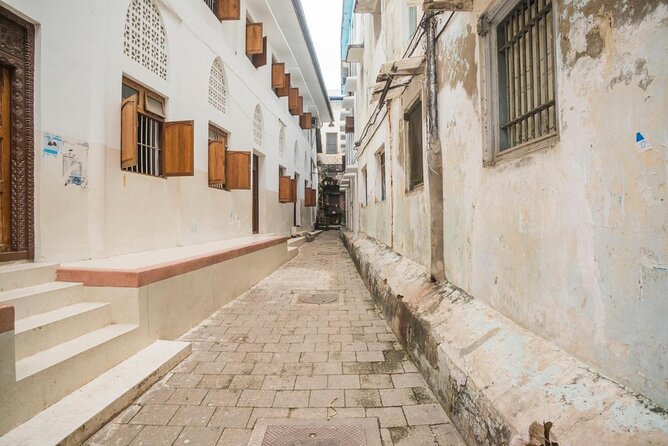
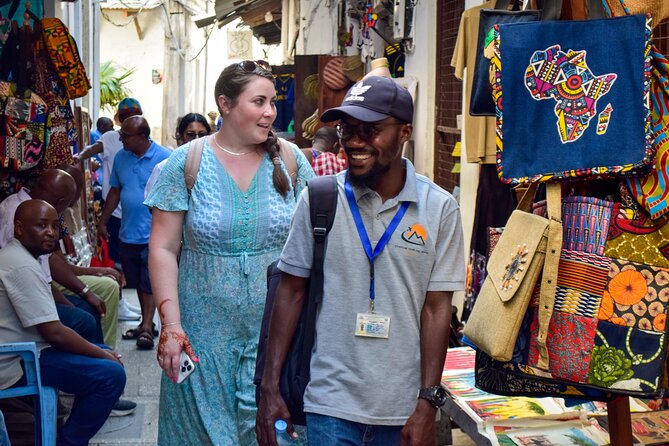
The official route lists the main landmarks, but the space between them is just as important. Your guide leads you through Stone Town’s narrow streets, where everyday life continues around old walls and historic facades.
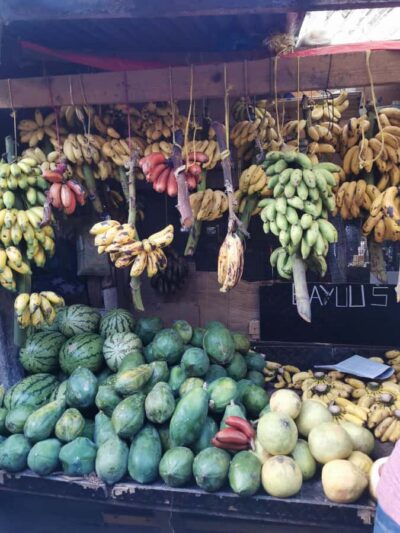
You may pass the local market and the fish section, both mentioned as memorable parts of the walk. These are working places, not staged displays. That means they can be interesting, noisy, crowded, or strong-smelling, depending on the time and activity.
The doors deserve close attention. Stone Town is famous for entrances that blend African styles with Indian and Arabic designs. A guide can point out details you might otherwise walk past, helping you see the doors as records of wealth, trade, family status, and cultural exchange.
This is also where the private setup gives you the most freedom. If you want photographs, shopping time, or a closer look at a market stall, say so. One family with children aged 17, 14, and 8 had the tour adjusted around shopping and preferred interests. That flexibility is a real advantage, though it may mean you see fewer interiors if you linger.
Some visits have also extended beyond the planned three hours when the group wanted more time. Do not count on an afternoon-long outing, but the guide may be willing to adapt when timing allows.
How the guiding affects the experience
A Stone Town walk depends heavily on the person leading it. Without clear context, the city can become a pleasant but confusing collection of doors, walls, and old buildings.
Said is repeatedly named as a warm, flexible guide who explains monuments in detail, takes photographs, answers questions, and helps with restaurant suggestions. He is also praised for speaking French very well, which makes him a strong choice for French-speaking visitors. Osman and Ousmane are also identified as guides who explain Stone Town’s history clearly and keep the walk engaging.
The feedback also points to a friendly tone. That matters on a three-hour private walk, where a stiff lecture would quickly become tiring. You can expect room for questions and a more personal exchange than on a large group tour.
At booking, ask which guide is assigned if language is important to you. The experience includes a professional guide, but a specific guide is not guaranteed in the basic details. If you want French, ask about Said or another French-speaking guide before finalizing the reservation.
Is $43 a fair price?
At $43 per person, this tour is reasonably priced for a private, three-hour experience, especially if two or more people share the outing. You are paying for a guide dedicated to your group, a route through the city’s main historic sites, a bottle of water, and the slave market entrance fee.
The value rises if you want explanations rather than a self-guided stroll. Stone Town’s lanes can be confusing, and the connections between Portuguese rule, the Omani sultanate, Indian trade, religious buildings, slavery, and modern culture are not always obvious from the street.
The price does not include hotel transfers, tips, personal purchases, or the Freddie Mercury Museum admission. You need to reach the Old Fort on Mizingani Road yourself, using nearby public transportation or another arrangement. The meeting point is central to the route, and the tour returns there at the end.
For a solo visitor, $43 may feel less like a bargain than it would for a couple or family. For a private group, the ability to tailor the pace and include shopping or extra questions can make the cost worthwhile.
Timing, comfort, and practical planning
The tour is listed at about three hours, with roughly 30 minutes at the House of Wonders, 30 at the Old Fort, 40 at the former slave market, 15 at St. Joseph’s Cathedral, and 20 at the Freddie Mercury Museum. Walking between stops fills the remaining time.
Because the experience requires good weather, rain or other poor conditions can lead to a new date or a full refund. You can cancel for a full refund up to 24 hours before the start time. Cancellations or changes made inside 24 hours are not refunded or accepted.
Most people can participate, and the activity is private, meaning only your group joins. That is useful for families, couples, and friends who want their own rhythm. The information does not provide detailed accessibility specifications, so contact the operator if you need particular assistance with walking, surfaces, or entrances.
Bring water beyond the included bottle if you prefer to drink often, and carry small amounts of time and patience for market stops. Dress in a way that respects religious sites, and ask before photographing people or active worship.
Who will enjoy this walk most
I would choose this tour if you are visiting Zanzibar for the first time and want a clear introduction to Stone Town. It gives you the key landmarks without requiring a full day, and the guide can explain the city’s past in a way that connects the sites.
It also suits families. The private format lets you slow down, answer children’s questions, allow shopping time, or move on when attention fades. The former slave market is serious, so parents should decide how much detail is right for their children.
French-speaking visitors should ask about Said or another French-speaking guide. Music fans will appreciate the Freddie Mercury stop, while architecture lovers will find plenty in the doors, fort, cathedral, and old palace buildings.
I would look elsewhere if you want a museum-heavy day with long interior visits at every stop. The schedule is broad rather than slow. You see many places, but only the slave market receives a longer dedicated visit.
Should you book the Private Stone Town Walking Tour?
Book it if you want a private introduction to Stone Town with a guide who can adjust the route, explain the difficult history, and help you notice details in the streets. The strongest reasons are the flexible pace, central route, included slave market admission, and the chance to request a guide such as Said, Osman, or Ousmane.
Before paying, confirm two things: who will guide your group and what admission is covered at each attraction. Also budget for the Freddie Mercury Museum, hotel transportation, and a tip if the service is good.
This is a solid first-day choice in Zanzibar. It gives you the city’s major stories, leaves you at the Old Fort afterward, and helps you return to Stone Town later with a better sense of where you are.
FAQ
How long is the private Stone Town walking tour?
The tour lasts approximately three hours, including walking between the listed stops.
Where does the tour start?
The meeting point is the Old Fort on Mizingani Road in Zanzibar, Tanzania.
Where does the tour end?
The activity ends back at the meeting point at the Old Fort.
Is this a private tour?
Yes. Only your group participates in the activity.
What is included in the tour price?
The price includes a professional tour guide, a bottle of water, and the entrance fee at the slave market.
Is the Freddie Mercury Museum admission included?
No. Admission to the Freddie Mercury Museum is not included and is listed as an additional personal expense.
Are hotel transfers included?
No. Transportation to and from your hotel is not included.
Can I cancel for a full refund?
Yes. You can cancel at least 24 hours before the start time for a full refund. Cancellations within 24 hours are not refunded.
What happens if poor weather cancels the tour?
If the experience is canceled because of poor weather, you will be offered another date or a full refund.
Newly listed around Zanzibar
- Zanzibar: Nungwi/Kendwa Beach Sunset Dhow Cruise with Fruits★ 3.4 · 3 reviews
- Prison Island, Sea Turtles, Rock Restaurant & Relax in Beach★ 4.6 · 3 reviews
- Starfish Beach; The Rock; Kuza Cave; Paje Beach; Salaam Cave Tour★ 4.5 · 3 reviews
- Zanzibar: Half-Day Spice Farm Tour,the flavours of Zanzibar★ 4.7 · 3 reviews
- Joazani forest & Spice farm with lunch★ 5.0 · 3 reviews
- Nakupenda Island Snorkeling Sea trip & Lunch W/Transfer -Zanzibar★ 4.0 · 3 reviews
- Mnemba Island Snorkeling and Dolphin tour★ 5.0 · 3 reviews
- Zanzibar:Jozani forest, Spice farm with Swahili Cuisine clas★ 4.2 · 3 reviews
Stone Town Tours, compared.



Full-Day Private Stone Town +Spice Farm and Prison Island Tour
Read our review →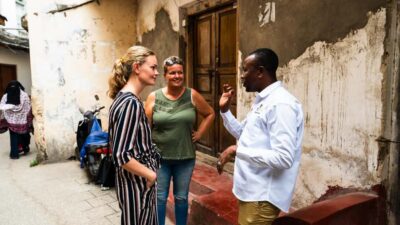
Browse the lists this tour appears in