
Reviewed · STONE TOWN TOURS
From Stone Town: Spice Tour of Zanzibar
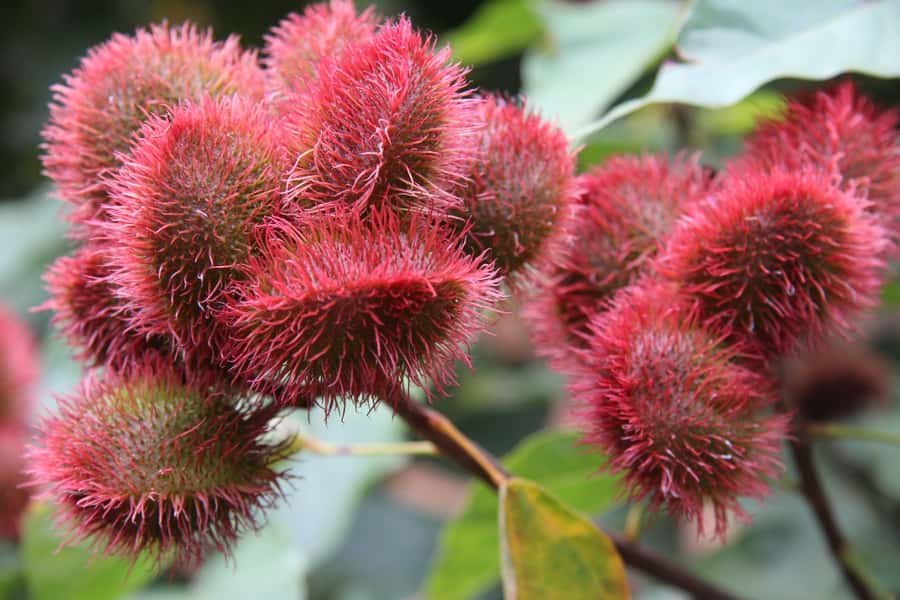
The most memorable part of this Zanzibar spice tour is seeing familiar kitchen ingredients growing as living plants. Cinnamon, cloves, ginger, pepper, nutmeg, cardamom, and vanilla become far more interesting when you can touch, smell, and taste them at the farm.
I like the hands-on guide work, especially the clear explanations of how plants are harvested and used. I also like the cheerful finish: a coconut climber sings while collecting a fresh coconut, followed by fruit tasting and a small farm shop. The main consideration is that tipping may be expected for the guide, assistant, and climber, so carry cash in addition to money for purchases.
Key points to know before you book
- See spices in the ground: Cinnamon, cloves, nutmeg, vanilla, cardamom, turmeric, ginger, pepper, curry, tamarind, and menthol are among the plants you may encounter.
- Taste more than spices: Fresh papaya, mango, jackfruit, guava, and other fruit grown at the farm add a welcome sweet break.
- The coconut climber is part of the charm: A climber sings the Jambo song while going up the tree and cuts down a coconut for fresh water.
- Pickup is simple from Stone Town: A driver collects you at your hotel reception and returns you after the farm visit.
- Bring cash: You may want money for spices, soaps, perfumes, handmade gifts, and tips.
- Allow 2.5 hours: The tour fits neatly into a Stone Town sightseeing day, but wear comfortable shoes and leave large bags behind.
Why Zanzibar is called Spice Island
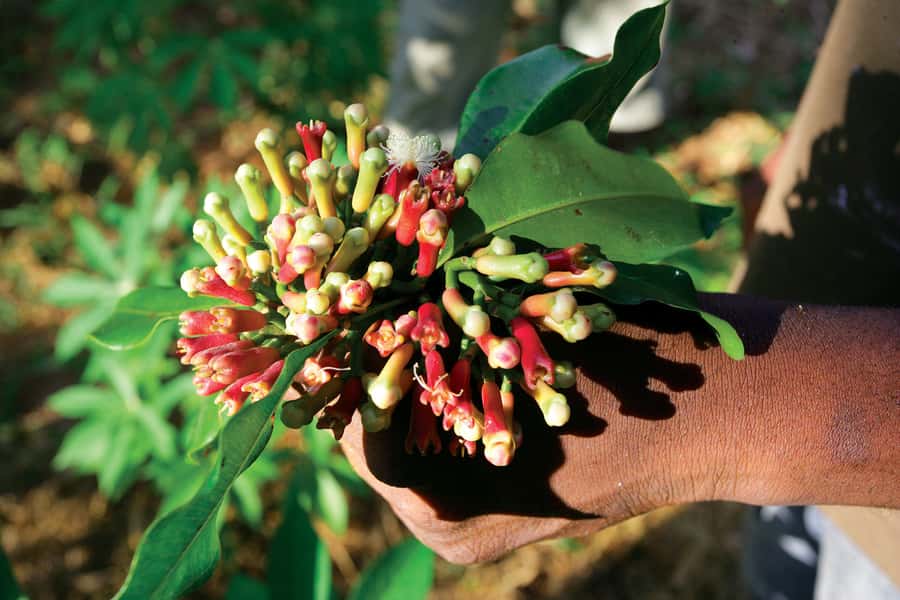
Zanzibar’s spice nickname makes sense once you walk among the plants instead of seeing spices only in market jars. This small plantation brings the subject down to earth. You see the shape of a cardamom plant, smell a crushed leaf, handle pieces of cinnamon bark, and learn which part of each plant is used.
The experience is not just a list of ingredients. Your guide explains what the plants were originally used for and how local people have used herbs in daily life. The neem tree, for example, has traditionally been used locally for malaria and indigestion. The iodine tree is still used to help fight infections in wounds.
Treat these points as traditional knowledge, not medical advice. The value is in understanding how plants fit into local life, not in replacing modern treatment. I appreciate that this makes the tour more than a photo stop beside a few trees.
The farm also gives you a clearer idea of how much work sits behind a familiar spice. Cinnamon is not simply a brown powder. Ginger is not only the grated ingredient in a recipe. When the guide explains harvesting and preparation, your spice rack back home has a little more meaning.
More Stone Town walks:
- Zanzibar: Stone Town, Spice Tour, Prison Island with Lunch
★ 4.4 · 1,219 reviews - Zanzibar: Prison Island, Stone Town, & Spice Farm Tour
★ 4.5 · 579 reviews - Zanzibar; Prison Island, Nakupenda, StoneTown Tour with BBQ
★ 4.3 · 457 reviews
From hotel pickup to the plantation
Pickup is included from hotels within Stone Town. You should wait at the hotel reception, where the driver can find you more easily. The transfer is especially useful if you are staying inside Stone Town and do not want to arrange a separate taxi to the plantation.
There has been at least one practical snag with hotel locations not pinning correctly on the booking map. In that case, Babu Tours & Safaris stayed in contact through WhatsApp and corrected the pickup without ruining the timing. I would still send the operator your exact hotel name and keep your phone available on the morning of the tour.
The tour lasts about 2.5 hours, not counting any unusual delay on the road. Starting times depend on availability, so check the schedule before you book. A morning visit can work well before lunch, while another start time may fit around Stone Town sightseeing.
The plantation is described as small, which is a plus for this kind of visit. You are not racing across a huge agricultural site. The guide can focus on the plants close at hand and stop to explain details as you go.
Walking among cinnamon, cloves, and cardamom
The main walk introduces you to a long list of spice plants and herbs. Expect to see cloves, nutmeg, vanilla, cardamom, cinnamon, curry, menthol, pepper, tamarind, and ginger. Turmeric also appears in the hands-on demonstrations described during the tour.
The best way to enjoy this section is to use all your senses. Look closely at the plants, smell leaves or bark when invited, and taste small samples when the guide says they are suitable. The tour is strongest when the guide connects each plant to harvesting and cooking rather than simply naming it.
A guide from the farm leads the walk, and names associated with past visits include Juma. His approach was described as informative and funny, which is useful on a warm walk where a dry lecture would quickly lose its appeal. Other guides may lead your group, and the activity offers English, French, German, Spanish, and Italian.
You may taste many of the spices, but not every plant should be treated as a snack. Follow the guide’s instructions. Some plants are shown for their scent, appearance, or traditional use rather than eaten straight from the stem.
The explanations about old herbal uses are one of the more useful parts of the tour, but they need sensible boundaries. The neem and iodine tree information gives you cultural context. It should not be read as a promise that these plants can safely treat illness.
Fresh fruit at the farm
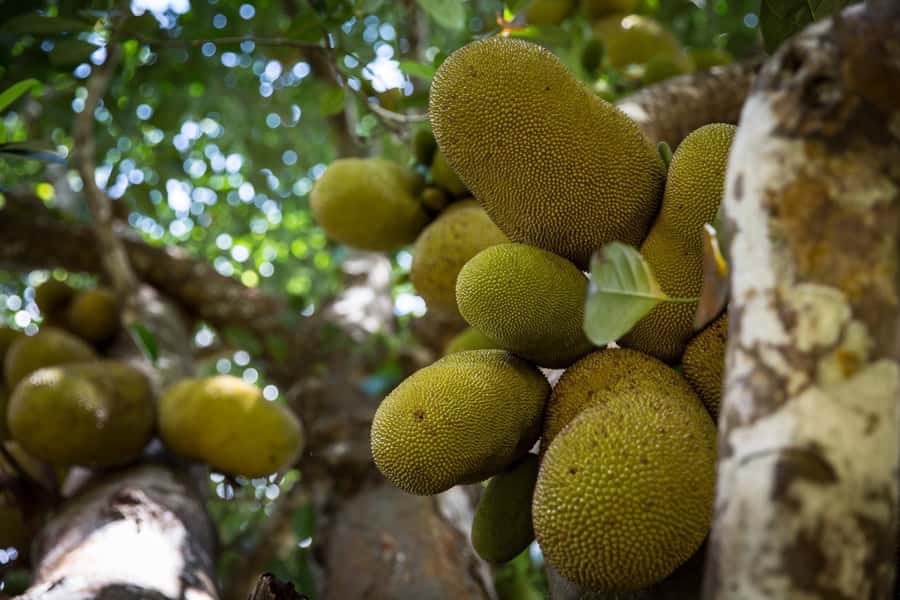
The fruit section breaks up the spice walk with something juicy and easy to enjoy. Papaya, mango, jackfruit, guava, and avocado are among the fruit noted during the experience. Depending on what is growing and ready, you may sample several kinds.
Jackfruit is often the talking point because its size and texture make it unlike the fruit many people know from home. Mango and papaya are more familiar, but they taste different when freshly picked and served at the farm. The fruit tasting is also a good chance to ask how local crops are used.
Food is not listed as a separate inclusion, so do not treat this as a full meal. You receive tasting opportunities and fruit, but you should arrange lunch or other substantial food separately. That small distinction matters if you are planning the tour between airport transfers or a long day out.
The fruit tasting also makes the outing friendly for people who are not serious cooks. You do not need to know the difference between cardamom and clove to enjoy a fresh mango, and the guide’s explanations give the visit a wider appeal than a specialist spice lesson.
More spice farm mornings:
- Zanzibar: Stone Town, Spice tour & Prison Island with Lunch
★ 4.6 · 453 reviews - Full-Day Private Stone Town +Spice Farm and Prison Island Tour
★ 4.5 · 216 reviews - Spice Tour + Stone Town Tour + Prison Island
★ 4.5 · 130 reviews - Zanzibar: Spice Tour & Stone Town Walking Tour
★ 4.8 · 115 reviews
The coconut climber and the Jambo song
Near the end, a coconut climber provides the most theatrical moment. He climbs the tree while singing the traditional Jambo song, then cuts down a coconut for you to drink. It is a simple demonstration, but it gives the finish a strong local character.
The climber is not just there for a photograph. You see a practical skill in action, and the fresh coconut water is a pleasant reward after walking in the plantation. Some visitors are also given handmade gifts or woven crowns, and one described being made King and Queen of Spice. These extras can vary, so enjoy them as part of the atmosphere rather than treating them as guaranteed items.
Plan for a tip. The guide, assistant, and coconut climber may all expect one, and carrying small notes makes the moment less awkward. Tipping is separate from the tour price.
This section can feel a little staged, and that is worth saying plainly. The singing and crowns add entertainment, while the plant walk provides the educational core. If you want a quiet agricultural visit with no performance, the coconut-climbing finale may feel more arranged than authentic. If you enjoy a lively ending, it is likely to be one of the parts you remember.
The farm shop and what to take home
The visit ends at the plantation’s small spice shop. You can buy fresh spices for cooking, along with items such as soaps and perfumes. This is the practical payoff for anyone who wants to recreate a little of the experience at home.
I would wait until the end before buying. You can first see the plants, learn what they are, and decide which items interest you. The shop is also a useful place to ask how to store the spices and how to use unfamiliar ingredients.
Bring cash for purchases. Card payment is not specified, and cash is also useful for tips. Keep your shopping modest if you are continuing around Stone Town, since the activity does not allow luggage or large bags.
The shop adds value without forcing you to buy anything. The entrance fee, guide, and government taxes are included, but shopping is extra. You are paying for the farm visit and instruction, not for a gift bundle hidden inside the price.
Is $30 good value for 2.5 hours?
At $30 per person, the tour offers a fair package for a short Stone Town outing. The price includes hotel pickup, the plantation entrance fee, a guide, and government taxes. You also get spice and fruit tasting, the coconut demonstration, and access to the farm shop, though purchases and tips cost extra.
The transfer is a meaningful part of the value. A self-arranged taxi would add both cost and planning, especially if you are unfamiliar with the roads outside Stone Town. The tour also gives you a guide who can explain what you are seeing instead of leaving you to identify plants on your own.
The value depends on your interests. If you like food, gardens, local customs, or practical demonstrations, 2.5 hours is well spent. If you have little interest in cooking or plants, the tour may feel repetitive after the first few spices.
The tour is also a good choice for a first visit to Zanzibar because it explains a key part of the island’s identity in a compact format. It does not require a full day, and it can be combined with time in Stone Town. Just remember that a small farm visit is not the same as an extensive agricultural expedition. The attraction is close-up contact and explanation, not scale.
Guide quality and the feel of the visit
The guide makes the difference here. The strongest version of the tour is lively, clear, and willing to answer questions. Guides such as Juma have been praised for being funny as well as informative, while Sulley has worked as an assistant guide.
You should expect a guide from the farm rather than a formal museum-style presenter. That can make the explanations feel more personal and connected to the place. It also means the pace and style may vary depending on who leads your group.
The available languages are English, French, German, Spanish, and Italian. If you need one language in particular, confirm its availability when checking the start time. The tour is designed for a broad audience, so you do not need prior knowledge of spices.
Communication with Babu Tours & Safaris is another practical strength. WhatsApp contact can help if the hotel pin is wrong or your pickup needs clarification. Send your accommodation details early rather than waiting for the driver to solve a map problem on the day.
Who should book this spice tour?
I would recommend it to couples, families, solo visitors, and anyone with a half-day free in Stone Town. The mixture of walking, tasting, short explanations, and the coconut display keeps the experience varied.
It suits people who want more than market shopping. At a market, you can buy cinnamon or cloves, but here you can see the plant and learn how it is harvested. It is also a good option for anyone who enjoys trying fruit and wants an easy introduction to Zanzibar’s farm life.
The tour may be less suitable for anyone with serious mobility limits. The activity information says it is wheelchair accessible but also says it is not suitable for people with mobility impairments. That is a clear contradiction, so ask Babu Tours & Safaris about the exact walking surface, plantation access, and vehicle arrangements before booking.
Wear comfortable shoes. You will be walking around a farm, and the tour does not allow luggage or large bags. A small personal bag is more practical, but keep it light.
Should you book the $30 experience?
Book this tour if you want a friendly, hands-on look at Zanzibar’s spice plants without giving up most of your day. The best reasons are the close look at cinnamon, cloves, ginger, cardamom, vanilla, and other plants, plus the fresh fruit and coconut-climbing finale.
I would skip it only if you dislike guided farm visits, do not want to buy anything, or need a fully accessible route that has not been confirmed in advance. For most people staying in Stone Town, the included pickup and clear 2.5-hour format make it an easy addition to a Zanzibar itinerary.
Carry cash, confirm your hotel pickup by WhatsApp, wear comfortable shoes, and leave large bags behind. With those small preparations, this is a useful and entertaining way to understand why Zanzibar earned its spice-island name.
FAQ
How long does the spice tour last?
The guided plantation visit lasts 2.5 hours. Starting times depend on availability when you check the booking schedule.
How much does the tour cost?
The listed price is $30 per person. The price includes the entrance fee, guide, and government taxes.
Is hotel pickup included?
Yes. Pickup is available from hotels within Stone Town. Wait at your hotel reception for collection.
Which languages are available?
The tour can be guided in English, French, German, Spanish, or Italian.
What spices and plants can I see?
The plantation includes plants such as cloves, nutmeg, vanilla, cardamom, cinnamon, curry, menthol, pepper, tamarind, ginger, and turmeric. You may also see neem and the iodine tree.
Can I taste fruit and spices?
Yes. The tour includes opportunities to taste spices and fresh tropical fruit such as papaya, mango, jackfruit, guava, and avocado. Food beyond tasting is not included.
What should I bring, and what is not allowed?
Wear comfortable shoes. Luggage and large bags are not allowed. Carry cash if you want to buy spices, soaps, perfumes, or handmade items, or if you plan to tip.
Newly listed around Zanzibar
- Zanzibar: Nungwi/Kendwa Beach Sunset Dhow Cruise with Fruits★ 3.4 · 3 reviews
- Prison Island, Sea Turtles, Rock Restaurant & Relax in Beach★ 4.6 · 3 reviews
- Starfish Beach; The Rock; Kuza Cave; Paje Beach; Salaam Cave Tour★ 4.5 · 3 reviews
- Zanzibar: Half-Day Spice Farm Tour,the flavours of Zanzibar★ 4.7 · 3 reviews
- Joazani forest & Spice farm with lunch★ 5.0 · 3 reviews
- Nakupenda Island Snorkeling Sea trip & Lunch W/Transfer -Zanzibar★ 4.0 · 3 reviews
- Mnemba Island Snorkeling and Dolphin tour★ 5.0 · 3 reviews
- Zanzibar:Jozani forest, Spice farm with Swahili Cuisine clas★ 4.2 · 3 reviews
Stone Town Tours, compared.





Full-Day Private Stone Town +Spice Farm and Prison Island Tour
Read our review →
Browse the lists this tour appears in