
Reviewed · SERENGETI & NGORONGORO SAFARIS
Arusha: 3-Day Safari to Ngorongoro Crater and Serengeti
Ngorongoro Crater gives this three-day safari its big opening promise: one compact volcanic basin where lions, elephants, buffalo, zebras, wildebeest, birds, and possibly rhinos share the same broad setting. The Serengeti then adds huge golden plains, predators, hippos, and the chance to hear lions near your tent after dark.
I like the combination of two major northern Tanzania parks and the fact that camping, meals, water, bedding, and a safari vehicle are included. I also like the early Serengeti game drive on the final morning, when predators may still be active. The main concern is organization: departure times, vehicle repairs, long gate waits, route changes, and unclear planning have seriously affected some three-day departures.
Key points to know
- Ngorongoro Crater packs wildlife into a compact setting, with open grassland, forest, lakes, and steep crater walls.
- Serengeti camping can feel wonderfully close to nature, including the chance to hear lions from your tent.
- The shared format keeps costs lower, but luggage, crew arrangements, and vehicle space need careful checking.
- The published order may not always hold, so confirm whether Ngorongoro comes before Serengeti.
- A national park fee of about $210 has been reported, and it is not included in the tour price.
- Free pickup applies from Arusha hotels. Pickup from Moshi requires an additional transfer payment.
What this three-day safari is really offering
This is a fast, budget-minded introduction to Tanzania’s two most famous wildlife areas. You spend one night around Ngorongoro and one night camping in or near the Serengeti, with game drives built around the long road between Arusha and the parks.
That sounds simple, but the distances matter. Arusha to the first meaningful wildlife viewing can take much of a day, particularly if departures are delayed or the vehicle must stop for supplies and repairs. You are buying access to remarkable places, not three full, uninterrupted days of game viewing.
The shared arrangement is important. You travel with other customers, and the vehicle carries camping equipment, food, bedding, and luggage. That helps keep the price within reach, but it also means less control over the schedule. I would treat this as an adventurous safari with basic camping, not a polished private trip with a tightly managed timetable.
More Safaris in Arusha
- Balloon Safari & Bush Breakfast in Serengeti – Miracle Experience
★ 5.0 · 1,646 reviews - 4 Days Group Camping Safari
★ 5.0 · 1,101 reviews - 5 Days Group Camping Safari
★ 5.0 · 730 reviews
Day one: from Arusha toward Ngorongoro Crater
The planned first day begins with an early pickup in Arusha and a scenic drive toward Ngorongoro. The crater is a UNESCO World Heritage site and one of the world’s largest volcanic calderas. From the rim, the setting is dramatic: a broad basin enclosed by high walls, with forests, grasslands, lakes, and wildlife below.
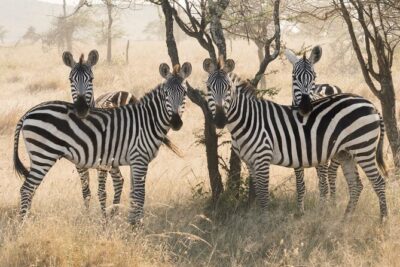
The game drive is meant to take you down into the crater. This is one of the strongest parts of the trip because the animals are concentrated in a relatively small area. You may see lions, elephants, buffalo, zebras, wildebeest, and many bird species. Rhinos are among the possible sightings, though no safari can promise a particular animal.
The crater is especially good for a short safari because you do not need several days to cover a giant park. You can see very different habitats in a single drive, moving between open grassland, forested areas, and water. That variety gives you a useful taste of northern Tanzania without committing to a week-long itinerary.
The weak point is the amount of time spent getting there. A smooth departure still involves a long road journey, and delays can eat into the game drive. Some departures have taken many hours before the first animal viewing, which is frustrating when the advertised plan suggests an early crater visit.
You should also confirm the actual order of the parks before paying. Some departures have begun with Serengeti rather than Ngorongoro. That change may not ruin the safari, but it affects your expectations, camping arrangements, and the time available for each park.
Ngorongoro camping and the value of a sunrise
Camping near Ngorongoro can be a memorable part of the trip. The high setting, cooler air, and open surroundings create a very different mood from the hot plains below. Zebras have been seen only a few metres from the tents, which gives the campsite a genuine sense of being in the middle of nature.
Morning is particularly appealing here. The light is soft, the air can feel fresh, and the crater setting has a calm quality before the day becomes busy. If your departure runs on time, an early start gives you the best chance of seeing animals when they are active.
The camping is basic. Tents, mattresses, sleeping bags, and camping equipment are included, but you should not expect hotel comforts. Reports of poor lighting, missing toilet doors, and difficult nighttime conditions show why you need to pack a headlamp or small flashlight, even though only a daypack and power bank are specifically listed.
Food is one of the more reliable pleasures of the experience. Meals are included, and the cooking has been praised as generous and very good. Bring personal snacks if you need food between scheduled meals, but do not assume that drinks beyond drinking water are covered. Alcoholic beverages are specifically excluded.
Day two: the long road to Serengeti
After breakfast, the plan takes you from Ngorongoro toward Serengeti National Park. The route passes through striking scenery and Maasai areas, making the drive more than a simple transfer. The trouble is that the advertised Maasai village visit is not guaranteed. A visit that was expected by some customers did not happen, and an extra charge was later discussed.
For that reason, ask a direct question before departure: Is a Maasai village visit included in this exact booking, or is it an optional extra? Do not assume that passing through Maasai territory means you will stop at a village.
Serengeti is the larger and more open experience. Its name is closely tied to the Great Migration, and the park is famous for wide grasslands where herds and predators move across long distances. On this afternoon game drive, you may see lions, cheetahs, giraffes, hippos, and other animals along rivers and open plains.
The afternoon light can be excellent for photographs. Golden grass, scattered animals, and a broad horizon give the Serengeti a sense of scale that the crater cannot match. A large pride of lions or a cheetah in the open can become the defining sight of the entire trip.
Still, this is not a full Serengeti safari. The journey from the crater takes time, and a late arrival or lengthy gate stop can leave only a short drive. Some routes have also been repeated instead of covering a wider part of the park. If variety matters to you, ask how the guide plans the route and how much time is reserved for the afternoon drive.
More Serengeti and Ngorongoro itineraries:
- 3 Days Serengeti & Ngorongoro Group Camping Safari
★ 5.0 · 574 reviews - 5-Day Highlights mid-Range Crater, Serengeti, Tarangire
★ 5.0 · 296 reviews - 3-Day Classic Serengeti Safari
★ 5.0 · 263 reviews - Private 6-Day Tarangire Manyara Crater and Serengeti with Mid-Range Lodges
★ 5.0 · 238 reviews
Sleeping under the Serengeti sky
The second night is spent in a tented campsite in the park. This is not luxury camping, but it can be the most atmospheric night of the safari. After dark, the sounds of nature carry across the open ground, and lions have been heard roaring near the tents.
That proximity is thrilling, but it also means you must follow camp instructions. Stay with the group and do not wander alone at night. Take your flashlight, keep your belongings organized, and listen carefully to the guide or camp staff.
A power bank is essential because charging options may be limited. Put your phone and camera batteries on charge whenever a reliable outlet is available. A daypack should hold water, sun protection, a light layer, and anything you need during the drive, since larger luggage may be packed tightly into the vehicle.
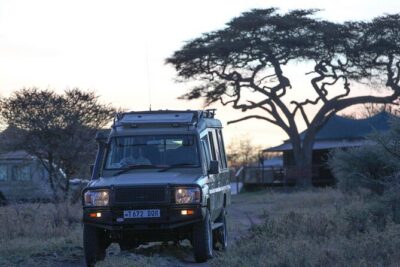
The shared vehicle deserves attention here. One departure involved seven customers and a driver, with a cook also expected to ride along. The vehicle had room for eight people, while luggage filled much of the remaining space. That is an uncomfortable situation on long rough roads, so ask how many people will be in your vehicle and where the cook and camping supplies will travel.
Day three: sunrise game drive and the return to Arusha
The ideal third day begins before sunrise. Early light is the best time to look for predators, and lions or leopards may still be active before the heat builds. Herbivores are also often grazing, giving you a quieter contrast to the drama of a predator sighting.
After the morning drive, you return to camp for breakfast and begin the long drive back to Arusha. This final day is not a leisurely park visit. Much of it is road time, and the return can take the rest of the day.
The schedule has sometimes started late because of vehicle problems. A gearbox repair caused one planned morning drive to be canceled, while another departure began much later than expected. A late start matters in a safari because animals are often easier to find in the early morning and late afternoon.
There has also been confusion when a driver left at night without clearly informing the group. That sort of communication failure is more than an annoyance. It can make you miss the best wildlife hours and leave the whole group unsure about meals, departure time, and the next stop.
Before setting out, ask for the next morning’s exact plan. You should know the departure time, breakfast arrangement, expected game drive length, and when the group will leave the park. Clear answers will not fix a vehicle problem, but they will show whether the day is being managed properly.
Wildlife: strong potential, no guarantees
The animal list is impressive, and the experience can deliver. Lions, cheetahs, elephants, giraffes, and many other species have been seen early in the Serengeti portion. Ngorongoro may add buffalo, zebra, wildebeest, birds, and the possibility of rhino sightings.
The Big Five are often used to describe the safari promise: lion, elephant, buffalo, leopard, and rhino. You should see this as a list of possible sightings, not a guarantee. Leopards are shy, rhinos are not common, and animal movements change each day.
The best sightings depend on timing, the guide’s judgment, road conditions, and plain luck. A guide who communicates clearly and varies the route can make a big difference. Ask whether the guide will explain the animals, point out tracks, and adjust the drive when fresh sightings are reported.
Do not judge the safari only by how many species you tick off. Watching a pride of lions settle into the grass, hearing wildlife outside camp, or seeing herds move across the Serengeti can be more memorable than a hurried checklist.
Meals, equipment, and comfort
The package includes tent accommodation, a mattress, sleeping bag, camping equipment, meals according to the schedule, drinking water, and transport in a safari vehicle. An English-speaking professional guide leads the safari, and a cook may be part of the camping team.
These inclusions give the trip useful value, especially if you do not want to rent camping gear separately. They also make the tour practical for someone who wants a safari without arranging each transfer, park entry, meal, and campsite alone.
The basic setup requires preparation. Bring a daypack and power bank, then add a flashlight, warm clothing for cool mornings, sun protection, comfortable shoes, and a refillable bottle if suitable for the supplied water arrangement. The provided information does not promise electricity, hot showers, or private campsite facilities, so pack for simple conditions.
Vehicle condition is a serious part of comfort and safety. A broken window, gearbox trouble, or a vehicle overloaded with people and luggage can damage the experience. Ask about the vehicle, maximum group size, luggage limits, and what happens if a breakdown delays the itinerary.
Park fees and the real cost
The national park fee is not included. One customer was charged about $210, so you should budget for a substantial extra payment and confirm the current amount before departure. Park charges can depend on the exact parks, dates, and booking arrangements, so do not rely on a vague verbal estimate.
Travel insurance is also excluded, as are alcoholic beverages. Pickup from an Arusha hotel is free, but a pickup from Moshi requires an additional transfer payment. These details can change the value calculation, especially if you are comparing this safari with a package that looks more expensive but includes park fees and transfers.
The low price of a shared safari can make sense when your priority is reaching Ngorongoro and Serengeti on a limited budget. It is less attractive if you place a high value on exact departure times, private space, flexible routes, or dependable backup arrangements.
Who should book this safari?
I would consider it for an adventurous first-time safari visitor who wants the main northern Tanzania parks, accepts basic camping, and is comfortable sharing a vehicle. It can also suit a flexible solo visitor who likes meeting other people and wants meals and equipment handled as part of one package.
I would be more cautious if you have only three days in Tanzania and cannot afford delays. A missed game drive is a major loss when the schedule is this short. Families with young children, photographers carrying bulky equipment, and anyone needing a firm timetable should ask detailed questions before booking.
The rating of 4.1 from 43 ratings suggests a mixed but often rewarding experience. The highest praise centers on wildlife, beautiful scenery, excellent food, and the atmosphere of camping near animals. The lowest scores focus on delays, poor communication, vehicle issues, overcrowding, and changes to the planned route.
My booking advice
Ask these questions before you commit:
- Is the first park Ngorongoro or Serengeti?
- How many customers and crew members will share the vehicle?
- Is the Maasai village visit included, and if not, what is the extra cost?
- Is the quoted price separate from the approximately $210 park fee?
- What is the plan if the vehicle breaks down?
- What time will each game drive begin and end?
If the answers are clear and the group size is reasonable, the safari can deliver excellent wildlife and a memorable night under the Serengeti sky. If the answers are vague, I would choose a better-organized option, even at a higher price.
FAQ
Where does the safari begin?
The safari begins in Arusha, Tanzania. Free hotel pickup is available for clients staying in Arusha.
Can I be picked up in Moshi?
Yes, but pickup from Moshi requires an additional payment for the transfer.
Is the national park fee included?
No. The national park fee is not included. A charge of about $210 has been reported, so confirm the current amount before departure.
What accommodation is provided?
Accommodation is in tents. The package includes a sleeping bag, mattress, and camping equipment.
Are meals and drinking water included?
Yes. Meals are included according to the itinerary, along with drinking water. Alcoholic beverages are not included.
What should I bring?
Bring a daypack and power bank. Because the tour uses basic camping, a flashlight, warm clothing, sun protection, and comfortable walking shoes are also sensible additions.
More three day trips in Arusha
- 3 Day Serengeti National Park & Ngorongoro Crater Camping Safari
★ 5.0 · 142 reviews - 3 Days Tarangire, Ngorongoro & Lake Manyara Group Camping Safari
★ 5.0 · 102 reviews - 3 Days Private Safari – manyara, Ngorongoro & Tarangire
★ 5.0 · 94 reviews - 3 Days Small Group Safari to Serengeti NP and Ngorongoro Crater Tour in Tanzania
★ 5.0 · 77 reviews
Newly listed around Arusha
- 5-Day Private Safari Tour in Tanzania’s Wildlife★ 5.0 · 3 reviews
- 3 Days private safari Tarangire ,Ngorongroro crater &Manyara★ 5.0 · 3 reviews
- 3 Day Sharing Safari – Manyara, Ngorongoro Crater and Tarangire National Parks★ 5.0 · 3 reviews
- Tarangire National Park Day Trip★ 5.0 · 3 reviews
- 6 -Day Tarangire, Manyara, Serengeti & Ngorongoro★ 5.0 · 3 reviews
- 2 Days Tarangire and Ngorongoro Crater Tour★ 5.0 · 3 reviews
- 5 Days Group Camping Safari★ 4.7 · 3 reviews
- 7-Day Mt. Kilimanjaro Hiking: Machame Route★ 5.0 · 3 reviews
Serengeti & Ngorongoro Safaris, compared.
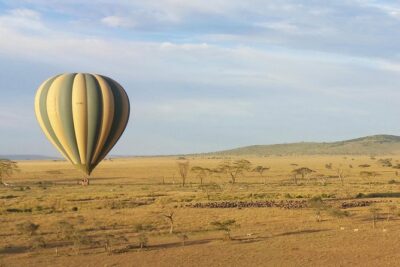
Balloon Safari & Bush Breakfast in Serengeti – Miracle Experience
Read our review →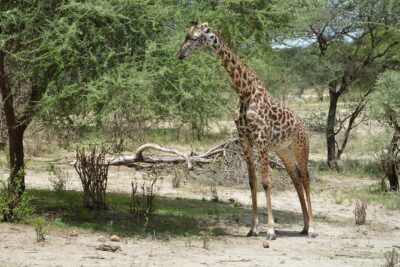
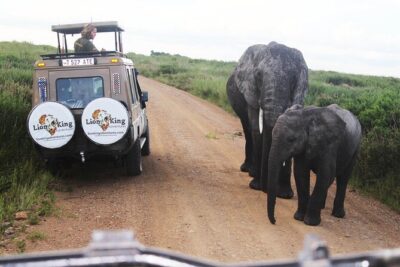
Private 6-Day Tarangire Manyara Crater and Serengeti with Mid-Range Lodges
Read our review →
5 Days Camping Tarangire, Serengeti & Ngorongoro crater & Visiting Maasai
Read our review →Browse the lists this tour appears in