
Reviewed · ARUSHA TOURS
4 Days Tanzania Safari
Tarangire’s giant baobabs and large elephant herds make a strong opening to this four-day northern Tanzania safari. You then move through the Serengeti to the Ngorongoro Crater, three of the region’s most famous wildlife areas in one compact trip.
I like the small maximum group of seven, which gives you a better chance of seeing and hearing your guide than on a large safari bus. I also like the range of habitats: Tarangire’s swamps, the Serengeti’s open plains, and the crater’s enclosed animal-rich floor.
The main tradeoff is the pace. You cover a lot of ground in four days, and the long transfers leave less time for relaxed camp or lodge stays. You should also confirm the pickup time, since the details give both 7:30 AM and 8:30 AM.
Key points at a glance
- Tarangire opens with elephants and baobabs: The park is known for some of Africa’s largest elephant herds, plus unusual species such as greater kudu and fringed-eared oryx.
- Serengeti time centers on Seronera: The Seronera River draws wildlife and gives you an afternoon game drive after arrival.
- Ngorongoro is more than a crater view: You spend about five hours on the crater floor, with possible sightings of rhino, lions, hyenas, hippos, and large herds.
- The group is limited to seven people: That is a useful size for a shared safari and can make vehicle time more manageable.
- Guide quality matters here: Sallu is specifically praised for explaining animals, birds, flowers, trees, and local experiences.
- The $930 price buys a concentrated safari: It is best value for someone who wants three major areas without arranging a private, custom itinerary.
Three famous parks in four demanding days
This route gives you a quick look at the main safari circuit around Arusha. You see Tarangire National Park on the first day, travel through the Ngorongoro Conservation Area to the Serengeti on the second, spend part of the third day in the Serengeti, and finish in Ngorongoro Crater on day four.
That variety is the heart of the trip. You are not visiting three parks that feel alike. Tarangire is associated with elephants, baobabs, acacia woodland, and seasonal water. The Serengeti offers huge open spaces and the chance to search for many different animals. Ngorongoro places wildlife in a compact volcanic setting.
The cost is $930 per person, which makes the trip easier to compare with other safari options. You are paying for a shared, tightly planned experience rather than the privacy or flexible timing of a private safari. The group cap of seven helps preserve some personal attention without pushing the cost into the private-tour range.
The schedule is active. You should expect early starts, long drives, picnic meals, and several game drives. If you want a slow holiday with long afternoons at one lodge, this is not the right shape of trip. If you have four days and want to cover the northern circuit, it makes practical sense.
More Safaris in Arusha
- Balloon Safari & Bush Breakfast in Serengeti – Miracle Experience
★ 5.0 · 1,646 reviews - 4 Days Group Camping Safari
★ 5.0 · 1,101 reviews - 5 Days Group Camping Safari
★ 5.0 · 730 reviews
Day 1: Tarangire’s elephants and baobab country
The first day begins with pickup in Arusha and a drive to Tarangire National Park. One set of details gives an 8:30 AM hotel pickup, while the meeting information lists Mount Meru Hotel on Arusha-Taveta Road in the Sekei area and a 7:30 AM start.
Do not leave this unclear. Confirm the exact meeting point and time before the morning of departure. Pickup is offered, but the published times do not match, and that matters when you are preparing for a full day in the park.
Once inside Tarangire, you spend the day on game drives with a picnic lunch. The park’s plant life gives it a different mood from the Serengeti. Acacia woodland, giant African baobabs, and broad swamp areas shape the views. During Tanzania’s dry season, the Tarangire River and swamps attract animals from surrounding areas.
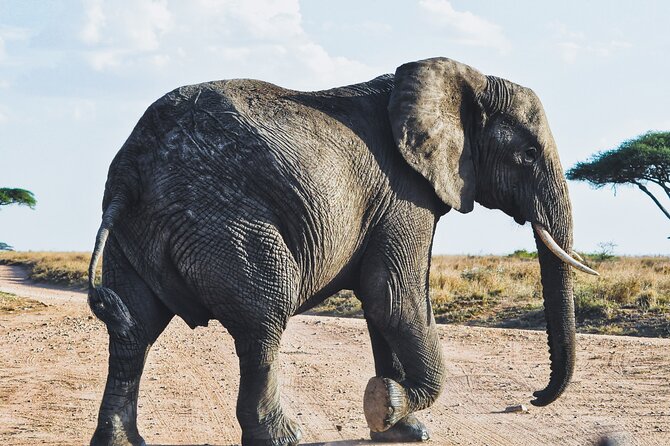
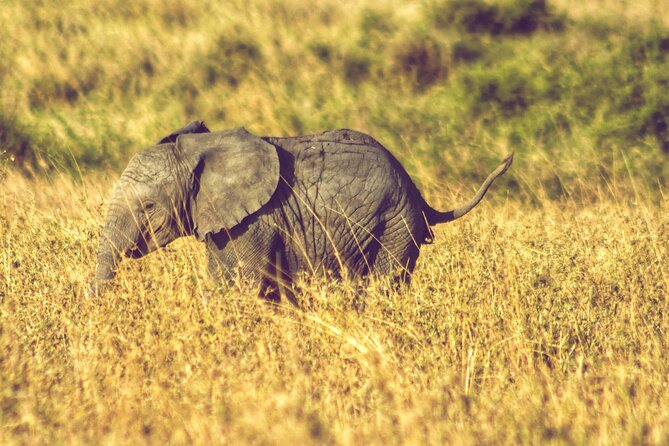
Elephants are the main attraction here. The park is known for very large herds, so this first day can give you memorable close looks at elephant family groups. You may also look for greater kudu, fringed-eared oryx, and ashy starlings, three less common species associated with the park.
The benefit of a full-day drive is time. You are not simply stopping for a quick photo and moving on. Your guide can spend longer watching animal behavior and checking different parts of the park. The drawback is that a full day in a safari vehicle can feel tiring, especially after the drive from Arusha and with more road time ahead.
The picnic lunch keeps the day moving, but it also means you should not expect a restaurant stop or a long midday break. This style suits you if wildlife time matters more than comfort and ceremony.
Day 2: From Karatu highlands to the Seronera River
After breakfast, you travel toward Serengeti National Park through the farmland around Karatu and the Ngorongoro Conservation Area. This section is valuable because the route changes gradually. You leave the high country, pass through cultivated areas, and head toward the wide plains of the Serengeti.
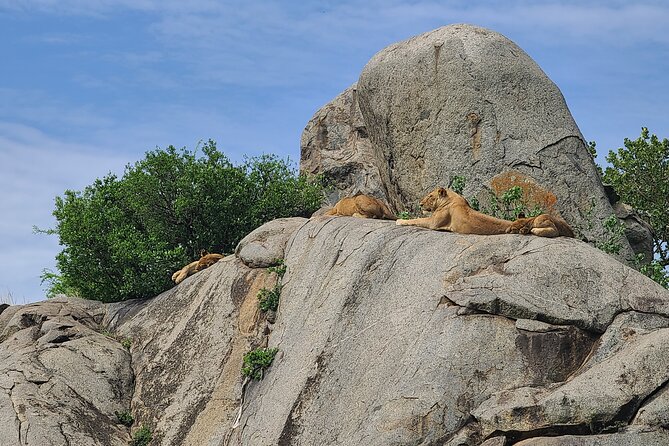
The Serengeti is famous for its seemingly endless grasslands. The open setting can make animals easier to spot at a distance, but it also means you may spend time searching. Wildlife is not arranged for visitors, and sightings depend on the season, water, animal movement, and your guide’s judgment.
The itinerary takes you toward the central Seronera area. The Seronera River is the key reason this zone attracts wildlife, providing water in a part of the park where animals can gather. The area is described as one of the Serengeti’s strongest wildlife habitats, with the possibility of seeing a broad mix of species.
You arrive in time for lunch, then take an afternoon game drive. This gives you a first look at the Serengeti without spending the entire day on the road. Still, the transfer from the Ngorongoro area is a major part of the day, so you should set realistic expectations. This is a travel-and-safari day, not a full day of uninterrupted wildlife watching.
The promise of seeing all of Africa’s big five is part of the appeal, but it is not a guarantee. Lions, elephants, buffalo, leopards, and rhinos live in these areas, yet no responsible safari can promise every sighting. The Serengeti gives you strong odds for several of these animals, while leopard and rhino sightings can be less certain.
Day 3: A final Serengeti drive before Ngorongoro
Day three starts with an early breakfast and a final morning game drive in the Serengeti. Early timing is useful because it gives you one more chance to see animals before leaving the Seronera area.
Morning light can also change the feel of the plains. You may find animals active before the heat of the day, though the exact sightings depend on conditions. The itinerary does not promise particular species during this drive, so think of it as extra search time rather than a scheduled checklist.
You then leave for the Ngorongoro Conservation Area, with a game drive along the way and a picnic lunch. The route links two very different kinds of protected places. Serengeti National Park focuses on wildlife protection, while the Ngorongoro Conservation Area also accommodates Maasai communities and their cattle.
That shared use is an important part of the visit. You are seeing a place managed for both indigenous wildlife and local Maasai people, rather than a park separated entirely from human activity. It offers a broader view of conservation, though it may also look less untouched than the central Serengeti.
This day is another long one. You get a final Serengeti outing, but you also need to move toward your next base. Make sure you are comfortable with the amount of driving before booking. The route is efficient, but it is not leisurely.
A change of scene while you are in Arusha:
- Tanzania Classic – 7 Days
★ 5.0 · 1,151 reviews - Materuni Waterfalls, coffee tour & Kikuletwa Hot Springs
★ 5.0 · 643 reviews - 3 Days Serengeti & Ngorongoro Group Camping Safari
★ 5.0 · 574 reviews - 7-Day Premium Luxury Tanzania Safari All-Inclusive
★ 5.0 · 426 reviews
Day 4: Five hours on the Ngorongoro Crater floor
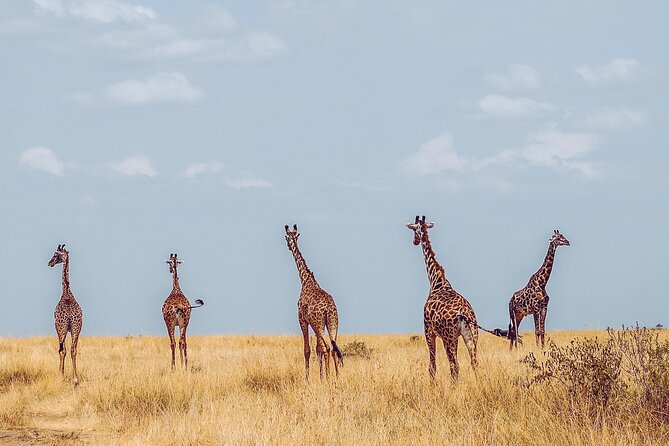
The final day begins after breakfast with a descent into Ngorongoro Crater. You spend about five hours on a game drive and have a picnic lunch on the crater floor.
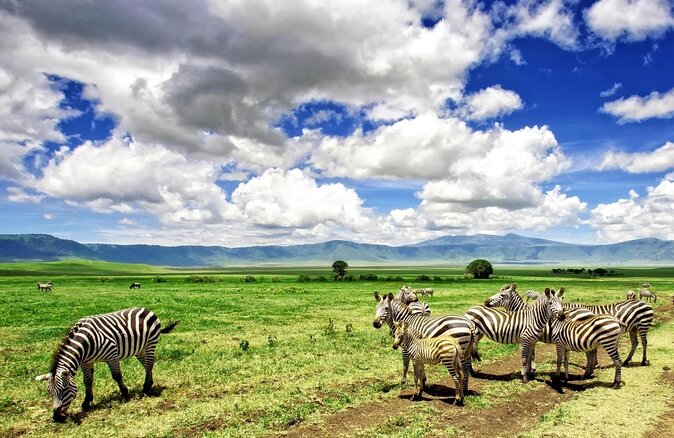
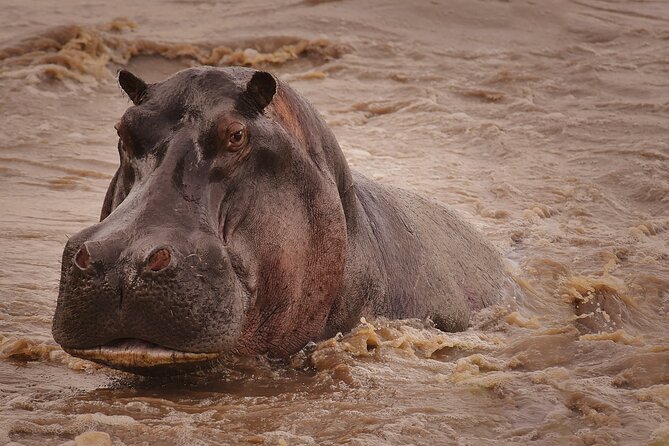
Ngorongoro is described as one of the most densely populated wildlife areas in Africa, with an estimated 30,000 animals. Its year-round water and grazing help support wildebeest, zebra, buffalo, eland, warthog, hippo, and giant African elephants.
This concentration gives the crater a different safari rhythm. Instead of scanning vast plains for distant movement, you may have several animal groups within a compact area. The enclosed setting can make the day feel especially productive, though it can also be busier than a more remote park.
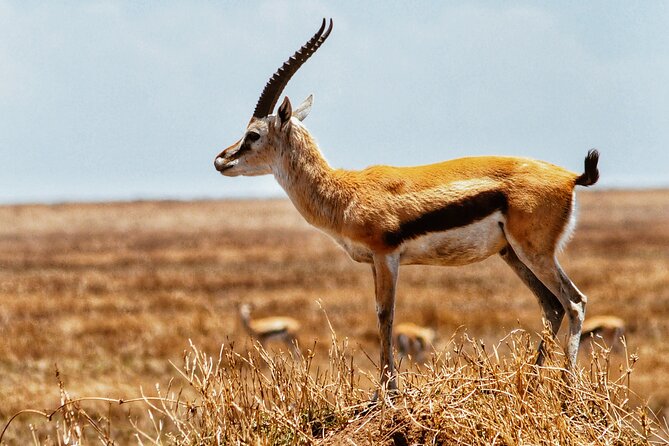
The crater is also an important place for predator sightings. Lions, hyenas, jackals, cheetahs, and leopards are listed among the possible animals. Black rhino is another major draw, with some of Tanzania’s remaining animals found in the crater.
You should treat these as possibilities, not guarantees. The guide’s skill is useful here. Sallu is praised for explaining animal behavior as well as birds, flowers, trees, and local experiences. That wider knowledge can make a quiet stretch of road worthwhile, even when no large animal is immediately in view.
Five hours is a substantial crater visit. It gives you time to look for wildlife, stop for lunch, and take in the setting without reducing the crater to a quick viewpoint stop. The day still ends with the same practical issue as the rest of the tour: you are on the move, and the schedule may feel full.
What makes the guiding important
A safari is not just a vehicle ride through a park. Your guide determines how much you understand about what you are seeing and how patiently you search.
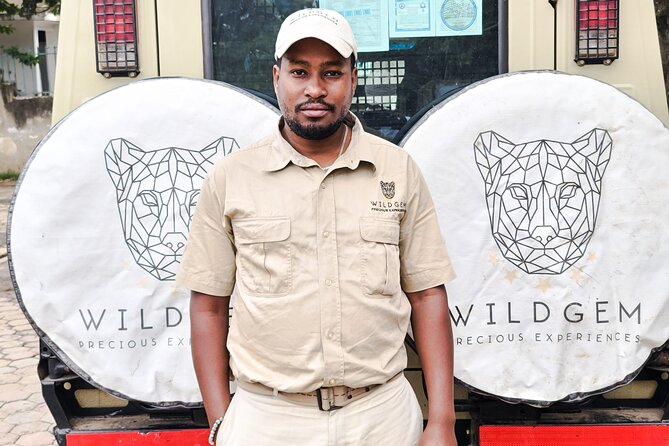
Sallu is the guide specifically associated with this experience. His explanations cover animals, birds, flowers, trees, and personal experience in Tanzania. That detail matters because a safari can otherwise become a series of quick photos without much context.
I would ask your guide questions throughout the trip. Ask why animals gather near a river, how the dry season changes Tarangire, or how the Ngorongoro Conservation Area differs from a national park. The itinerary gives you several chances to connect wildlife with water, vegetation, and local land use.
The tour is shared, with a maximum of seven people. That is small enough to make conversation with the guide possible and large enough to spread the cost. Your experience will still depend on the group’s habits, but the limit is a real advantage over a crowded vehicle.
Is $930 a fair price?
At $930 per person, this is not a low-cost day trip. It is a four-day safari across three major destinations, so the more useful question is what kind of value you want.
I see good value if you have limited time in Tanzania and want the northern circuit arranged in one package. Tarangire, Serengeti, and Ngorongoro are the main reasons many people choose this region, and the tour connects them without requiring you to plan separate transport and park visits.
The value is less clear if you want privacy, a flexible route, or long stays in one park. This is a group safari with a fixed schedule and shared vehicle time. The price does not tell you what lodging category is included, and the supplied details do not specify accommodations, so ask for that information before booking.
The meals specifically mentioned are breakfast and picnic lunches. Ask what other meals, park fees, accommodation, and transfers are included in the $930. These details can change the real cost of a safari by a lot.
Who should book this safari?
I would recommend this trip to you if you have four days, want the classic northern Tanzania route, and are comfortable with long road transfers. It also suits first-time safari visitors who want a guide to handle the route and explain what they see.
The group size makes it a reasonable choice for solo visitors or couples who do not want to pay for a private vehicle. You also get a chance to meet people from different parts of the world, which is part of the shared-safari experience.
I would be more cautious if you have limited mobility, need a slow pace, or dislike early mornings and picnic meals. The details say most people can participate, but they do not provide specific accessibility information. Ask direct questions if you have mobility or medical concerns.
The timing also deserves attention. Confirm the departure time, accommodation details, and the plan for the end of day four. Those are not reasons to reject the tour, but they are basic points to settle before paying.
Free cancellation is available up to 24 hours before the local start time for a full refund. Cancellations or changes made inside that window are not refunded, and the tour requires a minimum number of people. If that minimum is not reached, you are offered another date or experience, or a full refund.
Should you book the four-day route?
Book it if your priority is maximum wildlife variety in a short schedule. The route gives you Tarangire elephants, Seronera’s central Serengeti habitat, and a long Ngorongoro Crater drive, with Sallu’s nature explanations adding value to the vehicle time.
Think twice if you want an unhurried safari or need firm information about lodging and included costs before booking. Confirm the 7:30 AM versus 8:30 AM start, then ask exactly what the $930 covers. With those points clear, this is a practical shared safari for seeing three of Tanzania’s best-known wildlife areas in four days.
FAQ
Where does the safari start?
The listed meeting point is Mount Meru Hotel on Arusha-Taveta Road in the Sekei area of Arusha, Tanzania.
Is pickup from an Arusha hotel offered?
Yes, hotel pickup in Arusha is offered. The details list an 8:30 AM pickup, while the meeting information lists a 7:30 AM start, so confirm the correct time before departure.
How long is the safari?
The experience lasts approximately four days.
How many people can join the group?
The group has a maximum of seven travelers.
Which parks and conservation areas are included?
The route includes Tarangire National Park, Serengeti National Park, the Ngorongoro Conservation Area, and Ngorongoro Crater.
Are meals included?
The schedule specifically mentions breakfast and picnic lunches. It does not provide full details about every included meal.
Can I cancel for a full refund?
Yes. You can cancel at least 24 hours before the local start time for a full refund.
What happens if the tour does not reach its minimum number?
If the experience is canceled because the minimum number is not met, you are offered a different date or experience, or a full refund.
More four day trips in Arusha
- 4 Days Join Group tour Tarangire Serengeti and Ngorongoro crater
★ 5.0 · 219 reviews - 4-Day Safari from Arusha: Tarangire, Serengeti and Ngorongoro
★ 5.0 · 173 reviews - 4 Days safari Tour Tanzania
★ 5.0 · 159 reviews - 4 Days Tarangire Serengeti Ngorongoro Crater
★ 5.0 · 117 reviews
Newly listed around Arusha
- 5-Day Private Safari Tour in Tanzania’s Wildlife★ 5.0 · 3 reviews
- 3 Days private safari Tarangire ,Ngorongroro crater &Manyara★ 5.0 · 3 reviews
- 3 Day Sharing Safari – Manyara, Ngorongoro Crater and Tarangire National Parks★ 5.0 · 3 reviews
- Tarangire National Park Day Trip★ 5.0 · 3 reviews
- 2 Days Tarangire and Ngorongoro Crater Tour★ 5.0 · 3 reviews
- 6 -Day Tarangire, Manyara, Serengeti & Ngorongoro★ 5.0 · 3 reviews
- 5 Days Group Camping Safari★ 4.7 · 3 reviews
- 7-Day Mt. Kilimanjaro Hiking: Machame Route★ 5.0 · 3 reviews
Arusha Tours, compared.

Balloon Safari & Bush Breakfast in Serengeti – Miracle Experience
Read our review →






Browse the lists this tour appears in